Best Lawn Grass for Heavy Traffic in Zone 10
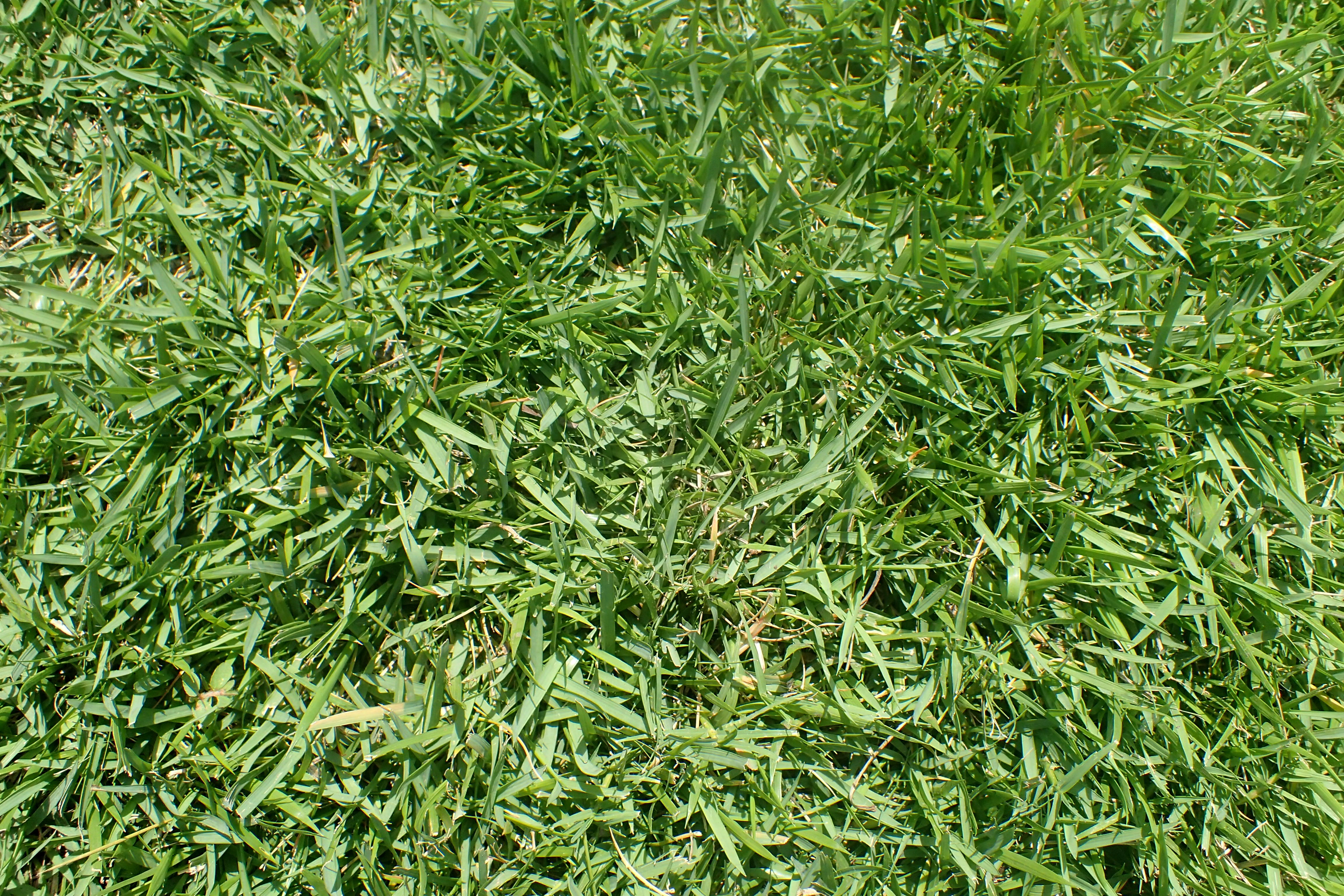
When it comes to selecting the best lawn grass for heavy traffic in Zone 10, the top contenders are Bermudagrass and Zoysiagrass. Both are warm-season grasses exceptionally well-suited to the hot, humid conditions of Zone 10 and possess remarkable durability, making them ideal for lawns that see a lot of foot traffic from kids, pets, or frequent entertaining. While both offer excellent resilience, they each have unique characteristics that might sway your decision.
🌱 Get Personalized Plant Picks
Answer a few quick questions and we’ll match plants to your exact yard conditions.
Find My Plants →Understanding Zone 10 and Warm-Season Grasses
USDA Hardiness Zone 10 encompasses areas with minimum winter temperatures ranging from 30°F to 40°F (-1.1°C to 4.4°C). This climate is characterized by long, hot summers and mild winters, which is perfect for warm-season grasses. These grasses thrive in temperatures between 75°F and 95°F (24°C to 35°C) and go dormant, turning brown, when temperatures consistently drop below 50°F (10°C). For heavy traffic areas, choosing a warm-season grass with excellent recuperative properties is crucial, as it allows the turf to quickly recover from wear and tear.
Top Contenders for Heavy Traffic in Zone 10
Bermudagrass (Cynodon dactylon)
Bermudagrass is often considered the king of warm-season grasses for its exceptional durability and rapid recovery. It's an aggressive grower, spreading by both stolons (above-ground runners) and rhizomes (underground runners), which allows it to quickly fill in bare spots and withstand significant foot traffic. Its fine to medium texture creates a dense, attractive lawn when properly maintained.
Pros for Heavy Traffic:
- Outstanding Wear Tolerance: Bermudagrass can handle constant foot traffic, sports activities, and pet play without showing significant damage.
- Rapid Recovery: Its aggressive growth habit means it repairs itself quickly from wear and tear, divots, and compaction.
- Drought Tolerance: Once established, Bermudagrass is very drought-tolerant, making it a good choice for water-conscious gardeners in Zone 10.
- Heat Tolerance: Thrives in the intense heat of Zone 10 summers.
- Versatile: Available in many varieties, from common to hybrid, offering different textures and maintenance levels.
Cons for Heavy Traffic:
- High Maintenance: Requires frequent mowing (often 1-2 times per week during peak growing season) to maintain a manicured look.
- Aggressive Spreader: Can invade flower beds and other areas if not properly edged.
- Dormancy: Turns brown and goes dormant in cooler winter months, which can be a drawback for those desiring year-round green.
- Thatch Buildup: Can develop a thick thatch layer, requiring regular dethatching.
Maintenance Tips for Bermudagrass:
- Mowing: Mow frequently at a height of 1-2 inches. Never remove more than one-third of the blade height at a time.
- Watering: Water deeply and infrequently to encourage deep root growth, about 1 inch per week, including rainfall.
- Fertilizing: Fertilize regularly during the growing season (spring through early fall) with a high-nitrogen fertilizer.
- Aeration and Dethatching: Perform annually or biennially to improve air and water penetration and reduce thatch.
Zoysiagrass (Zoysia spp.)
Zoysiagrass is another excellent choice for heavy traffic in Zone 10, known for its dense, carpet-like growth and impressive durability. While it spreads more slowly than Bermudagrass, its dense growth habit forms a tough, wear-resistant turf that can stand up to a lot of abuse. It has a finer texture than many Bermudagrass varieties and offers a beautiful, lush appearance.
Pros for Heavy Traffic:
- Excellent Wear Tolerance: Its dense growth creates a cushion that protects individual blades from damage.
- Good Recovery: While slower than Bermudagrass, Zoysia does recover well from damage due to its stolons and rhizomes.
- Lower Mowing Frequency: Grows more slowly than Bermudagrass, requiring less frequent mowing.
- Good Drought Tolerance: Once established, it can tolerate periods of drought.
- Fewer Weeds: Its dense growth crowds out many weeds naturally.
Cons for Heavy Traffic:
- Slow Establishment: Can take longer to establish from seed or plugs compared to Bermudagrass.
- Dormancy: Also goes dormant and turns brown in cooler winter months.
- Thatch Buildup: Can develop a significant thatch layer over time, requiring dethatching.
- Cost: Often more expensive to install than Bermudagrass, especially if using sod.
Maintenance Tips for Zoysiagrass:
- Mowing: Mow at a height of 1-2.5 inches. Less frequent mowing than Bermudagrass, perhaps once a week or every two weeks during peak growth.
- Watering: Water deeply and infrequently, aiming for about 1 inch per week.
- Fertilizing: Fertilize during the growing season, but generally requires less nitrogen than Bermudagrass.
- Aeration and Dethatching: Essential for Zoysia due to its dense growth and thatch potential.
Other Considerations for Heavy Traffic Lawns
While Bermudagrass and Zoysiagrass are your top choices, here are a few other factors to keep in mind:
Soil Preparation
Regardless of the grass type you choose, proper soil preparation is paramount for a healthy, traffic-resistant lawn.
- Soil Testing: Start with a soil test to determine nutrient levels and pH. Zone 10 soils can vary widely.
- Amendments: Amend heavy clay soils with organic matter to improve drainage and aeration. For sandy soils, organic matter helps retain moisture and nutrients.
- Grading: Ensure proper grading for good drainage to prevent waterlogging, which can weaken turf.
Irrigation
An efficient irrigation system is crucial for maintaining a healthy lawn, especially one under heavy traffic stress. Deep, infrequent watering encourages deep root growth, making the grass more resilient. Consider smart irrigation controllers that adjust watering based on weather conditions.
Aeration and Dethatching
For any heavy traffic lawn, regular aeration and dethatching are non-negotiable.
- Aeration: Relieves soil compaction, allowing water, air, and nutrients to reach the roots more effectively. This helps the grass recover faster from traffic.
- Dethatching: Removes the layer of dead and living organic matter (thatch) that accumulates between the soil surface and the green grass blades. Excessive thatch can harbor pests and diseases and impede water penetration.
Mowing Practices
Proper mowing is a simple yet effective way to promote a healthy, resilient lawn.
- Sharp Blades: Always use sharp mower blades. Dull blades tear the grass, making it more susceptible to disease and stress.
- Mowing Height: Maintain the recommended mowing height for your chosen grass type. Taller grass blades can shade the soil, reducing weed germination and promoting deeper roots.
- Mow Frequently: For heavy traffic areas, more frequent mowing (within the recommended height range) can help maintain density and encourage lateral growth.
Quick Reference: Bermudagrass vs. Zoysiagrass for Heavy Traffic
| Feature | Bermudagrass | Zoysiagrass |
|---|---|---|
| Wear Tolerance | Excellent | Excellent |
| Recovery Rate | Very Fast | Good (Slower than Bermuda) |
| Growth Habit | Aggressive (Stolons & Rhizomes) | Dense (Stolons & Rhizomes) |
| Mowing Frequency | High (1-2x/week) | Moderate (1x/week or every 2 weeks) |
| Texture | Fine to Medium | Fine to Medium |
| Drought Tolerance | Excellent | Good |
| Establishment | Fast | Slow |
| Thatch Potential | High | High |
| Winter Dormancy | Yes (Turns brown) | Yes (Turns brown) |
| Cost | Generally less expensive | Generally more expensive (especially sod) |
Other Plants for Zone 10
While you're planning your resilient lawn, consider adding some tough, beautiful plants that also thrive in Zone 10's climate.
Conclusion
For a heavy traffic lawn in USDA Zone 10,