Best Lawn Grass for Heavy Traffic in Zone 4
For homeowners in USDA Hardiness Zone 4 dealing with active kids, playful pets, or frequent foot traffic, selecting the right grass seed is crucial for a durable, beautiful lawn. The best lawn grass for heavy traffic in Zone 4 is generally a blend of Kentucky Bluegrass, Perennial Ryegrass, and Fine Fescues. This combination offers the superior cold hardiness, self-repairing capabilities, and quick establishment needed to withstand wear and tear in colder climates. Each grass type brings unique strengths to the mix, creating a resilient turf that can bounce back from heavy use.
🌱 Get Personalized Plant Picks
Answer a few quick questions and we’ll match plants to your exact yard conditions.
Find My Plants →Understanding Zone 4 and Traffic Tolerance
Zone 4 encompasses regions where winter temperatures can drop to -30°F to -20°F (-34°C to -29°C). This means any grass selected must be exceptionally cold-hardy to survive the harsh winters and bounce back vigorously in spring. Beyond cold tolerance, heavy traffic demands grasses with strong root systems, good recuperative abilities, and a dense growth habit.
What makes a grass traffic-tolerant?
- Strong rhizomes or stolons: These underground or above-ground stems allow the grass to spread and fill in damaged areas, a process known as self-repair.
- Dense growth habit: Tightly packed blades provide a cushion against foot traffic, reducing soil compaction and wear.
- Quick establishment: Grasses that germinate and grow quickly can recover faster from damage.
- Disease and pest resistance: A healthy lawn is a resilient lawn, better able to withstand environmental stressors and traffic.
The Power of a Grass Seed Blend
While some single grass types offer good traffic tolerance, a blend of different species is almost always the best approach for a high-traffic lawn in Zone 4. Why? Because each grass type has its strengths and weaknesses. A blend leverages these strengths, creating a more robust and adaptable lawn that can handle various conditions, from sunny spots to partial shade, and recover more effectively from wear.
Top Grasses for Heavy Traffic in Zone 4
Let's break down the key players in a successful Zone 4 heavy-traffic lawn blend:
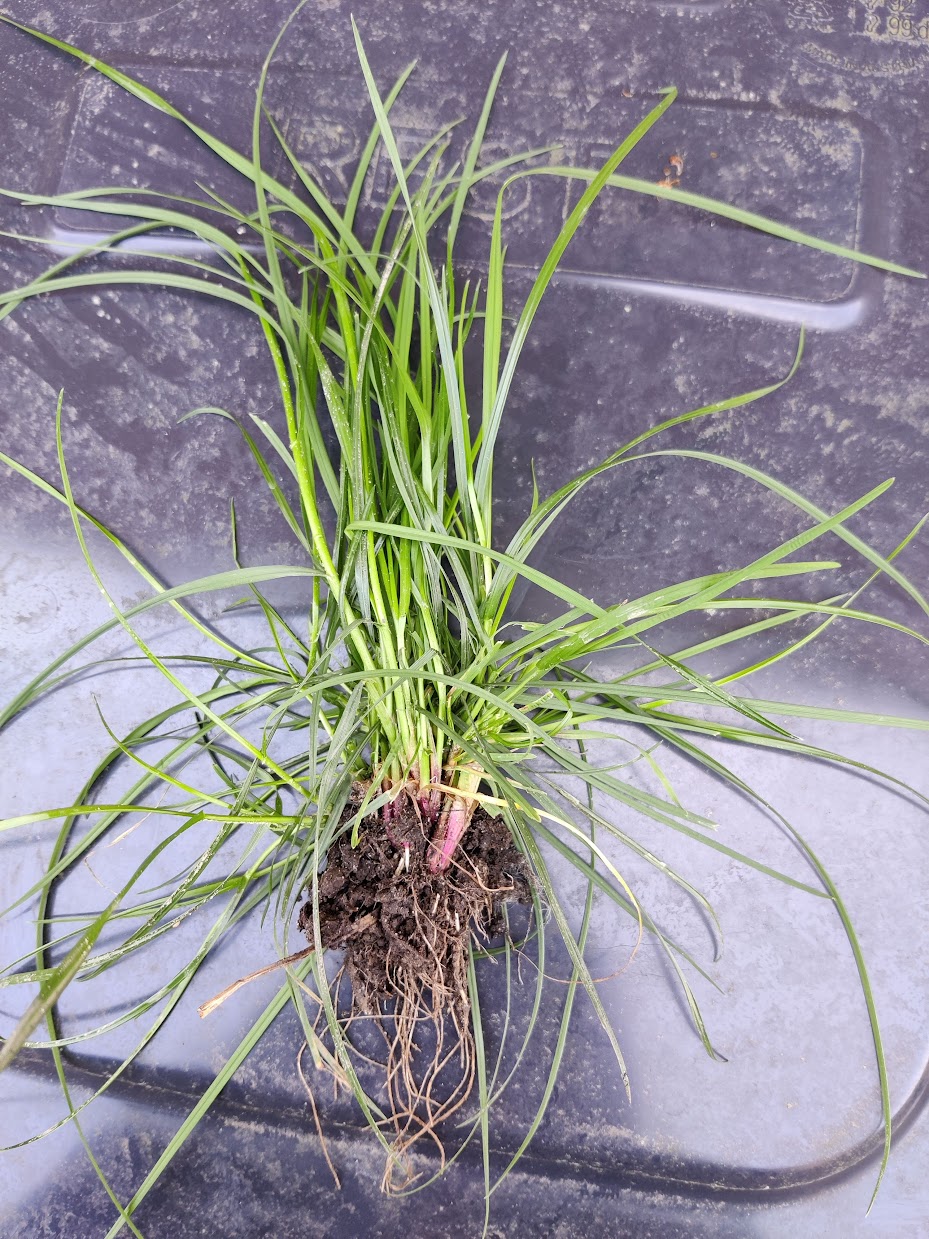
1. Kentucky Bluegrass (Poa pratensis)
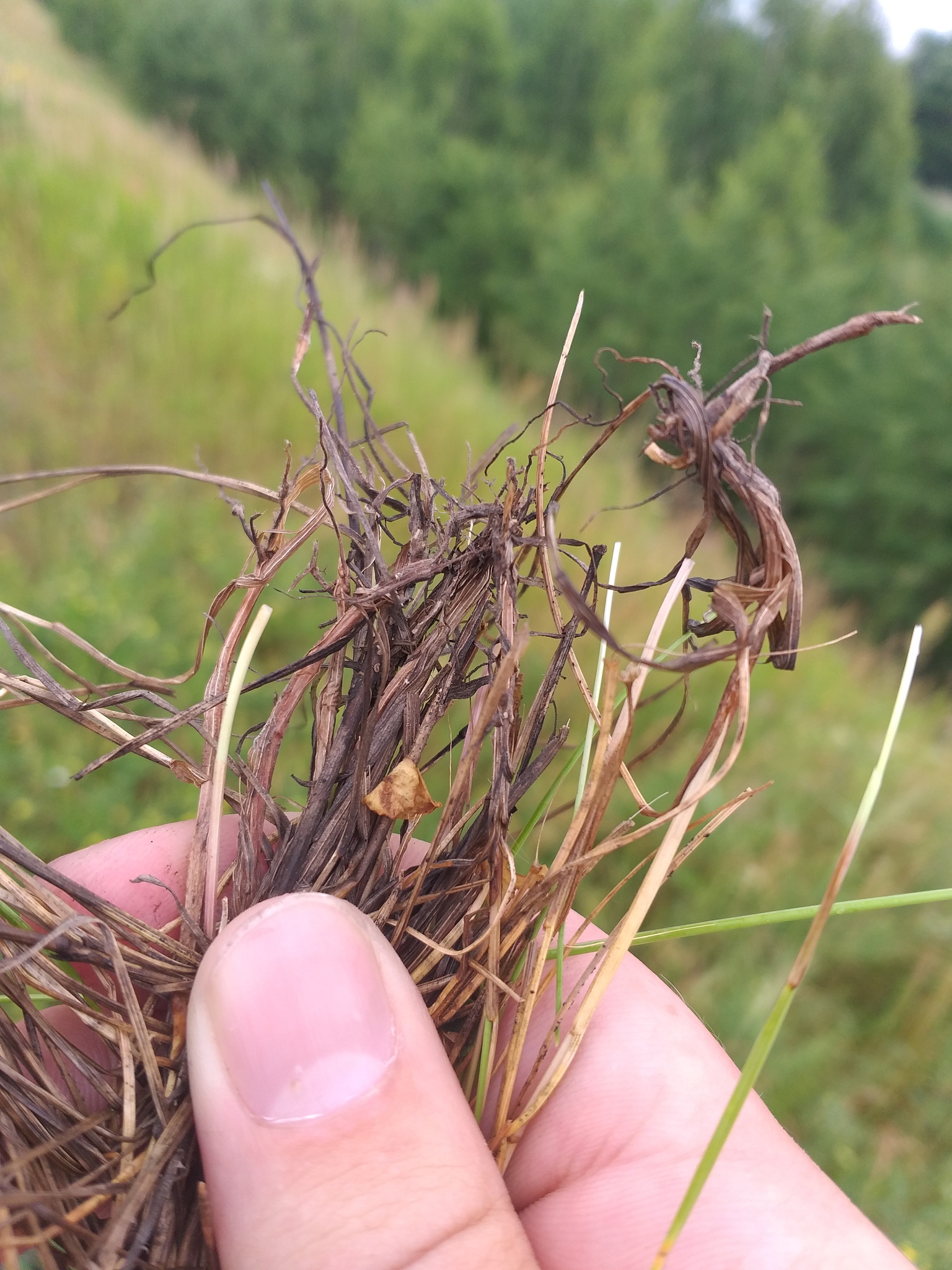
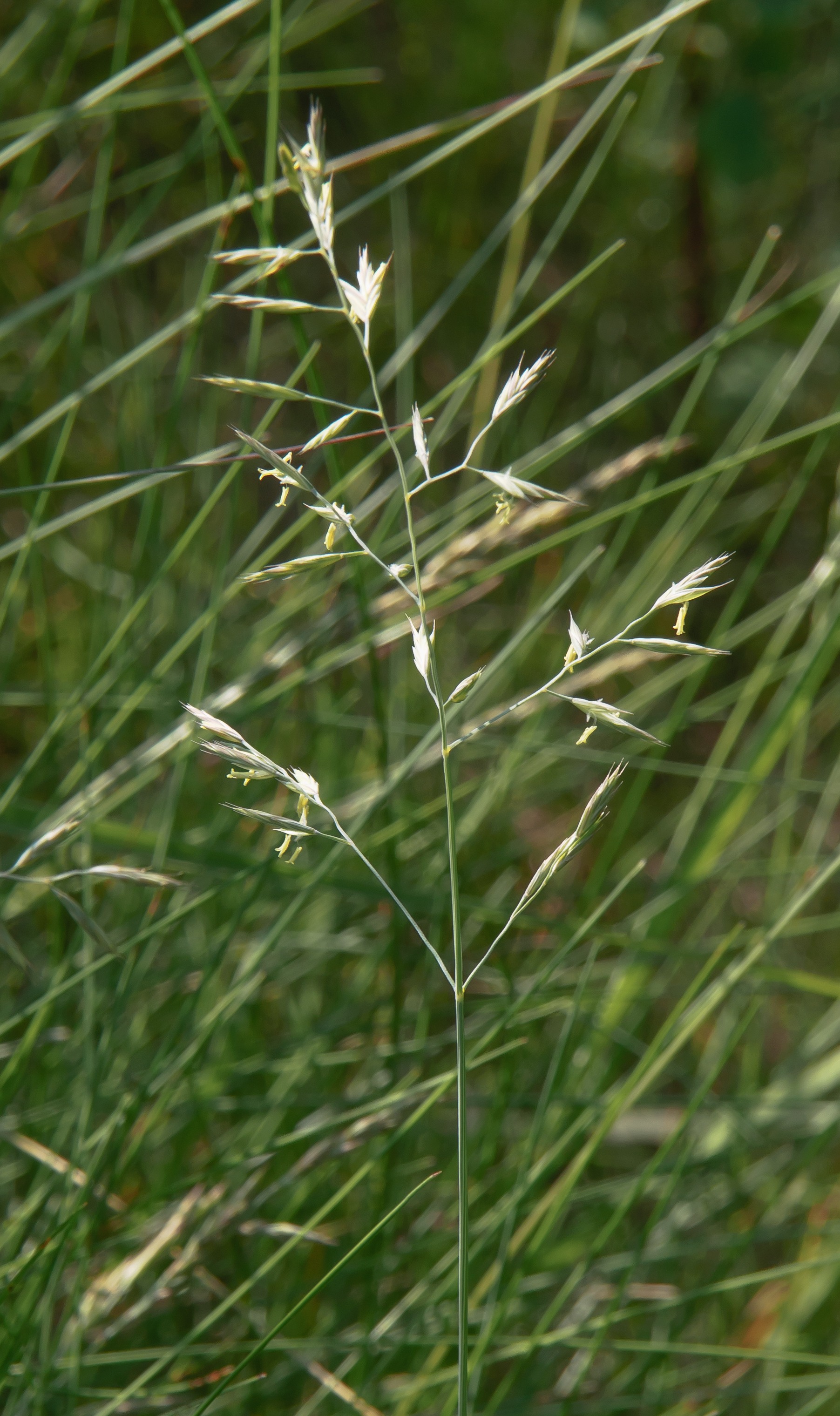
Kentucky Bluegrass is the cornerstone of many northern lawns, and for good reason. It's incredibly cold-hardy and boasts excellent recuperative properties thanks to its extensive rhizomatous root system. This means it can self-repair divots and worn spots, making it ideal for areas with heavy foot traffic. It forms a dense, attractive turf with a beautiful dark green color.
- Pros: Excellent cold hardiness, superior self-repair (rhizomes), dense growth, attractive appearance.
- Cons: Slower to germinate and establish than ryegrass, can be susceptible to some diseases if not properly maintained.
- Traffic Tolerance: High
2. Perennial Ryegrass (Lolium perenne)
Perennial Ryegrass is the speed demon of the lawn world. It germinates and establishes very quickly, providing rapid ground cover and helping to stabilize the soil. While it doesn't have rhizomes like Kentucky Bluegrass, its dense tillering growth habit helps it withstand traffic. It's often included in blends to provide quick green-up and immediate wear resistance while the slower-growing Kentucky Bluegrass establishes.
- Pros: Very fast germination and establishment, good wear tolerance, fine texture.
- Cons: Less cold-hardy than Kentucky Bluegrass (though improved varieties exist), no self-repair mechanism (no rhizomes/stolons).
- Traffic Tolerance: Medium to High
3. Fine Fescues (Festuca spp.)
Fine Fescues, such as Creeping Red Fescue, Chewings Fescue, and Hard Fescue, are often included in Zone 4 blends for their shade tolerance and lower maintenance requirements. While not as traffic-tolerant as Kentucky Bluegrass or Perennial Ryegrass on their own, they contribute to the overall density and resilience of a blend, especially in areas that might receive less sun. Creeping Red Fescue, in particular, offers some rhizomatous spread.
- Pros: Good shade tolerance, lower water and nutrient needs, some varieties have rhizomes.
- Cons: Less traffic-tolerant than Kentucky Bluegrass or Perennial Ryegrass when used alone.
- Traffic Tolerance: Medium
Quick Reference: Grass Blend for Heavy Traffic in Zone 4
| Grass Type | Key Benefit for Traffic | Cold Hardiness | Self-Repair | Germination Speed |
|---|---|---|---|---|
| Kentucky Bluegrass | Excellent recuperation | Excellent | Yes (rhizomes) | Slow |
| Perennial Ryegrass | Fast establishment | Good | No | Very Fast |
| Fine Fescues | Shade tolerance, density | Excellent | Some (Creeping Red) | Medium |
Creating Your High-Traffic Zone 4 Lawn
When purchasing seed, look for "Northern Lawn Mix" or "High Traffic Blend" specifically formulated for your region. A good blend for Zone 4 heavy traffic will typically contain:
- 50-70% Kentucky Bluegrass: For its self-repair and cold hardiness.
- 20-40% Perennial Ryegrass: For quick establishment and initial wear resistance.
- 5-15% Fine Fescues: For density, shade tolerance, and overall resilience.
Key Steps for Success:
- Soil Preparation: A well-drained, fertile soil is paramount. Conduct a soil test to determine pH and nutrient levels, and amend as recommended. Aim for a pH between 6.0 and 7.0.
- Seeding Time: Early fall (late August to mid-September) is ideal in Zone 4, allowing grass to establish before winter. Spring seeding (April to early May) is also possible but requires more diligent watering through summer.
- Watering: Consistent moisture is critical for germination and establishment. Water lightly and frequently until seedlings are established, then transition to deeper, less frequent watering.
- Mowing: Maintain a mowing height of 2.5-3 inches. Taller grass blades promote deeper roots and help shade the soil, reducing weed growth and moisture loss.
- Fertilization: Follow a regular fertilization schedule tailored to your soil test results. A healthy lawn is more resistant to stress and traffic.
- Aeration: For heavy traffic areas, consider annual or biannual aeration to relieve soil compaction, allowing water, air, and nutrients to reach the roots.
Maintaining a Resilient Lawn
Even with the best grass blend, ongoing care is essential for a high-traffic lawn.
- Rotate traffic patterns: If possible, try to vary where people walk to prevent concentrated wear.
- Overseed annually: Especially in high-traffic zones, overseeding each fall can help maintain density and fill in any thin spots.
- Address bare spots promptly: Repair small bare patches with new seed or sod to prevent them from expanding.
- Keep it healthy: Proper watering, mowing, and fertilization will ensure your lawn has the vigor to recover from daily abuse.
By choosing the right blend of grasses and committing to good lawn care practices, you can enjoy a beautiful, durable lawn in Zone 4 that stands up to all the activity your family throws its way.
Ready to find the perfect plants for your yard? Try the PlantWise Plant Finder →