Best Lawn Grass for Heavy Traffic in Zone 8
For homeowners in USDA Zone 8 dealing with active families, playful pets, or frequent outdoor entertaining, choosing the right grass for heavy traffic is crucial. The best lawn grasses for heavy traffic in Zone 8 are typically warm-season varieties known for their resilience, quick recovery, and ability to withstand compaction. Bermudagrass stands out as the top contender due to its aggressive growth habit and exceptional durability. Other strong performers include Zoysiagrass and, in some specific Zone 8 microclimates, certain Tall Fescue varieties. This guide will help you navigate the options to select a lawn that can stand up to the demands of your busy lifestyle.
Zoysia and Bermudagrass seed for Zone 8 traffic and urine-prone yards. We may earn a commission at no extra cost to you.
Amazon · Zoysia turf seed Amazon · Bermudagrass seed
* Sponsored mix bags may appear above named Zoysia/Bermuda seed; open the product and confirm the species on the label before buying.
🌱 Get Personalized Plant Picks
Answer a few quick questions and we’ll match plants to your exact yard conditions.
Find My Plants →Understanding Heavy Traffic and Grass Resilience
"Heavy traffic" on a lawn refers to consistent foot traffic, pet activity, or even light vehicle use that can compact the soil, wear down grass blades, and create bare spots. Not all grass types are created equal when it comes to handling this kind of stress. Resilient grasses possess several key characteristics:
- Aggressive Growth: They spread quickly, either by stolons (above-ground runners) or rhizomes (below-ground runners), allowing them to fill in damaged areas rapidly.
- Deep Root Systems: Deeper roots help the grass access water and nutrients more efficiently and anchor it more firmly against wear and tear.
- Fine-to-Medium Texture: While not always the case, finer blades can sometimes be more flexible and less prone to snapping under pressure.
- Tolerance to Compaction: Heavy traffic leads to compacted soil, which reduces air and water penetration. Some grasses are more tolerant of these conditions than others.
Zone 8, with its hot summers and mild winters, is ideal for warm-season grasses. These grasses thrive in temperatures between 75-95°F and go dormant in cooler weather. While cool-season grasses are better suited for northern climates, some varieties can perform well in Zone 8, especially in shaded areas or if specifically bred for heat tolerance.
Top Warm-Season Grasses for Heavy Traffic in Zone 8
When it comes to warm-season grasses for high-traffic areas in Zone 8, these are your best bets:
Bermudagrass (Cynodon dactylon)
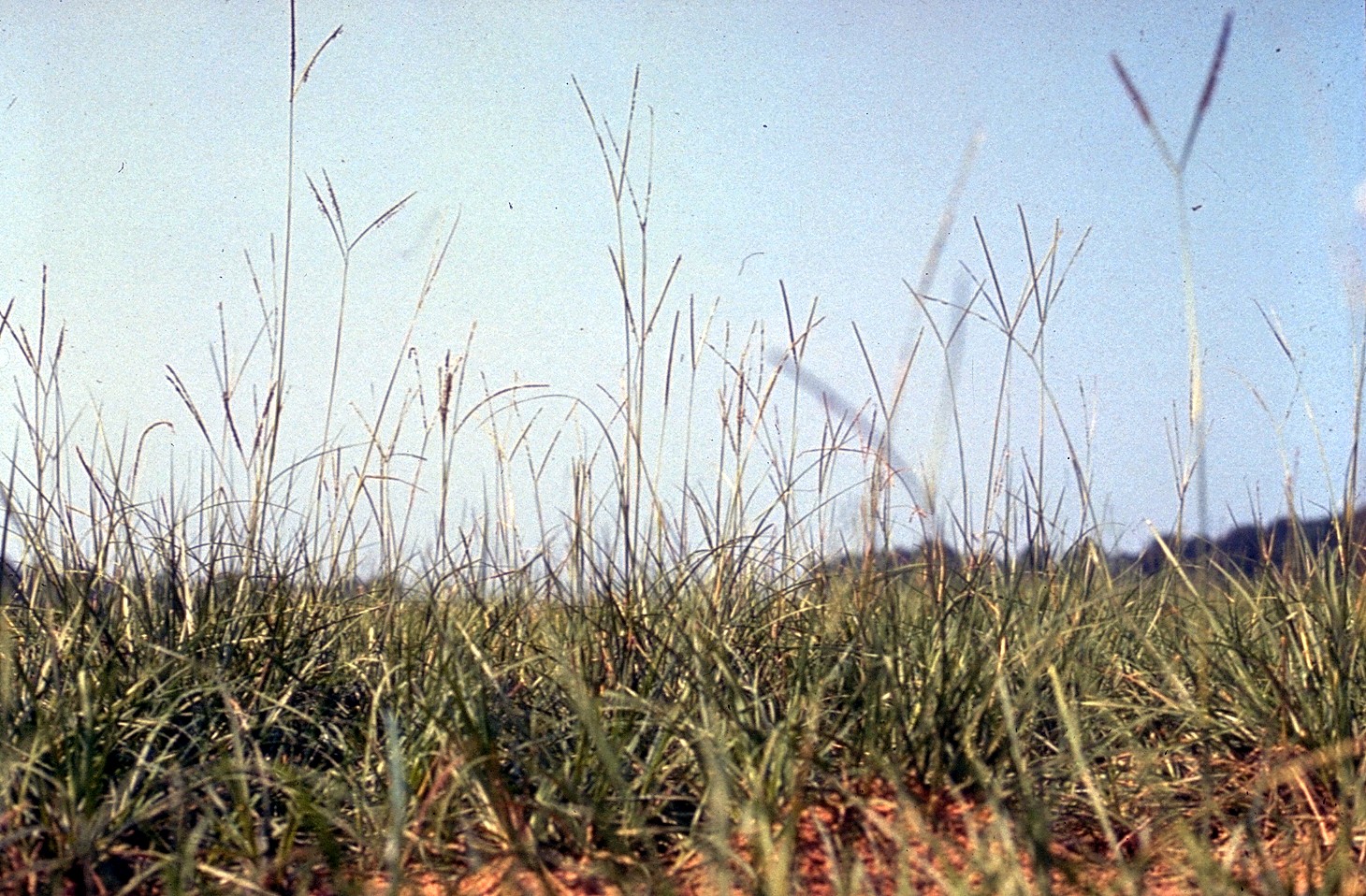
Bahia Grass Bermudagrass is the undisputed champion for heavy traffic in warm climates. Its aggressive spreading habit via both stolons and rhizomes means it recovers incredibly quickly from wear and tear. It forms a dense, tough turf that can withstand a lot of abuse.
- Pros: Exceptional wear tolerance, rapid recovery, excellent heat and drought tolerance, thrives in full sun.
- Cons: Can be invasive if not properly edged, requires frequent mowing during peak growing season, goes dormant (turns brown) in winter.
- Maintenance for Traffic: To keep Bermudagrass looking its best under heavy traffic, regular fertilization (especially nitrogen) and consistent mowing at a lower height (0.5-2 inches) are key. Aeration can help alleviate compaction.
Zoysiagrass (Zoysia spp.)
Zoysiagrass is another excellent choice, known for its dense, carpet-like growth and impressive durability. While not as aggressive as Bermudagrass, its slow growth rate results in a very tough, wear-resistant turf that recovers well.
- Pros: Very good wear tolerance, dense growth chokes out weeds, good heat and drought tolerance once established, less invasive than Bermudagrass.
- Cons: Slower to establish, goes dormant in winter, can develop a thatch layer if not managed.
- Maintenance for Traffic: Zoysiagrass benefits from regular, deep watering and occasional dethatching to prevent thatch buildup, which can hinder recovery from traffic. Mow at 1-2.5 inches.
St. Augustinegrass (Stenotaphrum secundatum)
While not quite as traffic-tolerant as Bermudagrass or Zoysiagrass, St. Augustinegrass can still handle moderate to heavy traffic, especially in shaded areas where other warm-season grasses struggle. It spreads by thick stolons, creating a dense turf.
- Pros: Good shade tolerance (for a warm-season grass), forms a dense, attractive lawn, handles moderate traffic well.
- Cons: Less cold tolerant than Bermudagrass, susceptible to chinch bugs, can develop thatch.
- Maintenance for Traffic: St. Augustinegrass needs consistent moisture and can benefit from aeration in high-traffic zones. Mow at 2-4 inches.
Cool-Season Grasses for Zone 8 (with caveats)
While warm-season grasses are generally preferred for Zone 8, some cool-season varieties can be considered, especially if you have significant shade or prefer a green lawn year-round (though this requires more intensive management).
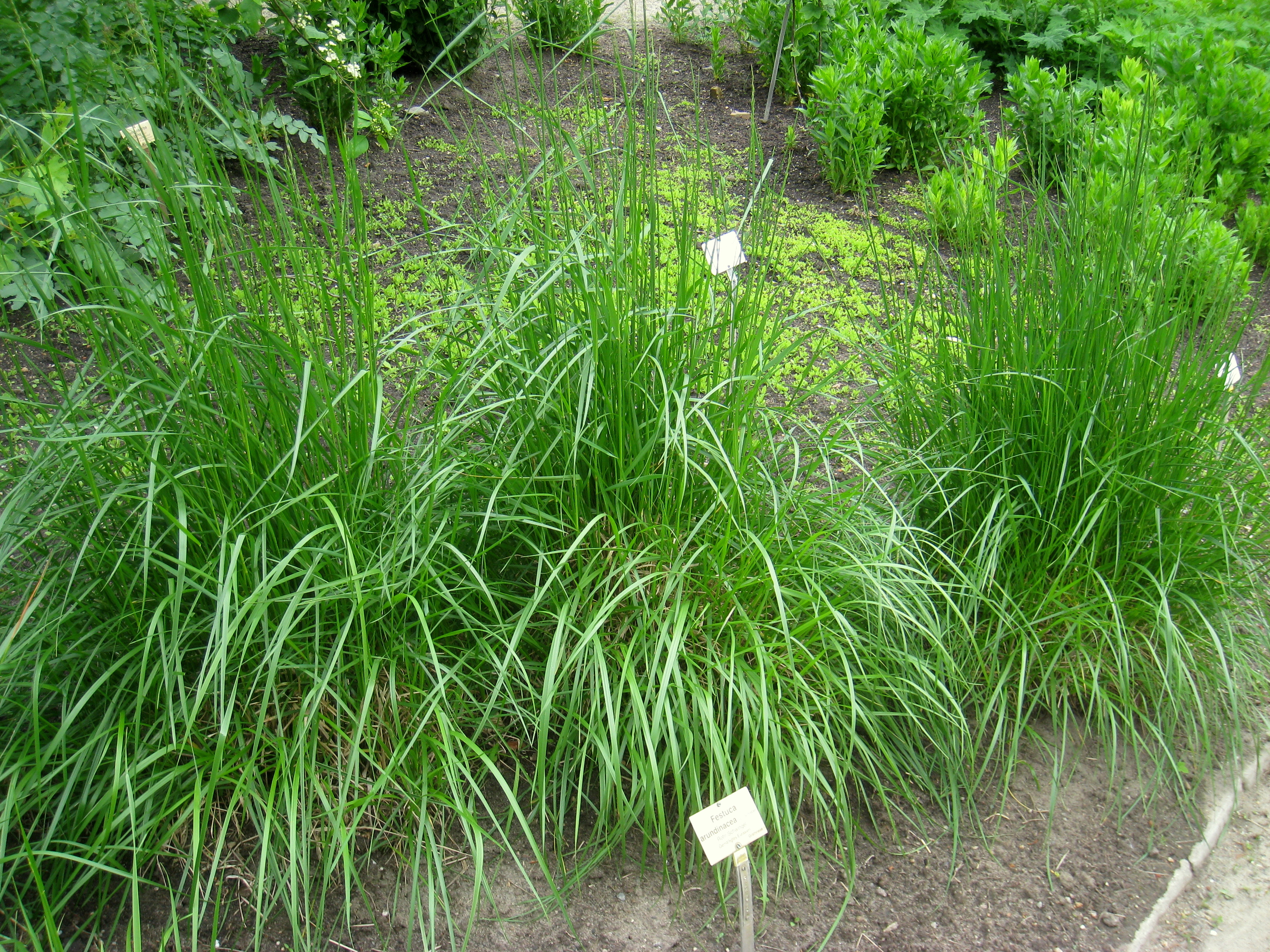
Tall Fescue (Festuca arundinacea)
Penstemon Certain varieties of Tall Fescue, particularly the "turf-type" varieties, have improved heat and drought tolerance, making them viable in the cooler parts of Zone 8 or in areas with partial shade. It's a bunch-type grass, meaning it doesn't spread by runners but instead grows in clumps.
- Pros: Good wear tolerance for a cool-season grass, remains green in winter, good shade tolerance, deep roots.
- Cons: Can struggle in intense summer heat, requires more water than warm-season grasses in summer, needs overseeding to fill in bare spots (doesn't self-repair like spreading grasses).
- Maintenance for Traffic: For Tall Fescue under heavy traffic, regular overseeding is essential to maintain density. Keep it mowed at 2-4 inches and ensure adequate water during dry periods.
Quick Reference: Heavy Traffic Grasses for Zone 8
| Grass Type | Traffic Tolerance | Spreading Habit | Sun Needs | Winter Color | Mowing Height (in) | Key Maintenance for Traffic |
|---|---|---|---|---|---|---|
| Bermudagrass | Excellent | Stolons & Rhizomes | Full Sun | Dormant | 0.5-2 | Fertilize, Aerate, Frequent Mowing |
| Zoysiagrass | Very Good | Stolons & Rhizomes | Full Sun | Dormant | 1-2.5 | Dethatch, Deep Watering |
| St. Augustine | Good | Stolons | Full Sun-Partial Shade | Dormant | 2-4 | Consistent Moisture, Aerate |
| Tall Fescue | Good (Cool-Season) | Bunch-type | Full Sun-Partial Shade | Green | 2-4 | Overseed, Consistent Water |
Enhancing Lawn Durability Beyond Grass Selection
Choosing the right grass is the first step, but proper lawn care practices are equally important for a high-traffic lawn.
- Soil Preparation: Before planting, ensure your soil is well-draining and rich in organic matter. A soil test can reveal deficiencies that need addressing. Good soil promotes strong root growth, which is vital for resilience.
- Aeration: Regular aeration (once or twice a year for high-traffic areas) helps alleviate soil compaction, allowing air, water, and nutrients to reach the grass roots. This is critical for encouraging recovery and overall health.
- Fertilization: A consistent fertilization schedule provides the nutrients your grass needs to grow vigorously and repair itself. Follow soil test recommendations for balanced feeding.
- Proper Mowing: Don't cut more than one-third of the grass blade at a time. Keep mower blades sharp to prevent tearing, which stresses the grass. Adjust mowing height according to the grass type.
- Deep, Infrequent Watering: Encourage deep root growth by watering deeply but less frequently. This makes the grass more drought-tolerant and resilient.
- Overseeding/Reseeding: For bunch-type grasses like Tall Fescue, overseeding in the fall is essential to maintain density. For spreading grasses, reseeding bare patches promptly prevents weeds from moving in.
- Traffic Diversion: If possible, try to vary traffic patterns or create designated pathways in extremely high-traffic areas to give the lawn a break.
Final Thoughts
Selecting the best grass for heavy traffic in Zone 8 boils down to prioritizing resilience and recovery. Bermudagrass and Zoysiagrass are generally the superior choices for their aggressive growth and ability to withstand and bounce back from constant use. If shade is a significant factor, St. Augustinegrass or turf-type Tall Fescue might be more suitable, though they require specific management strategies to endure heavy traffic. By combining the right grass choice with diligent lawn care, you can enjoy a beautiful, durable lawn that stands up to all the activity your household throws its way.
Ready to find the perfect plants for your yard? Try the PlantWise Plant Finder →