Best Lawn Grass for Heavy Traffic in Zone 9
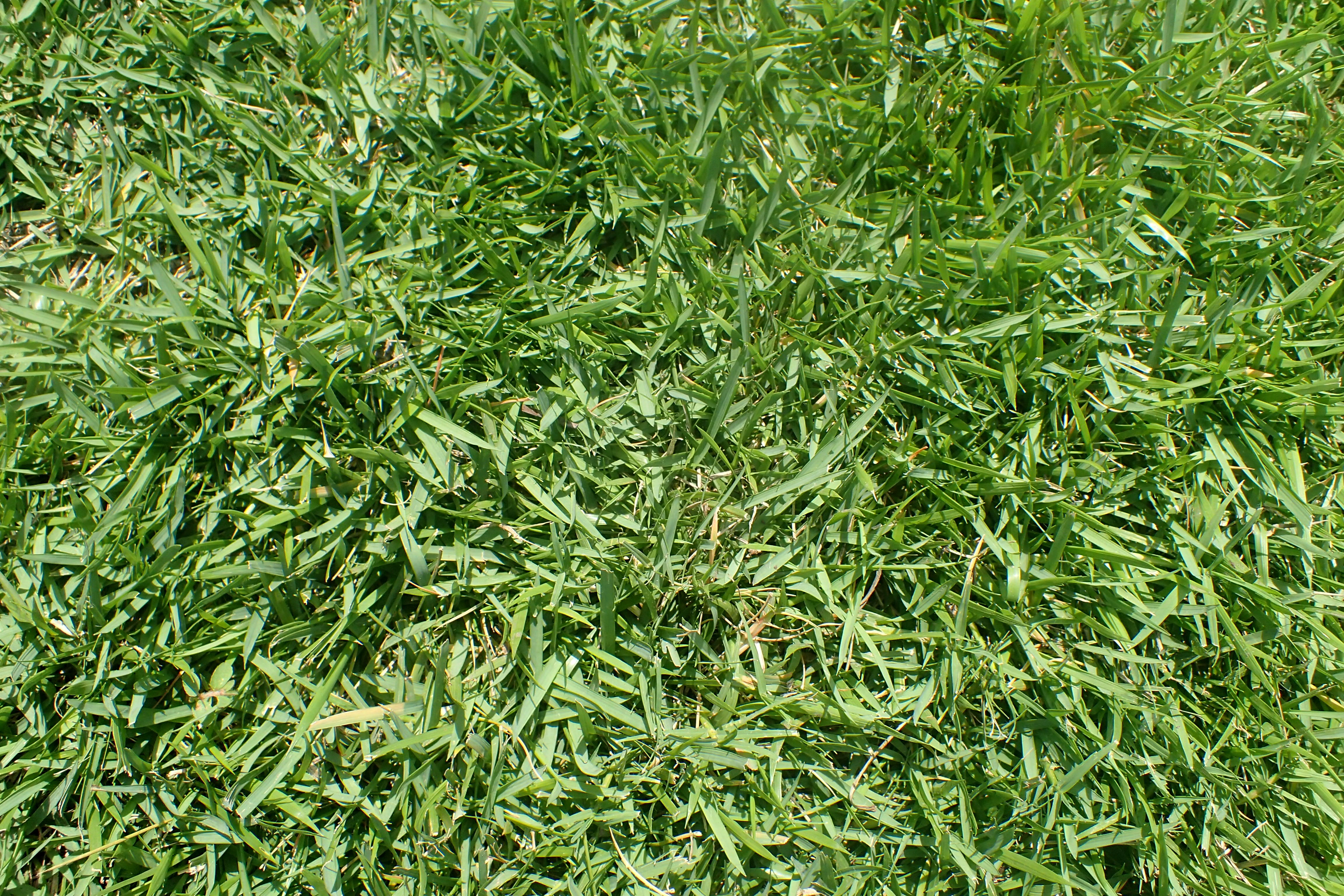
For homeowners in USDA Zone 9 dealing with active families, playful pets, or frequent outdoor gatherings, choosing the right grass for heavy traffic is crucial. The best lawn grass for heavy traffic in Zone 9 is typically Bermuda grass, followed closely by Zoysia grass. Both are warm-season grasses that thrive in the hot, humid conditions of Zone 9, offering excellent durability, quick recovery from wear, and a beautiful green lawn even under significant foot traffic.
Shop heavy-traffic warm-season seed on Amazon
Bermudagrass leads in Zone 9 traffic; Zoysia is the dense runner-up. We may earn a commission at no extra cost to you.
Amazon · Bermudagrass seed bags Amazon · Zoysia turf seed bags
* Confirm Bermudagrass or Zoysia on the label; generic all-purpose mixes are not a substitute when you want those species.
🌱 Get Personalized Plant Picks
Answer a few quick questions and we’ll match plants to your exact yard conditions.
Find My Plants →Understanding Heavy Traffic and Zone 9 Challenges
Before diving into specific grass types, it's important to understand what "heavy traffic" means for a lawn and the unique challenges of gardening in Zone 9.
Heavy traffic isn't just about how many people walk on your lawn; it's also about the intensity and frequency. A lawn that sees kids playing sports daily, dogs running zoomies, or hosts regular backyard parties will experience compaction, wear, and tear much faster than a purely ornamental lawn. This leads to bare spots, thinning, and an overall unhealthy appearance.
Zone 9 encompasses a wide range of climates, generally characterized by hot, humid summers and mild winters with infrequent to no frost. This climate is ideal for warm-season grasses, which grow most actively when temperatures are between 80-95°F (27-35°C). Cool-season grasses, which prefer cooler temperatures, struggle to survive the intense summer heat of Zone 9 and are generally not recommended for this region, especially for high-traffic areas.
The key to a high-traffic lawn in Zone 9 is selecting a grass that not only tolerates the heat but also possesses:
- Excellent wear tolerance: The ability to withstand being walked on, played on, and generally abused without showing significant damage.
- Rapid recovery: The capacity to quickly repair itself from damage, whether it's from compaction or physical wear.
- Strong root system: A deep, extensive root system helps anchor the grass, making it more resilient to stress and better able to access water and nutrients.
- Drought tolerance: While not directly related to traffic, drought tolerance is a significant advantage in Zone 9's often dry periods, reducing stress on the lawn and improving overall resilience.
Top Contenders: Warm-Season Grasses for High Traffic
Given the requirements, two warm-season grasses stand out for heavy traffic in Zone 9: Bermuda grass and Zoysia grass.
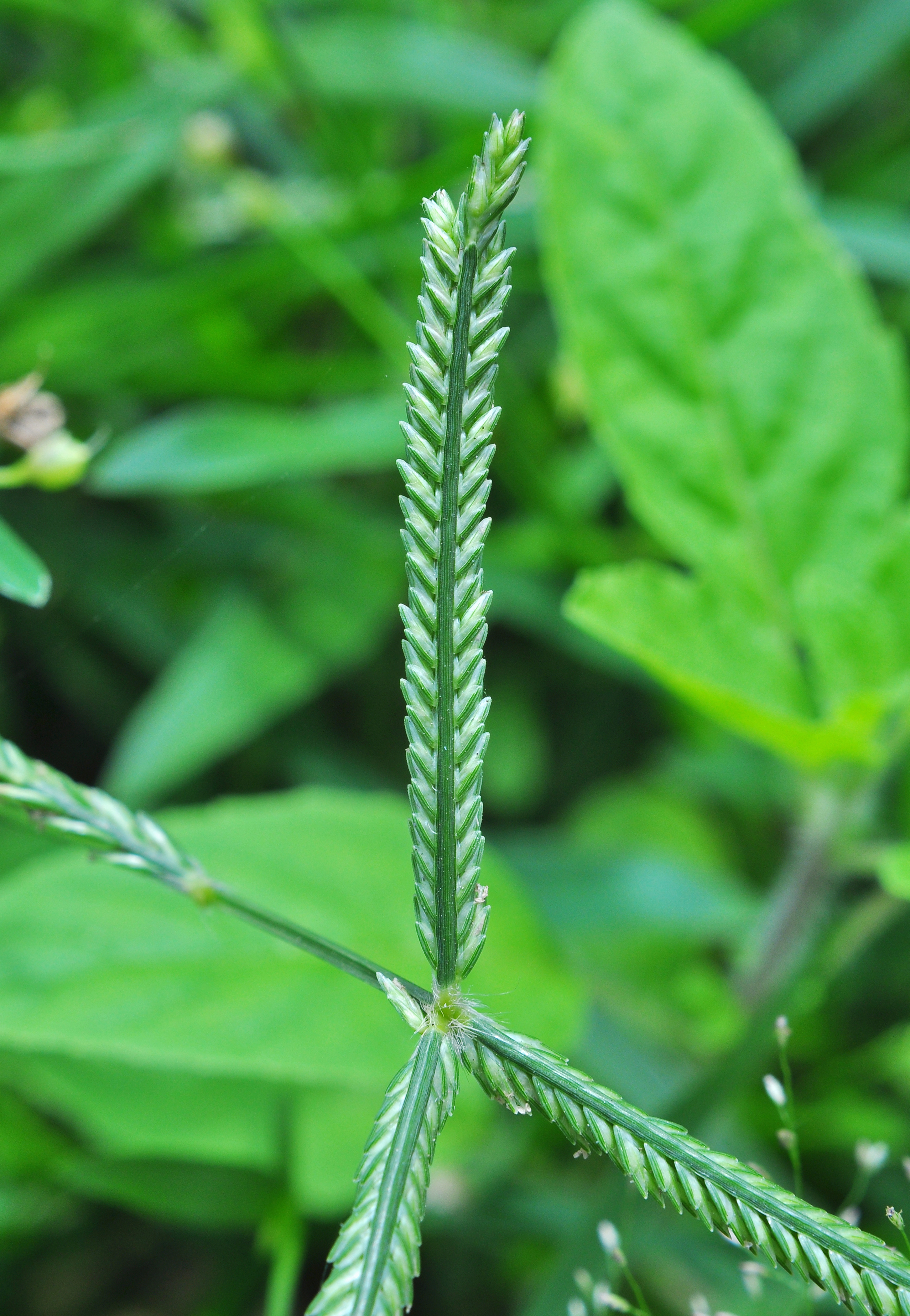
Bermuda Grass (Cynodon dactylon)
Bermuda grass is often considered the king of high-traffic lawns in warm climates. It's incredibly resilient and recovers quickly from damage, making it a top choice for sports fields, golf courses, and busy home lawns.
Pros:
- Exceptional wear tolerance: Its aggressive growth habit and strong stolons and rhizomes allow it to withstand heavy foot traffic and recover rapidly.
- Excellent heat and drought tolerance: Thrives in Zone 9's hot summers and can tolerate periods of drought once established.
- Fast growth: Spreads quickly, filling in bare spots and creating a dense turf.
- Relatively low maintenance for its resilience: While it needs regular mowing and fertilization, its ability to bounce back from traffic reduces the need for constant repair.
Cons:
- Aggressive spreader: Can invade garden beds if not properly edged.
- Requires full sun: Does not tolerate shade well.
- Needs frequent mowing: To maintain a manicured look, Bermuda grass often requires mowing 1-2 times per week during its active growing season.
- Goes dormant in winter: Turns brown with the first frost, which some homeowners dislike.
Maintenance Tips for High-Traffic Bermuda:
- Mowing: Keep it mowed at 1-2 inches for optimal density and traffic tolerance.
- Fertilization: A regular feeding schedule (3-4 times per year) is crucial to support its aggressive growth and recovery.
- Aeration: Annually aerating your lawn will help alleviate soil compaction from heavy traffic, allowing water, air, and nutrients to reach the roots.
Zoysia Grass (Zoysia japonica)
Zoysia grass is another excellent choice for heavy traffic in Zone 9, known for its dense growth and tough blades. It's often praised for its ability to create a carpet-like lawn that feels great underfoot.
Pros:
- High wear tolerance: Forms a very dense turf that stands up well to traffic.
- Good recovery: While not as fast as Bermuda, Zoysia recovers well from damage.
- Excellent drought tolerance: Requires less water than many other grass types once established.
- Tolerates some shade: More shade tolerant than Bermuda grass, making it a good option for lawns with partial sun.
- Less frequent mowing: Grows slower than Bermuda, so it doesn't need to be mowed as often.
Cons:
- Slow to establish: Can take longer to fill in than Bermuda grass.
- Thatch buildup: Can develop a thick layer of thatch, requiring regular dethatching.
- Goes dormant in winter: Like Bermuda, it will turn brown in colder temperatures.
Maintenance Tips for High-Traffic Zoysia:
- Mowing: Mow at 1-2.5 inches. Its slower growth means less frequent mowing.
- Dethatching: Dethatch every 1-2 years to prevent excessive thatch buildup, which can hinder water and nutrient penetration.
- Aeration: Annual aeration is beneficial to combat compaction.
Other Considerations for Zone 9 (Less Ideal for Heavy Traffic)
While Bermuda and Zoysia are the top picks, you might encounter other warm-season grasses in Zone 9.
- St. Augustine Grass: Known for its broad, coarse blades and beautiful blue-green color. It's fairly drought tolerant and does well in coastal areas. However, it has poor wear tolerance compared to Bermuda or Zoysia, making it a less ideal choice for heavy traffic. It also struggles with compaction.
- Centipede Grass: A low-maintenance, apple-green grass often called "lazy man's grass." It has fair wear tolerance but recovers slowly from damage. It's also sensitive to iron deficiency and can struggle with high pH soils. Not the best for consistently heavy traffic.
Quick Reference: Heavy Traffic Grasses for Zone 9
| Feature | Bermuda Grass | Zoysia Grass |
|---|---|---|
| Wear Tolerance | Excellent | High |
| Recovery Rate | Very Fast | Good |
| Heat Tolerance | Excellent | Excellent |
| Drought Tolerance | Excellent | Excellent |
| Shade Tolerance | Poor | Moderate |
| Growth Rate | Fast, aggressive | Slow to moderate |
| Mowing Frequency | High (1-2 times/week) | Moderate (1 time/week or less) |
| Winter Dormancy | Yes (turns brown) | Yes (turns brown) |
| Maintenance | Regular mowing, fertilization, aeration | Less frequent mowing, dethatching, aeration |
| Best For | Very high traffic, full sun, sports fields | High traffic, some shade, dense carpet-like feel |
Maintaining a High-Traffic Lawn in Zone 9
Even the toughest grass needs proper care to withstand heavy use.
- Mowing Height: Don't scalp your lawn. Mowing at the recommended height for your chosen grass type encourages deeper roots and a denser turf, which is more resilient to traffic.
- Regular Fertilization: High-traffic lawns use more nutrients. Follow a consistent fertilization schedule to keep your grass strong and promote recovery.
- Aeration: This is critical for high-traffic areas. Aeration alleviates soil compaction, allowing water, air, and nutrients to penetrate the root zone. Aim for at least once a year, possibly twice for very heavy traffic.
- Dethatching: Especially important for Zoysia, dethatching removes the layer of dead organic matter that can build up and prevent water and nutrients from reaching the soil.
- Proper Watering: Deep and infrequent watering encourages deep root growth, making the grass more drought-tolerant and resilient. Avoid shallow, frequent watering.
- Pest and Disease Management: A healthy lawn is more resistant to pests and diseases. Address any issues promptly to prevent further stress on your grass.
- Rotate Traffic Patterns: If possible, try to vary the paths people take across your lawn to distribute wear more evenly.
Conclusion
For homeowners in Zone 9 seeking a resilient lawn that can stand up to