Best Lawn Grasses for Zone 6: Complete Overview
For homeowners in USDA Hardiness Zone 6, selecting the best lawn grass involves balancing the needs of both warm summers and cold winters. The ideal grasses for Zone 6 are typically cool-season varieties, as they thrive in the moderate temperatures of spring and fall and can withstand the winter chill. However, some adaptable warm-season grasses or blends can also perform well, especially in the warmer parts of the zone. This overview will guide you through the top choices, ensuring you can cultivate a lush, healthy lawn that stands up to the unique climate of Zone 6.
Shop lawn seed on Amazon
Bagged seed for Zone 6 lawns. We may earn a commission at no extra cost to you.
Amazon · Lawn seed Amazon · Turf fescue seed Amazon · KBG seed Amazon · Perennial rye seed Amazon · Fine-leaf fescue seed Amazon · Zoysia seed
🌱 Get Personalized Plant Picks
Answer a few quick questions and we’ll match plants to your exact yard conditions.
Find My Plants →Understanding USDA Hardiness Zone 6
USDA Hardiness Zone 6 encompasses a wide range of climates across the United States, characterized by average annual extreme minimum temperatures between -10°F and 0°F (-23.3°C and -17.8°C). This means winters are cold enough to kill off many warm-season plants, but not so severe that cool-season grasses can't thrive. Summers can range from moderately warm to hot, often with periods of humidity.
Successful lawn care in Zone 6 hinges on choosing grasses that can:
- Tolerate cold winters without significant damage.
- Withstand summer heat and potential drought stress.
- Recover quickly from seasonal stresses.
Top Cool-Season Grasses for Zone 6
Cool-season grasses are the stars of Zone 6 lawns. They grow most vigorously in temperatures between 60°F and 75°F (15°C and 24°C), making them perfect for spring and fall. During the hottest parts of summer, they may go dormant to conserve energy, but they typically bounce back with cooler temperatures and moisture.
1. Kentucky Bluegrass (Poa pratensis)
Kentucky Bluegrass is arguably the most popular cool-season grass, and for good reason. It forms a dense, beautiful, dark green turf that is highly prized for its aesthetic appeal.
Pros:
- Excellent color and density: Creates a carpet-like lawn.
- Good cold tolerance: Handles Zone 6 winters with ease.
- Self-repairing: Spreads by rhizomes, allowing it to fill in bare spots.
- Durable: Tolerates moderate foot traffic.
Cons:
- High water requirements: Needs consistent moisture, especially in summer.
- Susceptible to diseases: Can be prone to dollar spot, rust, and patch diseases if not properly managed.
- Slow to establish from seed: Can take several weeks to germinate and establish.
Best for: Lawns where appearance and durability are top priorities, and regular watering is feasible.
2. Fine Fescues (Festuca spp.)
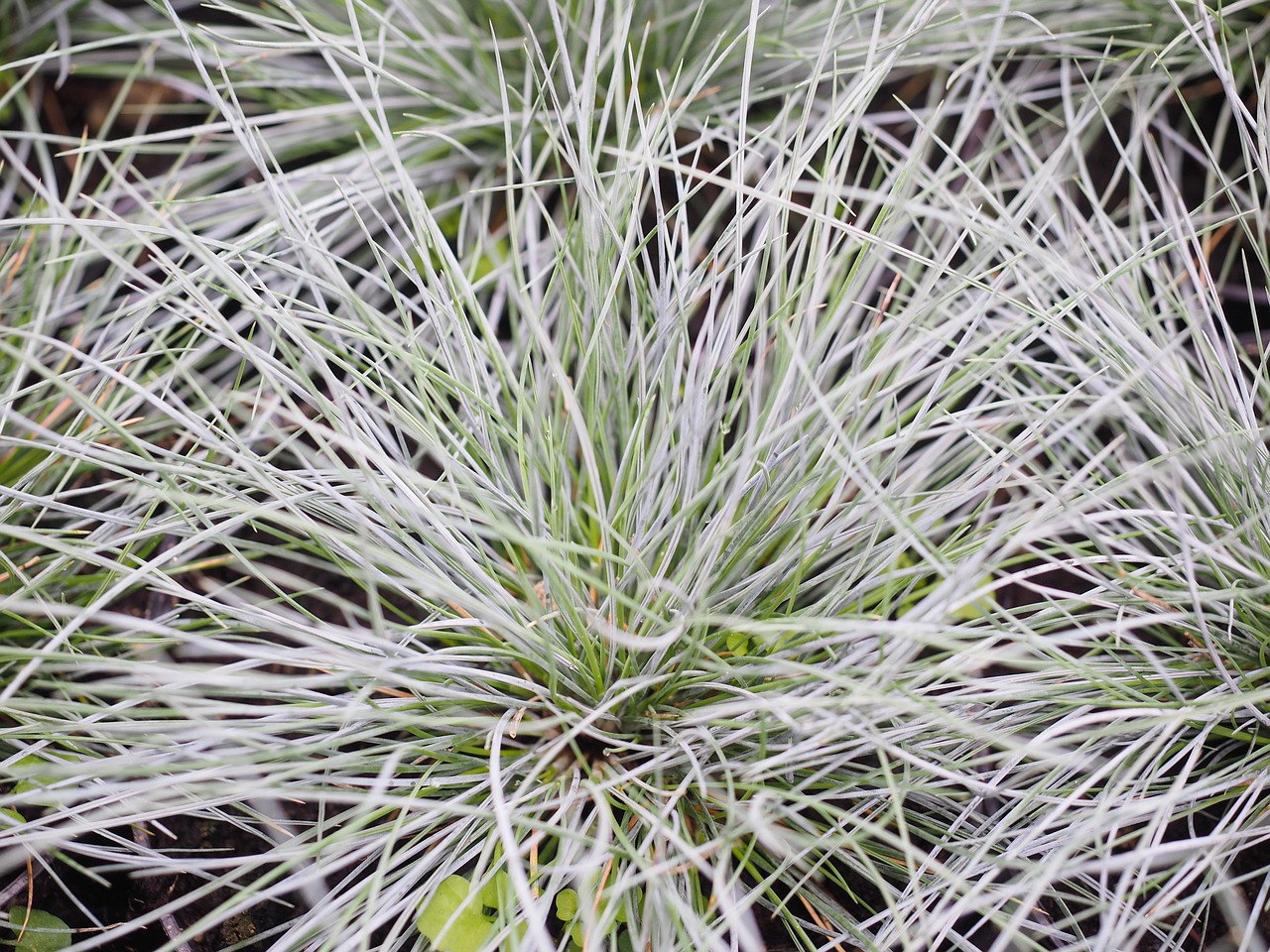
This category includes several species like Creeping Red Fescue, Chewings Fescue, Hard Fescue, and Sheep Fescue. Fine fescues are known for their thin, delicate blades and excellent shade tolerance.
Pros:
- Excellent shade tolerance: One of the best choices for shady areas where other grasses struggle.
- Low maintenance: Requires less water and fertilizer than Kentucky Bluegrass.
- Good drought tolerance: Can go dormant in dry periods and recover.
- Cold hardy: Well-suited for Zone 6 winters.
Cons:
- Less traffic tolerant: Not as durable as Kentucky Bluegrass or Perennial Ryegrass.
- Can look clumpy: Some varieties can form clumps if not blended with other grasses.
Best for: Shaded areas, low-maintenance lawns, or as part of a cool-season mix.
3. Perennial Ryegrass (Lolium perenne)
Perennial Ryegrass is a fast-growing, fine-bladed grass that establishes quickly. It's often used in blends with Kentucky Bluegrass and fine fescues.
Pros:
- Rapid germination and establishment: Great for quick cover or overseeding.
- Good wear tolerance: Handles foot traffic well.
- Good cold tolerance: Performs well in Zone 6.
- Attractive dark green color.
Cons:
- Poor drought tolerance: Requires consistent watering.
- Does not spread: Does not self-repair like Kentucky Bluegrass, requiring overseeding for bare spots.
- Can be prone to disease: Susceptible to some fungal diseases.
Best for: Overseeding existing lawns, high-traffic areas, or quick establishment.
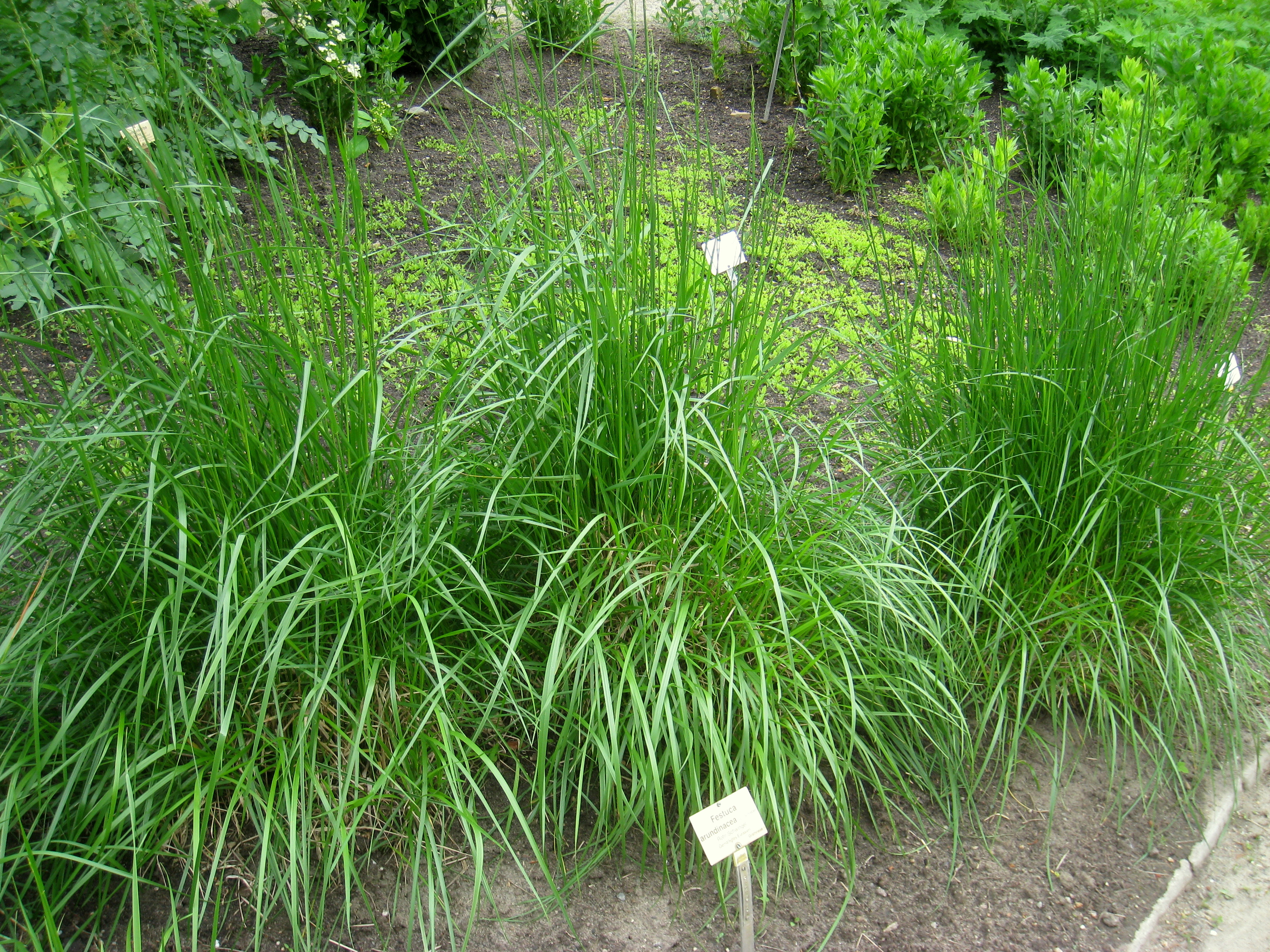
4. Tall Fescue (Festuca arundinacea)
Tall Fescue is a robust, deep-rooted grass known for its excellent heat and drought tolerance among cool-season varieties. Modern turf-type tall fescues have finer blades than older varieties.
Pros:
- Excellent heat and drought tolerance: Its deep root system helps it survive dry spells.
- Good wear tolerance: Stands up to foot traffic.
- Good disease resistance: Generally less prone to common lawn diseases.
- Tolerates a wide range of soil conditions.
Cons:
- Can be clumpy: If not seeded densely, it can form clumps.
- Does not spread by rhizomes: Requires overseeding for repair.
- Can be coarse in texture: Though modern varieties are much improved.
Best for: High-traffic areas, lawns needing good drought tolerance, or as a primary grass in warmer parts of Zone 6.
Warm-Season Grasses and Blends for Zone 6
While cool-season grasses dominate Zone 6, some warm-season grasses can be considered, especially in the warmer microclimates or for specific purposes. They thrive in temperatures between 80°F and 95°F (26°C and 35°C) and will go dormant and turn brown with the first frost.
Zoysiagrass (Zoysia japonica)
Zoysiagrass is a slow-growing, dense warm-season grass that can tolerate a surprising amount of cold, making it a viable option for the southern edges of Zone 6.
Pros:
- Excellent drought tolerance: Very water-efficient once established.
- Good wear tolerance: Creates a tough, durable turf.
- Low maintenance: Requires less mowing and fertilizer.
- Chokes out weeds: Its dense growth habit helps suppress weeds.
Cons:
- Goes dormant and turns brown in winter: This can be a significant aesthetic drawback for some.
- Slow to establish: Can take a long time to fill in from seed or plugs.
- Thatch buildup: Can develop a thick thatch layer over time.
Best for: Homeowners willing to accept a brown lawn in winter for excellent summer performance and low maintenance.
Quick Reference: Zone 6 Grasses
| Grass Type | Best For | Pros | Cons |
|---|---|---|---|
| Kentucky Bluegrass | High-quality, dense lawns | Excellent color, self-repairing, cold hardy | High water needs, disease prone, slow to establish |
| Fine Fescues | Shady areas, low-maintenance | Shade tolerant, low water/fertilizer, drought tolerant | Less traffic tolerant, can be clumpy |
| Perennial Ryegrass | Quick establishment, overseeding, traffic | Fast germination, good wear tolerance, attractive | Poor drought tolerance, no self-repair, disease prone |
| Tall Fescue | Drought tolerance, high traffic | Heat/drought tolerant, good wear, disease resistant | Can be clumpy, no self-repair, coarser texture |
| Zoysiagrass | Low maintenance, drought tolerance (warm-season) | Excellent drought/wear, low maintenance, weed suppression | Winter dormancy (brown), slow establishment, thatch |
Shop lawn seed on Amazon
Bagged seed for Zone 6 lawns. We may earn a commission at no extra cost to you.
Amazon · Lawn seed Amazon · Turf fescue seed Amazon · KBG seed Amazon · Perennial rye seed Amazon · Fine-leaf fescue seed Amazon · Zoysia seed
Establishing and Maintaining Your Zone 6 Lawn
Once you've chosen your grass type, proper establishment and ongoing care are crucial for a thriving lawn in Zone 6.
Seeding Times
- Cool-season grasses: The absolute best time to seed cool-season grasses in Zone 6 is late summer to early fall (mid-August to mid-September). This allows the grass to establish strong roots before winter and benefit from spring rains. Spring seeding (March to April) is also possible but can be more challenging due to weed competition and summer heat.
- Warm-season grasses: Seed warm-season grasses in late spring to early summer (May to June) when soil temperatures are consistently warm.
Mowing
- Cool-season grasses: Maintain a mowing height of 2.5 to 3.5 inches. Taller grass shades the soil, reducing water evaporation and suppressing weeds.
- Warm-season grasses: Mowing heights vary by species, but generally 1 to 2 inches for
Related fall lawn care
Cool-season grasses establish best when seeded from late summer into early fall. For Zone 6-7 timing and technique, see fall overseed for cool-season lawns in Zones 6-7. After that window, a true winterizer (fall) fertilizer helps cool-season turf store energy for spring green-up: fall winterizer fertilizer for cool-season lawns.