Best Lawn Grasses for Zone 7: Complete Overview
For homeowners in USDA Hardiness Zone 7, selecting the best lawn grass involves balancing the challenges of hot summers and moderately cold winters. The ideal grasses for Zone 7 are typically cool-season grasses that thrive in spring and fall, or warm-season grasses that excel in summer heat but go dormant in winter. Popular choices include Tall Fescue, Kentucky Bluegrass, Perennial Ryegrass, Zoysiagrass, and Bermudagrass, each offering unique benefits and maintenance requirements to suit various preferences and conditions.
Choosing the right grass for your Zone 7 lawn is crucial for a healthy, vibrant turf. This guide will walk you through the top contenders, their characteristics, and essential care tips to help you make an informed decision.
🌱 Get Personalized Plant Picks
Answer a few quick questions and we’ll match plants to your exact yard conditions.
Find My Plants →Understanding Zone 7 Climate for Grass Selection
USDA Hardiness Zone 7 encompasses a wide range of climates across the United States, generally characterized by average annual extreme minimum temperatures between 0°F and 10°F (-17.8°C to -12.2°C). This means winters are cold enough to challenge warm-season grasses but often not severe enough to kill off cool-season varieties entirely. Summers, however, can be quite hot and humid, especially in the southern and eastern parts of Zone 7, which can stress cool-season grasses.
This transitional climate makes Zone 7 unique for lawn care. You'll often find success with either cool-season grasses that can tolerate summer stress or warm-season grasses that can withstand winter dormancy. Sometimes, a mix of both types (a "transition zone" blend) is the best approach.
Cool-Season Grasses for Zone 7
Cool-season grasses thrive in temperatures between 60°F and 75°F (15°C to 24°C). They grow vigorously in spring and fall and can go dormant or suffer during hot summer months.
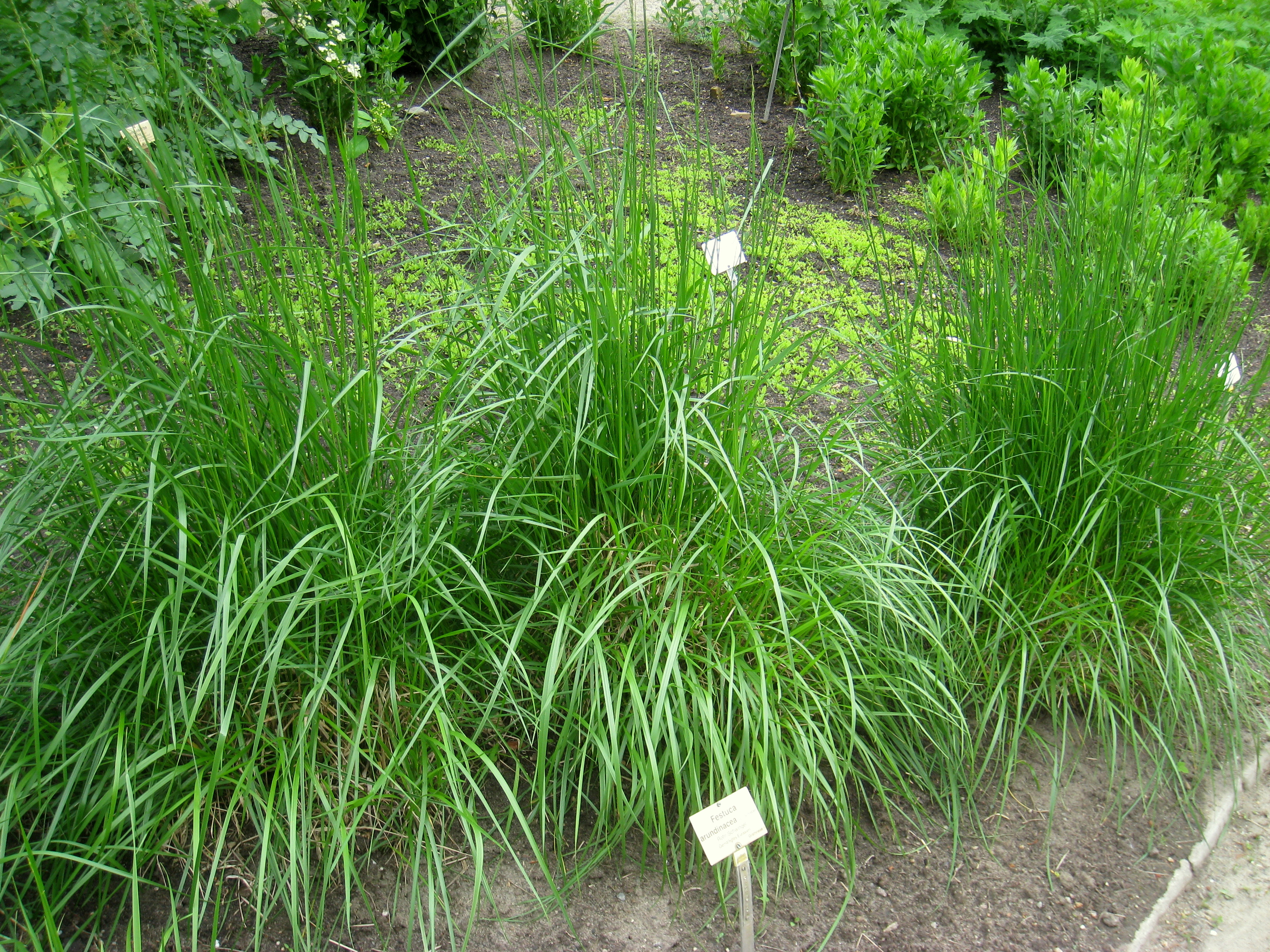
Tall Fescue (Festuca arundinacea)
Tall Fescue is arguably the most popular cool-season grass for Zone 7, and for good reason. It’s known for its excellent heat and drought tolerance compared to other cool-season grasses, making it well-suited for the hot Zone 7 summers.
- Pros: Good heat and drought tolerance, deep root system, relatively low maintenance, good shade tolerance, disease resistant.
- Cons: Can be clumpy if not spread evenly, may thin in extreme heat without proper care, coarser texture than Kentucky Bluegrass.
- Appearance: Medium to dark green, wide blades.
- Maintenance: Requires regular watering during dry periods, especially in summer. Fertilize in fall and spring. Mow to 2.5-3.5 inches.
- Best For: General-purpose lawns, high-traffic areas, areas with some shade.
Kentucky Bluegrass (Poa pratensis)
Kentucky Bluegrass is renowned for its beautiful, dense, and lush appearance, often considered the quintessential lawn grass. While it thrives in cooler climates, certain varieties can perform well in Zone 7, especially when mixed with Tall Fescue or Perennial Ryegrass.
- Pros: Beautiful color and texture, self-repairing via rhizomes, good cold tolerance.
- Cons: Poor heat and drought tolerance, requires more water and fertilizer than Tall Fescue, susceptible to some diseases.
- Appearance: Fine to medium texture, dark green, boat-shaped leaf tips.
- Maintenance: Needs consistent watering in summer. Fertilize heavily in fall and spring. Mow to 2-3 inches.
- Best For: Premium lawns, areas with irrigation, often used in blends.
Perennial Ryegrass (Lolium perenne)
Perennial Ryegrass is often used in seed mixes with Kentucky Bluegrass and Tall Fescue. It germinates quickly, providing fast cover and erosion control, and helps establish a lawn while slower-growing grasses take hold.
- Pros: Rapid germination, good wear tolerance, fine texture, good winter color.
- Cons: Poor heat and drought tolerance, shallow root system, susceptible to some diseases.
- Appearance: Fine texture, glossy green.
- Maintenance: Requires consistent watering, especially in summer. Fertilize in fall and spring. Mow to 2-3 inches.
- Best For: Overseeding existing lawns, quick establishment, high-traffic areas (in blends).
Warm-Season Grasses for Zone 7
Warm-season grasses prefer temperatures between 75°F and 90°F (24°C to 32°C). They flourish in summer heat and go dormant, turning brown, when temperatures drop in fall and winter.
Zoysiagrass (Zoysia japonica)
Zoysiagrass is an excellent choice for Zone 7 due to its exceptional heat and drought tolerance. It forms a dense, beautiful, and durable turf that can withstand heavy traffic.
- Pros: Excellent heat and drought tolerance, very dense and durable turf, chokes out weeds, good shade tolerance.
- Cons: Slow to establish, goes dormant (brown) in winter, can be expensive to install (often sod or plugs), can become thatch-prone.
- Appearance: Medium texture, light to dark green.
- Maintenance: Less frequent watering once established. Fertilize in late spring/early summer. Mow to 1-2 inches.
- Best For: Low-maintenance lawns, high-traffic areas, areas with some shade.
Bermudagrass (Cynodon dactylon)
Bermudagrass is a highly aggressive and durable warm-season grass, often seen on golf courses and sports fields. It thrives in full sun and extreme heat, making it a strong contender for the hotter parts of Zone 7.
- Pros: Excellent heat and drought tolerance, very durable, recovers quickly from damage, good salt tolerance.
- Cons: Very aggressive (can invade garden beds), requires full sun, goes dormant (brown) in winter, high maintenance for a premium look (frequent mowing, dethatching).
- Appearance: Fine to medium texture, bright green.
- Maintenance: Requires frequent mowing (1-2 times per week) during growing season. Fertilize heavily in summer.
- Best For: Full-sun lawns, high-traffic areas, sports fields.
Quick Reference: Zone 7 Grasses
| Grass Type | Type | Heat Tolerance | Drought Tolerance | Shade Tolerance | Traffic Tolerance | Winter Color | Maintenance Level |
|---|---|---|---|---|---|---|---|
| Tall Fescue | Cool-Season | Good | Good | Good | Good | Green | Moderate |
| Kentucky Bluegrass | Cool-Season | Fair | Fair | Fair | Good | Green | High |
| Perennial Ryegrass | Cool-Season | Poor | Poor | Fair | Good | Green | Moderate |
| Zoysiagrass | Warm-Season | Excellent | Excellent | Good | Excellent | Brown | Low to Moderate |
| Bermudagrass | Warm-Season | Excellent | Excellent | Poor | Excellent | Brown | High |
Choosing the Right Grass for Your Specific Needs
When making your final decision, consider these factors:
- Sunlight: Does your lawn get full sun all day, or do you have significant shaded areas? Bermudagrass needs full sun, while Tall Fescue and Zoysiagrass can handle some shade.
- Traffic: Do you have kids or pets that will frequently use the lawn? Zoysiagrass and Bermudagrass are incredibly durable.
- Maintenance Commitment: Are you willing to water frequently, fertilize regularly, and mow often? Kentucky Bluegrass and Bermudagrass require more intensive care for optimal appearance. Tall Fescue and Zoysiagrass can be more forgiving.
- Desired Aesthetic: Do you prefer a fine-bladed, dense carpet (Kentucky Bluegrass, Zoysiagrass) or a slightly coarser, more rugged look (Tall Fescue)?
- Winter Appearance: Are you okay with a brown lawn in winter (warm-season grasses), or do you prefer year-round green (cool-season grasses)?
Essential Lawn Care Tips for Zone 7
Regardless of the grass type you choose, proper care is key to a healthy lawn in Zone 7.
- Watering: Deep and infrequent watering is generally best. Aim for 1 inch of water per week, either from rain or irrigation. Water in the early morning to reduce disease risk. Warm-season grasses need less water once established than cool-season grasses during summer.
- Mowing: Mow at the