Cat-Safe Plants for Zone 10 Gardens
For Zone 10 gardeners who share their homes with feline friends, selecting plants that won't pose a risk to curious paws and mouths is paramount. Fortunately, the warm, often tropical climate of USDA Zone 10 offers a fantastic array of beautiful, cat-friendly options, meaning you don't have to sacrifice a lush garden for your pet's safety. Many vibrant flowers, resilient shrubs, and even some edible herbs are not listed as toxic to cats by the ASPCA, allowing you to create a stunning and worry-free outdoor space.
Why Cat Safety Matters in Your Garden
Cats are naturally curious creatures, and their instincts often lead them to explore their surroundings with their mouths. Whether it's a playful nibble on a leaf, an investigative chew on a stem, or even just brushing against pollen, exposure to toxic plants can lead to a range of health issues, from mild gastrointestinal upset to more severe, life-threatening conditions. As responsible pet owners, it's crucial to be aware of what's growing in our gardens and to prioritize plants that won't harm our beloved companions.
Even if your cat is primarily an indoor cat, they might still venture into a patio garden or an outdoor enclosure. For outdoor cats, the entire garden is their playground. Therefore, understanding which plants are generally considered not toxic is the first step in creating a truly cat-safe haven. Remember, "not listed as toxic" doesn't mean "edible" or "beneficial," but rather that ingestion is unlikely to cause severe harm.
If you suspect your pet has ingested a toxic plant, call the ASPCA Animal Poison Control Center immediately at (888) 426-4435.
🌱 Get Personalized Plant Picks
Answer a few quick questions and we’ll match plants to your exact yard conditions.
Find My Plants →Vibrant Flowers for a Cat-Friendly Zone 10 Garden
Zone 10 is known for its ability to grow a wide variety of colorful, often tropical, flowering plants. Many of these can safely coexist with your cats.
- Impatiens (Impatiens): These popular annuals (often perennial in Zone 10) offer a continuous burst of color in shady or partly shaded areas. They come in a multitude of hues, from white and pink to red and purple, and are perfect for borders, containers, and hanging baskets.
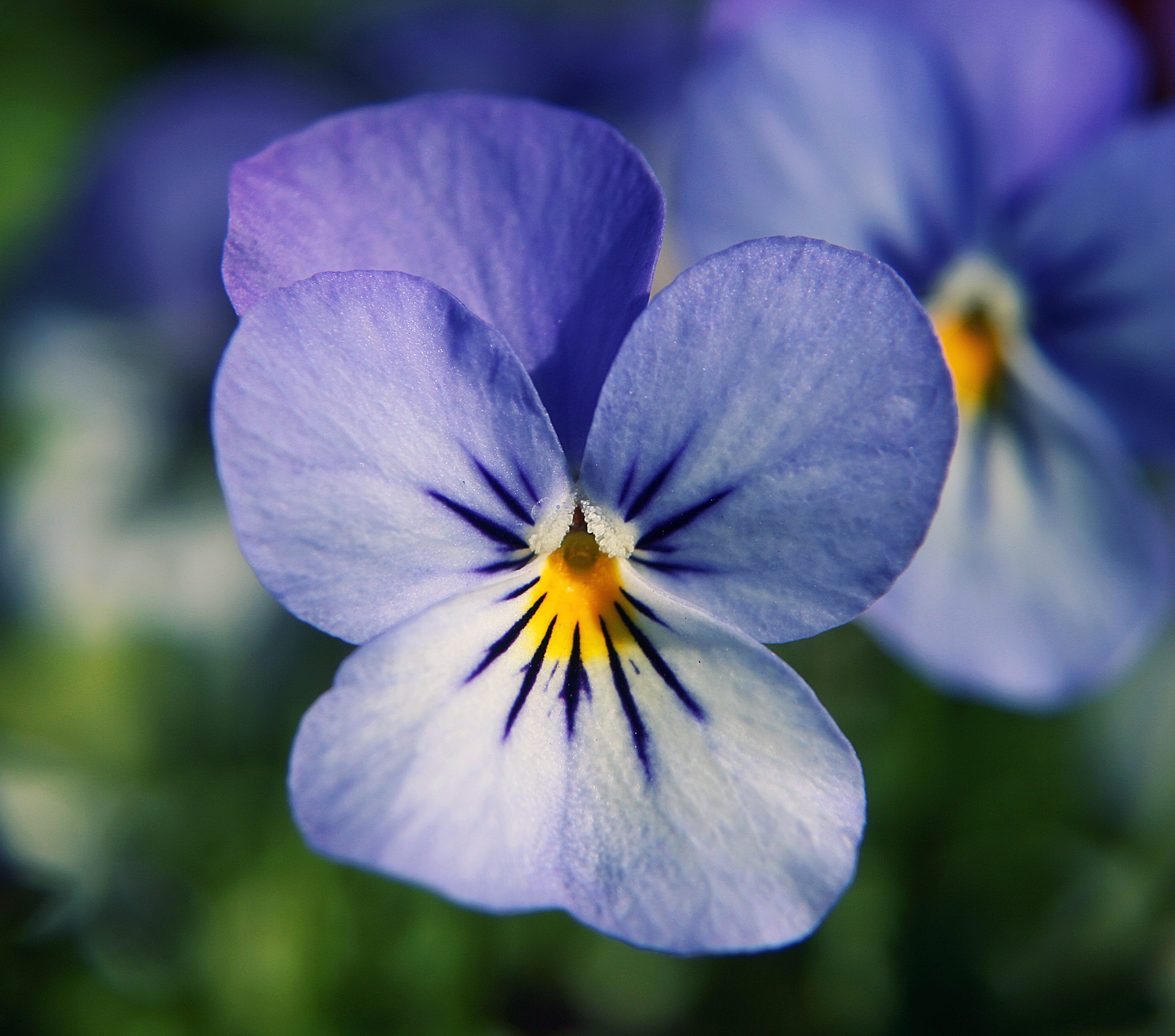
- Pansies (Pansy): Cheerful and charming, pansies are cool-season annuals that can often thrive through Zone 10 winters and into spring. Their "faces" add a whimsical touch to beds and containers, and they are available in an incredible range of colors and patterns.
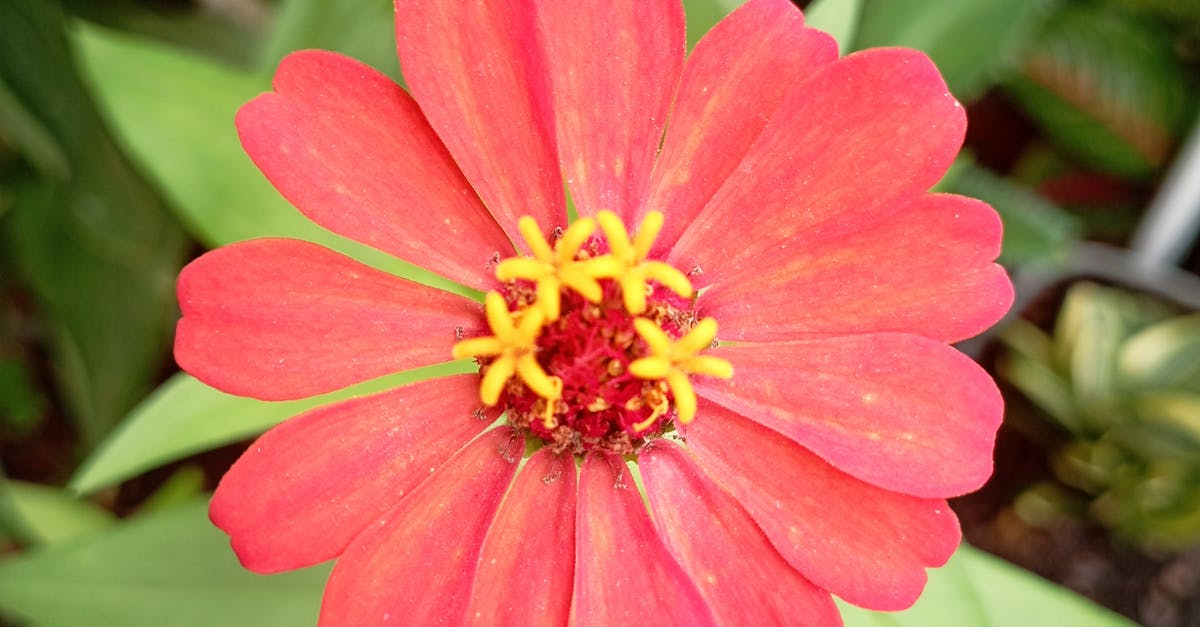
- Zinnia (Zinnia): For sunny spots, zinnias are a fantastic choice. These easy-to-grow annuals produce an abundance of bright, daisy-like flowers that attract butterflies and hummingbirds. They come in various sizes and forms, from dwarf varieties perfect for edging to tall, dramatic focal points.
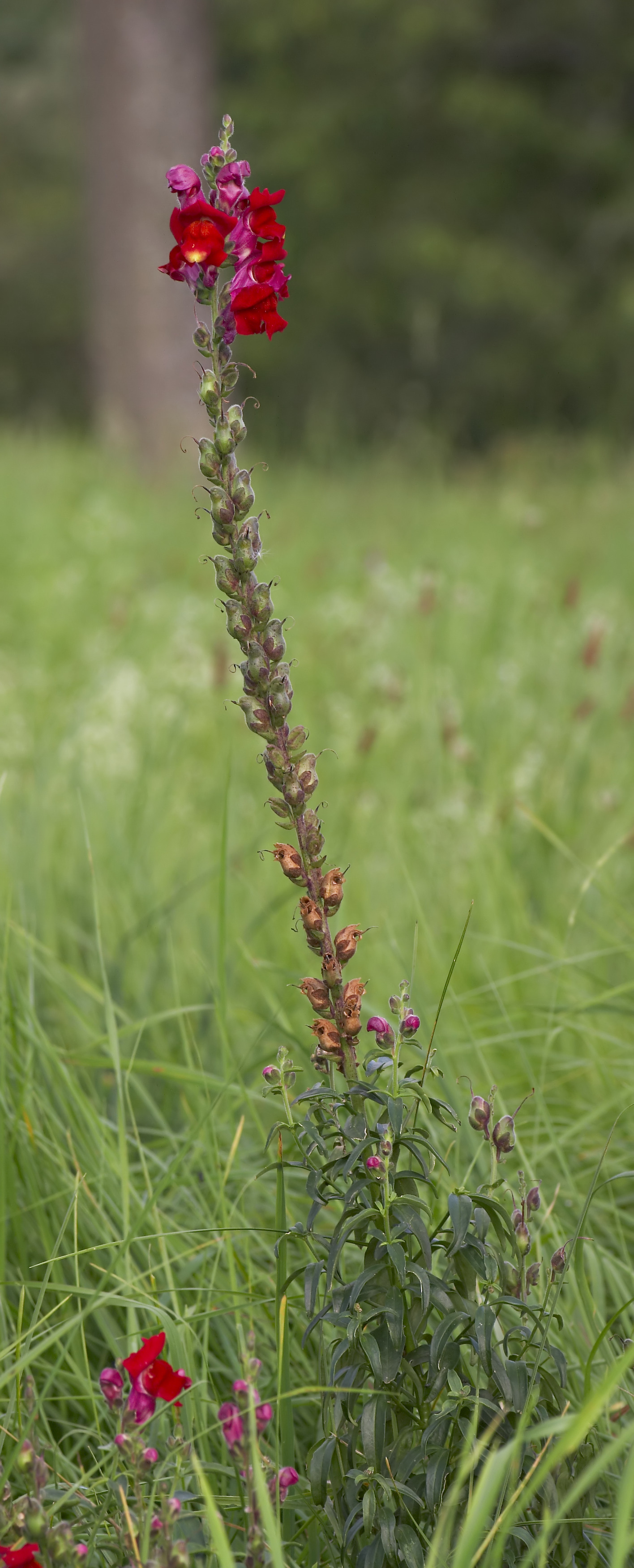
- Snapdragon (Snapdragon): With their unique, dragon-mouth-shaped flowers, snapdragons add vertical interest and a touch of whimsy. They prefer full sun to partial shade and can bloom for extended periods in Zone 10's mild climate.
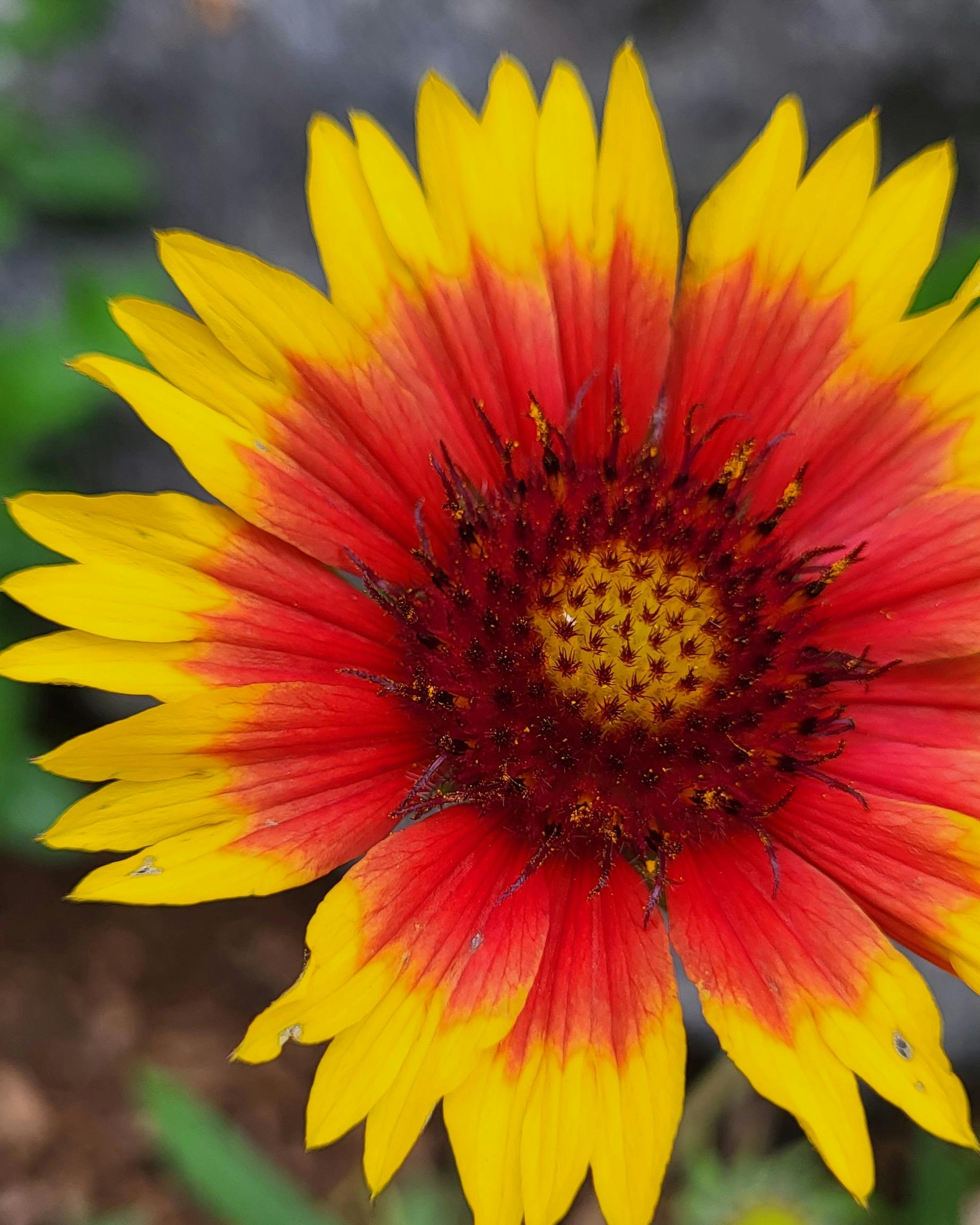
- Blanket Flower (Blanket Flower): Also known as Gaillardia, these tough perennials are drought-tolerant and love full sun. Their bright, daisy-like flowers with fiery red, orange, and yellow hues bloom profusely, making them excellent for hot, sunny borders and rock gardens.
These flowering plants not only add beauty but also provide a safe environment for your curious feline companions to explore.
Lush Foliage and Shrubs for Structure and Safety
Beyond flowers, foundational plants like shrubs and groundcovers provide structure, texture, and year-round interest. Many excellent choices for Zone 10 are also considered not toxic to cats.
- Southern Magnolia (Southern Magnolia): If you have space for a majestic tree, the Southern Magnolia is an iconic choice for Zone 10. Its glossy evergreen leaves and large, fragrant white flowers are breathtaking. While it eventually grows quite large, young trees can provide beautiful structure in a larger garden.
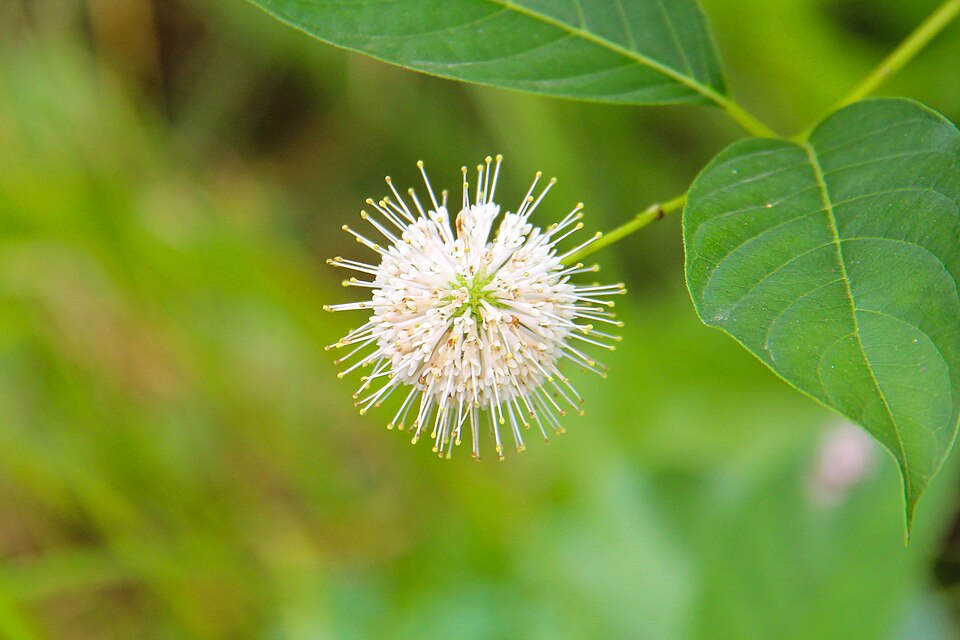
- Buttonbush (Buttonbush): This unique deciduous shrub offers interesting spherical white flowers that resemble pincushions, attracting pollinators. It thrives in moist soils and can tolerate some shade, making it a good choice for rain gardens or near water features.
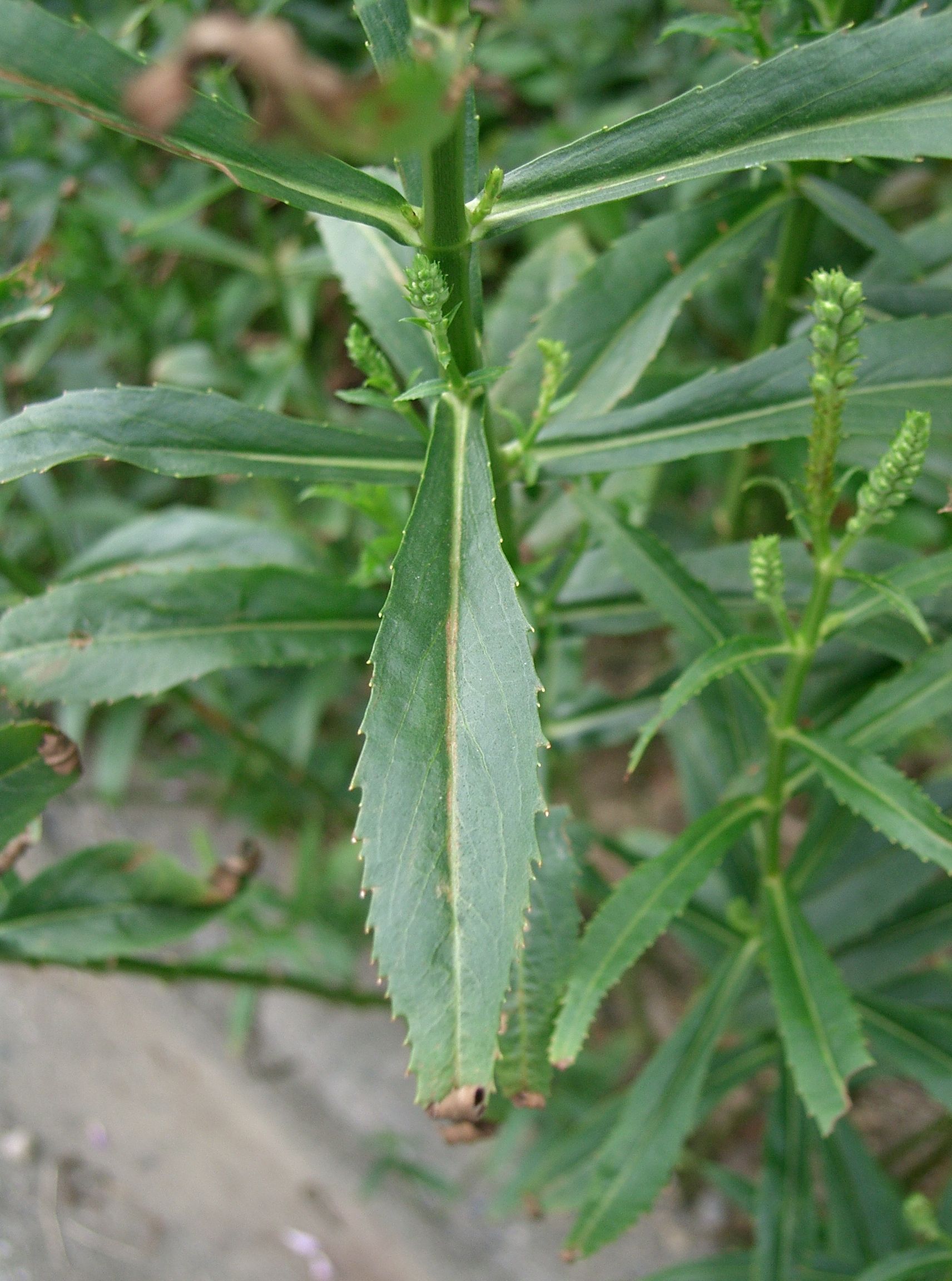
- Obedient Plant (Obedient Plant): A charming perennial, Obedient Plant (Physostegia virginiana) produces spikes of tubular flowers in shades of pink, purple, or white. It's known for its ability to hold its position when its flowers are pushed, hence the name. It's adaptable and can tolerate various conditions.
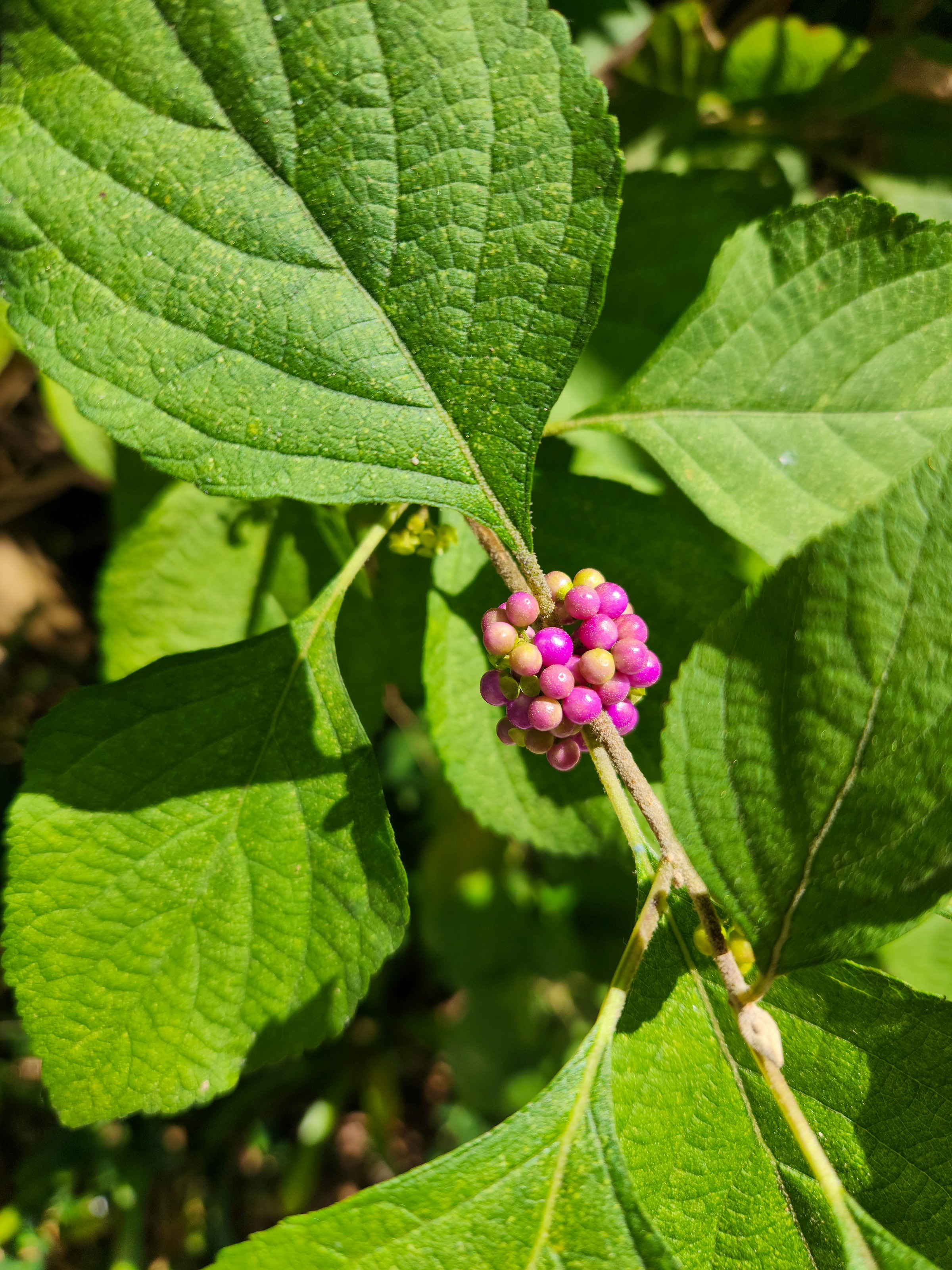
- Beautyberry (Beautyberry): While its flowers are subtle, the true showstopper of the beautyberry shrub is its stunning clusters of metallic purple berries in fall and winter. These provide excellent seasonal interest and are a great food source for birds, all while being not listed as toxic to cats.
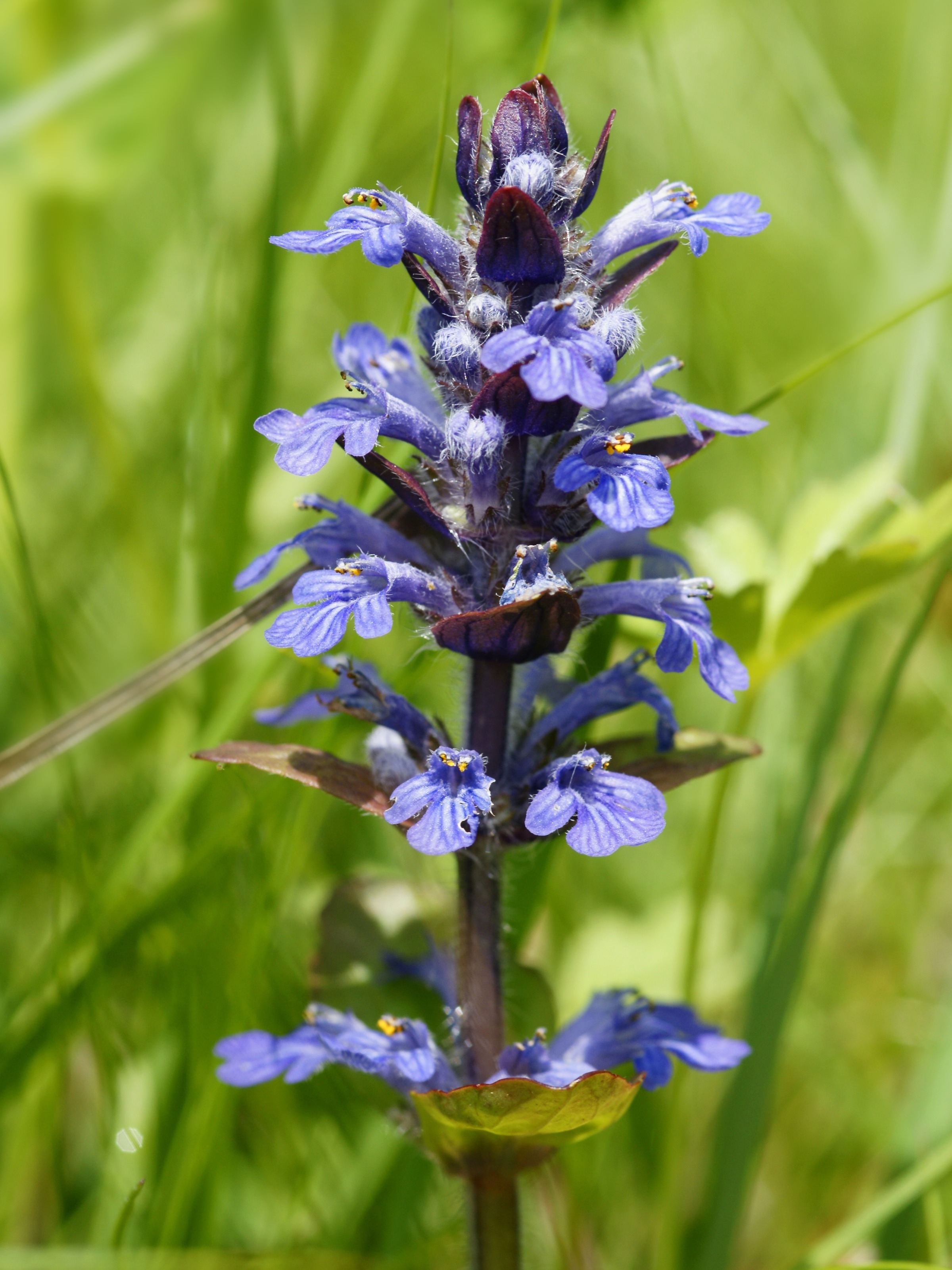
- Ajuga (Ajuga): For a low-growing groundcover, Ajuga, or Bugleweed, is an excellent choice. It forms a dense mat of attractive foliage, often with purple or bronze hues, and produces spikes of blue or purple flowers in spring. It's great for suppressing weeds and filling in bare spots in shady areas.
These plants offer diverse forms and textures, helping you build a rich and varied garden landscape without compromising your cat's well-being.
Quick Reference: Cat-Safe Zone 10 Plants
Here's a quick list of some popular and generally available Zone 10 plants not listed as toxic to cats by the ASPCA:
| Plant Type | Common Name | Botanical Name | Sun Needs | Water Needs |
|---|---|---|---|---|
| Flowers | Impatiens | Impatiens walleriana | Part Shade-Shade | Moderate |
| Pansy | Viola x wittrockiana | Full Sun-Part Shade | Moderate | |
| Zinnia | Zinnia elegans | Full Sun | Moderate | |
| Snapdragon | Antirrhinum majus | Full Sun-Part Shade | Moderate | |
| Blanket Flower | Gaillardia pulchella | Full Sun | Low-Moderate | |
| Orchid | Orchidaceae (many spp.) | Varies | Varies | |
| African Violet | Saintpaulia spp. | Bright Indirect | Moderate | |
| Christmas Cactus | Schlumbergera spp. | Bright Indirect | Low-Moderate | |
| Petunia | Petunia x hybrida | Full Sun | Moderate | |
| Rose | Rosa spp. | Full Sun | Moderate | |
| Shrubs/Trees | Southern Magnolia | Magnolia grandiflora | Full Sun-Part Shade | Moderate |
| Buttonbush | Cephalanthus occidentalis | Full Sun-Part Shade | High | |
| Beautyberry | Callicarpa americana | Full Sun-Part Shade | Low-Moderate | |
| Hibiscus | Hibiscus rosa-sinensis | Full Sun | Moderate | |
| Areca Palm | Dypsis lutescens | Part Shade | Moderate | |
| Groundcovers | Ajuga (Bugleweed) | Ajuga reptans | Part Shade-Shade | Moderate |
| Creeping Thyme | Thymus serpyllum | Full Sun | Low | |
| Hens and Chicks | Sempervivum tectorum | Full Sun | Low | |
| Herbs/Edibles | Basil | Ocimum basilicum | Full Sun | Moderate |
| Rosemary | Salvia rosmarinus | Full Sun | Low-Moderate | |
| Thyme | Thymus vulgaris | Full Sun | Low | |
| Cilantro/Coriander | Coriandrum sativum | Full Sun-Part Shade | Moderate | |
| Parsley | Petroselinum crispum | Full Sun-Part Shade | Moderate | |
| Dill | Anethum graveolens | Full Sun | Moderate |
Note: While these plants are generally considered not toxic, excessive ingestion of any plant material can potentially cause mild digestive upset in sensitive animals. Always observe your pet's behavior.
General Tips for a Cat-Safe Garden
Even with a selection of cat-safe plants, a few extra precautions can go a long way in ensuring your pet's safety and your peace of mind:
- Know Your Plants: Always double-check the toxicity of any plant before bringing it into your garden, especially if you have curious pets. Reputable sources like the ASPCA plant list are invaluable.
- Provide Alternatives: Offer your cat safe alternatives to chew on, such as catnip, cat grass (wheatgrass, oat grass, rye grass), or pet-safe toys. This can redirect their attention away from your garden plants.
- Supervise Outdoor Time: If your cat spends time outdoors, especially when you're introducing new plants, supervise them to observe their interactions with the garden.
- Secure Toxic Plants: If you have existing toxic plants that you can't remove, consider placing them in areas inaccessible to your cat, such as behind fencing, in hanging baskets out of reach, or in rooms they don't enter.
- Avoid Pesticides and Herbicides: Be mindful of any chemicals you use in your garden. Many common pesticides, herbicides, and fertilizers can be highly toxic to pets. Opt for organic and pet-safe pest control methods whenever possible.
- Clean Up Debris: Promptly remove fallen leaves, flowers, or berries from potentially toxic plants, as these can be just as dangerous as the live plant.
- Water Source: Ensure your cat has access to fresh, clean water, so they are less likely to seek hydration from puddles or plant leaves that might have chemical residues.
Creating a beautiful and safe garden for your feline companions in Zone 10 is entirely achievable. By choosing plants carefully and implementing a few preventative measures, you can enjoy a vibrant outdoor space that both you and your cat will love.
Ready to find the perfect plants for your yard? Try the PlantWise Plant Finder →