Cat-Safe Plants for Zone 3 Gardens
Gardening in Zone 3 presents unique challenges with its harsh winters and short growing seasons. For cat owners, an additional layer of consideration is ensuring that the plants chosen for their landscape won't pose a risk to their curious feline friends. Fortunately, there are many beautiful, cold-hardy plants suitable for Zone 3 that are not listed as toxic to cats by the ASPCA, allowing you to create a vibrant, pet-friendly garden. These include popular choices like Coneflower, Black-eyed Susan, and many types of Sedum, offering a range of colors and textures for your northern garden.
Shop cat-safe plants on Amazon
Live plants for cat-friendly gardens. We may earn a commission at no extra cost to you.
Amazon · Cat-safe plants Amazon · Coneflower Amazon · Black-eyed Susan Amazon · Sedum Amazon · Liatris
🌱 Get Personalized Plant Picks
Answer a few quick questions and we’ll match plants to your exact yard conditions.
Find My Plants →Understanding "Cat-Safe" for Your Garden
When we talk about "cat-safe" plants, it's important to clarify what that means. The term "safe" in the context of pet toxicology is complex. Even non-toxic plants can cause mild digestive upset if consumed in large quantities, and individual pet sensitivities can vary. Therefore, PlantWise uses the phrase "not listed as toxic" by reputable sources like the ASPCA (American Society for the Prevention of Cruelty to Animals). This means that these plants are generally considered to be low risk for cats.
Always supervise your pets in the garden, especially when introducing new plants. If you suspect your pet has ingested a toxic plant, call the ASPCA Animal Poison Control Center immediately at (888) 426-4435. It's also a good idea to discourage your cat from munching on any plants, even those considered non-toxic, to prevent potential stomach upset. Providing alternative, cat-specific chew toys or a dedicated "cat grass" patch can help redirect their chewing instincts.
Perennial Powerhouses for Zone 3 Cats
Zone 3 gardeners know the value of reliable perennials that return year after year, shrugging off frigid temperatures. Luckily, several stunning perennials fit the bill for both hardiness and cat-friendliness.
Coneflower (Echinacea purpurea)
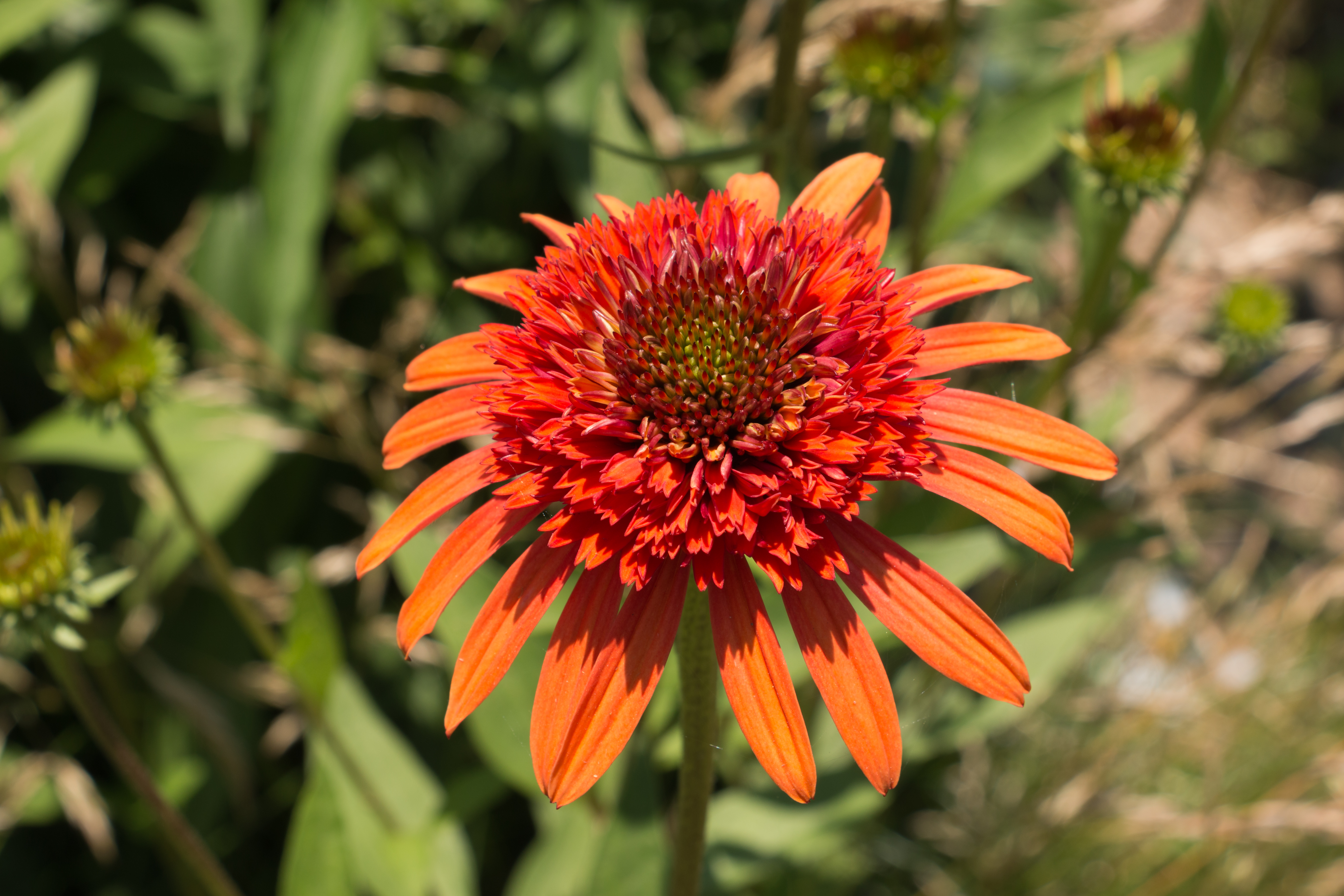
Coneflower A classic prairie plant, Coneflowers are beloved for their daisy-like blooms with prominent central cones. They come in various shades of purple, pink, white, and yellow, attracting pollinators like bees and butterflies. These sun-loving plants are incredibly drought-tolerant once established and will bloom from mid-summer into fall. They are not listed as toxic to cats and provide excellent vertical interest and long-lasting color.
Black-eyed Susan (Rudbeckia hirta)
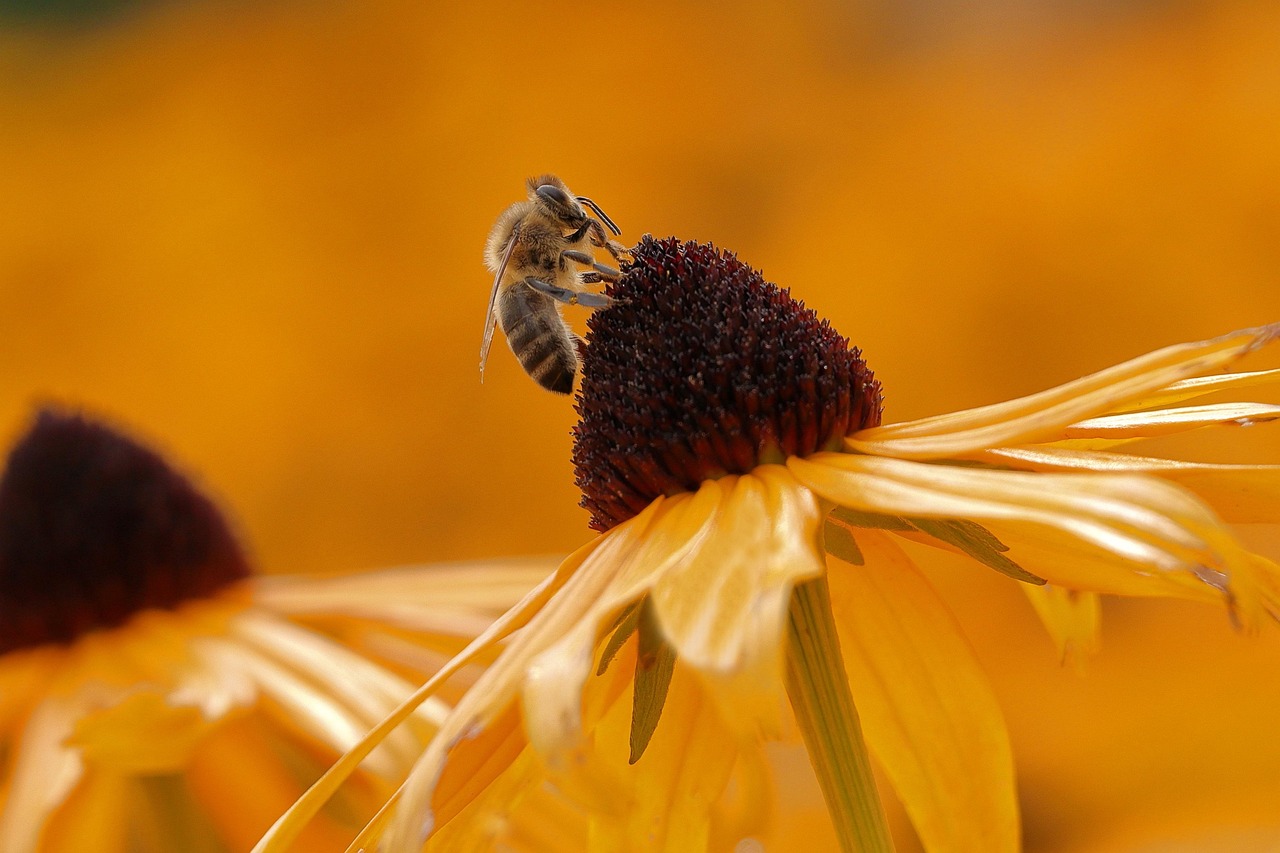
Black-eyed Susan Another cheerful native, Black-eyed Susans are instantly recognizable with their bright yellow petals and dark brown centers. They are incredibly resilient, thriving in full sun and a variety of soil conditions. Like Coneflowers, they are fantastic for attracting beneficial insects and are not listed as toxic to cats. They offer a burst of sunshine in the garden from summer through early fall.
Sedum (Hylotelephium spectabile, H. telephium)
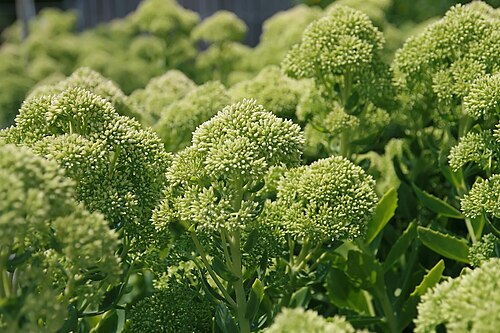
Sedum Autumn Joy Often seen in rock gardens or as border plants, Sedums (especially the upright varieties like 'Autumn Joy' or 'Matrona') are incredibly low-maintenance and drought-tolerant. Their succulent leaves and late-season blooms provide interest when many other plants are fading. The flowers, which can range from pink to deep red, are a magnet for late-season pollinators. Sedums are not listed as toxic to cats, making them a superb choice for a hardy, pet-friendly landscape.
Blazing Star (Liatris spicata)
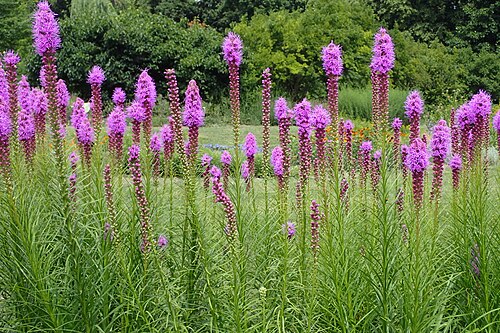
Blazing Star For a unique vertical accent, Blazing Star is an excellent choice. Its tall, spiky flower stalks are covered in purple, feathery blooms that open from the top down. It's a favorite of butterflies and is very tolerant of various soil conditions, as long as it's well-drained. This striking perennial is not listed as toxic to cats and adds a dramatic flair to any sunny border or meadow garden.
Blanket Flower (Gaillardia)
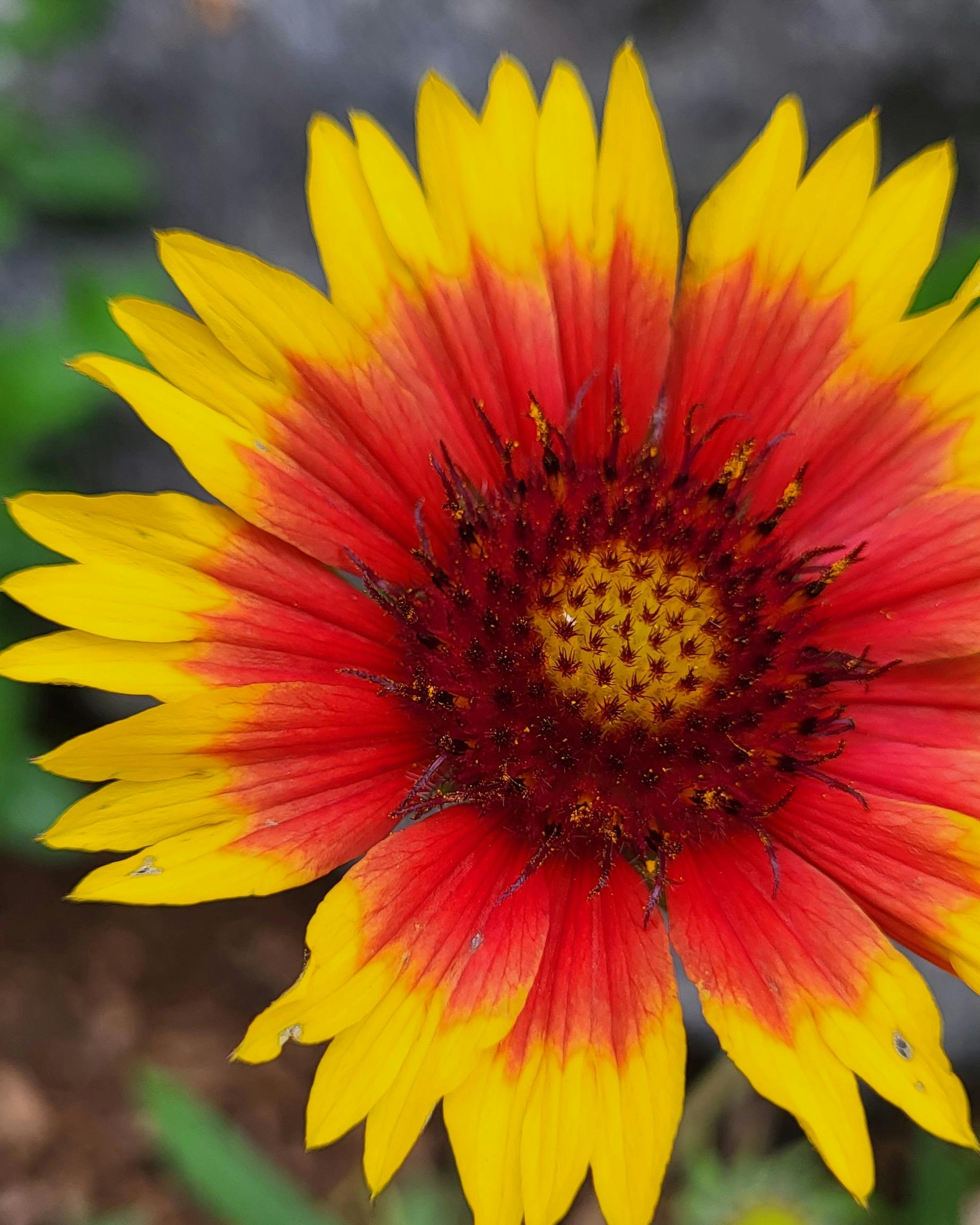
Blanket Flower These vibrant, daisy-like flowers with their fiery red, orange, and yellow hues are perfect for adding a splash of continuous color to your Zone 3 garden. Blanket Flowers are tough, drought-tolerant, and bloom profusely from early summer until frost. They are also not listed as toxic to cats, making them a fantastic choice for sunny, low-maintenance areas where you want to ensure your feline friends are safe.
Annuals and Other Options for Seasonal Color
While perennials form the backbone of a Zone 3 garden, annuals offer a chance to experiment with new colors and textures each year. Many popular annuals are also not listed as toxic to cats, allowing you to fill in gaps and add seasonal flair without worry.
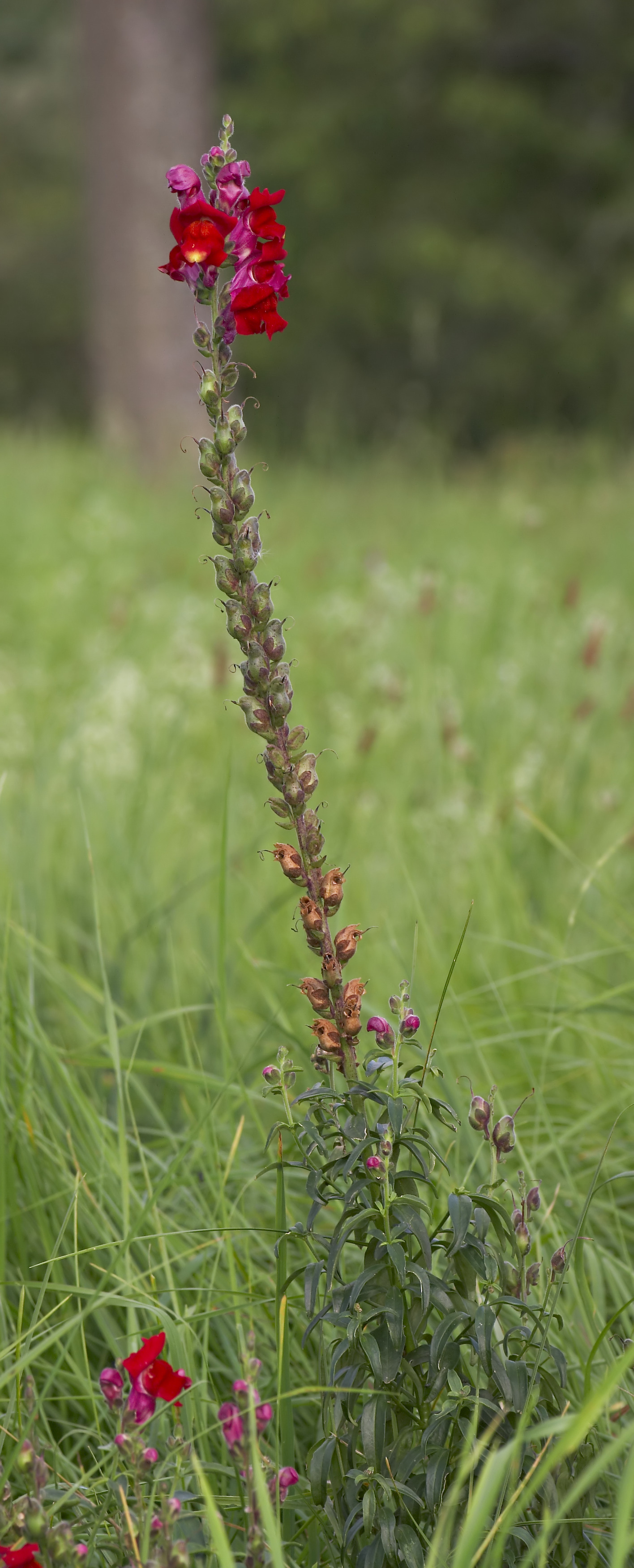
- Snapdragons (Antirrhinum majus): These charming flowers with their unique "snapping" blooms come in a rainbow of colors and are great for cutting. They are not listed as toxic to cats.
- Pansies and Violas (Viola x wittrockiana, Viola tricolor): Cheerful and cold-tolerant, pansies and violas are perfect for early spring and fall color. They are not listed as toxic to cats.
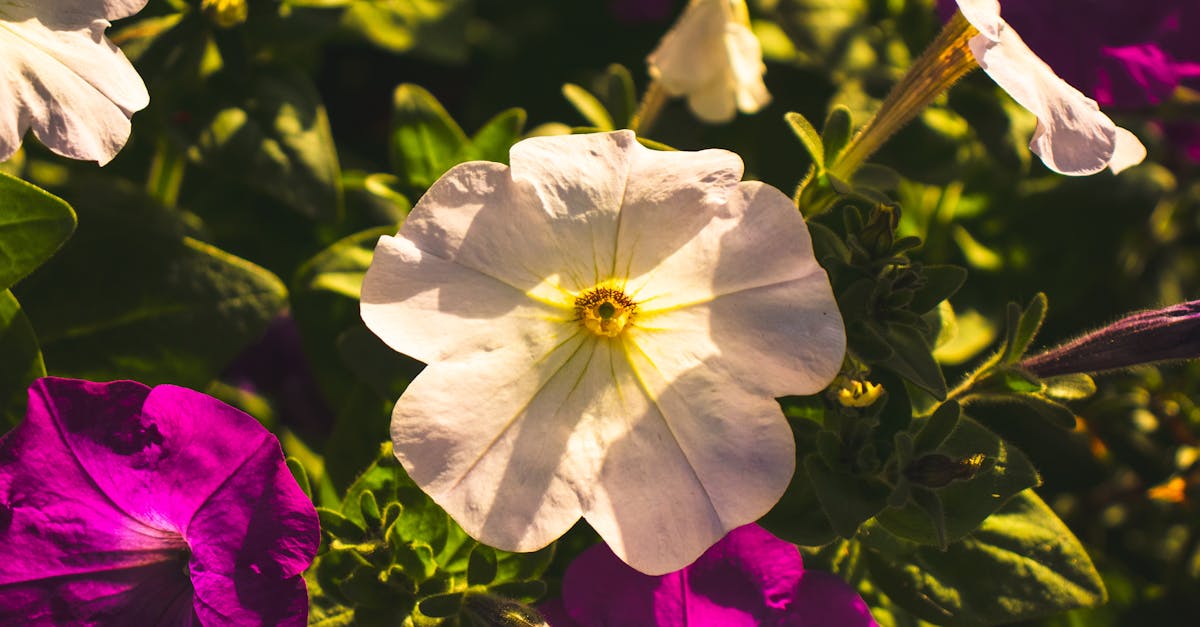
- Petunias (Petunia x hybrida): While some sources list Petunias as mildly toxic, the ASPCA does not list them as toxic to cats. However, if you're particularly cautious, you might choose other options.
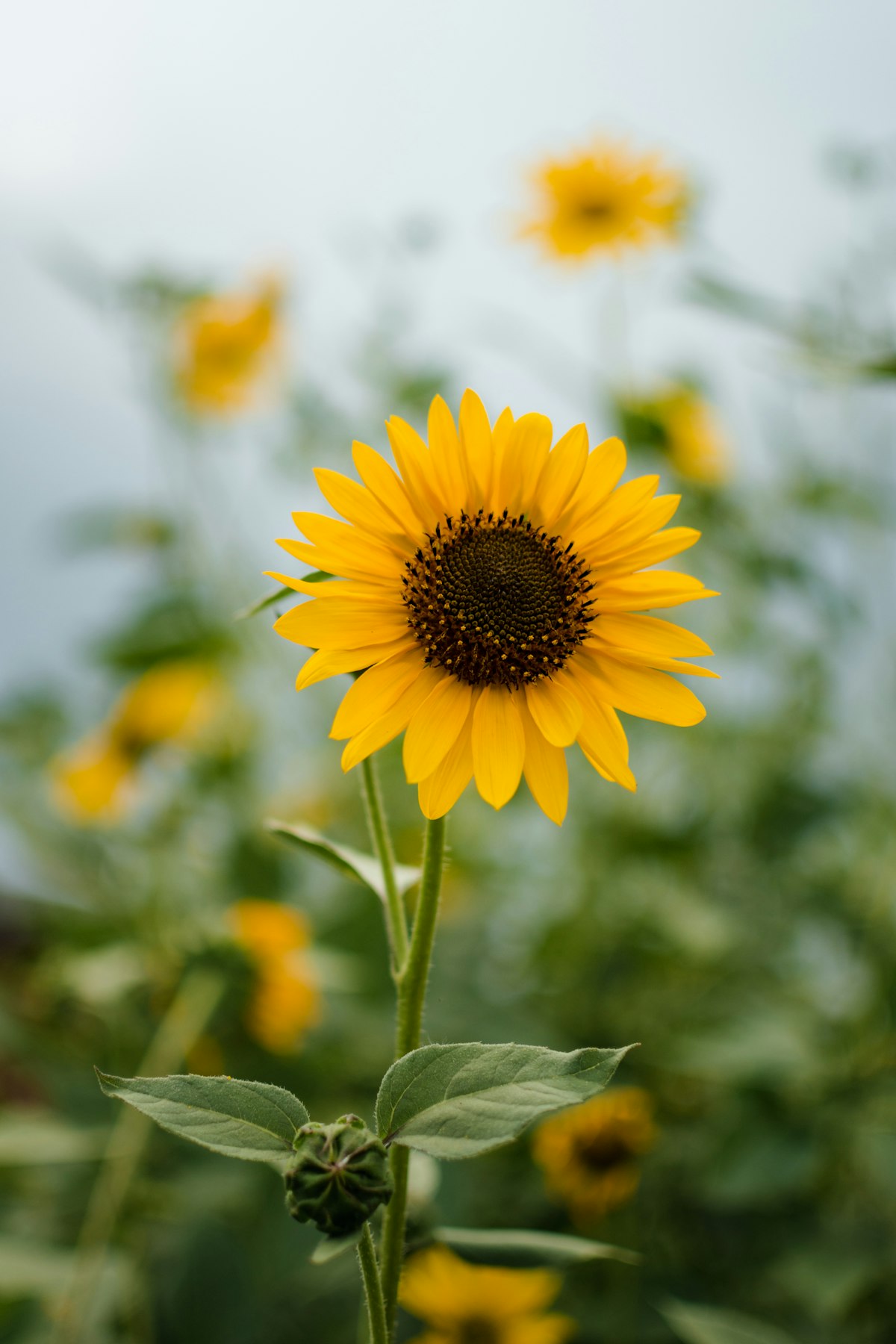
- Sunflowers (Helianthus annuus): The iconic sunflower is a fantastic, dramatic annual that is not listed as toxic to cats. Just be mindful of seeds if your cat likes to play with fallen debris.
Quick Reference: Cat-Friendly Zone 3 Plants
Here's a quick list of some excellent Zone 3 plants not listed as toxic to cats:
| Plant Name | Light Needs | Bloom Time | Notes |
|---|---|---|---|
| Perennials | |||
| Coneflower | Full Sun | Summer - Fall | Attracts pollinators, drought-tolerant |
| Black-eyed Susan | Full Sun | Summer - Fall | Cheerful, low-maintenance |
| Sedum (Upright) | Full Sun | Late Summer - Fall | Succulent, late-season interest |
| Blazing Star | Full Sun | Mid-Summer | Unique vertical accent, butterfly magnet |
| Blanket Flower | Full Sun | Summer - Fall | Continuous color, drought-tolerant |
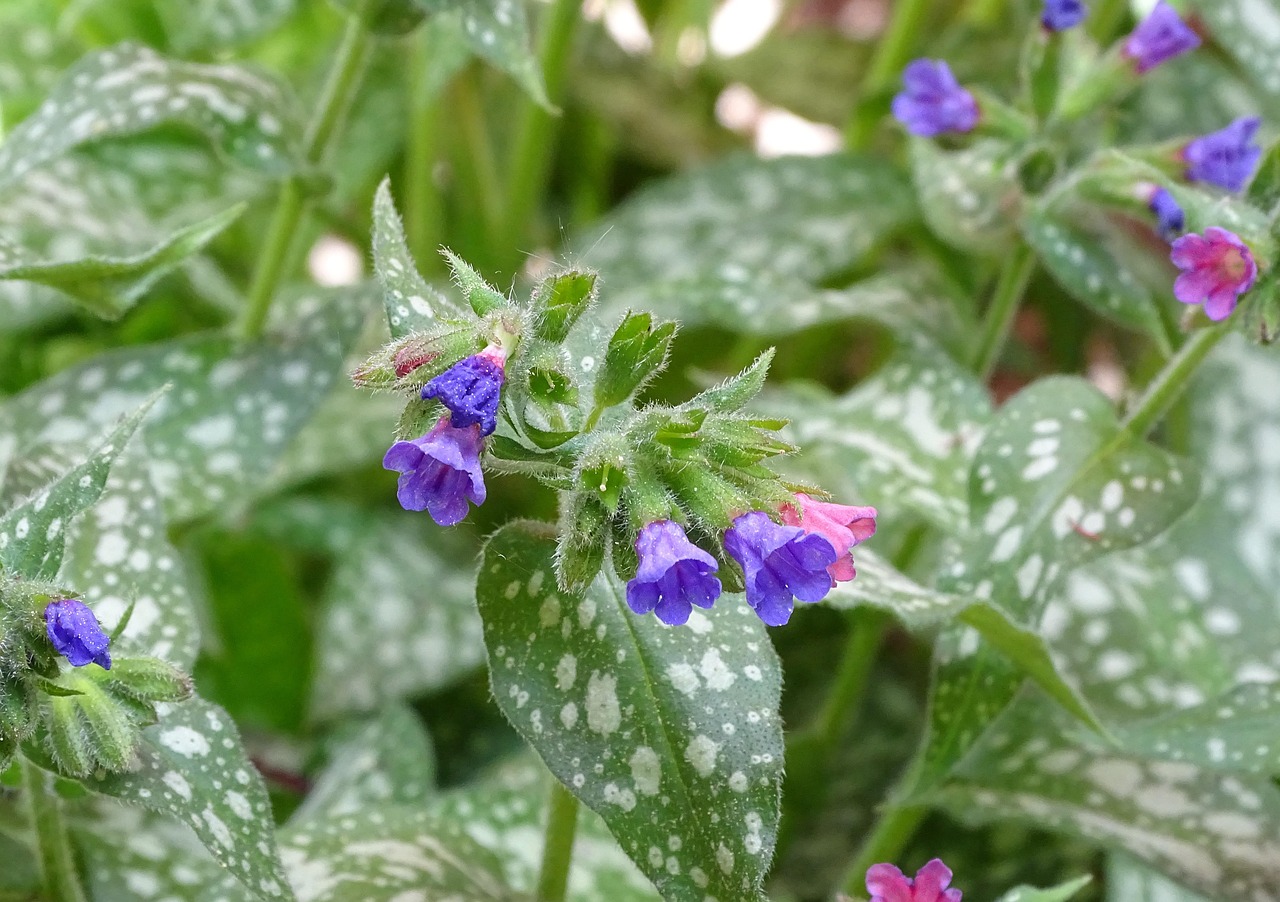
| Lungwort | Part Shade | Spring | Attractive foliage, early blooms |
| Annuals | |||
| Snapdragons | Full Sun | Summer - Fall | Unique blooms, many colors |
| Pansies/Violas | Full Sun/Part Shade | Spring/Fall | Early & late season color |
| Sunflowers | Full Sun | Summer | Dramatic, edible seeds (for humans/birds) |
Shop cat-safe plants on Amazon
Live plants for cat-friendly gardens. We may earn a commission at no extra cost to you.
Amazon · Cat-safe plants Amazon · Coneflower Amazon · Black-eyed Susan Amazon · Sedum Amazon · Liatris
Designing Your Cat-Friendly Zone 3 Garden
When planning your garden, consider creating different zones. A dedicated "cat zone" with catnip (Nepeta cataria - which is not listed as toxic but can cause temporary excitement) or cat grass can be a great way to give your feline friend a safe space to explore and chew. For the rest of your garden, focus on layers of plants, mixing heights and textures.
- Foreground: Use lower-growing plants like creeping sedums or pansies.
- Midground: Incorporate plants like Coneflowers, Black-eyed Susans, and Blanket Flowers.
- Background: Taller Blazing Stars or ornamental grasses (ensure they are not listed as toxic) can provide a backdrop.
Remember to consider the mature size of your plants and provide adequate spacing for good air circulation. Healthy plants are more resilient and less likely to attract pests that might tempt your cat.
Creating a beautiful and safe garden for your feline companions in Zone 3 is entirely achievable. By choosing plants not listed as toxic and practicing mindful gardening, you can enjoy a vibrant outdoor space that you and your cat can both appreciate.
Ready to find the perfect plants for your yard? Try the PlantWise Plant Finder →