Cat-Safe Plants for Zone 4 Gardens
Creating a beautiful garden in Zone 4 means choosing plants that can withstand cold winters, but for cat owners, it also means ensuring those plants won't pose a risk to their feline friends. Fortunately, you don't have to sacrifice beauty or variety. Many cold-hardy perennials and annuals are not listed as toxic to cats by the ASPCA, offering a wealth of options for a vibrant, pet-friendly landscape. From cheerful flowers to fragrant herbs, you can design a garden that's both stunning and safe for your curious companions.
Why Cat Safety Matters in the Garden
Cats are naturally curious creatures, and their instincts often lead them to explore their surroundings with their mouths. Whether it's nibbling on a leaf, batting at a flower, or simply brushing against a plant and then grooming themselves, pets can inadvertently ingest plant material. While some plants cause only mild digestive upset, others can be severely toxic, leading to serious health issues or even death.
Even if your cat is an indoor-only pet, spores or pollen can be tracked inside on shoes or clothing, or they might escape for a brief outdoor adventure. For outdoor cats, the risk is even higher. By choosing plants that are not listed as toxic, you create a safer environment for your beloved companion and peace of mind for yourself. Always remember that "not listed as toxic" doesn't mean "edible" or "beneficial." It simply means the plant isn't known to cause poisoning.
If you suspect your pet has ingested a toxic plant, call the ASPCA Animal Poison Control Center immediately at (888) 426-4435.
🌱 Get Personalized Plant Picks
Answer a few quick questions and we’ll match plants to your exact yard conditions.
Find My Plants →Understanding Zone 4 Gardening
Zone 4 is characterized by average annual minimum temperatures ranging from -30°F to -20°F (-34.4°C to -28.9°C). This means gardeners in this zone need to select plants that are exceptionally cold-hardy and can reliably survive harsh winters. When planning your Zone 4 garden, look for plants rated for Zone 4 or lower.
Beyond cold hardiness, consider other factors like sun exposure (full sun, partial shade, full shade), soil type (well-draining is often key), and mature size. Integrating these considerations with pet safety will help you design a thriving and harmonious garden.
Cheerful Perennials Not Listed as Toxic to Cats
Many beloved perennials that return year after year are excellent choices for Zone 4 and are not listed as toxic to cats. These plants offer long-lasting beauty with minimal effort once established.
Sun-Loving Beauties
For sunny spots that receive at least 6 hours of direct sunlight daily, consider these vibrant options:
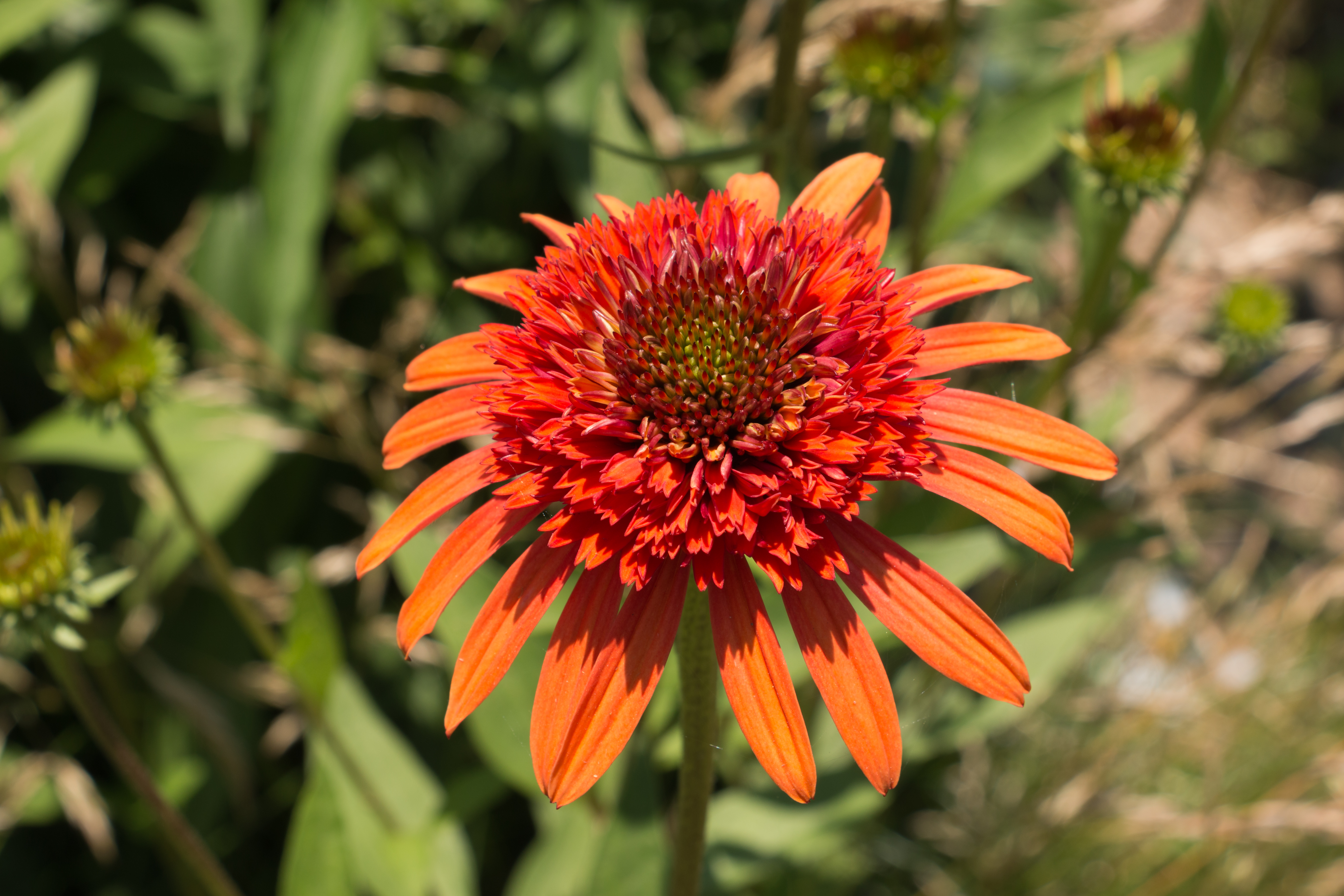
- Coneflower (Echinacea purpurea): These iconic daisy-like flowers come in various shades of purple, pink, white, and yellow. They are drought-tolerant once established and attract pollinators like bees and butterflies. They bloom from mid-summer into fall, providing continuous color. Coneflower
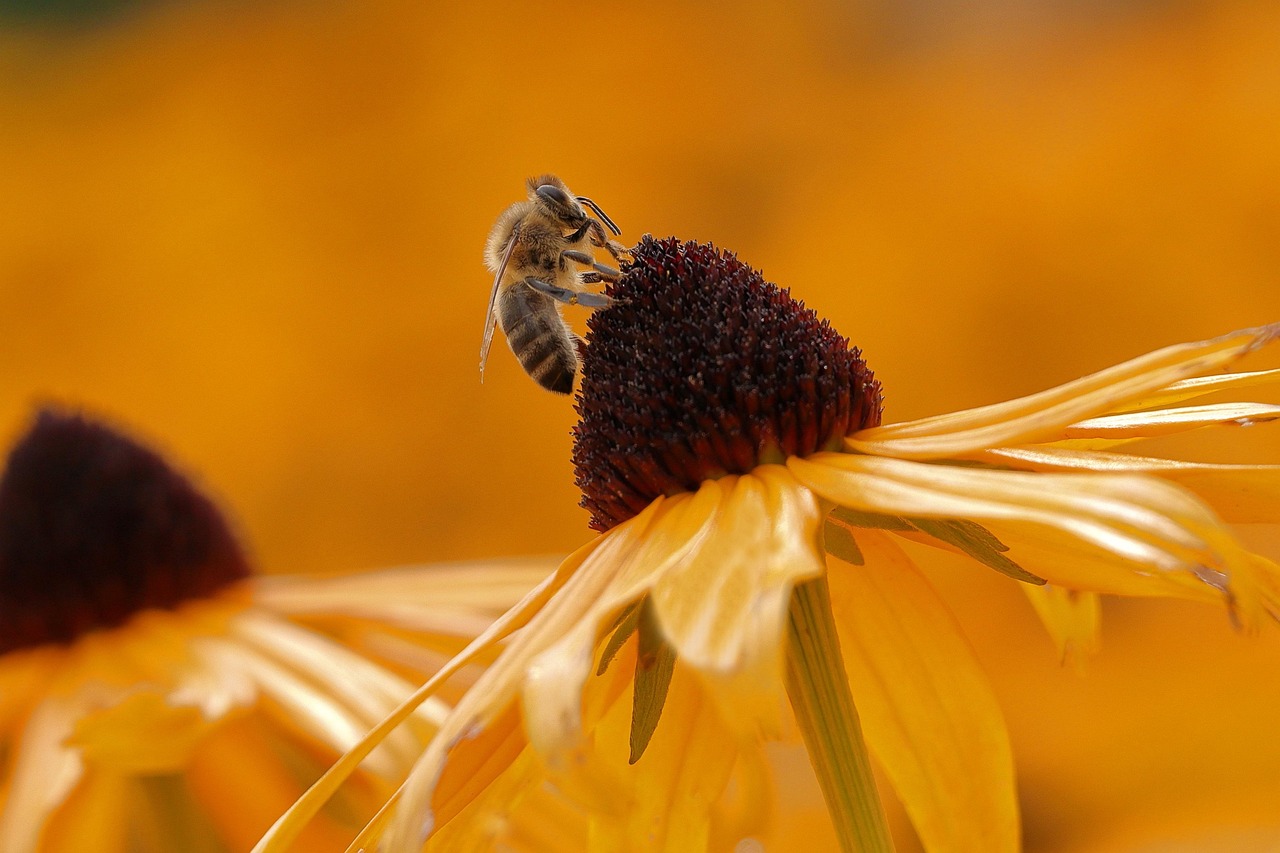
- Black-Eyed Susan (Rudbeckia hirta): With their bright yellow petals and dark brown centers, Black-Eyed Susans are a classic choice for adding a sunny disposition to any garden. They're tough, adaptable, and bloom profusely from summer to fall. Black-eyed Susan
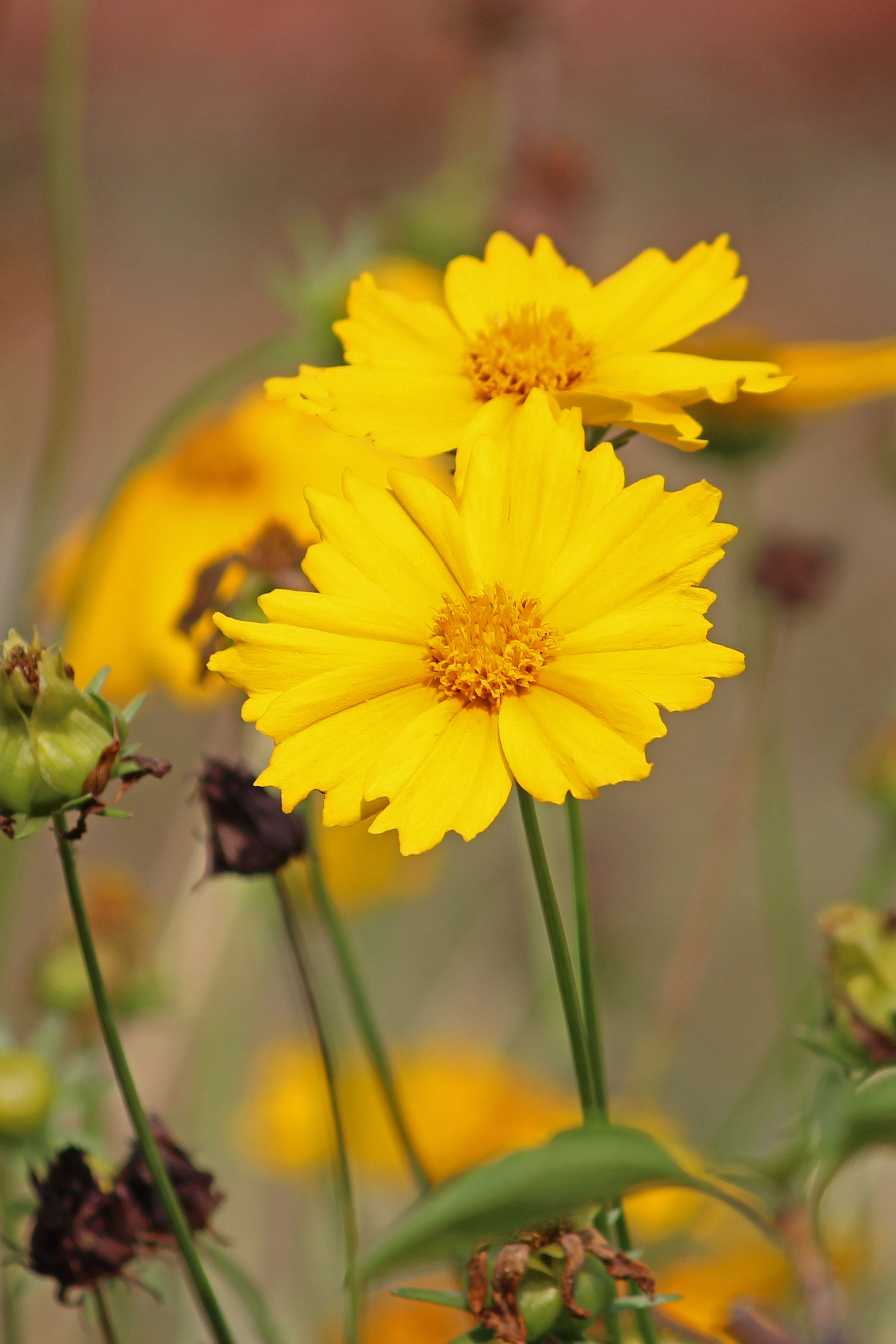
- Coreopsis (Coreopsis spp.): Also known as Tickseed, Coreopsis offers a profusion of cheerful yellow, pink, or red daisy-like flowers. Many varieties are long-blooming and relatively low-maintenance, thriving in full sun and well-drained soil. Coreopsis
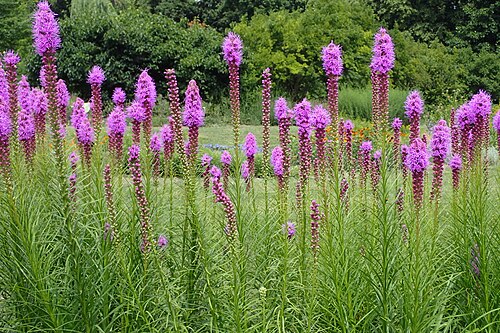
- Blazing Star (Liatris spicata): This unique perennial features tall, spiky flower stalks covered in fuzzy purple, pink, or white blooms that open from the top down. It's a magnet for butterflies and adds a strong vertical element to the garden. Blazing Star
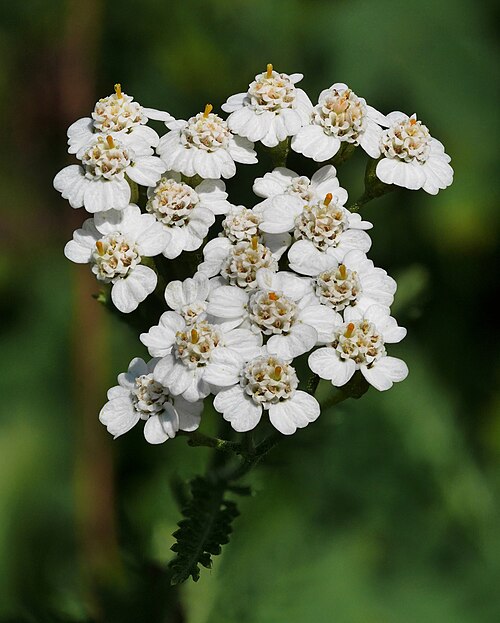
- Yarrow (Achillea millefolium): Known for its flat-topped clusters of tiny flowers in shades of yellow, white, pink, and red, Yarrow is incredibly tough and drought-tolerant. Its feathery foliage adds texture, and it's a great cut flower. Yarrow
Partial Shade Performers
If you have areas that receive morning sun and afternoon shade, or dappled light throughout the day, these plants can thrive:
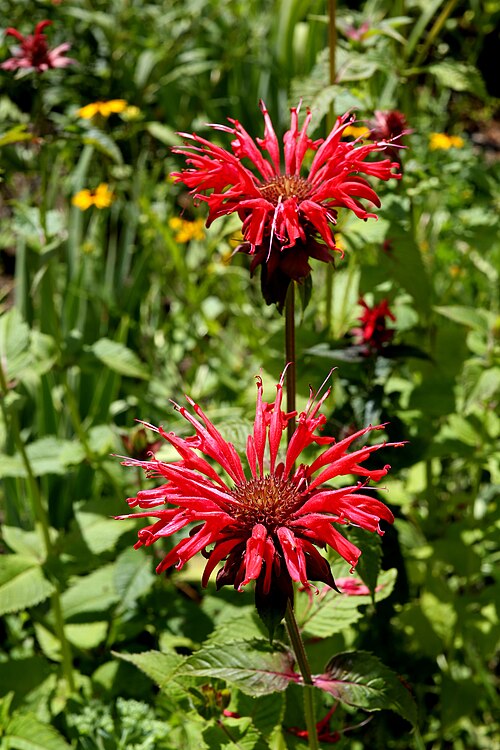
- Bee Balm (Monarda didyma): With its unique, shaggy flowers in shades of red, pink, purple, or white, Bee Balm is a favorite of hummingbirds and bees. It prefers moist, well-drained soil and good air circulation to prevent powdery mildew. Bee Balm
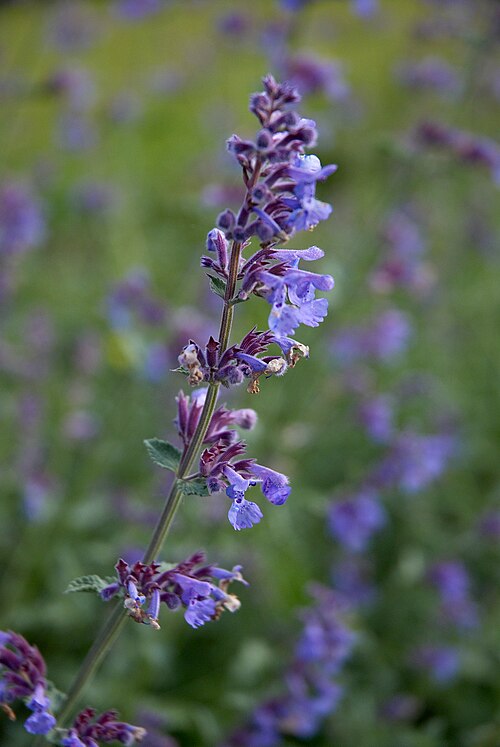
- Catmint (Nepeta x faassenii): While its name suggests a strong attraction for cats, Catmint is generally considered not listed as toxic. It forms lovely mounds of soft, silvery-green foliage topped with spikes of lavender-blue flowers. It's incredibly drought-tolerant and blooms for a very long period. Catmint
Annuals for Instant Color
Annuals complete their life cycle in one growing season, providing continuous blooms from spring until the first hard frost. They're perfect for filling gaps, containers, and adding splashes of vibrant color.
- Snapdragons (Antirrhinum majus): These charming flowers come in a wide array of colors and heights, with unique "snapping" blooms that are fun for kids and adults alike. They prefer full sun to partial shade.
- Pansies and Violas (Viola x wittrockiana, Viola cornuta): Known for their cheerful "faces," pansies and violas are cold-tolerant annuals that can even survive light frosts. They're perfect for early spring and fall color in containers and garden beds.
- Petunias (Petunia x hybrida): Offering a huge variety of colors, forms, and sizes, petunias are a staple for hanging baskets, containers, and ground cover. They love full sun and consistent watering.
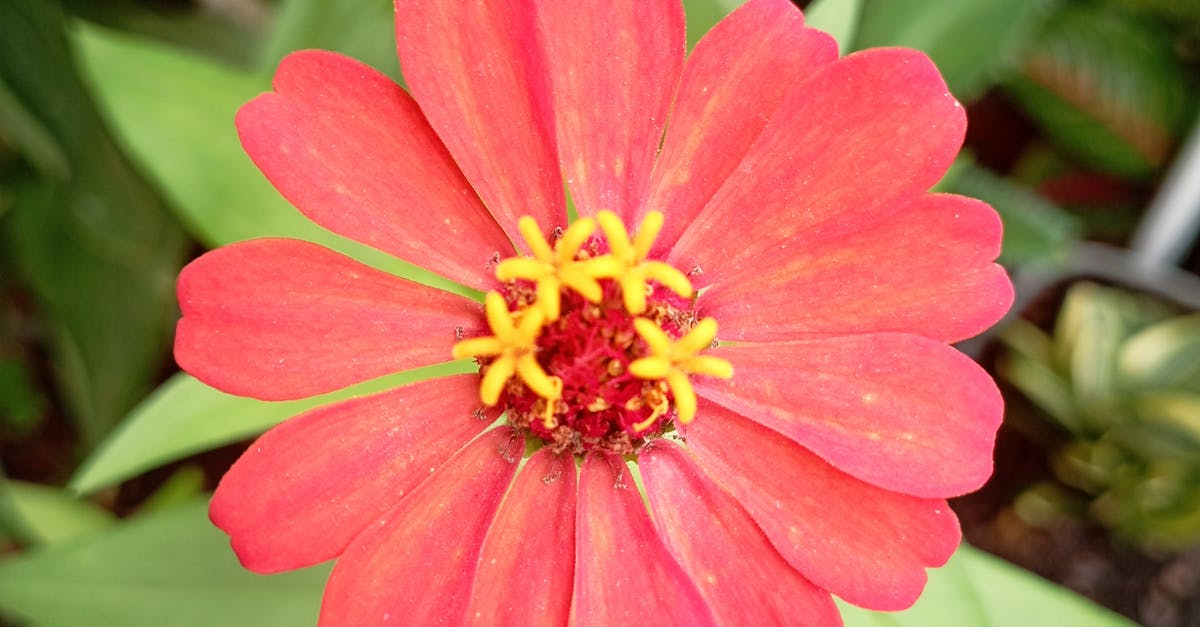
- Zinnias (Zinnia elegans): Easy to grow from seed, zinnias provide an explosion of color in various shapes and sizes. They are excellent cut flowers and attract butterflies.
- Impatiens (Impatiens walleriana): For shady spots, impatiens are a go-to for bright, continuous color. They thrive in moist, well-drained soil.
Herbs and Edibles Not Listed as Toxic
Many herbs can be incorporated into your garden for culinary use and are also generally considered not listed as toxic to cats.
- Basil (Ocimum basilicum): A fragrant and delicious herb that thrives in full sun.
- Thyme (Thymus vulgaris): Low-growing and aromatic, thyme is great for ground cover or rock gardens.
- Rosemary (Salvia rosmarinus): A woody evergreen herb that loves full sun and well-drained soil.
- Dill (Anethum graveolens): Feathery foliage and delicate yellow flowers make dill an attractive addition.
- Cilantro (Coriandrum sativum): Best grown in cooler weather to prevent bolting.
Remember to plant these in an area where you don't mind your cat potentially investigating them, and always use organic gardening practices if your cat might nibble on them.
Quick Reference: Cat-Friendly Zone 4 Plant List
Here's a quick list of some of the plants mentioned that are not listed as toxic to cats by the ASPCA and are suitable for Zone 4:
| Plant Name | Sun Exposure | Bloom Time | Notes |
|---|---|---|---|
| Basil | Full Sun | Summer | Aromatic herb |
| Bee Balm | Full Sun/Part Shade | Summer | Attracts hummingbirds & bees |
| Black-Eyed Susan | Full Sun | Summer-Fall | Cheerful, daisy-like flowers |
| Blazing Star | Full Sun | Summer | Unique vertical blooms, butterfly magnet |
| Catmint | Full Sun | Late Spring-Fall | Drought-tolerant, long blooming |
| Cilantro | Full Sun/Part Shade | Spring/Fall | Culinary herb |
| Coneflower | Full Sun | Summer-Fall | Pollinator friendly, drought-tolerant |
| Coreopsis | Full Sun | Summer-Fall | Long-blooming, various colors |
| Dill | Full Sun | Summer | Feathery foliage, culinary herb |
| Impatiens | Part Shade/Full Shade | Summer-Fall | Great for shady spots (annual) |
| Pansies/Violas | Full Sun/Part Shade | Spring/Fall | Cold-tolerant annuals |
| Petunias | Full Sun | Summer-Fall | Versatile annual for containers |
| Rosemary | Full Sun | Summer | Woody herb, fragrant |
| Snapdragons | Full Sun/Part Shade | Summer-Fall | Unique flower shape (annual) |
| Thyme | Full Sun | Summer | Low-growing, aromatic ground cover |
| Yarrow | Full Sun | Summer | Drought-tolerant, flat-topped blooms |
| Zinnias | Full Sun | Summer-Fall | Easy to grow, attracts butterflies (annual) |
Creating a Cat-Friendly Garden Design
Beyond choosing individual plants, consider the overall design of your garden to enhance safety.
- Designated "Cat Zones": If you have a specific area where your cat loves to lounge or play, consider planting catnip (which is not listed as toxic but can induce strong reactions in some cats) or other cat-attracting, non-toxic plants there, away from more delicate or potentially harmful plants.
- Physical Barriers: For particularly curious cats, low fencing or strategically placed thorny shrubs (like roses, which are not listed as toxic) can subtly deter them from certain areas without being harmful.
- Elevated Planters: Use raised garden beds or containers for plants you want to keep out of easy reach, especially if you're unsure about a plant's toxicity.
- Avoid Pesticides and Herbicides: Chemical treatments can be far more dangerous to pets than plants themselves. Opt for organic pest control methods and manual weeding to keep your garden truly pet-safe.
- Provide Alternatives: Offer your cat their own "safe" plants to chew on, such as specially grown cat grass (oats, wheat, rye, or barley grass). This can redirect their chewing instincts away from your garden plants.
By carefully selecting cold-hardy plants that are not listed as toxic to cats and implementing thoughtful design strategies, you can create a beautiful and worry-free Zone 4 garden for both you and your feline companions to enjoy.
Ready to find the perfect plants for your yard? Try the PlantWise Plant Finder →