Cat-Safe Plants for Zone 5 Gardens
Creating a beautiful garden in USDA Zone 5 that's also mindful of your feline friends is absolutely achievable! Many popular and hardy plants thrive in Zone 5's cold winters and warm summers while also being not listed as toxic to cats by the ASPCA. Key options include Black-eyed Susan, Coneflower, Salvia, and various ornamental grasses, allowing you to design a vibrant, pet-friendly landscape.
For cat owners, the joy of gardening often comes with a side of caution. Our curious companions love to explore, sniff, and sometimes even nibble on plants. Knowing which plants pose a potential risk and which are generally considered not harmful can give you peace of mind. This guide focuses on plants that are well-suited for Zone 5's climate and are not listed as toxic to cats, helping you cultivate a garden that's both stunning and worry-free.
Echinacea purpurea and Rudbeckia hirta packs for cold-hardy cat-safe beds. We may earn a commission at no extra cost to you.
Amazon · Echinacea purpurea seed packs Amazon · Rudbeckia hirta seed packs
* Confirm ASPCA non-toxic status for the exact cultivar. Seed packets dominate these SERPs vs live plugs.
Understanding USDA Zone 5 and Cat Safety
USDA Zone 5 encompasses regions where winter temperatures can drop to -20°F to -10°F (-29°C to -23°C). This means plants need to be robust enough to withstand significant cold. When we combine this with the need for cat-friendly options, our plant selection becomes a bit more specific, but certainly not limited!
The term "cat-safe" can be misleading, as individual animal sensitivities can vary. When we refer to "cat-safe" plants in this article, we mean plants that are not listed as toxic to cats by the ASPCA (American Society for the Prevention of Cruelty to Animals). This distinction is crucial because it relies on a reputable, science-backed database. While a plant may not be listed as toxic, consuming large quantities of any plant material can sometimes lead to mild digestive upset in pets. Always observe your cat's behavior and consult your vet if you have concerns.
If you suspect your pet has ingested a toxic plant, call the ASPCA Animal Poison Control Center immediately at (888) 426-4435.
🌱 Get Personalized Plant Picks
Answer a few quick questions and we’ll match plants to your exact yard conditions.
Find My Plants →Perennials for a Cat-Friendly Zone 5 Garden
Perennials are the backbone of any Zone 5 garden, returning year after year. Here are some excellent choices that are not listed as toxic to cats and thrive in colder climates:
Sunny Spots (Full Sun to Partial Sun)
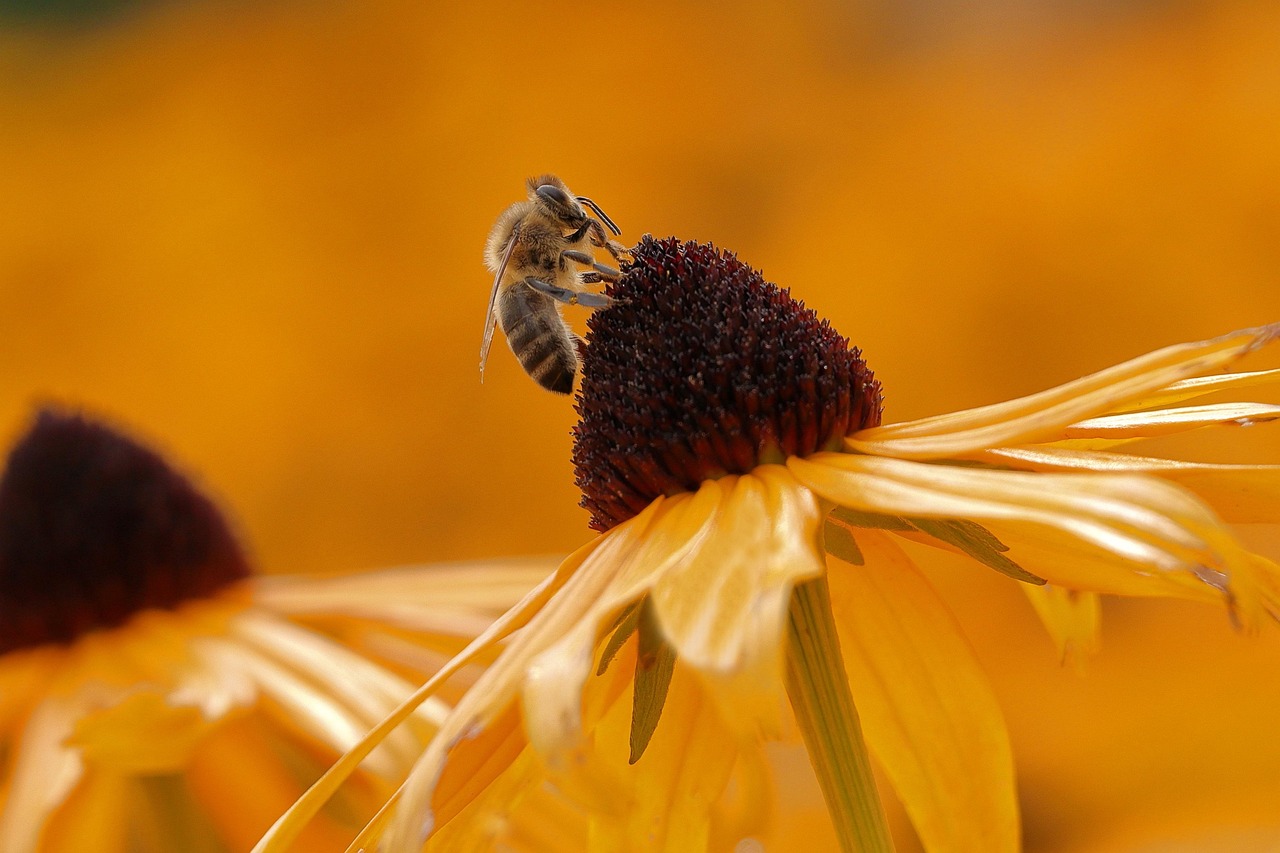
- Black-eyed Susan (Rudbeckia hirta): These cheerful, daisy-like flowers with dark centers bring a burst of golden-yellow to the garden from summer through fall. They are drought-tolerant once established and attract pollinators. Black-eyed Susan
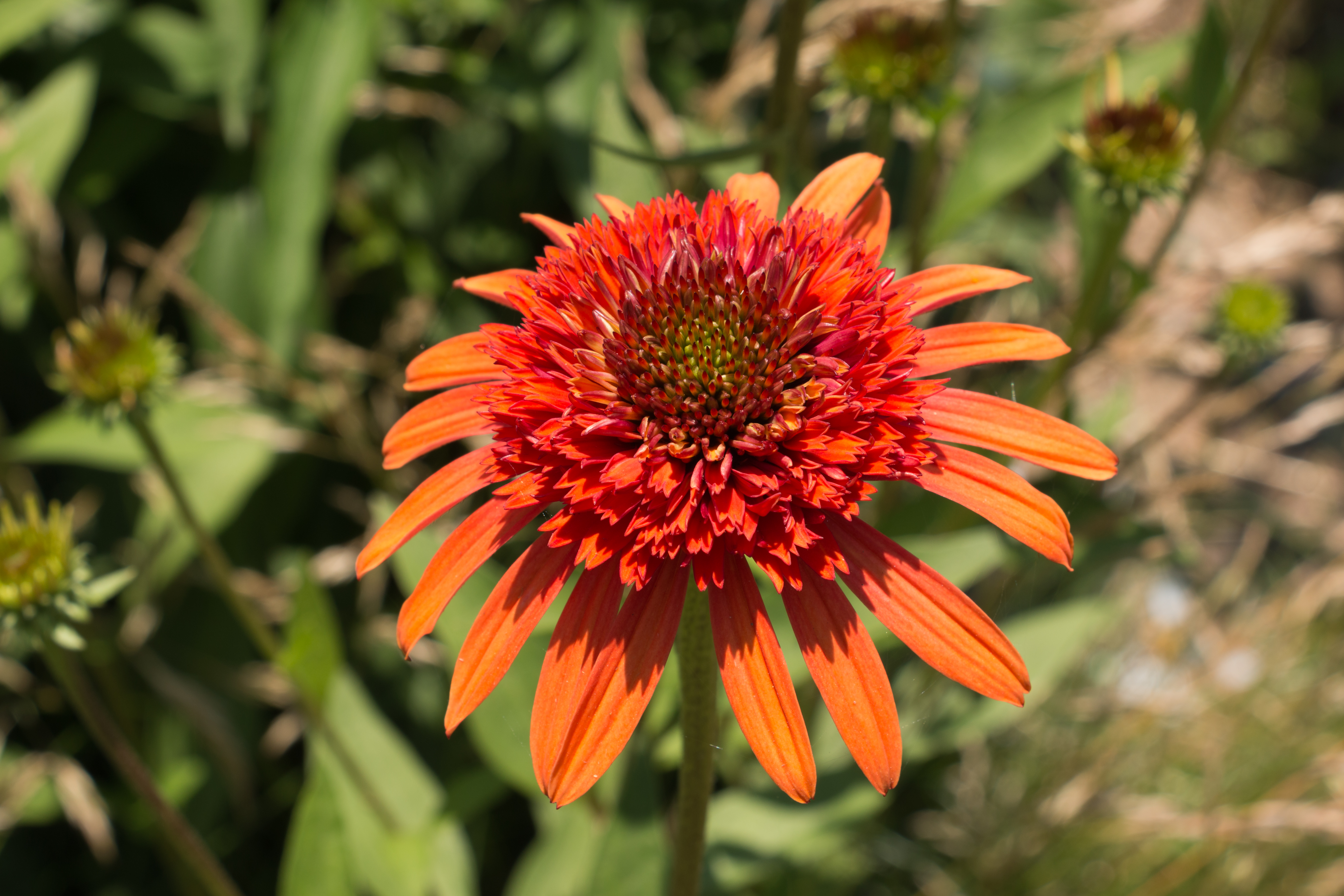
- Coneflower (Echinacea purpurea): A quintessential prairie plant, coneflowers are incredibly hardy and come in various colors, though purple is the most common. They are excellent for attracting bees and butterflies and hold up well to Zone 5 winters. Coneflower
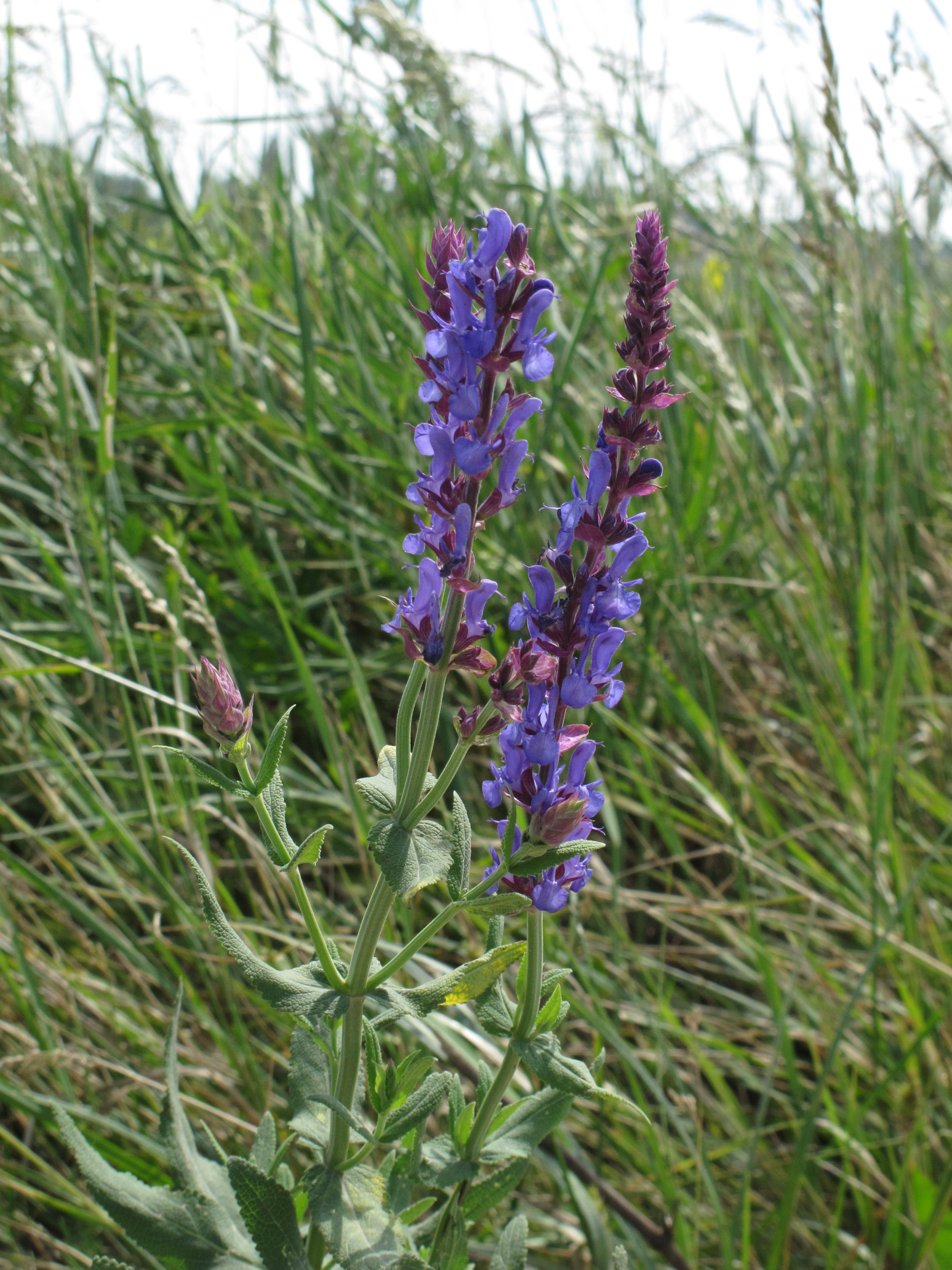
- Salvia (Salvia spp.): Many varieties of Salvia are fantastic for Zone 5, offering spikes of blue, purple, pink, or white flowers. They are deer-resistant, drought-tolerant, and beloved by hummingbirds. Look for hardy perennial types like Salvia nemorosa cultivars. Salvia
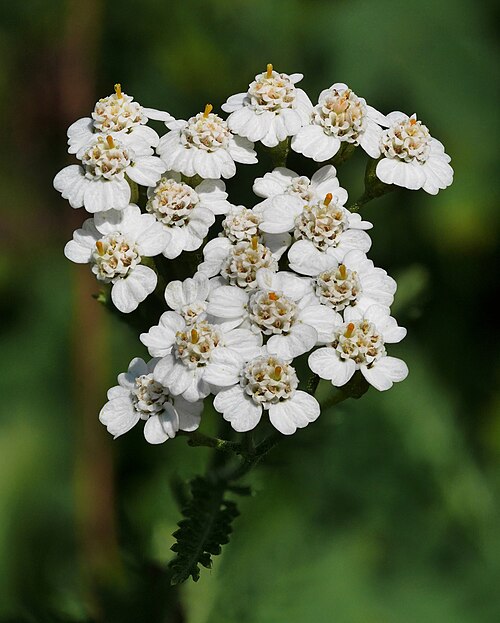
- Yarrow (Achillea millefolium): Known for its flat-topped clusters of tiny flowers in shades of yellow, pink, red, or white, Yarrow is a tough, drought-tolerant plant that thrives in full sun. It's also a great cut flower. Yarrow
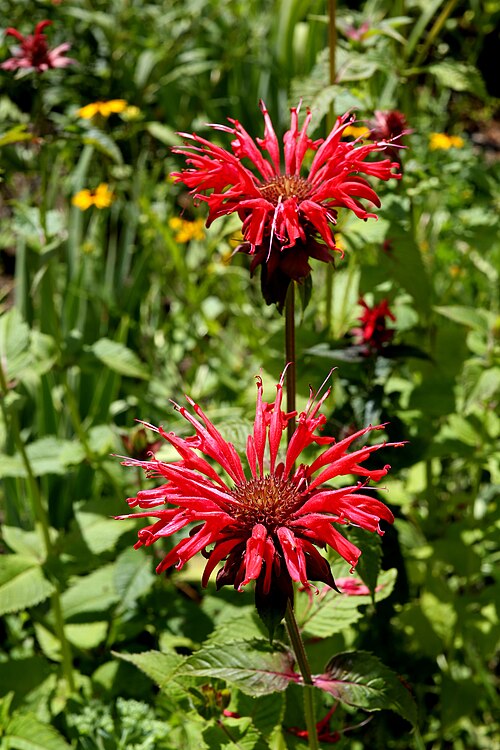
- Bee Balm (Monarda didyma): With its unique, shaggy flowers, Bee Balm is a magnet for pollinators, especially bees and hummingbirds. It prefers moist soil and full sun to partial shade. Bee Balm
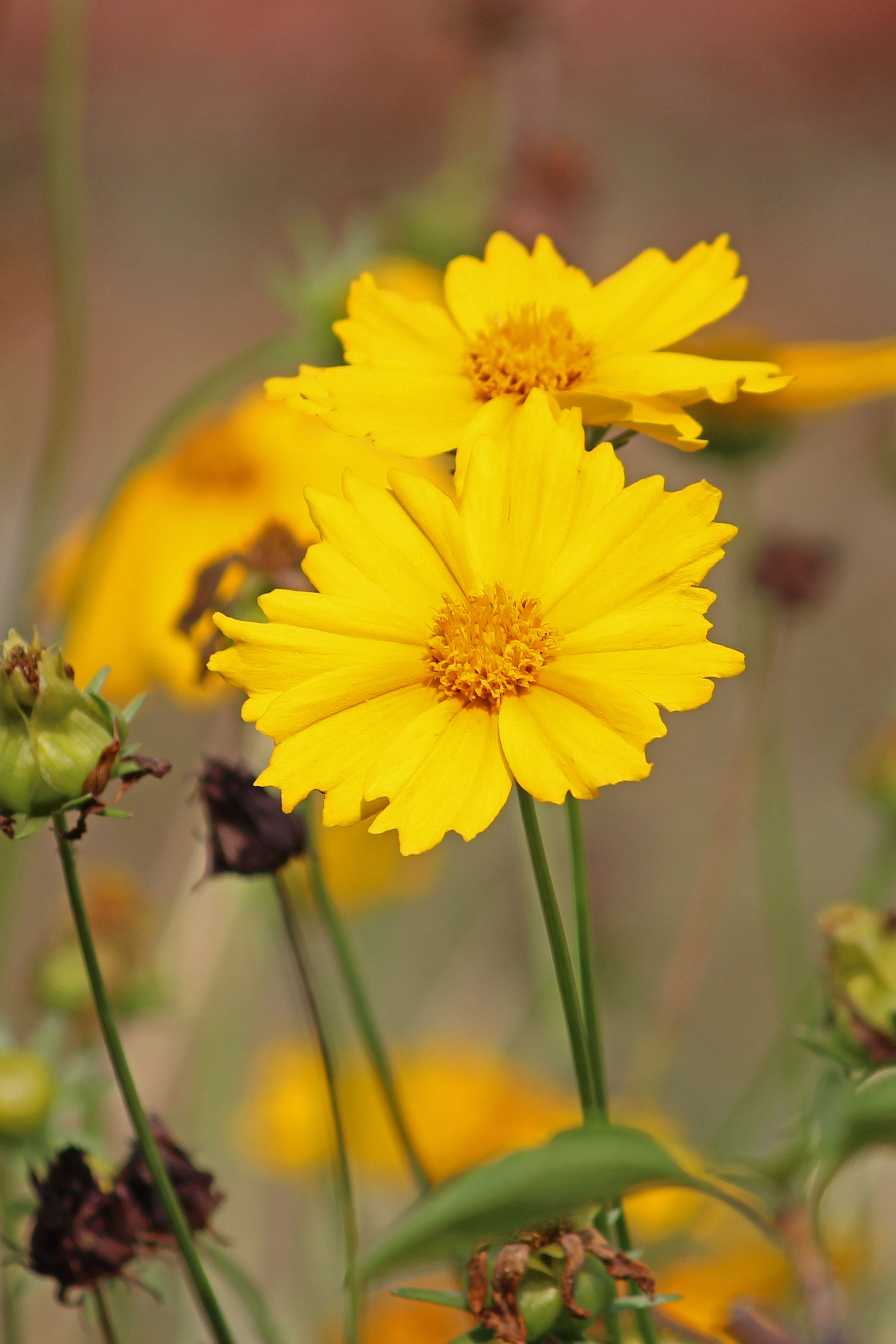
- Coreopsis (Coreopsis spp.): Often called Tickseed, Coreopsis offers a profusion of bright yellow, orange, or pink daisy-like flowers. Many varieties are very hardy and bloom for extended periods. Coreopsis
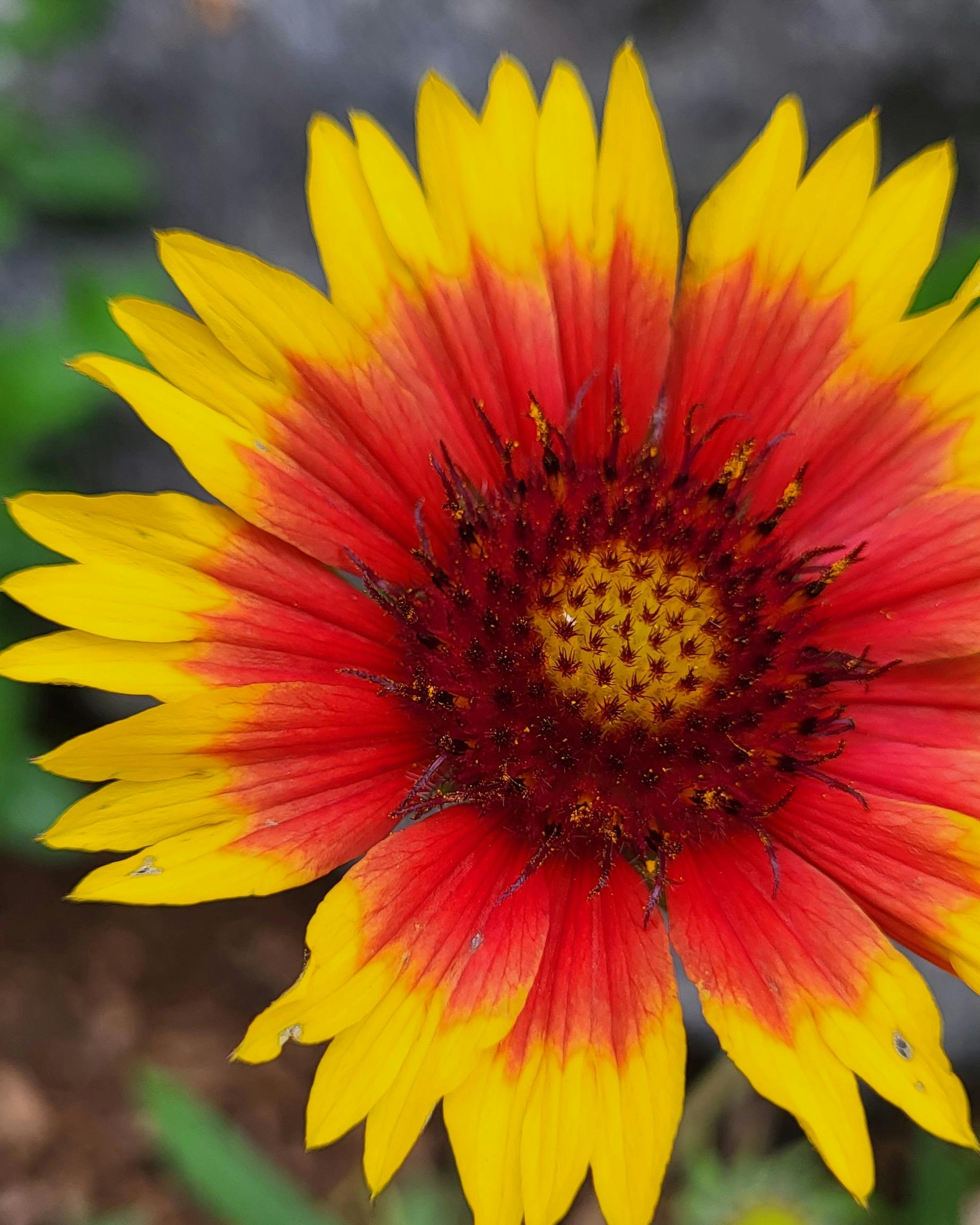
- Blanket Flower (Gaillardia x grandiflora): These vibrant, daisy-like flowers feature warm shades of red, orange, and yellow, often with contrasting tips. They are incredibly tough, drought-tolerant, and bloom profusely. Blanket Flower
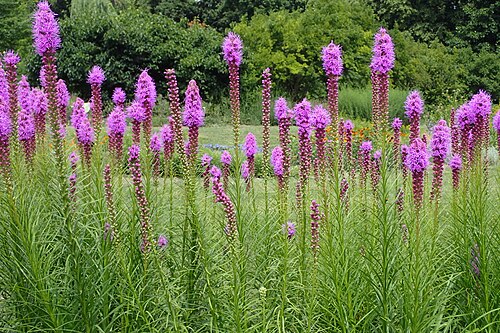
- Blazing Star (Liatris spicata): Also known as Gayfeather, Blazing Star produces tall, spiky purple flower stalks that bloom from the top down. It's a striking vertical accent and a favorite of butterflies. Blazing Star
Shady Retreats (Partial Shade to Full Shade)
While fewer flowering perennials thrive in deep shade, some excellent cat-friendly options exist for Zone 5:
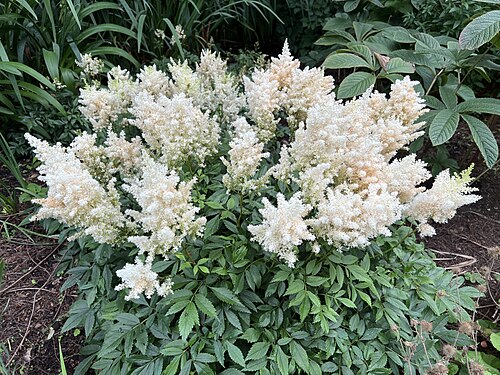
- Astilbe (Astilbe spp.): Known for its feathery plumes of flowers in shades of pink, red, purple, or white, Astilbe adds texture and color to shady spots. It prefers consistently moist soil.
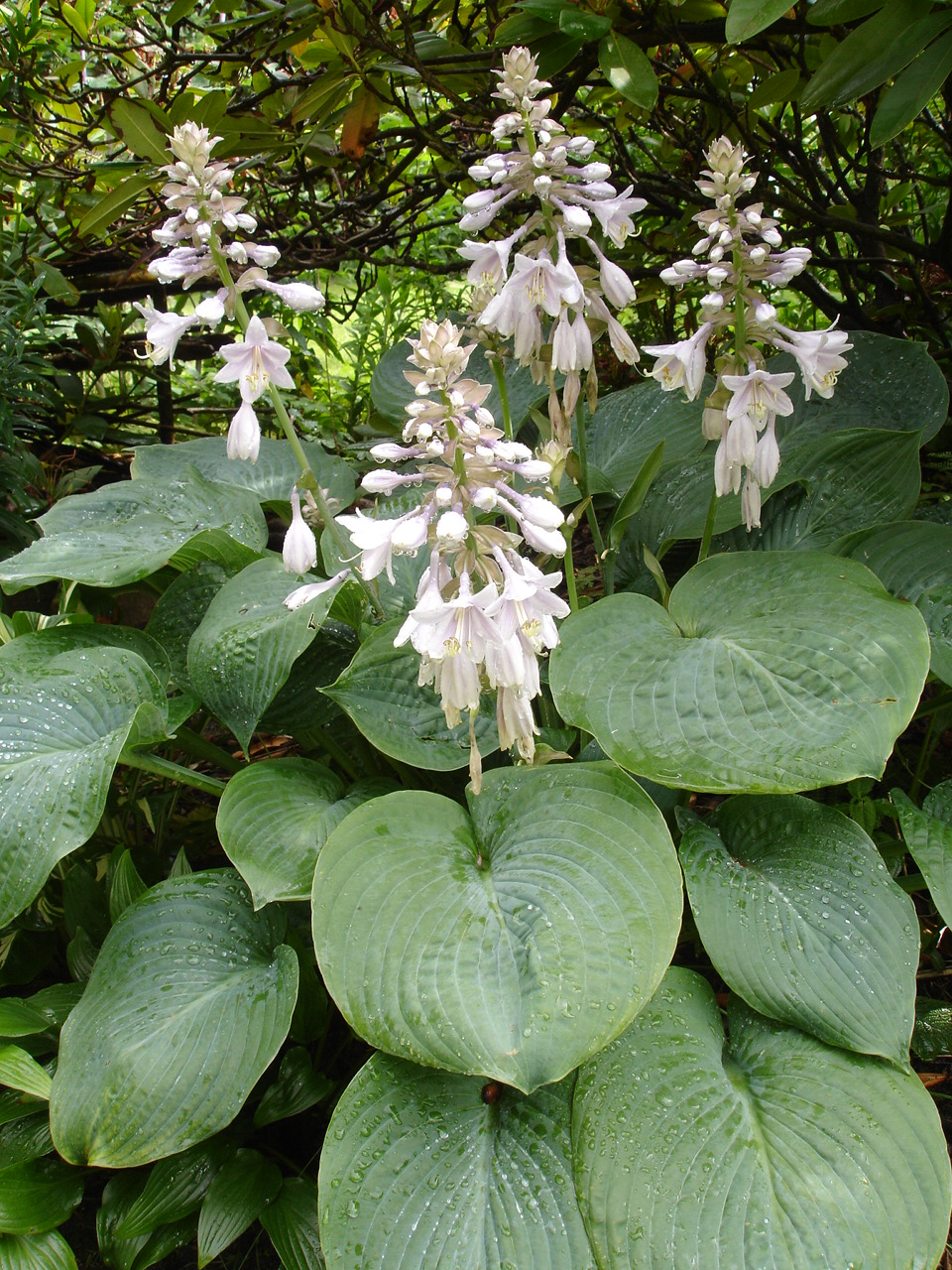
- Hosta (Hosta spp.): While not flowering for their blooms, Hostas are prized for their incredible foliage, which comes in countless shapes, sizes, and colors (greens, blues, yellows, variegated). They are very hardy and low-maintenance in shade.
- Ferns (various species): Many native and ornamental ferns are excellent for shade and are not listed as toxic. Options like Ostrich Fern (Matteuccia struthiopteris) or Lady Fern (Athyrium filix-femina) are hardy in Zone 5 and add beautiful texture.
Ornamental Grasses and Groundcovers
Don't forget the power of texture and form! Ornamental grasses and groundcovers can fill in spaces, provide year-round interest, and many are not listed as toxic.
Ornamental Grasses
- Switchgrass (Panicum virgatum): A native prairie grass, Switchgrass is incredibly tough, drought-tolerant, and provides beautiful vertical interest and fall color.
- Little Bluestem (Schizachyrium scoparium): Another native, Little Bluestem offers striking blue-green foliage that turns russet in the fall. It's very low-maintenance.
- Feather Reed Grass (Calamagrostis x acutiflora 'Karl Foerster'): This popular ornamental grass forms upright clumps with feathery plumes, providing excellent vertical structure.
Groundcovers
- Creeping Thyme (Thymus serpyllum): A fragrant, low-growing groundcover that produces tiny flowers and can tolerate some foot traffic.
- Sedum (Sedum spp. - low-growing varieties): Many low-growing sedums, like 'Dragon's Blood' or 'Angelina', are excellent for sunny, dry spots and are not listed as toxic.
Annuals for Seasonal Color
While perennials form the structure, annuals provide continuous, vibrant color throughout the growing season. Many popular annuals are not listed as toxic to cats. Remember that annuals will need to be replanted each year in Zone 5.
- Snapdragons (Antirrhinum majus): Charming flowers in a rainbow of colors, great for vertical interest.
- Petunias (Petunia x hybrida): A classic for containers and hanging baskets, offering continuous blooms.
- Impatiens (Impatiens walleriana): Perfect for shady spots, providing bright splashes of color.
- Pansies/Violas (Viola x wittrockiana/Viola cornuta): Cheerful, cool-season annuals that can even tolerate light frosts.
- Zinnias (Zinnia elegans): Easy to grow from seed, offering a wide range of colors and attracting butterflies.
Quick Reference: Cat-Friendly Zone 5 Plants
| Plant Type | Common Name | Light Needs | Notes |
|---|---|---|---|
| Perennials | Black-eyed Susan | Full Sun | Cheerful, drought-tolerant, attracts pollinators |
| Coneflower | Full Sun | Hardy, attracts butterflies, various colors | |
| Salvia (perennial) | Full Sun | Spikes of color, deer-resistant, attracts hummingbirds | |
| Yarrow | Full Sun | Tough, drought-tolerant, great for cut flowers | |
| Bee Balm | Full Sun-Part Shade | Attracts hummingbirds & bees, prefers moist soil | |
| Coreopsis | Full Sun | Long blooming, bright daisy-like flowers | |
| Blanket Flower | Full Sun | Drought-tolerant, vibrant reds/oranges/yellows | |
| Blazing Star | Full Sun | Striking vertical accent, butterfly magnet | |
| Astilbe | Part Shade-Full Shade | Feathery plumes, prefers moist soil | |
| Hosta | Part Shade-Full Shade | Prized for foliage, low maintenance | |
| Ferns (various) | Part Shade-Full Shade | Adds texture, many native options | |
| Grasses | Switchgrass | Full Sun | Native, vertical interest, fall color |
| Little Bluestem | Full Sun | Native, blue-green foliage, russet fall color | |
| Feather Reed Grass | Full Sun | Upright form, feathery plumes | |
| Groundcovers | Creeping Thyme | Full Sun | Fragrant, low-growing, tiny flowers |
| Sedum (low-growing) | Full Sun | Drought-tolerant, colorful foliage/flowers | |
| Annuals | Snapdragons | Full Sun | Vertical interest, wide color range |
| Petunias | Full Sun | Continuous blooms, great for containers | |
| Impatiens | Part Shade-Full Shade | Bright color for shady spots | |
| Pansies/Violas | Full Sun-Part Shade | Cool-season color, cheerful faces | |
| Zinnias | Full Sun | Easy to grow, attracts butterflies, wide variety |
Designing Your Cat-Friendly Zone 5 Garden
When planning your garden, consider these tips:
- Placement is Key: Even with "not listed as toxic" plants, some cats are simply plant chewers. Consider placing highly attractive plants (like ornamental grasses) in areas where your cat is less likely to spend extended periods unsupervised, or provide them with their own catnip or cat grass to redirect their attention.
- Variety of Textures and Heights: Combine plants with different forms - the spiky plumes of Salvia, the broad leaves of Hosta, and the feathery texture of Yarrow - to create visual interest.
- Layering: Plant taller plants at the back of beds, medium-height plants in the middle, and low-growing groundcovers or annuals at the front.
- Consider Bloom Times: Choose plants with staggered bloom times to ensure continuous color and interest throughout the growing season.
- Water Wisely: Many of the recommended Zone 5 plants are drought-tolerant once established, but all plants need regular watering during their first season.
By selecting from this list of Zone 5 hardy plants that are not listed as toxic to cats, you can create a vibrant, thriving garden that you and your feline companions can enjoy together. Remember, a little planning goes a long way in ensuring a beautiful and safe outdoor space.
Ready to find the perfect plants for your yard? Try the PlantWise Plant Finder →