Cat-Safe Plants for Zone 6 Gardens
Gardening in Zone 6 offers a wonderful array of plant choices, and for cat owners, ensuring those choices are not listed as toxic to our feline friends is a top priority. Many beautiful and resilient plants thrive in Zone 6's moderate climate, providing stunning blooms and foliage without posing a known risk to curious cats. Some excellent cat-friendly options for Zone 6 include Coneflower, Black-eyed Susan, Yarrow, Catmint, and Bee Balm, offering a diverse palette for any garden design.
Why Cat-Safe Gardening Matters
Our feline companions are naturally curious creatures. Whether they're indoor cats with access to a patio or outdoor explorers, they often investigate their surroundings with their mouths. This instinct can lead them to nibble on plants, sometimes with harmful consequences if those plants are toxic. As responsible pet owners and gardeners, choosing plants not listed as toxic by reputable sources like the ASPCA is crucial for their well-being.
Zone 6, encompassing areas with average annual minimum temperatures between -10°F and 0°F, offers a fantastic growing environment. From the Mid-Atlantic to parts of the Midwest, gardeners in this zone can cultivate a wide variety of perennials, shrubs, and annuals. The good news is that many of these hardy, beautiful plants are also considered cat-friendly.
It's important to remember that "not listed as toxic" doesn't mean a plant is entirely safe for consumption in large quantities. Any plant material, if eaten in excess, can cause mild gastrointestinal upset in pets. Always observe your cat's behavior and consult your veterinarian if you have concerns.
If you suspect your pet has ingested a toxic plant, call the ASPCA Animal Poison Control Center immediately at (888) 426-4435.
🌱 Get Personalized Plant Picks
Answer a few quick questions and we’ll match plants to your exact yard conditions.
Find My Plants →Perennial Powerhouses for Zone 6 (Not Listed as Toxic to Cats)
Perennials are the backbone of any garden, returning year after year with minimal fuss. Here are some fantastic Zone 6 perennials that are not listed as toxic to cats:
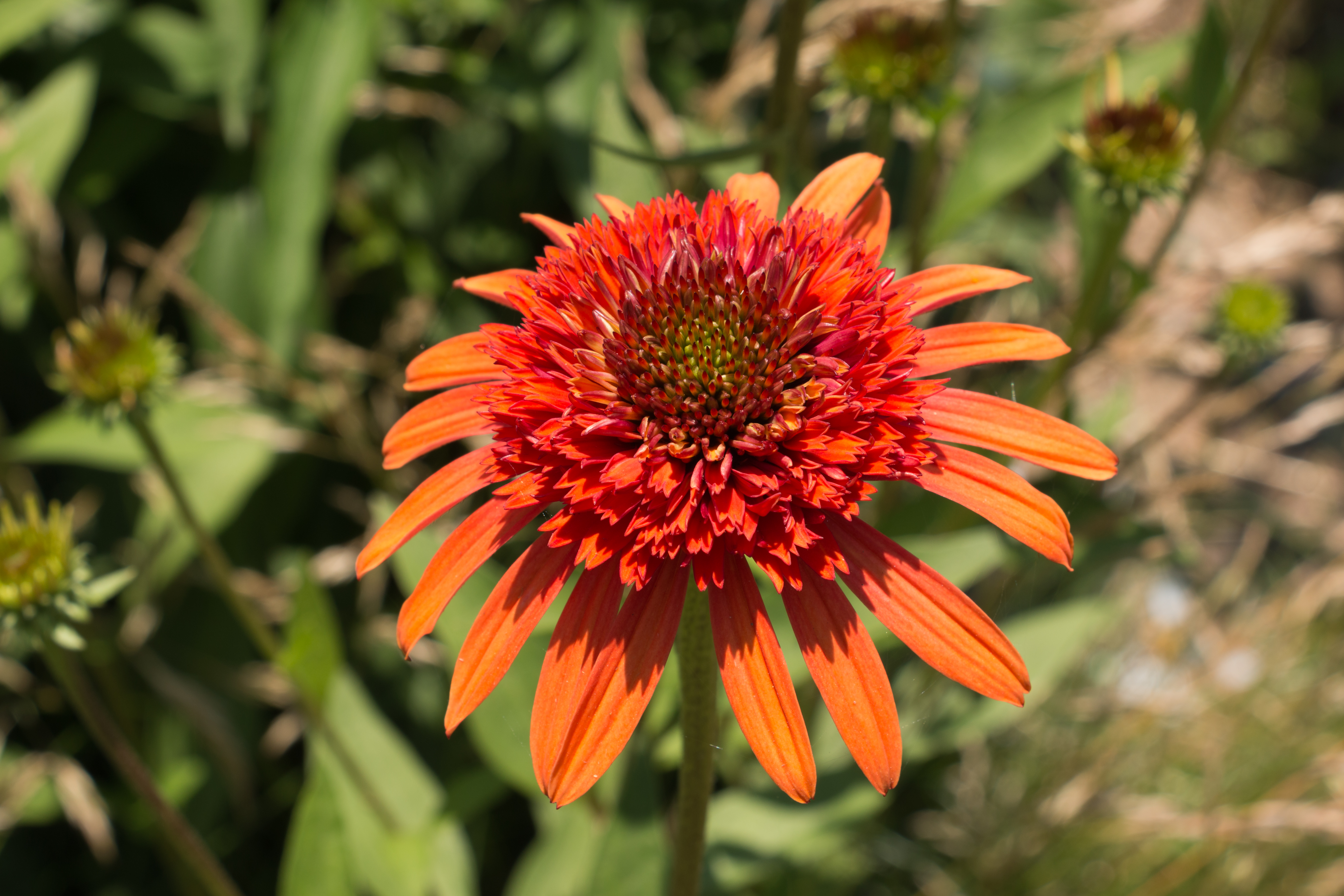
Coneflower (Echinacea purpurea)
Coneflower A quintessential prairie plant, Coneflower is a pollinator magnet and a garden workhorse. Its distinctive daisy-like flowers with prominent central cones come in shades of purple, pink, white, and yellow. They are drought-tolerant once established and thrive in full sun, blooming from summer into fall.
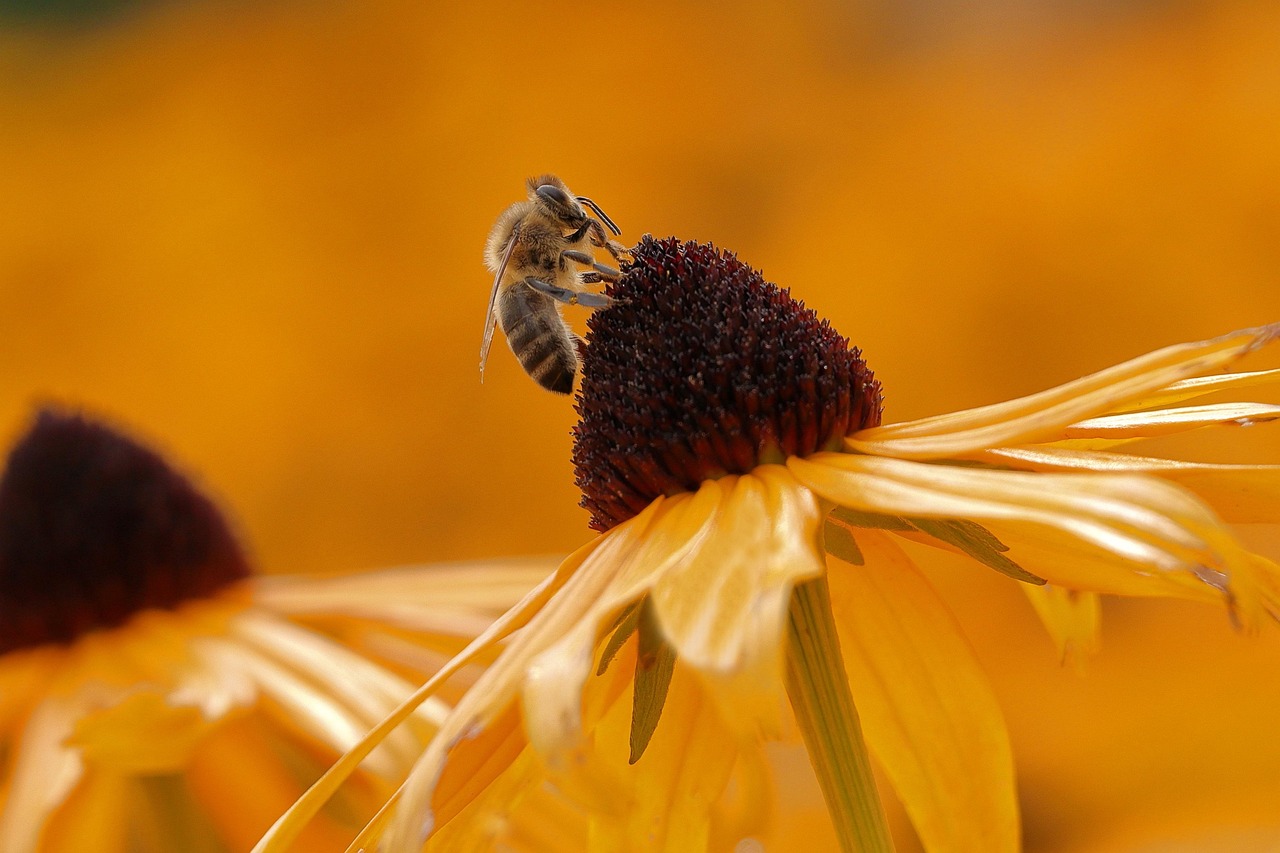
Black-eyed Susan (Rudbeckia hirta)
Black-eyed Susan Another cheerful native, Black-eyed Susan brings a splash of golden yellow to the garden. These tough plants are easy to grow, tolerant of various soil conditions, and provide continuous blooms from mid-summer through fall. They're perfect for cottage gardens, borders, or naturalized areas.
Yarrow (Achillea millefolium)
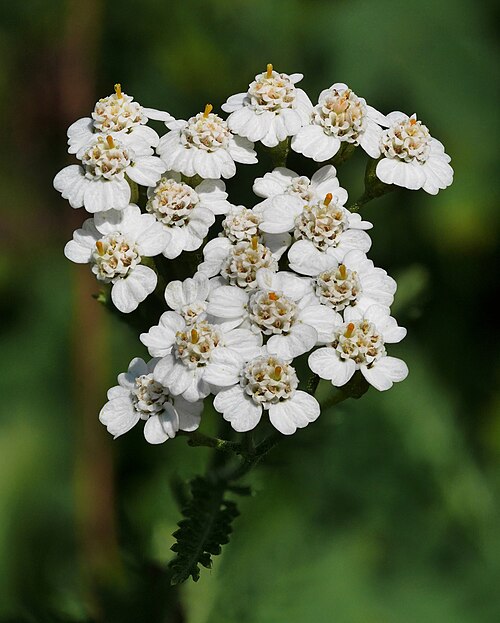
Yarrow With its feathery foliage and flat-topped clusters of flowers, Yarrow is a versatile and resilient choice. It comes in a range of colors, including white, yellow, pink, and red, and is excellent for cut flowers. Yarrow is drought-tolerant and prefers full sun, making it ideal for hot, dry spots.
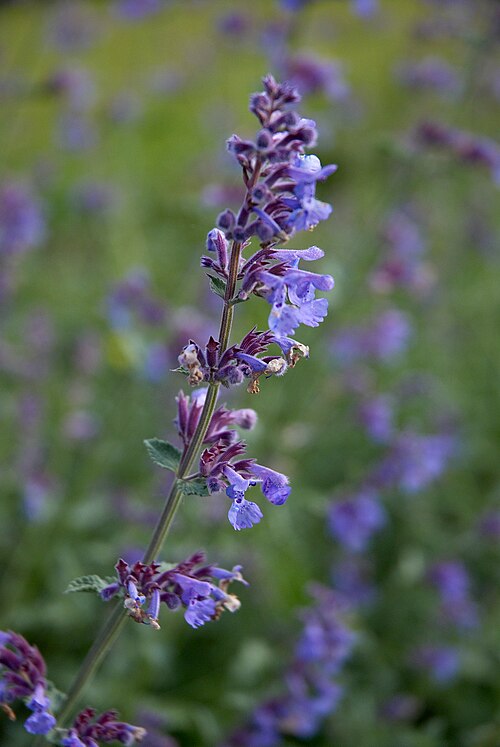
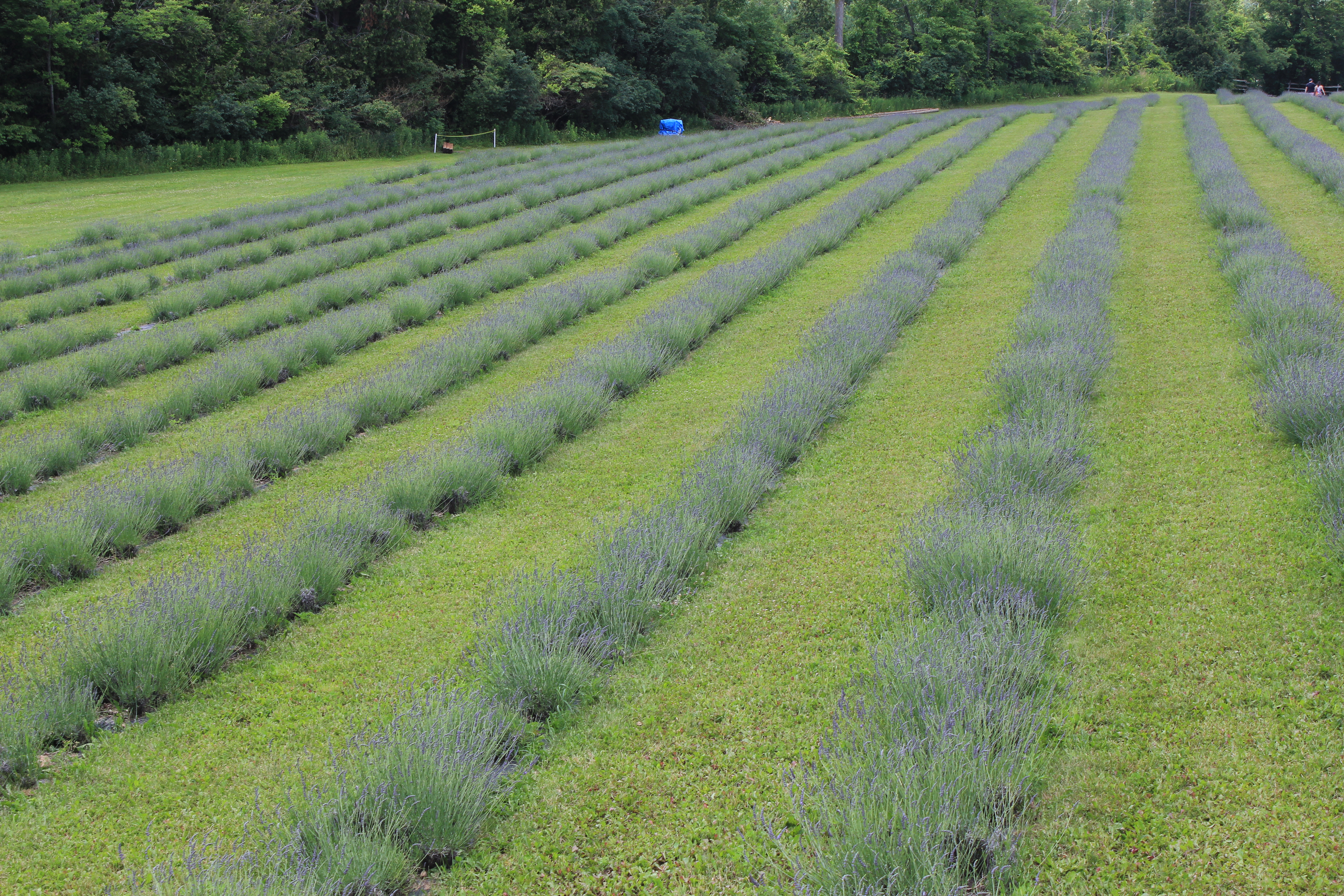
Catmint (Nepeta spp.)
Catmint While its name might suggest otherwise, Catmint is generally not listed as toxic to cats. In fact, many cats enjoy its aromatic foliage! This tough perennial forms lovely mounds of silvery-green leaves and produces spikes of lavender-blue flowers for an extended period, often from late spring through fall. It's deer-resistant and drought-tolerant, perfect for borders or rock gardens.
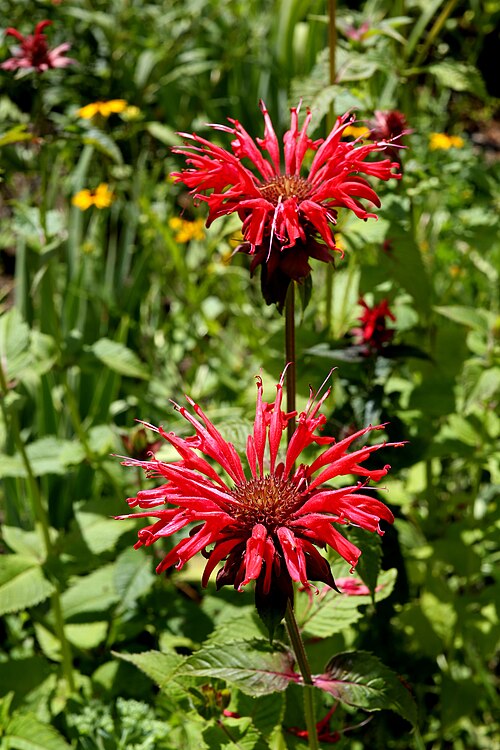
Bee Balm (Monarda didyma)
Bee Balm A vibrant native plant, Bee Balm is a favorite of hummingbirds, bees, and butterflies. Its unique, shaggy flowers come in shades of red, pink, purple, and white. It prefers full sun to partial shade and consistently moist soil, making it a good choice for rain gardens or naturalized areas.
Coreopsis (Coreopsis spp.)
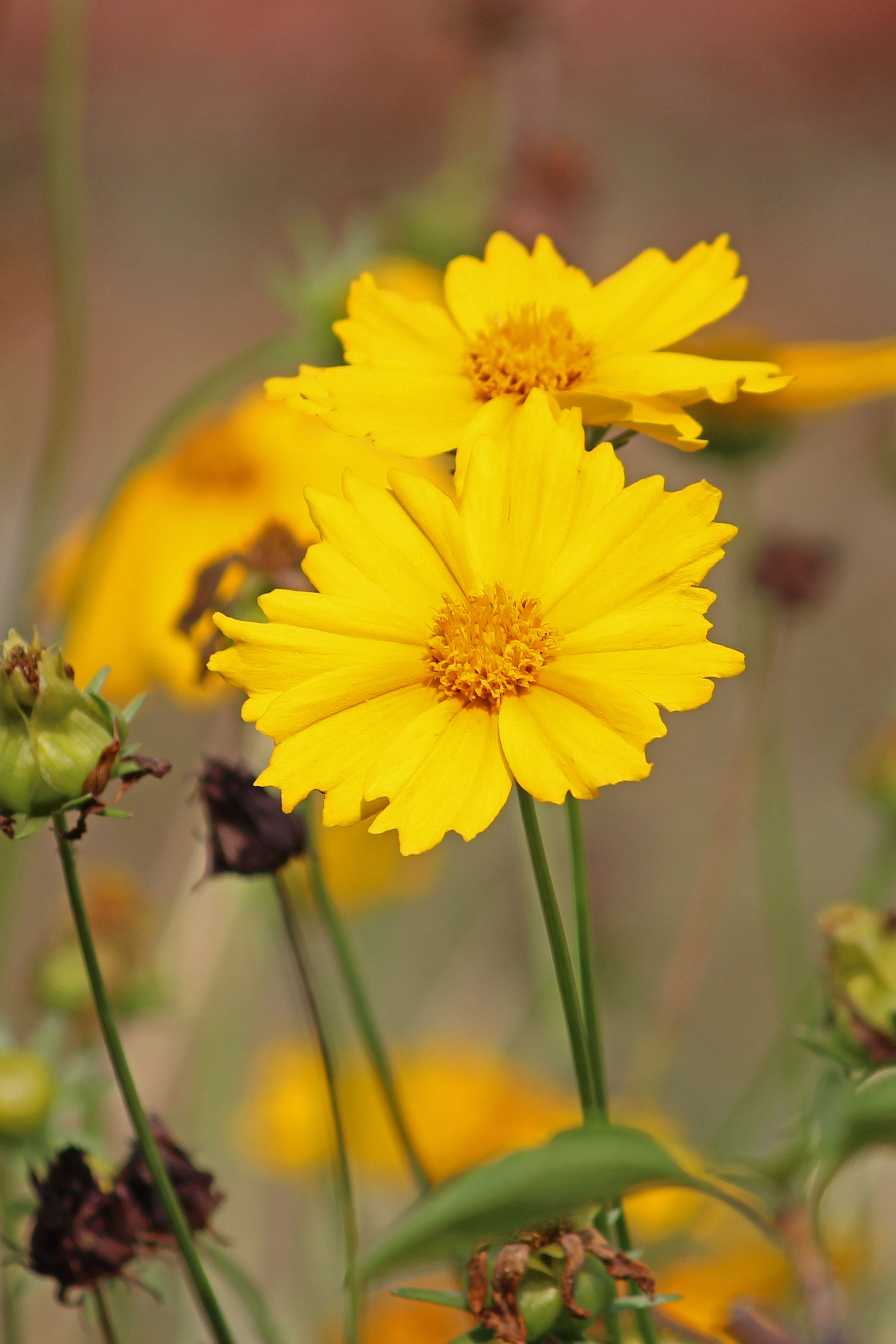
Coreopsis Also known as Tickseed, Coreopsis offers a profusion of daisy-like flowers in shades of yellow, orange, and sometimes pink. These cheerful plants are low-maintenance, drought-tolerant, and bloom for an extended period, often from early summer into fall. They're excellent for borders, containers, or mass plantings.
Salvia (Salvia nemorosa and other perennial types)
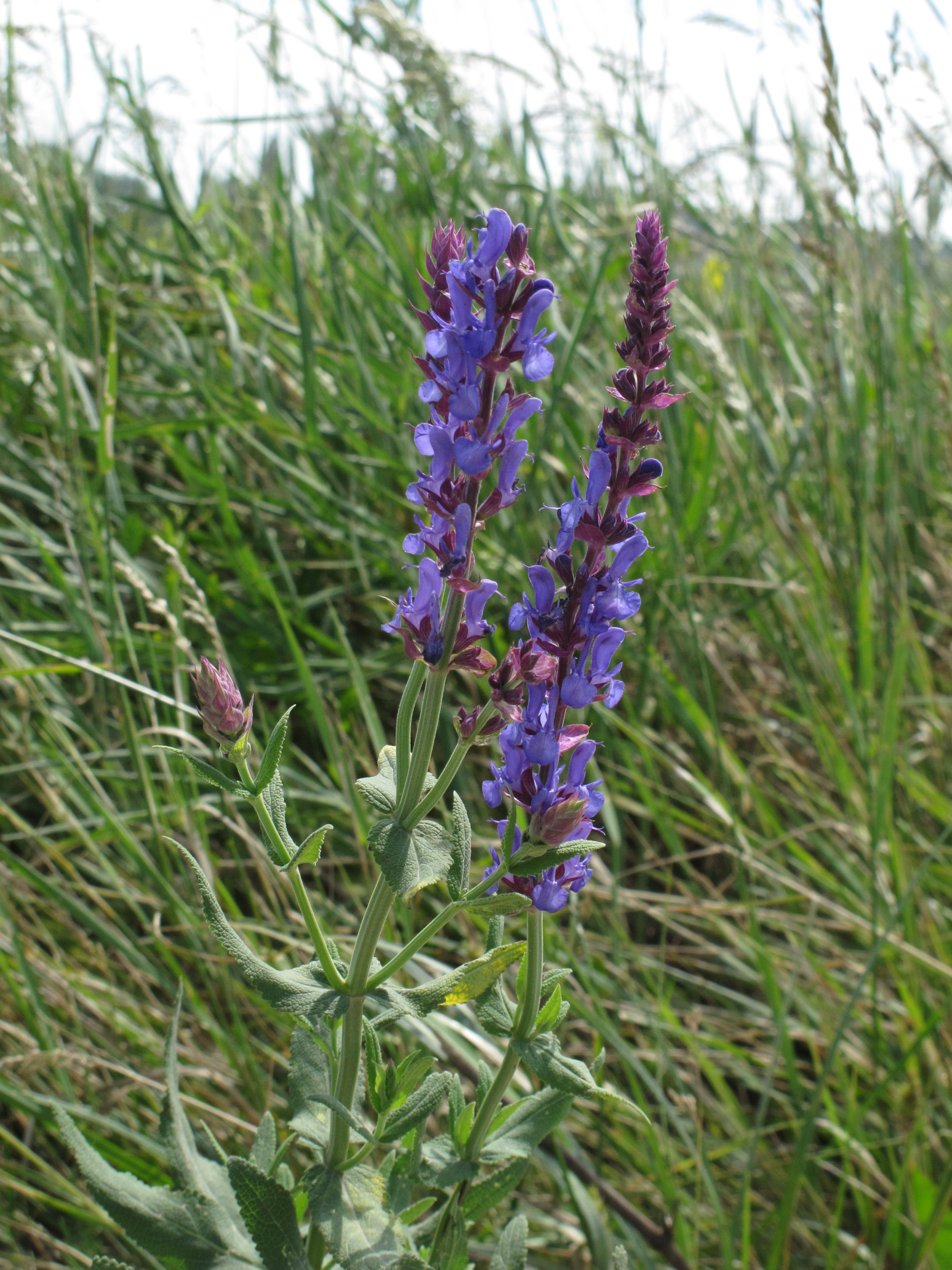
Salvia Many perennial Salvias, like 'May Night' or 'Caradonna', are fantastic for Zone 6. They offer long-lasting spikes of blue, purple, or pink flowers that are highly attractive to pollinators. Most Salvias prefer full sun and well-drained soil, providing continuous color throughout the summer.
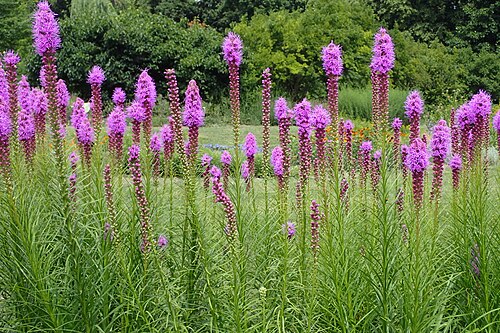
Blazing Star (Liatris spicata)
Blazing Star This striking native perennial sends up tall, spiky plumes of purple flowers that bloom from the top down. Blazing Star is a monarch butterfly magnet and adds a strong vertical element to the garden. It thrives in full sun and well-drained soil, tolerating both drought and poor soil conditions.
Blanket Flower (Gaillardia x grandiflora)
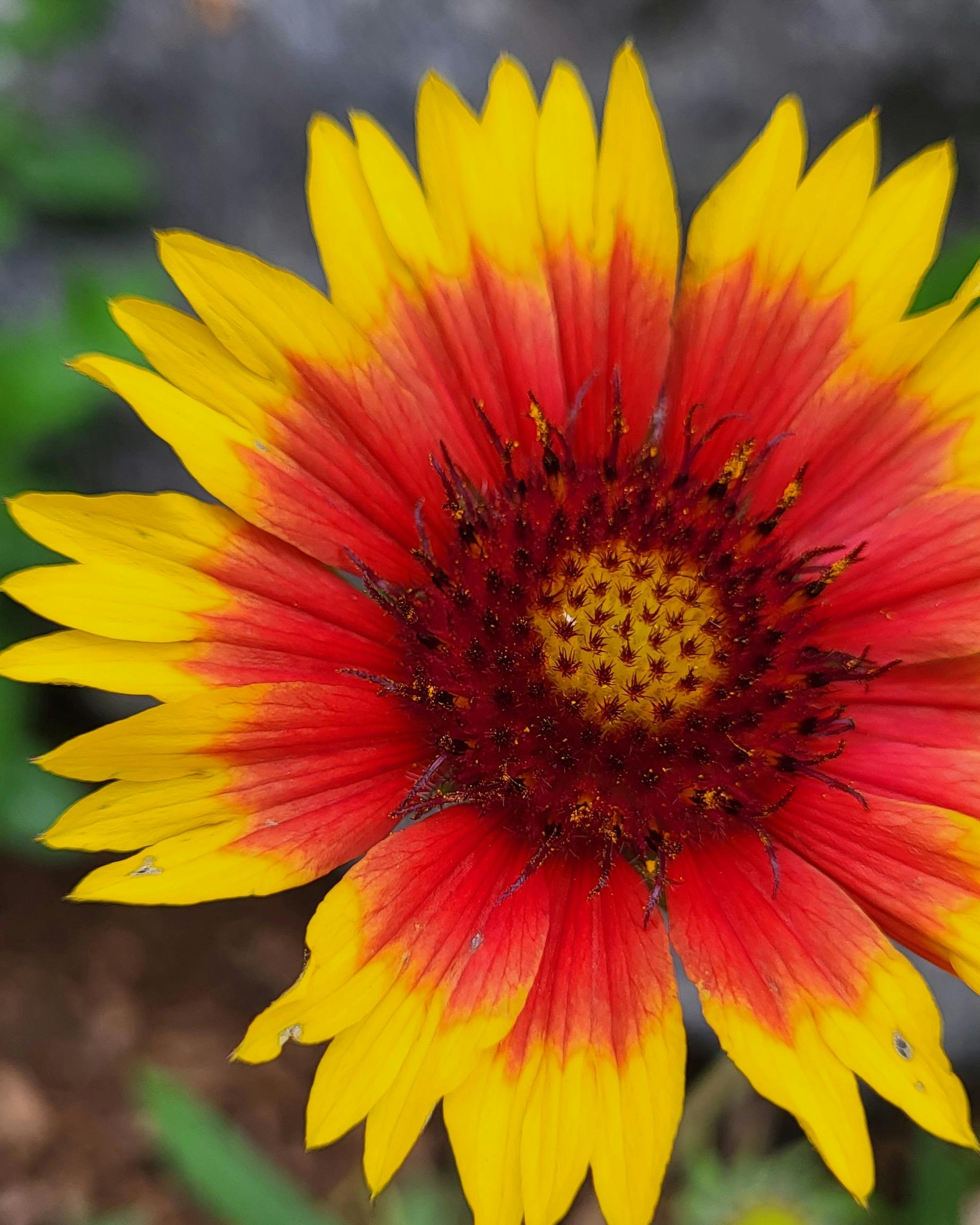
Blanket Flower With its vibrant, daisy-like flowers in shades of red, orange, and yellow, Blanket Flower brings a fiery display to the garden. These tough plants are incredibly drought-tolerant and bloom profusely from early summer until frost, making them perfect for hot, sunny locations.
Quick Reference: Cat-Friendly Zone 6 Perennials
| Plant Name | Sun Needs | Bloom Time | Flower Color | Special Features |
|---|---|---|---|---|
| Coneflower | Full Sun | Summer - Fall | Purple, Pink, White, Yellow | Pollinator magnet, drought tolerant |
| Black-eyed Susan | Full Sun | Mid-Summer - Fall | Yellow with dark center | Easy to grow, long bloom time |
| Yarrow | Full Sun | Summer | White, Yellow, Pink, Red | Drought tolerant, good for cut flowers |
| Catmint | Full Sun | Late Spring - Fall | Lavender-blue | Deer resistant, drought tolerant, aromatic foliage |
| Bee Balm | Full Sun - Pt Shade | Summer | Red, Pink, Purple, White | Attracts hummingbirds, bees, butterflies |
| Coreopsis | Full Sun | Early Summer - Fall | Yellow, Orange, Pink | Low maintenance, long bloom time, drought tolerant |
| Salvia | Full Sun | Summer | Blue, Purple, Pink | Pollinator magnet, long-lasting blooms |
| Blazing Star | Full Sun | Summer | Purple | Vertical interest, monarch magnet, drought tolerant |
| Blanket Flower | Full Sun | Early Summer - Frost | Red, Orange, Yellow | Drought tolerant, long bloom time, vibrant colors |
Designing Your Cat-Safe Zone 6 Garden
When planning your garden, consider these tips for creating a beautiful and cat-friendly space:
- Know Your Plants: Always double-check the toxicity of any plant you bring into your garden, even if it's not on this list. The ASPCA website is an excellent resource.
- Provide Alternatives: If your cat enjoys nibbling on greens, consider planting a designated "cat grass" patch (oats, wheat, or barley grass) in a container or a safe corner of the garden. This can divert their attention from other plants.
- Create Barriers: For plants you're unsure about or want to protect, consider using physical barriers like decorative fencing or placing them in hanging baskets out of reach.
- Observe Your Cat: Pay attention to which plants your cat shows interest in. Some cats are more prone to nibbling than others.
- Consider Layout: If you have outdoor cats, try to keep highly attractive but potentially toxic plants (even if only mildly so) in areas they are less likely to frequent, or in containers that can be moved.
Creating a garden that is both stunning and safe for your feline friends is entirely achievable in Zone 6. By choosing plants not listed as toxic, you can enjoy a vibrant outdoor space with peace of mind.
Ready to find the perfect plants for your yard? Try the PlantWise Plant Finder →