Cat-Safe Plants for Zone 7 Gardens
For gardeners in USDA Zone 7 looking to create a beautiful outdoor space that's also mindful of their feline friends, there are many excellent plant choices not listed as toxic to cats by the ASPCA. Zone 7, characterized by its mild winters and warm summers, offers a wide palette of plants that thrive in these conditions while providing peace of mind for cat owners. From vibrant perennials to charming herbs, you can design a stunning garden that both you and your curious cat can enjoy safely.
Understanding "Cat-Safe" in Your Garden
When we talk about "cat-safe" plants, it's important to clarify what that means. The term "not listed as toxic" is preferred because individual pet sensitivities can vary, and even non-toxic plants can cause mild digestive upset if consumed in large quantities. Our recommendations are based on information from the ASPCA (American Society for the Prevention of Cruelty to Animals) plant toxicity database. This resource is invaluable for identifying plants that are generally considered safe for pets.
It's also crucial to remember that a cat's natural curiosity can lead them to nibble on plants, regardless of toxicity. Creating a diverse garden with plenty of enticing, non-toxic options can help deter them from less desirable choices. Always supervise your pets, especially when introducing new plants to your garden or when your cat is a known plant chewer.
If you suspect your pet has ingested a toxic plant, call the ASPCA Animal Poison Control Center immediately at (888) 426-4435.
🌱 Get Personalized Plant Picks
Answer a few quick questions and we’ll match plants to your exact yard conditions.
Find My Plants →Why Zone 7 Gardeners Have Great Options
Zone 7 encompasses a broad range of climates, from parts of the Pacific Northwest to the Mid-Atlantic and southeastern U.S. This zone offers a long growing season, with average minimum winter temperatures ranging from 0°F to 10°F (-17.8°C to -12.2°C). This allows for a fantastic selection of perennials, shrubs, and annuals that can thrive and return year after year, many of which are not listed as toxic to cats. The mild winters mean less risk of plant loss, and the warm summers encourage vigorous growth.
When selecting plants for your Zone 7 cat-friendly garden, consider factors like sun exposure, soil type, and mature size to ensure your chosen plants will flourish. A healthy plant is a happy plant, and a happy plant contributes to a thriving garden ecosystem.
Perennial Powerhouses Not Listed as Toxic to Cats
Perennials are the backbone of many gardens, returning year after year with minimal effort. Here are some fantastic Zone 7 perennials that are not listed as toxic to cats:
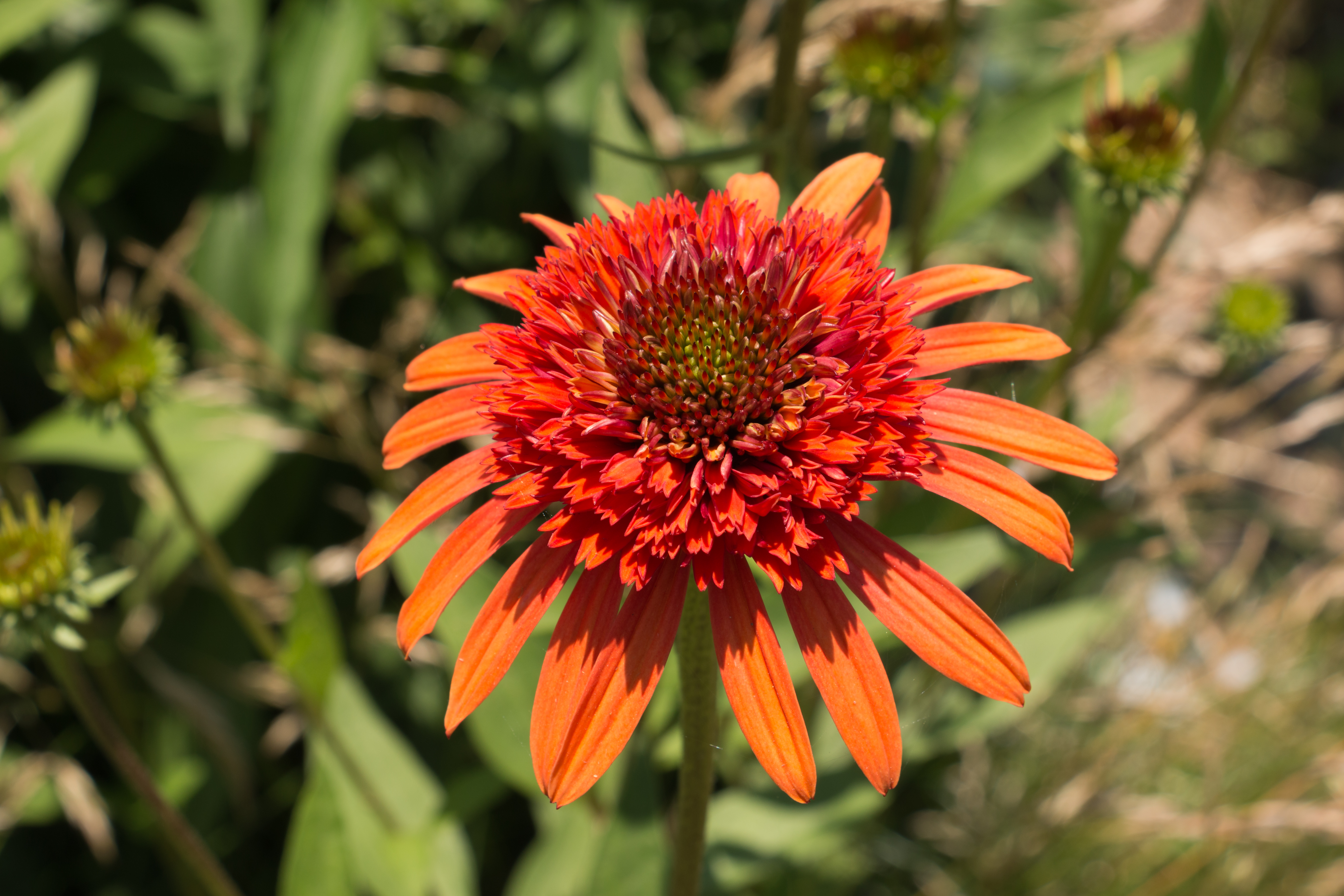
Coneflower (Echinacea)
Coneflower These iconic daisy-like flowers are a pollinator magnet and a staple in many perennial borders. Coneflowers are incredibly hardy, drought-tolerant once established, and come in a range of colors from classic purple to white, yellow, and orange. They thrive in full sun and well-drained soil, blooming from summer into fall. Their sturdy stems and vibrant petals add structure and long-lasting color to the garden.
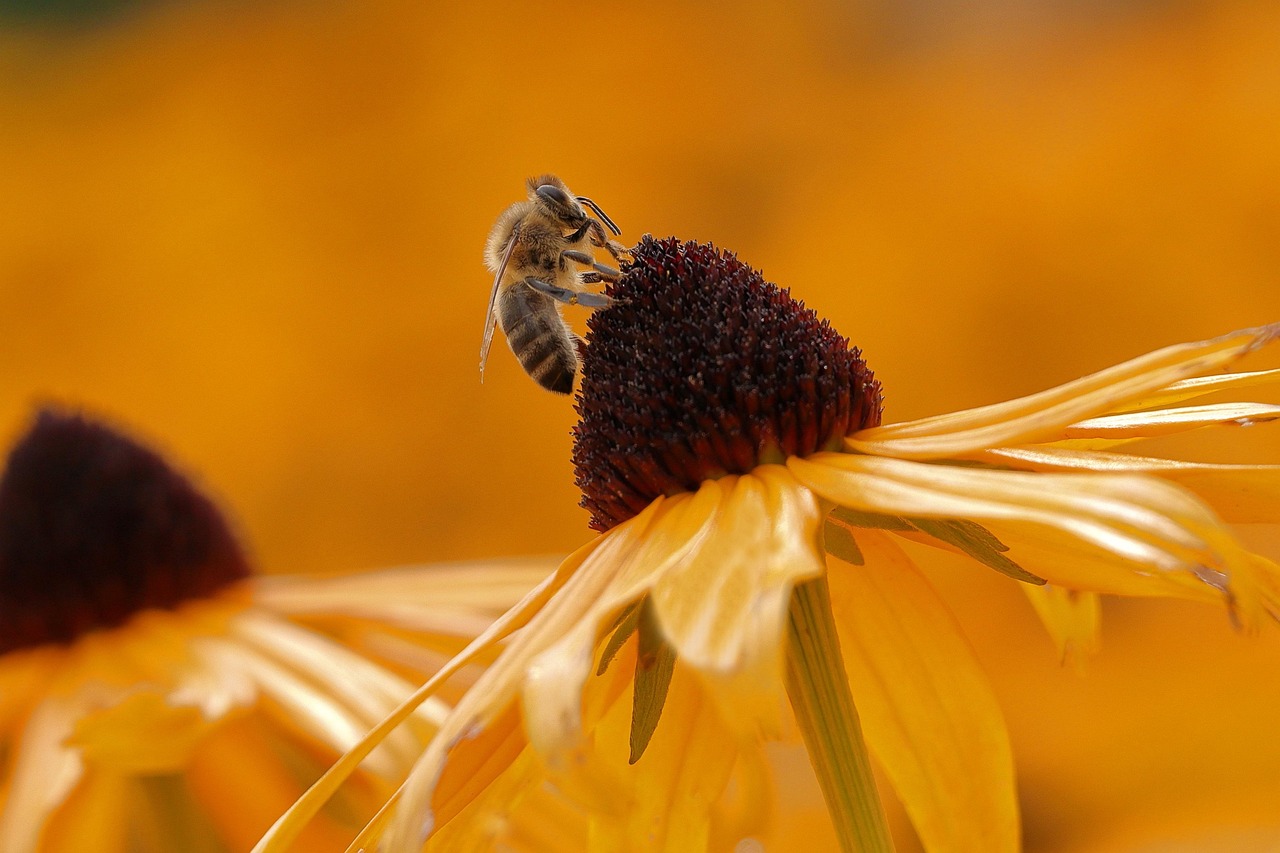
Black-eyed Susan (Rudbeckia hirta)
Black-eyed Susan Another cheerful, sun-loving perennial, Black-eyed Susans bring a burst of golden-yellow to the summer garden. They are relatively low-maintenance, tolerant of various soil conditions, and excellent for attracting butterflies. Like coneflowers, they provide continuous blooms through the warmer months, making them a fantastic choice for a vibrant, cat-friendly landscape.
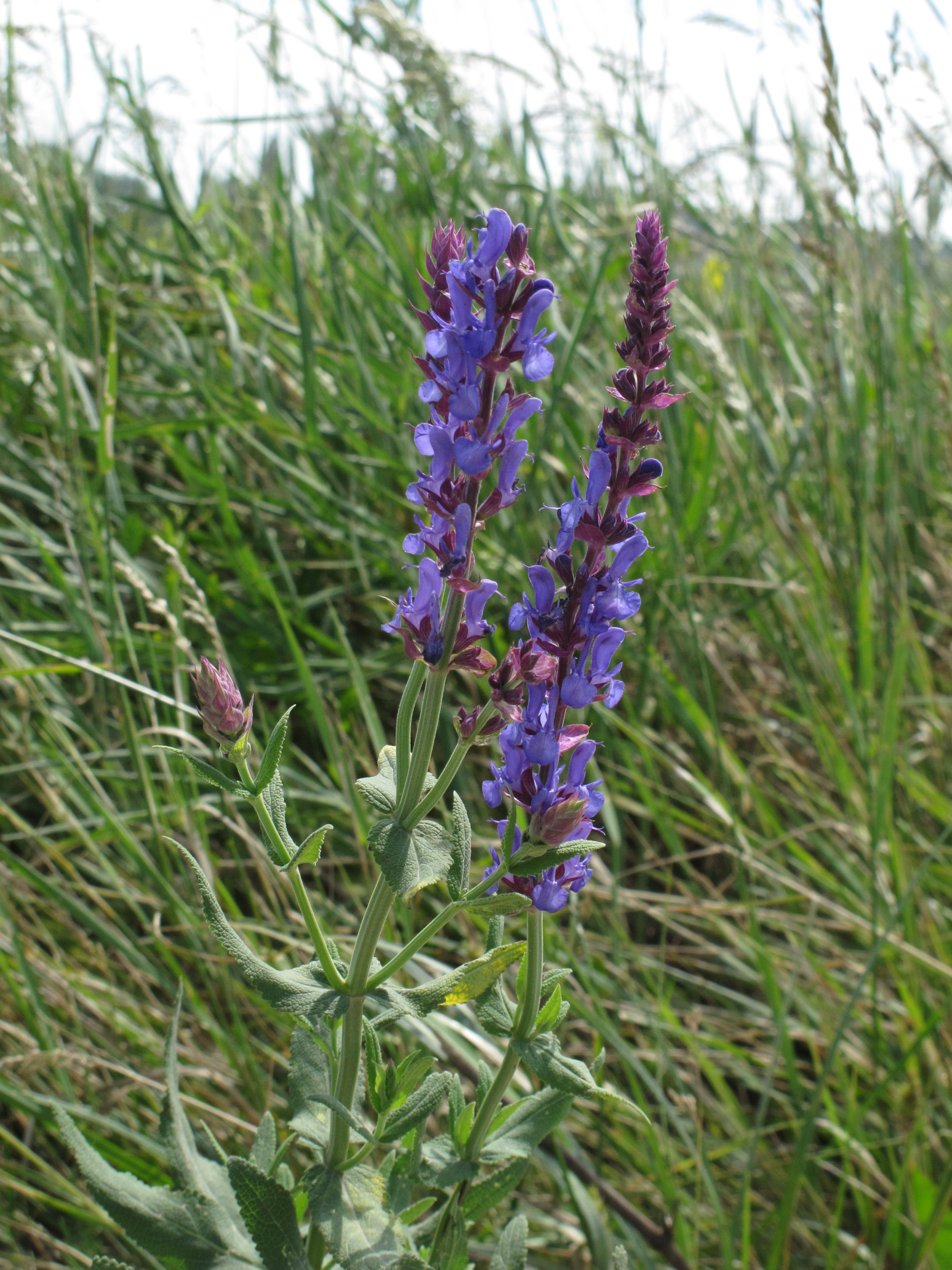
Salvia (Sage)
Salvia Many varieties of Salvia are not listed as toxic to cats and are beloved for their spires of colorful flowers and often fragrant foliage. From the deep blues of 'May Night' to the vibrant reds of 'Hot Lips', Salvias offer a wide array of choices for Zone 7. They are generally drought-tolerant, deer-resistant, and loved by hummingbirds and bees. Ensure you choose perennial varieties suitable for Zone 7, as some are annuals.
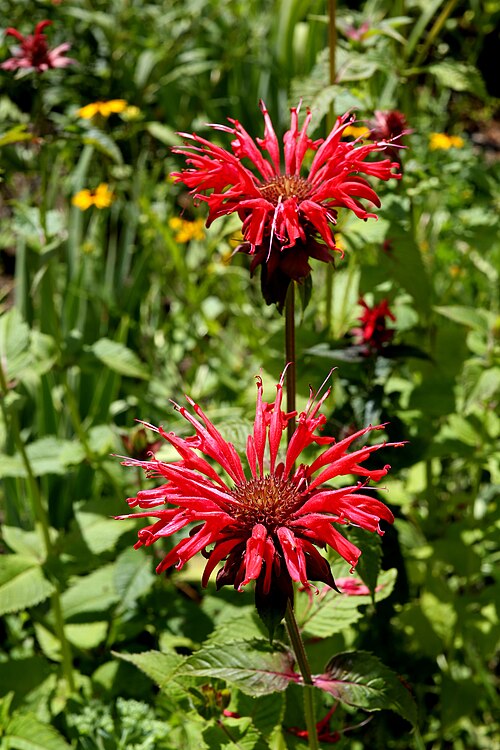
Bee Balm (Monarda)
Bee Balm With their unique, shaggy flower heads and minty fragrance, Bee Balm is a fantastic addition to a cat-friendly garden. These plants are native to North America and are a favorite of bees, butterflies, and hummingbirds. They prefer full sun to partial shade and consistently moist soil. Bee Balm can spread, so give it room to grow or plan to divide it every few years. Its vibrant blooms add a wild, natural feel to the landscape.
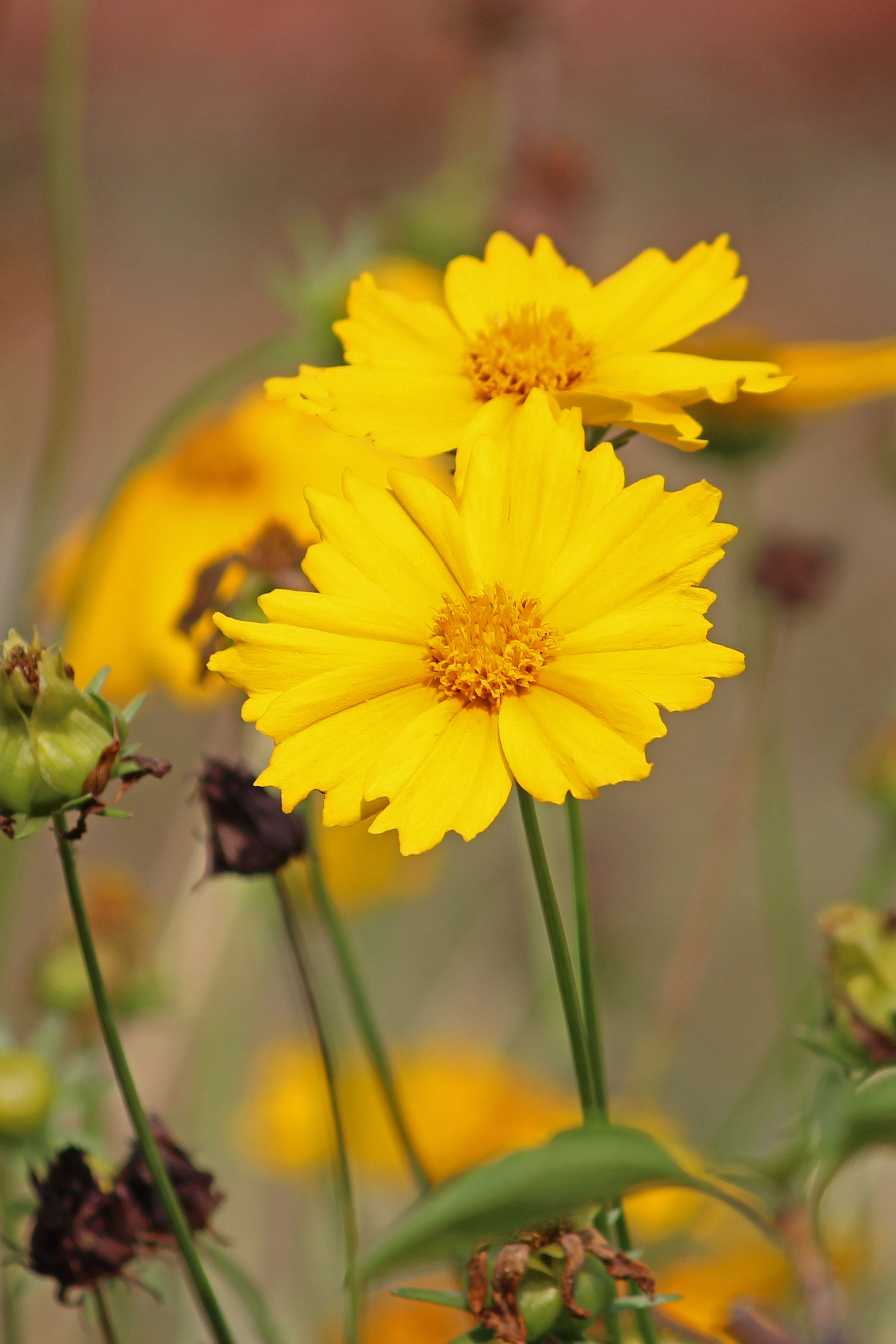
Coreopsis (Tickseed)
Coreopsis Coreopsis is a cheerful, low-maintenance perennial that produces an abundance of daisy-like flowers, typically in shades of yellow, but also pink and red. They are known for their long blooming season, often from early summer until frost, especially if deadheaded regularly. Coreopsis thrives in full sun and well-drained soil, making it an excellent choice for borders, rock gardens, or mass plantings. Its fine, airy foliage adds a delicate texture to the garden.
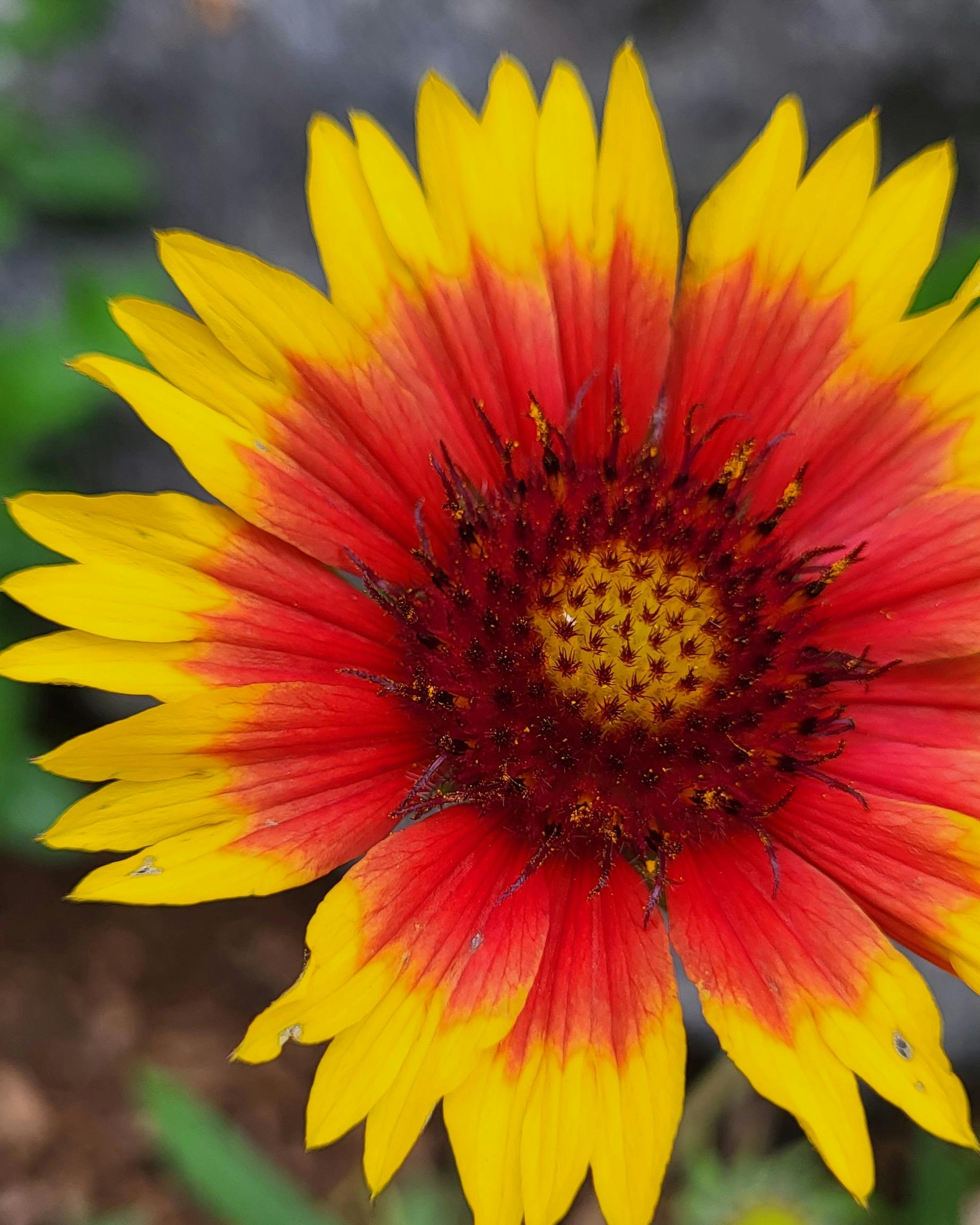
Blanket Flower (Gaillardia)
Blanket Flower These vibrant, daisy-like flowers with their fiery red, orange, and yellow hues are perfect for adding a splash of continuous color to your Zone 7 garden. Blanket Flowers are incredibly tough, tolerating heat, drought, and poor soil conditions once established. They are prolific bloomers, attracting butterflies and bees, and are not listed as toxic to cats. They thrive in full sun and well-drained soil, making them ideal for sunny borders and rock gardens.
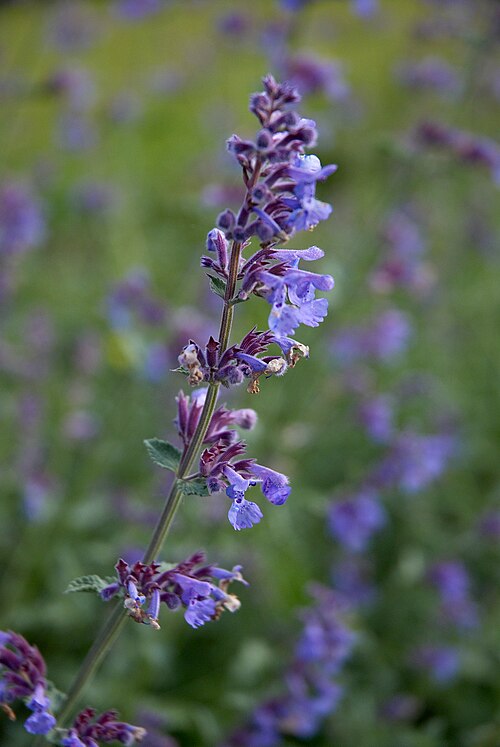
Catmint (Nepeta)
Catmint While its name suggests a strong feline connection, Catmint (Nepeta) is generally not listed as toxic to cats and is distinct from true catnip (Nepeta cataria), though both are in the mint family. Catmint is a fantastic, low-maintenance perennial known for its long-lasting spikes of lavender-blue flowers and aromatic, silvery-green foliage. It's incredibly drought-tolerant, deer and rabbit resistant, and blooms from late spring through fall. Cats may be attracted to it, but it's generally considered a safe plant for them to interact with.
Other Cat-Friendly Garden Additions
Beyond the perennials listed above, consider these other categories for a well-rounded, cat-safe Zone 7 garden:
- Herbs: Many culinary herbs are not listed as toxic to cats and can be grown in Zone 7. Think about planting rosemary, thyme, basil, and cilantro. These not only add flavor to your cooking but also bring lovely aromas and textures to your garden.
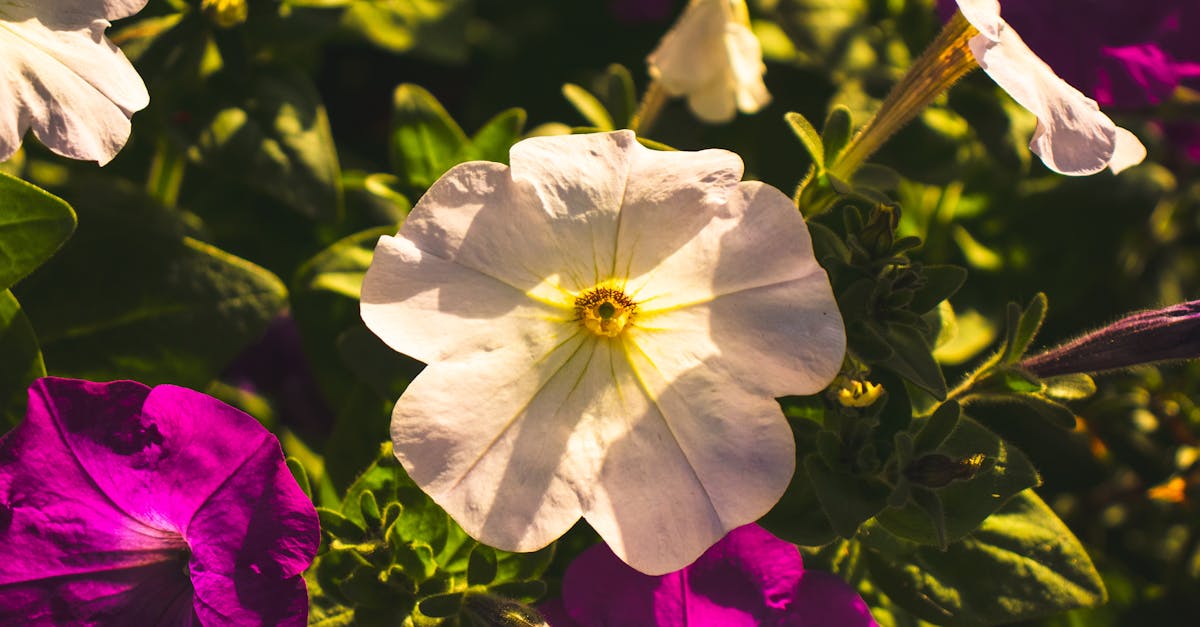
- Annuals: For season-long color, annuals like snapdragons, petunias (some varieties), impatiens, and pansies are often not listed as toxic to cats. Always double-check specific varieties, as hybridizations can sometimes alter toxicity.
- Grasses: Ornamental grasses like fountain grass (Pennisetum alopecuroides) or switchgrass (Panicum virgatum) can add texture and movement to your garden and are generally not listed as toxic. Cats often enjoy swatting at their feathery plumes.
Quick Reference: Cat-Safe Zone 7 Plants
| Plant Name | Sun Exposure | Soil Needs | Bloom Time | Notes |
|---|---|---|---|---|
| Coneflower | Full Sun | Well-drained | Summer-Fall | Attracts pollinators, drought-tolerant |
| Black-eyed Susan | Full Sun | Adaptable | Summer-Fall | Cheerful, low-maintenance |
| Salvia | Full Sun | Well-drained | Spring-Fall | Attracts hummingbirds, drought-tolerant (many varieties) |
| Bee Balm | Full Sun-Part Shade | Moist | Summer | Attracts bees & butterflies, native |
| Coreopsis | Full Sun | Well-drained | Early Summer-Fall | Long blooming season, low maintenance |
| Blanket Flower | Full Sun | Well-drained | Summer-Fall | Heat & drought tolerant, vibrant colors |
| Catmint | Full Sun-Part Shade | Well-drained | Spring-Fall | Aromatic, drought-tolerant, deer/rabbit resistant |
| Rosemary | Full Sun | Well-drained | Spring-Summer | Culinary herb, fragrant |
| Thyme | Full Sun | Well-drained | Summer | Groundcover, culinary herb |
| Snapdragon | Full Sun-Part Shade | Well-drained | Spring-Fall | Unique blooms, good for cutting |
| Pansy | Full Sun-Part Shade | Moist, well-drained | Spring-Fall | Cool-season color, edible flowers |
Always confirm specific plant varieties with the ASPCA database, as information can change or vary.
Designing Your Cat-Friendly Zone 7 Garden
When planning your garden, consider creating designated "cat zones" with plants they are allowed to explore, such as a patch of oat grass or wheatgrass, which are generally not listed as toxic and can aid in digestion. Place these areas away from more delicate plants you wish to protect.
Think about vertical elements, too. Cats love to climb and explore. A sturdy trellis with a climbing vine like honeysuckle (Lonicera sempervirens, native species are generally not listed as toxic) can provide both visual interest and a safe climbing opportunity.
Remember to avoid using harmful pesticides or herbicides in areas where your cat roams. Opt for organic pest control methods or hand-picking pests to ensure your garden remains a truly safe haven. Regularly check your garden for any new volunteer plants that might be toxic and remove them promptly.
Creating a beautiful and safe garden for your feline companion in Zone 7 is entirely achievable. By choosing plants not listed as toxic, providing safe spaces, and practicing mindful gardening, you can cultivate an outdoor oasis that brings joy to both you and your beloved cat.
Ready to find the perfect plants for your yard? Try the PlantWise Plant Finder →