FTC Disclosure: This post contains affiliate links. We may earn a commission if you make a purchase through these links at no extra cost to you.
If you’re looking to create a dog safe garden full sun, you want plants that thrive in direct sunlight and are not listed as toxic by the ASPCA. Fortunately, there are many beautiful and hardy plants that fit this description, allowing you to design a vibrant outdoor space where your furry friends can safely roam. In this post, we’ll explore 10 dog-safe plants ideal for full sun gardens, offering tips on care and pet safety to help you cultivate a thriving, pet-friendly landscape.
Why Choose Dog-Safe Plants for Full Sun Gardens?
Full sun gardens receive at least six hours of direct sunlight each day, which is ideal for many flowering plants and shrubs that provide color and structure. However, if you have dogs, it’s important to choose plants that are not listed as toxic by the ASPCA to reduce the risk of accidental ingestion. Dogs are naturally curious and may nibble on leaves, flowers, or bark, so selecting dog-safe plants ensures peace of mind while enhancing your garden's beauty.
🌱 Get Personalized Plant Picks
Answer a few quick questions and we’ll match plants to your exact yard conditions.
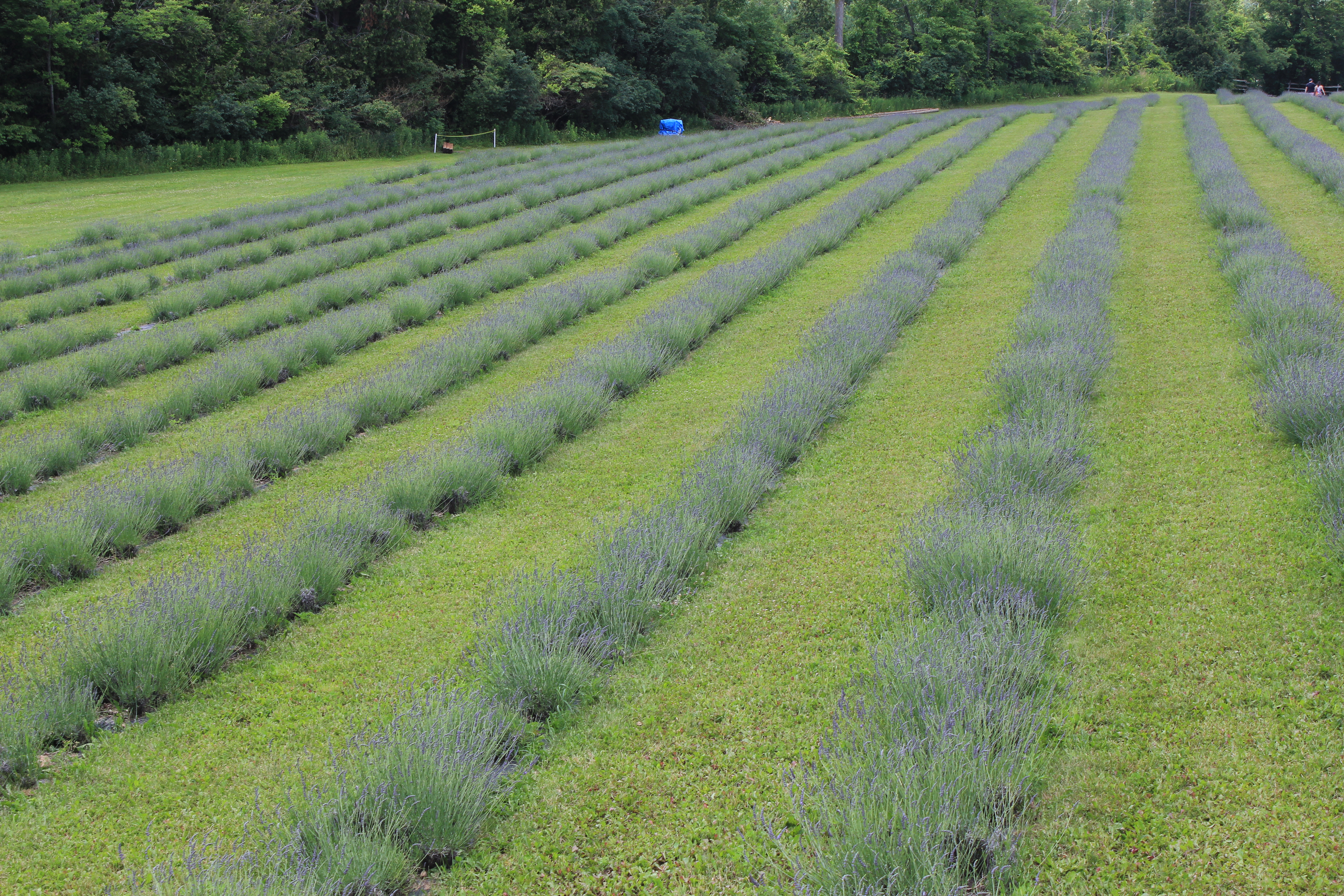
Find My Plants →1. Lavender (Lavandula angustifolia)
Lavender is a fragrant, drought-tolerant herb that thrives in full sun and well-drained soil. It produces beautiful purple flower spikes that attract pollinators like bees and butterflies. Lavender is not listed as toxic by the ASPCA and is generally safe around dogs. Its calming scent can also have a soothing effect on pets and people alike.
Care Tips: Plant lavender in a spot with at least 6-8 hours of direct sun. Avoid overwatering, as lavender prefers dry conditions once established.
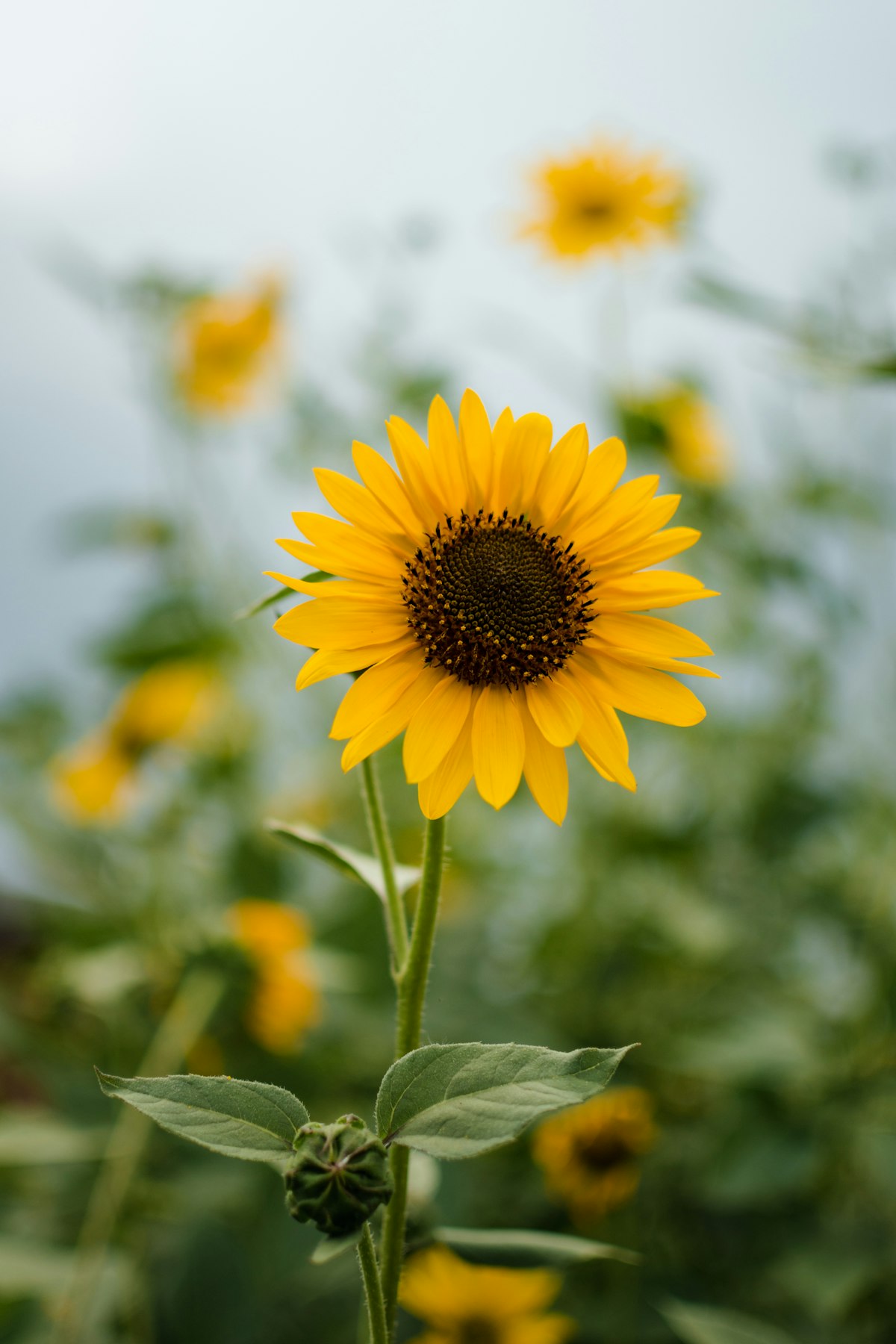
2. Sunflower (Helianthus annuus)
Sunflowers are iconic full sun plants that are dog safe and add a cheerful splash of yellow to any garden. They grow tall and can provide some shade for your pets during hot days. Sunflowers are annuals, so they complete their life cycle in one season, making them easy to replace or rotate.
Care Tips: Sunflowers need well-drained soil and plenty of water during germination. Once established, they are relatively drought-tolerant.
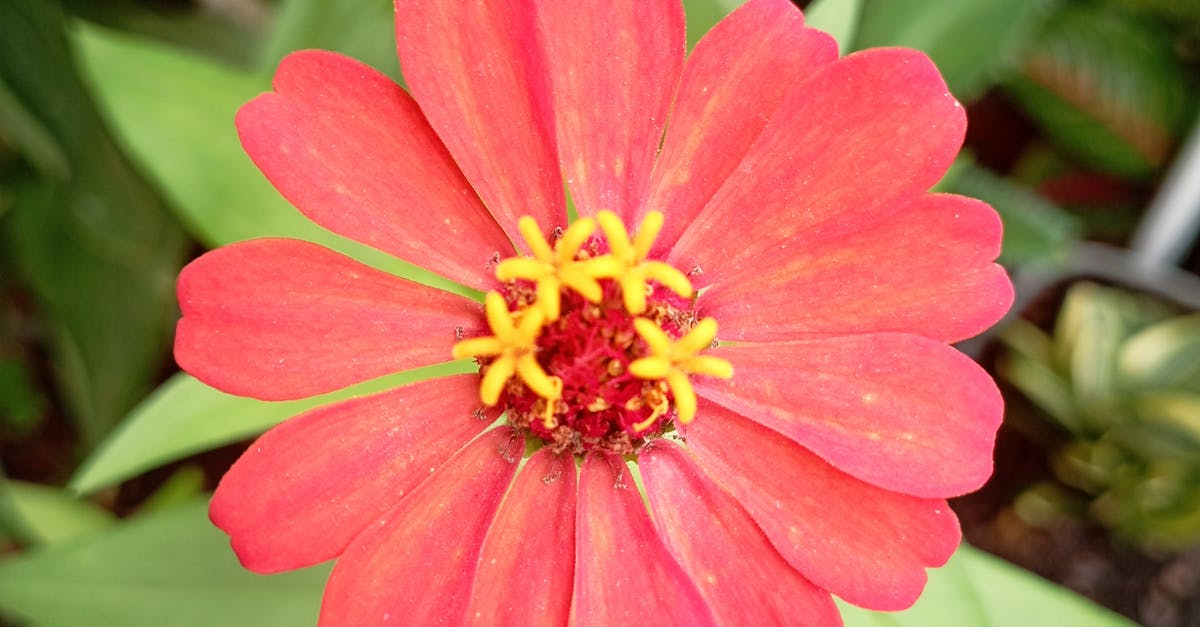
3. Zinnia (Zinnia elegans)
Zinnias are colorful annuals that flourish in full sun and are not listed as toxic by the ASPCA. These flowers come in many shades, including red, pink, orange, and white. Their long blooming season adds vibrant color to your garden from summer to fall and they attract butterflies, which can be delightful for your pets to watch.
Care Tips: Plant zinnias in well-drained soil and water moderately. Deadhead spent blooms to encourage continued flowering.
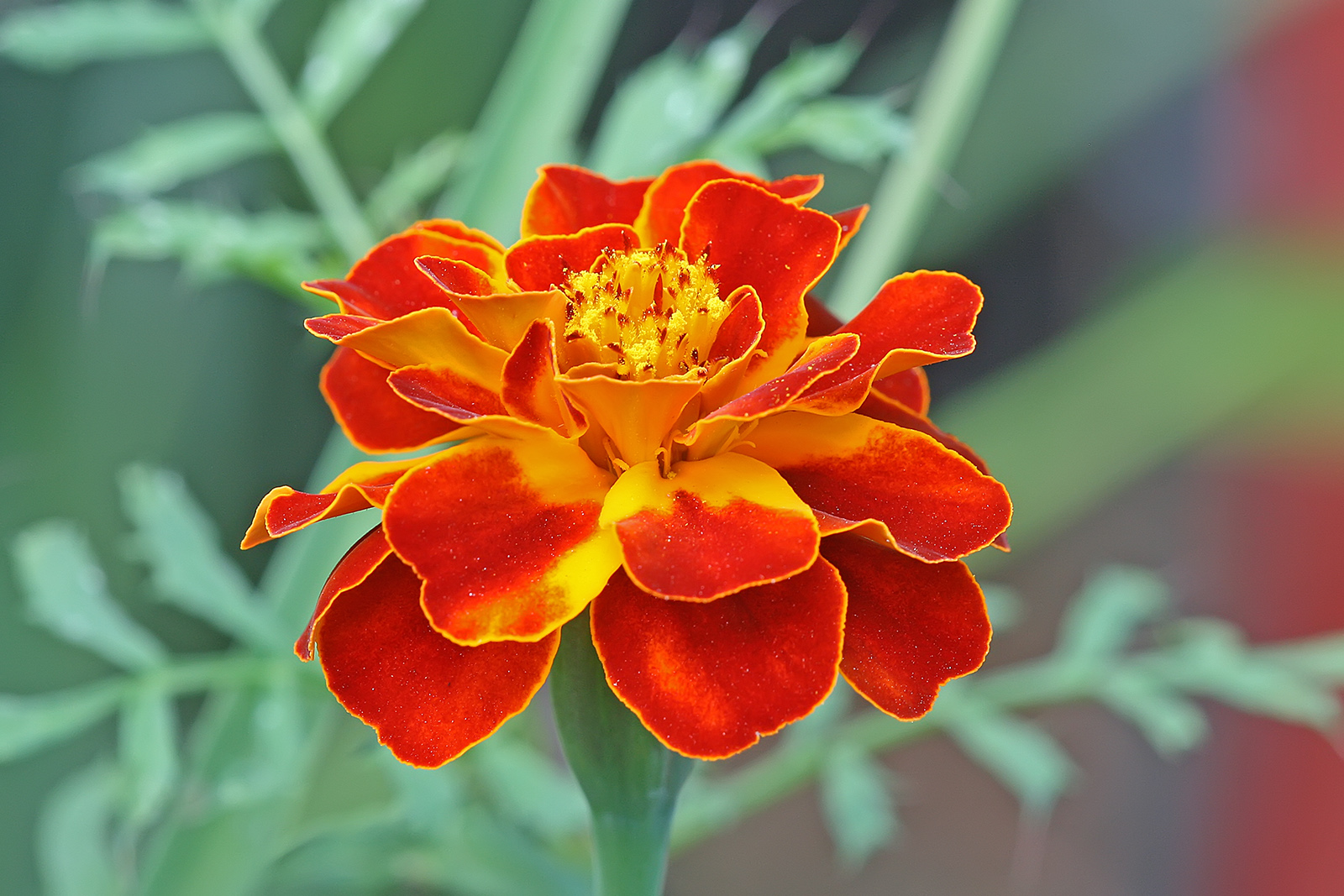
4. Marigold (Tagetes spp.)
Marigolds are hardy annuals that tolerate full sun and are generally considered dog safe. They have bright yellow, orange, or red blooms that can deter pests naturally. Their strong scent may also help repel insects, making your garden a more comfortable place for your pets.
Care Tips: Marigolds prefer well-drained soil and regular watering. Avoid overwatering to prevent root rot.
5. Rosemary (Rosmarinus officinalis)
Rosemary is an aromatic, evergreen shrub that thrives in full sun and is dog safe. This Mediterranean herb can be used fresh or dried for cooking and has needle-like leaves that dogs usually avoid chewing. It also attracts beneficial insects and adds texture to garden beds.
Care Tips: Rosemary prefers sandy, well-drained soil and minimal watering once established. Prune regularly to maintain shape and encourage growth.
Rosemary
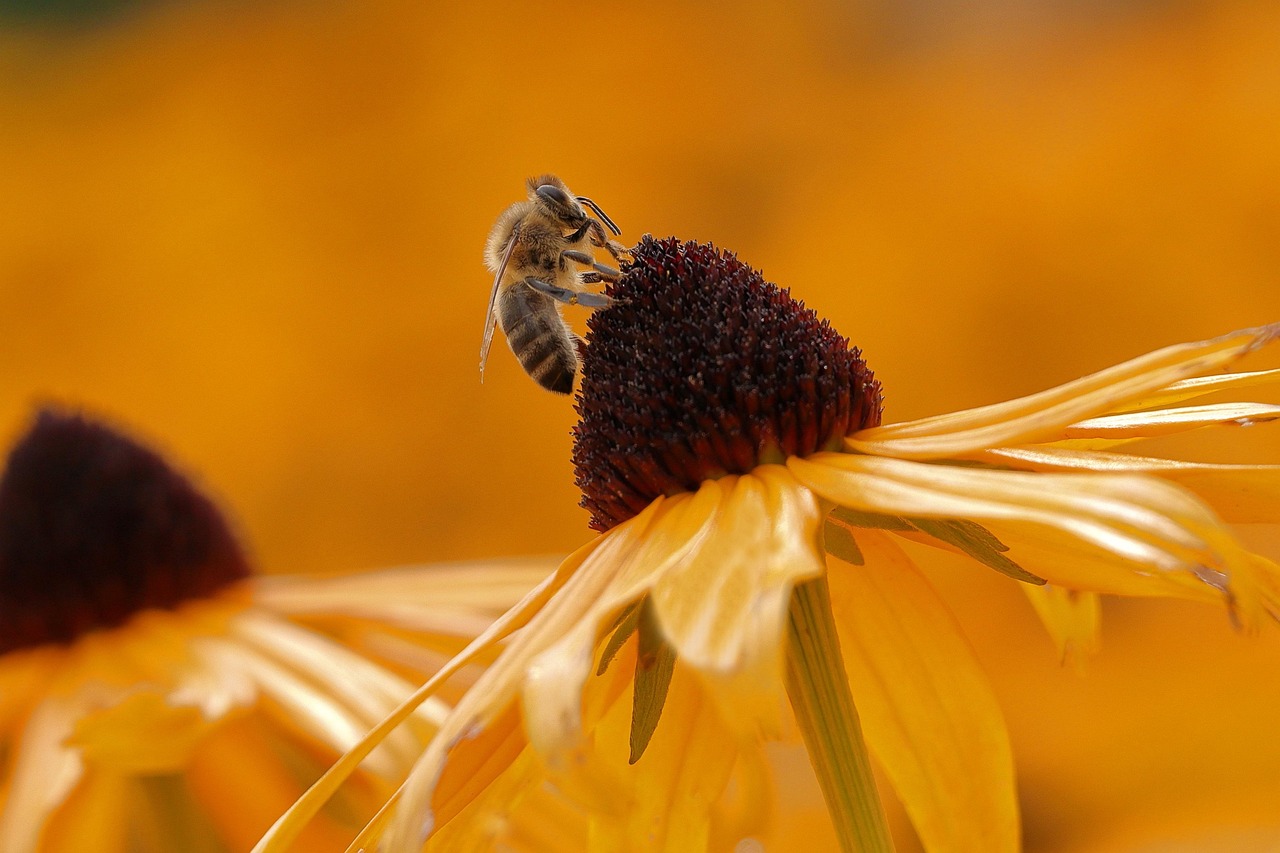
6. Black-eyed Susan (Rudbeckia hirta)
Black-eyed Susan is a vibrant perennial wildflower that loves full sun and is not listed as toxic to dogs. Its bright yellow daisy-like flowers with dark centers attract pollinators and add a natural, meadow-like feel to the garden.
Care Tips: Plant in well-drained soil and water moderately. Deadhead flowers to prolong blooming.
7. Nasturtium (Tropaeolum majus)
Nasturtiums are trailing or bushy annuals that flourish in full sun and are generally dog safe. Both the leaves and flowers are edible for humans and have a peppery flavor. Nasturtiums are great for ground cover or container gardening and attract beneficial insects.
Care Tips: Nasturtiums prefer poorer soils and do not require heavy fertilization. Water moderately.
Nasturtium
8. Sweet Alyssum (Lobularia maritima)
Sweet Alyssum is a low-growing annual or perennial that thrives in full sun and is not listed as toxic to dogs. It produces clusters of tiny white or purple flowers with a sweet fragrance that attracts pollinators. Sweet Alyssum works well as a border plant or ground cover.
Care Tips: Plant in well-drained soil and water regularly. Trim back after flowering to encourage a second bloom.
Sweet Alyssum
9. Spider Plant (Chlorophytum comosum)
While spider plants are often grown indoors, they can tolerate full sun in cooler climates and are considered not listed as toxic to dogs. Their arching green and white striped leaves add visual interest and they are easy to propagate.
Care Tips: Provide well-drained soil and avoid direct harsh afternoon sun in very hot regions. Water when the top inch of soil feels dry.
Spider Plant
10. Calendula (Calendula officinalis)
Calendula, also known as pot marigold, is a bright, sunny flower that thrives in full sun and is not listed as toxic to dogs. It has cheerful yellow or orange blooms and is often grown for its medicinal properties.
Care Tips: Calendula prefers well-drained soil and regular watering. Deadhead to encourage prolonged blooming.
Calendula
Pet Safety Considerations for Full Sun Gardens
While these plants are not listed as toxic by the ASPCA, it’s important to remember that any plant material can cause mild gastrointestinal upset if ingested in large quantities. Always supervise your pets when exploring new garden areas, and discourage excessive chewing or digging. Keep fertilizers, pesticides, and herbicides pet safe and out of reach.
If your dog exhibits signs of poisoning such as vomiting, diarrhea, lethargy, or difficulty breathing, contact the ASPCA Animal Poison Control Center at 888-426-4435 immediately.
Wildlife Resistance Disclaimer
Note that no plant is completely deer, rabbit, or groundhog resistant. Wildlife feeding habits vary by region and individual animals. Consider protective measures if wildlife damage is a concern.
Creating a Dog-Safe Garden You’ll Both Love
Designing a dog safe garden full sun doesn’t mean sacrificing beauty or variety. Incorporate a mix of flowering plants, herbs, and ground covers from this list to create a colorful and inviting space for your pets to enjoy. Raised beds, mulched paths, and shaded resting spots can further enhance your garden’s functionality and comfort.
Explore our Plant Finder wizard to discover more dog safe plants perfect for your garden’s sunlight and soil conditions. Visit /wizard to get started!
Remember: Always verify plant safety based on updated ASPCA listings and your local environment. Happy gardening!
Lavender Sunflower Zinnia Rosemary Black-eyed Susan