FTC Disclosure: This post contains affiliate links. As an Amazon Associate, we earn from qualifying purchases at no extra cost to you.
If you’re gardening in Zone 4 and worried about your furry friend’s safety, you’ll be glad to know there are plenty of dog safe plants that can withstand the harsh winters and aren’t listed as toxic to dogs by the ASPCA. Zone 4 dog safe plants are hardy enough to survive temperatures as low as -30°F while providing beauty and greenery to your yard without posing risks to your pets. In this post, we’ll explore 10 cold-hardy, dog friendly plants that thrive in Zone 4 gardens.
For pet emergency advice, call the ASPCA Animal Poison Control Center at 888-426-4435.
Understanding Zone 4 and Pet Safety in the Garden
Zone 4 encompasses regions that experience very cold winters, including parts of the northern Midwest and Northeast US. Plants in this zone must survive freezing temperatures, snow cover, and a relatively short growing season. When selecting plants for dog owners, it’s crucial to choose species that are not listed as toxic by the ASPCA and are resilient enough to thrive in Zone 4.
Keep in mind that “not listed as toxic” means the plant has no reported significant toxicity but does not guarantee absolute safety if ingested in large amounts. Always monitor your dog’s interaction with plants and discourage chewing or eating unknown foliage.
🌱 Get Personalized Plant Picks
Answer a few quick questions and we’ll match plants to your exact yard conditions.
Find My Plants →1. Coneflower (Echinacea purpurea) — A Vibrant, Hardy Perennial
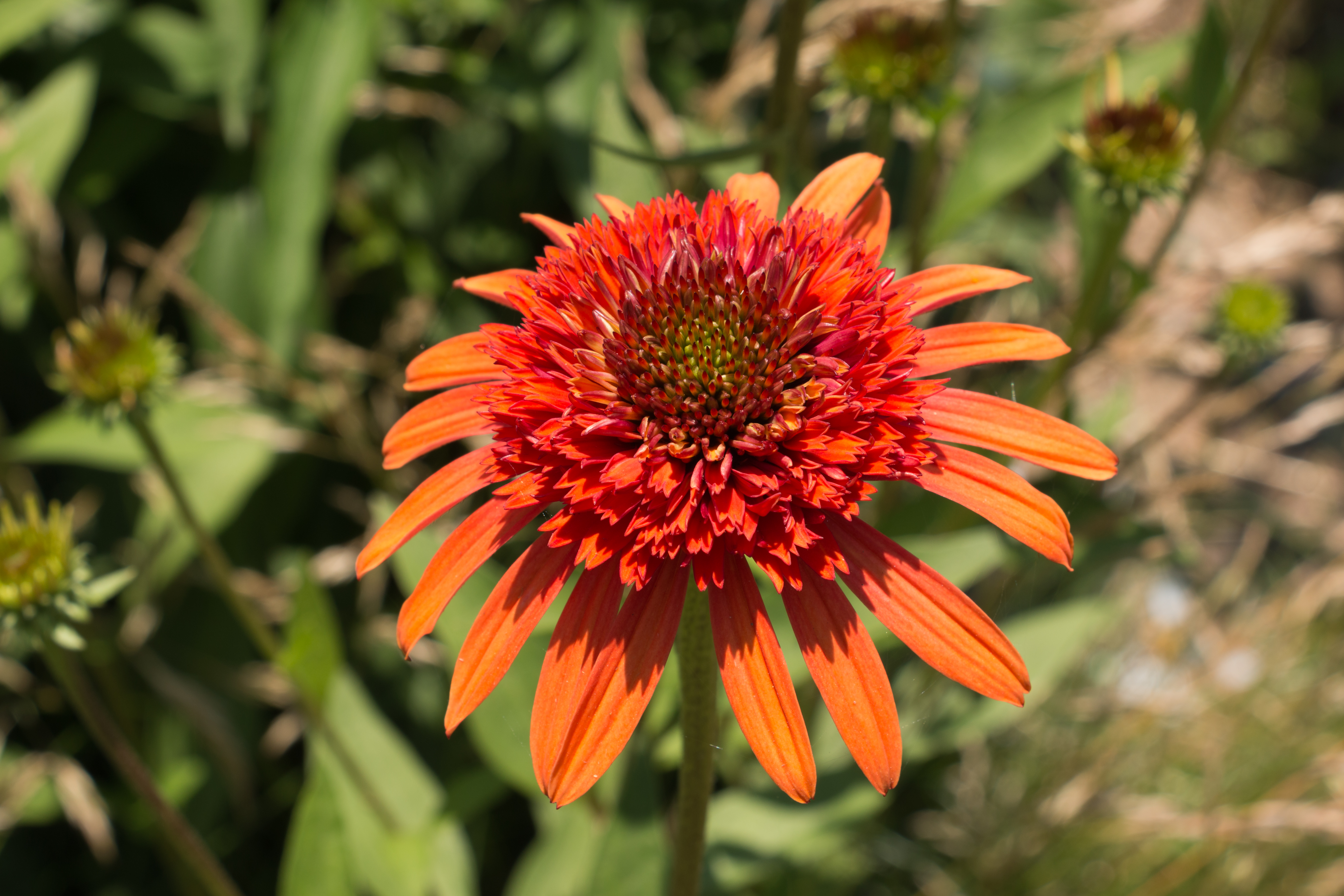
Coneflowers are beloved for their bright purple-pink petals and large, seed-filled centers that attract pollinators like bees and butterflies. They bloom from mid-summer to early fall and can survive Zone 4 winters with proper mulching.
The ASPCA does not list Echinacea purpurea as toxic to dogs, making it a colorful addition to any dog-friendly garden. Plus, its drought tolerance and low maintenance needs are ideal for busy gardeners.
2. Hosta (Hosta spp.) — Shade-Loving Foliage for Dog-Safe Gardens
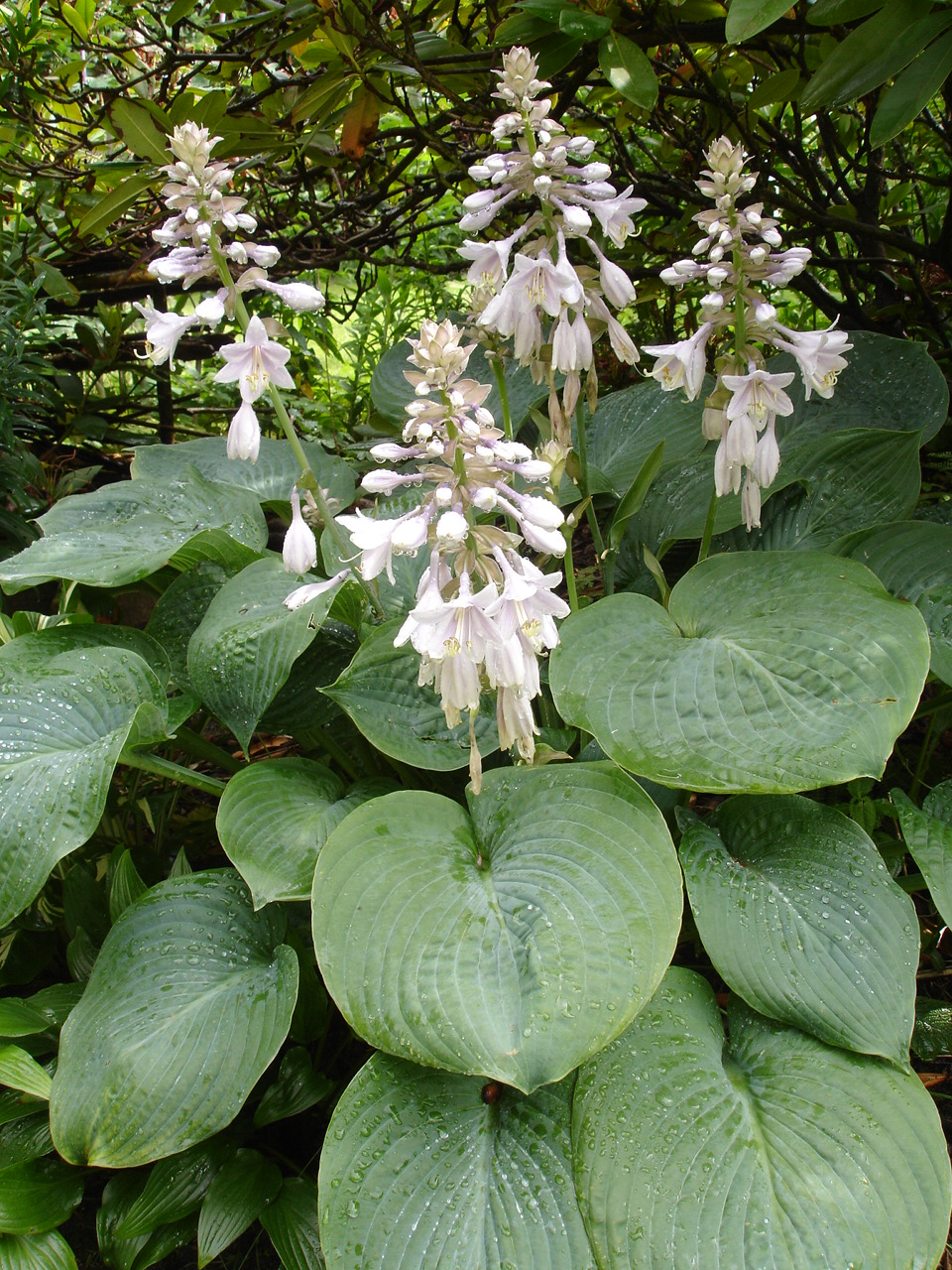
Hostas are known for their lush foliage and ability to thrive in shady garden spots where many other plants struggle. They are hardy perennials that return year after year and can handle Zone 4’s bitter cold.
Although some gardeners worry about hostas because of their attractiveness to deer, they are not toxic to dogs according to the ASPCA. Just watch for slug damage and provide proper drainage.
3. Daylily (Hemerocallis spp.) — Low-Maintenance Blooms
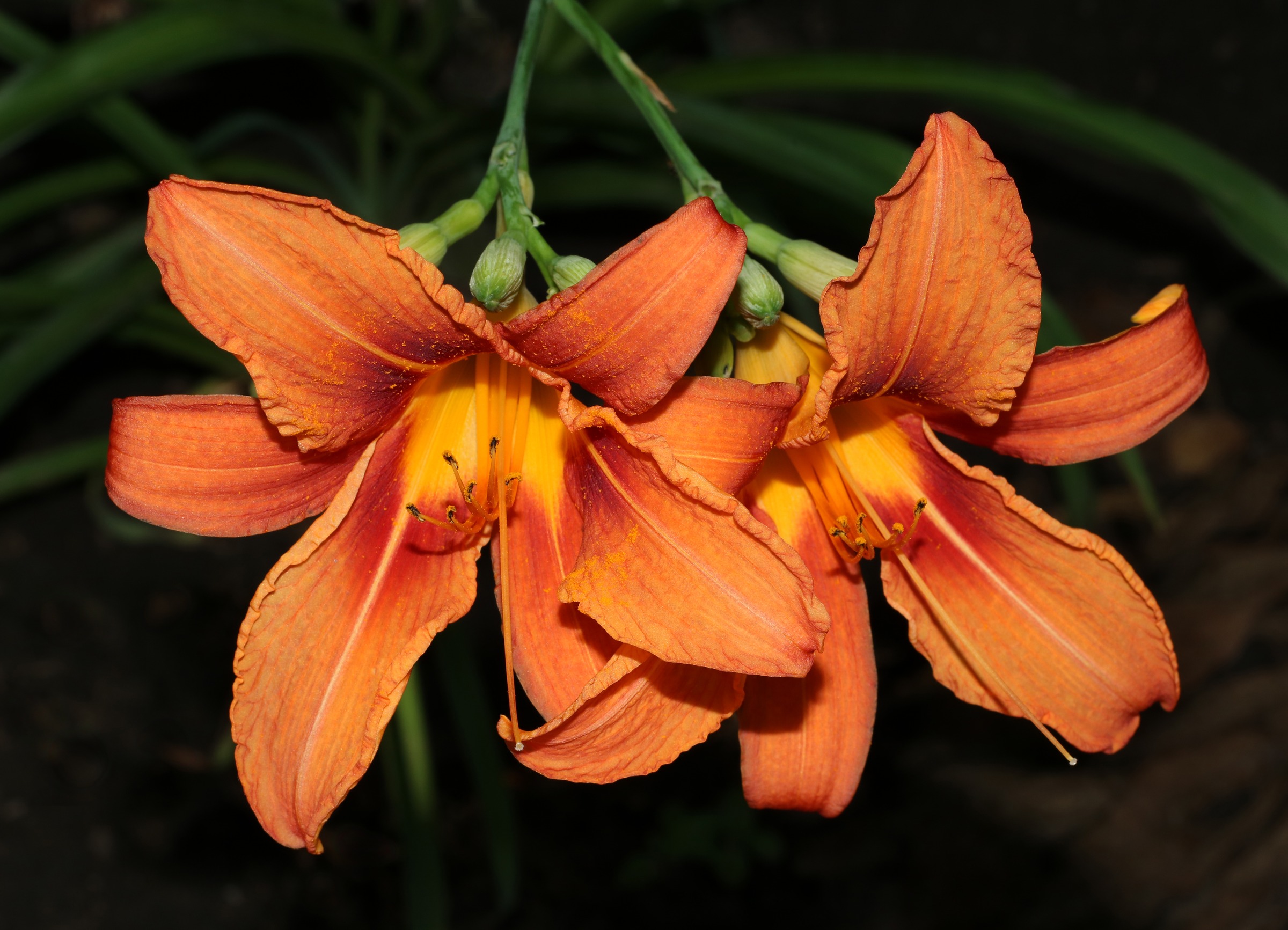
Daylilies are tough perennials that tolerate a wide range of conditions, including Zone 4 winters. Their trumpet-shaped flowers bloom in a rainbow of colors and are known for their resilience.
The ASPCA lists daylilies as not toxic to dogs, but be aware that lilies from the true lily family (Lilium spp.) are toxic, so make sure you’re planting daylilies. Their long-lasting blooms and minimal care requirements make them popular among dog owners.
4. Black-Eyed Susan (Rudbeckia hirta) — Cheerful and Cold Hardy
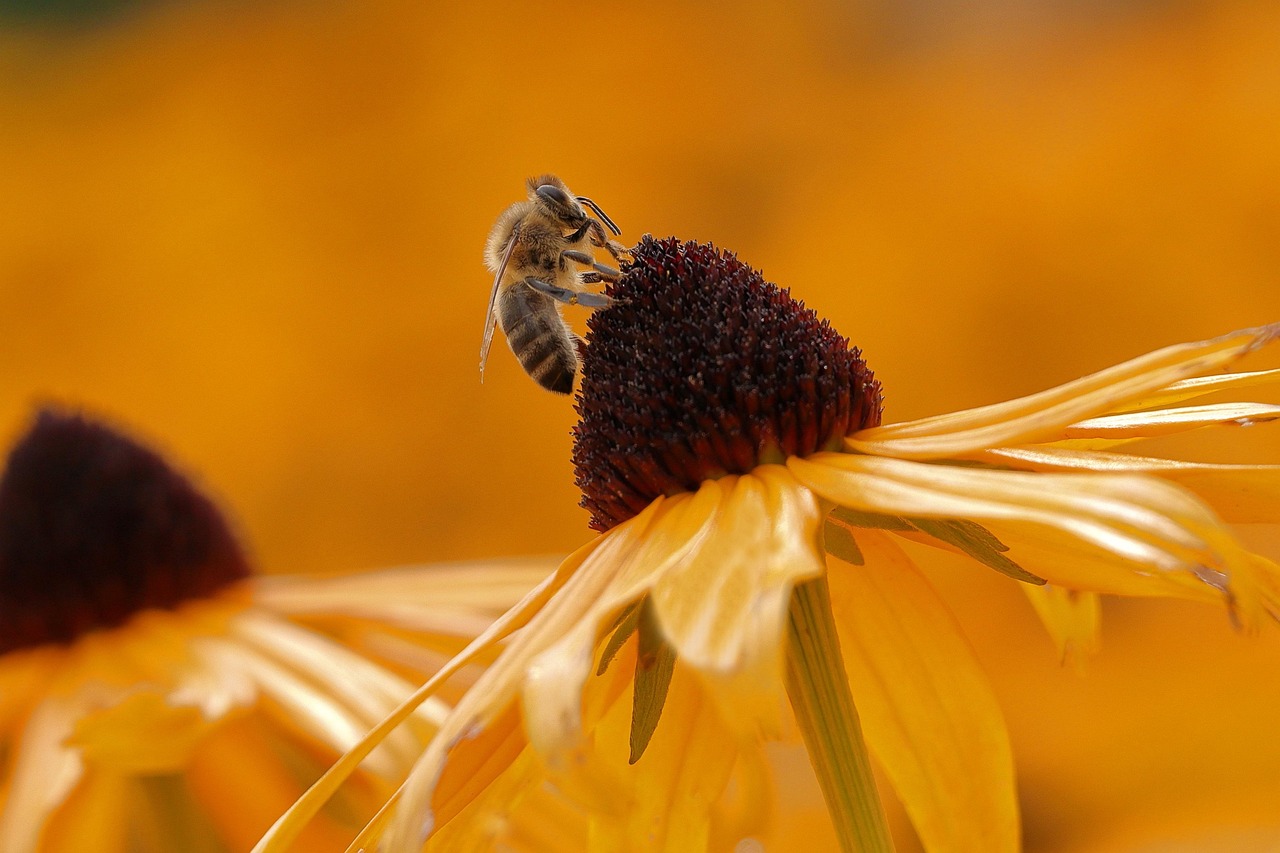
These sunny yellow flowers with dark centers brighten up any garden and are a favorite for attracting pollinators. Black-eyed Susans are hardy in Zone 4 and can survive freezing temperatures with some winter protection.
According to the ASPCA, Black-eyed Susan is not listed as toxic to dogs, making it a safe choice to add vibrant color to your outdoor space.
5. iris" class="plant-link">Siberian Iris (Iris sibirica) — Elegant and Resilient
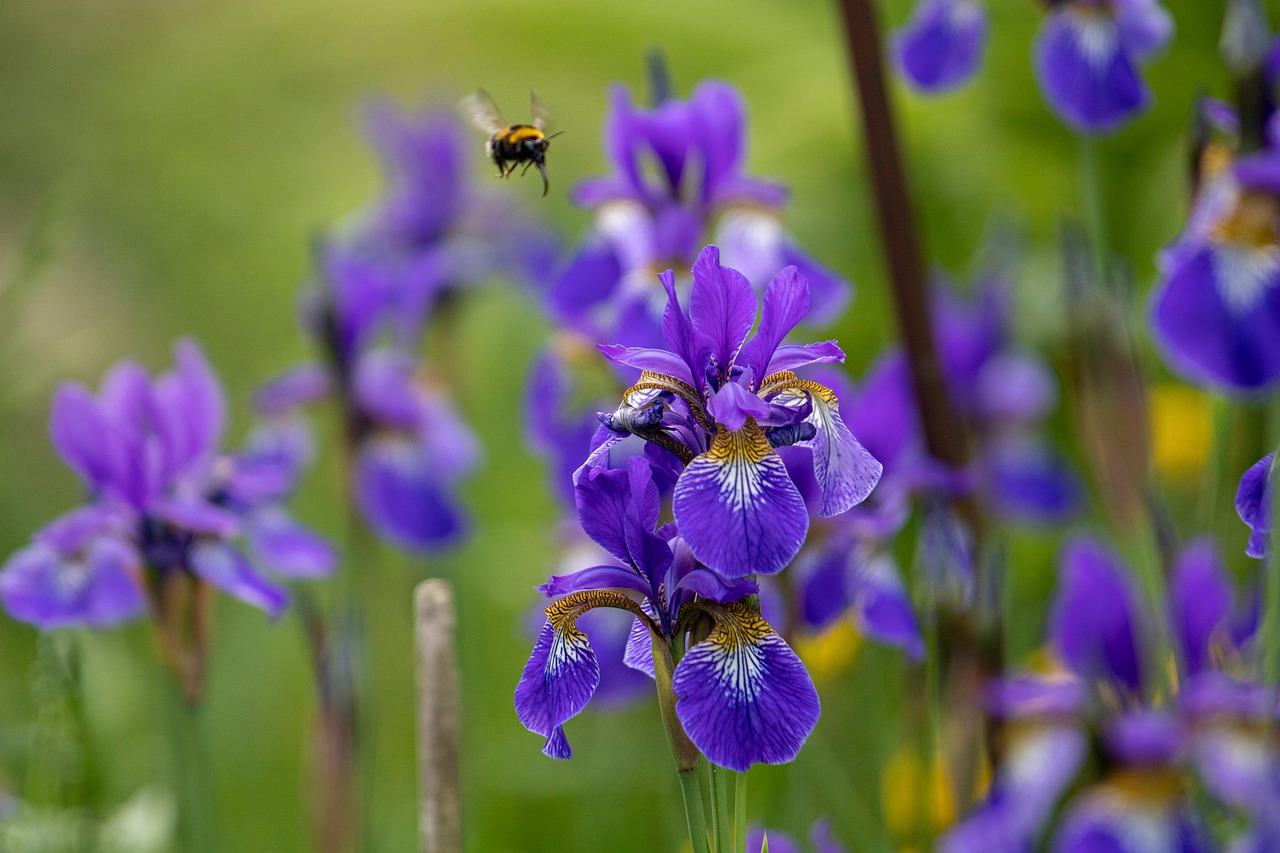
Siberian Iris is a beautiful flowering perennial with slender leaves and striking blue, purple, or white flowers. It’s well-suited to Zone 4 gardens and can tolerate cold winters and wet soils.
The ASPCA does not list Siberian Iris as toxic to dogs, offering a safe and elegant option for your dog-safe garden.
6. Blue Spruce (Picea pungens) — Evergreen Structure and Winter Interest
Adding year-round greenery and structure to your landscape, Blue Spruce is an iconic cold-hardy evergreen tree. It thrives in Zone 4, tolerating deep freezes and snow.
Though spiky needles may deter some pets from chewing, the ASPCA does not list Blue Spruce as toxic to dogs. Always supervise your dog around trees to prevent any injury from sharp foliage.
Picea Pungens
7. Coral Bells (Heuchera spp.) — Colorful Foliage for Partial Shade
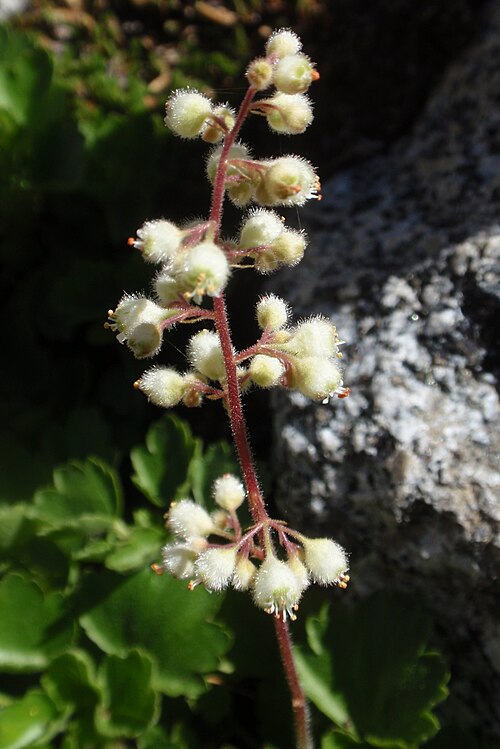
Coral Bells offer stunning foliage in shades of purple, green, and silver, often accompanied by delicate flower spikes. They survive Zone 4 winters with good mulching and do well in partial shade.
Heuchera is not listed as toxic to dogs by the ASPCA. Their compact size makes them an excellent choice for borders or containers in dog-friendly gardens.
8. Meadow Rue (Thalictrum spp.) — Wispy, Elegant Perennial
Meadow Rue is a graceful perennial with airy flower clusters in shades of white, pink, or purple. It tolerates cold temperatures and can survive Zone 4 winters with appropriate site selection.
The ASPCA does not list Meadow Rue as toxic to dogs, making it a safe, elegant addition to your garden’s mid-height plantings.
9. Bee Balm (Monarda didyma) — Attract Pollinators and Stay Safe
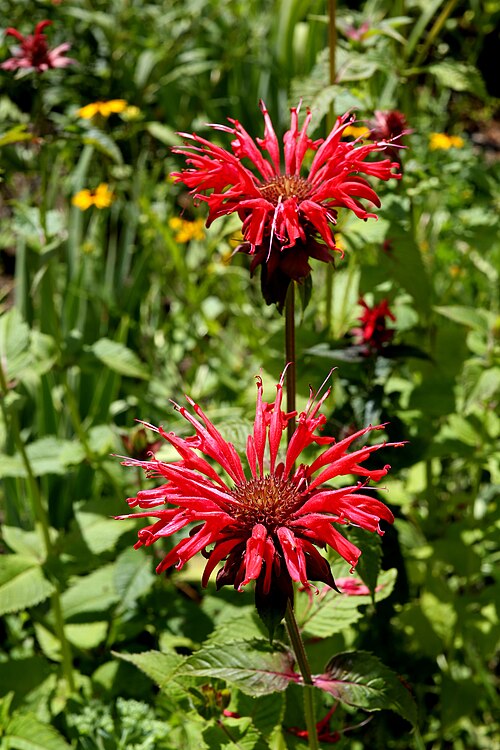
Bee Balm’s vibrant red or pink flowers attract hummingbirds and bees, adding life and color to your garden. It’s hardy into Zone 4 and tolerates a variety of soils.
Not listed as toxic to dogs by the ASPCA, Bee Balm is a great choice for pet owners who want to support local wildlife safely.
10. Lamb’s Ear (Stachys byzantina) — Soft, Silvery Foliage
Lamb’s Ear is a hardy perennial with velvety, silver-gray leaves that dogs often find irresistible to touch. It can survive Zone 4 winters and prefers well-drained soil in full sun.
This plant is not toxic to dogs as per the ASPCA, but ingestion of large amounts may cause mild digestive upset. It’s a great tactile plant to include in dog-friendly landscapes.
Stachys Byzantina
Tips for Maintaining a Dog-Safe Zone 4 Garden
- Mulch heavily: Protect perennials during harsh winters by applying a thick layer of mulch to insulate roots.
- Avoid toxic plants: Always cross-check your plants with the ASPCA database before planting.
- Train your dogs: Discourage digging and chewing on plants whenever possible.
- Provide distractions: Offer plenty of dog-safe toys and designated digging areas to reduce interest in your garden plants.
- Monitor seasonal changes: Some plants can become more or less toxic depending on the season or plant parts.
Note on Wildlife Resistance
While many of the plants listed are deer and rabbit resistant, no plant is completely wildlife proof. Plant damage by deer, rabbits, or groundhogs can vary by region and local animal populations.
Final Thoughts
Planting a dog safe garden in Zone 4 is achievable with careful plant selection and garden management. The ten plants listed here combine cold hardiness with pet safety to help you build a vibrant, lush outdoor space that your dog can enjoy without health concerns.
For more personalized recommendations, try our Plant Finder wizard to discover additional dog safe plants suited to your exact location and garden conditions.
Start your search now at /wizard to create your perfect, pet-friendly garden!
For pet poison emergencies, call the ASPCA Animal Poison Control Center at 888-426-4435.