FTC Disclosure:
If you’re a Zone 5 gardener looking to fill your yard with greenery that’s safe for your furry friends, you’re in the right place. Dog safe plants for Zone 5 are those that can withstand cold winters, thrive in USDA hardiness Zone 5, and are not listed as toxic to dogs by the ASPCA. Choosing these plants helps ensure your dog’s safety while enhancing your garden’s beauty with hardy, dog-friendly flora. Below, we’ll explore 10 excellent dog-safe plants for Zone 5 gardens that combine durability with pet safety.
For pet owners concerned about potential exposures, remember that even plants not listed as toxic should be treated with caution, as individual reactions can vary. If you suspect your dog has ingested a harmful plant, contact the ASPCA Animal Poison Control Hotline at 888-426-4435 immediately.
What Does “Dog Safe” Mean for Zone 5 Gardens?
Dog safe plants are those not known to cause toxicity or adverse reactions in dogs. The ASPCA maintains an up-to-date list of plants toxic to dogs, so choosing plants not on that list minimizes risk. In Zone 5, which experiences cold winters with temperatures down to -20°F to -10°F (-29°C to -23°C), plants must also be cold-hardy to survive the season.
Combining these two factors narrows your options but still leaves a wonderful selection of perennials, shrubs, and groundcovers that can brighten your garden without endangering your dog.
Shop dog-friendly Zone 5 seed on Amazon
Rudbeckia hirta and Echinacea purpurea packs that fit cold-hardy dog-safe beds. We may earn a commission at no extra cost to you.
Amazon · Rudbeckia hirta seed packs Amazon · Echinacea purpurea seed packs
* Confirm ASPCA non-toxic status for the exact cultivar. Seed packets dominate these searches vs live plugs.
🌱 Get Personalized Plant Picks
Answer a few quick questions and we’ll match plants to your exact yard conditions.
Find My Plants →10 Dog Safe Plants for Zone 5 Gardens
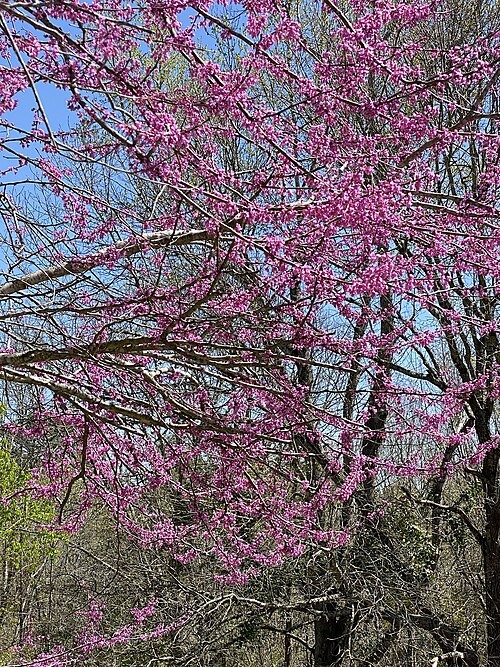
1. Eastern Redbud (Cercis canadensis)
Eastern Redbud is a small deciduous tree native to eastern North America, well suited to Zone 5. It produces beautiful pinkish-purple spring flowers that attract pollinators and add early-season color. Eastern Redbud is not listed as toxic to dogs by the ASPCA, making it a lovely, safe tree option for pet owners.
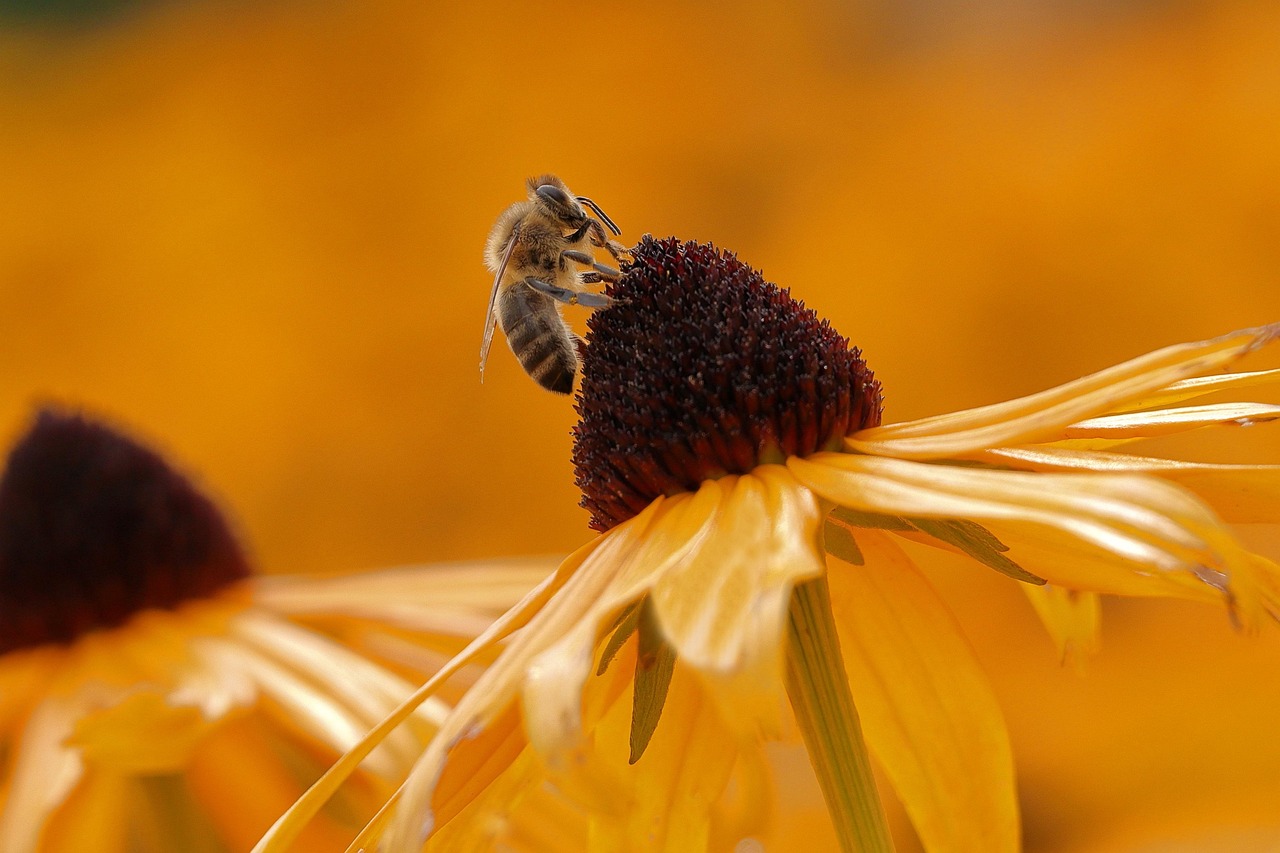
2. Black-eyed Susan (Rudbeckia hirta)
Black-eyed Susan is a cheerful, yellow daisy-like perennial that thrives in Zone 5 gardens. It’s hardy, drought-tolerant, and attracts butterflies and bees. This plant is not listed as toxic to dogs and can be planted in borders or wildflower gardens for long-lasting summer color.
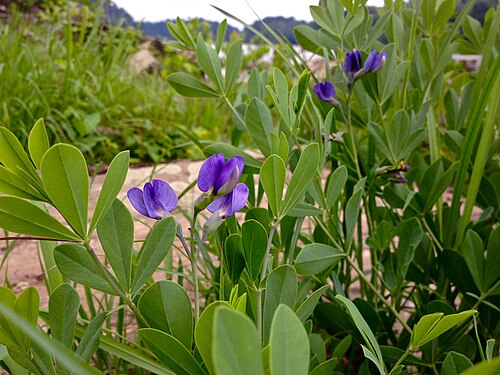
3. Blue False Indigo (Baptisia australis)
Blue False Indigo is a native perennial shrub with striking blue-purple flowers in late spring to early summer. It tolerates cold winters well and is not listed as toxic to dogs. Its bushy form makes it a great structural plant in perennial beds.
4. Switchgrass (Panicum virgatum)
Switchgrass is a beautiful ornamental grass that grows well in Zone 5 climates. It provides year-round interest with feathery seed heads and vibrant fall colors. Switchgrass is not listed as toxic to dogs, and its tall growth can provide privacy or windbreaks.
Panicum Virgatum
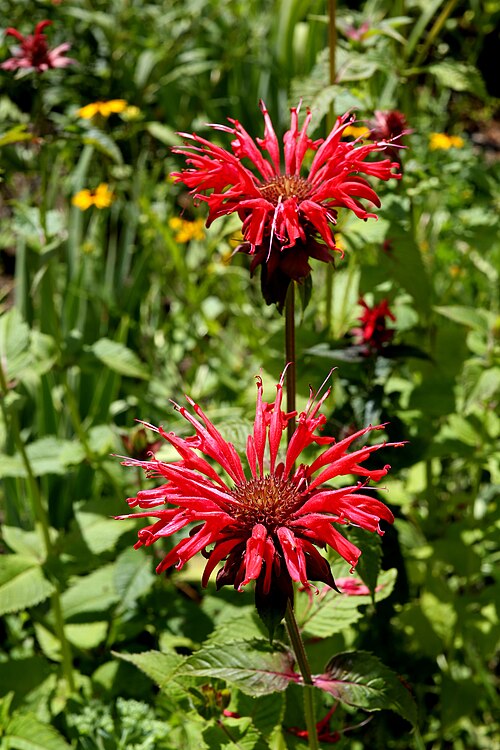
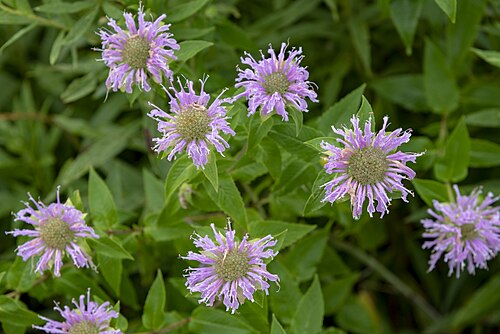
5. Bee Balm (Monarda didyma)
Bee Balm is a native perennial herb that brings vibrant red, pink, or purple flowers to your garden and attracts hummingbirds and bees. It’s hardy in Zone 5 and is not listed as toxic to dogs. Bee Balm also has aromatic leaves that can help repel some pests.
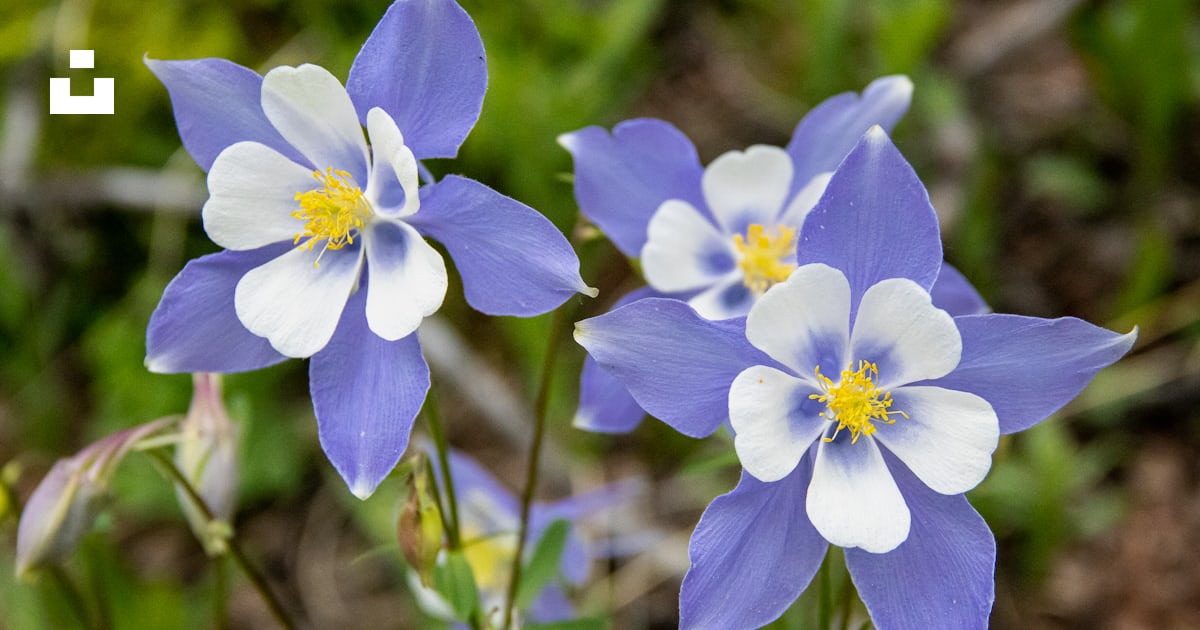
6. Wild Columbine (Aquilegia canadensis)
Wild Columbine is a charming native perennial with red and yellow nodding flowers that bloom in late spring. It grows well in Zone 5 and is not listed as toxic to dogs. This plant prefers partial shade and attracts hummingbirds.
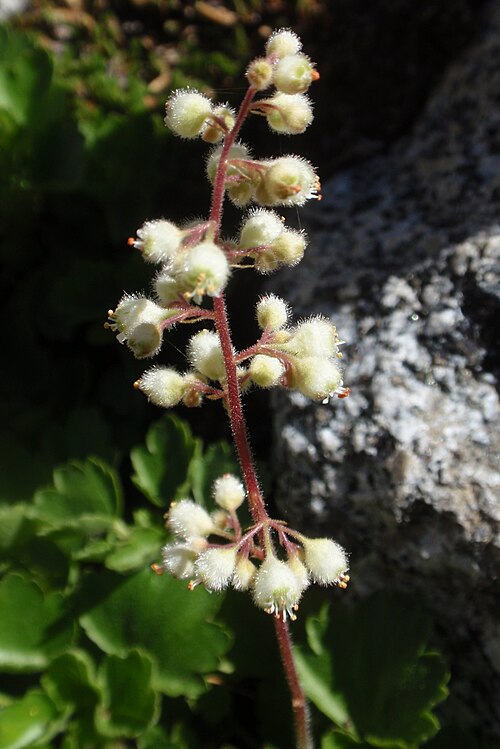
7. Foamflower (Tiarella cordifolia)
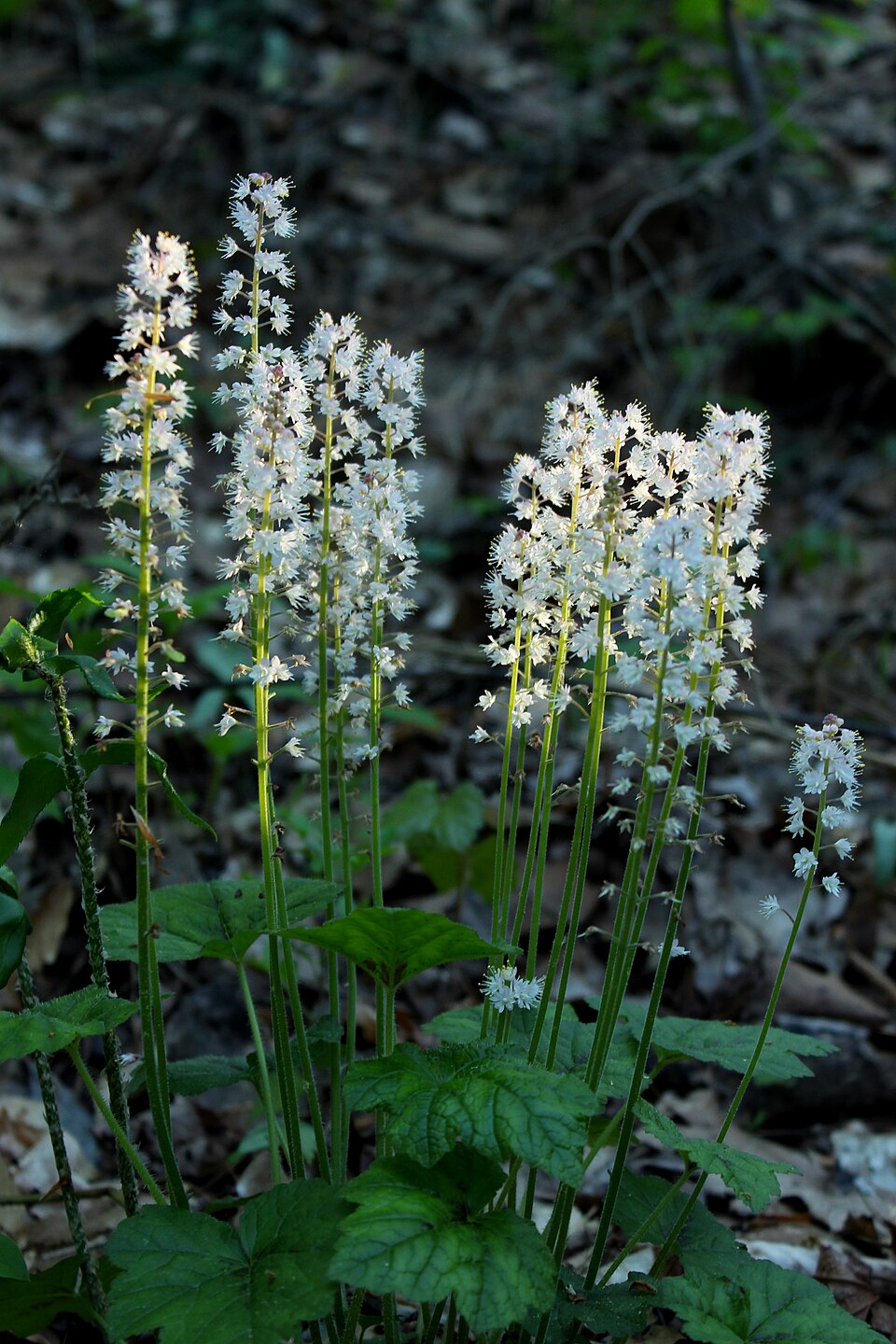
Foamflower is a low-growing woodland perennial with delicate white flowers and attractive foliage. It thrives in shady areas of Zone 5 gardens and is not listed as toxic to dogs. Its spreading habit makes it a great groundcover option.
8. Coral Bells (Heuchera spp.)
Coral Bells are popular perennials with colorful foliage ranging from burgundy to lime green and delicate flower spikes. They tolerate Zone 5 winters well and are not listed as toxic to dogs. These work well in borders and shaded garden areas.
9. Serviceberry (Amelanchier spp.)
Serviceberry is a small tree or large shrub native to North America. It produces white flowers in early spring and edible berries that birds love. Serviceberry is hardy in Zone 5 and is not listed as toxic to dogs. It offers multi-season interest and wildlife value.
10. Wild Bergamot (Monarda fistulosa)
Wild Bergamot is a native perennial herb with lavender-pink flowers that attract pollinators. It grows well in Zone 5 and is not listed as toxic to dogs. This fragrant plant can be used in naturalistic or meadow-style gardens.
Tips for Gardening with Dogs in Zone 5
- Plant Placement: Consider placing plants away from high-traffic dog areas to minimize digging or chewing.
- Supervise: Keep an eye on your dog during outdoor time, especially when introducing new plants.
- Avoid Toxic Plants: Always cross-reference your garden plants with the ASPCA toxic plant list to avoid surprises.
- Provide Alternatives: Offer your dog safe chew toys or designated digging spots to divert their attention.
- Mulch Choices: Use non-toxic mulches like cedar or hardwood chips instead of cocoa mulch, which is toxic to dogs.
- Seasonal Care: Protect plants during harsh winters with mulching or burlap wraps, ensuring they survive to bloom again.
Wildlife Resistance Disclaimer
While these plants are dog safe and hardy in Zone 5, no plant is completely resistant to deer, rabbits, or groundhogs. If wildlife browsing is a concern, additional protective measures such as fencing or repellents may be necessary.
Pet Safety Reminder
Even though the plants listed here are not known to be toxic to dogs, individual dogs may have sensitivities or allergies. It’s best to observe your pet around new plants and contact the ASPCA Animal Poison Control Hotline at 888-426-4435 if you suspect ingestion of any harmful substance.
Conclusion
Creating a dog-safe garden in Zone 5 is very achievable with careful plant selection. The 10 dog safe plants listed above are cold-hardy, beautiful, and not listed as toxic by the ASPCA, making them excellent choices for pet owners who want a safe and vibrant outdoor space. Remember to monitor your pet’s interaction with plants and maintain safe gardening practices.
Ready to design your perfect dog-safe garden? Try our Plant Finder wizard to discover more pet-friendly plants tailored to your Zone 5 garden conditions and preferences! Visit /wizard to get started today.
For more plant recommendations and gardening tips, explore our PlantWise database and keep your garden flourishing safely alongside your four-legged friends!