FTC Disclosure:
If you're gardening in Zone 7 and have dogs, choosing plants that are not listed as toxic to dogs by the ASPCA is essential for keeping your furry friends safe. Fortunately, many beautiful and hardy plants thrive in Zone 7 climates and are considered dog safe. In this post, we’ll explore 10 dog safe plants for Zone 7 gardens that combine pet safety with garden beauty, helping you create an inviting outdoor space for both you and your pets.
Understanding Zone 7 and Pet Safety in Gardening
Zone 7 includes areas with average minimum winter temperatures between 0°F and 10°F (-17.8°C to -12.2°C). This includes parts of the Pacific Northwest, Mid-Atlantic, and Southeast U.S. When selecting dog safe plants for Zone 7, you want species that tolerate this temperature range and are not listed as toxic to dogs by the ASPCA. However, keep in mind that “not listed as toxic” does not guarantee absolute safety, as some dogs may have individual sensitivities or allergies.
Always monitor your pets around new plants and contact the ASPCA Animal Poison Control Center at 888-426-4435 if you suspect poisoning. Also, while these plants are generally dog safe, they may not be resistant to wildlife like deer, rabbits, or groundhogs, which can be a separate garden challenge.
🌱 Get Personalized Plant Picks
Answer a few quick questions and we’ll match plants to your exact yard conditions.
Find My Plants →1. Spider Plant (Chlorophytum comosum)
Spider plants are versatile, easy-care houseplants that can also thrive outdoors in Zone 7 during the warmer months. They are not listed as toxic to dogs and are known for their air-purifying qualities. Their arching leaves and baby “spiderettes” add an attractive texture to garden beds or containers.
Spider plants prefer indirect sunlight or partial shade and well-draining soil. Because they are non-toxic, they make an excellent choice for dog owners who want greenery without worry.
Chlorophytum Comosum
2. Boston Fern (Nephrolepis exaltata)
Boston ferns are lush, evergreen ferns that do well in the shaded or partially shaded areas of Zone 7 gardens. They are not listed as toxic to dogs and help create a cool, forest-like feel in your yard. Boston ferns prefer moist, well-drained soil and indirect light.
Their dense foliage can provide ground cover or fill in shady corners, giving your dog a natural spot to explore safely.
Nephrolepis Exaltata
3. African Violet (Saintpaulia ionantha)
African violets are popular houseplants but can also be grown outdoors in protected spots during the warmer months in Zone 7. They are not listed as toxic to dogs and produce charming purple, pink, or white blooms that brighten shady garden areas.
These plants prefer indirect light and humid conditions and should be protected from frost. African violets add color and are a safe choice for dog-friendly indoor/outdoor gardens.
Saintpaulia Ionantha
4. Basil (Ocimum basilicum)
Basil is a fragrant, edible herb that thrives in Zone 7 gardens and is not listed as toxic to dogs. It enjoys full sun and well-drained soil and can be used fresh in cooking or simply grown for its scent and greenery.
Because basil is generally safe for dogs, it’s a great herb to grow close to patios or pathways where your dog may wander.
Ocimum Basilicum
5. Rosemary (Salvia rosmarinus)
Rosemary is a hardy, drought-tolerant herb that grows well in Zone 7 and is not listed as toxic to dogs. It prefers full sun and well-drained soil and offers aromatic leaves that can be harvested for cooking.
Rosemary can be trained as a shrub or ground cover and adds texture and fragrance to your garden without posing a toxicity risk to pets.
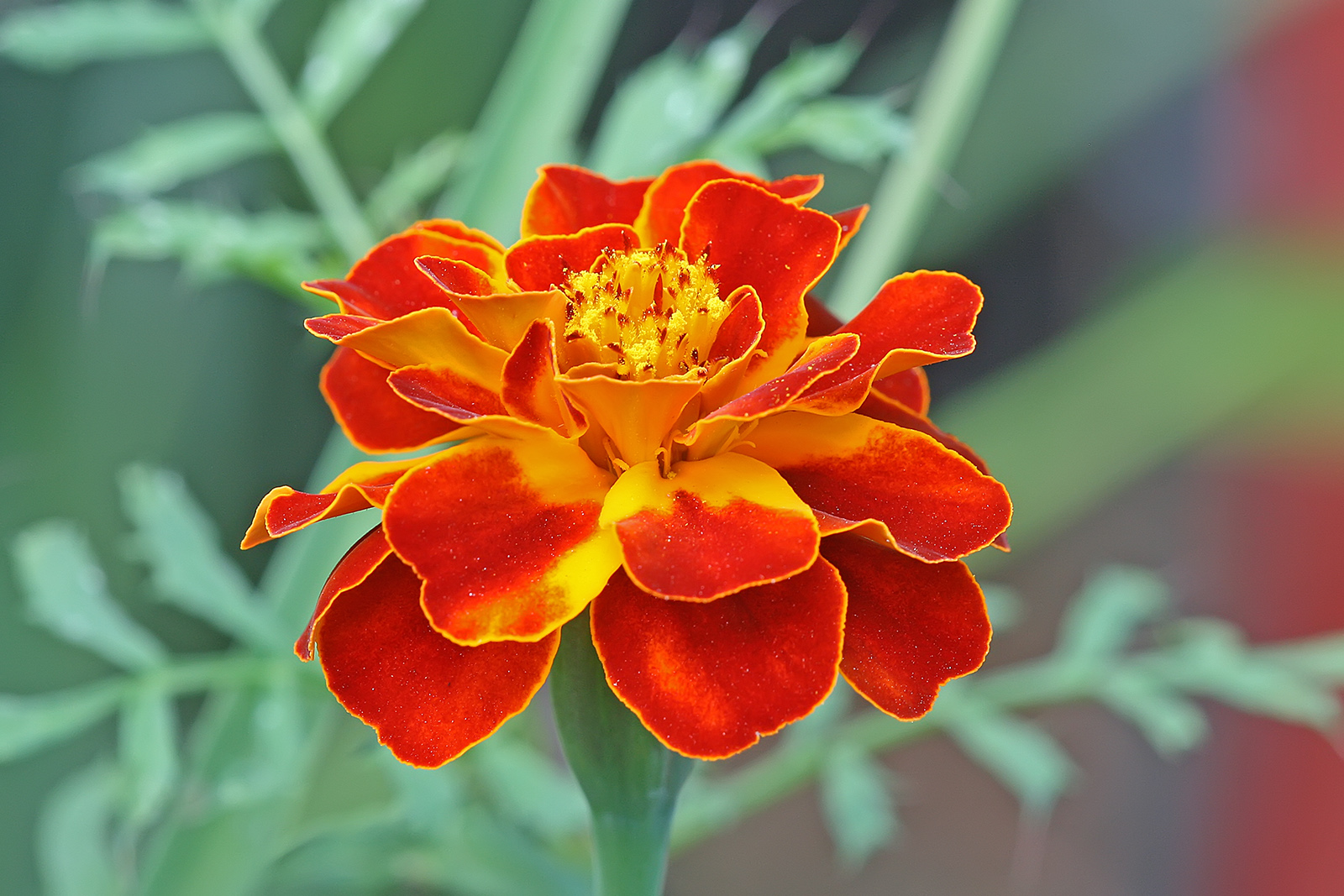
6. Marigold (Tagetes spp.)
Marigolds are bright, cheerful annuals or perennials depending on the variety, and are not listed as toxic to dogs. They thrive in full sun and well-drained soil, making them perfect for Zone 7 gardens.
Marigolds also help deter pests naturally, which makes them a smart companion plant choice.
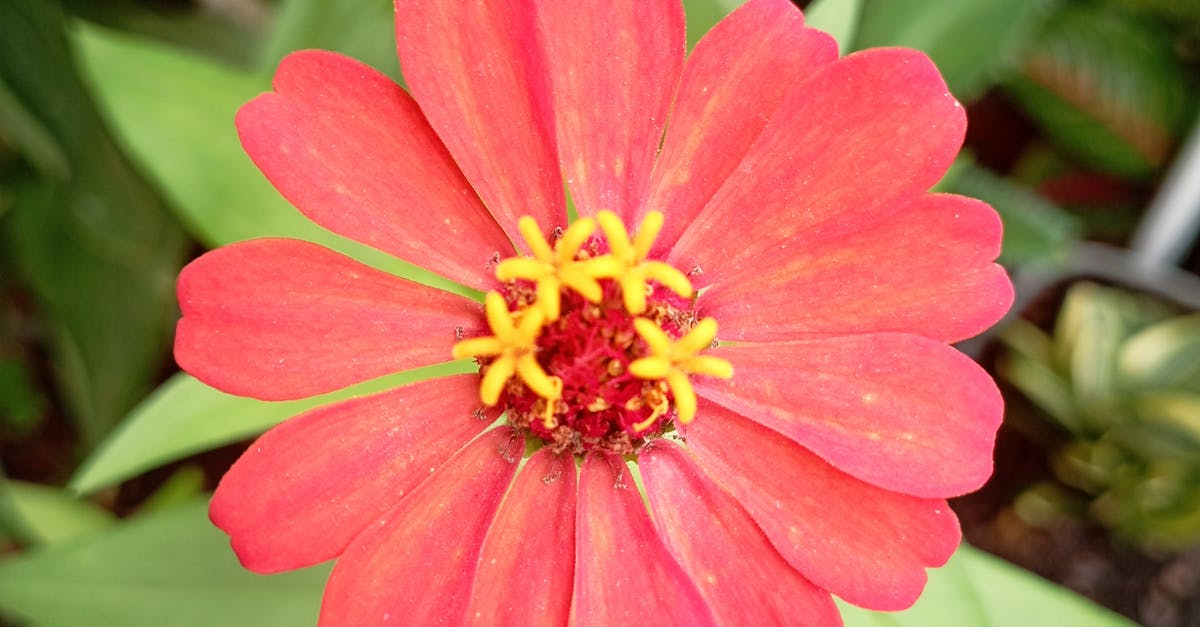
7. Zinnia (Zinnia elegans)
Zinnias are easy-to-grow annual flowers that flourish in Zone 7’s sunny, warm conditions. They are not listed as toxic to dogs and produce vibrant blooms that attract butterflies and pollinators.
Zinnias prefer full sun and moderate watering and are great for adding color to flower beds or containers safely.
8. Blue-Eyed Grass (Sisyrinchium angustifolium)
Blue-eyed grass is a perennial wildflower native to many parts of the U.S., including Zone 7. It is not listed as toxic to dogs and produces delicate blue-violet flowers in late spring and summer.
This plant prefers full sun to partial shade and moist, well-drained soil. It is an excellent choice for naturalistic or meadow-style gardens.
Sisyrinchium Angustifolium
9. Calendula (Calendula officinalis)
Calendula, also known as pot marigold, is a hardy annual that grows well in Zone 7 and is not listed as toxic to dogs. It produces bright orange and yellow flowers that bloom from spring to fall.
Calendula prefers full sun and well-drained soil and is often used for its medicinal properties. It’s a cheerful addition to herb or flower gardens where pets roam.
Calendula Officinalis
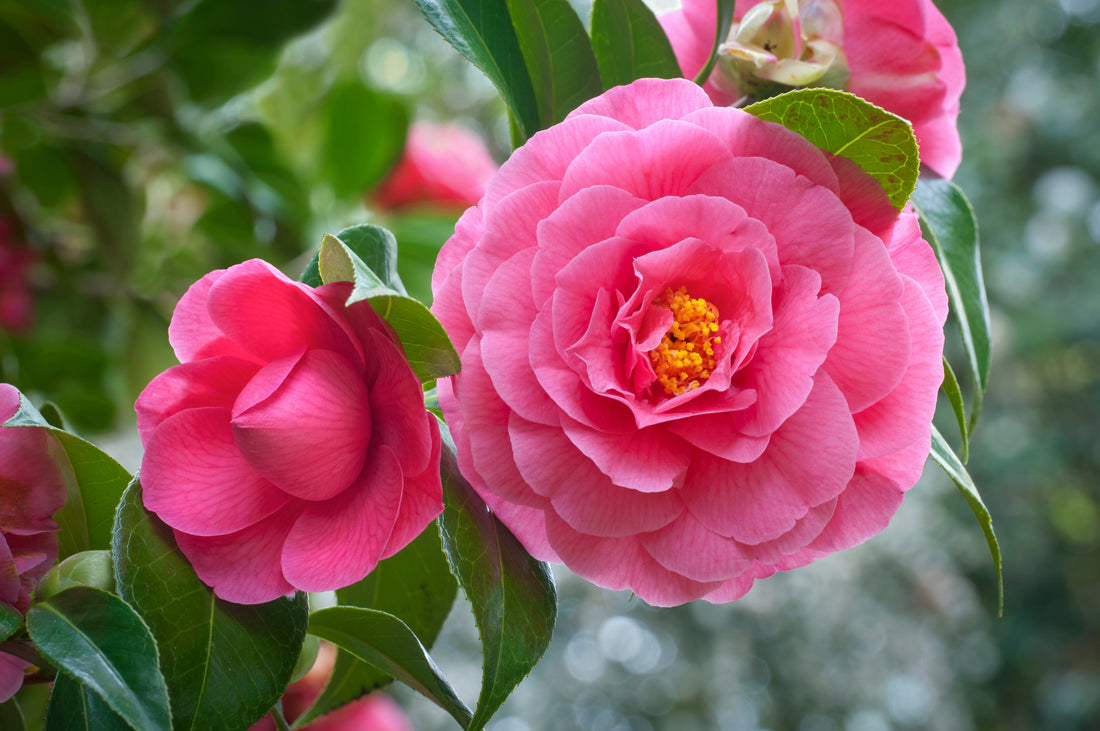
10. Camellia (Camellia japonica)
Camellias are evergreen shrubs that bloom in late winter or early spring, providing color when many other plants are dormant. They are hardy in Zone 7 and are not listed as toxic to dogs.
These shrubs prefer partial shade and acidic, well-drained soil. Their glossy leaves and large flowers add elegance to any garden, and they are a pet-friendly choice for woody plantings.
Tips for Creating a Dog-Safe Garden in Zone 7
- Supervise your dog: Even dog safe plants can cause mild stomach upset if ingested in large amounts.
- Avoid toxic plants: Familiarize yourself with the ASPCA toxic plant list and remove any harmful species.
- Provide enrichment: Add safe plants your dog can sniff and explore to reduce destructive chewing.
- Protect young plants: Use barriers or training to keep dogs from digging up new plantings.
- Check for wildlife resistance: Some plants may attract deer, rabbits, or groundhogs. Use fencing or repellents as needed.
Remember, no plant is completely wildlife-proof or guaranteed safe in every situation. Always observe your pets and use caution.
For more plant options and personalized garden planning, try the PlantWise Plant Finder wizard at /wizard. It helps you pick dog safe plants perfect for your Zone 7 garden and lifestyle!
If you suspect your pet has ingested a toxic plant, call the ASPCA Animal Poison Control Center immediately at 888-426-4435.
Note: Claims about plant safety refer to the ASPCA’s current listings. Individual pet reactions may vary. Plants labeled "not listed as toxic" are considered generally safe but should still be used with caution.
Happy gardening with your furry friends!
#dogsafeplantszone7 #petsafety #zone7gardening