FTC Disclosure: This post contains affiliate links. If you make a purchase through these links, we may earn a small commission at no extra cost to you.
10 Dog-Safe Plants for Zone 8 Gardens
If you’re a dog owner gardening in USDA Zone 8, you want plants that not only thrive in your climate but are also safe for your furry friend. The good news is there are many dog safe plants zone 8 gardeners can enjoy that are not listed as toxic to dogs by the ASPCA. These heat-tolerant plants provide beauty and function without putting your pet’s health at risk.
Dogs often explore gardens with their noses and mouths, so choosing plants that won’t harm them if nibbled is essential. Below, we cover ten dog safe plants perfect for Zone 8’s warm climate, along with tips on pet safety and garden care.
If you have pets, remember the ASPCA Animal Poison Control hotline is available 24/7 at 888-426-4435 for emergencies.
🌱 Get Personalized Plant Picks
Answer a few quick questions and we’ll match plants to your exact yard conditions.
Find My Plants →What Does Zone 8 Mean for Your Garden?
USDA Zone 8 is characterized by minimum winter temperatures ranging from 10 to 20 °F (-12 to -7 °C). This zone typically has a long growing season and mild winters, making it ideal for many perennials, shrubs, and heat-tolerant plants. However, the summer heat can be intense, so selecting drought-tolerant and sun-loving plants is important.
Why Choose Dog-Safe Plants?
Many common garden plants are toxic to dogs if ingested, including azaleas, lilies, and oleander. Choosing plants not listed as toxic by the ASPCA reduces the risk of accidental poisoning. However, no plant is completely “safe” if ingested in large amounts, so always monitor your dog’s behavior around plants.
10 Dog-Safe Plants for Zone 8 Gardens
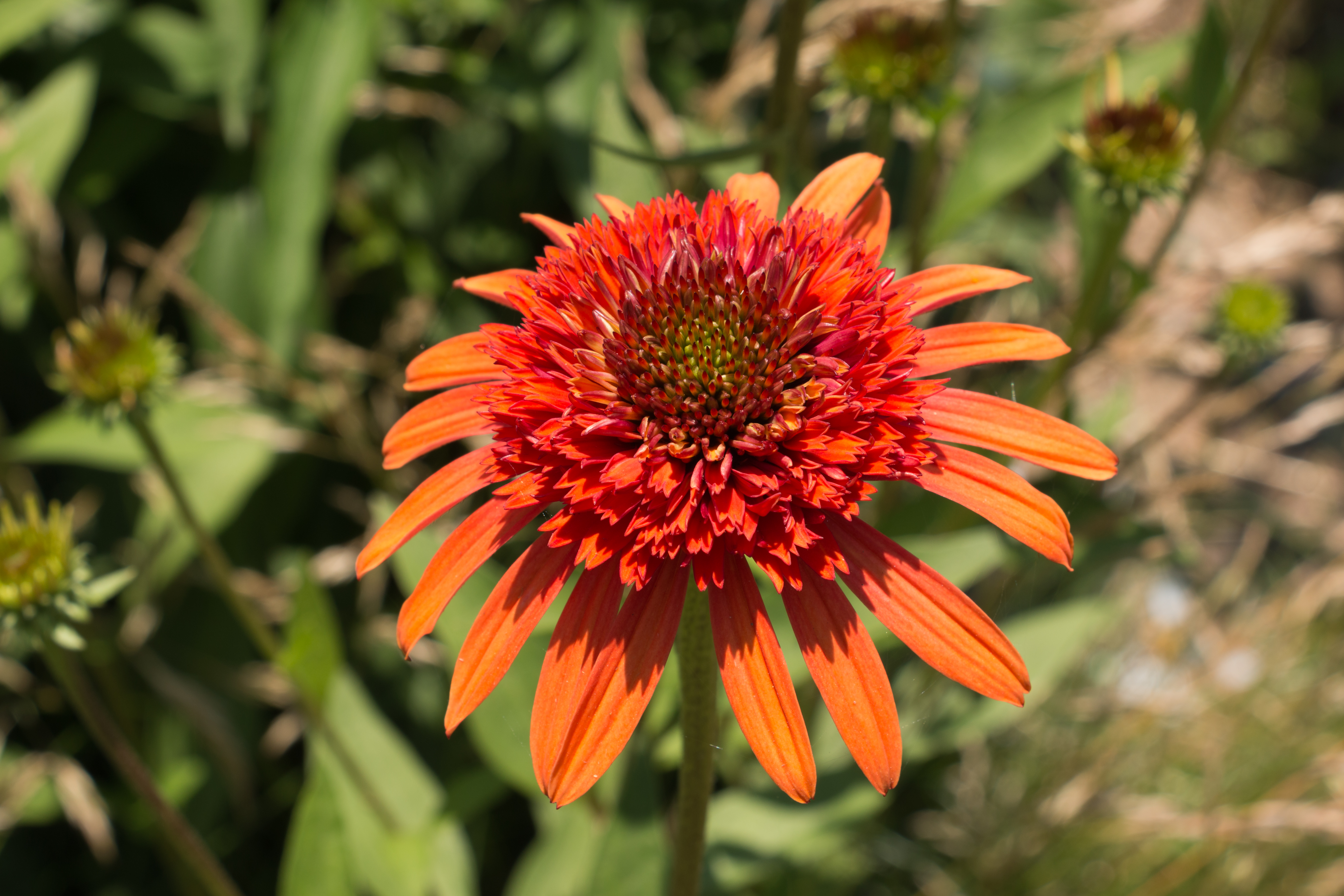
1. Purple Coneflower (Echinacea purpurea)
Purple coneflowers are tough perennials that thrive in full sun and well-drained soil. They attract pollinators like bees and butterflies and have beautiful daisy-like blooms. Echinacea is not listed as toxic to dogs, making it a great choice for your garden.
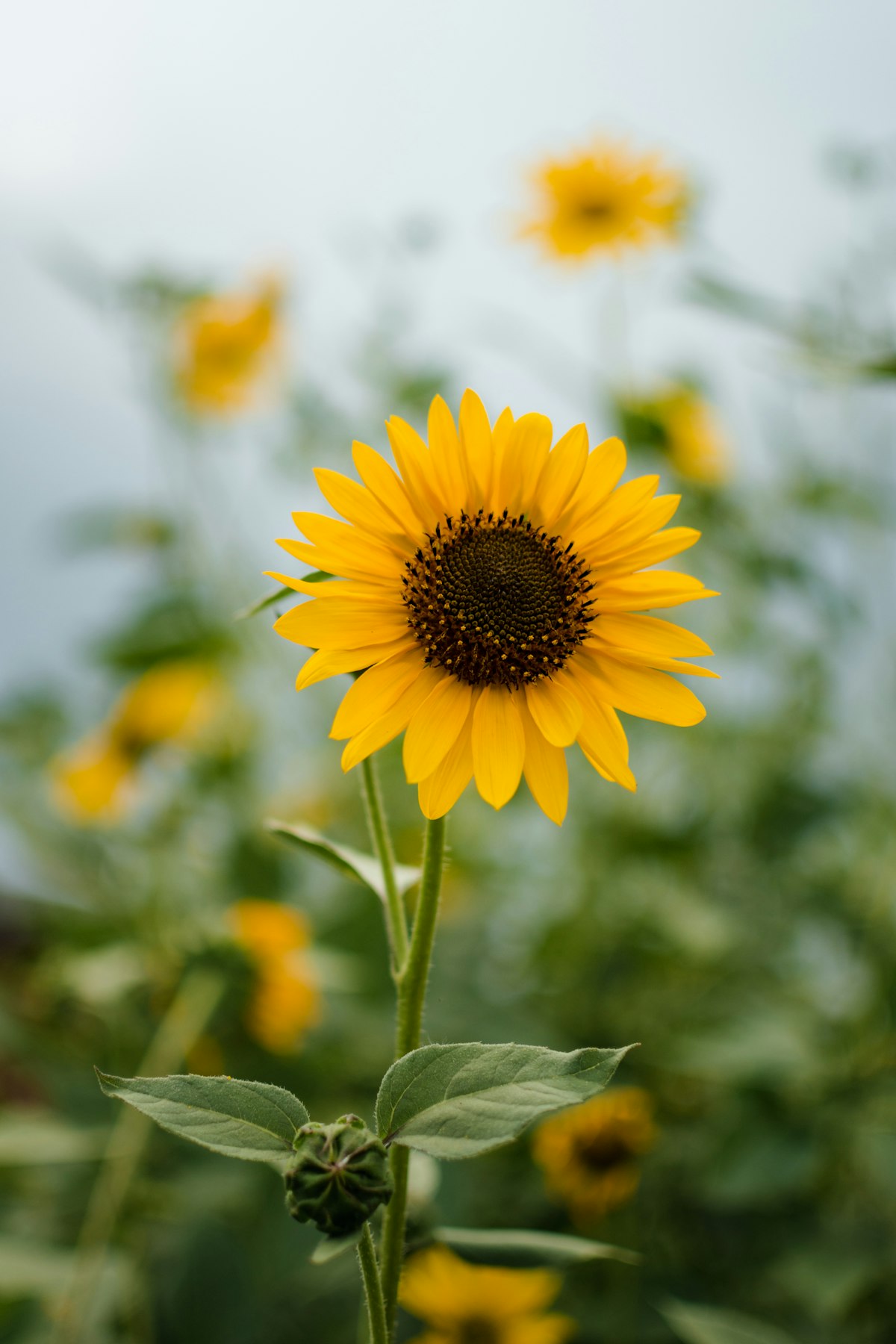
2. Sunflower (Helianthus annuus)
Sunflowers are iconic summer plants that add height and cheer to any garden. They tolerate heat well and are not listed as toxic to dogs. Plus, sunflower seeds can provide food for birds, adding to your garden’s ecosystem.
3. Boston Fern (Nephrolepis exaltata)
If you want a lush, green foliage plant for shade or partial shade, Boston ferns are excellent. They prefer moist, humid conditions and are safe for pets. Boston ferns can also improve indoor air quality if brought inside.
Nephrolepis Exaltata
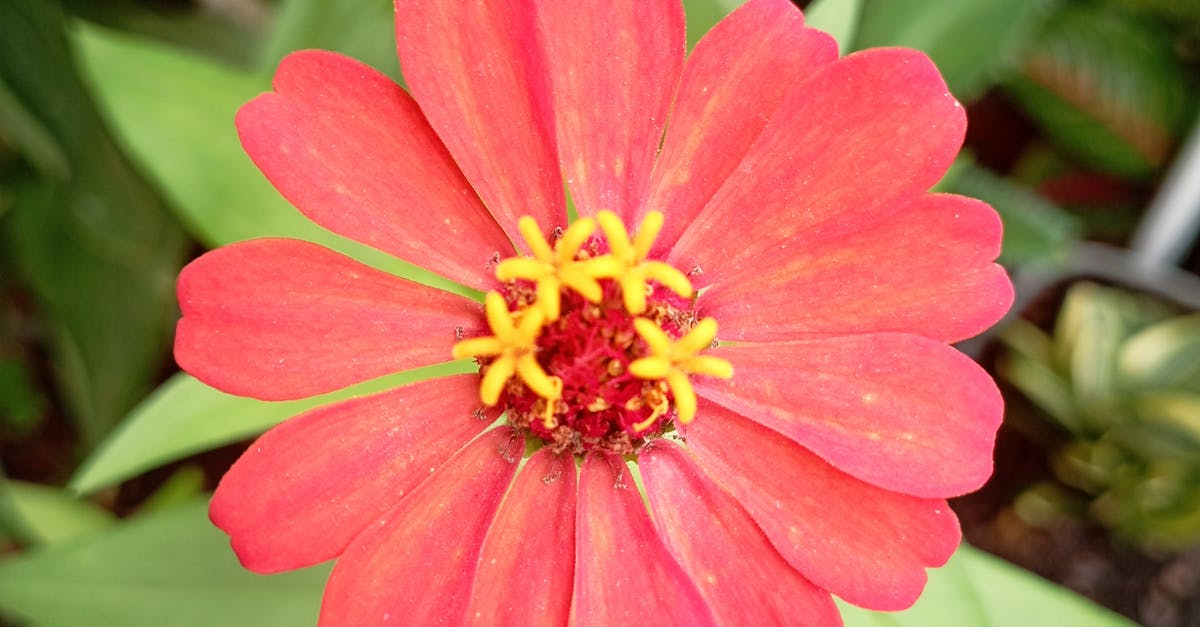
4. Zinnia (Zinnia elegans)
Zinnias thrive in full sun and heat, offering a burst of color from summer to fall. They are not listed as toxic to dogs and are easy to grow from seed. Their bright blooms attract butterflies and hummingbirds.
5. Spider Plant (Chlorophytum comosum)
Spider plants are adaptable and easy-care houseplants that can also be grown outdoors in mild Zone 8 climates. They tolerate some drought and indirect light. Not listed as toxic to dogs, spider plants are a pet-friendly option for container gardening.
Chlorophytum Comosum
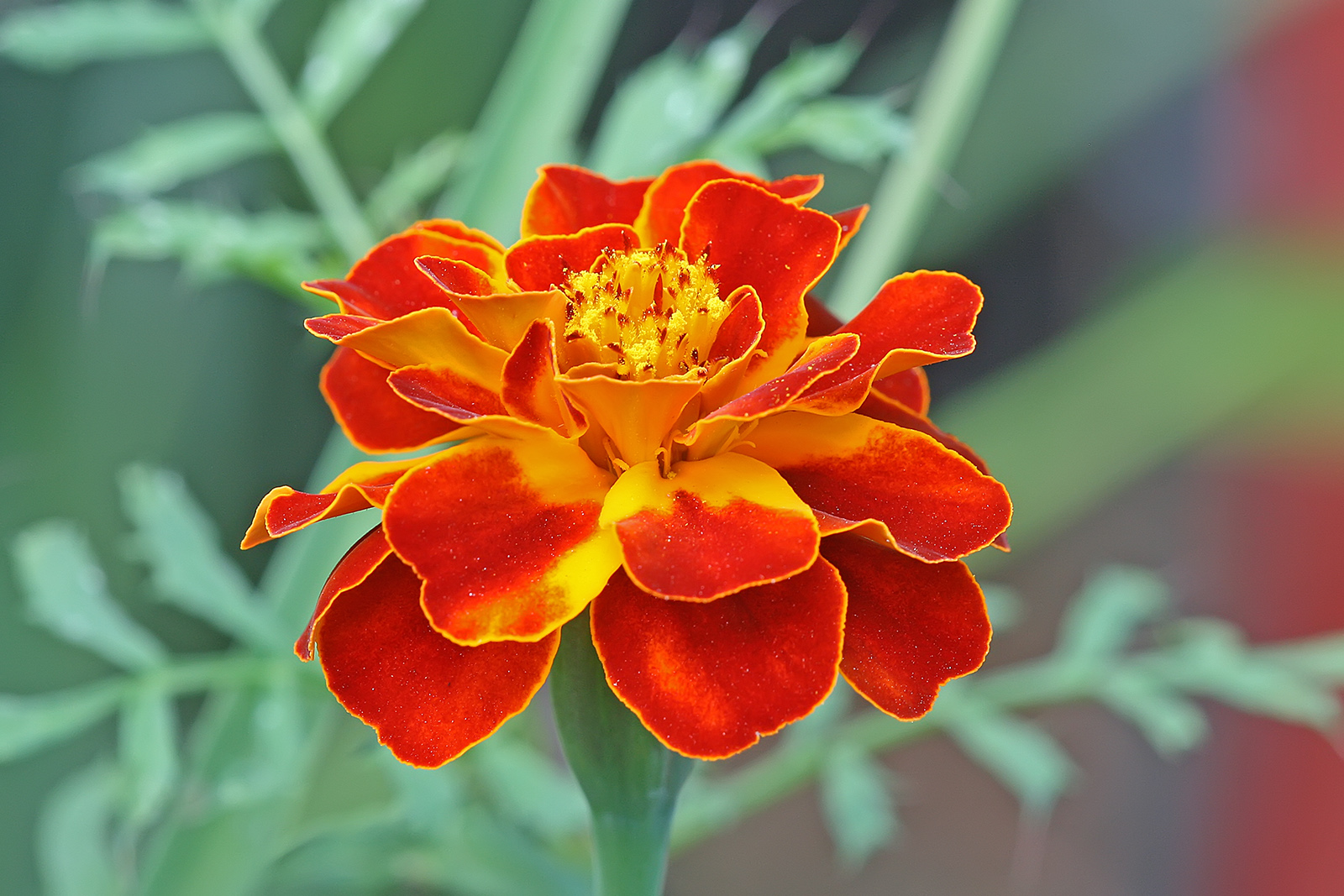
6. Calendula (Calendula officinalis)
Calendula, or pot marigold, blooms with bright orange and yellow flowers. It grows well in full sun and is known for its medicinal properties. Calendula is not listed as toxic to dogs and can add cheerful color to your garden beds.
Calendula Officinalis
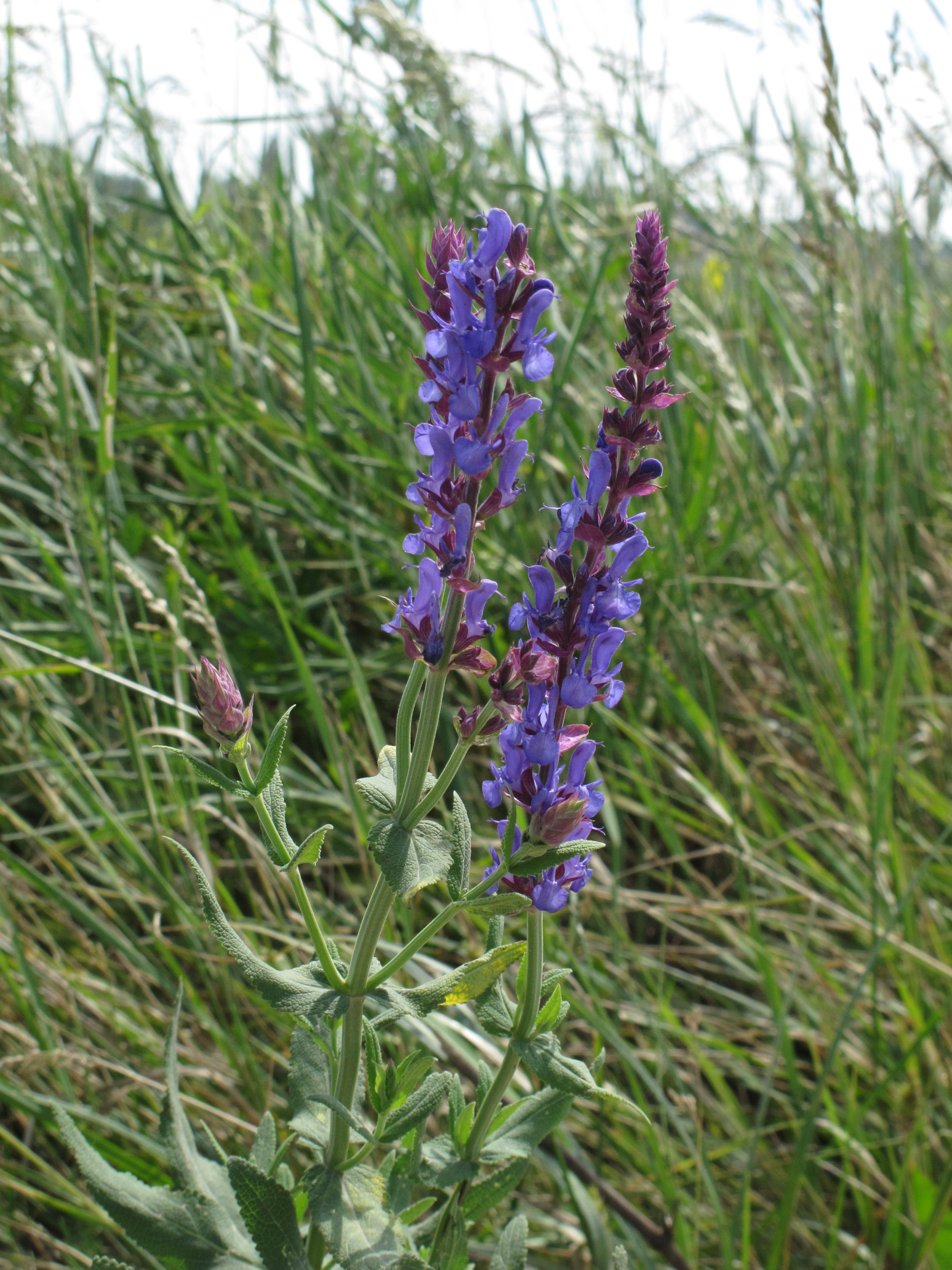
7. Blue Salvia (Salvia farinacea)
Blue salvia produces striking blue spikes of flowers that attract pollinators. It thrives in full sun and tolerates heat and drought once established. This plant is not listed as toxic to dogs and is a great choice for borders.
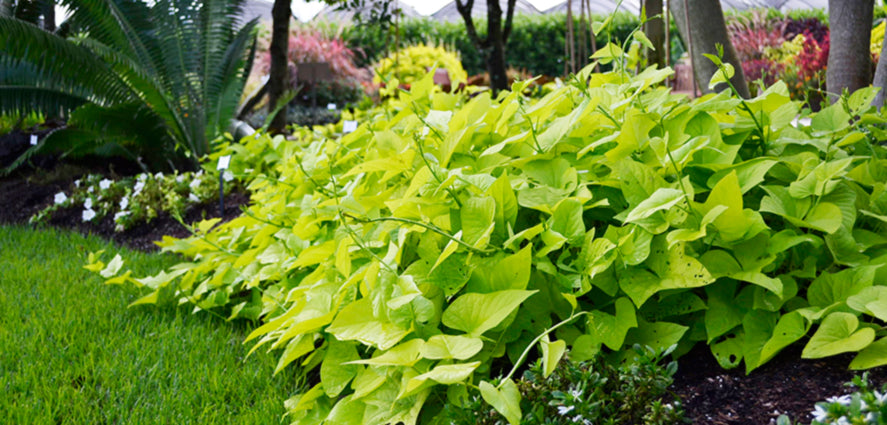
8. Sweet Potato Vine (Ipomoea batatas)
Sweet potato vine is a vigorous ground cover or trailing plant with attractive foliage. It tolerates heat and sun and is not listed as toxic to dogs. Be cautious that dogs do not eat large quantities of the tubers, as they may cause mild digestive upset.
9. Rosemary (Rosmarinus officinalis)
Rosemary is a fragrant herb that grows well in Zone 8’s warm climate. It prefers full sun and well-drained soil. Rosemary is not listed as toxic to dogs and can be used fresh or dried in cooking.
Rosmarinus Officinalis
10. Nasturtium (Tropaeolum majus)
Nasturtiums are edible flowers with vibrant blooms and round leaves. They grow well in full sun to partial shade and are not listed as toxic to dogs. Both leaves and flowers are edible for humans as well.
Tropaeolum Majus
Tips for Creating a Pet-Friendly Garden
- Avoid Toxic Plants: Always check the ASPCA list before planting new species.
- Supervise Pets: Watch your dog in the garden to prevent over-ingestion of any plant material.
- Provide Shade and Water: Ensure your dog has access to shade and fresh water while outside.
- Use Natural Pest Control: Avoid chemical herbicides and pesticides that can harm pets.
- Mulch Safely: Avoid cocoa mulch, which is toxic to dogs. Use pine bark or cedar mulch instead.
Are These Plants Wildlife Resistant?
While the plants listed are not toxic to dogs, they may still be attractive to deer, rabbits, or groundhogs. No plant is completely resistant to wildlife browsing. Using fencing or repellents may be necessary if you experience pest problems.
Final Thoughts on Dog Safe Plants Zone 8 Gardens
Gardening in Zone 8 with dogs in mind is very doable with these dog safe plants. They thrive in the heat and bring color, texture, and fragrance to your outdoor space without putting your pets at risk. Remember, even plants not listed as toxic can cause mild upset if eaten in large amounts, so supervision is key.
For more personalized recommendations, try our Plant Finder wizard to find plants suited to your zone, garden conditions, and pet safety needs. Visit /wizard to get started and create a beautiful, dog-friendly garden today!
If you suspect your pet has ingested a toxic plant, contact the ASPCA Animal Poison Control Center immediately at 888-426-4435.
Disclaimer: While these plants are not listed as toxic to dogs by the ASPCA, individual pets may have different sensitivities. This list does not guarantee wildlife resistance or complete safety.