[FTC Disclosure: This post contains affiliate links. As an Amazon Associate, we may earn from qualifying purchases at no extra cost to you.]
10 Dog-Safe Plants for Zone 9 Gardens
If you’re a dog owner gardening in USDA Zone 9, you want to create a beautiful outdoor space that’s also safe for your furry friends. Fortunately, there are plenty of dog safe plants for Zone 9 that thrive in the warm climate and are not listed as toxic to dogs by the ASPCA. In this article, we’ll explore 10 heat-tolerant, dog-friendly plants perfect for your garden, helping you build a vibrant, pet-safe landscape.
For pet emergencies, always keep the ASPCA Animal Poison Control Center hotline handy: 888-426-4435.
🌱 Get Personalized Plant Picks
Answer a few quick questions and we’ll match plants to your exact yard conditions.
Find My Plants →Why Choose Dog-Safe Plants for Your Zone 9 Garden?
Zone 9 gardens experience mild winters and hot summers, meaning plants need to be heat-tolerant and drought-resistant. While many popular plants can add color and texture, some common varieties are toxic to dogs, leading to symptoms like vomiting, diarrhea, or worse if ingested.
Choosing dog safe plants zone 9 means selecting species that can withstand your climate’s heat while reducing the risk of poisoning. Remember, “not listed as toxic” does not mean completely safe, so always monitor your pets and discourage chewing on plants.
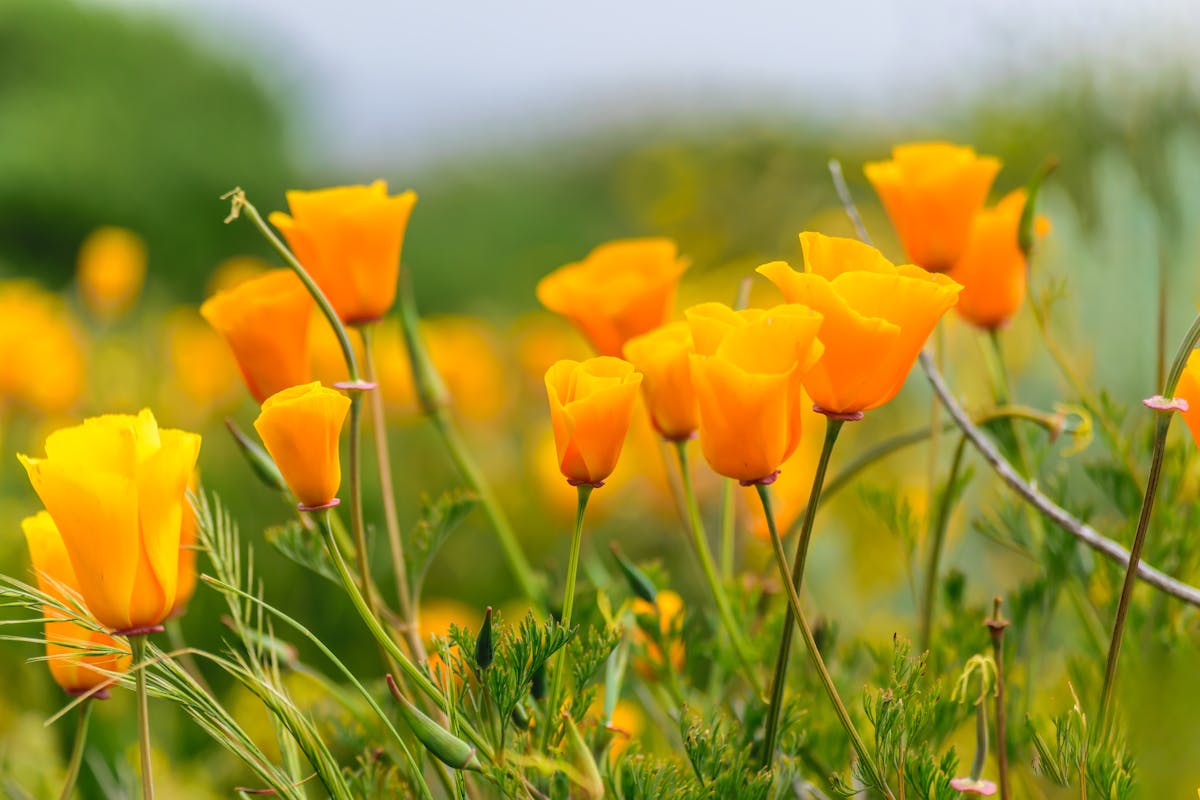
1. California Poppy (Eschscholzia californica)
The California poppy is a vibrant, orange wildflower native to the West Coast and perfect for Zone 9 gardens. It’s highly drought tolerant and blooms profusely in full sun, adding cheerful color to your landscape. Importantly, this plant is not listed as toxic to dogs by the ASPCA, making it a pet-friendly choice. Its low maintenance nature suits busy dog owners who want beauty without hassle.
2. Lamb’s Ear (Stachys byzantina)
Lambs Ear
Lamb’s ear is beloved for its soft, velvety leaves and silvery color, offering a unique texture contrast in your garden beds. It thrives in warm climates with well-drained soil and full sun to partial shade. The plant is not listed as toxic to dogs, although ingestion of large amounts may cause minor digestive upset. Its fuzzy leaves are often intriguing to pets but generally safe.
3. Spider Plant (Chlorophytum comosum)
Spider Plant
Spider plants are popular houseplants that also do well outdoors in Zone 9’s mild climate. They prefer indirect light or partial shade and tolerate some drought. Spider plants are not listed as toxic to dogs, making them a safe addition to patios or shaded garden corners. Their arching leaves and baby plantlets add visual interest and greenery.
4. Boston Fern (Nephrolepis exaltata)
Boston Fern
Boston ferns flourish in shaded, humid spots typical of some Zone 9 microclimates. They add lush greenery and help improve air quality. Boston ferns are not listed as toxic to dogs, so you can safely include them in your dog-friendly garden. Keep them well-watered but avoid soggy soil to prevent root rot.
5. Rosemary (Rosmarinus officinalis)
Rosemary
Rosemary is a fragrant herb that thrives in the heat and sun of Zone 9 gardens. It’s drought-tolerant once established and can be used for cooking, making it a practical and attractive choice. Rosemary is not listed as toxic to dogs, though large ingestions could cause mild stomach upset. Plus, its scent may help repel some pests.
6. Hibiscus (Hibiscus rosa-sinensis)
Hibiscus plants bring tropical flair to Zone 9 yards with their large, colorful blooms. They prefer full sun and regular watering. The good news is hibiscus is not listed as toxic to dogs by the ASPCA, so you can enjoy their beauty without worry. They attract pollinators and add a lush, vibrant feel to your garden.
7. Blue Daze (Evolvulus glomeratus)
Blue daze is a low-growing, spreading groundcover with beautiful sky-blue flowers. It thrives in hot, sunny conditions and requires minimal water once established. Not listed as toxic to dogs, blue daze is a great option for adding groundcover color that’s pet-friendly. Its compact growth habit also helps prevent soil erosion.
8. Prayer Plant (Maranta leuconeura)
Prayer plants feature striking foliage with colorful patterns and fold their leaves at night like praying hands. Suitable for shaded garden spots or containers, they tolerate Zone 9’s warmth when not in direct midday sun. Prayer plants are not listed as toxic to dogs, making them ideal for indoor-outdoor spaces frequented by pets.
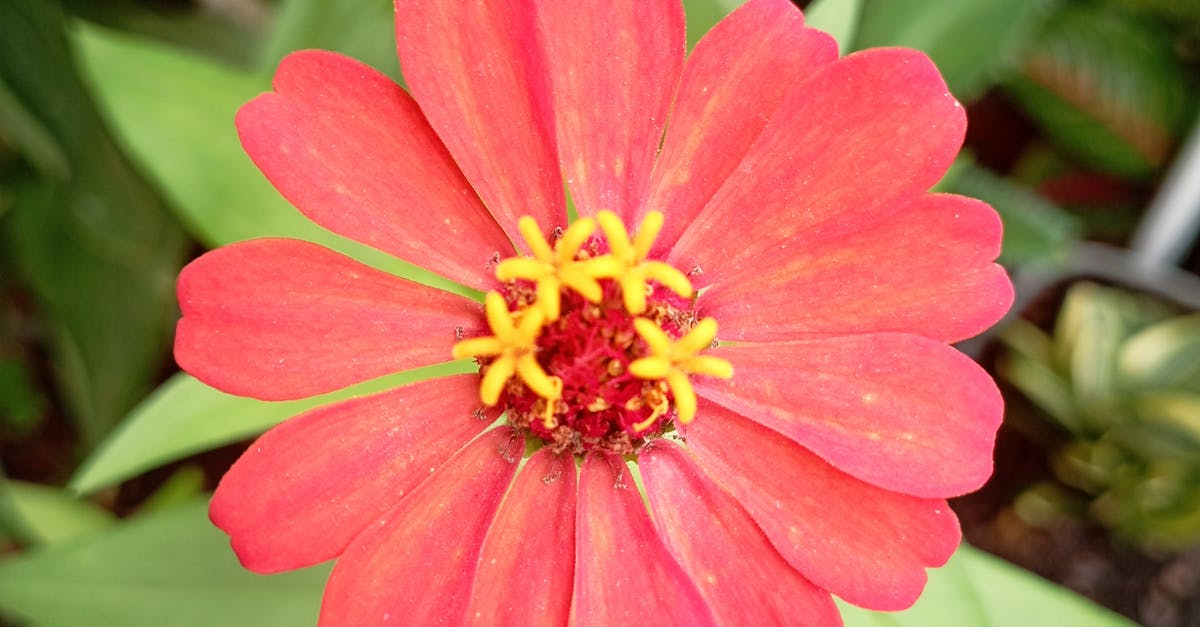
9. Zinnia (Zinnia elegans)
Zinnias are easy-to-grow annual flowers that bloom in vivid reds, pinks, oranges, and yellows. They love full sun and warm temperatures, thriving in Zone 9 climates. These plants are not listed as toxic to dogs, so you can safely add bursts of color to your garden beds or containers. Deadheading encourages more blooms throughout the season.
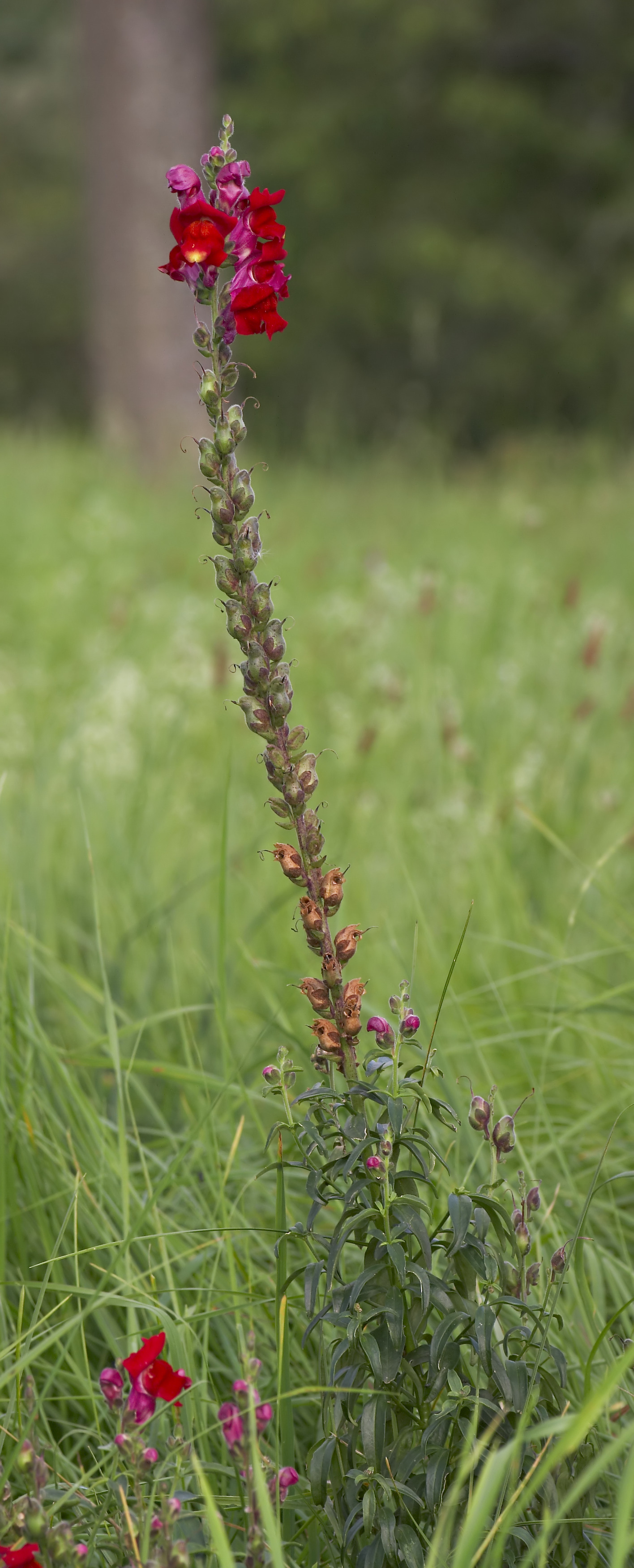
10. Snapdragons (Antirrhinum majus)
Snapdragons provide vertical interest with their tall flower spikes and come in a range of colors. They perform well in Zone 9’s mild winters and cooler spring months. Not listed as toxic to dogs, snapdragons can safely brighten your garden borders or pots. They prefer full sun and well-draining soil.
Tips for Maintaining a Dog-Safe Garden in Zone 9
- Supervise your pets: Even non-toxic plants can cause mild digestive upset if eaten in large quantities. Teach pets to avoid nibbling on plants.
- Create pet-friendly zones: Use fencing or garden design to separate delicate plants from high-traffic dog areas.
- Avoid toxic plants: Check the ASPCA database regularly to ensure your garden remains free of hazardous species.
- Provide plenty of water: Zone 9 can get hot, so ensure your dog has access to fresh water and shaded areas to prevent heat stress.
- Use natural pest control: Avoid chemical pesticides that can harm pets; opt for pet-safe alternatives.
Wildlife Resistance Disclaimer
While some of these dog safe plants zone 9 may be resistant to common wildlife like deer, rabbits, or groundhogs, no plant is completely wildlife-proof. Local feeding patterns vary, so monitor your garden and protect vulnerable plants as needed.
Conclusion
With so many attractive, heat-tolerant options that are not listed as toxic to dogs, Zone 9 gardeners can create vibrant, pet-safe outdoor spaces. From colorful wildflowers like California poppy and zinnia to fragrant herbs like rosemary, these 10 dog safe plants zone 9 combine beauty, climate adaptability, and pet safety for worry-free gardening.
Explore our full Plant Finder wizard to discover even more dog safe plants tailored to your exact ZIP code and garden conditions at /wizard.
Remember: If your dog shows signs of poisoning or unusual symptoms after plant ingestion, contact the ASPCA Animal Poison Control Center immediately at 888-426-4435.
Happy gardening and tail-wagging!
California Poppy
Lambs Ear
Spider Plant
Boston Fern
Rosemary