FTC Disclosure: This post contains affiliate links. As an Amazon Associate, we earn from qualifying purchases.
If dog urine is killing your lawn, the permanent fix involves a combination of choosing urine-resistant grass types, improving soil health, and managing your dog's bathroom habits. Dog urine burns grass due to high nitrogen and salts, but by selecting tougher turf varieties, amending your soil with gypsum or compost, and training your pet, you can restore and protect your lawn long-term.
Why Does Dog Urine Kill Grass?
Dog urine contains concentrated nitrogen and salts, which in small amounts can fertilize grass, but in high concentrations cause what looks like yellow or brown dead spots. The nitrogen overload "burns" the grass blades, while salts draw moisture out of soil and roots, exacerbating damage. Male dogs that lift their leg often create more intense burns in one spot, but female dogs can cause damage too.
🌱 Get Personalized Plant Picks
Answer a few quick questions and we’ll match plants to your exact yard conditions.
Find My Plants →Best Grass Types for Dog Urine Resistance
Choosing the right grass species is the foundation of a dog urine killing lawn fix. Some grasses are naturally more tolerant of nitrogen and salts:
- Tall Fescue: Deep-rooted and dense, tall fescue is known for durability and better urine tolerance.
- Perennial Ryegrass: Quick to germinate and recover from damage, it’s a good choice for dog owners.
- Kentucky Bluegrass: While attractive, it’s less urine-resistant but recovers well with care.
- Bermuda Grass: Ideal for warmer climates, it recovers quickly and tolerates wear.
Consider overseeding with a mix of these grasses to increase resilience.
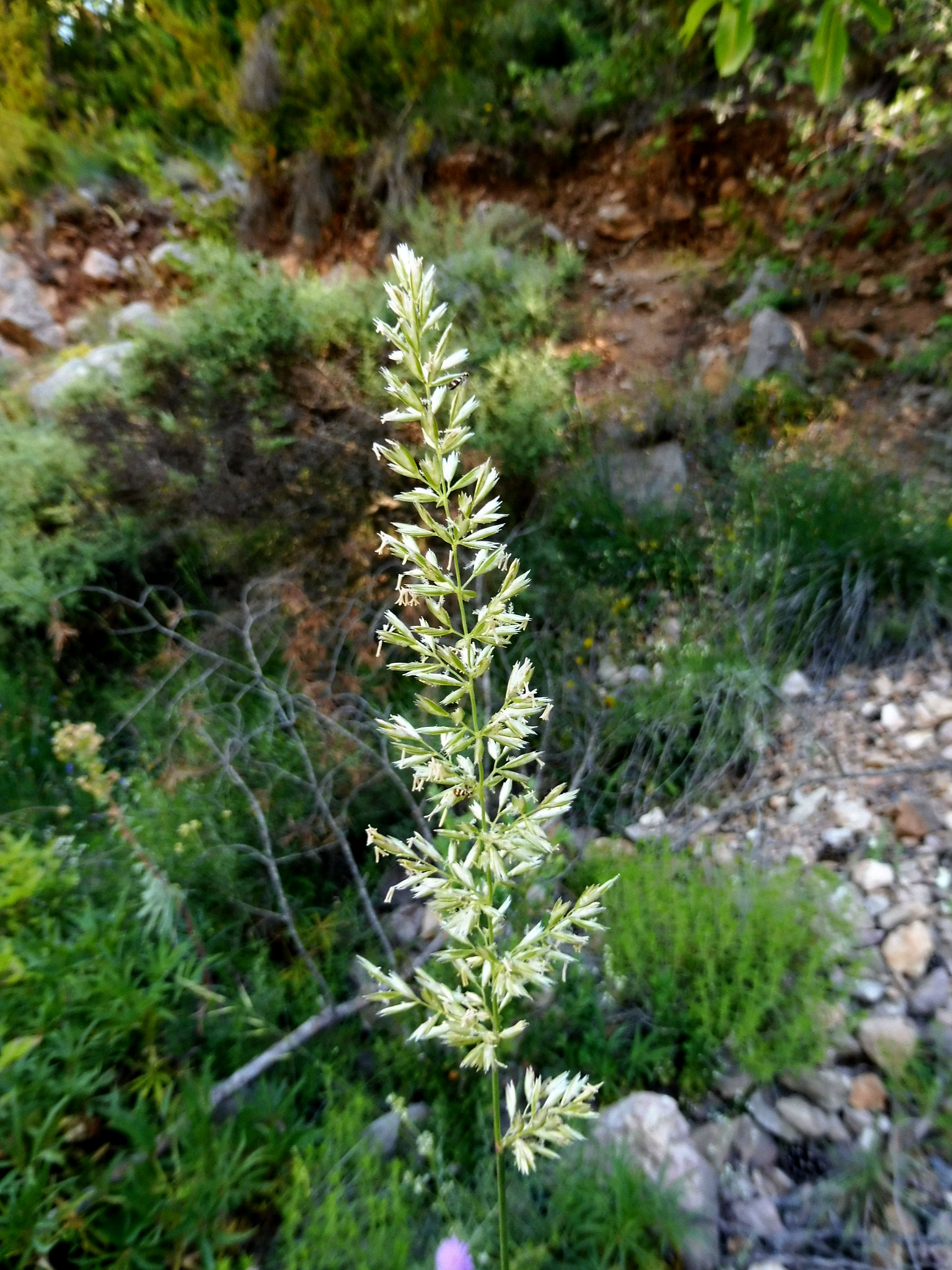
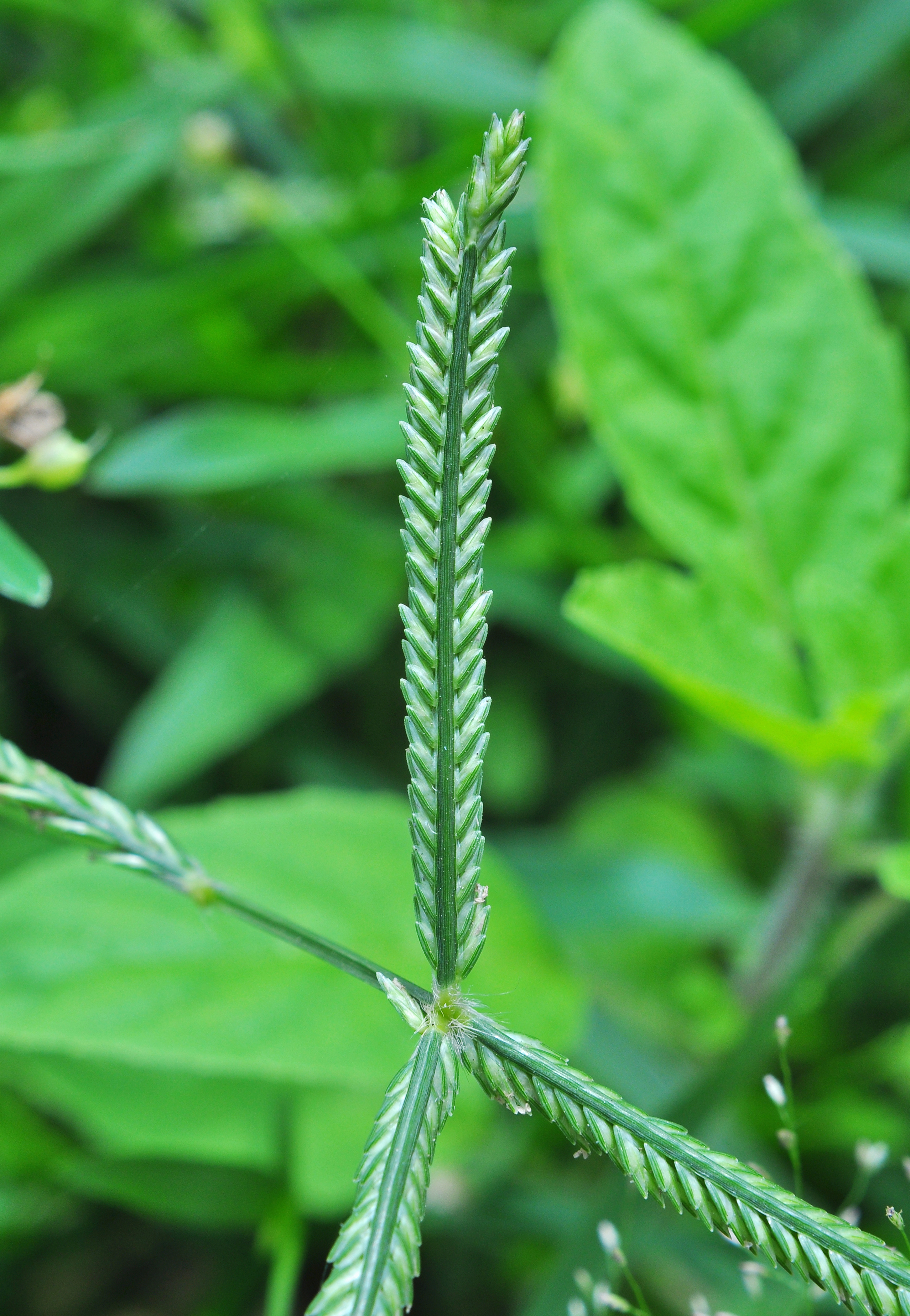
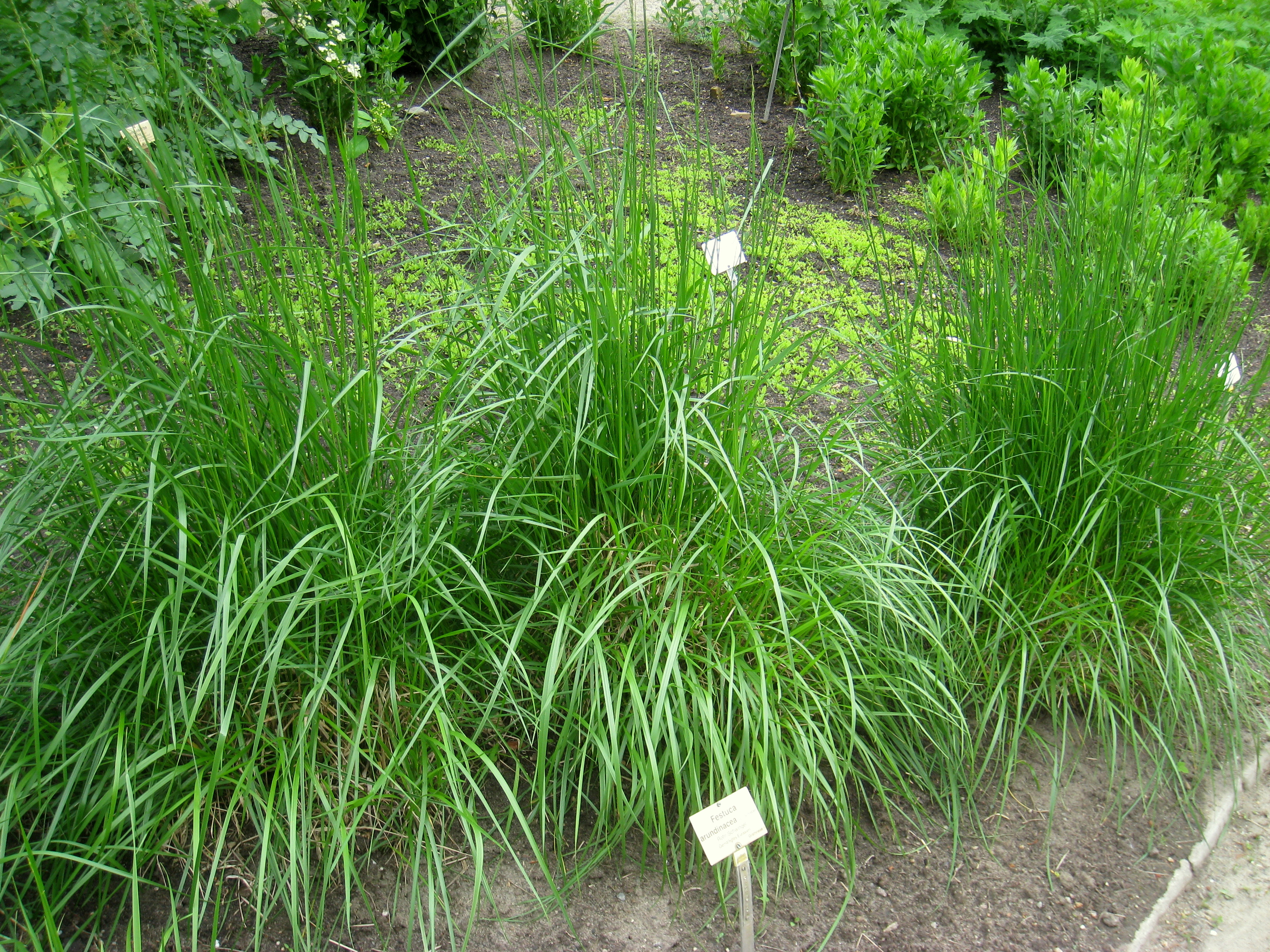
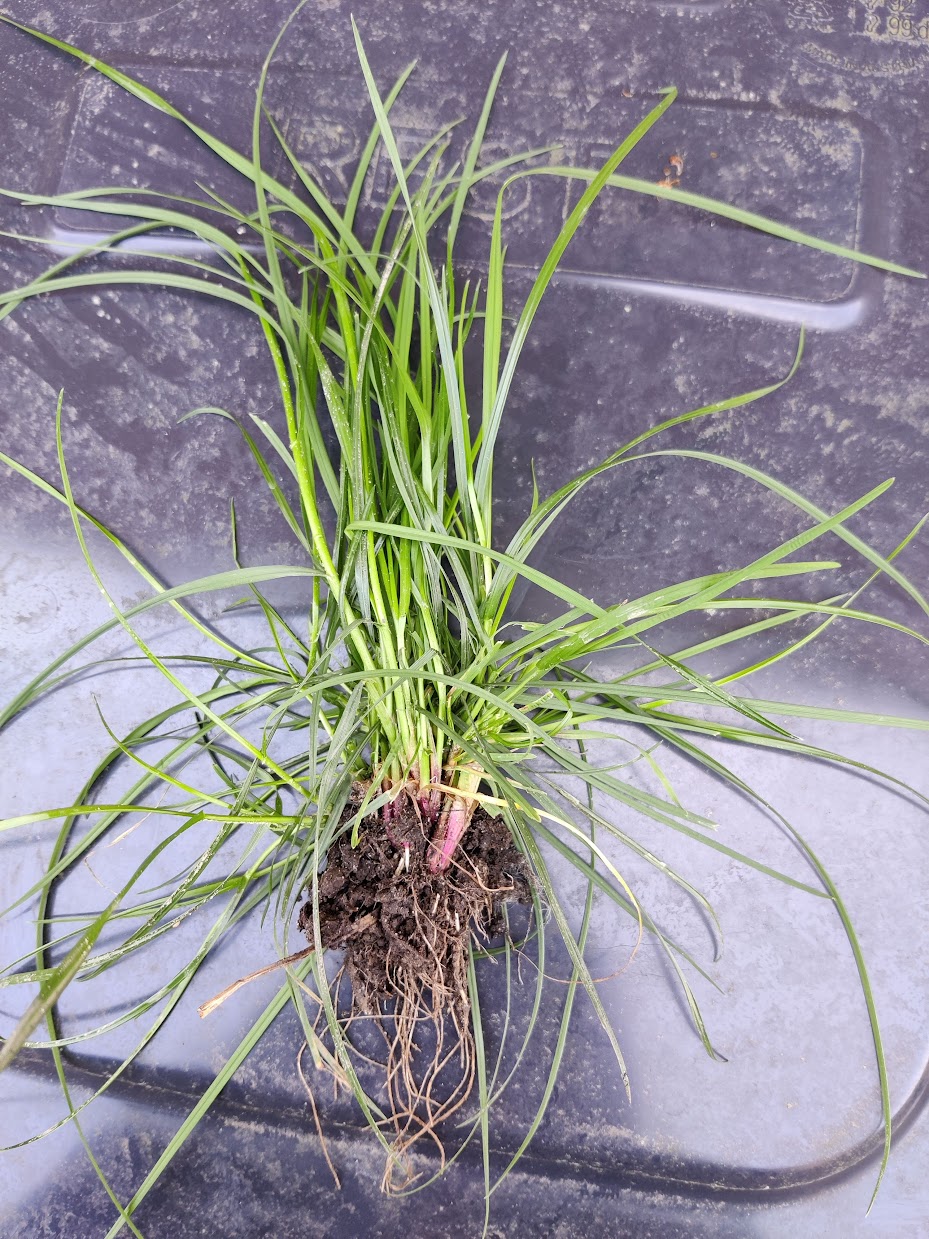
Tall Fescue Perennial Ryegrass Kentucky Bluegrass Bermuda Grass
Soil Amendments to Repair and Prevent Damage
Improving soil health helps buffer the effects of dog urine. Here are key soil amendments:
Gypsum
Gypsum (calcium sulfate) helps displace sodium and other harmful salts from the soil, reducing toxicity. Apply according to package instructions, usually a few times per year.
Compost and Organic Matter
Adding compost improves soil structure, water retention, and beneficial microbial populations that help neutralize harmful compounds from urine.
pH Testing and Adjustment
Dog urine can alter soil pH. Testing your soil and applying lime (to raise pH) or sulfur (to lower pH) as needed creates a more balanced environment for grass recovery.
Lawn Care Strategies to Fix Dog Urine Damage
Immediate Watering
Dilute urine spots by immediately watering the area with a few gallons of water. This reduces nitrogen concentration and salt buildup.
Regular Mowing and Fertilizing
Keep grass healthy with regular mowing at the recommended height for your turf type. Use a balanced fertilizer to encourage strong root growth but avoid over-fertilizing, which compounds nitrogen levels.
Reseeding and Patch Repair
For damaged spots, rake away dead grass, loosen soil, and reseed with urine-resistant grass seed. Keep moist until established.
Training Your Dog
Encourage your dog to urinate in a designated area, such as a gravel or mulch bed, to protect the rest of your lawn. Positive reinforcement and leash control can help.
Protecting Your Lawn from Future Damage
Designated Potty Areas
Create a dedicated potty zone with mulch, pea gravel, or artificial turf. Train your dog to use this spot to minimize damage.
Frequent Watering
Regular lawn watering helps flush salts and nitrogen from the soil, especially in high-traffic dog areas.
Use Lawn Protectants
There are lawn products designed to neutralize nitrogen and salts, such as lawn amendments with biochar or specialized microbes.
Pet Safety Note
While managing your lawn, always use pet-safe products. Many common fertilizers and herbicides can be harmful to pets. If your dog shows signs of illness after lawn treatment exposure, contact the ASPCA Animal Poison Control Center at 888-426-4435.
Wildlife Resistance Disclaimer
Although certain grasses and garden practices may reduce damage from deer, rabbits, or groundhogs, no plant or method is completely wildlife-resistant. Results vary by location and animal behavior.
Conclusion
A dog urine killing lawn fix is achievable through selecting tolerant grass types like tall fescue and perennial ryegrass, improving soil with gypsum and compost, diligent lawn care, and training your dog to use a specific area. These combined strategies will help restore your lawn’s health and prevent future damage.
Try the Plant Finder wizard to discover the best grasses and plants for your specific climate and yard conditions at /wizard.
Gypsum Compost Pea Gravel