FTC Disclosure: This post contains affiliate links. If you make a purchase through these links, PlantWise may earn a commission at no extra cost to you.
If you garden in Zone 5 and struggle with persistent groundhog damage, selecting groundhog resistant plants zone 5 is a smart strategy to protect your landscape. Groundhogs, also called woodchucks, are notorious for feasting on a wide variety of garden plants, causing significant damage. However, certain plants are consistently avoided by groundhogs due to their texture, taste, or scent. By incorporating these plants into your garden, you can reduce groundhog damage without resorting to harmful repellents or traps. Here are 8 of the best groundhog resistant plants that thrive in cold climates like Zone 5 and help keep these critters at bay.
Understanding Groundhog Behavior and Damage
Groundhogs are burrowing rodents that primarily feed on tender vegetation such as leafy greens, flowers, and young shoots. They prefer soft, easy-to-eat plants and tend to avoid bitter, aromatic, or tough foliage. Groundhogs are most active during the warmer months and can strip your garden quickly if inviting plants are available.
While no plant is completely groundhog-proof, choosing those that groundhogs tend to avoid can reduce damage. Combining resistant plants with other deterrents like fencing can offer better protection. Keep in mind that wildlife resistance is never guaranteed, as hungry animals may occasionally try otherwise unpreferred plants.
🌱 Get Personalized Plant Picks
Answer a few quick questions and we’ll match plants to your exact yard conditions.
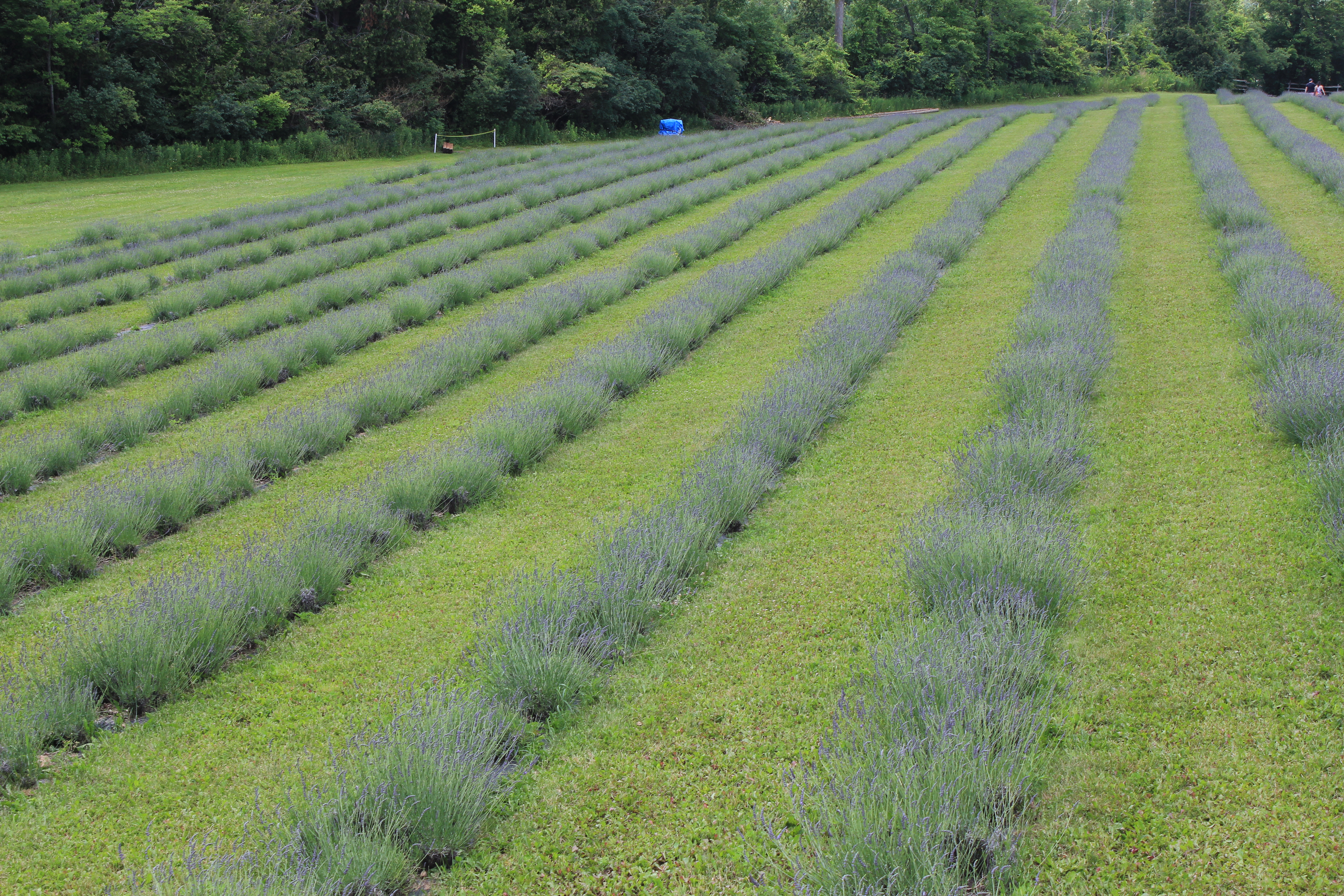
Find My Plants →1. Lavender (Lavandula angustifolia)
Lavender is renowned for its fragrant purple blooms and silvery-green foliage. Its strong, aromatic scent is a natural deterrent to many pests including groundhogs. Lavender thrives in Zone 5’s cool climate and well-drained soils, making it a perfect choice for borders or herb gardens.
Groundhogs generally find the texture and scent unappealing and avoid eating lavender, allowing it to flourish even in wildlife-prone areas.
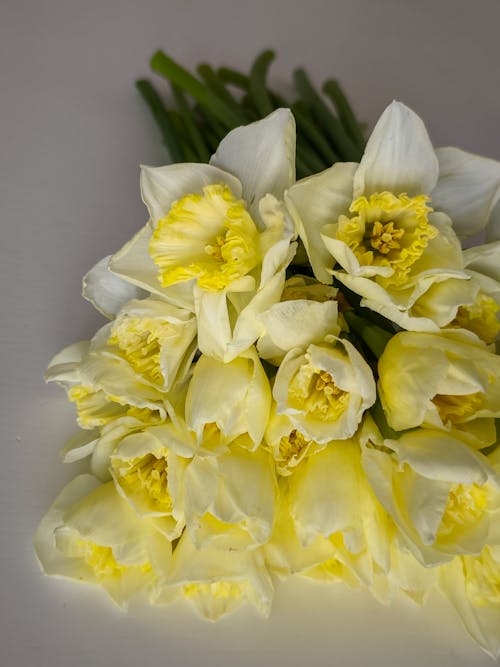
2. Daffodils (Narcissus spp.)
Daffodils are spring-blooming bulbs with bright yellow or white flowers. They contain toxic compounds that make them unpalatable to groundhogs and other mammals. Once planted, daffodils naturalize and return year after year, providing early color and a robust deterrent.
Plant bulbs in fall for spring blooms. Their toxicity helps keep them safe from most garden pests, including groundhogs.
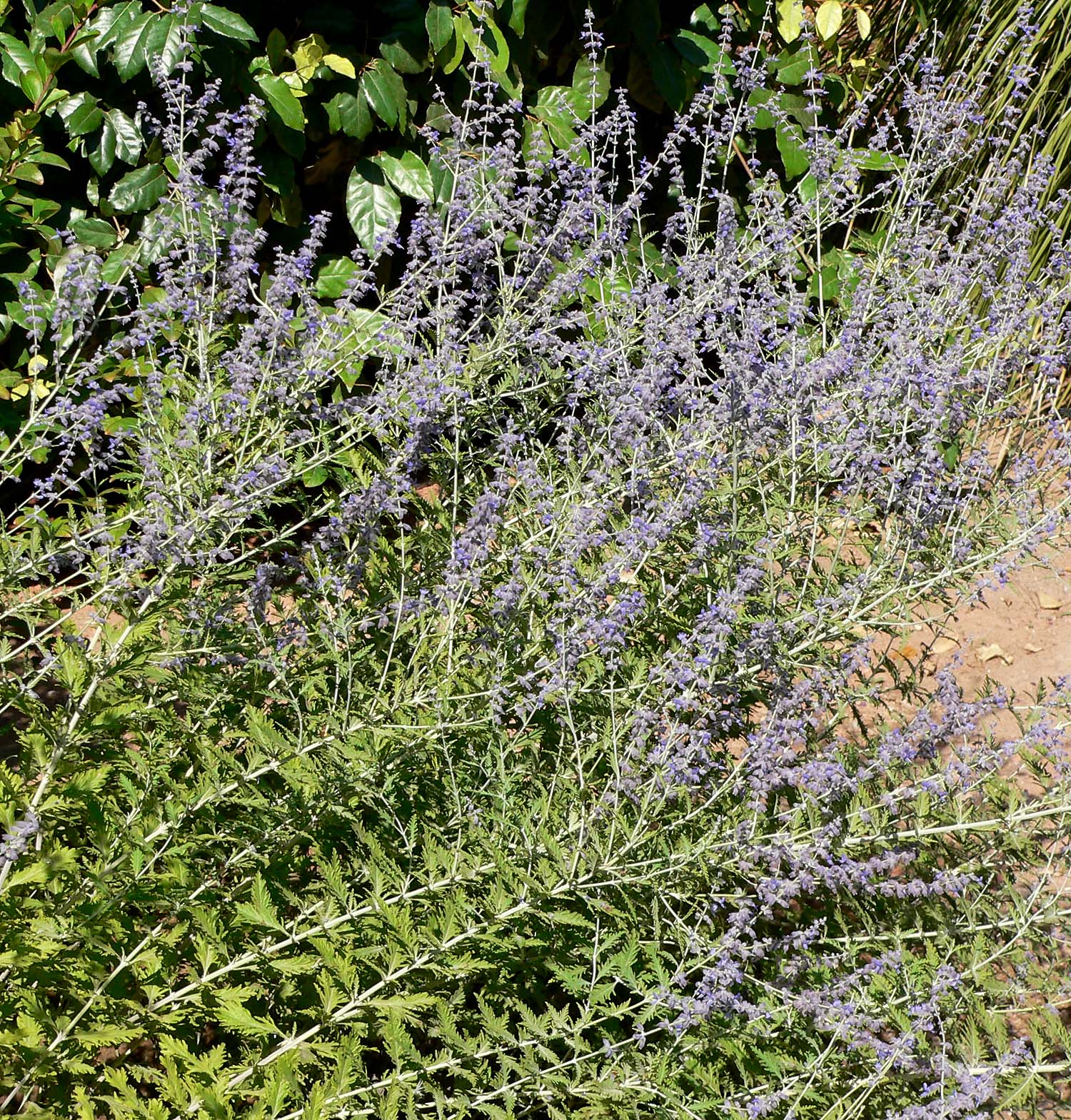
3. Russian Sage (Perovskia atriplicifolia)
Russian sage’s aromatic, gray-green foliage and tall spires of lavender-blue flowers repel many herbivores. This drought-tolerant perennial thrives in Zone 5 full sun and well-drained soils. Its strong scent and rough texture are disliked by groundhogs.
Add Russian sage to borders or mass plantings for a low-maintenance, groundhog-resistant option.
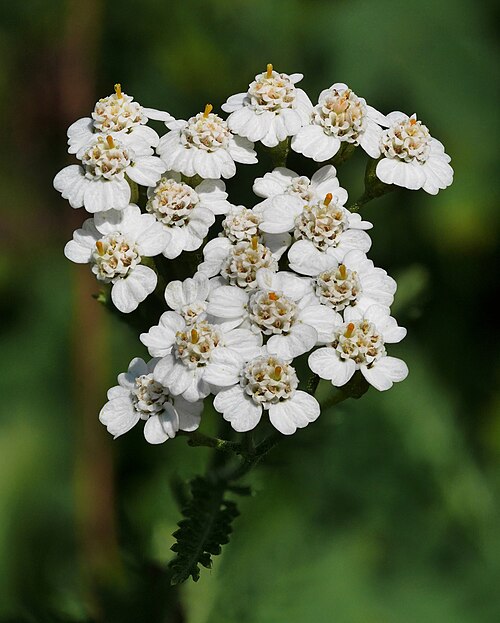
4. Yarrow (Achillea millefolium)
Yarrow is a hardy perennial with feathery foliage and flat clusters of tiny flowers. Its bitter taste and tough texture typically discourage groundhogs from nibbling. Yarrow is tolerant of cold winters in Zone 5 and can grow in a range of soil types.
It also attracts beneficial insects, making it a great addition to pollinator gardens.
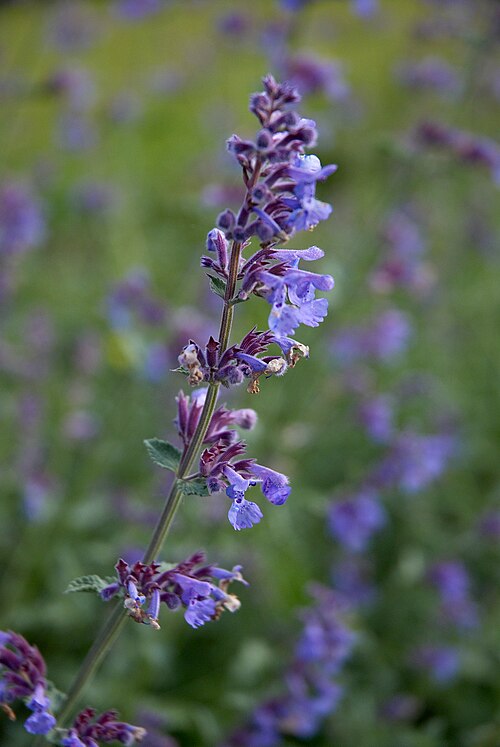
5. Catmint (Nepeta spp.)
Catmint produces aromatic gray-green leaves and spikes of lavender flowers. The minty fragrance and slightly fuzzy leaves are unattractive to groundhogs. This perennial is cold hardy to Zone 5 and blooms from late spring through summer.
Use catmint as a border plant or groundcover to add color and aroma while deterring herbivores.
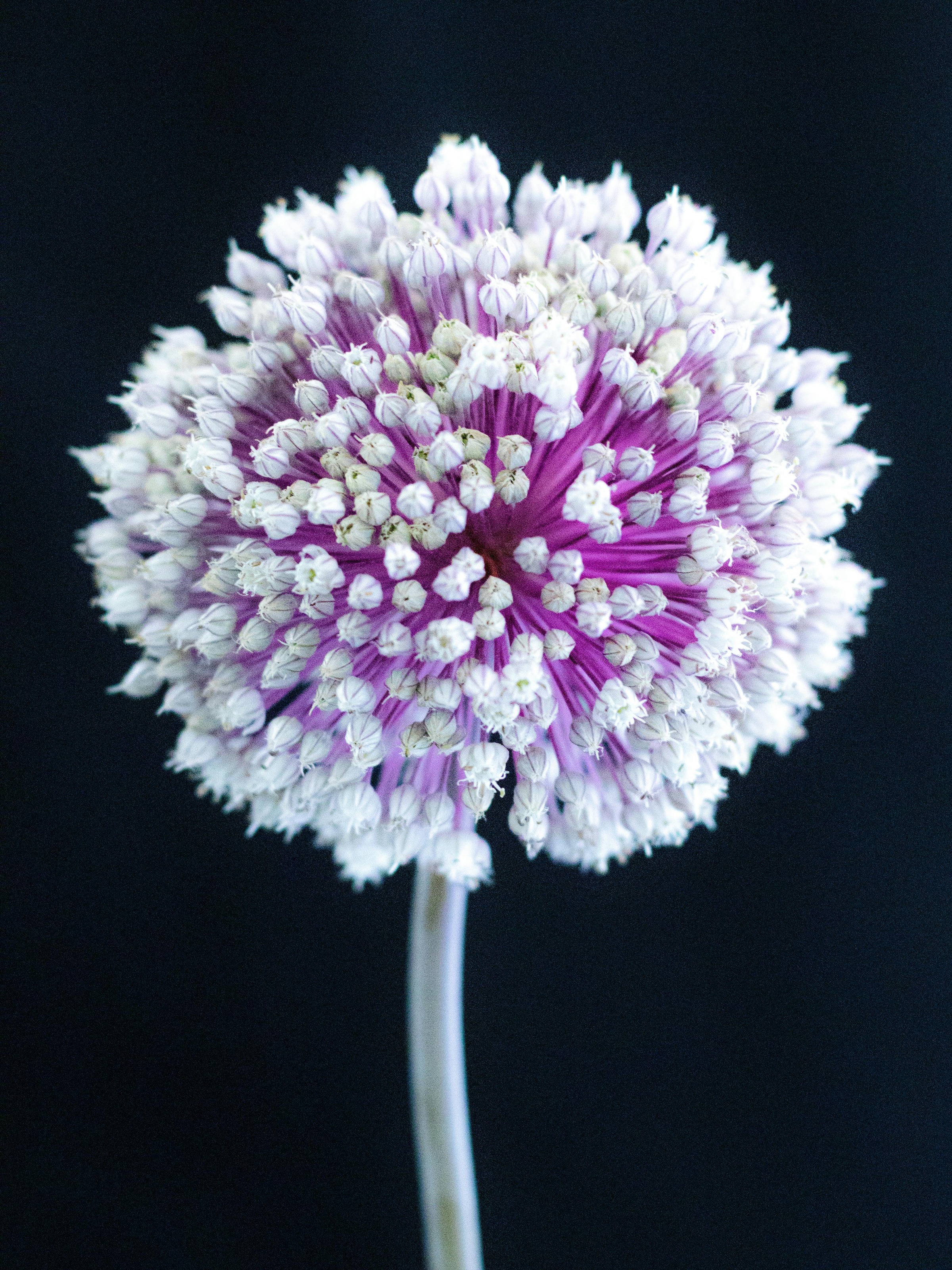
6. Alliums (Allium spp.)
Ornamental alliums produce striking globe-shaped flower heads and belong to the onion family. Their pungent scent and bulb structure are generally avoided by groundhogs. Alliums grow well in Zone 5 and naturalize if left undisturbed.
Plant them alongside other perennials for added interest and pest resistance.
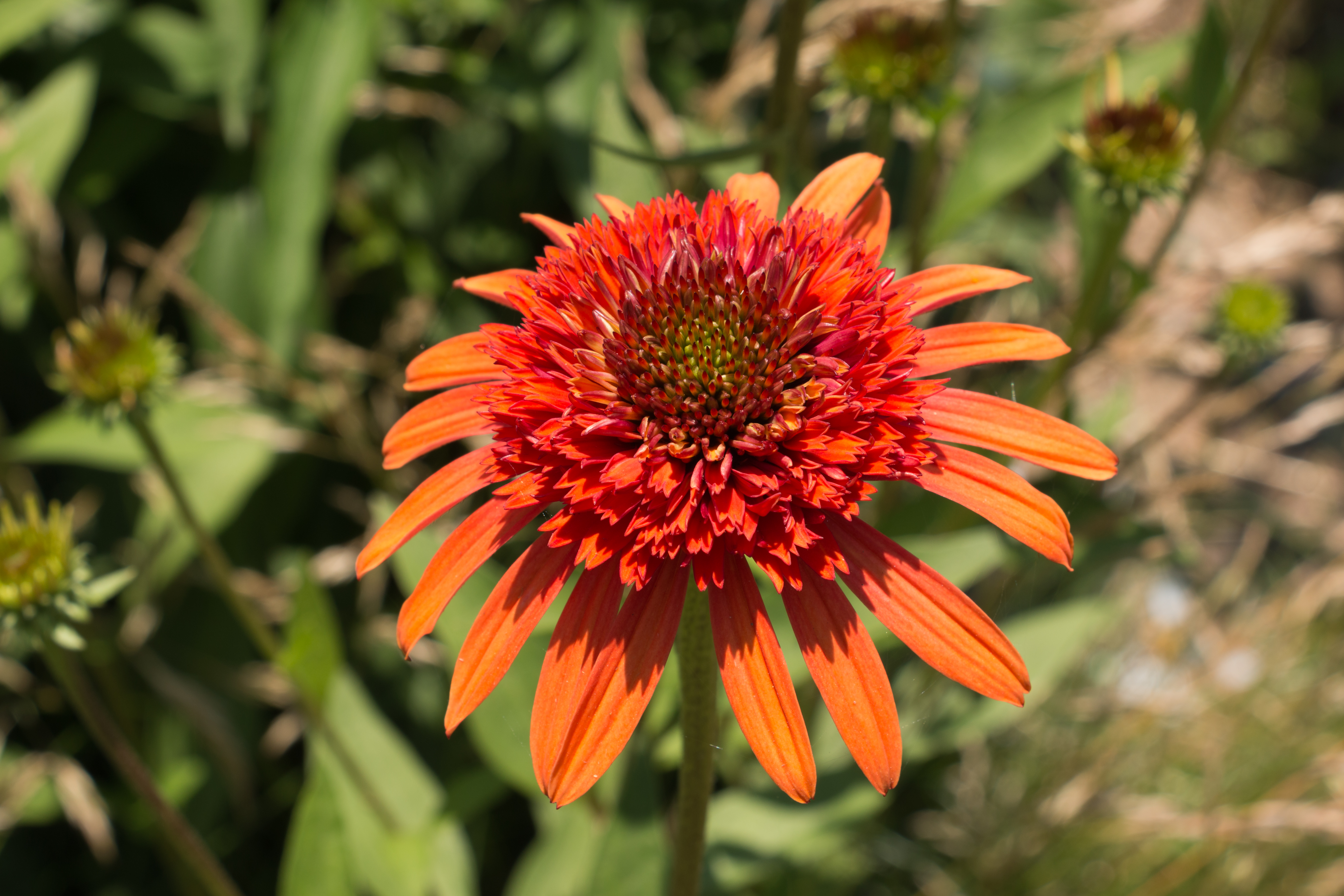
7. Coneflower (Echinacea purpurea)
Coneflowers have sturdy stems and tough leaves with large, daisy-like flowers. Their coarse texture and mild bitterness reduce appeal to groundhogs. Coneflowers are hardy in Zone 5 and attract pollinators, making them a garden favorite.
They also tolerate drought and poor soil, providing reliable color season after season.
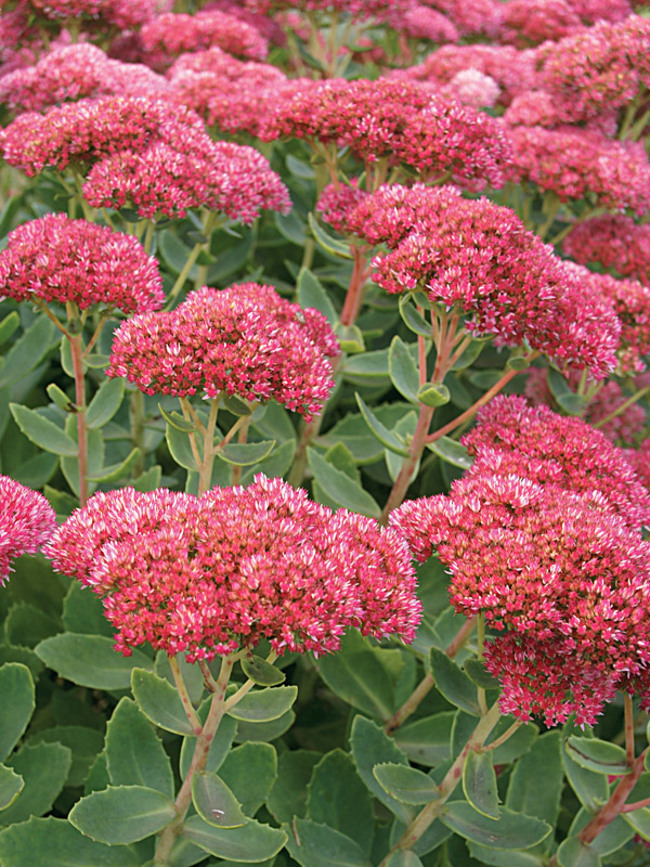
8. Sedum (Sedum spp.)
Sedums, or stonecrops, are succulent perennials with fleshy leaves that retain water. Their thick, waxy foliage is unappetizing to groundhogs. Sedums are extremely cold tolerant, thriving in Zone 5’s challenging conditions.
These low-maintenance plants are perfect for rock gardens, borders, and container plantings.
Additional Tips to Protect Your Garden from Groundhogs
Physical Barriers: Use sturdy fencing buried at least 12 inches underground to prevent burrowing. Hardware cloth with 1-inch mesh is effective.
Habitat Modification: Remove dense brush or tall grass near your garden where groundhogs hide.
Plant Diversity: Incorporate a mix of resistant plants along with your favorites to confuse and discourage feeding.
Repellents: Commercial or homemade repellents may offer short-term relief but often need frequent reapplication.
Important Note on Wildlife Resistance
While these plants are generally avoided by groundhogs, no plant is completely immune to all wildlife damage. Hungry animals may occasionally nibble on resistant species, especially during scarce food periods. Combining resistant plants with other control methods will maximize your success.
Pet Safety Reminder
Many plants, including some listed here, are not listed as toxic but may still cause mild irritation or digestive upset in pets if ingested. Always monitor pets around garden plants and contact the ASPCA Animal Poison Control Center at 888-426-4435 if you suspect poisoning.
Choosing the right plants is a crucial step towards managing groundhog problems in Zone 5 gardens. Incorporate these 8 groundhog resistant plants to enjoy a more resilient and beautiful garden without constant pest damage.
Ready to find the perfect plants for your yard? Try the Plant Finder wizard at /wizard and get personalized recommendations for your growing zone and garden style!