FTC Disclosure: This post contains affiliate links. As an Amazon Associate, we earn from qualifying purchases at no extra cost to you.
8 Best Groundhog-Resistant Plants for Zone 6
If you’re gardening in Zone 6 and struggling with pesky groundhogs munching on your plants, you’re not alone. Groundhogs can cause significant damage to gardens by feeding on tender shoots, leaves, and fruits. Fortunately, some plants are naturally avoided by groundhogs due to their taste, texture, or scent. Choosing groundhog resistant plants for Zone 6 can help protect your garden while maintaining a vibrant and attractive landscape. Here are eight plants that groundhogs tend to steer clear of, perfect for gardeners dealing with these critters.
🌱 Get Personalized Plant Picks
Answer a few quick questions and we’ll match plants to your exact yard conditions.
Find My Plants →Understanding Groundhog Behavior in Zone 6
Groundhogs (Marmota monax), also known as woodchucks, are common in USDA Zone 6 and thrive in areas with plenty of vegetation and good cover. They are herbivores with a preference for tender greens, but their tastes can vary locally. While no plant is absolutely "groundhog-proof," some species are less palatable and therefore less likely to be damaged. Incorporating these plants into your garden can reduce groundhog damage and promote a healthier yard.
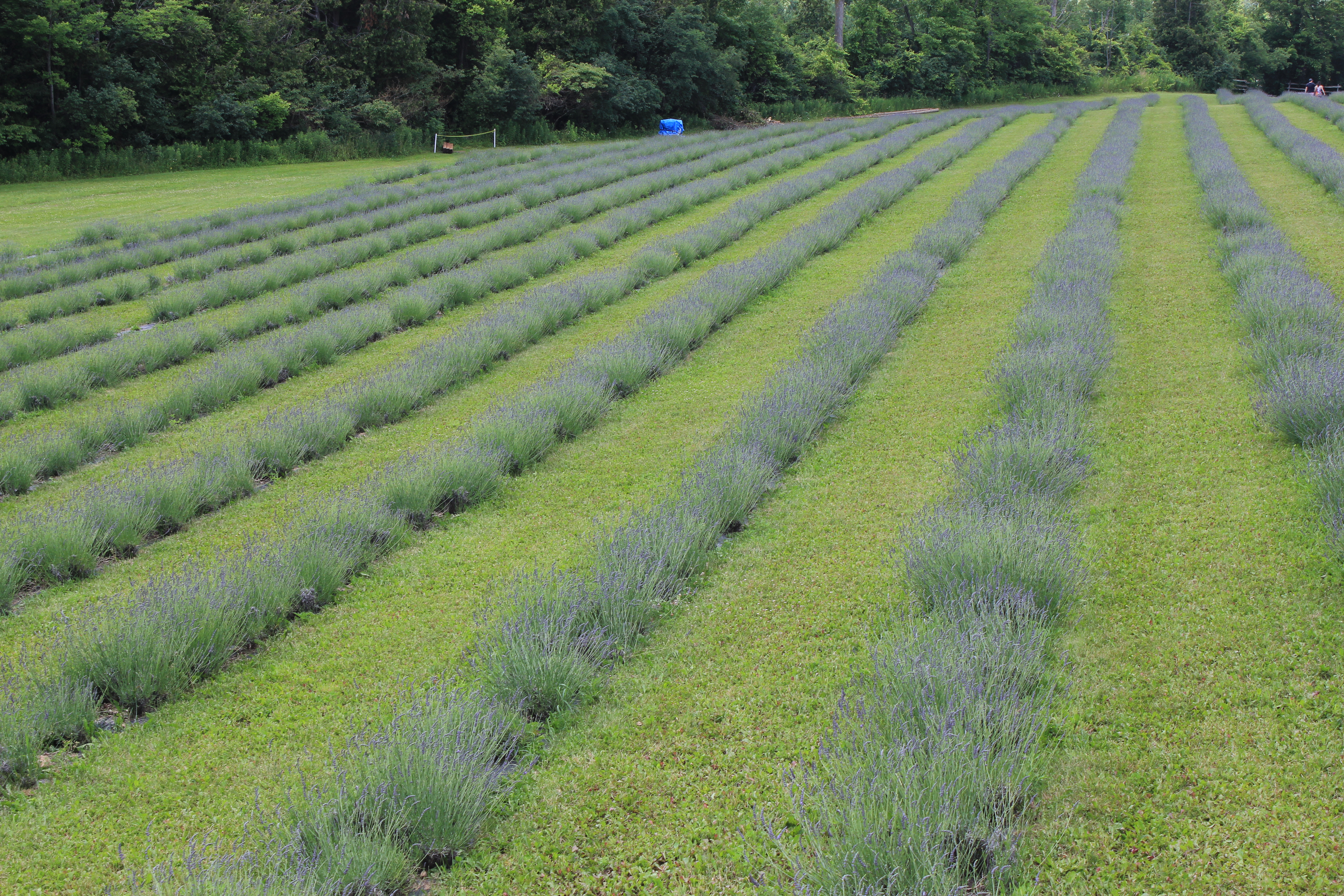
1. Lavender (Lavandula angustifolia)
Lavender is a fragrant, drought-tolerant perennial that is often avoided by groundhogs. Its strong scent and slightly tough, aromatic leaves are unappealing to many herbivores. Besides its groundhog resistance, lavender attracts beneficial pollinators like bees and butterflies, making it a great addition to any garden.
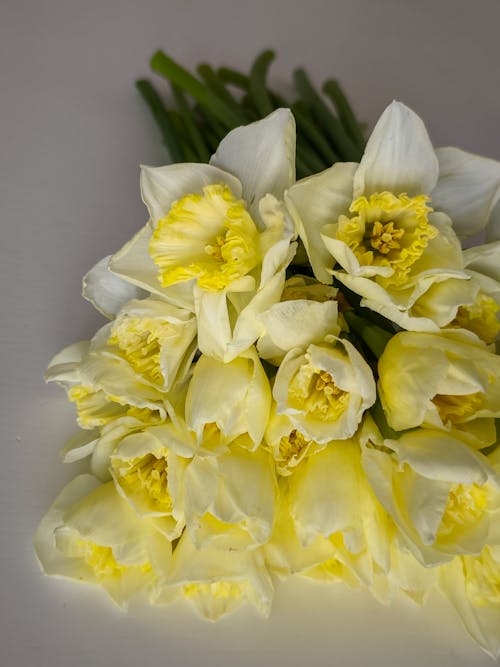
2. Daffodils (Narcissus spp.)
Daffodils are bulbous perennials that contain toxic alkaloids, which deter most animals, including groundhogs. Their bright yellow flowers add early spring color to your garden, and their toxicity means groundhogs usually leave them alone. However, always keep pets and children away from daffodils, as ingestion can cause adverse effects.
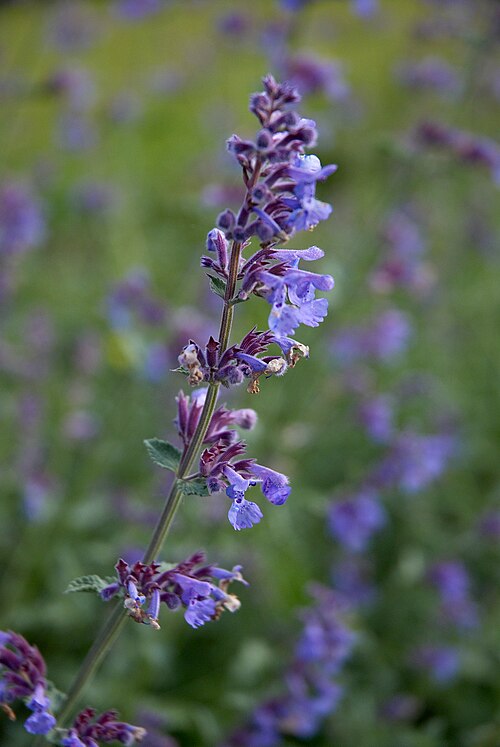
3. Catmint (Nepeta faassenii)
Catmint is a hardy, aromatic perennial with gray-green foliage and delicate lavender-blue flowers. Its scent is unattractive to groundhogs and many other herbivores. Catmint thrives in full sun to partial shade and is drought tolerant once established, making it ideal for Zone 6 gardens.
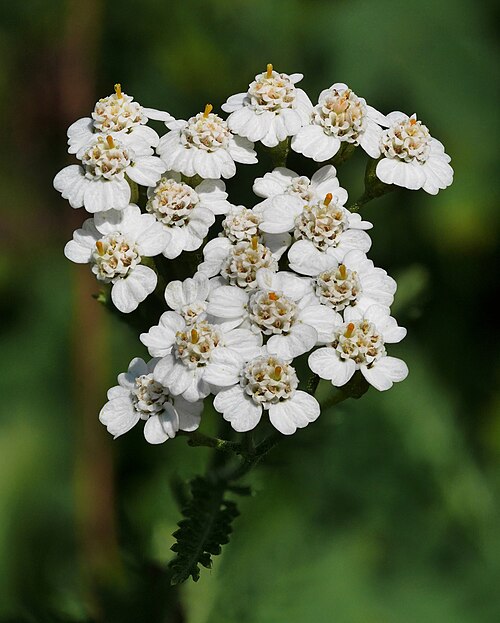
4. Yarrow (Achillea millefolium)
Yarrow is a tough, drought-tolerant perennial with feathery foliage and clusters of tiny flowers. Its bitter taste and strong aroma discourage groundhogs from feeding on it. Yarrow is also deer-resistant and attracts beneficial insects, making it a versatile garden choice.
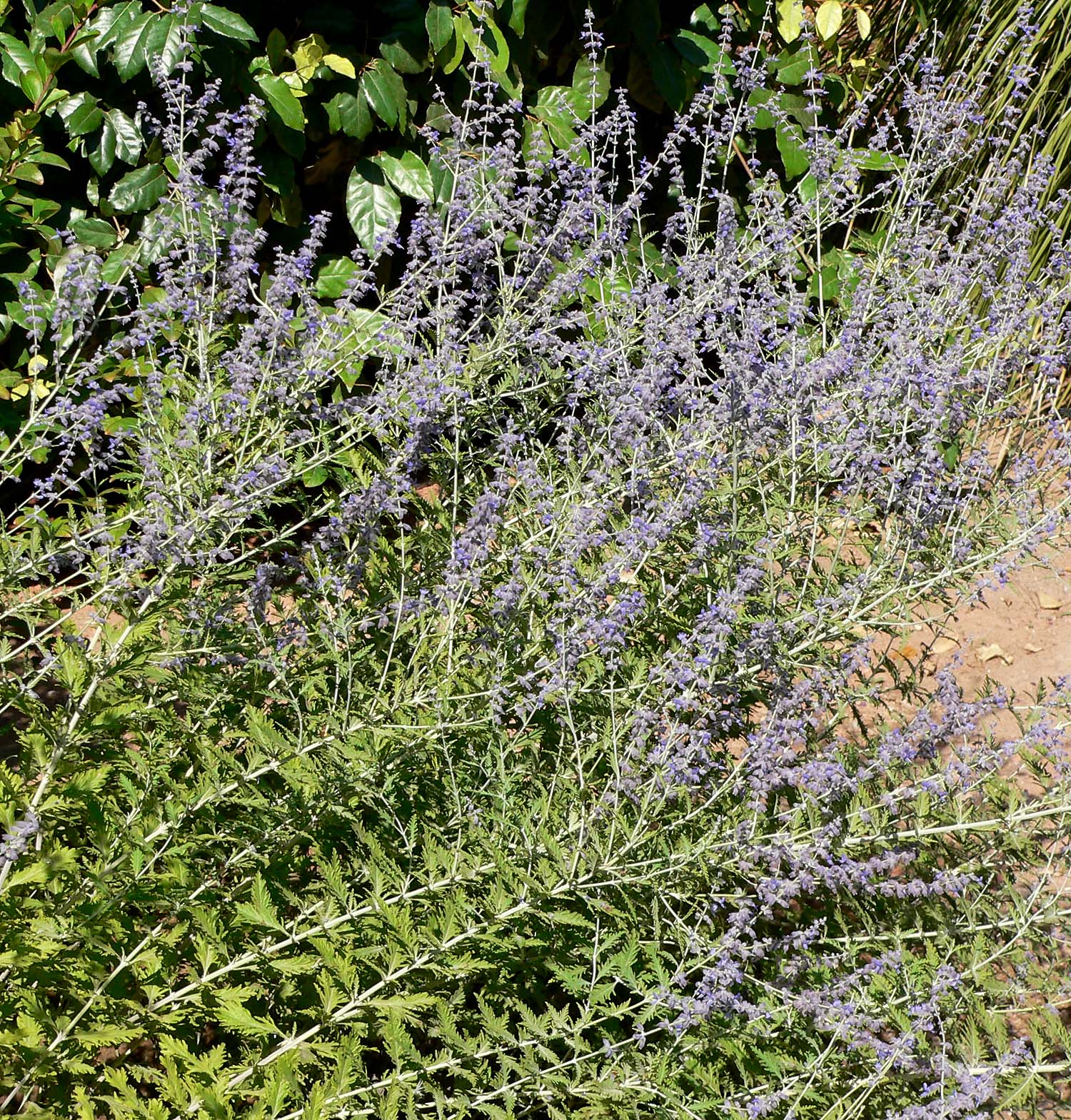
5. Russian Sage (Perovskia atriplicifolia)
Russian sage is a woody perennial with silvery-green leaves and tall spires of lavender-blue flowers. Its strong aroma and coarse texture make it unappealing to groundhogs. This plant thrives in full sun and well-drained soil and brings a lovely airy texture to the garden.
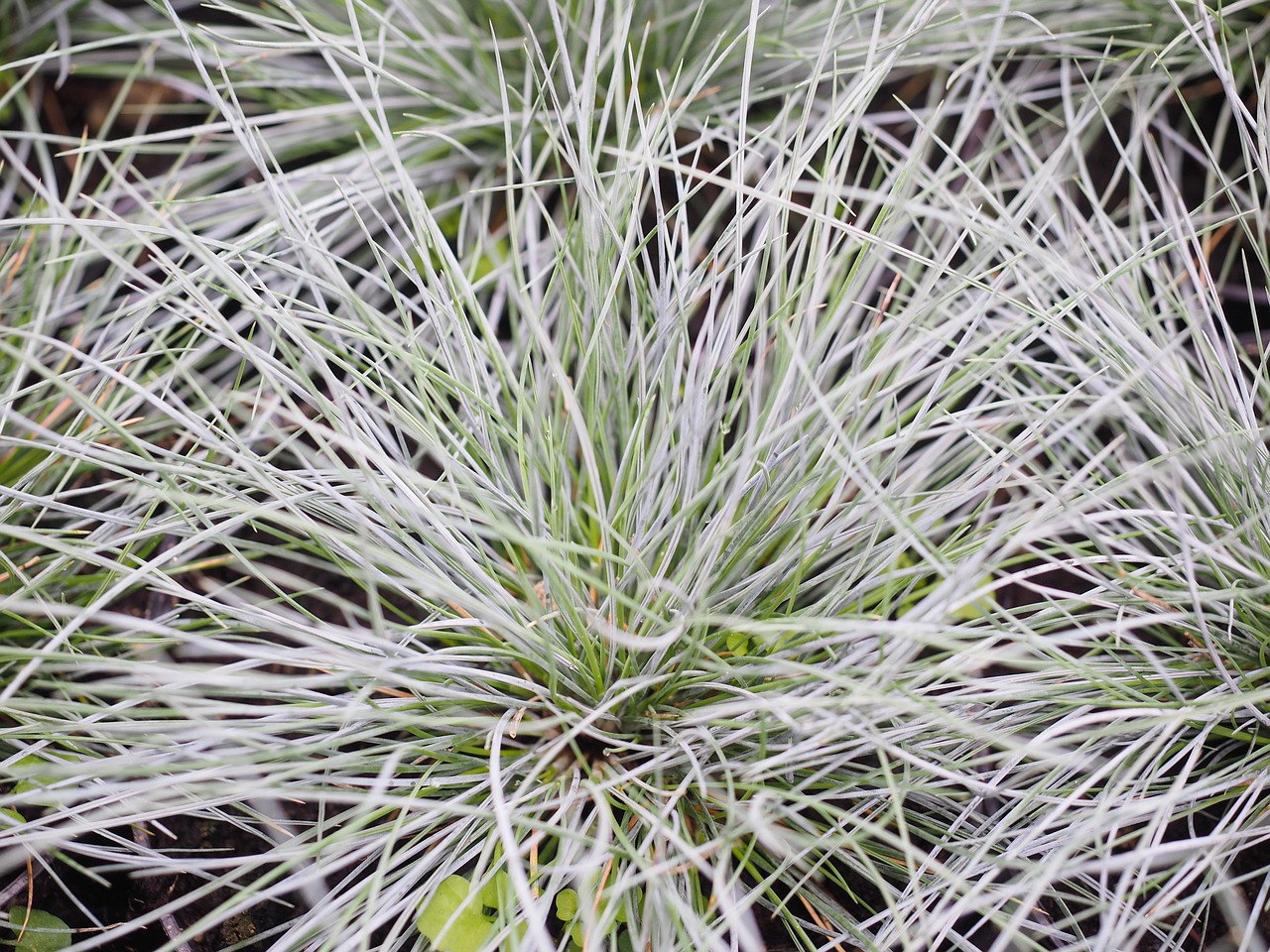
6. Ornamental Grasses
Many ornamental grasses, such as fountain grass (Pennisetum alopecuroides) or blue fescue (Festuca glauca), are generally avoided by groundhogs because of their tough, fibrous leaves. These grasses add texture and movement to garden beds and are well-suited for Zone 6 climates.
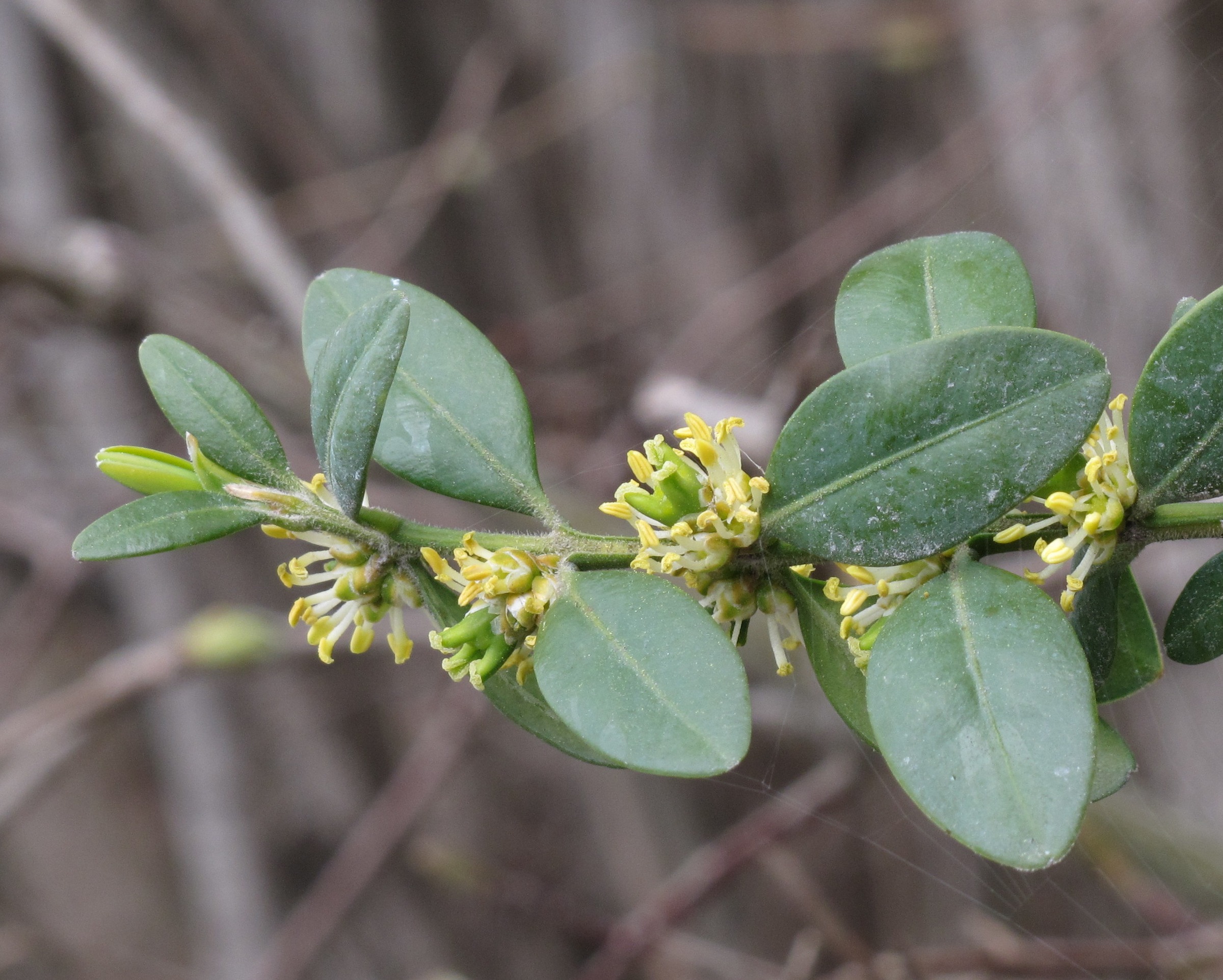
7. Boxwood (Buxus spp.)
Boxwood shrubs have dense, leathery evergreen leaves that groundhogs rarely browse. They provide year-round structure and can be shaped into hedges or specimen plants. Boxwoods prefer partial to full sun and well-drained soil in Zone 6.
8. Ferns
Many fern species, such as the lady fern (Athyrium filix-femina) or ostrich fern (Matteuccia struthiopteris), are unappealing to groundhogs due to their texture and taste. Ferns thrive in shady, moist garden spots and add lush greenery without attracting these rodents.
Tips for Managing Groundhogs in Zone 6 Gardens
While planting groundhog resistant plants is a great start, combining these choices with other strategies can improve your garden’s defense:
- Physical Barriers: Install fencing buried at least 12 inches underground to prevent burrowing.
- Remove Attractants: Keep your garden free of fallen fruit and debris that can attract groundhogs.
- Habitat Modification: Trim dense brush and tall grass near your garden to reduce hiding spots.
- Repellents: Commercial or homemade repellents can provide temporary relief but may require frequent reapplication.
Pet Safety Reminder
Some plants mentioned, such as daffodils, contain toxic compounds and should be kept away from pets. If your pet ingests a potentially toxic plant, contact the ASPCA Animal Poison Control Center immediately at 888-426-4435.
Wildlife Resistance Disclaimer
While these plants are generally avoided by groundhogs, no plant is completely resistant to all wildlife. Feeding preferences of deer, rabbits, and groundhogs can vary locally.
Conclusion
Selecting groundhog resistant plants for Zone 6 can significantly reduce damage to your garden while adding beauty and diversity. Lavender, daffodils, catmint, yarrow, Russian sage, ornamental grasses, boxwood, and ferns are excellent choices to deter groundhogs naturally. Incorporate these plants alongside physical barriers and habitat management for the best results.
Explore more about plants suitable for your garden by trying our Plant Finder wizard at /wizard to get personalized recommendations based on your preferences and growing zone.
Happy gardening!