FTC Disclosure:
If you're gardening in Zone 6 and struggling to protect your plants from hungry rabbits, you're not alone. Rabbits can wreak havoc on tender foliage, but the good news is there are several rabbit resistant plants zone 6 gardeners can rely on. These plants have qualities that rabbits tend to avoid, such as tough leaves, strong scents, or bitter tastes, helping you maintain a beautiful, rabbit-free garden.
Understanding Rabbit Resistance in Plants
Rabbits are selective eaters, often avoiding plants with fuzzy, tough, or aromatic leaves. While no plant is completely rabbit-proof, choosing plants that rabbits generally dislike can significantly reduce damage. In Zone 6, which includes parts of the Midwest and Northeast U.S., winters can be cold, so it's important to select plants that are both hardy to this climate and less appealing to rabbits.
Before planting, keep in mind that hungry rabbits may nibble almost anything if food is scarce, so even rabbit resistant plants should be monitored. Additionally, no plant is guaranteed to be completely safe for pets, so always check toxicity information if you have dogs or cats.
🌱 Get Personalized Plant Picks
Answer a few quick questions and we’ll match plants to your exact yard conditions.
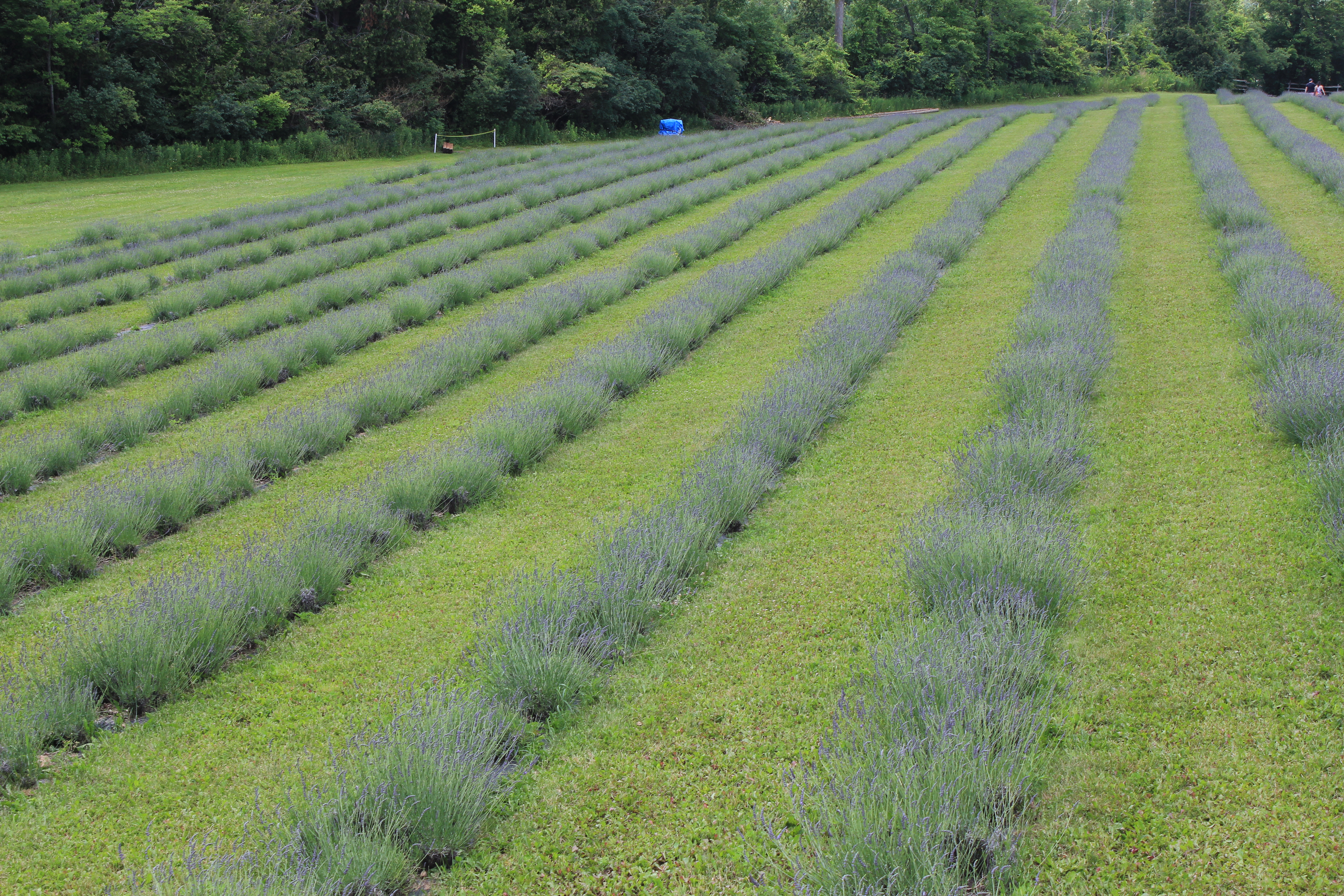
Find My Plants →1. Lavender (Lavandula angustifolia)
Lavender is a fragrant herb with silvery-green foliage and beautiful purple flowers that add color and scent to your garden. Its strong aroma is unappealing to rabbits, making it a great natural barrier. Moreover, lavender is hardy in Zone 6 and thrives in well-drained soil with full sun.
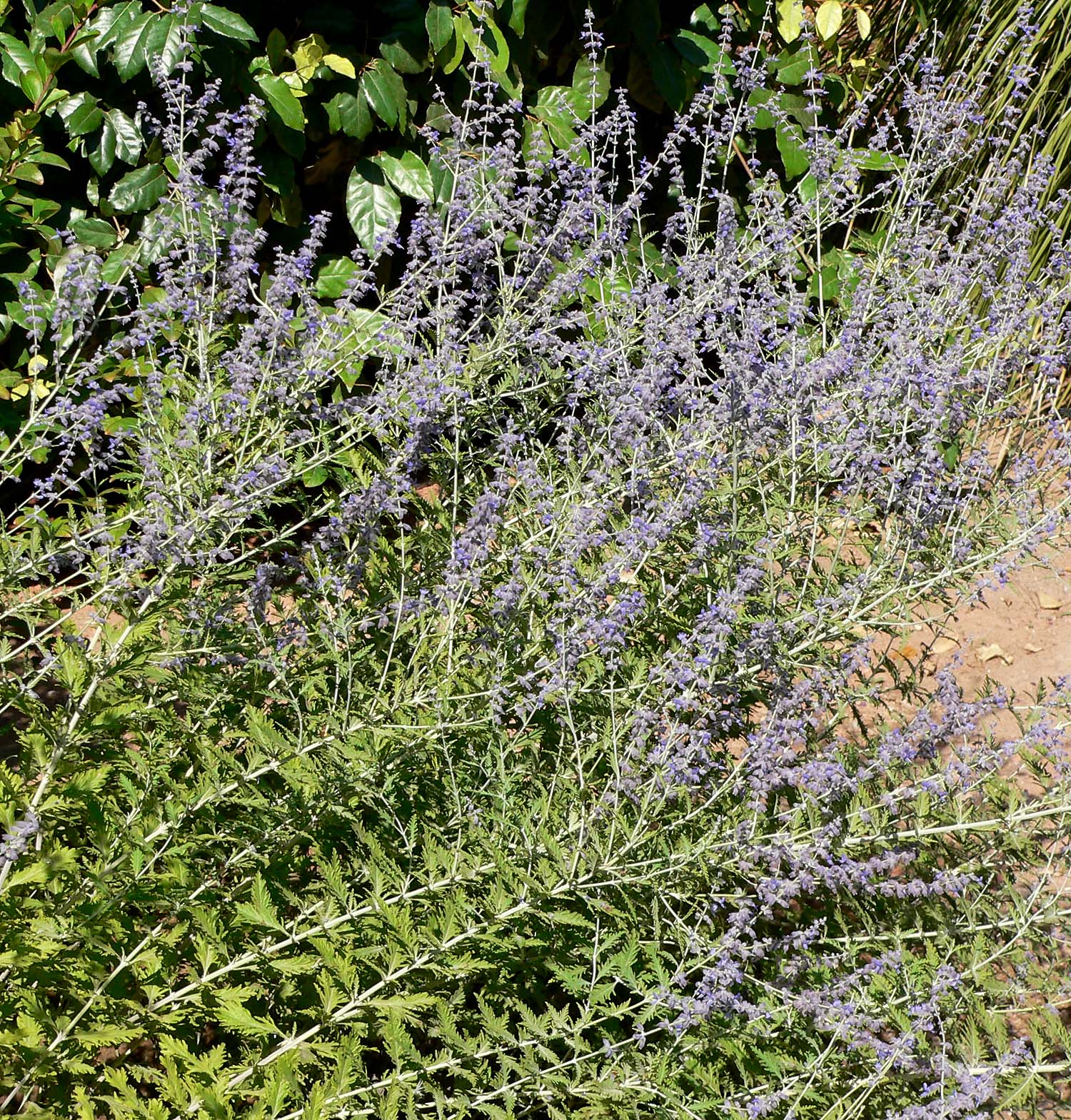
2. Russian Sage (Perovskia atriplicifolia)
Russian Sage is a woody perennial with silvery foliage and spikes of lavender-blue flowers that bloom from mid-summer to fall. Its aromatic leaves deter rabbits, and the plant is drought-tolerant and deer-resistant as well. It can grow 3 to 5 feet tall, creating a striking backdrop in your garden.
3. Daffodils (Narcissus spp.)
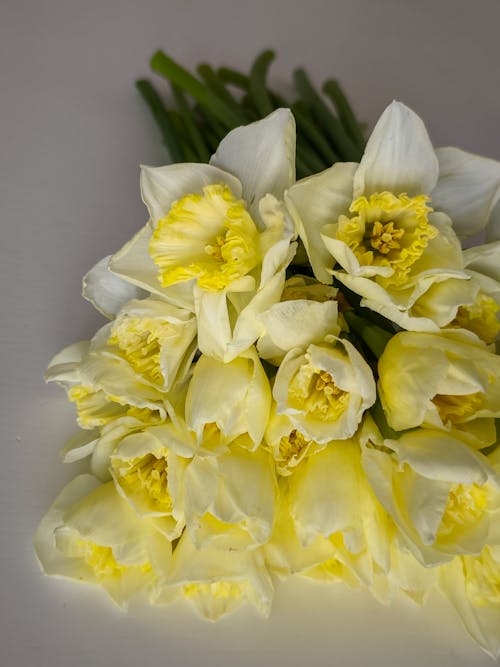
Daffodils are spring-blooming bulbs with bright yellow or white flowers that are toxic if ingested, which naturally discourages rabbits from munching on them. They are hardy in Zone 6 and multiply readily, providing cheerful blooms year after year.
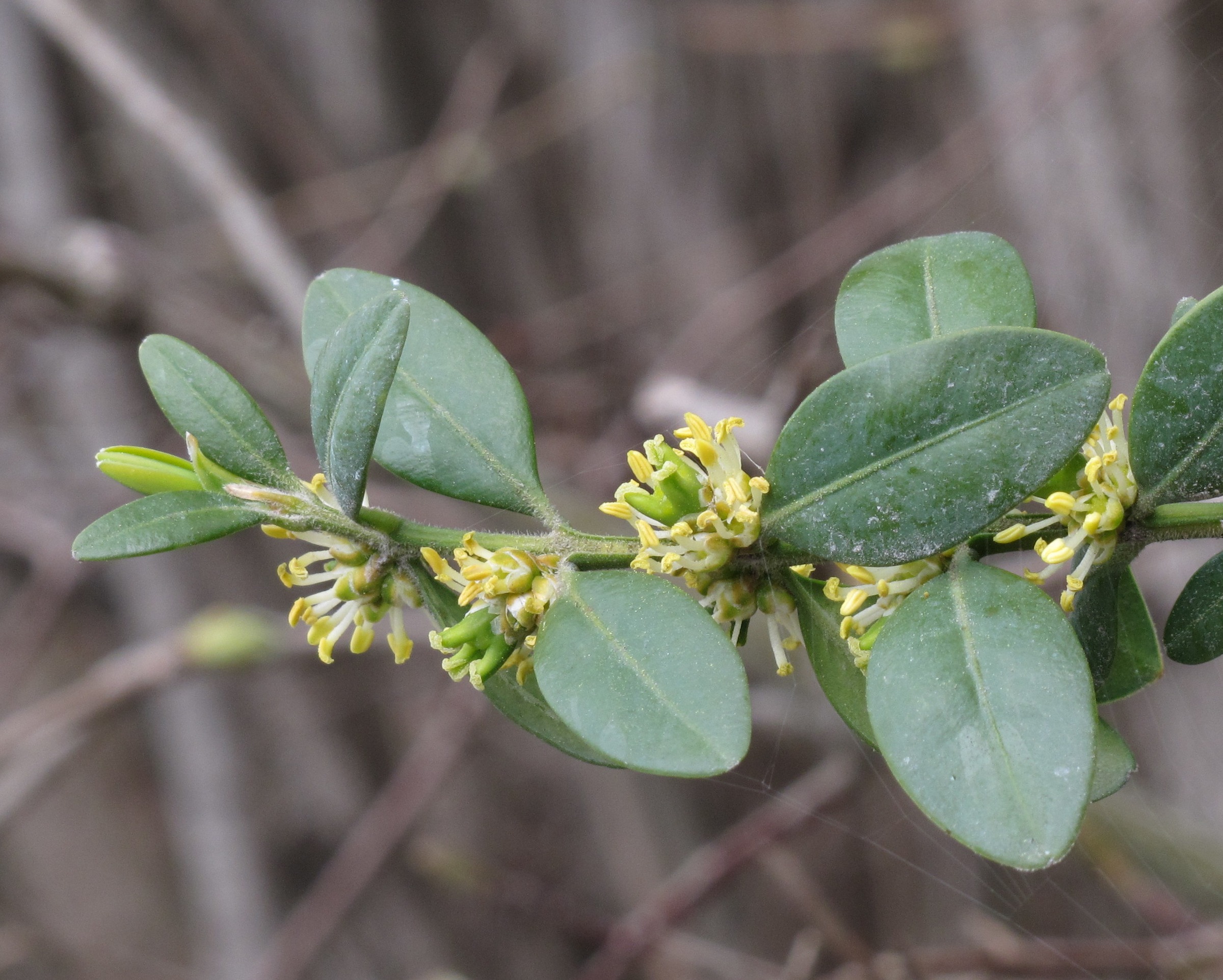
4. Boxwood (Buxus sempervirens)
Boxwood shrubs have dense, evergreen foliage with a slightly bitter taste, making them less attractive to rabbits. They are excellent for formal hedges or foundation plantings and are hardy in Zone 6. Boxwoods also tolerate pruning well, allowing you to shape them as desired.
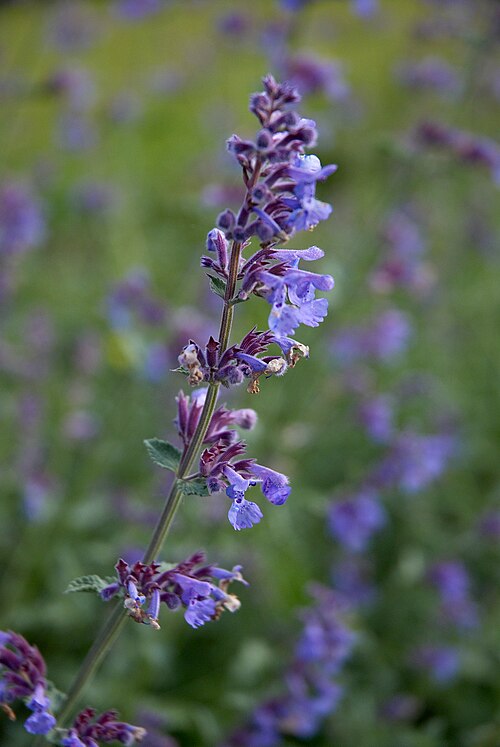
5. Catmint (Nepeta faassenii)
Catmint features aromatic gray-green leaves and spikes of purple flowers that attract pollinators but repel rabbits. It's a hardy perennial that thrives in Zone 6, tolerates drought, and requires minimal care once established. The fragrance is pleasant to humans but discourages rabbits.
Additional Tips for Managing Rabbits in Your Garden
- Physical Barriers: Installing fencing or cages around your most vulnerable plants can provide immediate protection.
- Plant Groupings: Combining rabbit resistant plants with less resistant species can help confuse rabbits and reduce overall damage.
- Avoid Overwatering: Rabid rabbits prefer lush, tender growth; avoiding excessive watering can make plants less attractive.
- Remove Hiding Places: Clearing brush and tall grass near your garden reduces rabbit habitat and discourages their presence.
Pet Safety Reminder
While these plants are rabbit resistant, always remember that some may be listed as toxic or not listed as toxic for dogs and cats. If you have pets, contact the ASPCA Animal Poison Control Center at 888-426-4435 for guidance on plant safety. Your pets' health and safety come first in your garden planning.
Wildlife Resistance Disclaimer
No plant is completely rabbit resistant or deer resistant. Rabbits and other wildlife may browse on plants when food is scarce, so these recommendations are based on general feeding preferences and may not guarantee complete protection.
Conclusion
Choosing rabbit resistant plants in Zone 6 can save your garden from damage while adding beauty and biodiversity. Plants like lavender, Russian sage, daffodils, boxwood, and catmint combine hardiness with natural deterrents that rabbits tend to avoid. Combining these plants with good garden management will help you enjoy a thriving, rabbit-friendly garden space.
Explore more plants suited to your garden by using our Plant Finder wizard at /wizard — start designing your rabbit-resistant garden today!