FTC Disclosure: This post contains affiliate links. As an Amazon Associate, we earn from qualifying purchases at no extra cost to you.
If you live in USDA Hardiness Zone 5 and struggle with rabbits munching on your garden, choosing the right rabbit resistant plants can help protect your landscape from spring through fall. Zone 5 rabbit resistant plants are hardy enough to survive cold winters and have natural qualities like tough textures, strong scents, or bitter flavors that discourage rabbits from feeding on them. In this guide, we’ll cover eight of the best rabbit resistant plants suitable for Zone 5 gardens, helping you create a beautiful, resilient, and wildlife-aware outdoor space.
Understanding Rabbit Resistance in Zone 5 Gardens
Rabbits are notorious for nibbling tender shoots, leaves, and bark, often damaging young plants or prized perennials. In Zone 5, where winters can be harsh, selecting plants that not only survive the cold but also deter rabbits is key. Rabbit resistant plants typically have characteristics such as fuzzy or spiny leaves, strong scents, or toxic compounds that rabbits avoid. However, no plant is completely rabbit-proof—feeding habits vary and some rabbits might sample even resistant plants if food is scarce.
Planting a combination of these plants can reduce the risk of rabbit damage significantly. Additionally, using physical barriers, habitat modification, and repellents can complement your planting strategy.
🌱 Get Personalized Plant Picks
Answer a few quick questions and we’ll match plants to your exact yard conditions.
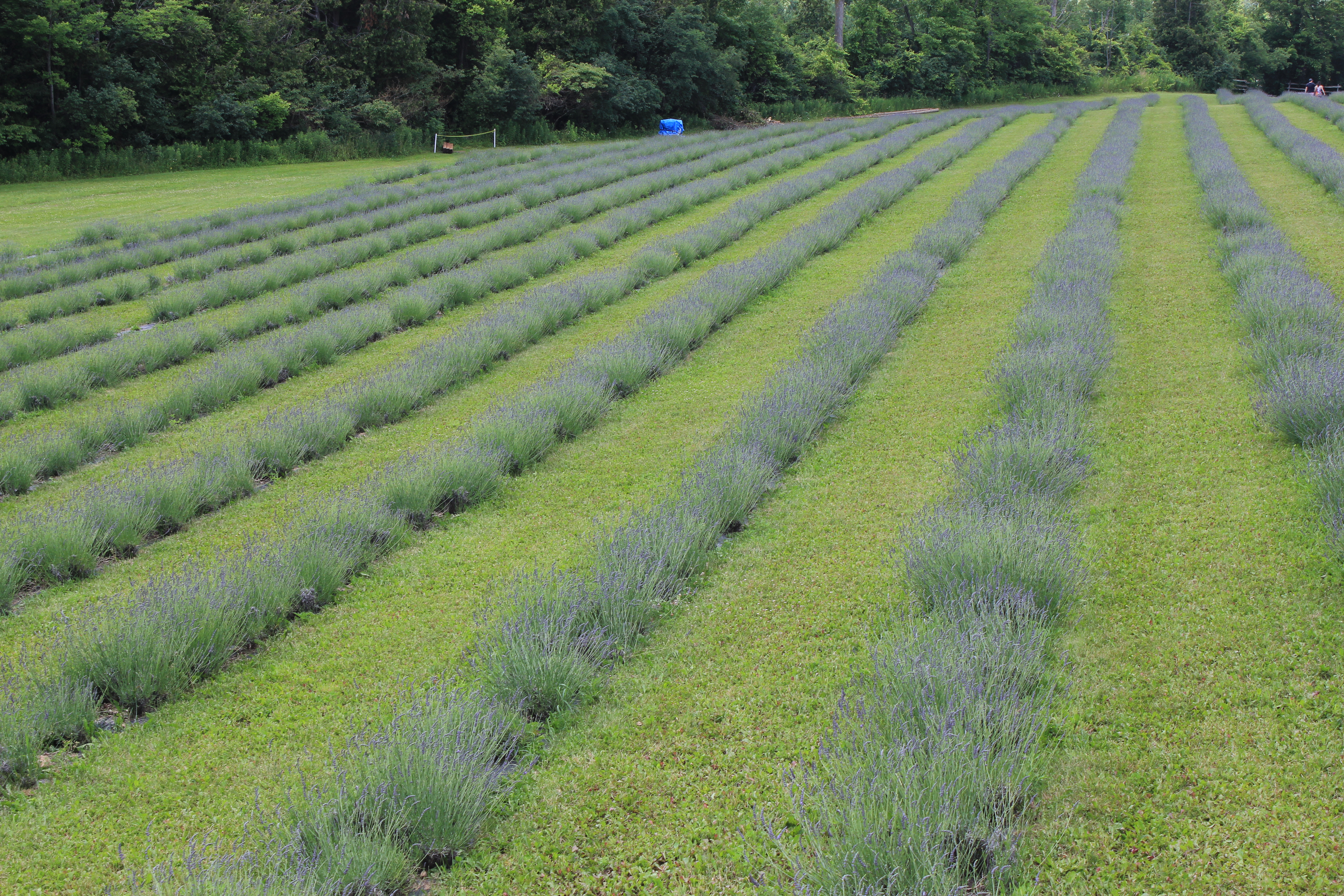
Find My Plants →1. Lavender (Lavandula angustifolia)
Lavender is a fragrant herb with silvery-green foliage and purple flower spikes that thrive in full sun and well-drained soils. Its strong scent is unpleasant to rabbits, making it a natural deterrent. Lavender is hardy in Zone 5 with the right winter protection, such as mulching around the base to prevent root freezing.
Besides its rabbit resistance, lavender attracts pollinators like bees and butterflies, adding ecological benefit to your garden.
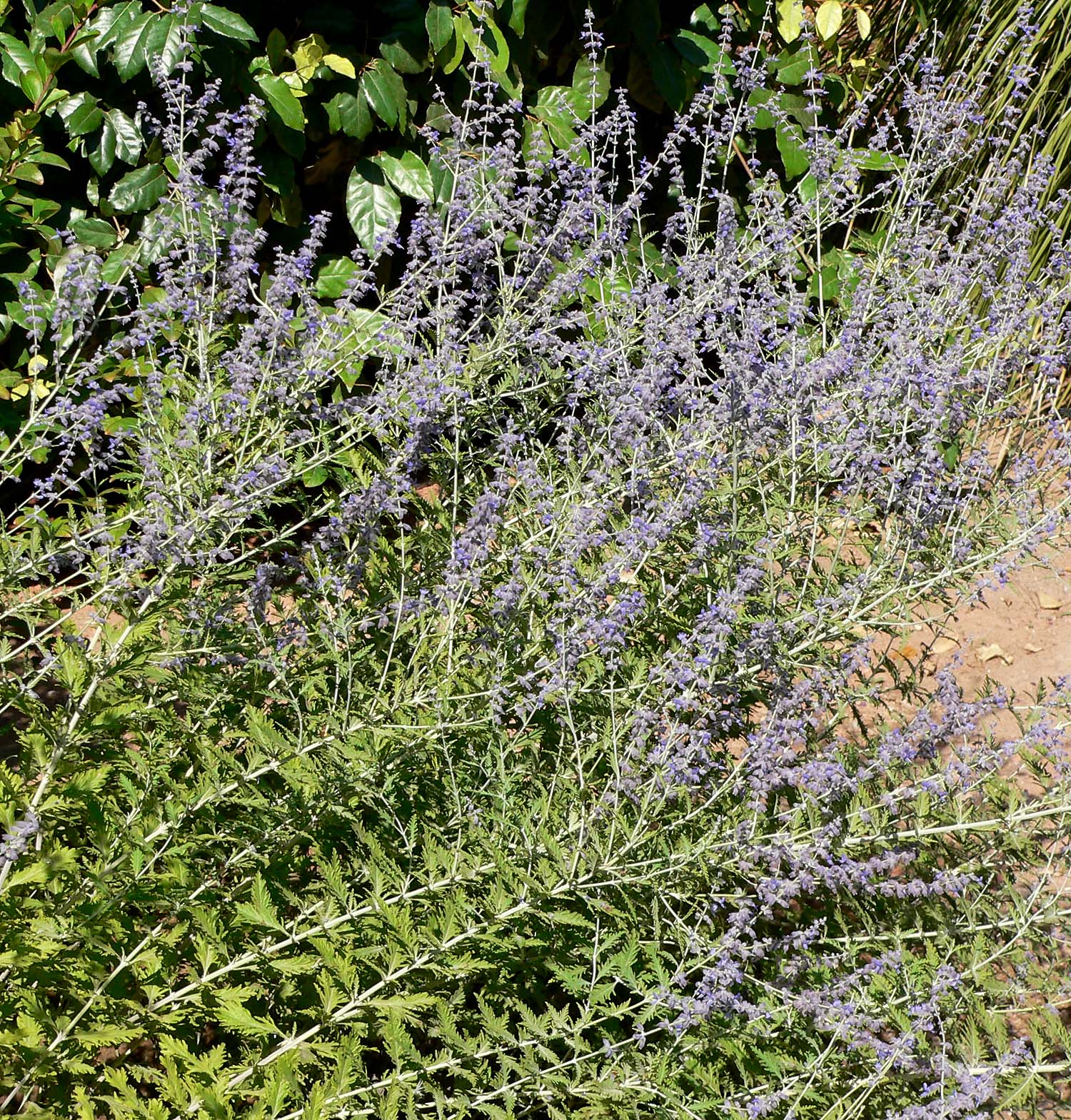
2. Russian Sage (Perovskia atriplicifolia)
Russian sage is a woody perennial known for its aromatic gray-green leaves and tall spikes of lavender-blue flowers. This drought-tolerant plant prefers sunny locations and well-drained soil and is hardy through Zone 5 winters.
The texture and strong scent of Russian sage discourage rabbits from browsing, while its long bloom period adds vibrant color and attracts beneficial insects.
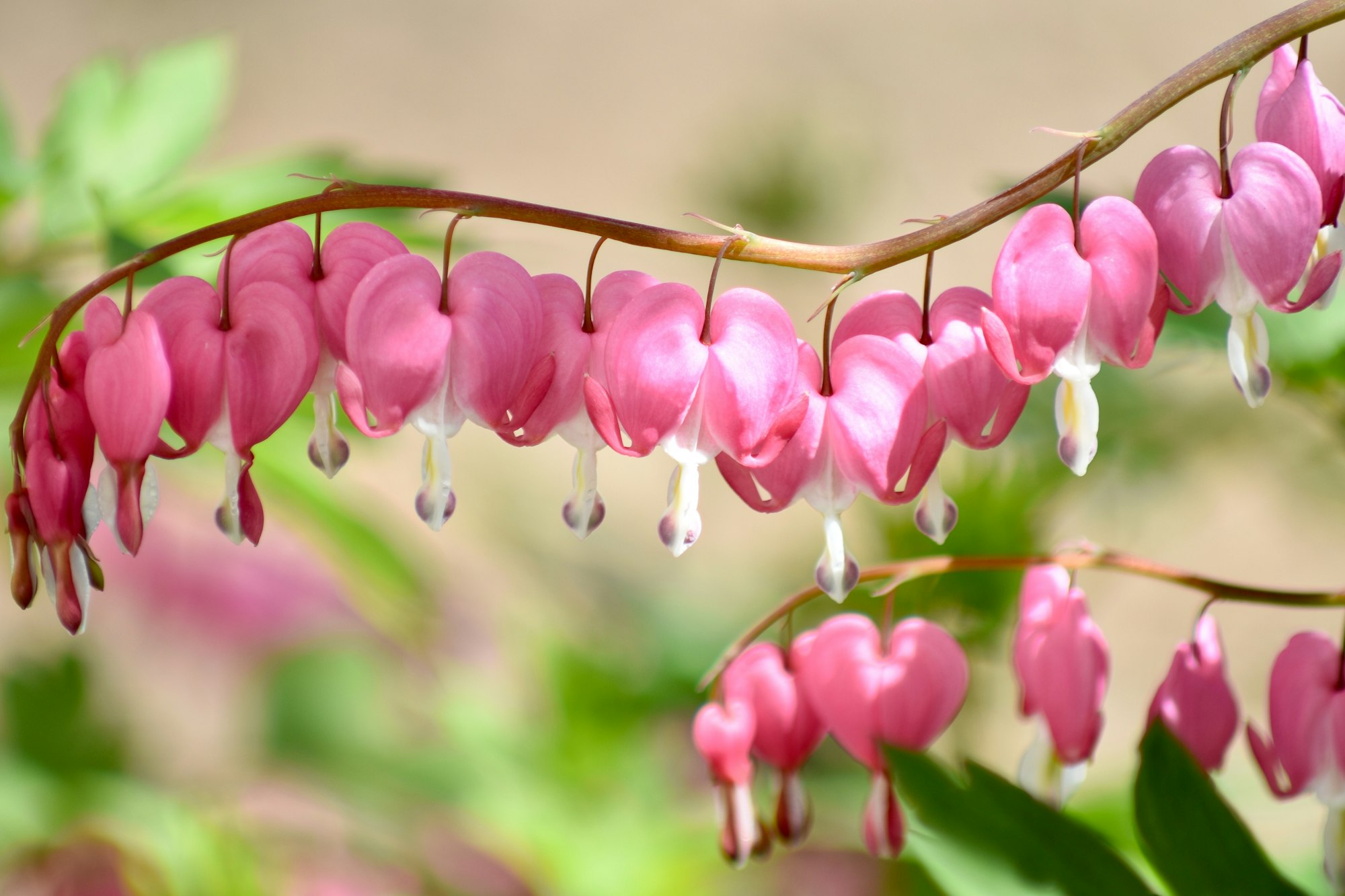
3. Bleeding Heart (Dicentra spectabilis)
Bleeding heart is a shade-tolerant perennial featuring delicate, heart-shaped flowers in pink or white. Its foliage contains alkaloids that can be unappealing to rabbits, making it less likely to be eaten. Bleeding heart thrives in moist, well-drained soils and is hardy in Zone 5.
Its elegant arching form adds a graceful structure to woodland or shaded gardens.
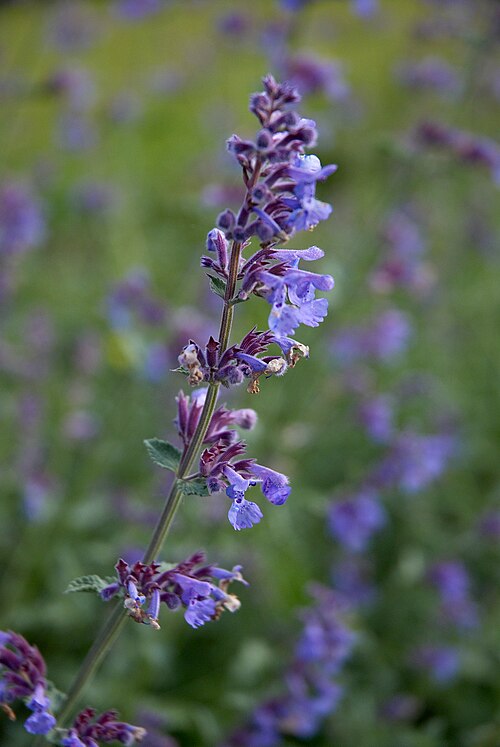
4. Catmint (Nepeta faassenii)
Catmint is a tough, aromatic perennial with gray-green foliage and spikes of lavender-blue flowers. It’s well-suited to Zone 5 and attracts pollinators while repelling rabbits with its strong scent and rough leaves. Catmint tolerates drought and poor soils, making it a versatile addition to your garden.
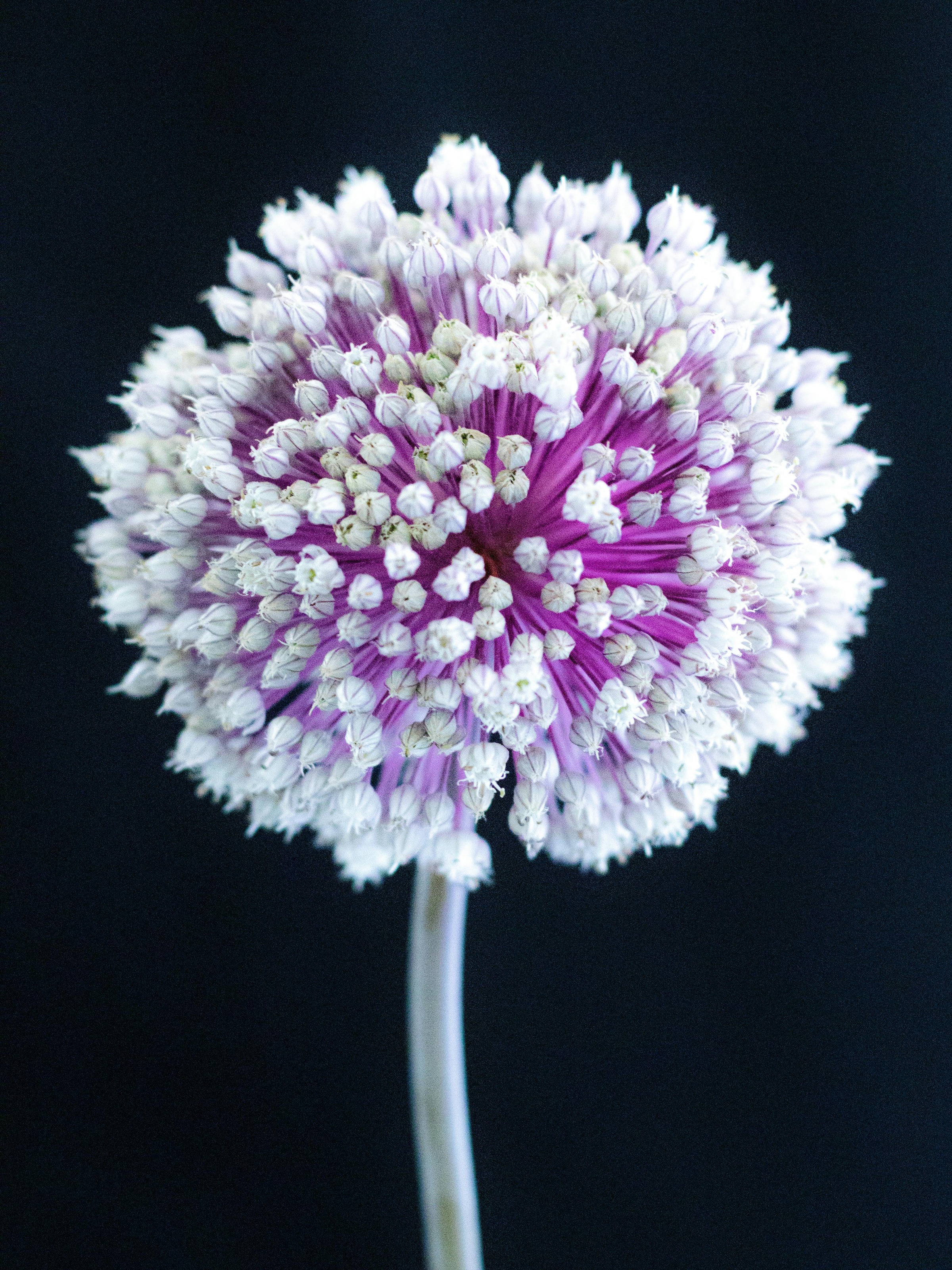
5. Ornamental Allium (Allium spp.)
Ornamental alliums are members of the onion family featuring spherical clusters of purple, white, or pink flowers atop tall stems. Their onion-like scent deters rabbits and other small mammals. Alliums thrive in full sun and well-drained soil, with many varieties hardy in Zone 5.
They also add architectural interest and attract pollinators to your garden.
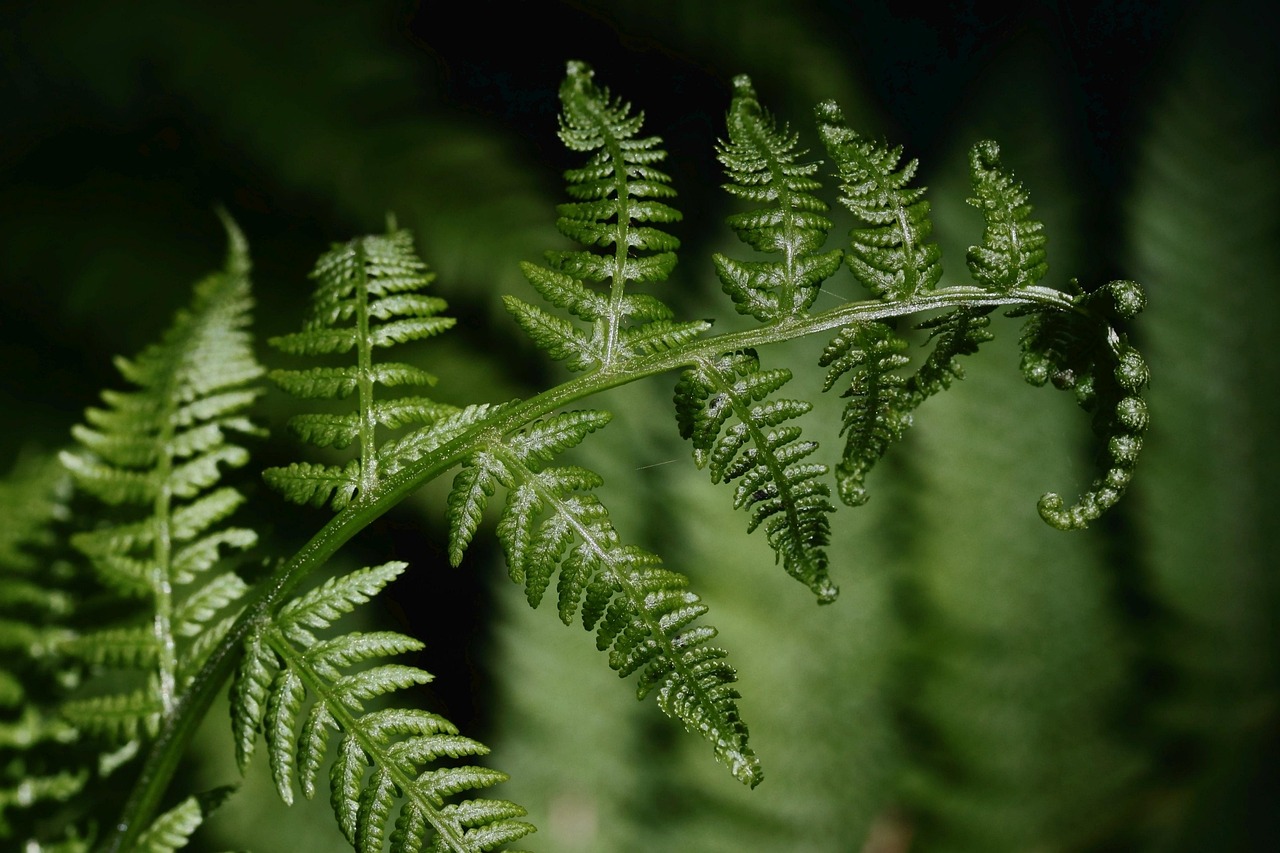
6. Ferns (Dryopteris spp.)
Certain fern species like the wood fern (Dryopteris spp.) can deter rabbits due to their tough, leathery fronds and growth habit. Ferns prefer shaded, moist conditions and are hardy in Zone 5. Their textural foliage adds diversity, especially in woodland gardens.
While not always completely rabbit-proof, ferns are rarely a preferred food source.
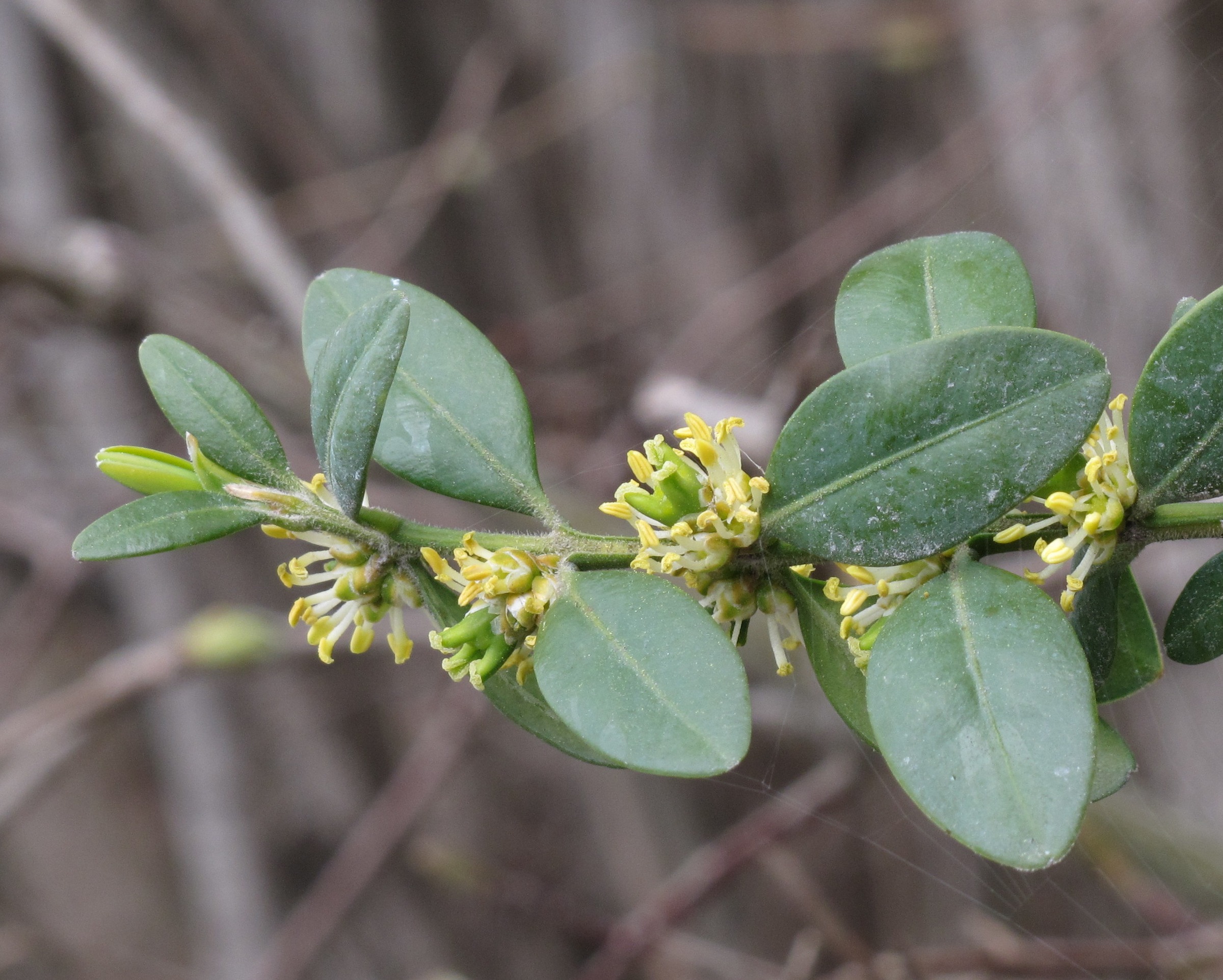
7. Boxwood (Buxus spp.)
Boxwood is a dense evergreen shrub with small, leathery leaves that rabbits generally avoid. It is hardy in Zone 5, provides year-round structure, and can be shaped into hedges or topiaries. Boxwood’s dense growth habit can also provide shelter for birds and beneficial insects.
Note: Boxwood contains alkaloids and is not listed as safe for pets. Use caution if you have pets that may chew on plants.
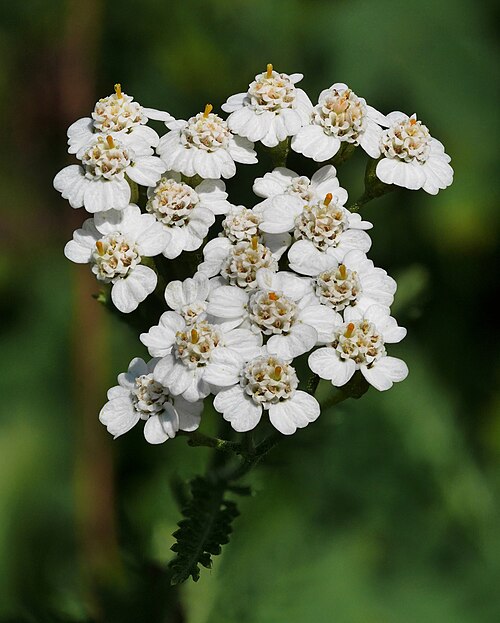
8. Yarrow (Achillea millefolium)
Yarrow is a hardy perennial with feathery, aromatic foliage and flat clusters of white, yellow, or pink flowers. Its bitter taste and strong fragrance discourage rabbits from feeding on it. Yarrow tolerates poor soils and drought and is hardy in Zone 5.
It’s also a pollinator magnet and useful in cut flower arrangements.
Tips for Managing Rabbits in Your Garden
While planting rabbit resistant plants helps, it’s important to remember that no plant is entirely safe from hungry rabbits. Here are some additional tips:
- Use physical barriers like fencing or row covers to protect vulnerable plants. A 2-foot high chicken wire fence buried a few inches underground can be effective.
- Remove brush piles, tall grass, and other rabbit hiding spots near your garden.
- Apply commercial rabbit repellents according to label instructions.
- Plant in mixed beds including some less-preferred plants to spread feeding pressure.
- Consider companion planting with strong-smelling herbs like garlic or chives.
Pet Safety and Wildlife Resistance Disclaimer
Many rabbit resistant plants contain natural compounds that repel or may be toxic if ingested by pets. Always monitor pets around plants and contact the ASPCA Animal Poison Control Center at 888-426-4435 if you suspect poisoning.
While these plants are generally rabbit resistant, wildlife feeding behavior can vary by location and season. No plant is guaranteed to be 100% rabbit-proof.
Conclusion
Choosing rabbit resistant plants in Zone 5 can help you maintain a beautiful garden despite local wildlife pressures. Plants like lavender, Russian sage, bleeding heart, and catmint combine cold hardiness with rabbit deterrence, ensuring your landscape thrives through winter and into the growing season. Combine these with sound garden management techniques for the best results.
For more inspiration and personalized recommendations, try the Plant Finder wizard at /wizard to discover the perfect plants for your specific conditions and preferences.
Start protecting your garden today with these resilient and rabbit resistant plants!
Explore these and other great options with the Plant Finder wizard: /wizard
Related: Rabbit damage on shrubs and young trees: prevention and repair