FTC Disclosure: This post contains affiliate links. As an Amazon Associate, we earn from qualifying purchases.
If you garden in Zone 7 and struggle with rabbits munching on your plants, choosing rabbit resistant plants is key to maintaining a healthy, beautiful yard. While no plant is completely rabbit-proof, the following 8 plants have strong resistance to rabbit browsing in Zone 7 gardens. These species deter rabbits due to their texture, taste, or toxicity, helping you reduce damage and keep your landscape thriving.
Why Choose Rabbit Resistant Plants for Zone 7?
Zone 7 has a moderate climate with winter lows between 0 and 10°F (-18 to -12°C), supporting a wide range of garden plants. However, the mild winters also mean rabbits remain active and hungry year-round, often seeking tender shoots and young plants. Selecting rabbit resistant plants helps prevent costly damage, reduces the need for repellents or fencing, and contributes to a low-maintenance, wildlife-friendly garden.
Keep in mind, “rabbit resistant” does not mean “rabbit proof.” Hungry rabbits may nibble on resistant plants when food is scarce. Also, resistance can vary based on local rabbit populations and individual preferences. Use these plants as part of an integrated approach that may include physical barriers and habitat modification.
🌱 Get Personalized Plant Picks
Answer a few quick questions and we’ll match plants to your exact yard conditions.
Find My Plants →Top 8 Rabbit Resistant Plants for Zone 7
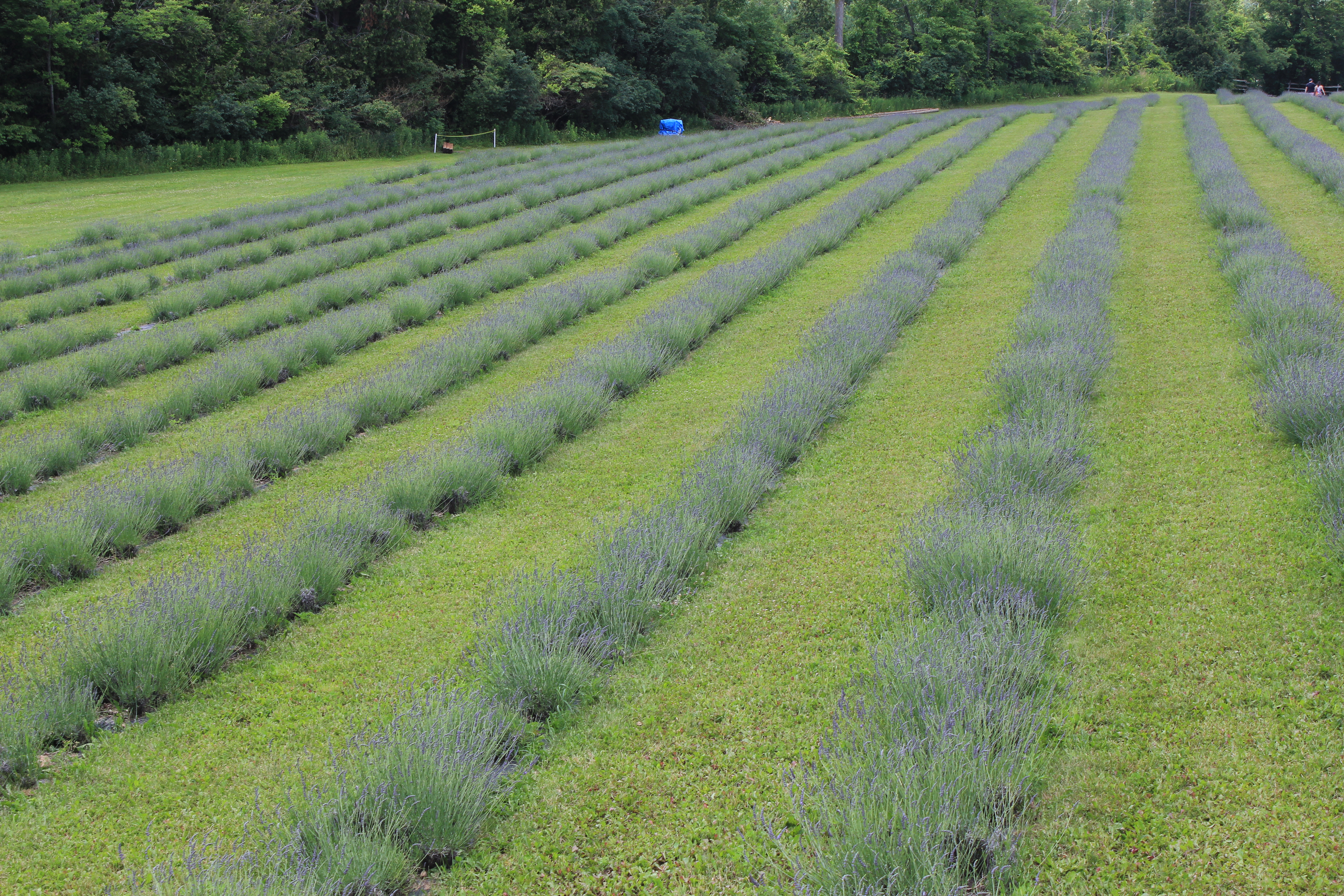
1. Lavender (Lavandula angustifolia)
Lavender’s fragrant, silvery foliage and woody stems discourage rabbits from nibbling. This drought-tolerant perennial thrives in full sun and well-drained soil, making it perfect for Zone 7 gardens. Lavender also attracts pollinators like bees and butterflies, adding ecological benefits.
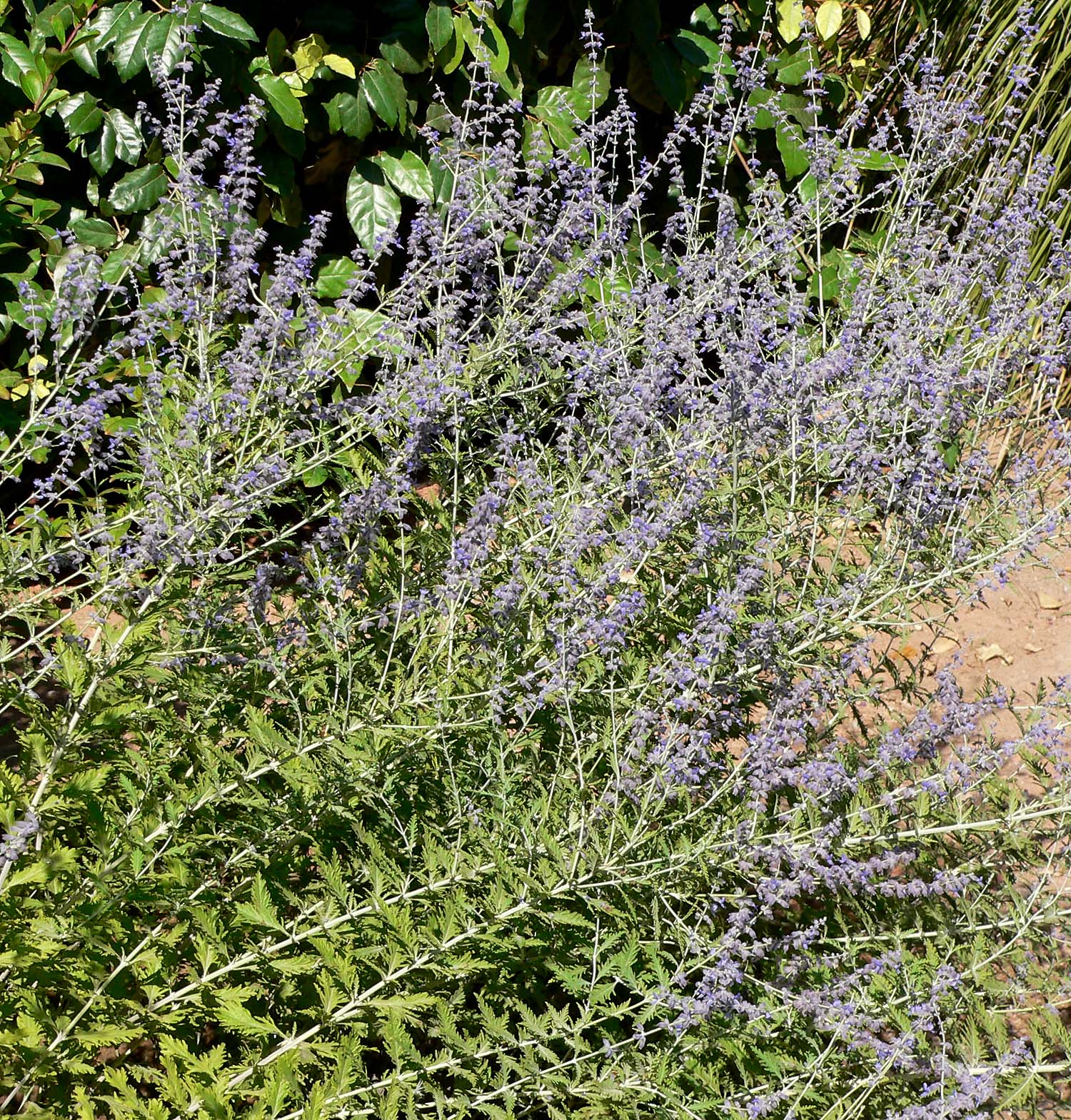
2. Russian Sage (Perovskia atriplicifolia)
Russian sage is a hardy perennial with aromatic, gray-green leaves and tall spikes of purple flowers. Its strong scent and coarse texture repel rabbits effectively. It tolerates drought and poor soils, ideal for hot, sunny areas in your garden.
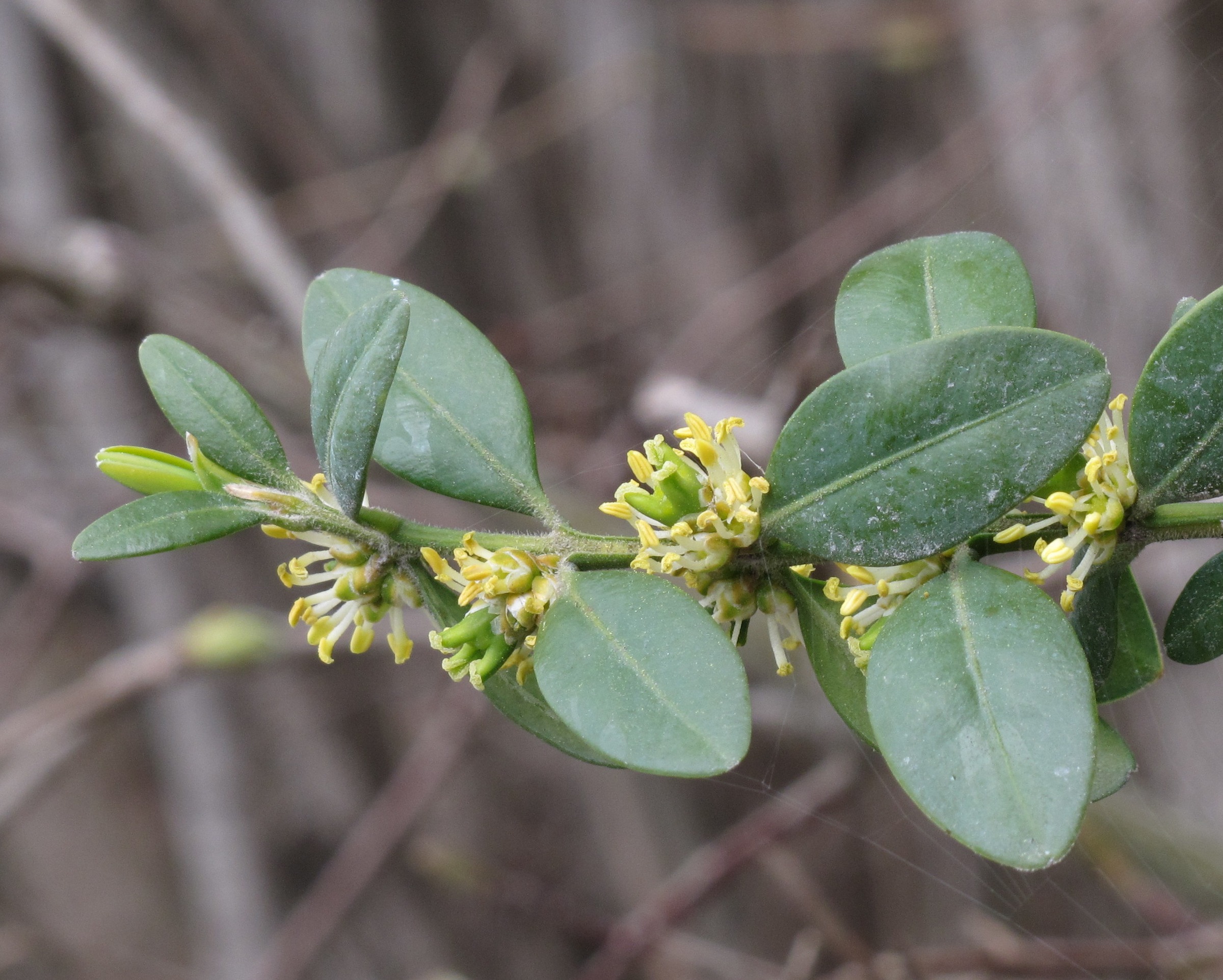
3. Boxwood (Buxus sempervirens)
Boxwood is an evergreen shrub with dense, leathery foliage that rabbits usually avoid. It provides year-round structure and can be shaped into hedges or topiaries. Boxwood prefers partial to full sun and well-drained soils, flourishing in Zone 7 landscapes.
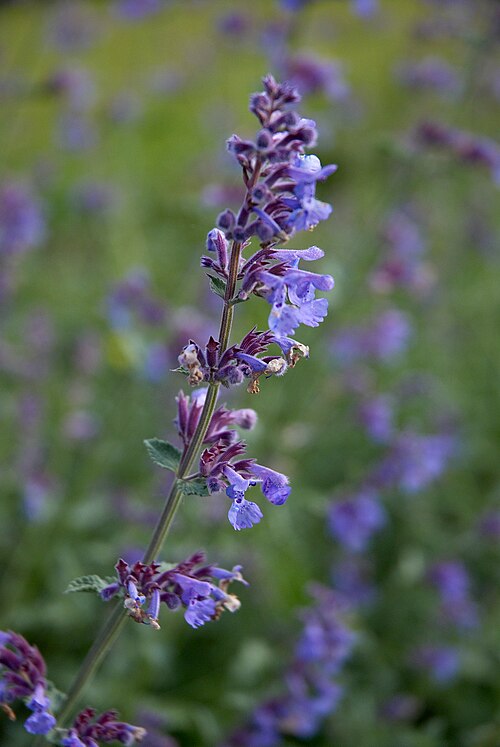
4. Catmint (Nepeta faassenii)
Catmint’s aromatic foliage and lavender-blue flowers repel rabbits while attracting beneficial insects. This perennial thrives in full sun and tolerates a range of soils, making it a versatile choice for borders or rock gardens.
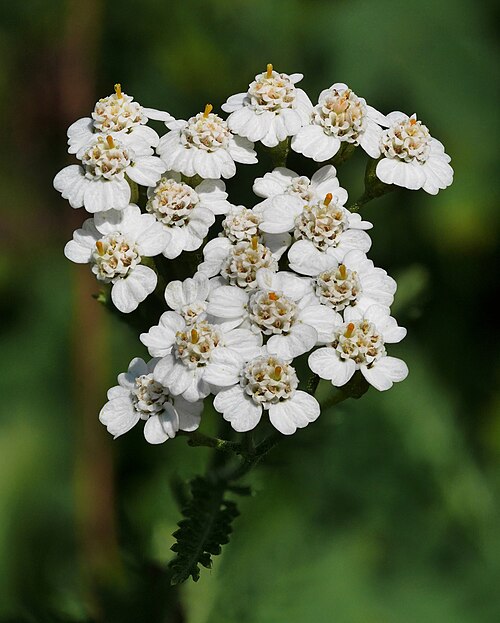
5. Yarrow (Achillea millefolium)
Yarrow has feathery, aromatic leaves and flat clusters of flowers in many colors. Its bitter taste and strong scent deter rabbits. It’s drought tolerant and thrives in full sun, making it great for low-maintenance, rabbit resistant plantings.
6. Ornamental Grasses (e.g., Miscanthus sinensis)
Tall, coarse ornamental grasses like Miscanthus offer texture and movement that rabbits tend to avoid. They add height and interest to your garden and are very low maintenance in Zone 7.
7. Lamb’s Ear (Stachys byzantina)
Lamb’s Ear has dense, fuzzy, silver leaves that rabbits dislike touching or eating. This perennial thrives in full sun with well-drained soil and adds soft texture to borders and pathways.
Stachys Byzantina
8. Rosemary (Rosmarinus officinalis)
Rosemary’s tough, needle-like leaves and strong aroma discourage rabbits. It’s evergreen in Zone 7, drought tolerant once established, and works well as a culinary herb and ornamental shrub.
Rosmarinus Officinalis
Additional Tips for Managing Rabbits in Your Garden
- Physical Barriers: Use fencing or netting around young or vulnerable plants to prevent damage.
- Habitat Modification: Remove dense brush piles or tall grass areas where rabbits hide.
- Companion Planting: Mix rabbit resistant plants with preferred favorites to divert browsing.
- Repellents: Commercial or homemade repellents can be used as a supplementary measure.
- Regular Monitoring: Inspect your garden frequently to catch damage early and adjust strategies.
Important Note on Pet Safety
Many plants that deter rabbits may contain compounds that are not listed as toxic but could still cause mild irritation or digestive upset if ingested by pets. Always supervise pets around unfamiliar plants and call the ASPCA Animal Poison Control Center at 888-426-4435 if you suspect poisoning.
Wildlife Resistance Disclaimer
While these plants have strong resistance to rabbits in Zone 7, no plant is completely rabbit proof. Local rabbit populations and environmental conditions may influence browsing behavior.
Conclusion
Choosing rabbit resistant plants is a smart strategy for Zone 7 gardeners aiming to protect their landscapes from rabbit damage. Incorporate these 8 plants — from aromatic lavender and rosemary to textured lamb’s ear and ornamental grasses — to create a resilient, attractive garden. Combine plant selection with physical barriers and habitat management for best results.
Ready to find more plants tailored to your Zone 7 garden and specific needs? Use our Plant Finder wizard at /wizard to create your perfect, rabbit-resistant landscape!
Happy gardening!