FTC Disclosure: This post contains affiliate links. We may earn a commission if you make a purchase through those links, at no extra cost to you.
If you garden in Zone 4 and struggle with rabbits nibbling on your plants, choosing rabbit resistant plants is essential for a thriving garden. Rabbit resistant plants in Zone 4 are those that can survive harsh winters and deter rabbits from feasting on their leaves and stems. This post highlights 8 of the best rabbit resistant plants suited to Zone 4’s cold climate, helping you protect your garden from spring through fall.
Why Choose Rabbit Resistant Plants for Zone 4?
Zone 4 experiences cold winters with temperatures dropping between -30°F and -20°F (-34°C to -29°C). This extreme cold limits the types of plants that can survive outdoors year-round. Meanwhile, rabbits emerge in spring, hungry for tender greens, and can devastate unprotected gardens.
Using rabbit resistant plants that are hardy in Zone 4 means you’re selecting species that withstand winter freezes and are less appealing to rabbits. This natural resistance can be due to tough, aromatic, or fuzzy foliage, or growth habits that rabbits avoid. While no plant is completely rabbit-proof, these plants are less likely to suffer heavy damage.
Important: Keep in mind that wildlife resistance is never guaranteed, as hungry rabbits may occasionally nibble on plants they normally avoid.
🌱 Get Personalized Plant Picks
Answer a few quick questions and we’ll match plants to your exact yard conditions.
Find My Plants →8 Best Rabbit Resistant Plants for Zone 4
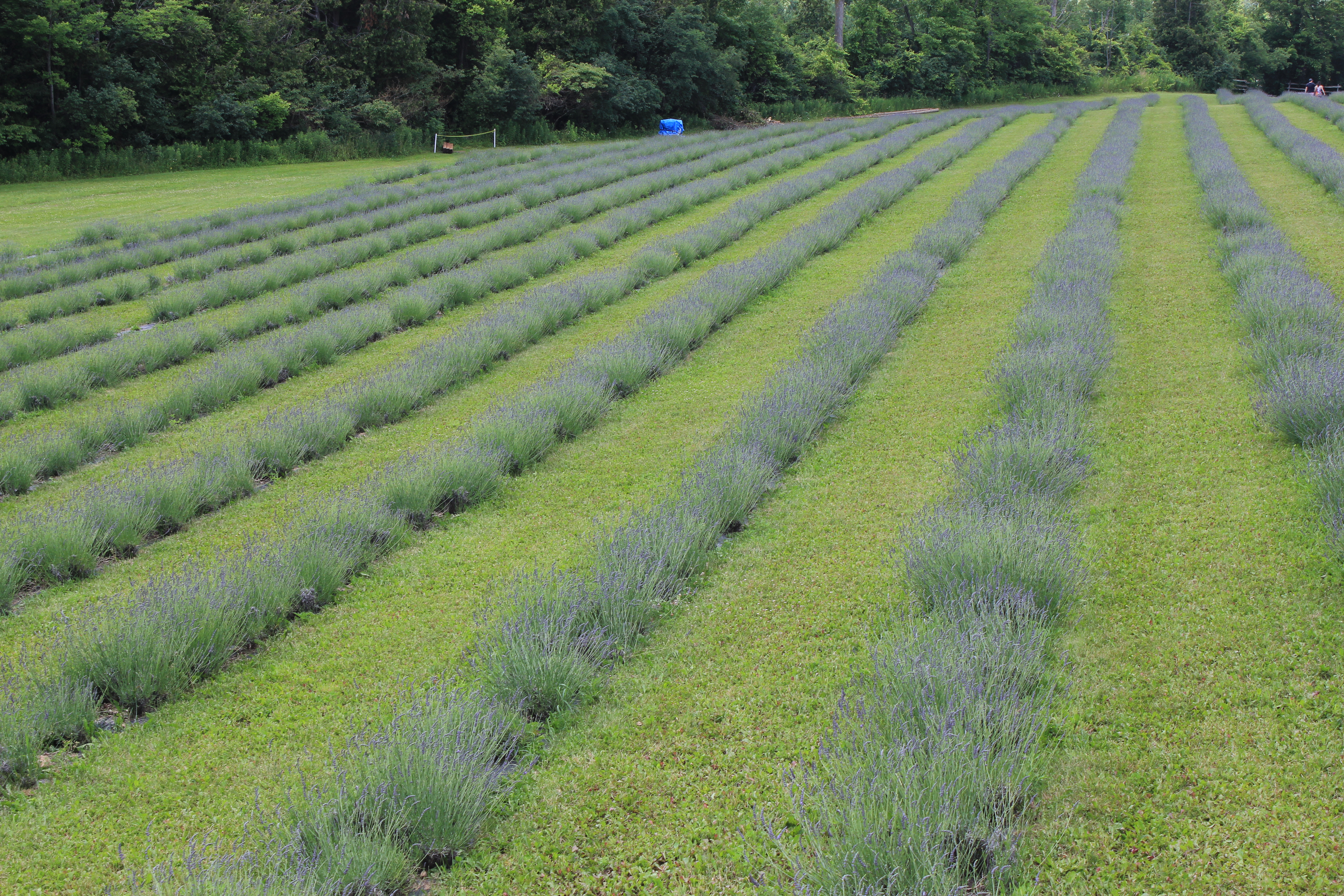
1. Lavender (Lavandula angustifolia)
Lavender is a fragrant perennial herb well suited for Zone 4 gardens. Its strong scent and tough, silvery foliage deter rabbits naturally. Lavender thrives in full sun and well-drained soil, making it a perfect border or container plant for your garden.
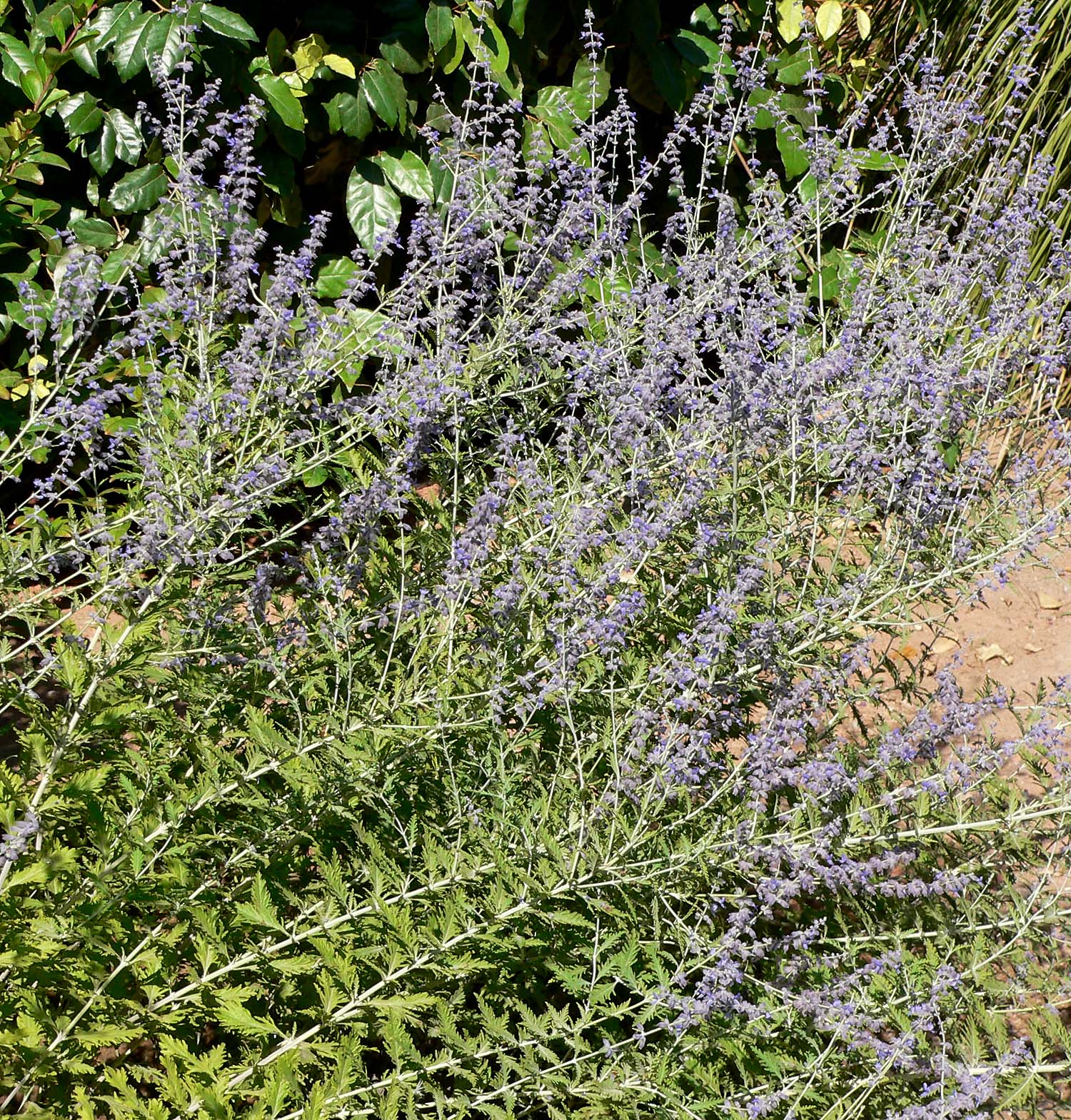
2. Russian Sage (Perovskia atriplicifolia)
Russian sage is a hardy perennial with aromatic gray-green leaves and tall spikes of lavender-blue flowers. Its scent and coarse texture make it unappealing to rabbits. It tolerates drought and cold, flourishing in full sun and well-drained soil.
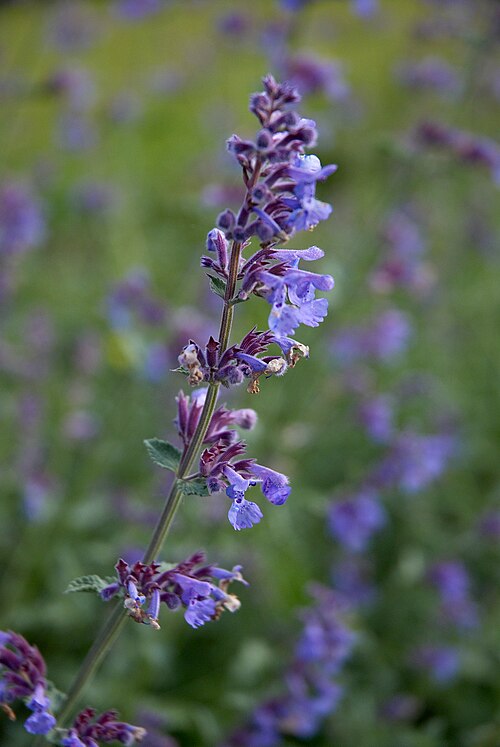
3. Catmint (Nepeta faassenii)
Catmint is a low-maintenance perennial featuring gray-green foliage and purple-blue flowers. Its aromatic oils discourage rabbits from munching on it. It’s cold hardy to Zone 4 and thrives in sunny spots with well-drained soil.
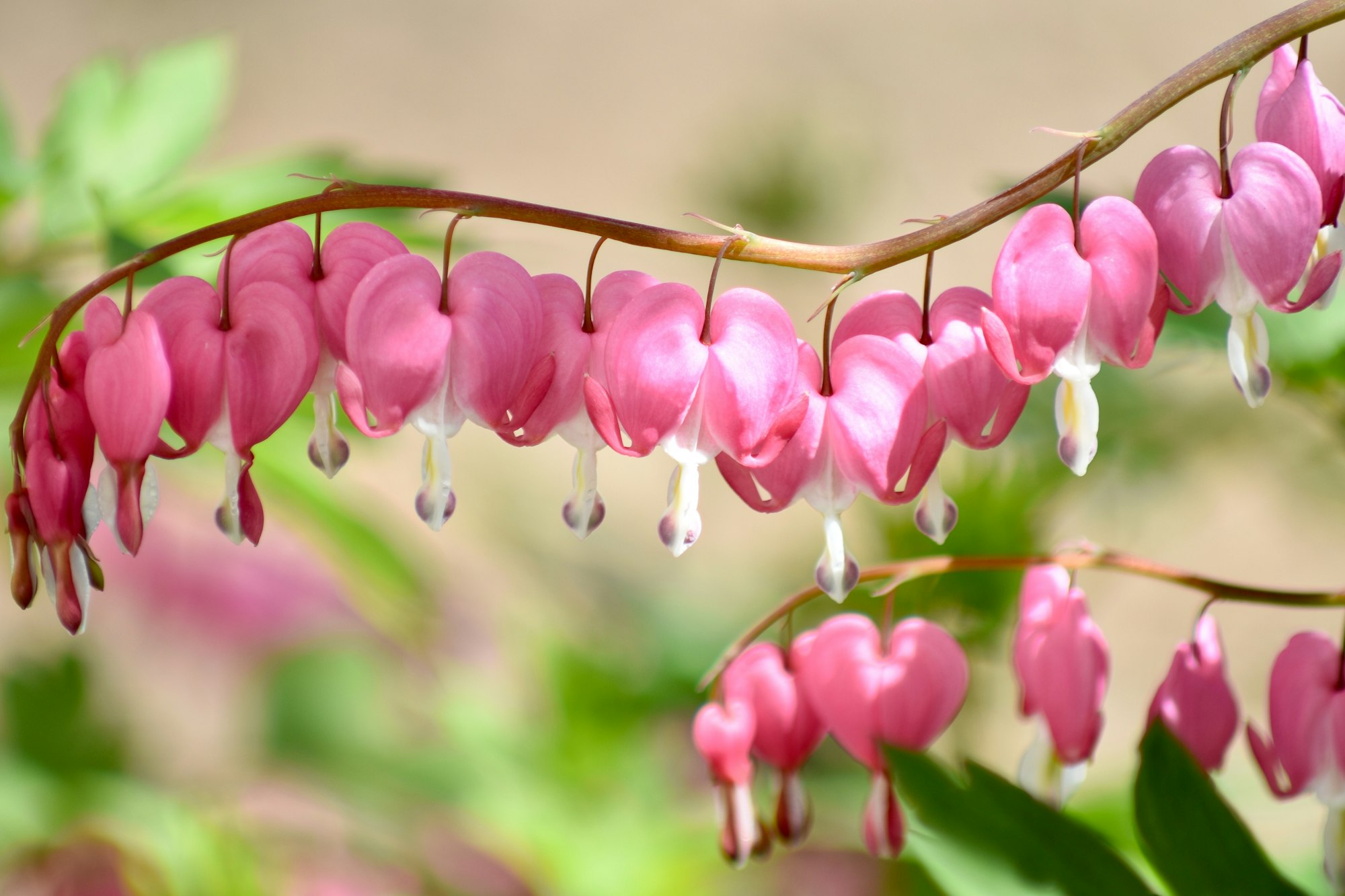
4. Bleeding Heart (Dicentra spectabilis)
Bleeding heart is a shade-tolerant perennial with delicate, fern-like foliage and heart-shaped pink or white flowers in spring. Its foliage is generally ignored by rabbits due to bitter taste. It grows best in partial to full shade and moist, well-drained soil.
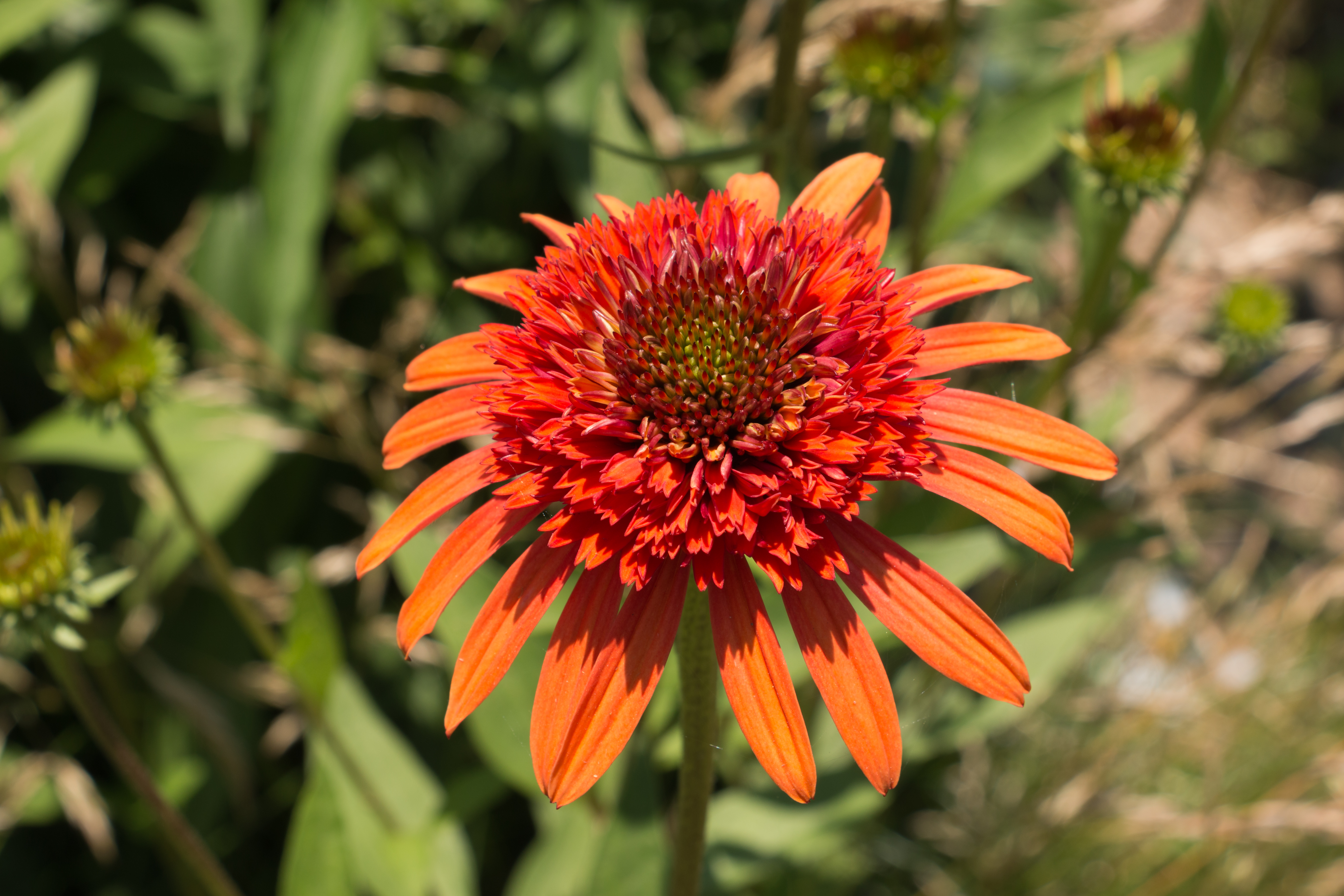
5. Coneflower (Echinacea purpurea)
Coneflowers are popular perennials with daisy-like flowers and stiff stems that rabbits avoid. They are cold hardy and drought tolerant once established. Their tough texture and bitter taste help protect them from rabbit damage.
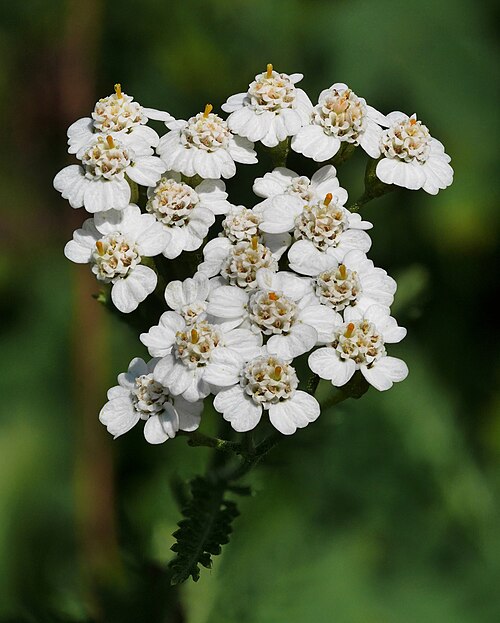
6. Yarrow (Achillea millefolium)
Yarrow is a hardy perennial with feathery, aromatic leaves and clusters of tiny flowers. The scent and texture of yarrow are unappealing to rabbits. It thrives in full sun and tolerates poor soil and drought, making it ideal for Zone 4.
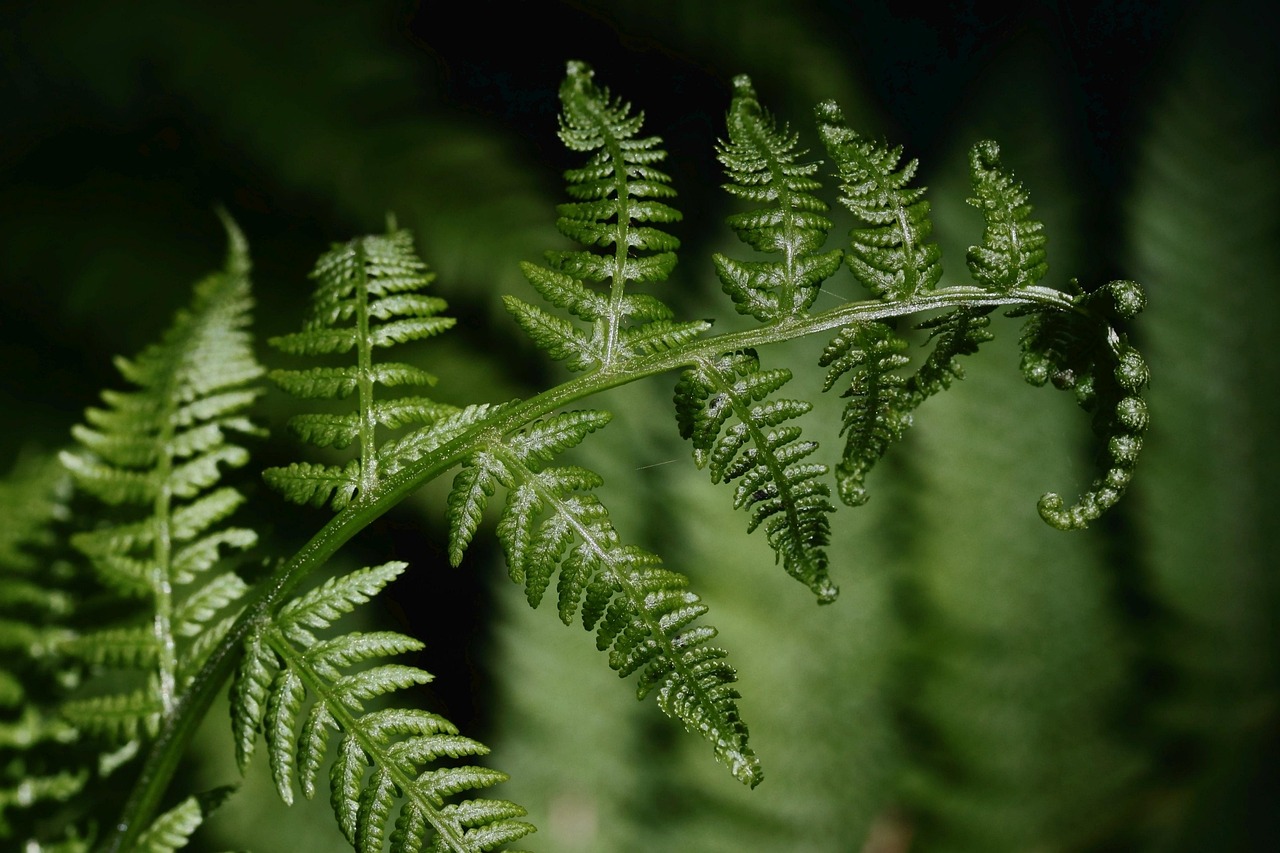
7. Ferns (Dryopteris spp.)
Certain hardy ferns such as the wood fern (Dryopteris marginalis) are less favored by rabbits due to their tough, leathery fronds. They grow well in shady, moist environments and are winter hardy in Zone 4.
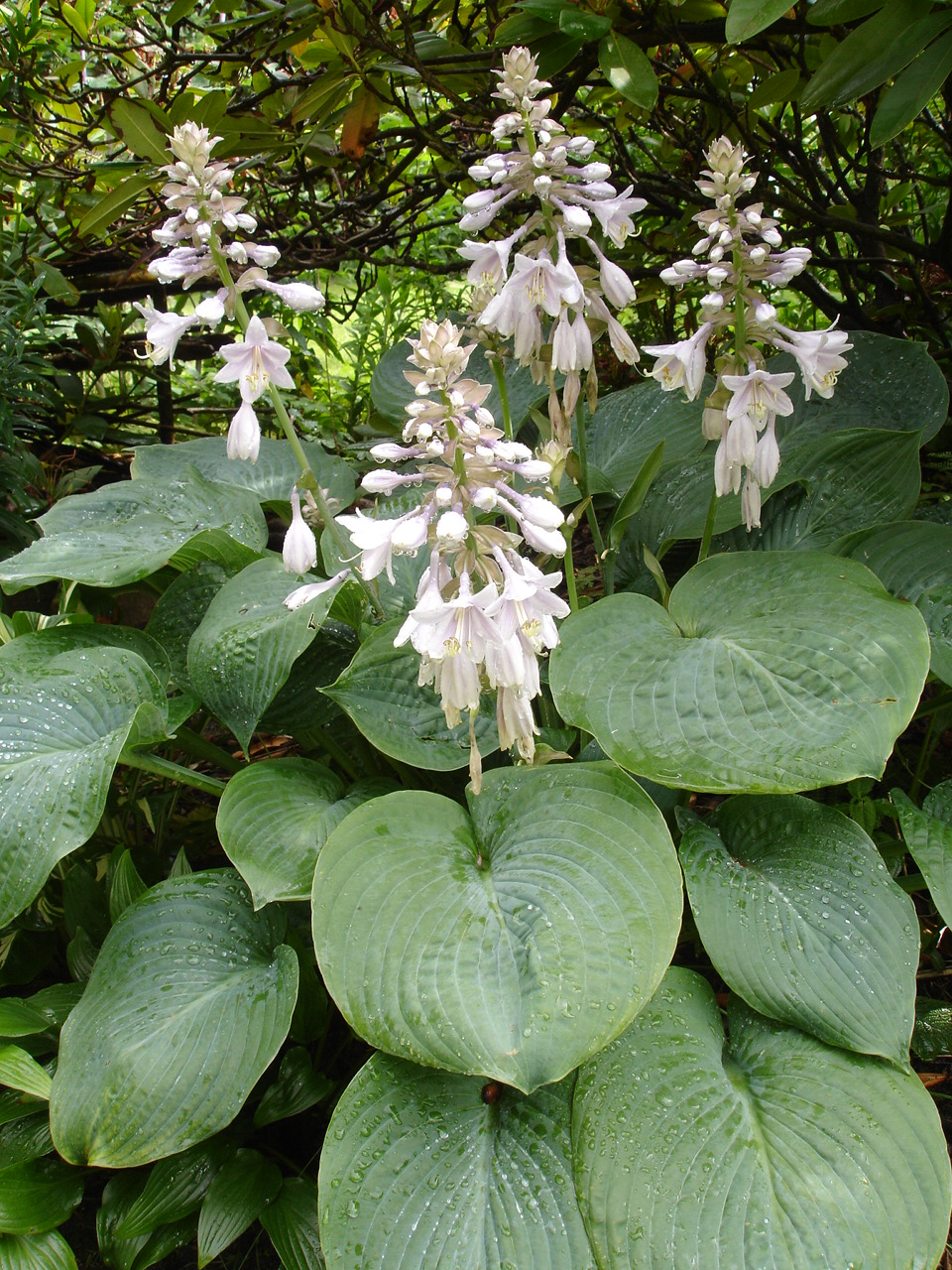
8. Hosta (Hosta spp.)
Hostas are shade-loving perennials with broad, tough leaves. While deer often browse hostas, rabbits typically avoid them due to their texture and bitterness. They require moist, well-drained soil and protection from strong afternoon sun.
Tips for Enhancing Rabbit Resistance in Your Garden
- Companion Planting: Plant aromatic herbs like rosemary or thyme near vulnerable plants to deter rabbits.
- Physical Barriers: Use fencing or netting to protect new or particularly tasty plants.
- Plant Dense Groupings: Rabbits prefer open areas; tightly packed plants can discourage their movement.
- Remove Attractants: Keep your garden free of weeds and avoid leaving fallen fruit or vegetables on the ground.
Pet Safety Reminder
Some plants recommended for rabbit resistance may be listed as toxic to pets. Always check plant toxicity if you have dogs or cats, and contact the ASPCA Animal Poison Control Center at 888-426-4435 if you suspect your pet has ingested a toxic plant. Remember, plants described here are not listed as toxic, but individual sensitivity varies.
Conclusion
Gardening in Zone 4 comes with challenges, but selecting rabbit resistant plants can help you maintain a beautiful, vibrant garden through the seasons. Lavender, Russian sage, catmint, bleeding heart, coneflower, yarrow, ferns, and hostas all combine cold hardiness with natural resistance to rabbit browsing. Incorporate these plants into your landscape along with cultural practices to minimize rabbit damage.
For more help finding plants suited to your zone and garden needs, try our Plant Finder wizard at /wizard. Discover perfect plants for your unique garden conditions and preferences!
Wildlife resistance is never guaranteed; hungry rabbits may occasionally feed on plants typically considered resistant. Always monitor your garden and consider additional protective measures if needed.