Is Clethra (Summersweet) Deer Resistant? Complete Guide
If you're gardening in an area frequented by deer, finding plants that can withstand their browsing habits can feel like a constant battle. When it comes to Clethra, also known as Summersweet or Sweet Pepperbush, gardeners in deer-prone regions can breathe a sigh of relief. Yes, Clethra is generally considered deer resistant. While no plant is truly deer-proof, Clethra is rarely a preferred food source for deer, making it an excellent choice for landscapes where these graceful but hungry creatures roam. Its aromatic foliage and slightly bitter taste are typically deterrents, guiding deer to other, more palatable options in your garden. This guide will delve into why Clethra is a good choice, how to incorporate it, and what to expect.
🌱 Get Personalized Plant Picks
Answer a few quick questions and we’ll match plants to your exact yard conditions.
Find My Plants →Why is Clethra Deer Resistant?
Deer resistance in plants often comes down to a few key characteristics: taste, texture, and scent. Clethra scores well on all these fronts, making it an unappealing snack for most deer.
- Aromatic Foliage: The leaves of Clethra, especially when crushed, release a distinct, somewhat spicy fragrance. While pleasant to humans, this strong scent is often off-putting to deer, who rely heavily on their sense of smell to identify food sources.
- Taste: Beyond the scent, the foliage itself has a slightly bitter or astringent taste that deer typically avoid. This chemical defense mechanism is common in many deer-resistant plants.
- Texture: While not overly thorny or prickly, the leaves and stems of Clethra are not as succulent or tender as many plants deer prefer, making them less appealing.
- Native Status: Clethra alnifolia is a native shrub to the eastern United States. Native plants are often better adapted to local wildlife pressures, having evolved alongside them. This doesn't guarantee resistance, but it often means they have developed natural defenses.
It's important to remember the disclaimer: no plant is truly deer-proof. A hungry deer, especially during times of drought or severe winter, may browse on plants it would normally ignore. However, Clethra consistently ranks high on lists of deer-resistant shrubs, meaning it's a much safer bet than many other ornamental plants.
What Makes Clethra a Great Garden Shrub?
Beyond its deer resistance, Clethra offers a wealth of benefits that make it a valuable addition to many landscapes.
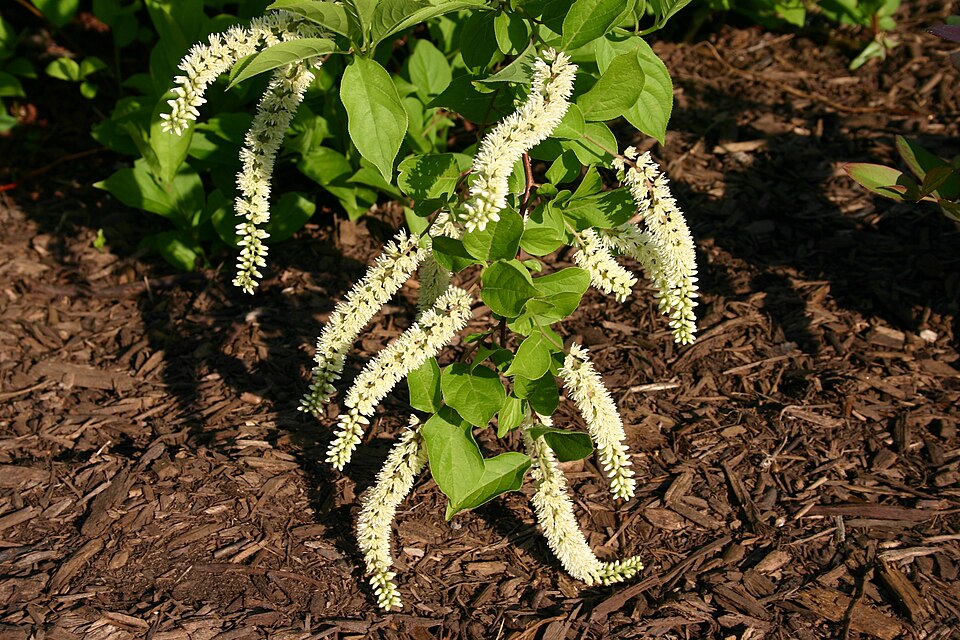
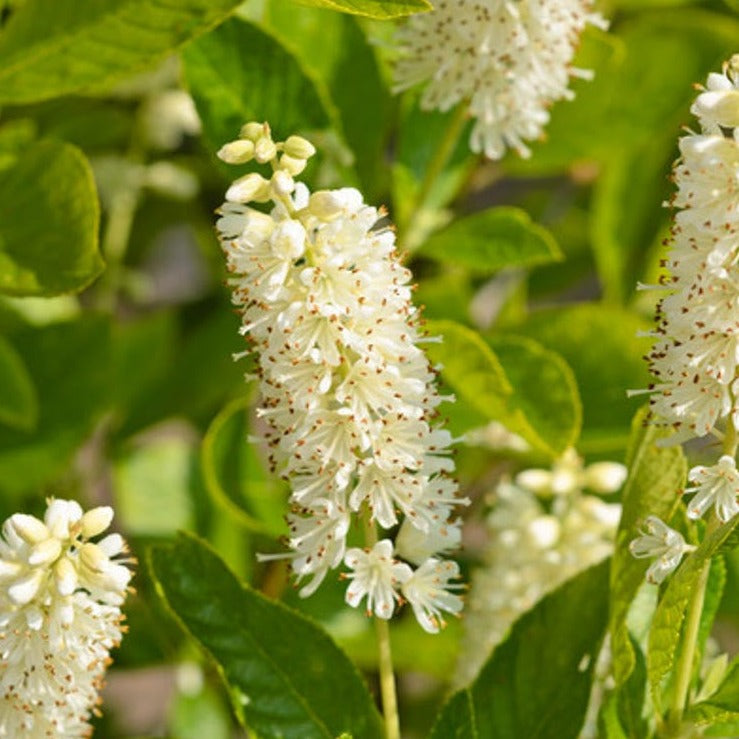
- Fragrant Blooms: In mid to late summer, when many other shrubs have finished flowering, Clethra bursts into bloom with upright spikes of intensely fragrant white or pink flowers. The sweet, spicy scent is a delight in the garden and can waft for many feet.
- Pollinator Magnet: These summer blooms are a huge draw for a variety of pollinators, including bees, butterflies, and hummingbirds. It's an excellent plant for supporting local ecosystems.
- Adaptability: Clethra is remarkably adaptable. It thrives in partial shade to full sun (though it prefers some afternoon shade in hotter climates) and is particularly tolerant of wet soils, making it ideal for rain gardens, boggy areas, or along stream banks where other shrubs might struggle. It can also tolerate drier conditions once established.
- Fall Color: While not its primary feature, some cultivars offer attractive golden-yellow fall foliage, adding another season of interest.
- Low Maintenance: Once established, Clethra requires minimal care. It's generally pest and disease resistant.
- Native Appeal: As a native plant, it integrates well into naturalistic landscapes and supports local biodiversity.
How Do I Grow and Care for Clethra?
Clethra is a relatively easy-care shrub, making it a good choice for both novice and experienced gardeners.
Quick Reference: Clethra alnifolia
| Feature | Detail Clethra is generally considered a deer-resistant shrub, making it a good choice for gardens in areas with deer activity. While no plant is 100% deer-proof, Clethra is rarely a preferred food source for deer due to its aromatic foliage and taste. This allows gardeners to enjoy its beautiful, fragrant summer blooms without constant worry about browsing damage.
What Other Deer-Resistant Plants Can I Pair with Clethra?
Creating a deer-resistant garden often involves layering various plants with deterring qualities. Since Clethra thrives in moist, partially shaded to sunny conditions, you have a good range of companions. Here are some excellent deer-resistant perennials and shrubs that would complement Clethra beautifully:
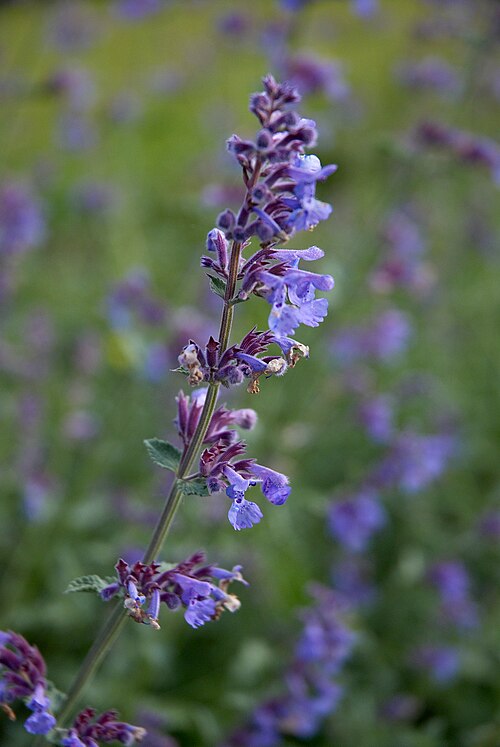
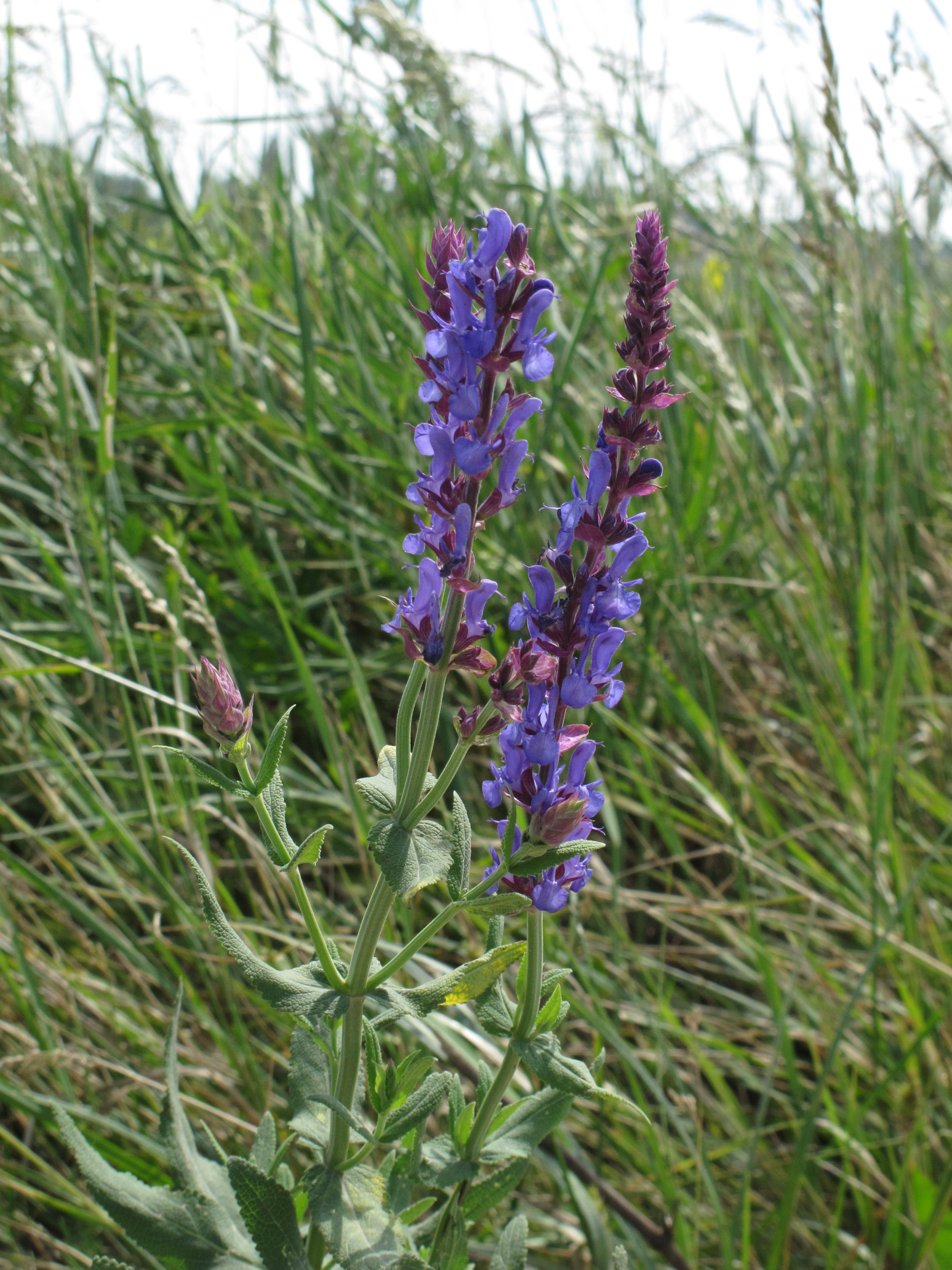
- Aromatic Herbs & Flowers: Many plants with strong scents are naturally deer resistant.
- Plants with Coarse or Fuzzy Textures: Deer often dislike plants with rough or fuzzy leaves.
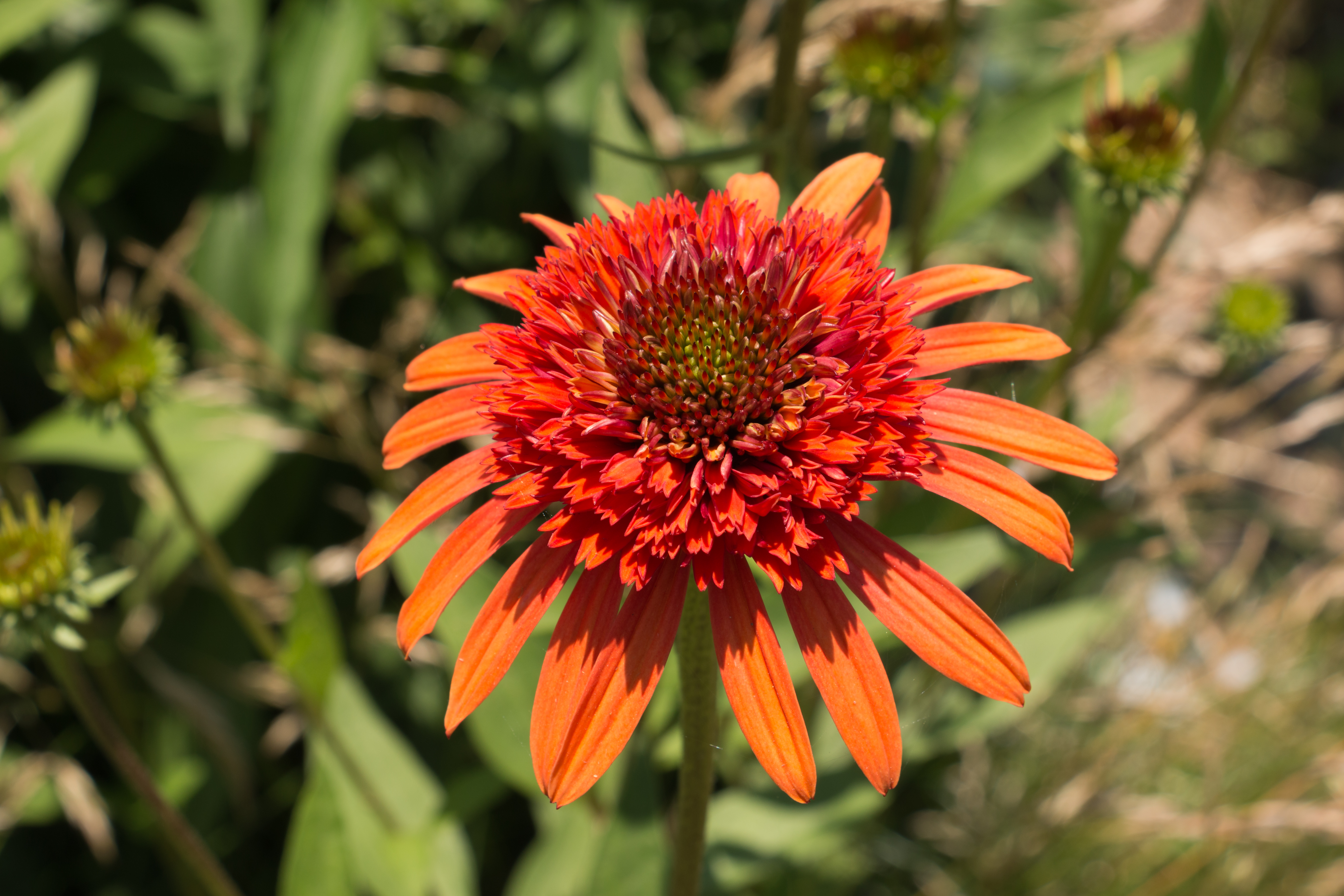
- Coneflower (Coneflower): These cheerful, daisy-like flowers are a pollinator favorite and generally left alone by deer.
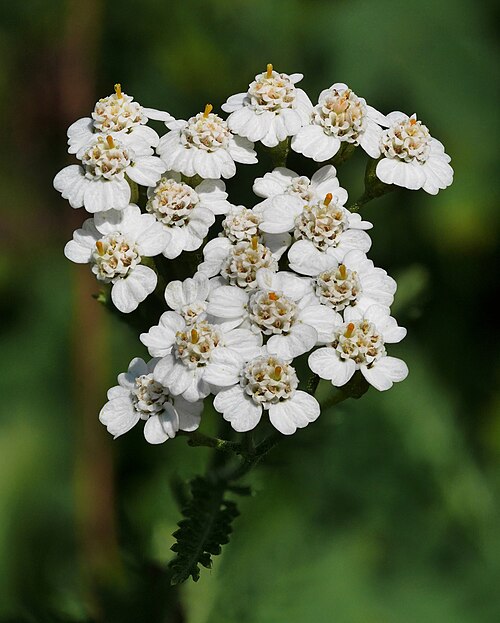
- Yarrow (Yarrow): With its fern-like foliage and flat-topped flower clusters, Yarrow is tough, drought-tolerant, and deer-resistant.
- Ornamental Grasses: Most ornamental grasses are not preferred by deer due to their texture.
- Other Shrubs:
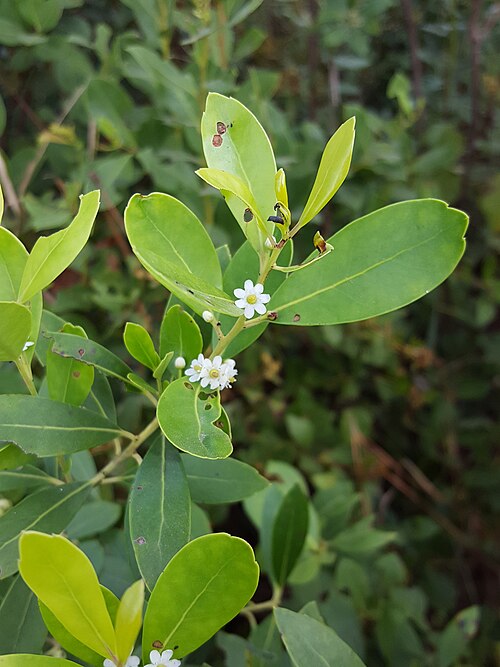
- Inkberry Holly (Ilex glabra): A native evergreen shrub that tolerates wet soils and is deer resistant.
- Virginia Sweetspire (Itea virginica): Another native shrub with fragrant white flowers, good fall color, and deer resistance, thriving in similar conditions to Clethra.
When designing your garden, consider planting Clethra near more vulnerable plants. Its strong scent may offer some protective camouflage, deterring deer from browsing nearby. Remember to always check local nurseries for cultivars known for their specific deer resistance or other desirable traits.
Is Clethra Toxic to Pets?
When introducing new plants to your garden, especially if you have curious pets, it's natural to wonder about their safety. Clethra (Summersweet) is not listed as toxic to dogs, cats, or horses by the ASPCA (American Society for the Prevention of Cruelty to Animals). This is good news for pet owners looking for a beautiful, deer-resistant shrub.
While Clethra is generally considered safe, it's always wise to exercise caution with any plant. Pets, particularly puppies and kittens, can sometimes have adverse reactions to ingesting plant material, even if it's not officially listed as toxic. Large quantities of any plant material can cause mild stomach upset.
If you suspect your pet has ingested a toxic plant, call the ASPCA Animal Poison Control Center immediately at (888) 426-4435.
What are the Best Cultivars of Clethra for Deer-Prone Gardens?
While the species Clethra alnifolia itself is deer resistant, several cultivars offer enhanced features like more compact growth, different flower colors, or improved fall foliage. These cultivars generally retain the deer resistance of the species.
- 'Hummingbird': A popular dwarf cultivar, growing only 2-4 feet tall and wide. It's perfect for smaller gardens or borders, producing abundant, fragrant white flowers.
- 'Sixteen Candles': Another compact variety, reaching about 3-5 feet tall. It features larger, more upright flower spikes than the species, with a strong fragrance.
- 'Ruby Spice': This is one of the most well-known pink-flowered cultivars, offering deep pink buds that open to fragrant, soft pink blooms. It grows 4-6 feet tall.
- 'Vanilla Spice'®: A newer introduction with exceptionally large, fragrant white flowers and a dense, rounded habit, growing 4-7 feet tall.
- 'Crystalina' (Sugartina®): A very compact, rounded selection, typically 2-3 feet tall and wide, with pure white, fragrant flowers. Great for small spaces or containers.
When selecting a cultivar, consider its mature size and growth habit to ensure it fits well into your garden design. All these varieties will provide the same reliable deer resistance as the wild species.
Conclusion: Clethra - A Deer-Resistant Gem
For gardeners battling deer, Clethra (Summersweet) stands out as a true garden gem. Its reliable deer resistance, coupled with its captivating fragrance, late-summer blooms, pollinator appeal, and adaptability, makes it an indispensable shrub for many landscapes. Whether you choose the classic species or a specialized cultivar, Clethra offers beauty and peace of mind in deer-prone areas. By understanding its needs and pairing it with other suitable plants, you can create a vibrant, resilient garden that both you and local wildlife (minus the deer browsing) can enjoy.
Ready to find the perfect plants for your yard? Try the PlantWise Plant Finder →