Is Weigela Deer Resistant? Complete Guide
Weigela ( Weigela florida) is a beautiful, flowering shrub known for its vibrant blooms and attractive foliage. When it comes to deer resistance, Weigela is generally considered moderately deer resistant, meaning deer typically prefer other plants but may browse it if their preferred food sources are scarce or if populations are high. While no plant is truly deer-proof, Weigela often escapes significant damage in areas with moderate deer pressure. However, young plants are more vulnerable, and a hungry deer will eat almost anything. Understanding deer behavior and implementing additional protective measures can help ensure your Weigela thrives.
🌱 Get Personalized Plant Picks
Answer a few quick questions and we’ll match plants to your exact yard conditions.
Find My Plants →What Makes Weigela Moderately Deer Resistant?
Deer often avoid plants with certain characteristics, and Weigela possesses a few of these traits, contributing to its moderate resistance:
- Texture: Weigela leaves have a slightly coarse texture, which can be less appealing to deer than smooth, tender foliage.
- Scent: While not strongly aromatic to humans, some plants have scents that deer find unpalatable. Weigela's scent isn't a primary deterrent, but it's not a strong attractant either.
- Taste: The taste of Weigela leaves is generally not preferred by deer. They tend to favor sweeter, softer, or more succulent plants.
Despite these characteristics, it's crucial to remember that deer are opportunistic feeders. Factors like the time of year, availability of other food sources, and the local deer population density can significantly influence whether they decide to munch on your Weigela. During harsh winters or periods of drought when food is scarce, even "deer-resistant" plants can become a meal.
How Can I Protect My Weigela from Deer Browsing?
Even with Weigela's moderate resistance, proactive measures can significantly reduce the risk of deer damage. Combining several strategies often yields the best results.
Physical Barriers:
- Fencing: This is the most effective method for complete protection. A fence at least 8 feet tall is necessary to deter deer, as they are excellent jumpers. For individual plants, temporary cages made from chicken wire or hardware cloth can protect young Weigela shrubs until they are established.
- Netting: Fine mesh netting can be draped over smaller plants, especially during peak browsing seasons. Ensure it's securely fastened so deer can't push under it.
Repellents:
- Commercial Repellents: Many commercial deer repellents are available, using ingredients like putrescent egg solids, capsaicin, or garlic to deter deer through taste or smell. Apply these according to package directions, typically every few weeks or after rain. Rotate different types of repellents to prevent deer from becoming accustomed to one.
- Homemade Repellents: Some gardeners use homemade concoctions like diluted hot pepper spray, soap flakes, or human hair sachets, though their effectiveness can vary and may require frequent reapplication.
Strategic Planting:
- Location: Plant Weigela closer to your house or in high-traffic areas where human activity might deter deer.
- Companion Planting: Surround your Weigela with plants that deer really dislike. These can act as a natural barrier or camouflage.
Maintenance:
- Pruning: Remove any damaged or stressed branches, as deer are sometimes attracted to weaker plants.
- Watering and Fertilizing: Keep your Weigela healthy and vigorous. Strong, healthy plants are often less appealing targets than stressed ones.
What Are Good Deer-Resistant Companion Plants for Weigela?
Creating a garden that is less appealing to deer involves strategic plant choices. Pairing Weigela with other deer-resistant plants can enhance your garden's overall protection and aesthetic. Look for plants with strong scents, fuzzy or prickly textures, or those known to be unpalatable to deer.
Here are some excellent choices for deer-resistant companion plants:
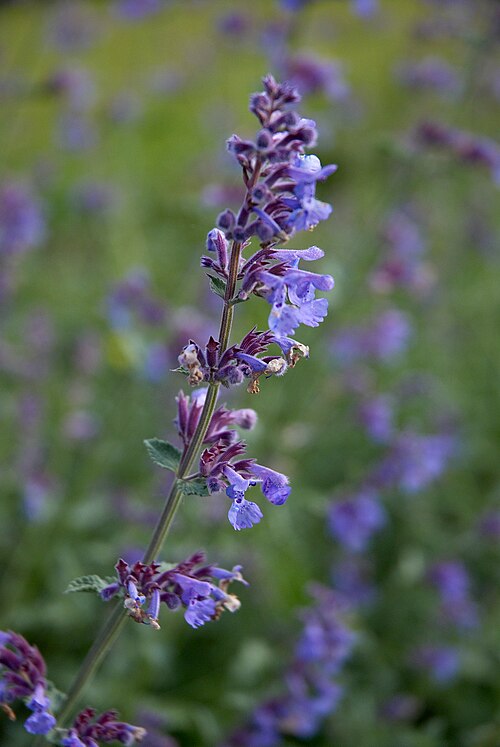
Aromatic Herbs:
Plants with Unappealing Textures:
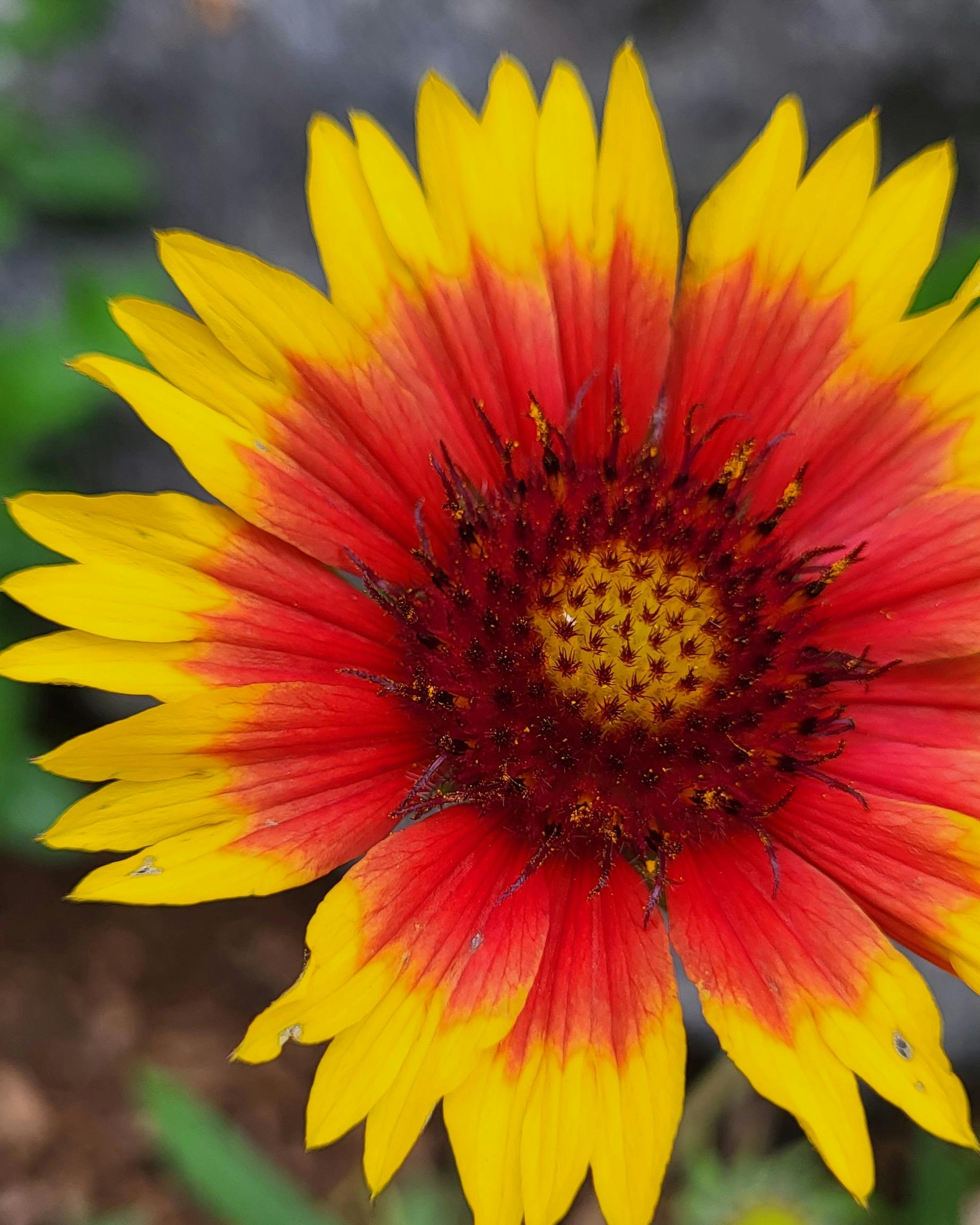
- Blanket Flower (Blanket Flower): Slightly fuzzy leaves.
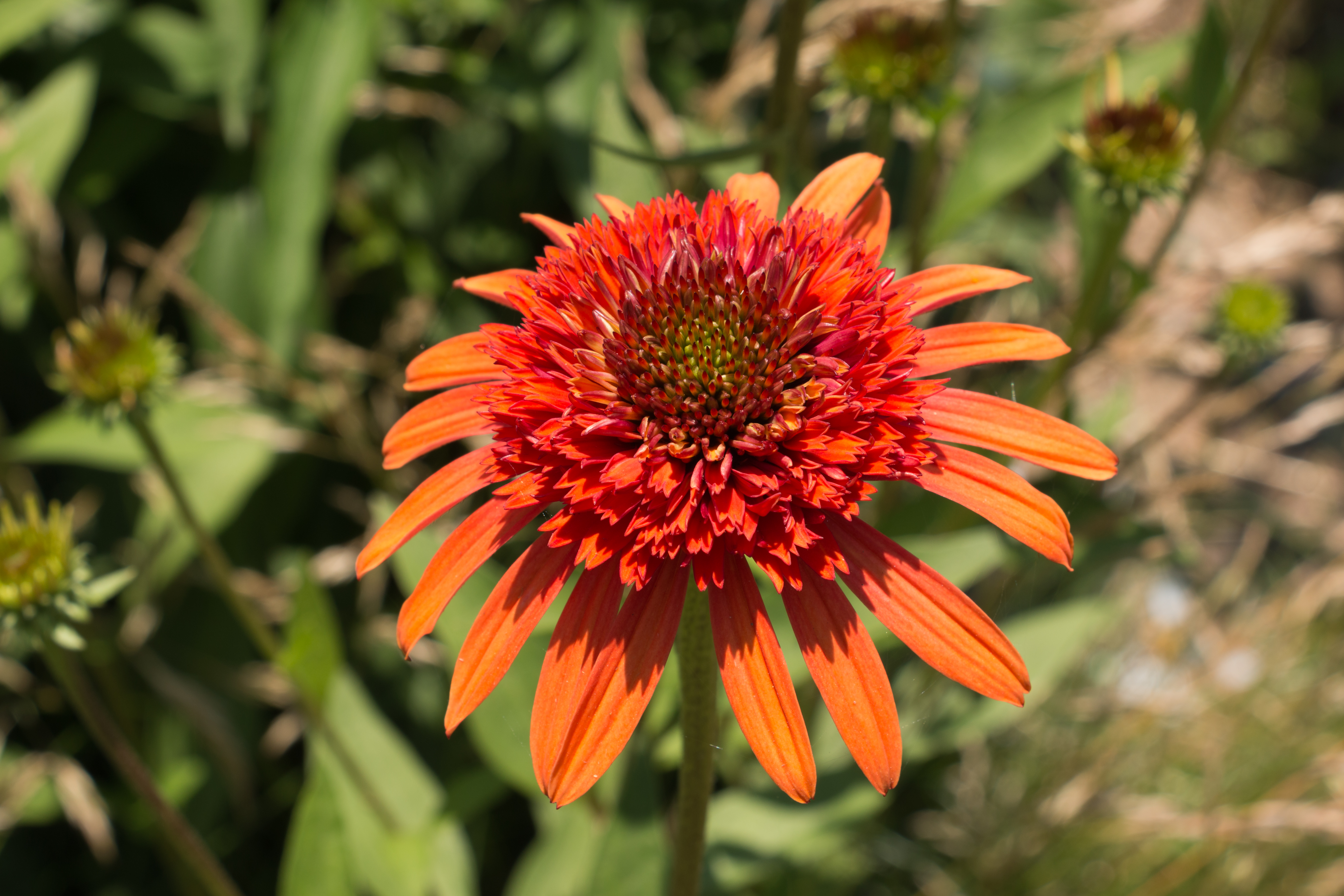
- Coneflower (Coneflower): Coarse texture and prickly cones.
Other Deer-Resistant Perennials:
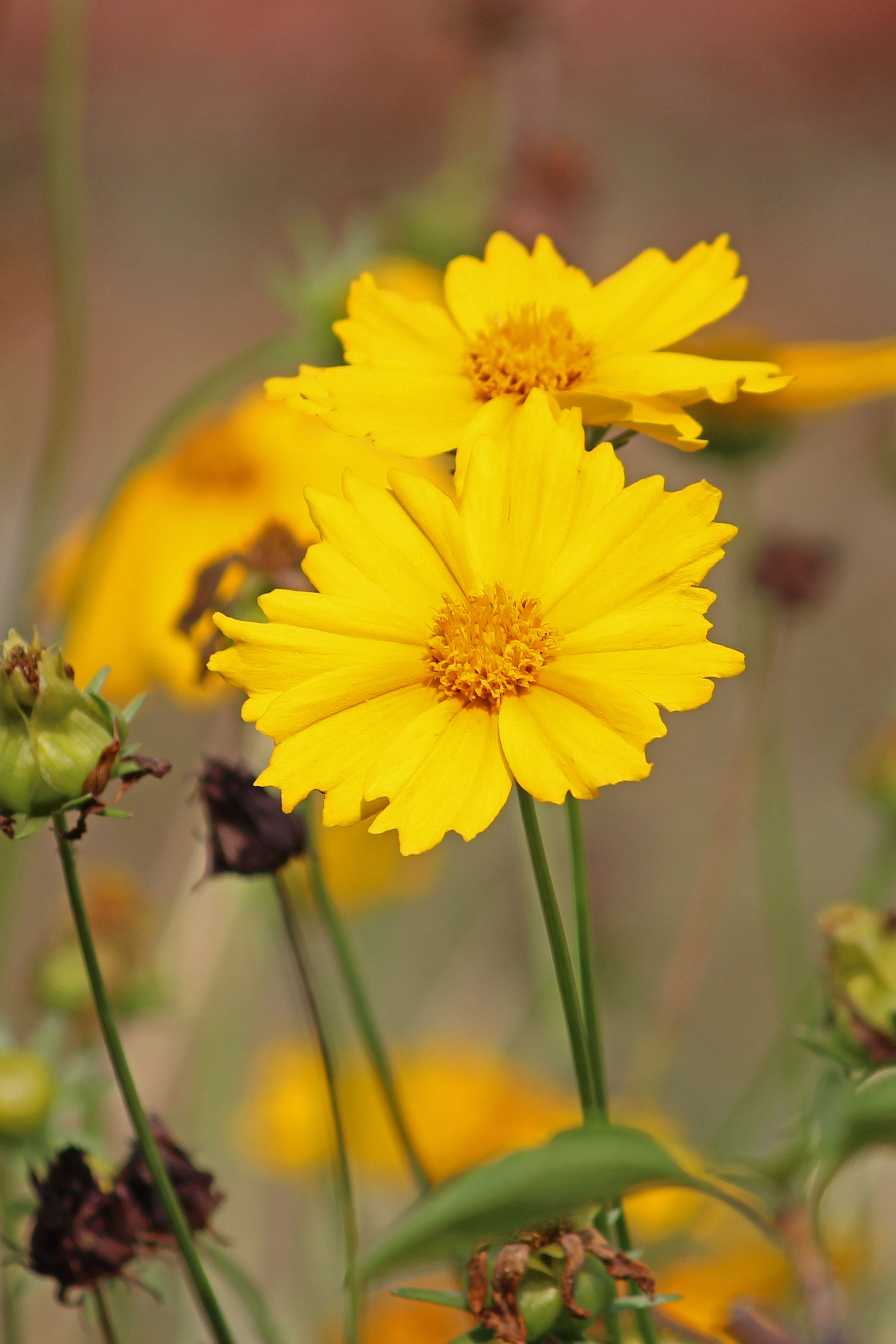
- Coreopsis (Coreopsis): Generally ignored by deer.
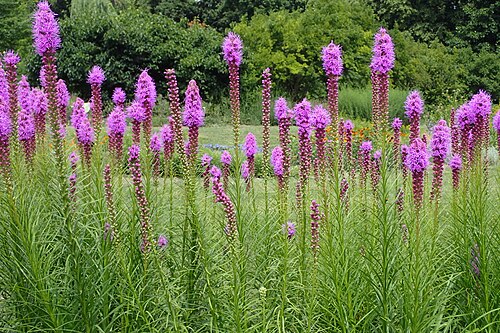
- Blazing Star (Blazing Star): Upright, spiky flowers.
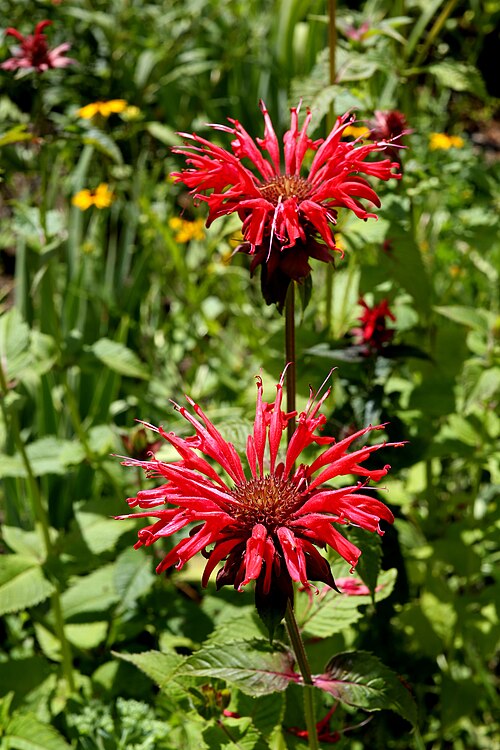
- Bee Balm (Bee Balm): Aromatic foliage and unique flowers.
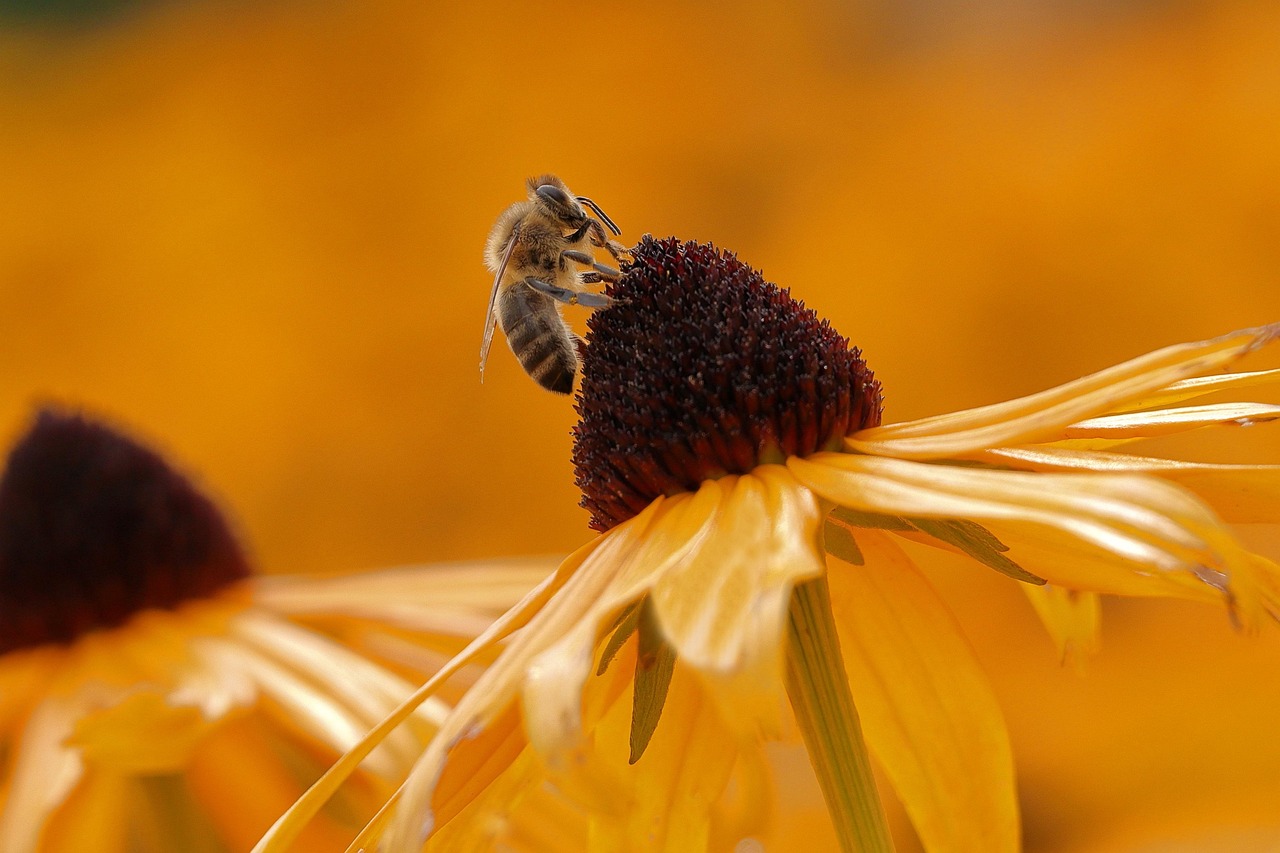
- Black-eyed Susan (Black-eyed Susan): Rough leaves and stems.
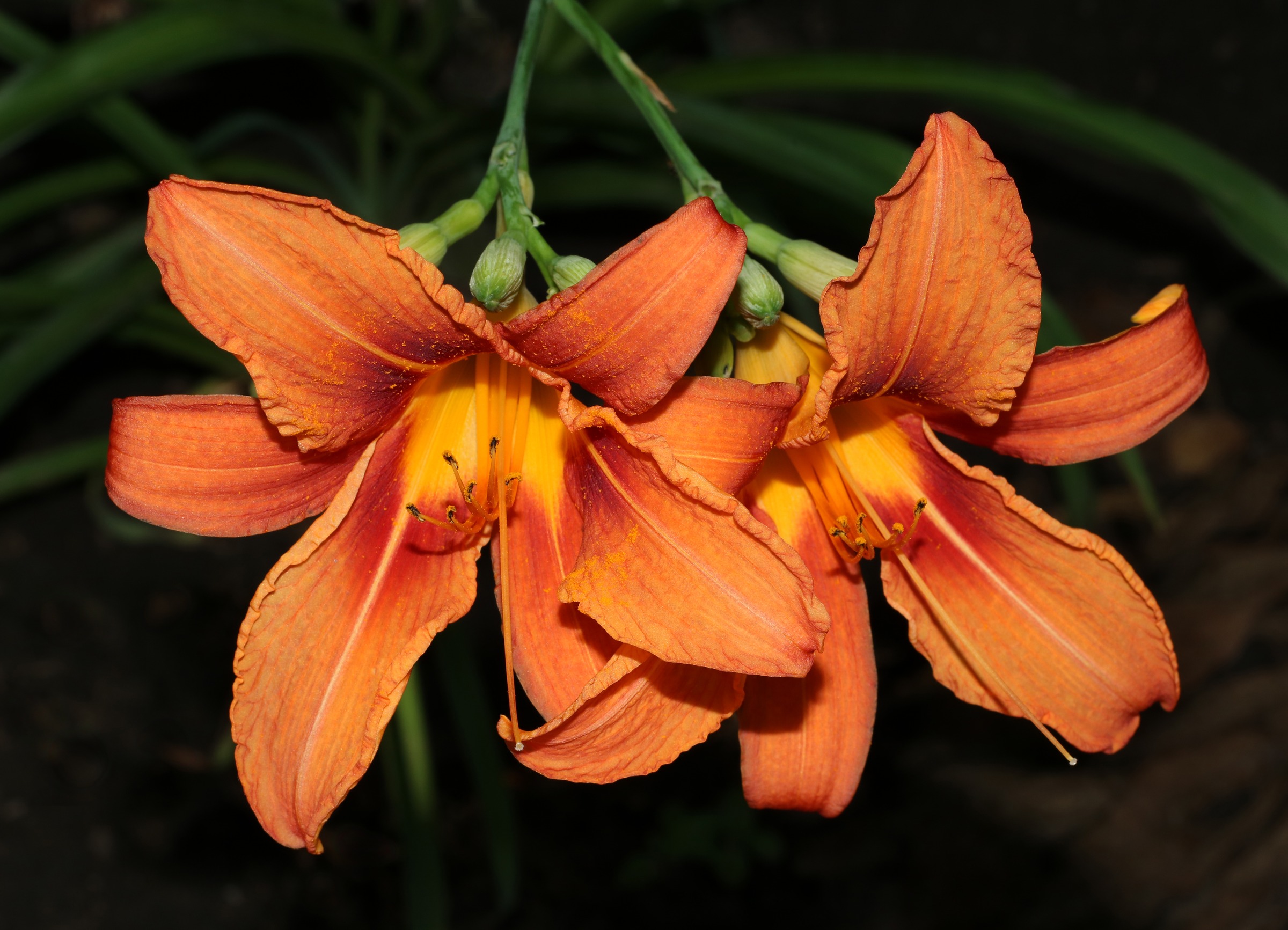
While Daylily (Daylily) is a beautiful and popular plant, it's important to note that it is not considered deer resistant and is often a favored food source for deer. Avoid planting it near your Weigela if deer are a significant problem.
Quick Reference: Weigela & Deer
| Characteristic | Weigela Response | Deer Resistance Level | Notes (or more likely, if very hungry, Weigela may be browsed by deer. Remember, no plant is truly deer-proof.
Is Weigela Toxic to Pets?
No, Weigela ( Weigela florida) is not listed as toxic to dogs or cats by the ASPCA. While this is good news, it's always wise to discourage pets from ingesting any plant material, as even non-toxic plants can cause mild stomach upset if consumed in large quantities.
If you suspect your pet has ingested a toxic plant, call the ASPCA Animal Poison Control Center immediately at (888) 426-4435.
What are the best growing conditions for Weigela?
To ensure your Weigela is strong and resilient against potential deer browsing and other environmental stressors, providing optimal growing conditions is key.
- Sunlight: Weigela thrives in full sun, meaning at least 6 hours of direct sunlight per day. While it can tolerate some partial shade, too little light can reduce flowering and lead to leggy growth.
- Soil: It prefers well-draining soil with a moderate to rich organic content. It's adaptable to various soil types, including clay and sandy soils, as long as drainage is adequate. Avoid consistently wet or waterlogged conditions, which can lead to root rot.
- Watering: Water regularly during its first growing season to establish a strong root system. Once established, Weigela is relatively drought tolerant but will perform best with consistent moisture, especially during dry spells.
- Fertilizing: A balanced, slow-release fertilizer in early spring can promote vigorous growth and abundant blooms. Avoid over-fertilizing, which can lead to excessive foliage at the expense of flowers.
- Pruning: Prune Weigela after it finishes flowering in late spring or early summer. This encourages new growth and more blooms next season. Remove any dead, damaged, or crossing branches, and thin out older, less productive stems to maintain an attractive shape and promote air circulation.
By understanding Weigela's moderate deer resistance and implementing smart gardening practices, you can enjoy these beautiful shrubs in your landscape with minimal deer-related worries.
Ready to find the perfect plants for your yard? Try the PlantWise Plant Finder →