Are Knockout Roses Deer Resistant? Complete Guide
When you're planning your garden, especially in areas with a healthy deer population, the question of deer resistance is often top of mind. Many gardeners wonder about the popular Knockout Rose, known for its continuous blooms and easy care. Unfortunately, the simple answer is no, Knockout Roses are not truly deer resistant. While they might not be a deer's first choice compared to some other plants, deer will browse and damage Knockout Roses, especially when other food sources are scarce or they are young and tender. No plant is truly deer-proof, but some are certainly more resistant than others, and Knockout Roses fall into the "occasionally browsed" category.
Let's dive into why deer might eat your Knockout Roses, how to protect them, and what alternatives you can consider for a deer-challenged landscape.
🌱 Get Personalized Plant Picks
Answer a few quick questions and we’ll match plants to your exact yard conditions.
Find My Plants →Why Do Deer Eat Knockout Roses?
Deer are opportunistic browsers, and their diet can vary widely based on location, season, and the availability of food. While roses, in general, are often listed as "occasionally damaged" by deer, the reality is that a hungry deer will eat almost anything.
Here’s why your Knockout Roses might become a deer snack:
- Hunger: The most significant factor. If natural food sources are limited due to drought, harsh winters, or overpopulation, deer will expand their diet to include plants they might otherwise avoid.
- Young, Tender Growth: New shoots and buds on Knockout Roses are particularly appealing. They are softer, easier to digest, and packed with nutrients.
- Lack of Alternatives: If your garden is a buffet of deer favorites and Knockout Roses are one of the few options, they will be eaten.
- Individual Preferences: Just like people, deer can have individual preferences. A deer that has learned to enjoy roses might continue to seek them out.
- Location: Roses planted near cover or in areas frequently traversed by deer are more likely to be browsed.
While Knockout Roses are known for their tough, disease-resistant foliage, it's not enough to deter a determined deer. The thorns on roses can offer some minor protection, but deer are surprisingly adept at navigating around them to get to the tender leaves and flower buds.
What Are the Signs of Deer Damage on Knockout Roses?
Identifying deer damage is crucial for taking appropriate action. Deer leave distinct signs that differentiate their browsing from other pests or diseases.
- Ragged Tears: Deer lack upper incisors, so they tear rather than cut foliage. This results in jagged, torn edges on stems and leaves, unlike the clean cuts left by rabbits or pruning shears.
- Missing Buds and Flowers: Deer love to eat flower buds and open blooms, often leaving behind a bare stem where a beautiful flower once was.
- Browse Line: In areas with heavy deer pressure, you might notice a distinct "browse line" on shrubs and trees, where all foliage below a certain height (typically 4-6 feet) has been eaten.
- Tracks and Droppings: If deer are frequenting your yard, you might find their hoof prints (cloven hooves) or pellet-like droppings nearby.
If you observe these signs on your Knockout Roses, it's a strong indicator that deer are the culprits.
How Can I Protect My Knockout Roses from Deer?
Since Knockout Roses aren't inherently deer-proof, proactive protection is necessary if deer are an issue in your area. Here are several strategies you can employ:
Fencing: This is by far the most effective method.
- Physical Barrier: An 8-foot tall fence is generally recommended to keep deer out of a specific area. Deer can jump surprisingly high.
- Electric Fencing: A less visually intrusive option, a single or double strand of electric fence can deter deer, especially if baited with peanut butter on foil tabs to encourage them to touch it with their nose.
- Individual Cages: For newly planted or smaller roses, wire cages (like tomato cages) can protect them until they are more established.
Deer Repellents: These work by making plants taste or smell unpleasant to deer.
- Rotational Use: Deer can become accustomed to repellents, so it's best to rotate between different types (e.g., scent-based vs. taste-based) to maintain effectiveness.
- Application: Apply repellents regularly, especially after rain or new growth emerges. Follow product instructions carefully.
- Homemade Options: Some gardeners use concoctions like rotten egg spray, hot pepper spray, or Irish Spring soap shavings, though their effectiveness can vary.
Strategic Planting:
- Location: Plant Knockout Roses closer to your house or in high-traffic areas where deer are less likely to venture.
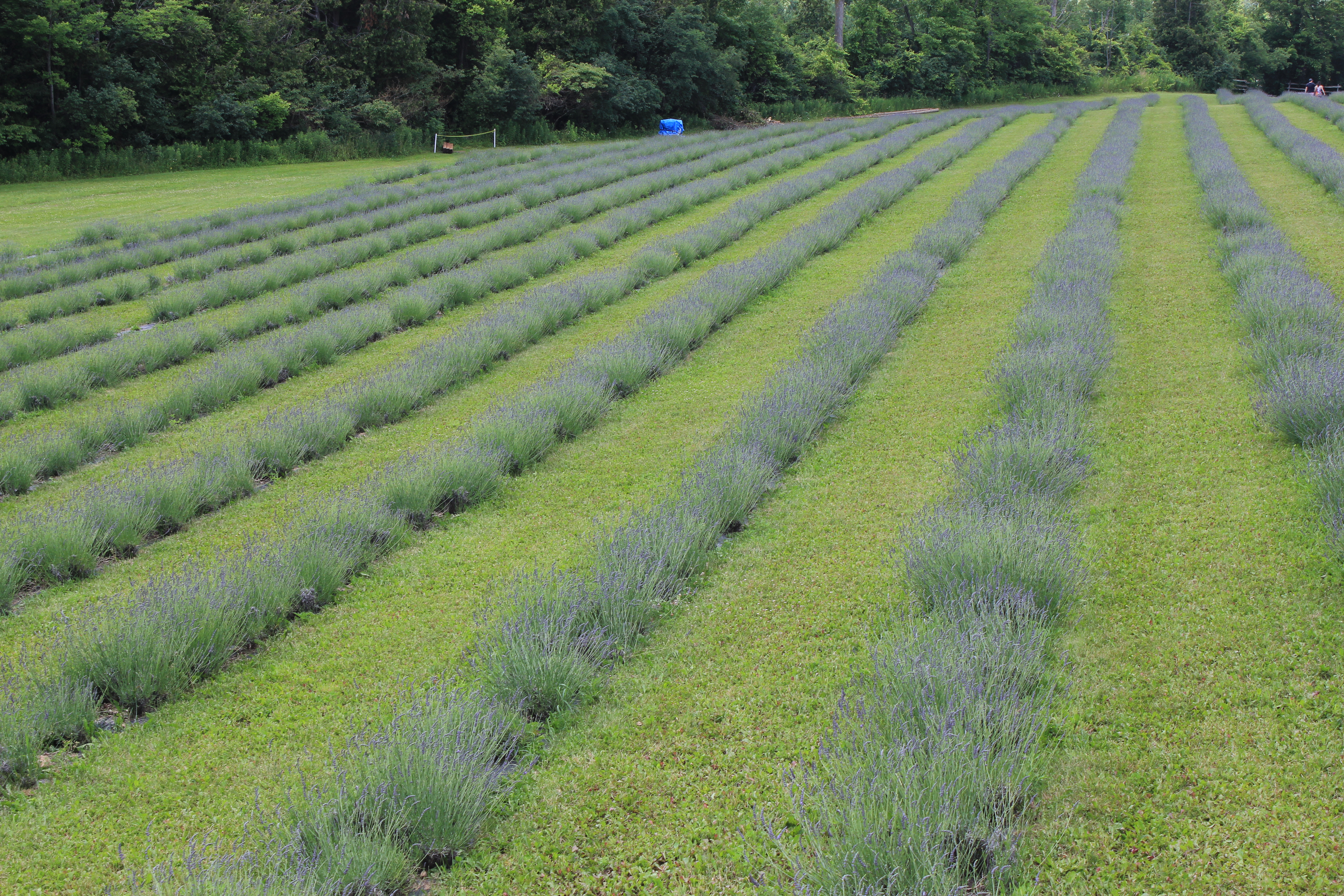
- Companion Planting: While not foolproof, planting strong-smelling, deer-resistant plants around your roses can sometimes help mask their appeal. Think herbs like lavender or plants with pungent foliage.
Exclusion and Habitat Modification:
- Remove Attractants: Clear away fallen fruit, pet food, or other items that might draw deer to your yard.
- Motion-Activated Sprinklers: These can startle deer with a burst of water, deterring them from the area.
- Dog Patrol: A dog that spends time outdoors can be a significant deterrent to deer.
Remember, a multi-pronged approach is often the most successful. Combining fencing with repellents and strategic planting will give your Knockout Roses the best chance against hungry deer.
What Are Good Deer-Resistant Alternatives to Knockout Roses?
If deer pressure is high and you're looking for flowering shrubs or perennials that offer similar continuous bloom or low maintenance qualities but are less appealing to deer, consider these options. While no plant is truly deer-proof, these are generally considered to be highly deer-resistant.
Quick Reference: Deer-Resistant Alternatives
| Plant Name | Deer Resistance Level | Bloom Time | Key Features |
|---|---|---|---|
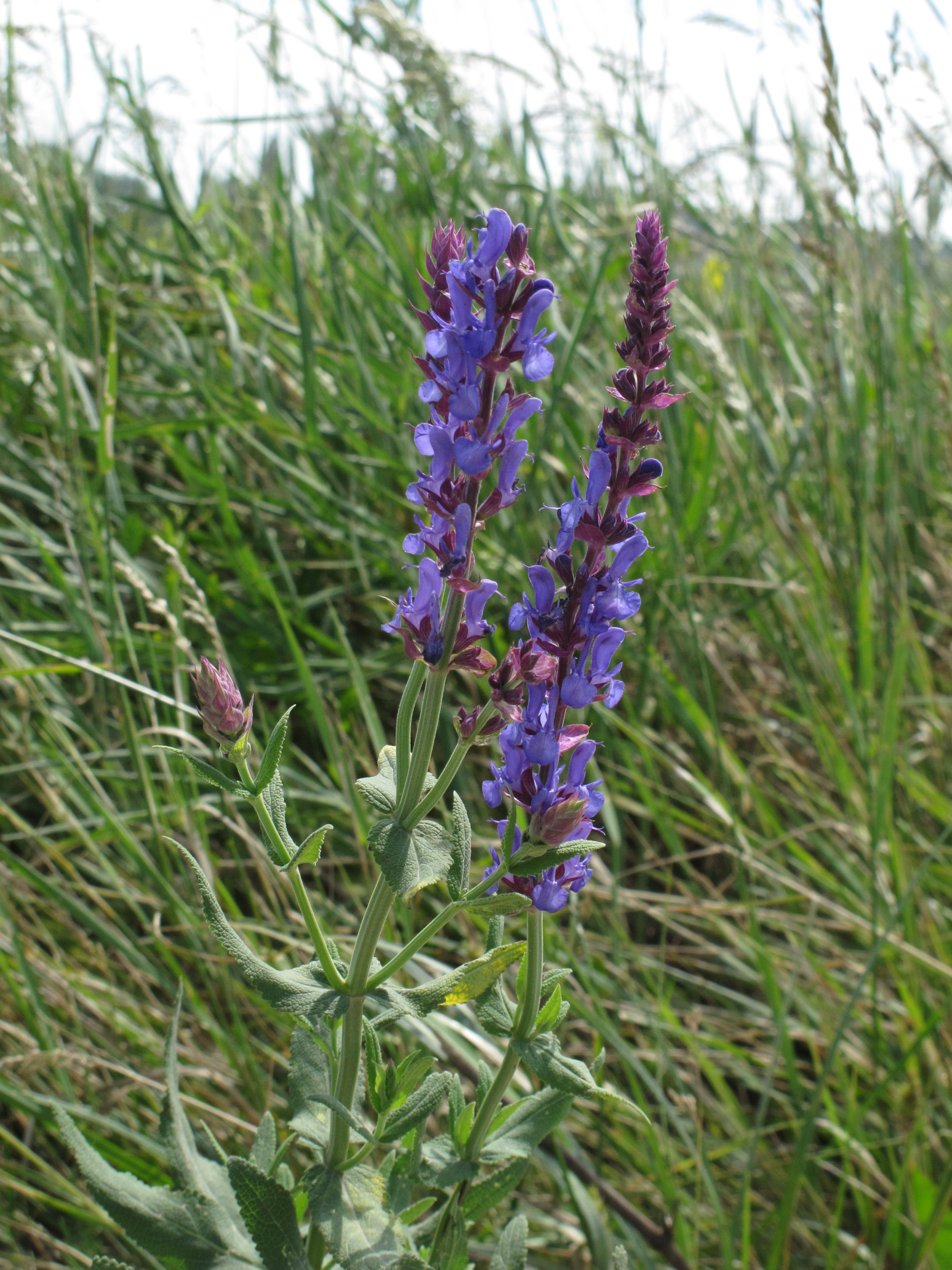
| Salvia | High | Spring to Fall | Spikes of blue, purple, pink flowers; aromatic |
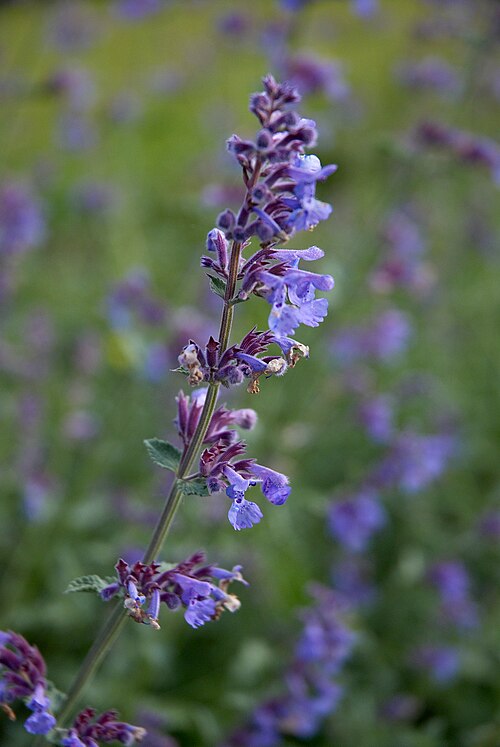
| Catmint | High | Late Spring to Fall | Lavender-blue flowers; aromatic foliage |
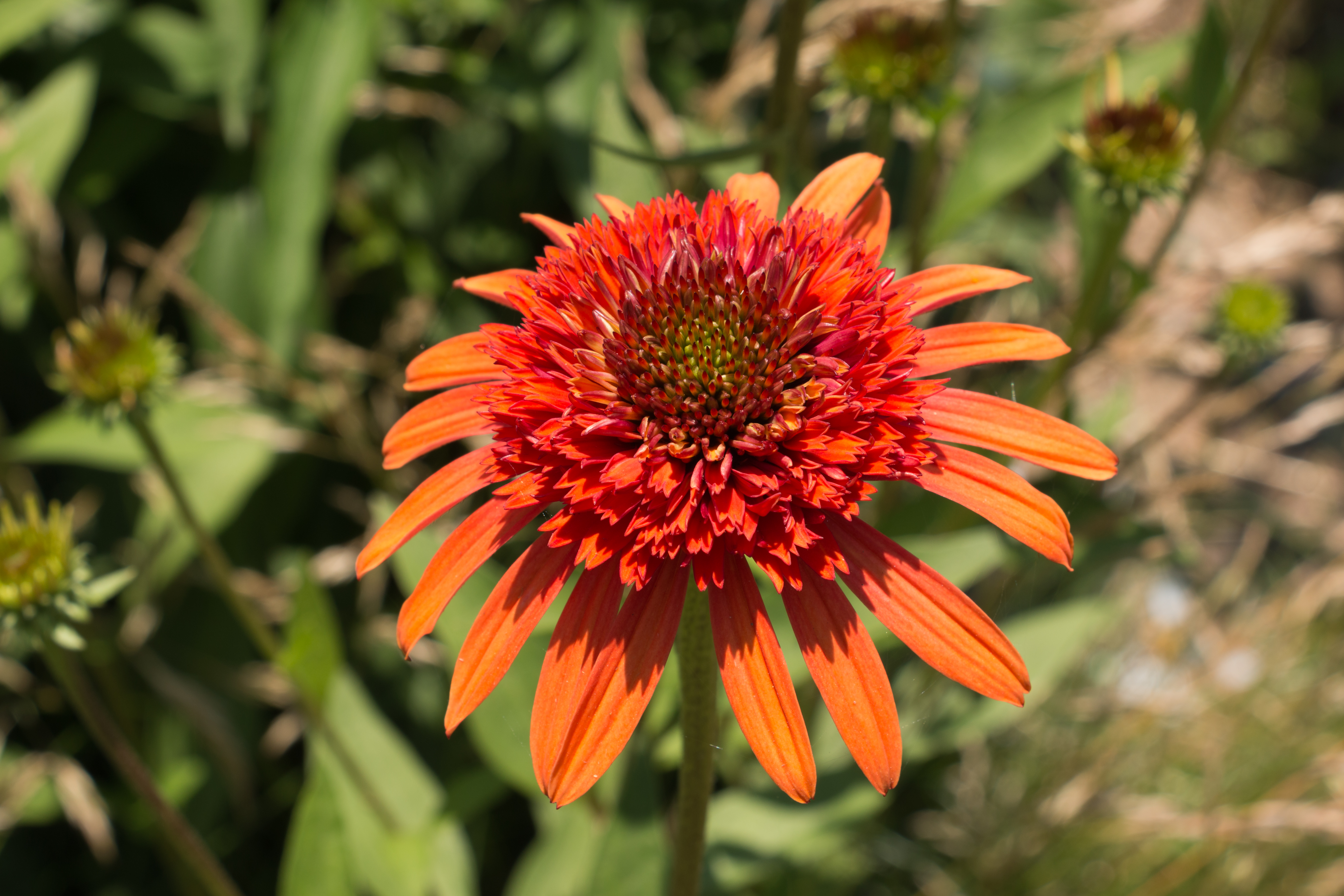
| Coneflower | Moderate to High | Summer to Fall | Daisy-like flowers; attractive to pollinators |
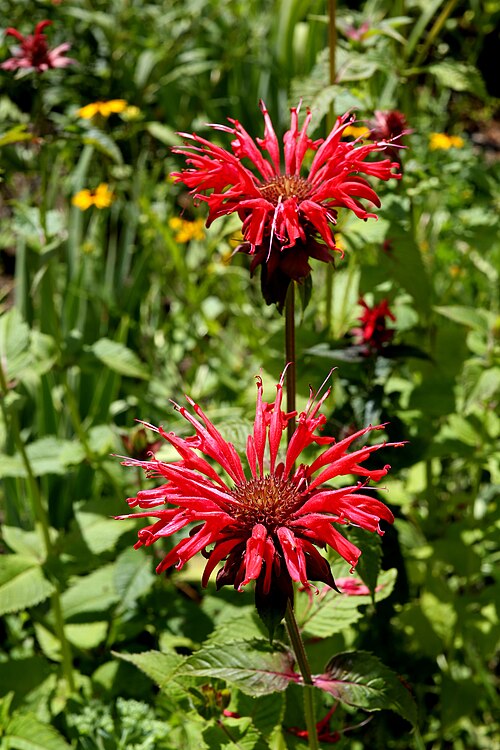
| Bee Balm | High | Summer | Unique, shaggy flowers; aromatic; attracts bees |
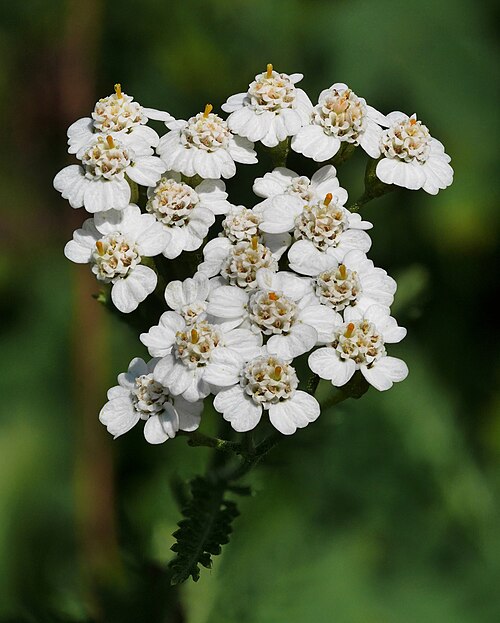
| Yarrow | High | Summer | Flat-topped clusters of flowers; feathery foliage |
Here are some other excellent choices:
- Shrubs:
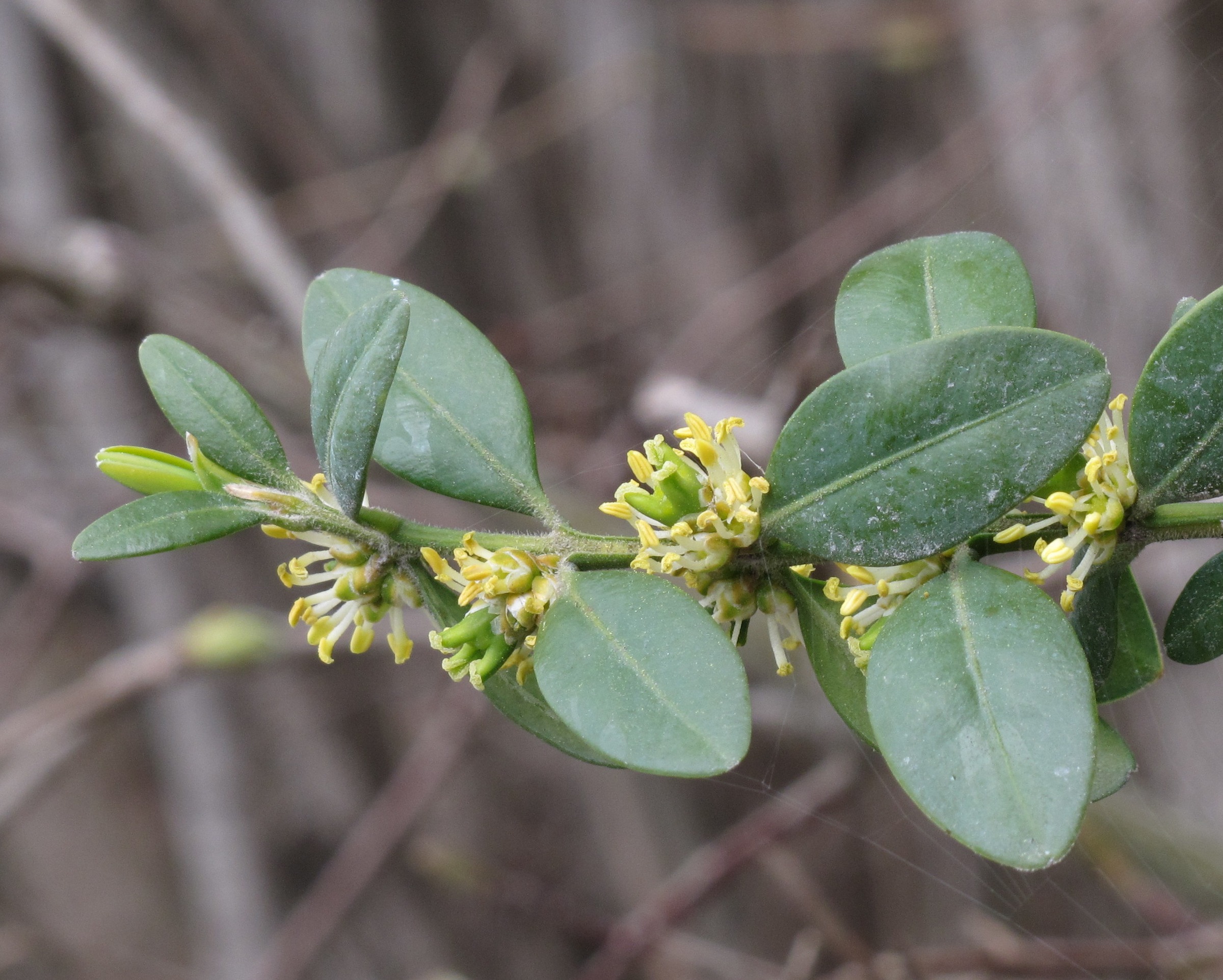
- Boxwood (Buxus spp.): While not flowering like a rose, boxwood offers evergreen structure and is rarely bothered by deer.
- Spirea (Spiraea spp.): Many varieties offer beautiful spring or summer blooms and are generally deer-resistant.
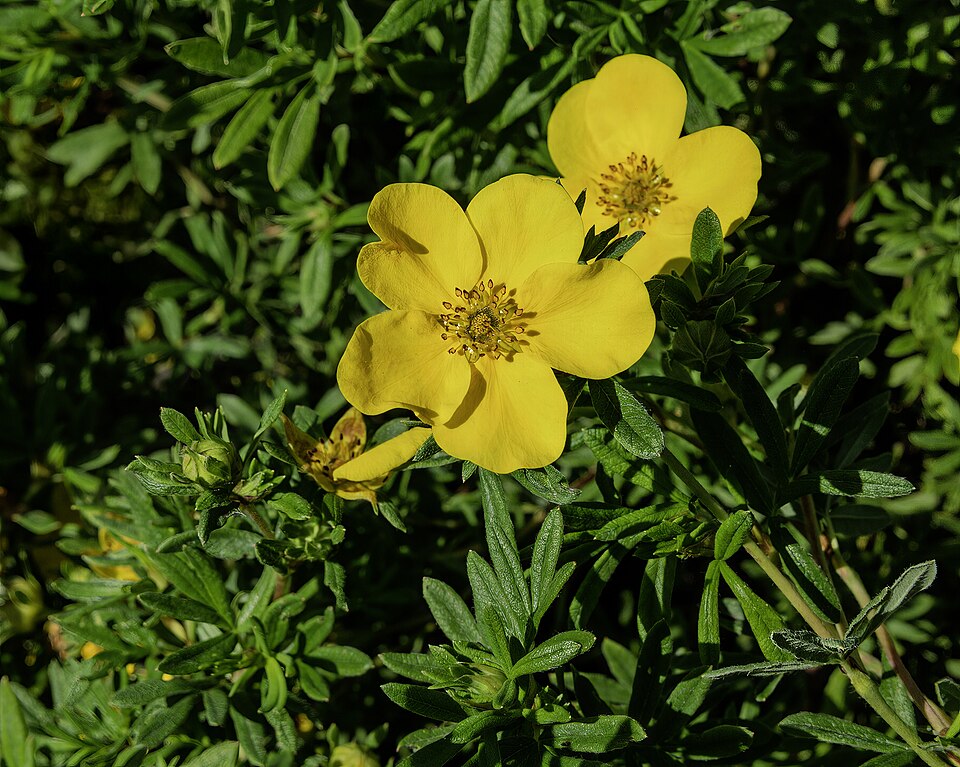
- Potentilla (Potentilla fruticosa): Offers continuous yellow, orange, or white blooms throughout the summer and is very tough.
- Japanese Spurge (Pachysandra terminalis): A great evergreen groundcover for shady areas, deer tend to leave it alone.
- Perennials:
- Peonies (Paeonia spp.): Their large, showy blooms are a garden classic, and deer typically avoid them.
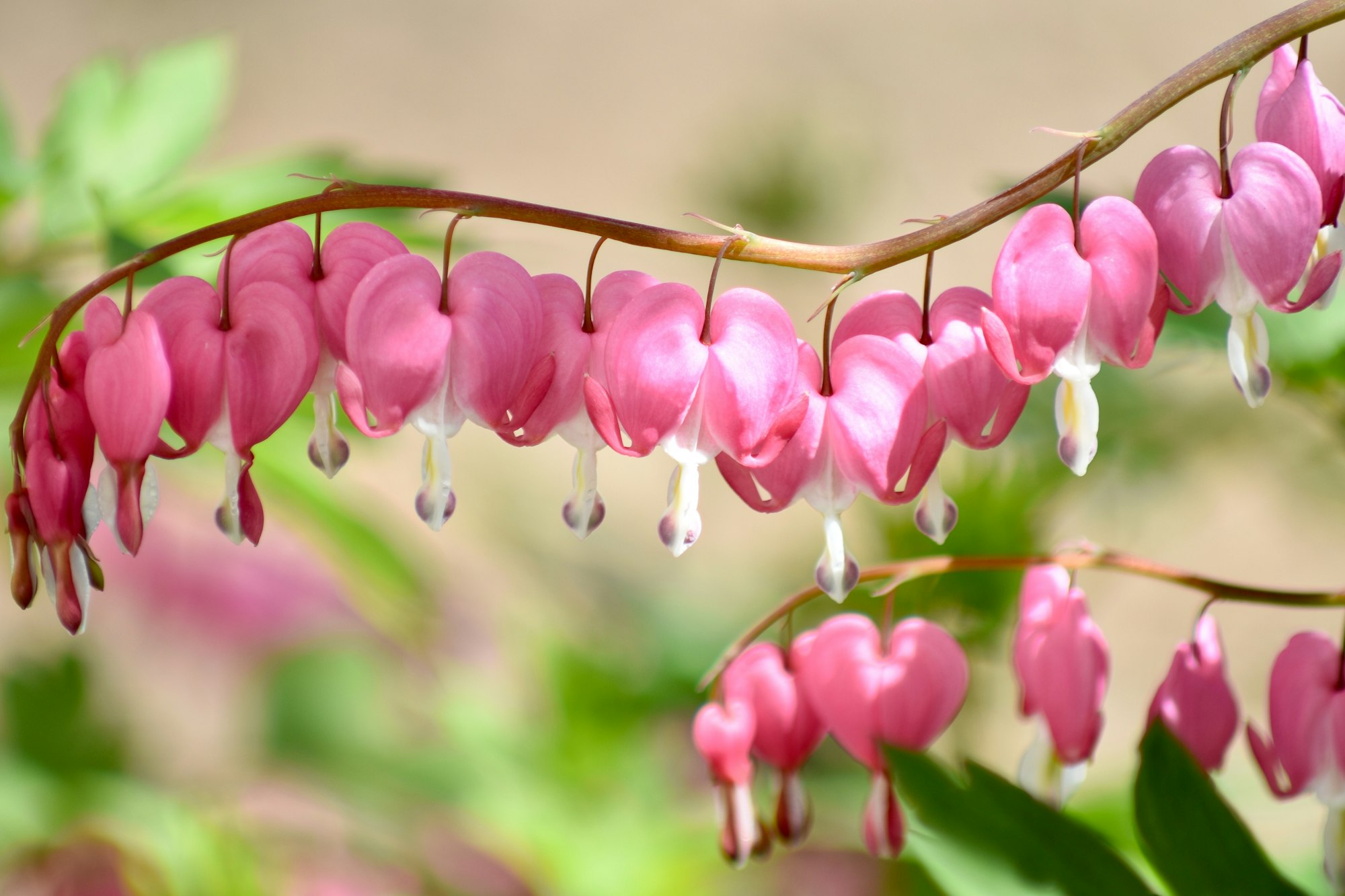
- Bleeding Heart (Dicentra spectabilis): Beautiful spring flowers, deer resistant.
- Lenten Rose (Helleborus orientalis): Early spring blooms, evergreen foliage, and deer usually pass them by.
- Ornamental Grasses: Most ornamental grasses are highly deer resistant and add texture and movement to the garden.
When selecting alternatives, look for plants with strong scents, fuzzy or coarse foliage, or milky sap, as these characteristics often deter deer. Always check local nurseries or university extension resources for plants known to be deer-resistant in your specific region.
If you suspect your pet has ingested a toxic plant, call the ASPCA Animal Poison Control Center immediately at (888) 426-4435.
While Knockout Roses are beautiful and low-maintenance in many respects, their susceptibility to deer browsing is a significant consideration for gardeners in deer-prone areas. By understanding deer behavior and implementing effective protection strategies, you can still enjoy these lovely roses. Or, if the deer pressure is simply too high, you have a wealth of beautiful, deer-resistant alternatives to choose from to create a thriving and beautiful garden.
Ready to find the perfect plants for your yard? Try the PlantWise Plant Finder →