Is Viburnum Deer Resistant? Complete Guide
Viburnums are a diverse and popular group of shrubs and small trees, cherished for their beautiful flowers, attractive foliage, and often vibrant berries. If you're gardening in an area with deer, you're likely wondering: Is viburnum deer resistant? The good news is that most viburnum varieties are generally considered deer resistant, making them an excellent choice for landscapes where deer browsing is a concern. While no plant is truly deer-proof, viburnums are typically low on a deer's preferred menu, especially when other food sources are abundant. Their slightly coarse or leathery leaves and sometimes strong scent tend to deter deer.
However, it's important to remember that a hungry deer will eat almost anything. Factors like deer population density, alternative food availability, and the specific viburnum species can influence how resistant a plant truly is. In this complete guide, we'll delve into which viburnums are best for deer resistance, how to protect them, and other considerations for growing these versatile plants.
🌱 Get Personalized Plant Picks
Answer a few quick questions and we’ll match plants to your exact yard conditions.
Find My Plants →What Makes Viburnum Generally Deer Resistant?
Deer are selective browsers, and they tend to avoid plants with certain characteristics. Viburnums often possess several of these deterrent qualities:
- Texture: Many viburnum species have leaves that are thick, leathery, or slightly coarse, which deer find less palatable than tender, soft foliage.
- Scent: Some viburnums emit a distinct odor, particularly when their leaves are crushed or when they are in bloom. This scent can be unpleasant to deer.
- Taste: The chemical compounds within viburnum leaves are often bitter or unappealing to deer.
- Toxicity (mild): While not highly toxic, some viburnum species contain compounds that can cause mild digestive upset in animals if consumed in large quantities, which deer instinctively avoid.
These combined factors contribute to viburnum's reputation as a deer-resistant shrub.
Which Viburnum Varieties Are Most Deer Resistant?
While most viburnums are generally deer resistant, some species are noted for being even less appealing to deer. Here's a quick reference table and some specific recommendations:
| Viburnum Species | Deer Resistance Level | Notes
- Viburnum dentatum (Arrowwood Viburnum): A very reliable choice. Its stiff, toothed leaves are generally ignored by deer. It's adaptable to various soil conditions and offers attractive white flowers followed by blue-black berries.
- Viburnum plicatum (Doublefile Viburnum): This species, particularly its cultivars like 'Mariesii' or 'Shasta,' is highly ornamental with distinct horizontal branching and beautiful tiered white flowers. Deer tend to leave it alone.
- Viburnum carlesii (Koreanspice Viburnum): Famous for its intensely fragrant pinkish-white flowers in spring. Its slightly fuzzy leaves are not usually favored by deer.
- Viburnum rhytidophyllum (Leatherleaf Viburnum): As the name suggests, this viburnum has deeply wrinkled, leathery leaves that are quite unappealing to deer. It's evergreen or semi-evergreen in many climates.
- Viburnum opulus (European Cranberrybush Viburnum): While its common name can be confusing, this viburnum is generally deer resistant. Its lobed leaves and bright red berries are attractive.
- Viburnum trilobum (American Cranberrybush Viburnum): The North American native counterpart to V. opulus, also known for good deer resistance and attractive fruit.
- Viburnum nudum (Possumhaw Viburnum / Smooth Witherod): Another North American native, valued for its glossy leaves, white flowers, and berries that change from green to pink to blue-black. Deer typically avoid it.
How Can I Further Protect My Viburnum from Deer?
Even with deer-resistant plants, extra measures can be beneficial, especially during harsh winters or periods of drought when deer are hungrier and less picky.
- Repellents:
- Commercial Repellents: These often contain ingredients like putrescent egg solids, hot pepper, or predator urine. They need to be reapplied regularly, especially after rain. Rotate types to prevent deer from becoming accustomed to one.
- Homemade Repellents: Some gardeners have success with concoctions of rotten eggs, garlic, hot sauce, or even bar soap shavings (Irish Spring is a popular choice) hung in mesh bags near plants.
- Physical Barriers:
- Fencing: The most effective method, but often impractical for an entire landscape. For individual plants, a temporary cage of chicken wire or hardware cloth can protect young, vulnerable viburnums until they are established. Fences need to be at least 8 feet tall to deter jumping deer.
- Netting: Fine mesh netting can be draped over smaller shrubs during peak browsing times, but it can be unsightly.
- Strategic Planting:
- Companion Planting: Plant viburnums near or among other highly deer-resistant plants that have strong scents or prickly textures.
- Location: Avoid planting highly desirable (to deer) plants right next to your viburnums, as deer might browse the viburnum as an "appetizer" on their way to their preferred meal.
- Maintenance:
- Keep Plants Healthy: Healthy, vigorous plants are more resilient and can recover better from minor browsing.
- Pruning: If you notice consistent browsing on lower branches, consider pruning the plant to have a higher canopy, making it harder for deer to reach.
- Distractions:
- Deer Feeders (Controversial): Some people try to lure deer away from their ornamental plants by providing alternative food sources. However, this can also attract more deer to your property, potentially worsening the problem. Use with caution and research local regulations.
Remember, the goal is to make your viburnum less appealing than other available food sources.
Are There Any Viburnum Varieties Deer Might Browse More Often?
While most viburnums are good bets, some sources suggest that viburnums with softer, less textured leaves, or those with particularly tender new growth, might be occasionally sampled by deer, especially if they are very hungry. For instance, some cultivars of Viburnum plicatum f. tomentosum (Doublefile Viburnum) might be browsed more than the species itself, though still generally resistant.
It's always a good idea to observe deer behavior in your specific area. A plant that is completely ignored in one garden might get nibbled in another due to local deer pressure.
What Other Deer-Resistant Plants Can I Pair with Viburnum?
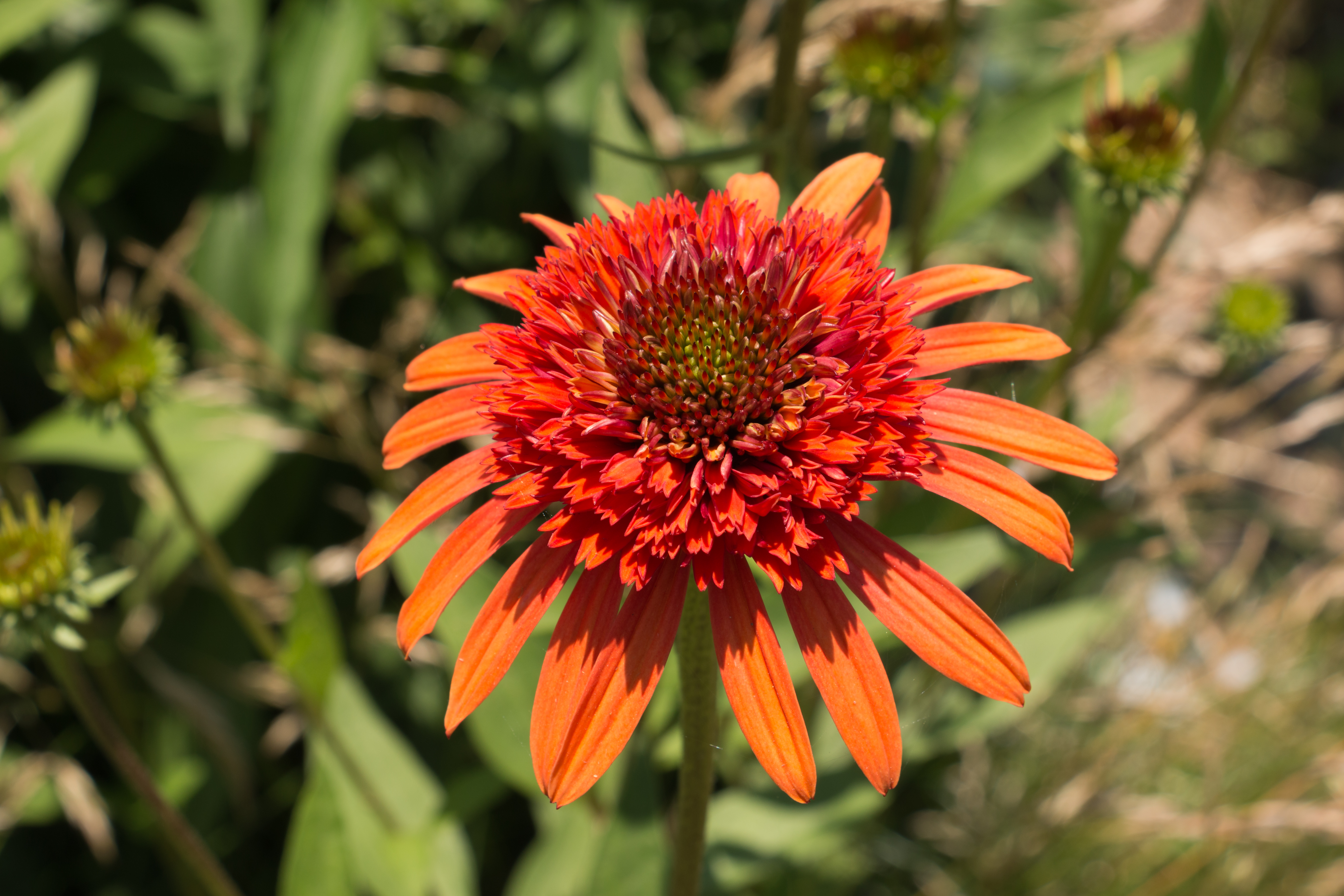
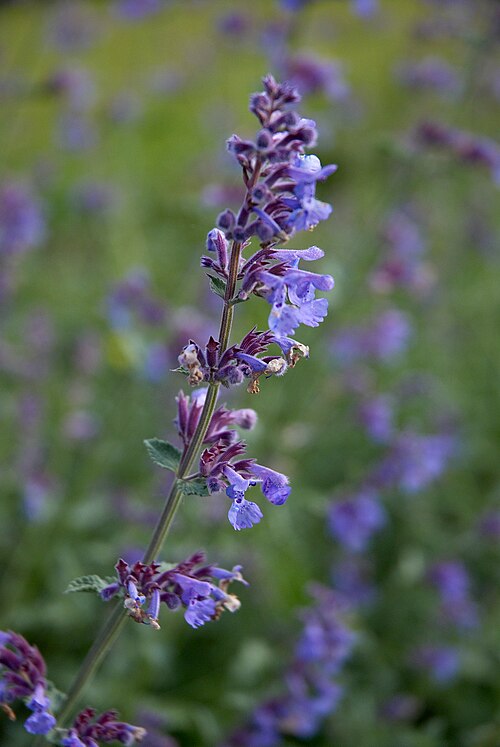
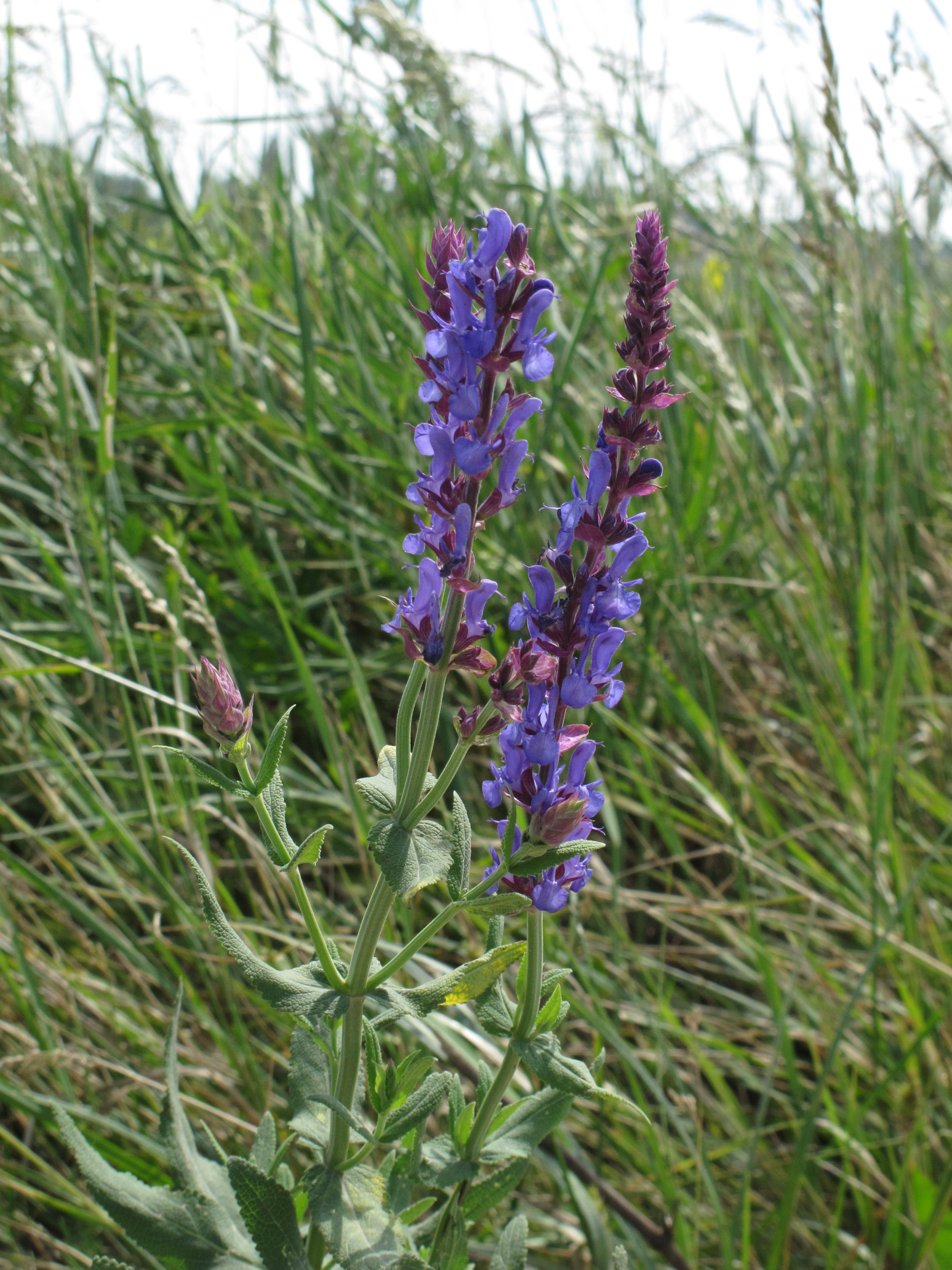
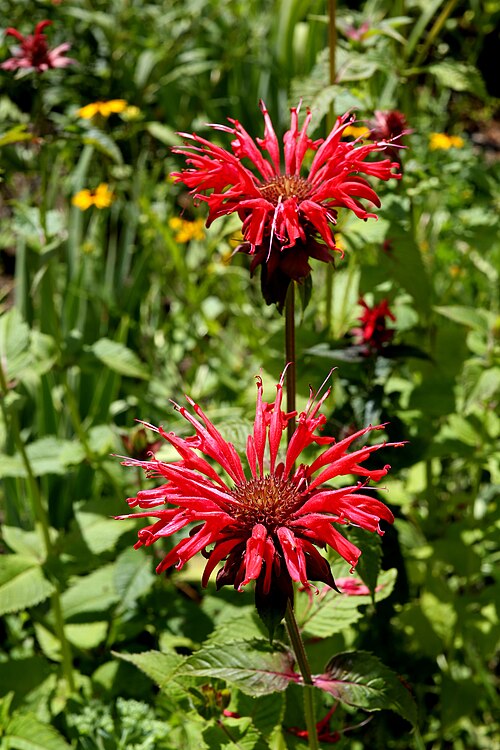
Creating a diverse, deer-resistant landscape involves more than just viburnums. Here are some other excellent choices that deer tend to avoid, which can complement your viburnum plantings:
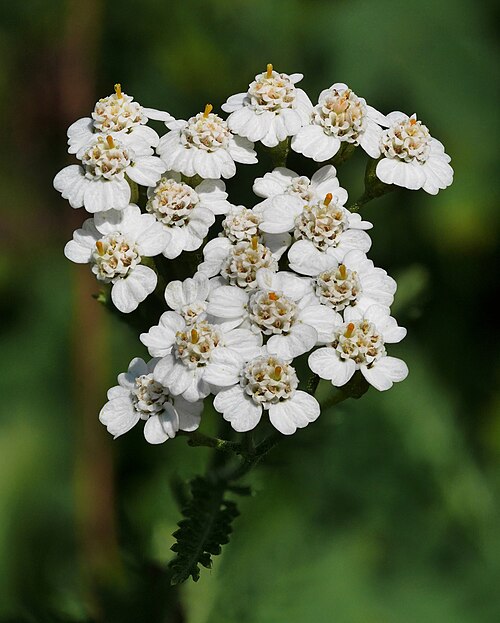
Coneflower Bee Balm Catmint Yarrow Salvia
These plants, along with viburnums, can help you create a beautiful and thriving garden, even in areas with active deer populations.
General Care Tips for Viburnum
Viburnums are generally low-maintenance shrubs, making them a joy to grow.
- Sunlight: Most viburnums prefer full sun to partial shade. More sun generally means more flowers and berries.
- Soil: They are adaptable to a range of soil types but thrive in well-drained, fertile soil with a slightly acidic to neutral pH.
- Watering: Water regularly during their first year to establish a strong root system. Once established, most are moderately drought-tolerant, though they appreciate consistent moisture, especially during dry spells.
- Fertilizing: A balanced, slow-release fertilizer in early spring can benefit young plants or those in poor soil. Established plants often don't need much fertilization.
- Pruning: Prune after flowering to maintain shape, remove dead or damaged branches, and control size. Some viburnums can be rejuvenated by cutting back older stems to the ground.
- Pests and Diseases: Viburnums are generally robust, but watch out for common issues like aphids, viburnum leaf beetle, and powdery mildew. Good air circulation and proper plant spacing can help prevent fungal diseases.
Conclusion: Viburnum as a Deer-Resistant Ally
For gardeners battling deer, viburnums are a reliable and beautiful solution. Their natural deterrent qualities, combined with their ornamental value, make them a top choice for a deer-resistant landscape. While no plant is 100% deer-proof, incorporating various viburnum species into your garden is a smart strategy to enjoy lush foliage, stunning flowers, and vibrant berries without constant worry about browsing damage. By selecting appropriate varieties and employing a few protective measures, you can successfully grow these versatile shrubs.
Ready to find the perfect plants for your yard? Try the PlantWise Plant Finder →