Is Heuchera (Coral Bells) Deer Resistant? Complete Guide
Heuchera, commonly known as Coral Bells, is generally considered to have good deer resistance, but it's important to understand that no plant is truly deer-proof. While Heuchera is often listed among plants that deer tend to avoid, their resistance can vary depending on local deer populations, their hunger levels, and the specific variety of Heuchera. In most cases, deer will bypass Coral Bells in favor of more palatable options, making them a valuable addition to gardens in deer-prone areas. However, if food sources are scarce, even "resistant" plants like Heuchera can become a target.
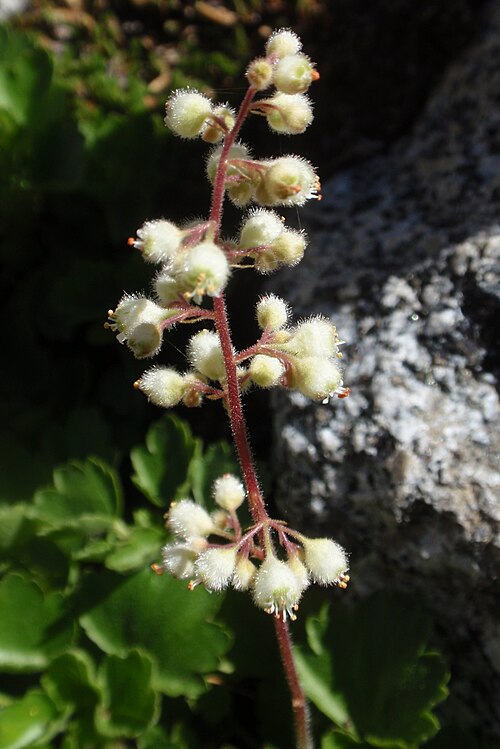
Heuchera (Coral Bells) is beloved by gardeners for its stunning foliage, which comes in an incredible array of colors from lime green to deep purple, bronze, and even variegated patterns. Its delicate, bell-shaped flowers, which appear on tall stalks, add an airy grace to the garden. Beyond its beauty, its adaptability to various light conditions (from full sun to partial shade, depending on variety and climate) and its relatively low maintenance make it a popular choice. But for those battling browsing deer, the question of its resistance is paramount.
Alumroot (Heuchera) plugs plus spray when browse pressure is high. We may earn a commission at no extra cost to you.
Amazon · Heuchera / alumroot plugs Amazon · Deer repellent spray
* Prefer live plugs over seed packets for Heuchera. Reapply spray after rain per label.
Why Do Deer Tend to Avoid Heuchera?
Deer are selective eaters, and their preferences are often guided by a plant's taste, texture, and scent. Heuchera possesses several characteristics that make it less appealing to these herbivores:
- Texture: The leaves of many Heuchera varieties have a somewhat coarse or leathery texture, which deer generally find less palatable than tender, succulent foliage.
- Scent/Taste: While not strongly aromatic to humans, Heuchera leaves contain compounds that can give them a slightly bitter or unpleasant taste to deer. These natural defenses are common in many plants that have evolved to deter browsing animals.
- Overall Palatability: Compared to many other garden plants, Heuchera simply isn't high on a deer's preferred menu. When there are other, tastier options available, deer will almost always choose those first.
It's crucial to remember that "deer resistant" is not synonymous with "deer proof." A hungry deer, especially in areas with high deer populations or during periods of drought or winter scarcity, will eat almost anything.
🌱 Get Personalized Plant Picks
Answer a few quick questions and we’ll match plants to your exact yard conditions.
Find My Plants →Which Heuchera Varieties Are Most Deer Resistant?
While all Heuchera varieties generally share a similar level of deer resistance, some gardeners report that varieties with darker, thicker, or more textured leaves might be slightly less appealing. However, there's no definitive scientific consensus that one specific cultivar is dramatically more deer-resistant than another.
The good news is that the vast majority of Heuchera cultivars, regardless of their stunning leaf color or flower spikes, are considered to have good resistance. This means you can choose varieties based on their aesthetic appeal and suitability for your garden's conditions without significant worry about deer preference among cultivars.
Quick Reference: Heuchera Deer Resistance
| Characteristic | Deer Resistance Level | Notes |
|---|---|---|
| General Species | Good | Most Heuchera varieties are considered resistant. |
| Texture | Good | Leathery, somewhat coarse leaves are less appealing to deer. |
| Taste/Scent | Good | Contains compounds that can taste bitter or unpleasant to deer. |
| Hunger Factor | Variable | Extremely hungry deer may browse any plant, including Heuchera. |
| Variety Specificity | Minimal Variation | No single Heuchera cultivar is dramatically more resistant than others; choose based on aesthetics and growing conditions. |
What Other Strategies Can Help Deter Deer From My Garden?
Relying solely on "deer-resistant" plants is often not enough for a truly deer-free garden, especially in areas with heavy deer pressure. A multi-pronged approach is usually most effective:
Fencing: This is by far the most effective method, but also the most expensive and labor-intensive. A fence needs to be at least 8 feet tall to deter deer from jumping over it. Electric fences can also be effective but require careful installation and maintenance.
Deer Repellents:
- Scent-based repellents: These work by mimicking the smell of predators or something unpleasant to deer (e.g., rotten eggs, garlic, hot pepper). They need to be reapplied regularly, especially after rain.
- Taste-based repellents: These make the plant taste bad to deer. They are often combined with scent repellents.
- Homemade remedies: While some gardeners swear by Irish Spring soap, human hair, or dryer sheets, their effectiveness is often anecdotal and short-lived.
Companion Planting: While Heuchera is already resistant, planting it alongside other highly unpalatable plants can create a "deer-resistant zone." Consider plants with strong scents or prickly textures.
Strategic Placement: Plant highly desirable plants closer to your house or within fenced areas, and use deer-resistant plants like Heuchera on the perimeter.
Motion-Activated Sprinklers or Lights: Sudden bursts of water or light can startle deer and encourage them to move on. These are most effective for smaller areas or as a temporary deterrent.
Regular Monitoring: Keep an eye out for signs of deer browsing. The sooner you notice damage, the sooner you can implement or adjust your deterrent strategies. Deer often "test" new plants, so a small nibble doesn't always mean they'll devour the whole plant.
How Can I Tell if Deer Are Eating My Heuchera?
Identifying deer damage is key to taking appropriate action. Deer leave distinct clues that differentiate their browsing from other pests:
- Ragged Tears: Deer lack upper incisors, so when they eat, they tear foliage rather than making clean cuts. You'll often see jagged edges on leaves and stems.
- Height of Damage: Deer typically browse from ground level up to about 6 feet high, though they can stand on their hind legs to reach higher.
- Hoof Prints: Look for distinctive cloven hoof prints in soft soil around your plants.
- Droppings: Small, pellet-like droppings can be another indicator.
- Specific Plant Preference: If your Heuchera is being eaten, but other, more palatable plants nearby are untouched, it might indicate a very hungry deer or a lack of other food sources.
If you suspect deer are browsing your Heuchera, it's important to act quickly. Reinforce your deterrents, try a different type of repellent, or consider temporary fencing.
While Heuchera offers good deer resistance, remember that no plant is truly deer-proof. By combining resistant plant choices with other deterrent strategies, you can significantly reduce deer damage and enjoy your beautiful Coral Bells for years to come.
Ready to find the perfect plants for your yard? Try the PlantWise Plant Finder →