Is Forsythia Deer Resistant? Complete Guide
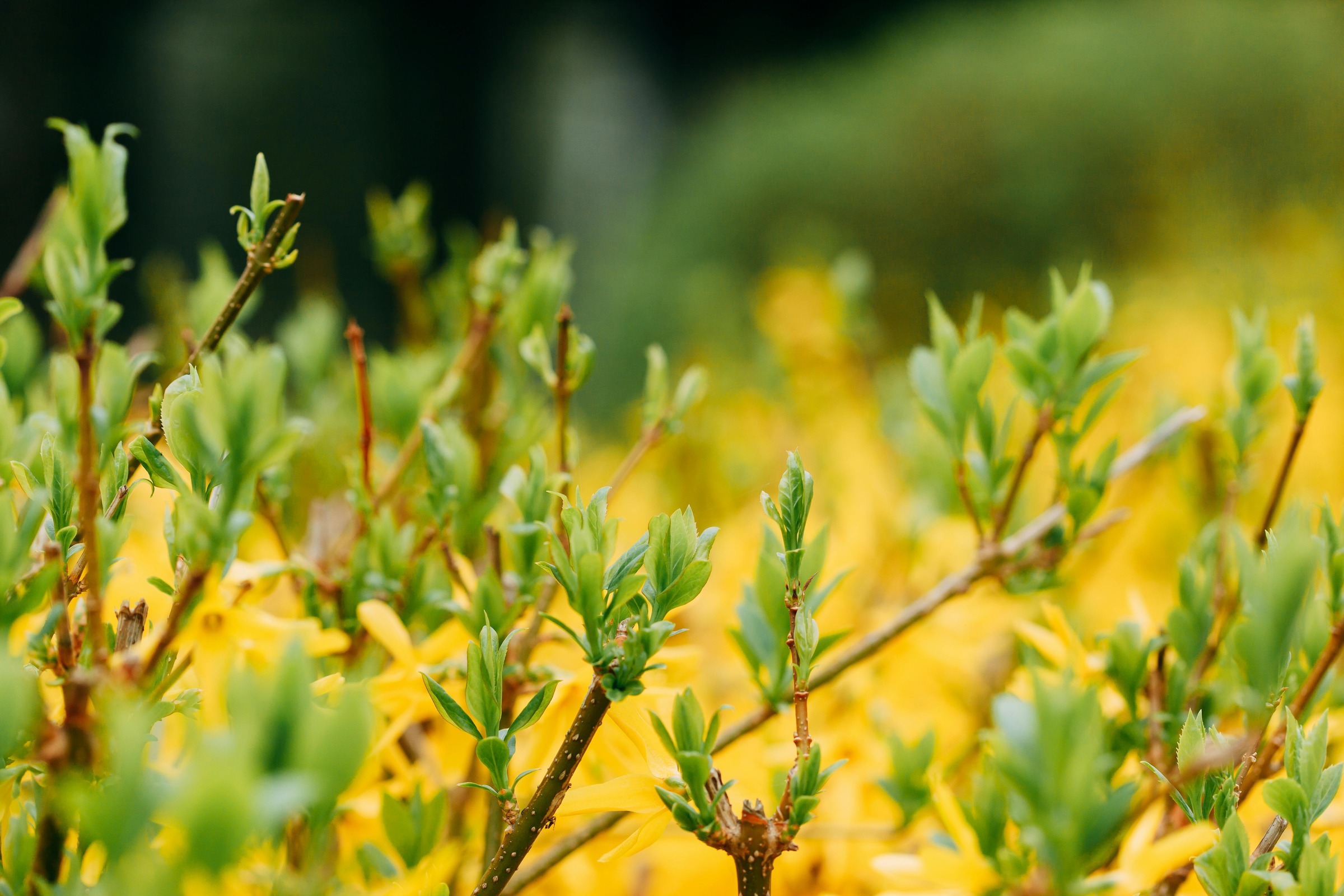
When those vibrant yellow blooms of forsythia burst forth in early spring, they signal the end of winter and the promise of warmer days. Many gardeners wonder if this cheerful shrub can withstand the appetites of local deer populations. The short answer is that forsythia is generally considered to have moderate deer resistance. While it's not their top choice, deer will browse forsythia, especially when other food sources are scarce. This guide will provide an honest breakdown of forsythia's deer resistance and offer practical strategies to protect your plants.
Deer resistance is rarely absolute. A plant's appeal to deer can vary based on the specific deer population, the availability of other food, the time of year, and even the plant's maturity. Forsythia's slightly bitter taste and somewhat coarse texture typically make it less appealing than many other landscape plants, but a hungry deer is not a picky deer.
🌱 Get Personalized Plant Picks
Answer a few quick questions and we’ll match plants to your exact yard conditions.
Find My Plants →What Factors Influence Deer Browsing on Forsythia?
Understanding why deer might choose to nibble on your forsythia can help you better protect it. Several factors come into play:
- Food Scarcity: This is the primary driver. During harsh winters, droughts, or in areas with high deer populations and limited natural forage, deer will eat almost anything to survive, including plants they would normally avoid.
- Plant Maturity: Young, tender forsythia shoots are often more palatable to deer than older, more established branches. New growth is softer and less woody.
- Local Deer Preferences: Just like people, deer can have regional preferences. A population accustomed to a certain diet might be more or less inclined to try new plants.
- Time of Year: Deer browsing tends to be most severe in late fall, winter, and early spring when other food sources are dormant or not yet available. This coincides with forsythia's early spring bloom, making emerging buds and new growth vulnerable.
- Garden Location: Forsythia planted near a deer travel corridor, a wooded area, or a known bedding site is at higher risk.
How Can I Protect My Forsythia from Deer?
Even with moderate resistance, taking proactive steps can significantly reduce the chances of your forsythia becoming a deer snack.
1. Physical Barriers
Physical barriers are the most effective method for deer control, as they completely prevent deer from reaching your plants.
- Fencing: A sturdy fence at least 7-8 feet tall is the gold standard for keeping deer out of an entire garden. For individual plants or smaller areas, temporary fencing or netting can be effective, especially during vulnerable periods like winter.
- Cages/Enclosures: For young forsythia plants, consider individual cages made from wire mesh or hardware cloth. These should be tall enough to prevent deer from reaching over and wide enough to allow the plant to grow without being constricted.
2. Deer Repellents
Deer repellents work by making plants smell or taste unpleasant to deer. They require consistent reapplication to be effective.
- Scent-Based Repellents: These often contain ingredients like putrescent egg solids, garlic, or predator urine. They deter deer by mimicking the smell of danger or decay.
- Taste-Based Repellents: These make the plant taste bad. They are often applied directly to the foliage.
- Homemade Repellents: Some gardeners use concoctions like rotten eggs, hot pepper spray, or Irish Spring soap shavings. While these can offer some temporary relief, their effectiveness and longevity vary.
- Application Tips: Apply repellents when plants are dry and temperatures are above freezing. Reapply every 2-4 weeks, or after heavy rain or new growth. Rotate repellent types to prevent deer from becoming accustomed to a single scent or taste.
3. Strategic Planting and Companion Plants
- Location, Location, Location: Plant forsythia closer to your house or in high-traffic areas where human activity might deter deer. Avoid planting them along property lines bordering woods or open fields.
- "Sacrifice" Plants: If you have a large property, consider planting deer-preferred plants away from your prized forsythia to draw deer to another area.
- Deer-Resistant Companion Plants: Surround your forsythia with plants that deer truly dislike. These often have strong scents, fuzzy leaves, or toxic properties. While no plant is truly deer-proof, these can help create a less appealing buffet.
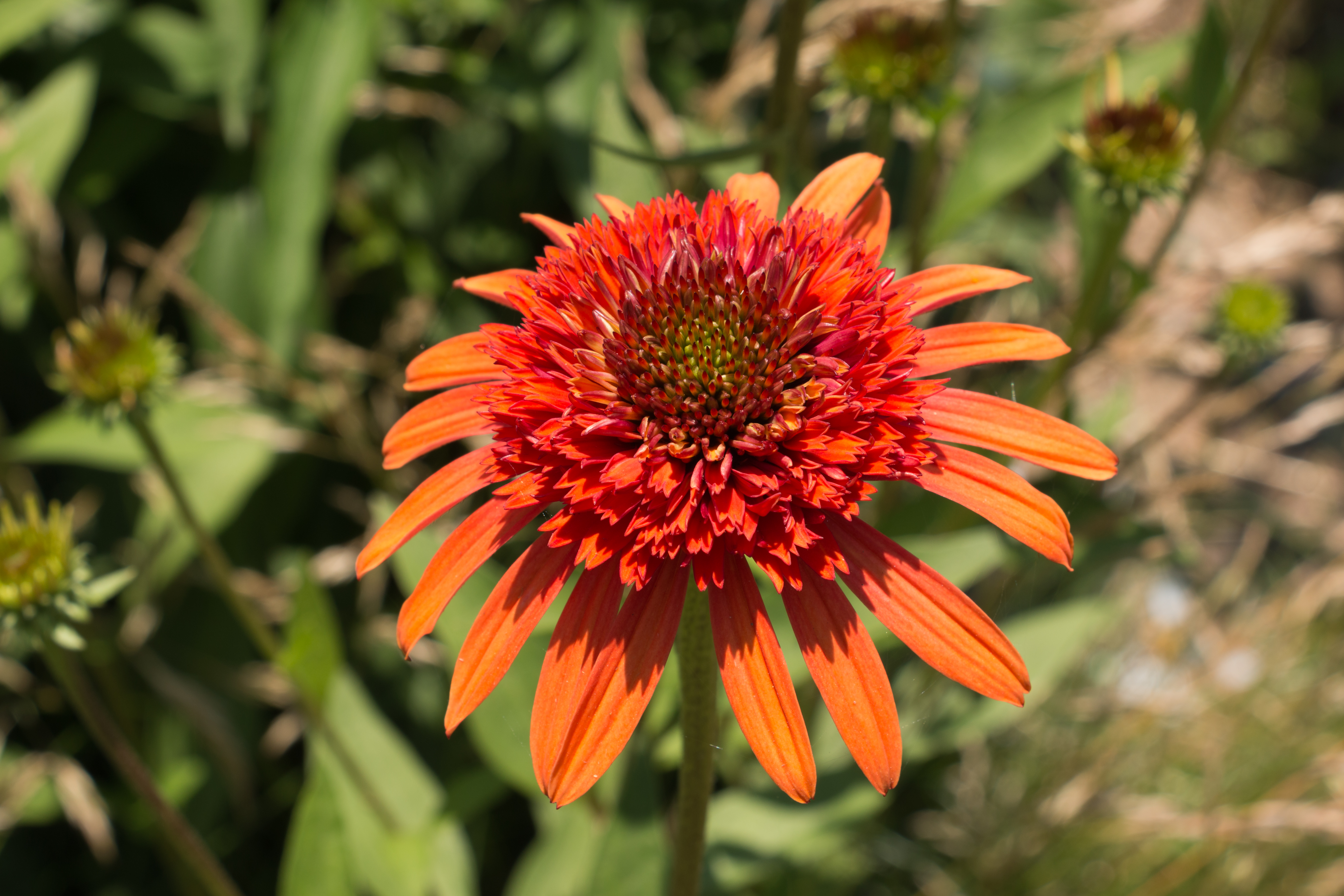
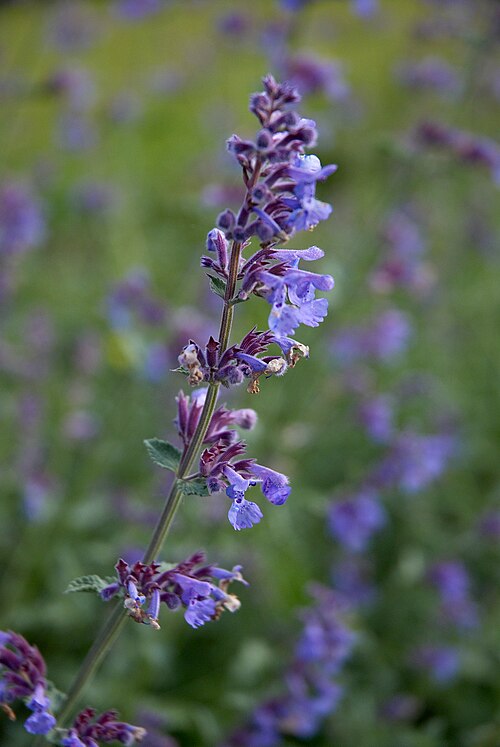
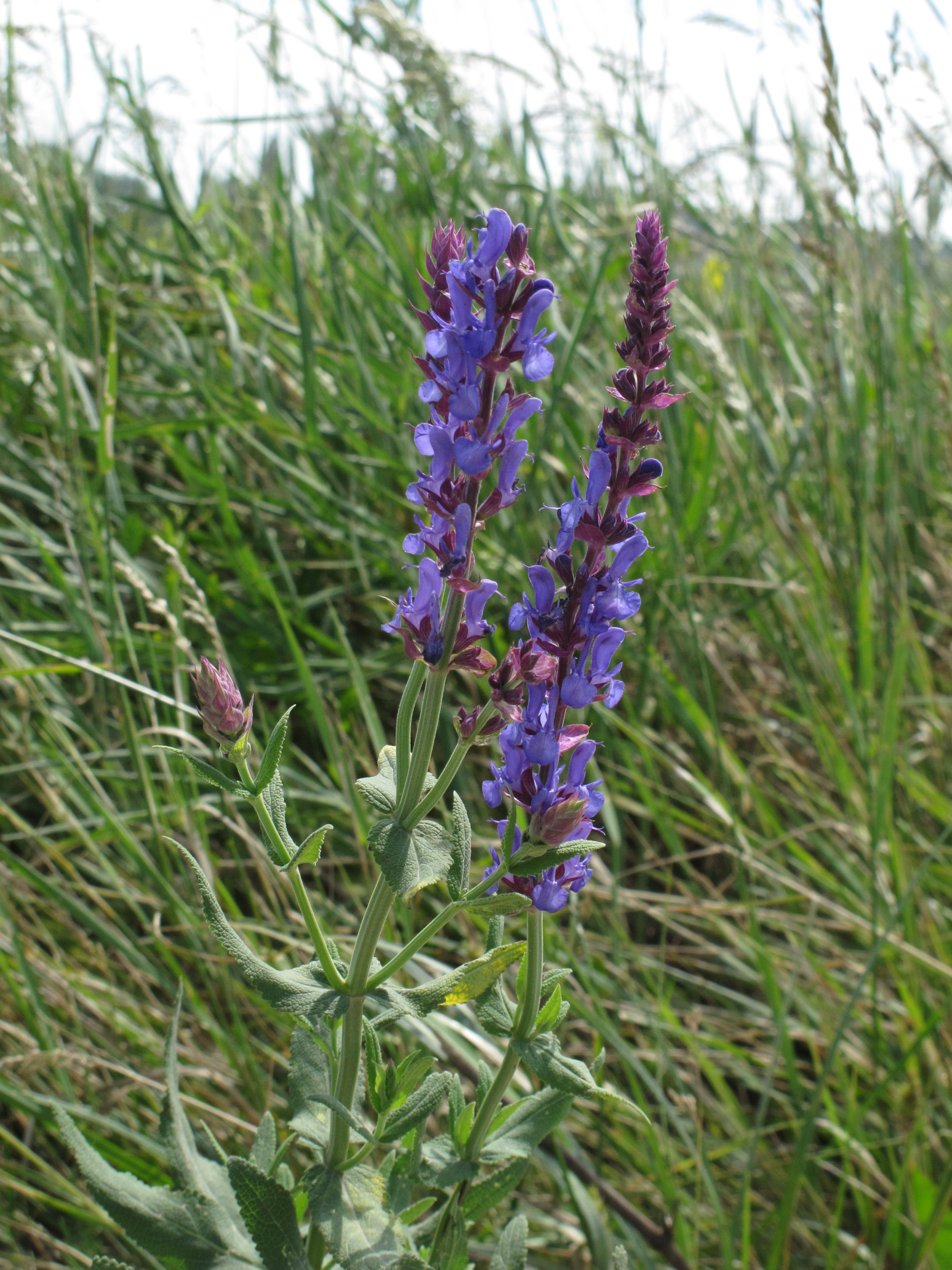
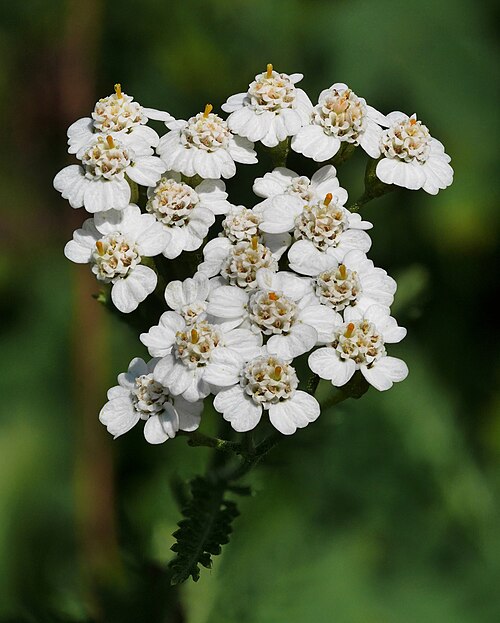
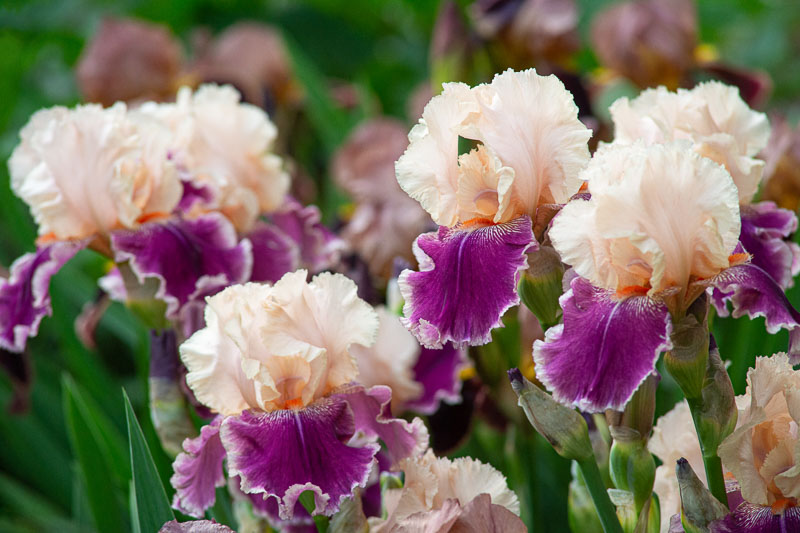
Here are a few examples of deer-resistant plants you might consider:
4. Cultural Practices
- Pruning: Prune your forsythia in late spring after it finishes blooming. Avoid pruning heavily in late summer or fall, as this can stimulate new, tender growth that is more attractive to deer in winter.
- Winter Protection: In areas with heavy winter deer pressure, consider wrapping young forsythia plants with burlap or deer netting for the dormant season.
Quick Reference: Forsythia Deer Resistance
| Factor | Impact on Deer Browsing |
|---|---|
| Deer Resistance | Moderate - not preferred, but will browse when hungry. |
| Vulnerable Periods | Winter, early spring (new growth and buds), drought, food scarcity. |
| Vulnerable Plants | Young, tender plants; plants in high-deer traffic areas. |
| Effective Solutions | Fencing, caging, consistent use of repellents, strategic planting. |
| Less Effective | Planting alone without protection in high-pressure areas; inconsistent repellent application. |
What Other Plants Are Good Choices for Deer-Prone Gardens?
While no plant is truly deer-proof, many are less appealing to deer than others. When planning your garden, incorporating a variety of plants known for their deer resistance can help create a beautiful landscape that stands a better chance against browsing. Look for plants with strong scents, fuzzy or thorny textures, or those that are known to be toxic.
Some popular deer-resistant options include:
- Ornamental Grasses: Many varieties are generally ignored by deer.
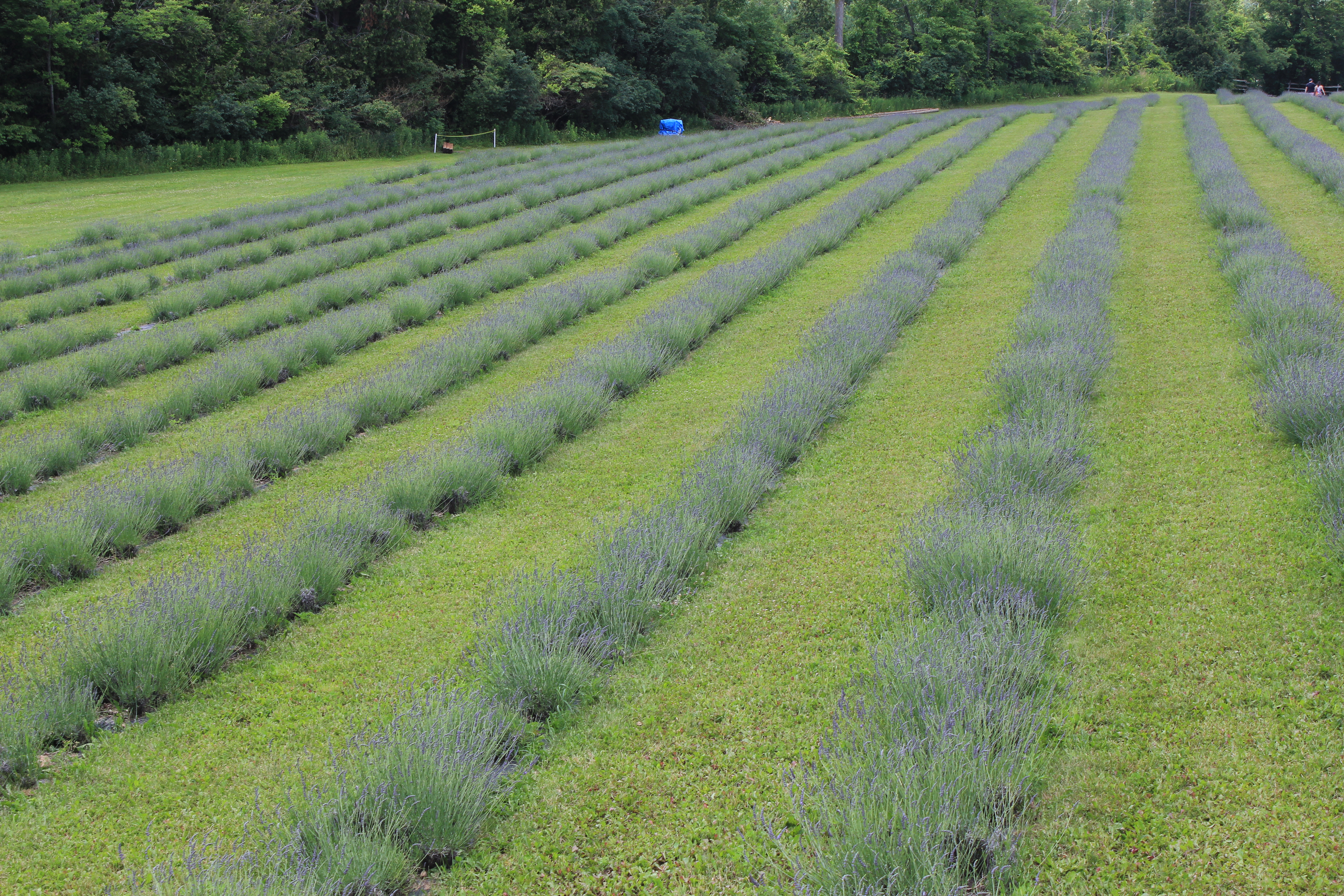
- Herbs: Lavender, rosemary, thyme, and mint are often passed over due to their strong aromas.
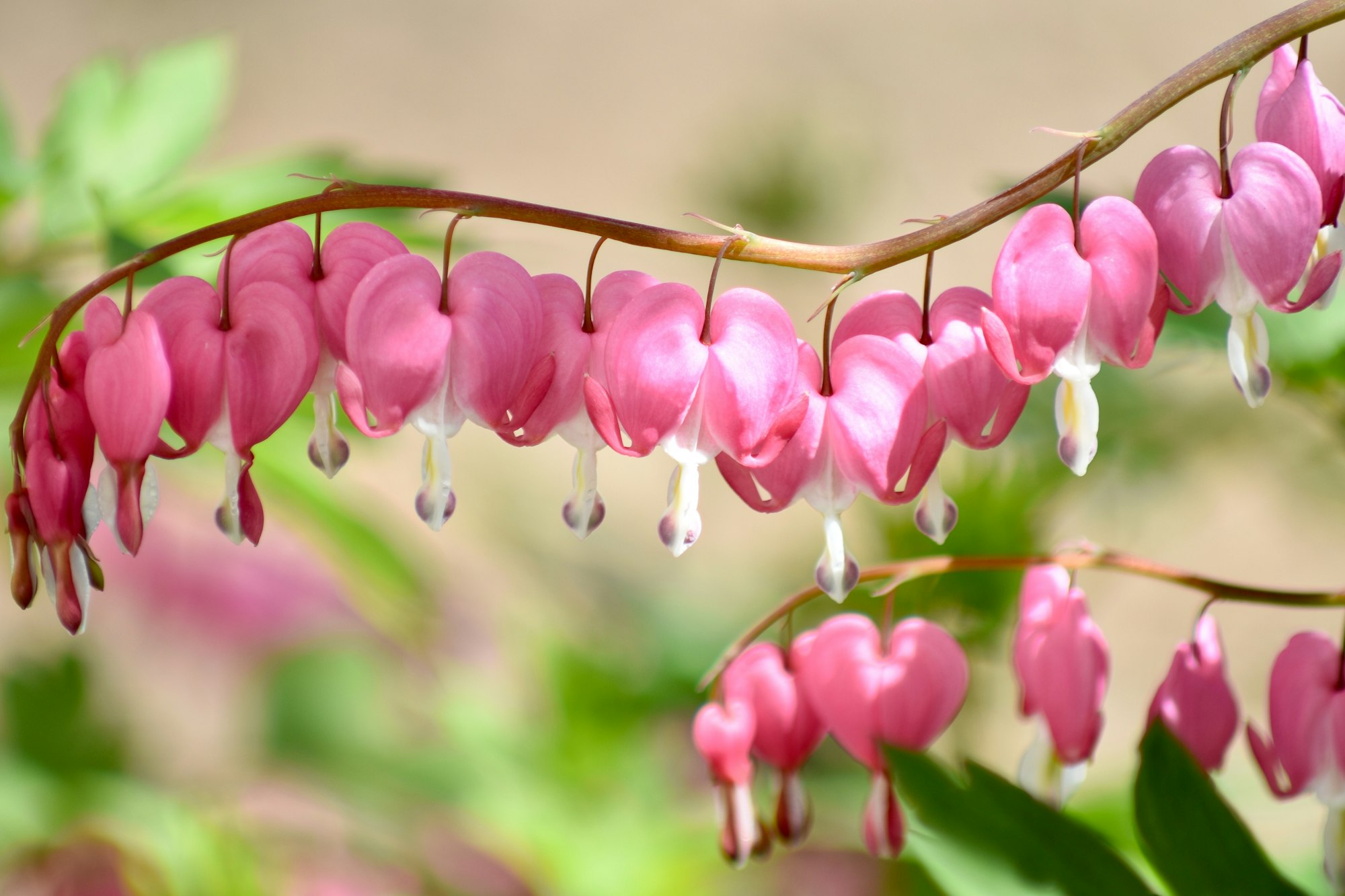
- Perennials: Peonies, Bleeding Hearts, and Daffodils are frequently listed as deer resistant.
Always remember that even "deer-resistant" plants can be browsed by a desperate deer. The key is to create a diverse garden and employ multiple protection strategies.
Is Forsythia a Good Choice for My Garden?
Absolutely! Despite the deer considerations, forsythia remains a fantastic choice for many gardens. Its early spring display is unparalleled, providing a much-needed splash of color when most other plants are still dormant. It's also incredibly hardy, adaptable to various soil types, and relatively low-maintenance once established.
If you love the idea of those bright yellow blooms, don't let deer deter you. By understanding their habits and implementing the protective measures outlined above, you can successfully grow forsythia and enjoy its cheerful presence in your landscape for years to come.
Ready to find the perfect plants for your yard? Try the PlantWise Plant Finder →