Is Itea (Virginia Sweetspire) Deer Resistant? Complete Guide
If you're gardening in an area frequented by deer, finding plants that can withstand their browsing habits is a constant challenge. When it comes to Virginia Sweetspire (Itea virginica), gardeners often ask: Is Itea deer resistant? The good news is, yes, Virginia Sweetspire is generally considered deer resistant. While no plant is truly deer-proof, Itea is rarely a preferred food source for deer, making it an excellent choice for landscapes where these graceful, yet sometimes destructive, creatures roam. This native shrub offers beautiful seasonal interest, from fragrant white flowers in summer to brilliant fall foliage, all while typically being left alone by deer.
In this comprehensive guide, we'll delve into why Itea is a good choice for deer-prone areas, discuss its other fantastic qualities, and provide practical tips for growing this versatile shrub successfully in your garden.
🌱 Get Personalized Plant Picks
Answer a few quick questions and we’ll match plants to your exact yard conditions.
Find My Plants →What Makes Itea Deer Resistant?
Deer resistance in plants often comes down to several factors: taste, texture, and scent. While Itea isn't known for a particularly strong scent, its leaves are thought to be less palatable to deer compared to many other plants. Deer are browsers, and they tend to prefer tender, succulent foliage. Itea's leaves, while attractive, are not typically their first choice.
It's important to remember the disclaimer: no plant is truly deer-proof. A hungry deer, especially during harsh winters or periods of drought when food is scarce, may sample plants it would normally ignore. However, Itea consistently ranks high on lists of deer-resistant plants, meaning it's a much safer bet than many other shrubs.
Why Choose Virginia Sweetspire for Your Garden?
Beyond its deer resistance, Virginia Sweetspire (Itea virginica) is a fantastic shrub for many reasons, making it a valuable addition to a wide range of garden styles.
- Native Appeal: As a native plant to the eastern and southern United States, Itea is well-adapted to local conditions and supports native wildlife, including pollinators and birds.
- Stunning Seasonal Interest:
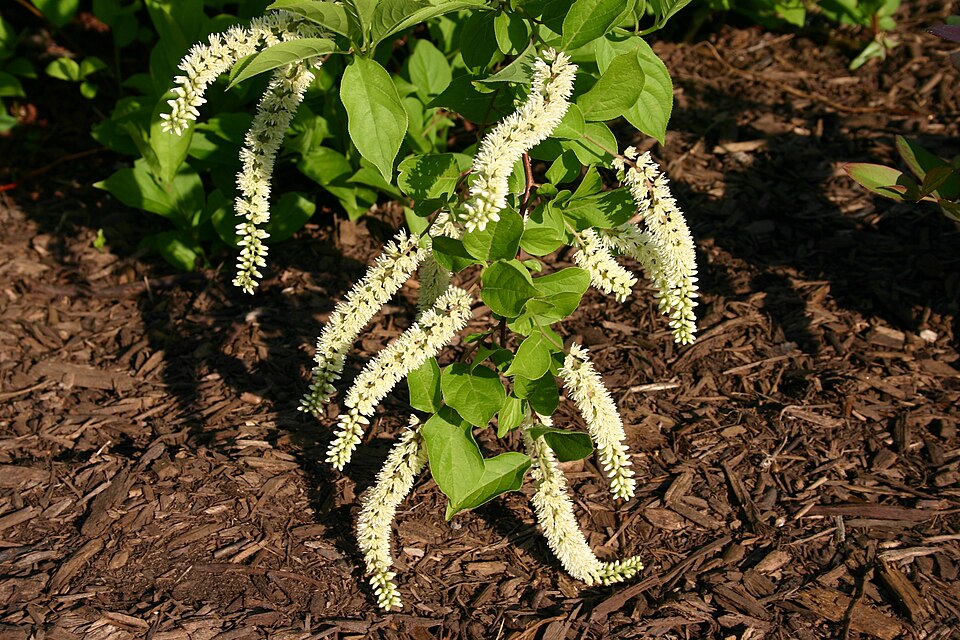
- Summer Flowers: In late spring to early summer, Itea produces abundant, fragrant, spiky white flower clusters (racemes) that can be several inches long. These flowers are a magnet for bees and other beneficial insects.
- Fall Color: This is where Itea truly shines! Its leaves transform into spectacular shades of red, orange, and purple, often holding their color for an extended period, providing a vibrant display long after many other plants have faded.
- Winter Structure: Even in winter, the persistent seed capsules can add some interest.
- Adaptability: Itea is incredibly adaptable to various soil conditions, tolerating both wet and dry sites once established. It can thrive in full sun to partial shade, though fall color is often best in sunnier locations.
- Size and Form: Most cultivars grow to a manageable size, typically 3-5 feet tall and wide, with a graceful, mounding habit. Some varieties are more compact, making them suitable for smaller gardens or containers.
- Low Maintenance: Once established, Itea is relatively low-maintenance, requiring minimal pruning and generally free from serious pest or disease issues.
How Do I Care for Virginia Sweetspire?
Caring for Virginia Sweetspire is straightforward, making it a great choice for both novice and experienced gardeners.
- Sunlight: Itea performs best in full sun to partial shade. In full sun, you'll generally get the best flower production and most vibrant fall color. In shadier conditions, it will still grow and flower, but perhaps less profusely, and fall color may be muted.
- Soil: This shrub is incredibly adaptable to soil types. It prefers moist, well-drained, acidic to neutral soil but tolerates clay, sandy, and even wet conditions. It's an excellent choice for rain gardens or areas with occasional standing water.
- Watering: Keep the soil consistently moist during its first growing season to help it establish. Once established, Itea is quite drought-tolerant but will appreciate supplemental watering during prolonged dry spells, especially if planted in full sun.
- Fertilizing: Generally, Itea does not require heavy fertilization. If your soil is poor, a light application of a balanced, slow-release granular fertilizer in early spring can be beneficial.
- Pruning: Prune Itea after it finishes flowering in late summer or early fall. Remove any dead, damaged, or crossing branches. You can also thin out older, less productive stems to encourage new growth from the base, which helps maintain its shape and vigor. Avoid heavy pruning in late winter or early spring, as this can remove flower buds.
- Pests and Diseases: Itea is remarkably resistant to most pests and diseases, making it a truly low-maintenance plant.
What Are Some Good Companion Plants for Itea?
Pairing Virginia Sweetspire with other deer-resistant plants can create a beautiful and resilient landscape. Here are a few ideas:
- For Pollinators:
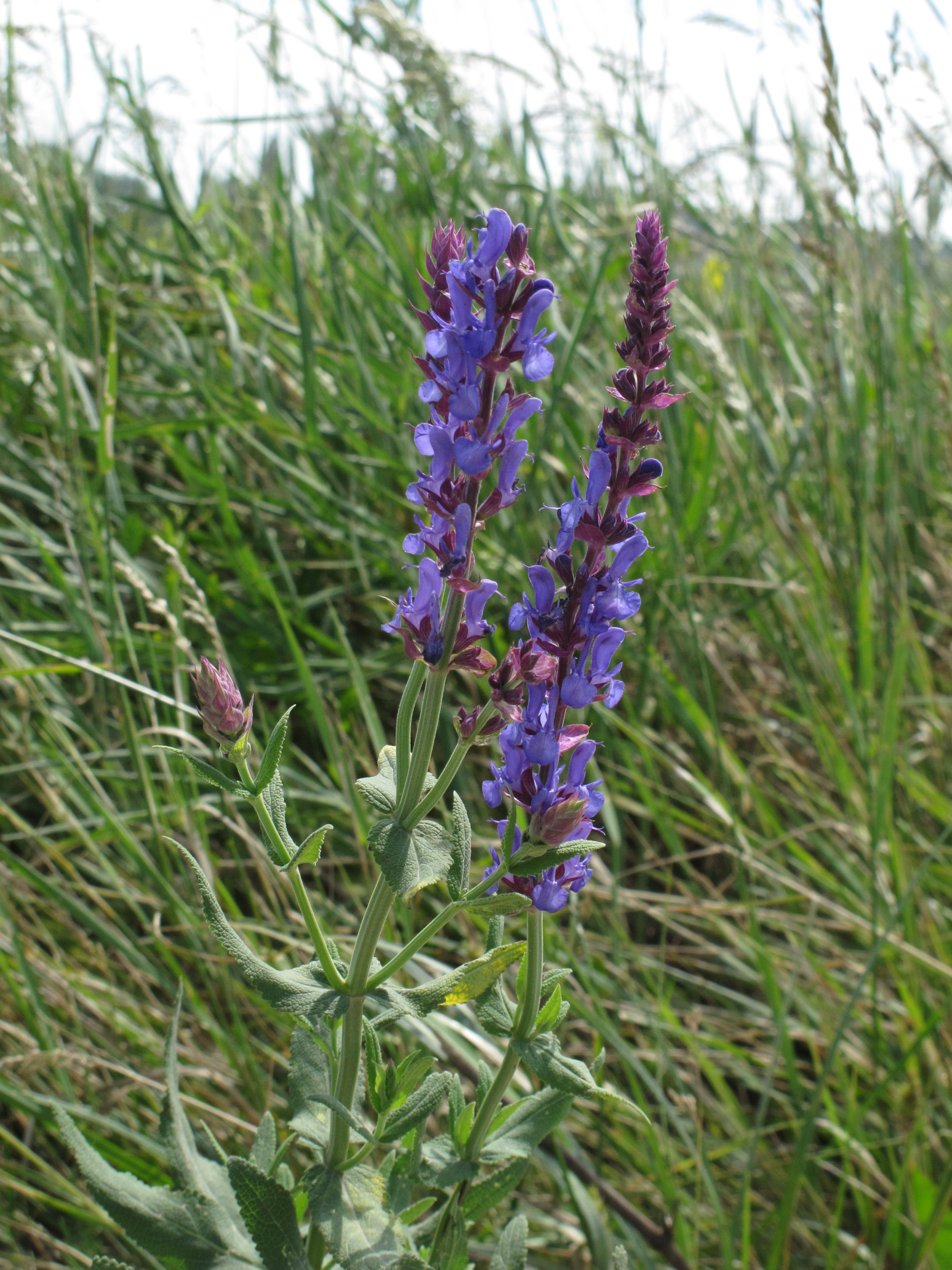
- Salvia (Salvia): Many varieties are deer resistant and offer long-lasting blooms.
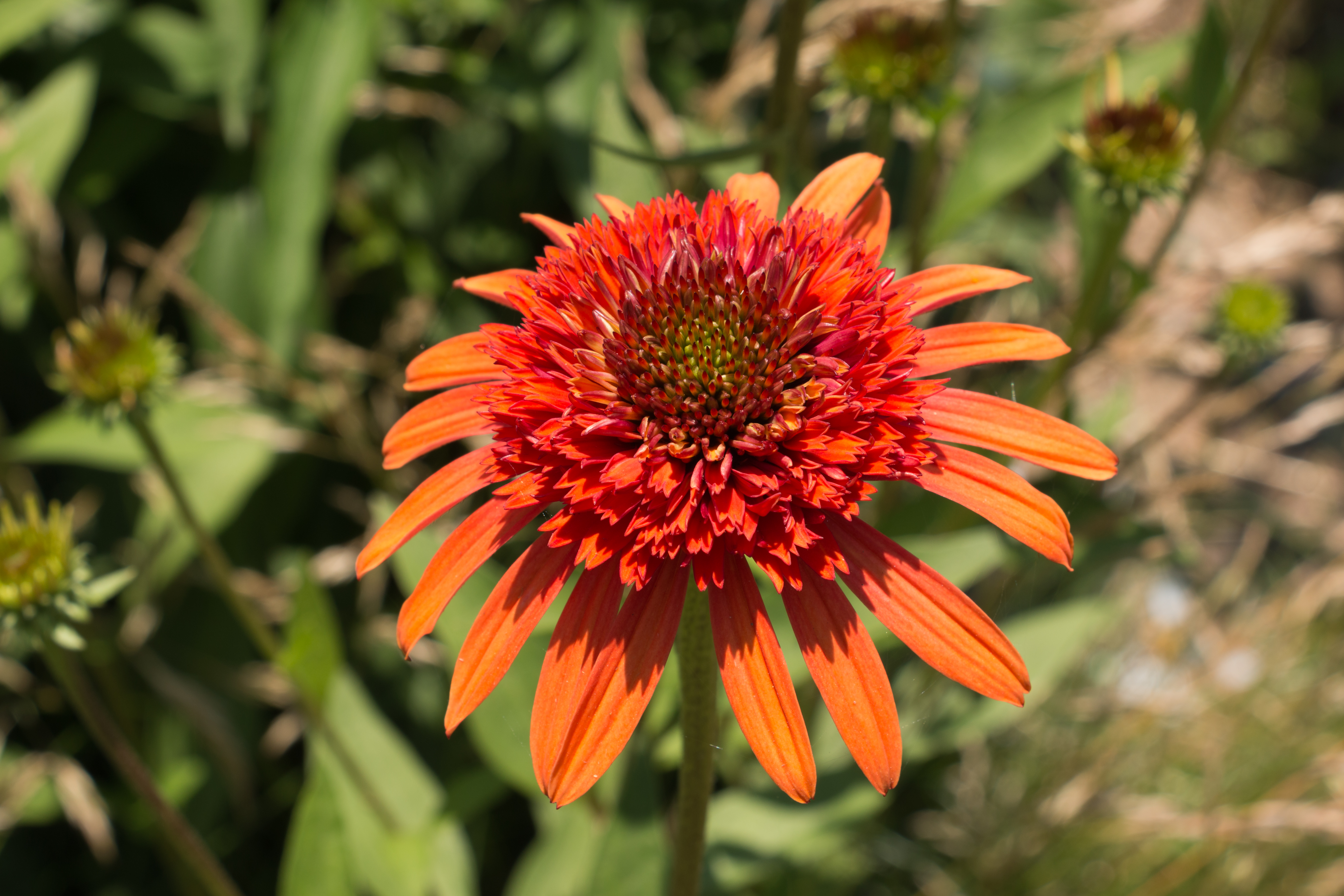
- Coneflower (Coneflower): A classic deer-resistant perennial that attracts butterflies.
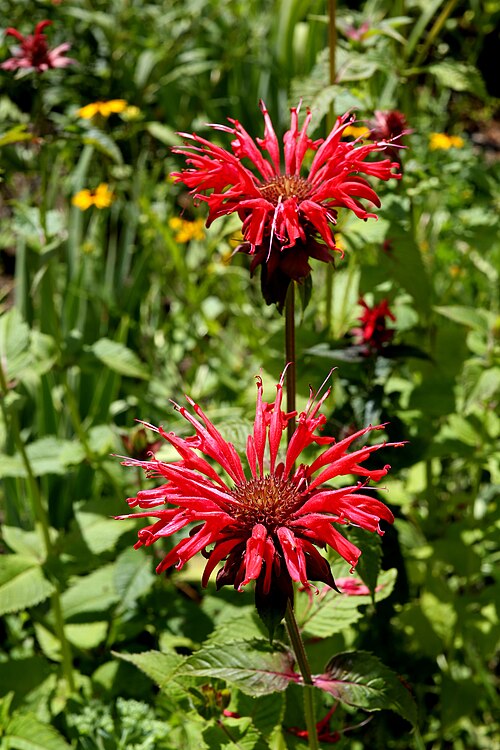
- Bee Balm (Bee Balm): Another native favorite for pollinators, often deer resistant.
- For Fall Color & Texture:
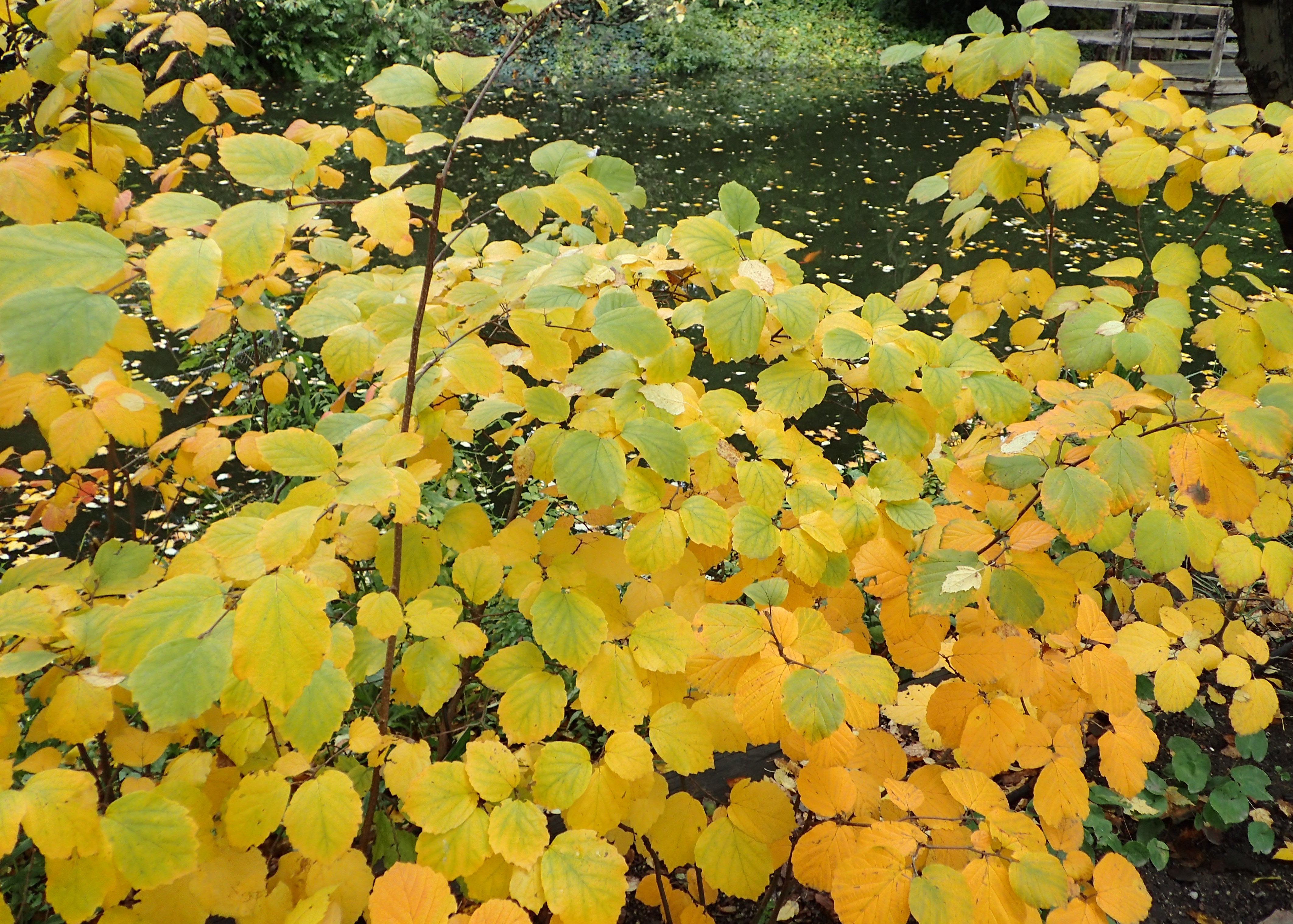
- Fothergilla: Another native shrub with incredible fall color and unique bottlebrush flowers.
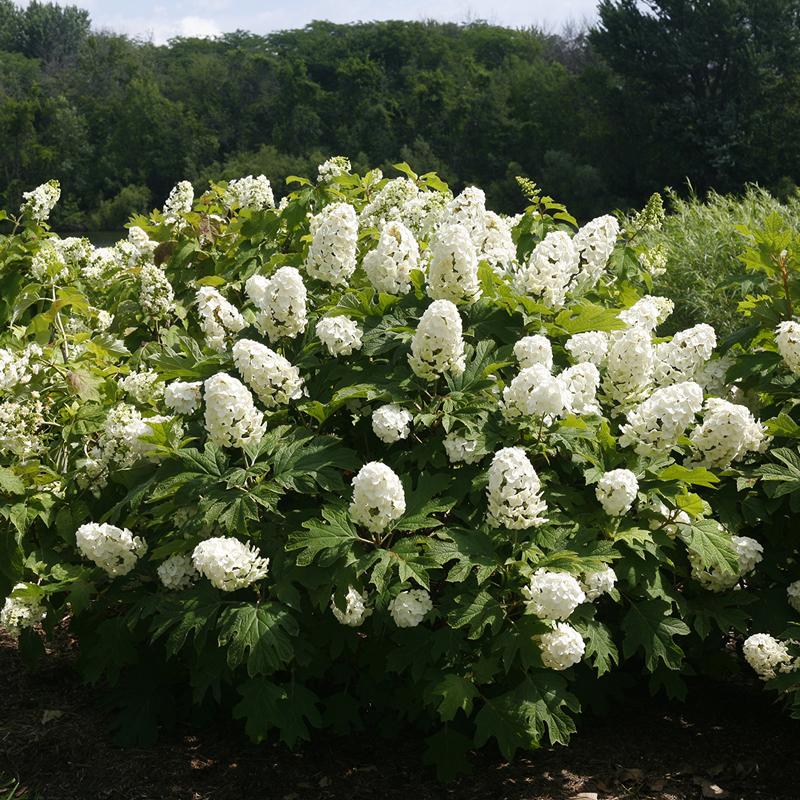
- Oakleaf Hydrangea: Offers large, textured leaves, beautiful white flowers, and stunning fall color.
- Grasses: Ornamental grasses provide texture and movement and are generally ignored by deer.
- For Moist Areas:
- Ferns: Many native ferns thrive in similar moist, shady conditions.
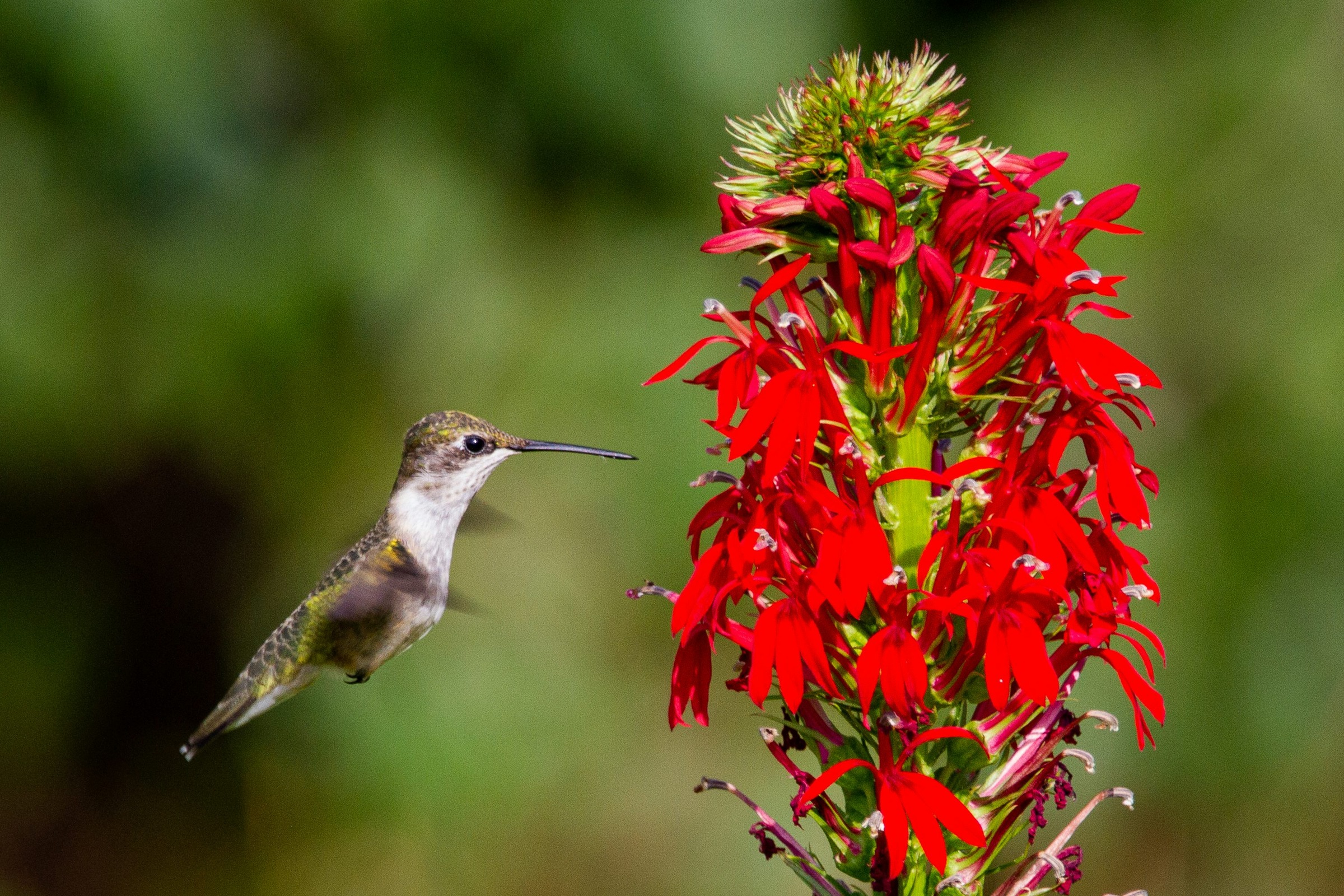
- Cardinal Flower (Lobelia cardinalis): A vibrant native perennial that loves wet feet.
Quick Reference: Virginia Sweetspire (Itea virginica)
| Feature | Description |
|---|---|
| Deer Resistance | High (generally considered deer resistant, but no plant is truly deer-proof) |
| Hardiness Zones | USDA Zones 5-9 |
| Mature Size | 3-5 feet tall and wide (some cultivars may vary) |
| Sunlight | Full sun to partial shade (best fall color in sun) |
| Soil | Adaptable; prefers moist, well-drained, acidic to neutral soil. Tolerates wet and clay soils. |
| Bloom Time | Late spring to early summer |
| Flower Color | White, fragrant racemes |
| Fall Color | Brilliant shades of red, orange, purple |
| Native Range | Eastern and Southern United States |
| Maintenance | Low; prune after flowering to shape or thin. |
| Wildlife Value | Attracts pollinators (bees, butterflies), provides cover for birds. |
Are There Any Downsides to Growing Itea?
While Itea is an excellent plant, there are a couple of minor considerations, depending on your specific gardening goals:
- Suckering: Some varieties of Itea, especially the species, can spread by suckering, forming a colony over time. This can be desirable for naturalizing or erosion control, but if you prefer a very tidy, contained shrub, you may need to prune suckers periodically or choose a less aggressive cultivar. Many modern cultivars are bred to be less prone to suckering.
- Deciduous: Itea is a deciduous shrub, meaning it loses its leaves in the fall. While its fall color is a major asset, it won't provide evergreen structure in the winter months.
Can Itea Be Grown in Containers?
Yes, compact cultivars of Virginia Sweetspire can be successfully grown in containers, especially if you're looking for a movable splash of fall color or want to enjoy its fragrant blooms on a patio. Choose a container that is large enough to accommodate its root system and provide good drainage. Container-grown plants will require more frequent watering than those in the ground, especially during hot, dry periods, and may need more protection in colder winter zones.
By understanding its needs and appreciating its many benefits, Virginia Sweetspire can become a cherished and reliable plant in your deer-resistant landscape. Its beauty, adaptability, and low maintenance make it a true garden gem.
Ready to find the perfect plants for your yard? Try the PlantWise Plant Finder →