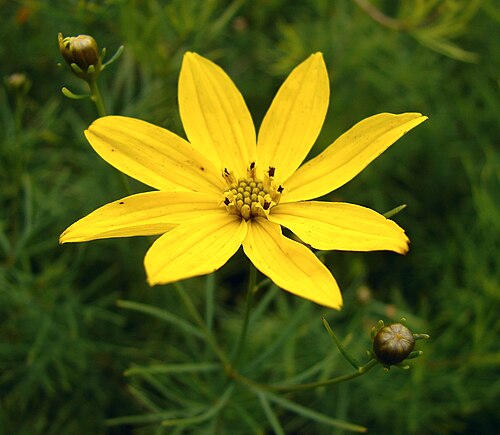
Is Coreopsis Deer Resistant? Complete Guide
Coreopsis, often called Tickseed, is a cheerful, sun-loving perennial that brightens gardens with its abundant, daisy-like flowers. If you're a gardener battling browsing deer, you'll be pleased to know that Coreopsis is generally considered deer resistant. While no plant is truly deer-proof, Coreopsis typically makes the "least preferred" list for deer, thanks to its slightly bitter taste and often hairy or rough foliage. This makes it an excellent choice for adding vibrant color to landscapes where deer are a frequent visitor. Let's delve into why Coreopsis is a good option and how to maximize its chances of thriving in a deer-prone environment.
🌱 Get Personalized Plant Picks
Answer a few quick questions and we’ll match plants to your exact yard conditions.
Find My Plants →Why Do Deer Tend to Avoid Coreopsis?
Deer are opportunistic feeders, and their preferences can vary based on local populations, availability of other food sources, and even the time of year. However, certain plant characteristics consistently deter them. Coreopsis exhibits a few of these key traits:
- Taste and Texture: Many varieties of Coreopsis have foliage that is slightly bitter or aromatic, which deer find unpalatable. Some species also have somewhat hairy or rough leaves, which can be less appealing to their sensitive mouths.
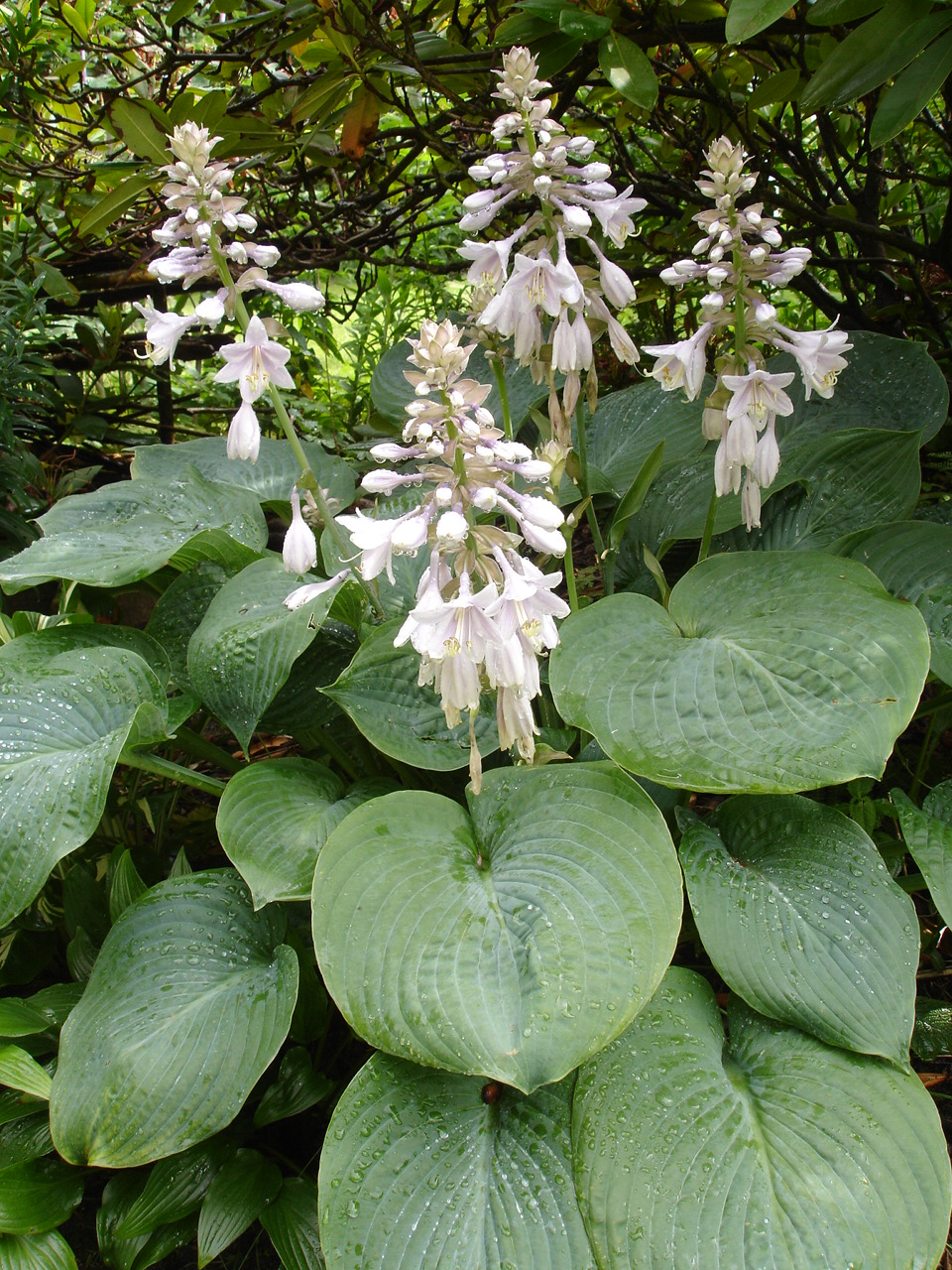
- Availability of Alternatives: Deer will always opt for their favorite foods first. By planting deer-resistant options like Coreopsis, you're essentially making your garden less attractive compared to a neighbor's buffet of hostas and daylilies.
- Low Nutritional Value (to Deer): While delicious to pollinators, Coreopsis doesn't offer the high nutritional content that deer seek, especially during times of scarcity.
It's important to remember the disclaimer: no plant is truly deer-proof. A hungry deer, especially during harsh winters or droughts, might sample anything. However, Coreopsis is a reliable choice for reducing damage.
What Are the Best Coreopsis Varieties for Deer Resistance?
While most Coreopsis species are generally deer resistant, some might be more robust than others. Here are a few popular and reliable choices:
- Threadleaf Coreopsis (Coreopsis verticillata): Known for its fine, airy, thread-like foliage, this species is highly deer resistant. Varieties like 'Moonbeam' (pale yellow) and 'Zagreb' (golden yellow) are popular for their long blooming season and drought tolerance.
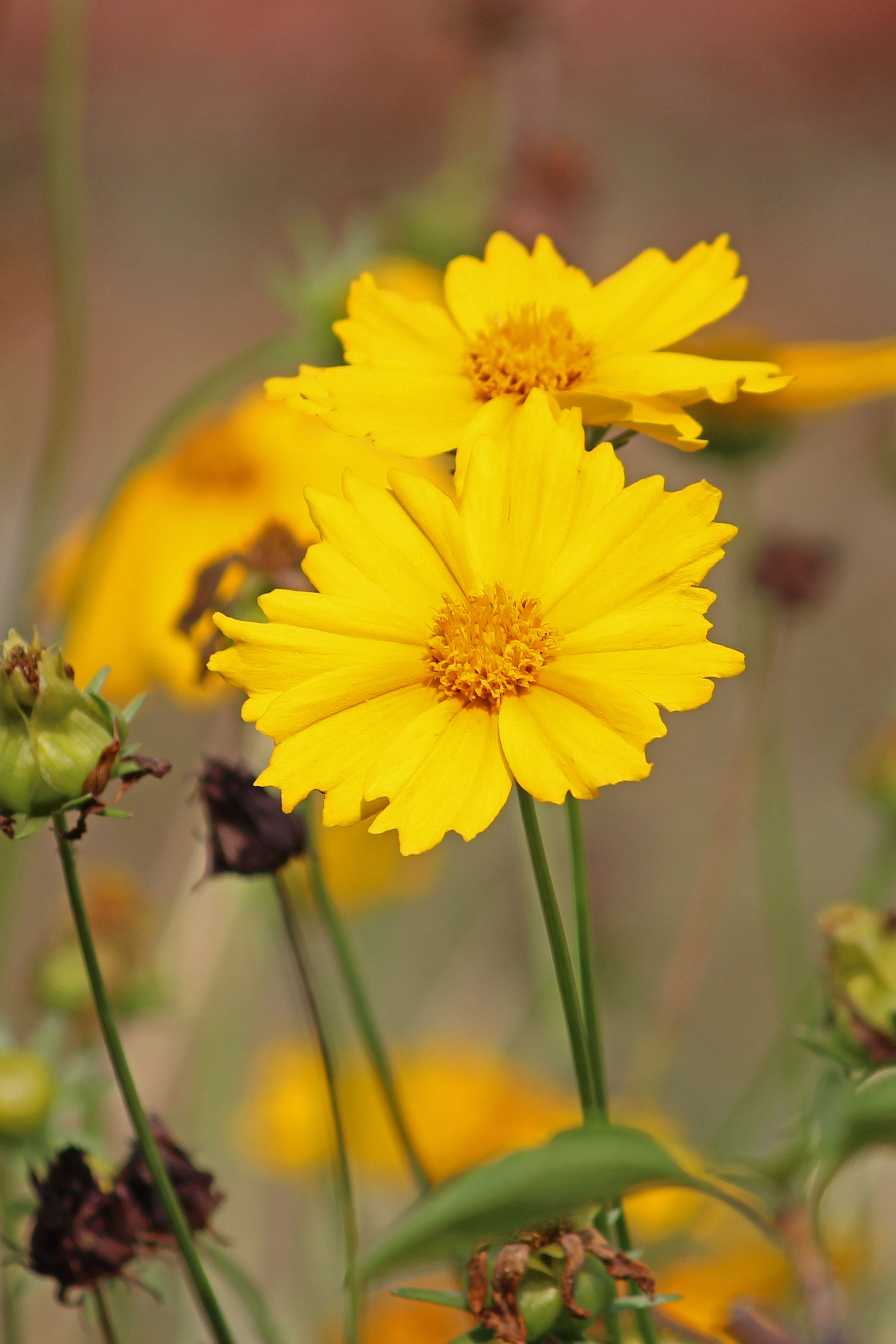
- Lanceleaf Coreopsis (Coreopsis lanceolata): This species has broader, lance-shaped leaves and produces bright yellow, daisy-like flowers. It's a tough, adaptable plant that deer tend to leave alone.
- Tickseed (Coreopsis grandiflora): Similar to lanceleaf, with larger, often semi-double or double yellow flowers. It's also a good choice for deer resistance.
How Can I Maximize Coreopsis's Deer Resistance in My Garden?
Even with deer-resistant plants, a multi-pronged approach is often best to protect your garden.
- Strategic Placement: Plant Coreopsis around more vulnerable plants. While it won't create an impenetrable barrier, it can make deer pause before venturing further into your garden.
- Companion Planting: Pair Coreopsis with other deer-resistant plants. Good companions include:
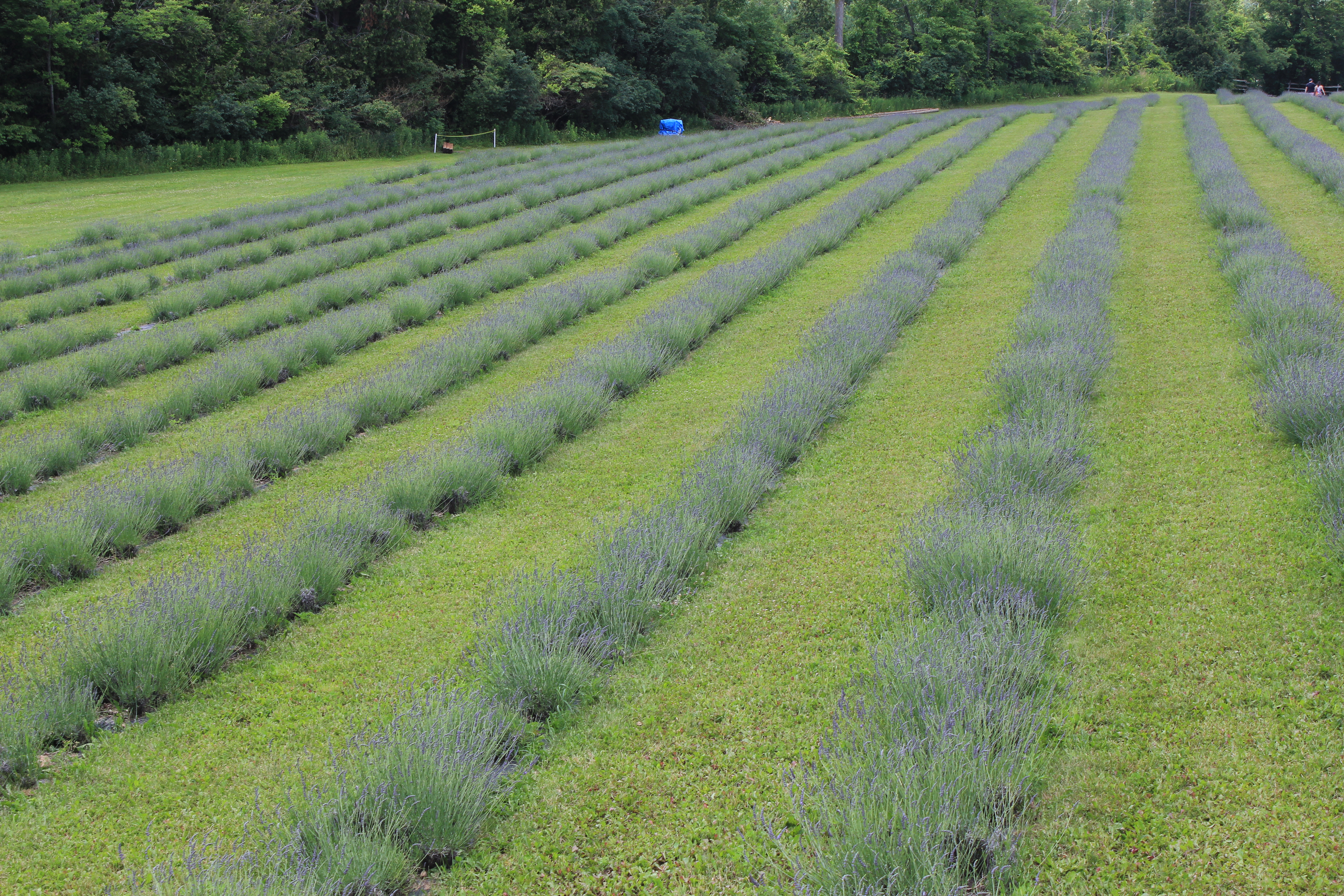
- Lavender (Lavandula spp.): Strong scent deters deer.
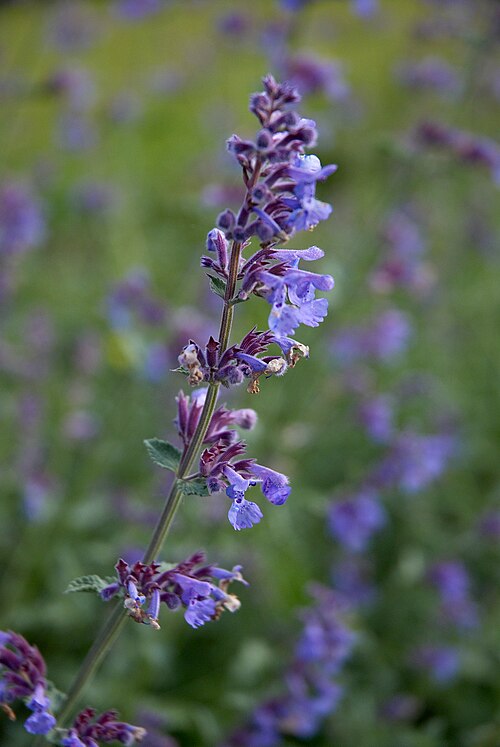
- Catmint (Nepeta spp.): Aromatic foliage is unappealing. Catmint
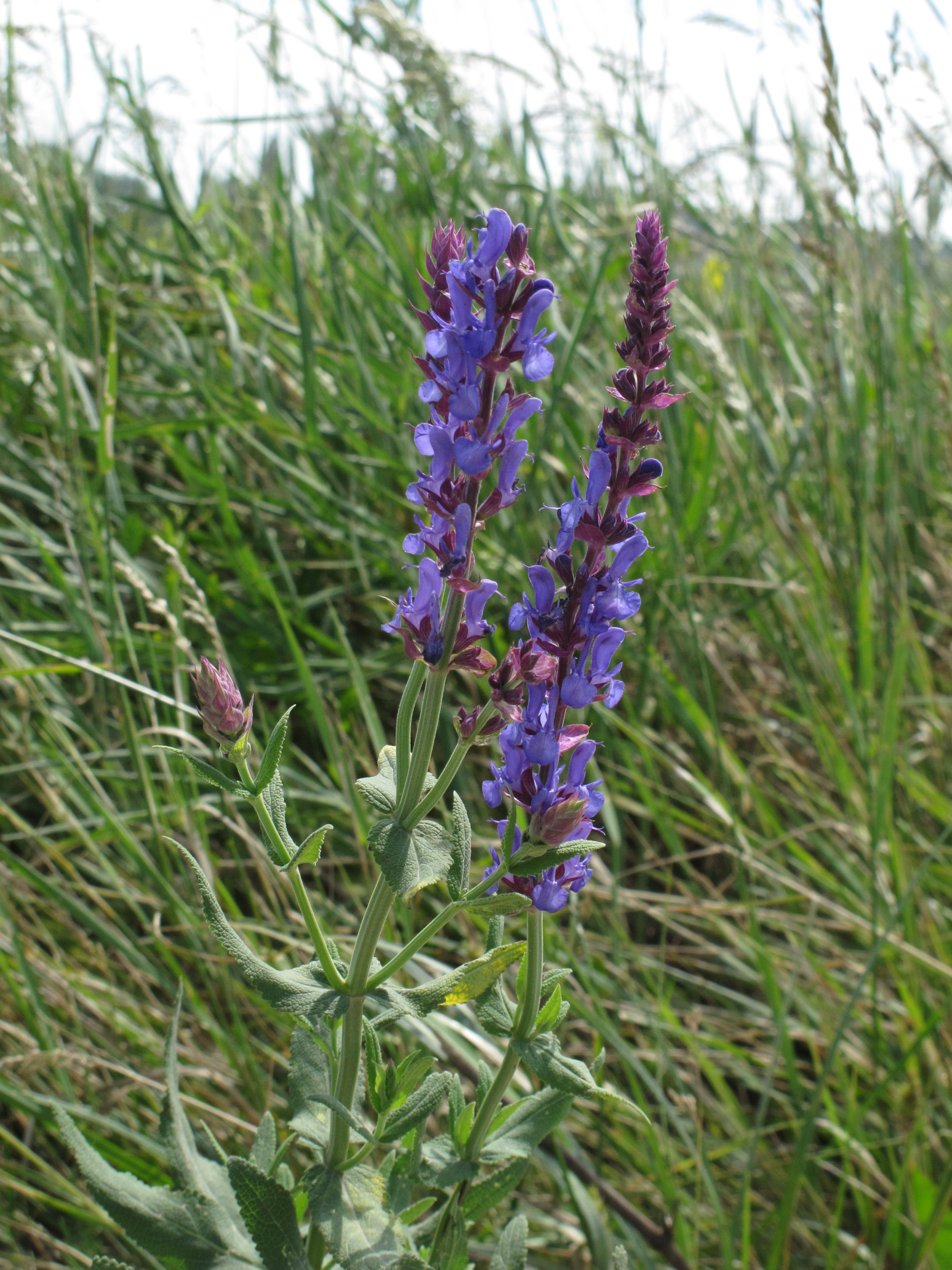
- Salvia (Salvia spp.): Many varieties have strong-smelling foliage. Salvia
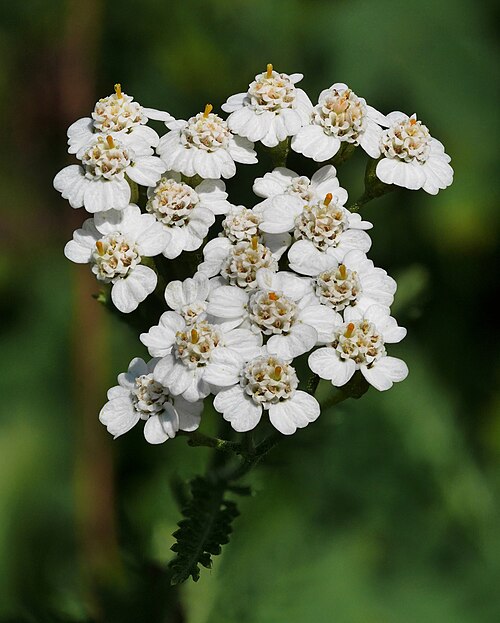
- Yarrow (Achillea millefolium): Aromatic and bitter. Yarrow
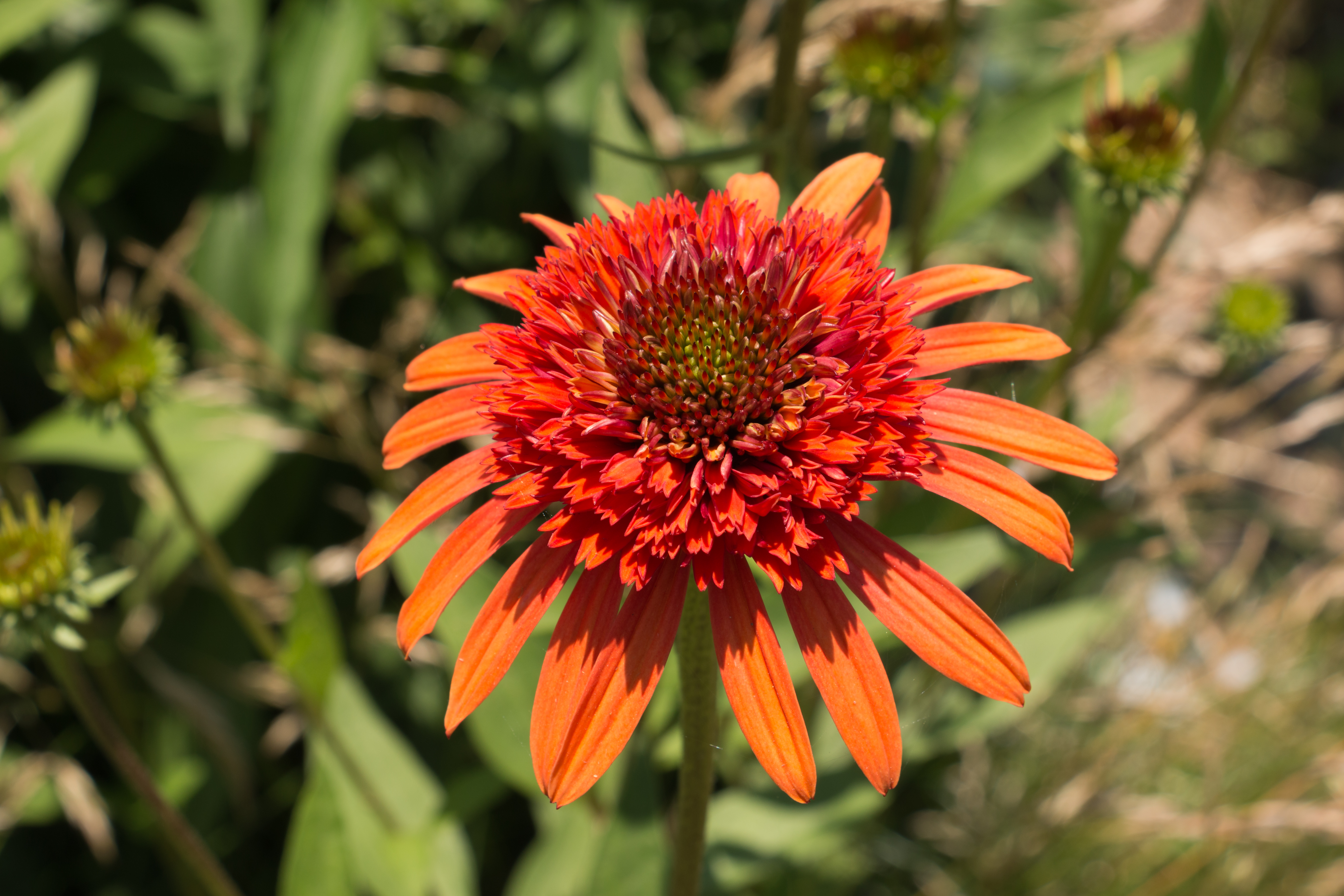
- Coneflower (Echinacea purpurea): Coarse texture and strong scent. Coneflower
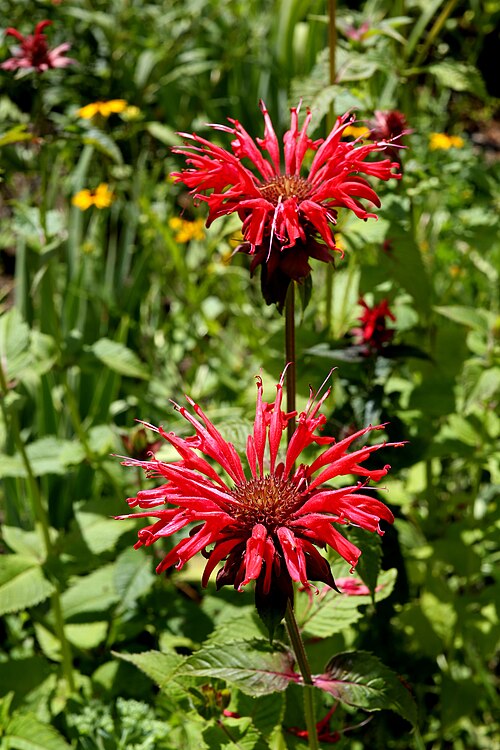
- Bee Balm (Monarda didyma): Aromatic foliage. Bee Balm
- Repellents: Consider using commercial deer repellents or homemade solutions (like rotten egg spray) during peak browsing times or when plants are young and most vulnerable. Reapply after rain or every few weeks.
- Physical Barriers: For severe deer pressure, temporary fencing or netting might be necessary, especially for new plantings.
- Garden Maintenance: Keep your garden tidy. Overgrown areas can provide cover for deer, making them feel safer to browse. Remove fallen fruit or vegetables that might attract them.
- Vary Your Plantings: A diverse garden with a mix of textures, scents, and deer-resistant options is less likely to become a deer's regular dining spot.
Quick Reference: Coreopsis & Deer
| Feature | Description
Coreopsis (Tickseed) is a popular choice for gardeners seeking vibrant, long-blooming color with the added benefit of being generally deer-resistant. Its cheerful, daisy-like flowers attract pollinators while its foliage tends to deter deer, making it a valuable addition to many landscapes.
What Makes Coreopsis an Excellent Garden Plant?
Beyond its deer resistance, Coreopsis offers a host of qualities that make it a garden favorite:
- Prolific Bloomers: Coreopsis varieties are renowned for their extended flowering period, often from early summer well into fall, providing continuous color when many other plants have faded.
- Low Maintenance: Once established, Coreopsis is relatively drought tolerant and requires minimal care. It thrives in full sun and well-drained soil.
- Attracts Pollinators: The bright flowers are a magnet for bees, butterflies, and other beneficial insects, contributing to a healthy garden ecosystem.
- Versatility: Coreopsis is suitable for various garden styles, including cottage gardens, borders, rock gardens, and naturalized areas. It also performs well in containers.
- Variety of Forms and Colors: From the fine texture of threadleaf coreopsis to the broader leaves and larger flowers of lanceleaf varieties, Coreopsis comes in shades of yellow, gold, orange, pink, and even bi-colors, offering options for every aesthetic.
Is Coreopsis Toxic to Pets?
When choosing plants for your garden, especially if you have curious pets, it's natural to wonder about their safety. Coreopsis is not listed as toxic to dogs, cats, or horses by the ASPCA (American Society for the Prevention of Cruelty to Animals). This is good news for pet owners who want to enjoy these beautiful flowers without undue worry.
However, it's important to exercise caution with any plant. While Coreopsis is generally considered safe, consuming large quantities of any plant material can potentially cause mild stomach upset in pets. Young puppies and kittens, in particular, may be more prone to exploring plants with their mouths.
If you suspect your pet has ingested a toxic plant, call the ASPCA Animal Poison Control Center immediately at (888) 426-4435.
Caring for Your Coreopsis
To ensure your Coreopsis thrives and provides maximum visual impact and deer deterrence, follow these simple care guidelines:
- Sunlight: Coreopsis demands full sun, meaning at least 6 hours of direct sunlight per day. Insufficient light can lead to leggy growth and fewer blooms.
- Soil: It prefers well-drained soil. Coreopsis is quite adaptable but dislikes heavy, waterlogged conditions, which can lead to root rot. Amend clay soils with organic matter to improve drainage.
- Watering: Water regularly after planting until the plant is established. Once established, Coreopsis is drought tolerant and will only need supplemental watering during prolonged dry spells. Overwatering is a common mistake.
- Deadheading: To encourage continuous blooming and prevent self-seeding (which can sometimes lead to less vigorous plants in subsequent years), deadhead spent flowers regularly. For large plantings, a light shearing can achieve a similar effect.
- Fertilizing: Coreopsis generally doesn't require much fertilizer. A light application of a balanced, slow-release granular fertilizer in spring can be beneficial, especially in poor soils. Avoid over-fertilizing, which can promote foliage growth at the expense of flowers.
- Pruning/Maintenance: Some varieties, especially threadleaf coreopsis, can benefit from a "Chelsea chop" (cutting back by about one-third) in late spring to encourage bushier growth and more blooms. In late fall, you can cut back the entire plant to a few inches above the ground or leave it standing for winter interest and to provide seeds for birds.
- Pests and Diseases: Coreopsis is generally robust but can occasionally suffer from powdery mildew in humid conditions or if air circulation is poor. Aphids can also be an issue, but usually not severe. Ensure good air circulation and avoid overhead watering to minimize disease risk.
By understanding Coreopsis's characteristics and providing proper care, you can enjoy a vibrant, deer-resistant garden that brings joy to you and your local pollinators.
Ready to find the perfect plants for your yard? Try the PlantWise Plant Finder →