Is Hardy Geranium Deer Resistant? Complete Guide
Hardy geraniums (often called "cranesbill") are a gardener's favorite for their long blooming season, attractive foliage, and adaptability. When it comes to deer resistance, hardy geraniums are generally considered moderately deer-resistant. This means that while they are not a deer's first choice for a meal, a hungry deer, especially in areas with high deer populations or limited food sources, may still browse them. No plant is truly deer-proof, but hardy geraniums certainly rank higher on the resistance scale than many other common garden plants. Their unique texture and sometimes aromatic foliage are key deterrents.
🌱 Get Personalized Plant Picks
Answer a few quick questions and we’ll match plants to your exact yard conditions.
Find My Plants →Why Are Hardy Geraniums Generally Avoided by Deer?
Deer tend to be selective eaters, and certain plant characteristics make them less appealing. Hardy geraniums possess several traits that contribute to their moderate deer resistance:
- Fuzzy or Hairy Foliage: Many varieties of hardy geraniums have leaves with a slightly fuzzy or rough texture. Deer generally dislike plants with such textures, preferring smooth, tender leaves.
- Aromatic Foliage: While not all hardy geraniums are strongly scented, some varieties emit a subtle aroma when their leaves are crushed or brushed against. Deer often avoid plants with strong or unusual scents, as these can signal unpalatability.
- Taste: The chemical compounds within hardy geraniums that give them their texture and scent also contribute to a taste that deer typically find unappealing. They aren't toxic to deer, but they're simply not delicious.
It's important to differentiate hardy geraniums (perennial cranesbills) from zonal geraniums (pelargoniums), which are annuals. While zonal geraniums are also often considered deer-resistant, this post focuses specifically on the perennial hardy geraniums.
How Can I Increase Deer Resistance in My Garden?
Even with deer-resistant plants like hardy geraniums, it's wise to employ a multi-pronged approach to protect your garden, especially if deer pressure is high.
- Strategic Planting:
- Mix it up: Plant hardy geraniums alongside other highly deer-resistant plants. This creates a "deer-unfriendly" zone.
- Barrier Plants: Use very spiny or strongly aromatic plants (like some roses or herbs) as a perimeter to deter deer from entering beds where less resistant plants might be.
- Repellents:
- Commercial Sprays: These often use ingredients like rotten eggs, capsaicin, or predator urine to deter deer. They need to be reapplied regularly, especially after rain.
- Homemade Solutions: Some gardeners swear by soap bars hung in mesh bags, human hair, or garlic sprays, though their effectiveness can vary.
- Physical Barriers:
- Fencing: This is the most effective method, but it needs to be tall enough (at least 7-8 feet) to prevent deer from jumping over.
- Netting: For individual plants or smaller areas, netting can provide temporary protection.
- Companion Planting:
- Planting hardy geraniums near more attractive deer snacks can sometimes help, as deer might browse the geraniums less if tastier options are nearby, but this strategy can backfire if the deer are very hungry.
Quick Reference: Deer Resistance Scale
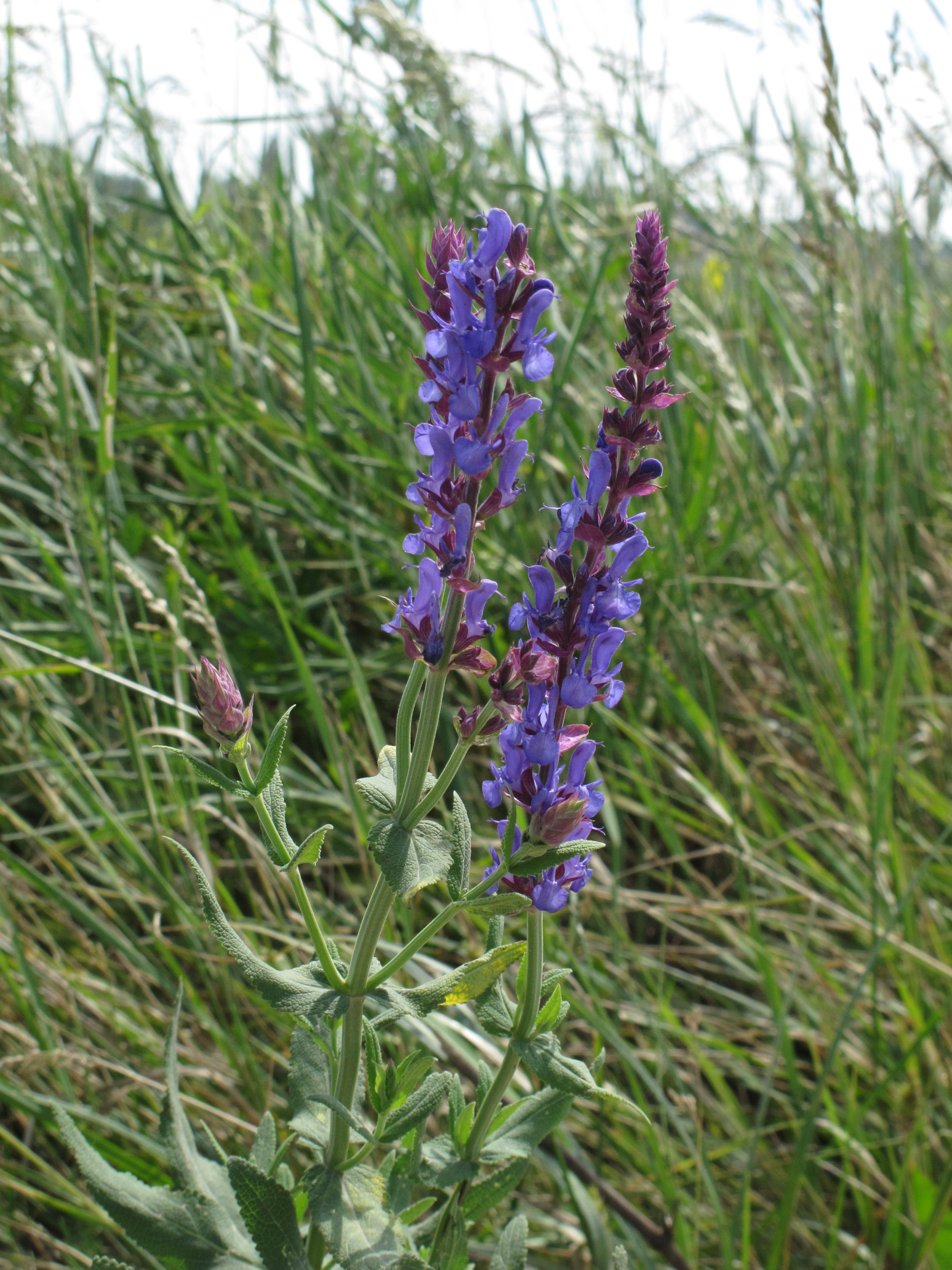
| Deer Resistance Level | Description The deer are still enjoying the hardy geraniums, but the deer have not touched the salvia.
Key Takeaways:
- Hardy geraniums are generally considered moderately deer-resistant.
- Their fuzzy foliage and sometimes aromatic scent deter deer.
- No plant is truly deer-proof; deer resistance can vary based on local deer population, hunger levels, and plant varieties.
- Combine deer-resistant plants with other deterrent strategies for best results.
Ready to find the perfect plants for your yard? Try the PlantWise Plant Finder →