Is Hosta Safe for Dogs and Cats? What Pet Owners Must Know
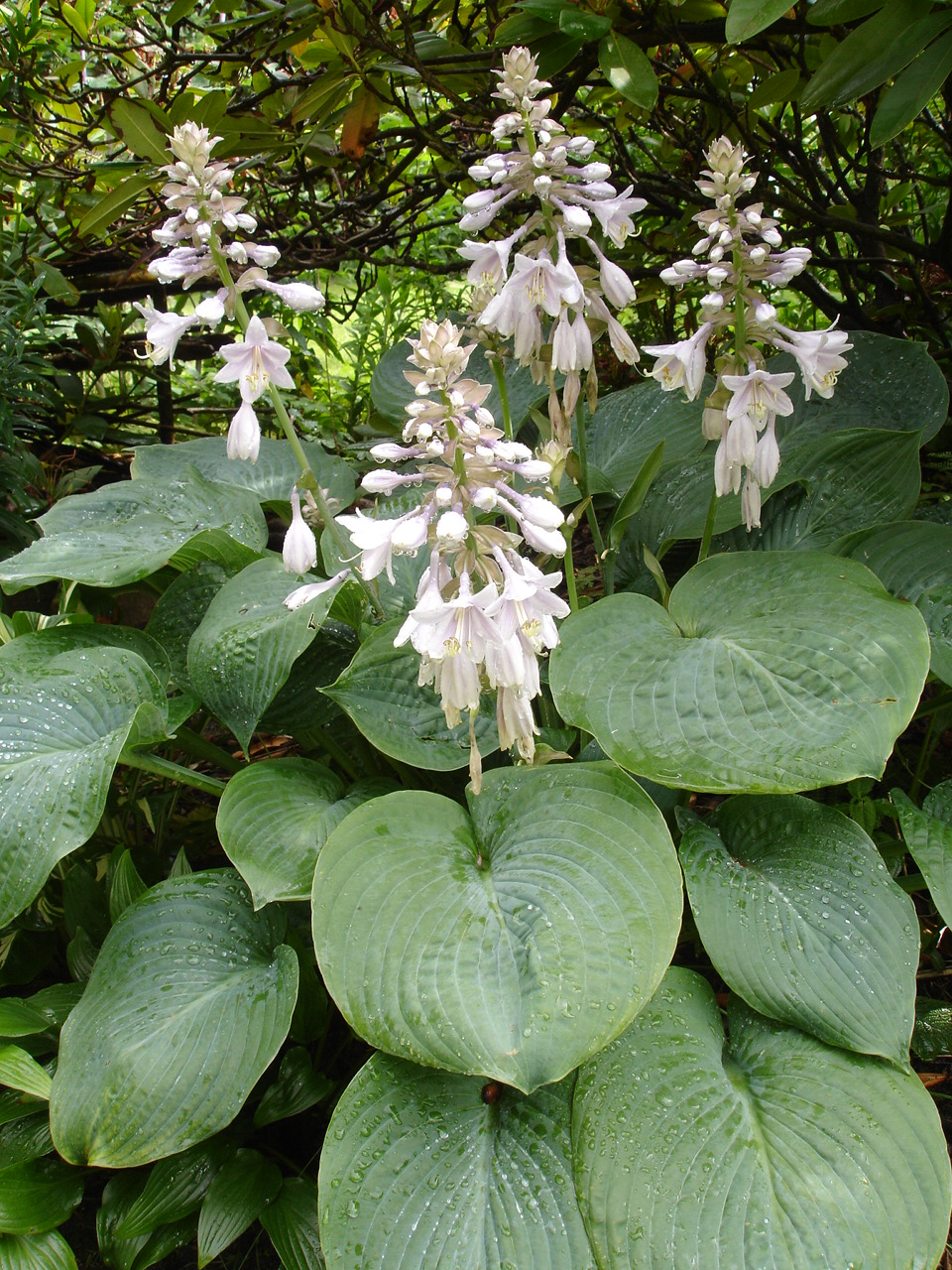
Hosta, with its lush foliage and beautiful shade-loving qualities, is a popular choice for many gardens. However, for pet owners, the question of its safety is paramount. The direct answer is no, hosta plants are not considered safe for dogs and cats. All parts of the hosta plant contain toxic compounds called saponins, which can cause gastrointestinal upset and other more severe symptoms if ingested by pets. While not typically life-threatening in small quantities, it's crucial for pet owners to be aware of the risks and take precautions to protect their furry friends.
🌱 Get Personalized Plant Picks
Answer a few quick questions and we’ll match plants to your exact yard conditions.
Find My Plants →What Makes Hosta Toxic to Pets?
The primary culprits behind hosta's toxicity are saponins. These naturally occurring chemical compounds are found in many plants and act as a defense mechanism against pests and herbivores. When ingested by dogs and cats, saponins can irritate the mucous membranes of the digestive tract.
The concentration of saponins can vary slightly between different hosta varieties, but all hostas should be considered toxic. This means whether you have a large 'Sum and Substance' or a miniature 'Blue Mouse Ears,' the risk remains.
What Symptoms Do Pets Experience After Ingesting Hosta?
If your dog or cat decides to nibble on a hosta plant, the symptoms can range from mild to moderate, depending on the amount ingested and the individual pet's sensitivity.
Common symptoms include:
- Vomiting: Often the first and most noticeable sign.
- Diarrhea: Can range from mild to severe.
- Loss of Appetite: Your pet may refuse to eat their regular food.
- Lethargy: A general lack of energy or sluggishness.
- Excessive Drooling: Due to irritation in the mouth and throat.
In rare cases, especially with large ingestions or in very sensitive animals, more severe symptoms could occur, such as depression or changes in heart rate, though these are less common. The good news is that hosta toxicity is rarely fatal, but it can certainly make your pet feel very uncomfortable and warrant a trip to the vet.
If you suspect your pet has ingested a toxic plant, call the ASPCA Animal Poison Control Center immediately at (888) 426-4435.
How Can I Prevent My Pets from Eating Hosta?
Prevention is always the best approach when it comes to pet safety in the garden. Here are several strategies to keep your dogs and cats away from hostas:
- Relocate or Remove Hostas: The most foolproof method is to remove hostas from your garden entirely or move them to an area your pets cannot access. This might be a difficult choice for hosta lovers, but it guarantees peace of mind.
- Physical Barriers: Install fencing around hosta beds. For dogs, a low fence might be sufficient, while cats might require more creative solutions like netting or thorny plant companions (see below).
- Strategic Planting: Place hostas in elevated planters or hanging baskets out of paw's reach. Remember that curious cats can jump, so ensure these are truly inaccessible.
- Deterrents:
- Bitter Sprays: Many pet stores sell sprays designed to deter pets from chewing on plants. These often contain bittering agents that are safe for plants but unpleasant for pets. Reapply after rain.
- Strong Scents: Some pets are deterred by strong scents like citrus peels (oranges, lemons) or coffee grounds scattered around the base of plants.
- Prickly Mulch: Laying down uncomfortable mulch like pinecones, lava rock, or even chicken wire on top of the soil can discourage pets from digging or lying in the garden bed.
- Supervision: When your pets are outdoors, supervise them closely, especially if they have a history of nibbling on plants.
- Provide Alternatives: Ensure your pets have plenty of safe chew toys and enrichment activities to keep them occupied, reducing the likelihood of them seeking out plants for entertainment. For cats, consider providing cat grass (oat, wheat, or barley grass) as a safe alternative for chewing.
What Are Some Pet-Friendly Alternatives to Hosta?
If you're looking to replace hostas or want to add more pet-safe plants to your shade garden, you have many beautiful options. Here are a few that offer similar lush foliage or vibrant blooms, and are not listed as toxic to dogs and cats by the ASPCA:
- Ferns (True Ferns): Many true ferns, like
and
, are not listed as toxic and offer beautiful, feathery foliage for shade. Be cautious, as some "ferns" (like asparagus fern) are not true ferns and are toxic. Always confirm the specific species.
- Impatiens (New Guinea and Busy Lizzie): While annuals, they provide a burst of color in shade and are not listed as toxic.
- African Violet: A popular houseplant that can also thrive in shady outdoor containers in warm climates, not listed as toxic.
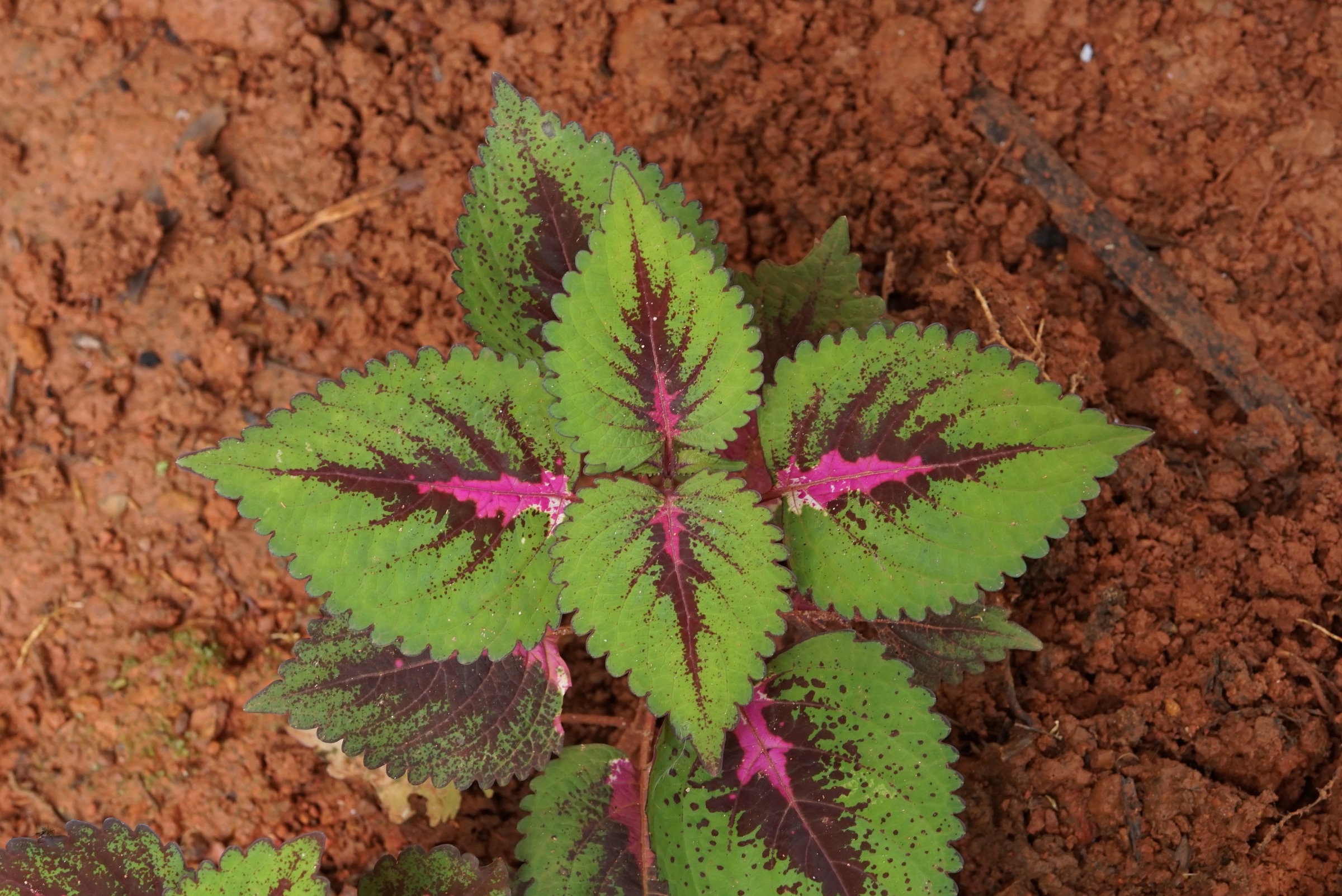
- Coleus: Known for its vibrant, variegated foliage, coleus is a fantastic shade plant. While some sources suggest mild toxicity, the ASPCA generally lists it as non-toxic. It's always best to observe your pet.
- Pansies & Violas: These cheerful annuals are perfect for adding color to shady spots and are not listed as toxic.
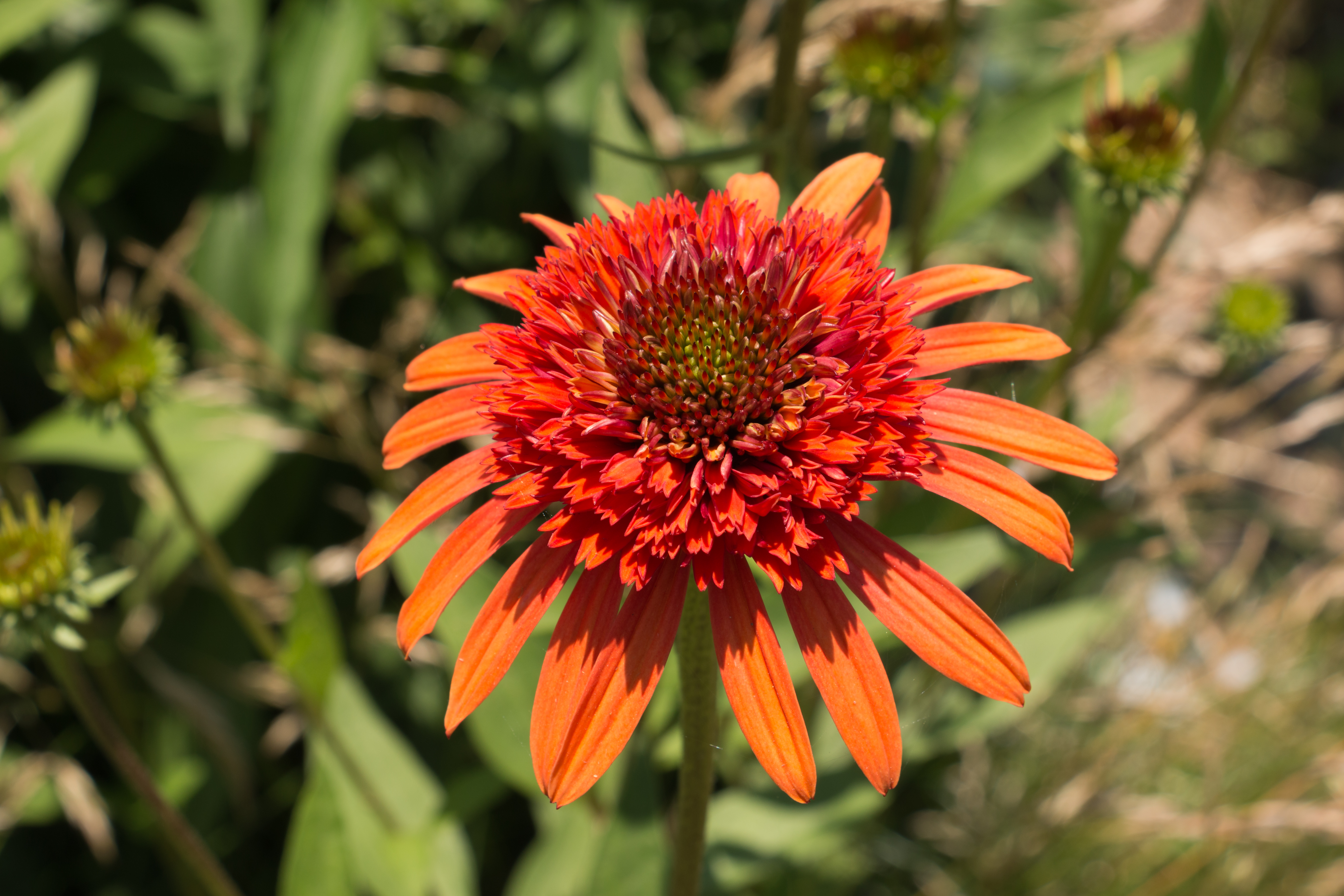
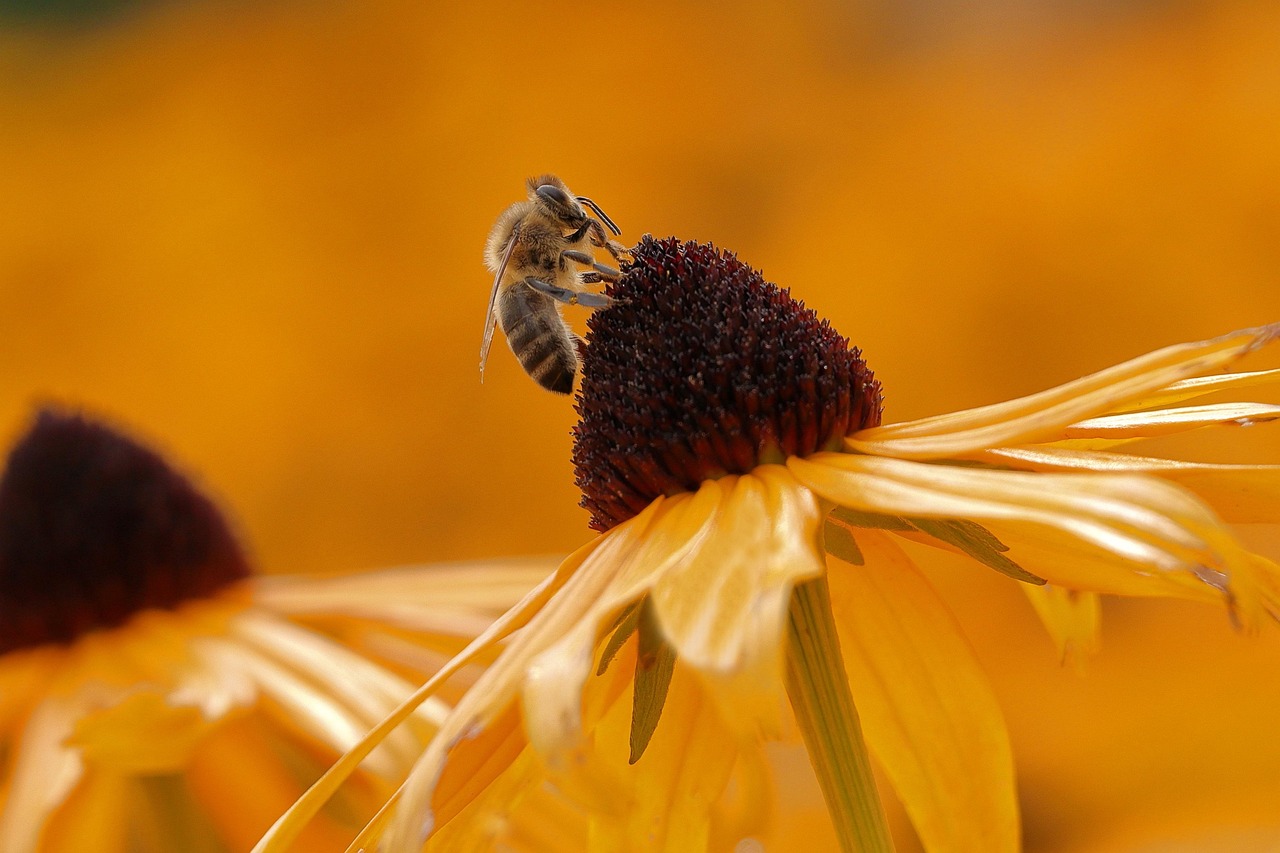
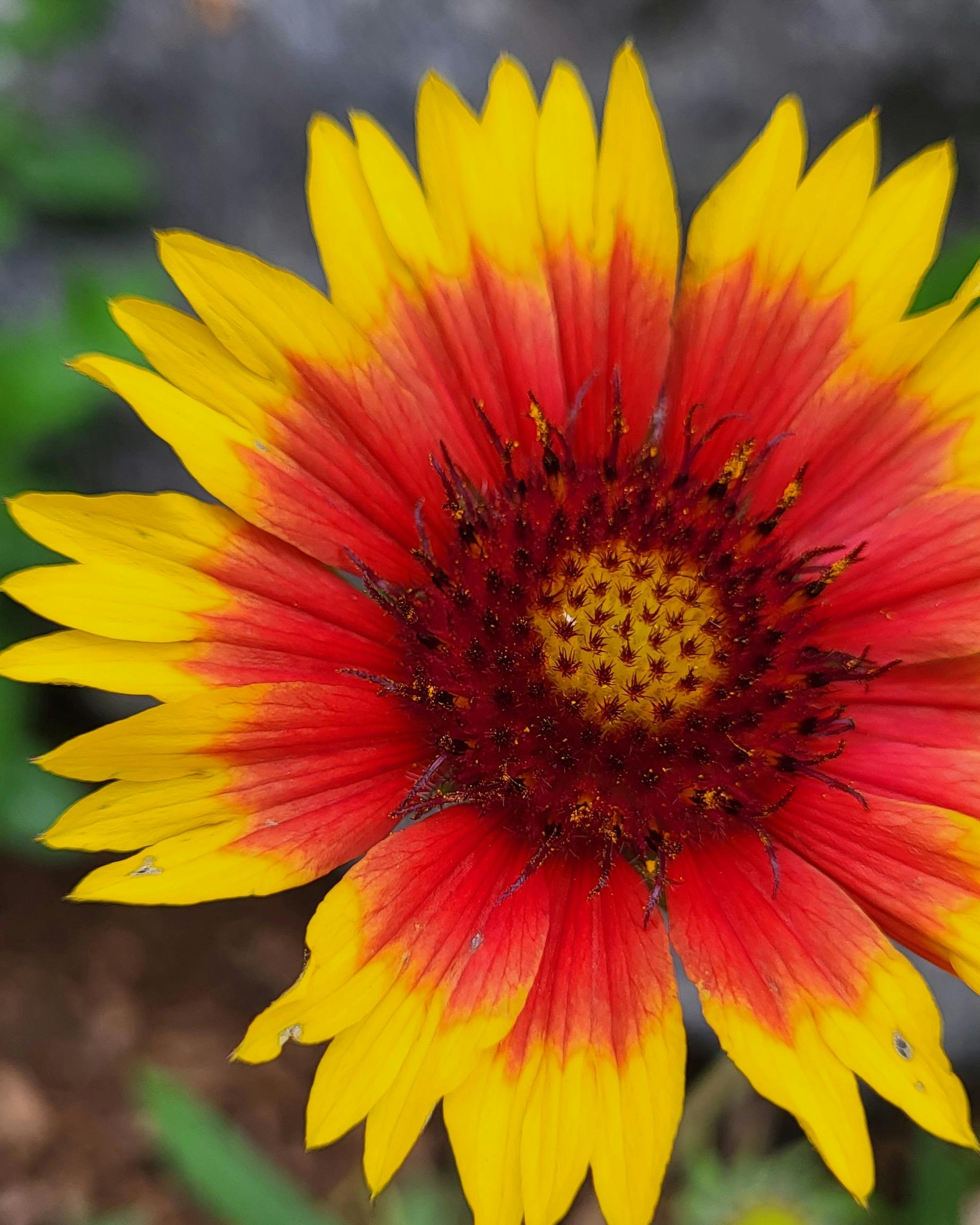
For sunny spots where you might have considered hostas for their foliage, here are some pet-friendly flowering alternatives:
(Echinacea)
(Rudbeckia hirta)
(Gaillardia)
(Monarda)
Quick Reference: Hosta & Pet Safety
| Feature | Hosta Safety for Pets (Dogs & Cats) |
|---|---|
| Toxicity Level | Moderate |
| Toxic Compounds | Saponins |
| Toxic Parts | All parts (leaves, stems, roots) |
| Common Symptoms | Vomiting, diarrhea, lethargy, drooling, loss of appetite |
| Emergency Action | Call ASPCA Animal Poison Control Center: (888) 426-4435 |
| Prevention | Remove, fence, elevate, use deterrents, supervise |
| Pet-Friendly Alternatives | True ferns, Impatiens, African Violet, Pansies, Coneflower, Black-Eyed Susan |
While hostas are beautiful and low-maintenance plants for gardeners, their toxicity to dogs and cats means pet owners need to exercise caution. By understanding the risks and implementing preventative measures, you can ensure both your garden and your pets thrive safely.
Ready to find the perfect plants for your yard? Try the PlantWise Plant Finder →