Is Spider Plant Safe for Dogs and Cats?
Spider plants (Chlorophytum comosum) are a common and beloved houseplant, famous for their arching leaves, easy care, and ability to produce "spiderettes" or plantlets that dangle charmingly. If you're a pet owner, one of your primary concerns when bringing any new plant into your home is its safety for your furry friends. The good news is that spider plants are generally considered not listed as toxic to dogs and cats by reputable sources like the ASPCA. This makes them a popular choice for pet-friendly households. While ingestion might cause mild stomach upset in some sensitive animals, it's typically not a serious concern.
What is a Spider Plant?
The spider plant, or Chlorophytum comosum, is a popular perennial houseplant known for its resilience and air-purifying qualities. Native to southern Africa, it thrives indoors with minimal fuss, making it a favorite for both novice and experienced plant enthusiasts. Its long, slender leaves, often variegated with cream or white stripes, grow in a rosette formation. The most distinctive feature is its ability to produce small plantlets on long stems, which resemble spiders, hence the common name. These plantlets can be easily propagated, allowing you to quickly expand your plant collection or share with friends.
Spider plants are incredibly adaptable, tolerating a range of light conditions from bright, indirect light to partial shade. They prefer well-draining soil and consistent moisture but can forgive occasional neglect. Beyond their aesthetic appeal, spider plants are also celebrated for their ability to remove toxins from the air, contributing to a healthier indoor environment.
🌱 Get Personalized Plant Picks
Answer a few quick questions and we’ll match plants to your exact yard conditions.
Find My Plants →Why Are Spider Plants Attractive to Pets?
Pets, especially cats, are often drawn to spider plants for a few key reasons. The long, arching leaves can mimic tall grass or other foliage they might encounter outdoors, making them an enticing object to chew on or bat around. Cats, in particular, are known to enjoy gnawing on plants, sometimes for the fiber, sometimes out of boredom, or simply because they enjoy the texture.
One interesting theory suggests that spider plants may have a mild hallucinogenic effect on cats, similar to catnip, due to certain chemical compounds. While this isn't fully proven, it could explain why some cats seem particularly enamored with them. Regardless of the exact reason, it's common to find pets investigating, playing with, or even nibbling on spider plant leaves.
What Happens if a Pet Eats a Spider Plant?
While spider plants are generally not listed as toxic, ingesting plant material can sometimes lead to mild gastrointestinal upset in sensitive pets. If your dog or cat eats a significant amount of spider plant, you might observe symptoms such as:
- Vomiting: Your pet may throw up the plant material or stomach contents.
- Diarrhea: Loose stools can occur as the digestive system processes the plant.
- Mild stomach discomfort: Your pet might seem a little off, perhaps less active or showing signs of a mild stomach ache.
These symptoms are usually temporary and self-limiting, meaning they should resolve on their own within a day or so without specific treatment. It's rare for a pet to experience severe or life-threatening reactions from eating a spider plant. The primary concern is typically the mess and mild discomfort for your pet.
If you suspect your pet has ingested a toxic plant, call the ASPCA Animal Poison Control Center immediately at (888) 426-4435.
How Can I Prevent My Pet from Eating My Spider Plant?
Even though spider plants are not listed as toxic, it's still a good idea to discourage your pet from eating them excessively, as any plant material can cause a mild upset stomach. Here are some strategies:
- Hang them high: Place your spider plants in hanging baskets or on high shelves where your pets can't reach them. This is often the most effective method, especially for cats who love to jump.
- Use deterrents: Some pets dislike the smell or taste of certain deterrents. You can try spraying the leaves with diluted lemon juice, bitter apple spray, or a pet-safe deterrent spray available at pet stores. Reapply regularly.
- Provide alternatives: Offer your pet, especially cats, their own "safe" plants to chew on, such as cat grass (oats, wheat, or barley grass). This can redirect their chewing instincts away from your houseplants.
- Increase playtime and enrichment: A bored pet is more likely to seek out mischief. Ensure your pet has plenty of toys, regular playtime, and mental stimulation to keep them occupied.
- Create a physical barrier: If hanging isn't an option, consider placing plants inside decorative cages, terrariums, or behind pet gates to restrict access.
What Are Some Other Pet-Friendly Plant Options?
Expanding your indoor garden with other pet-friendly plants is a great way to add greenery without worry. Here are a few popular choices that are generally considered not listed as toxic to pets:
- Boston Fern (Nephrolepis exaltata 'Bostoniensis'): A classic, lush fern that thrives in humidity.
- Prayer Plant (Maranta leuconeura): Known for its beautifully patterned leaves that fold up at night.
- Areca Palm (Dypsis lutescens): A graceful, air-purifying palm that adds a tropical touch.
- Christmas Cactus (Schlumbergera bridgesii): A festive, easy-to-care-for succulent that blooms in winter.
- African Violet (Saintpaulia spp.): Small, charming plants with velvety leaves and vibrant flowers.
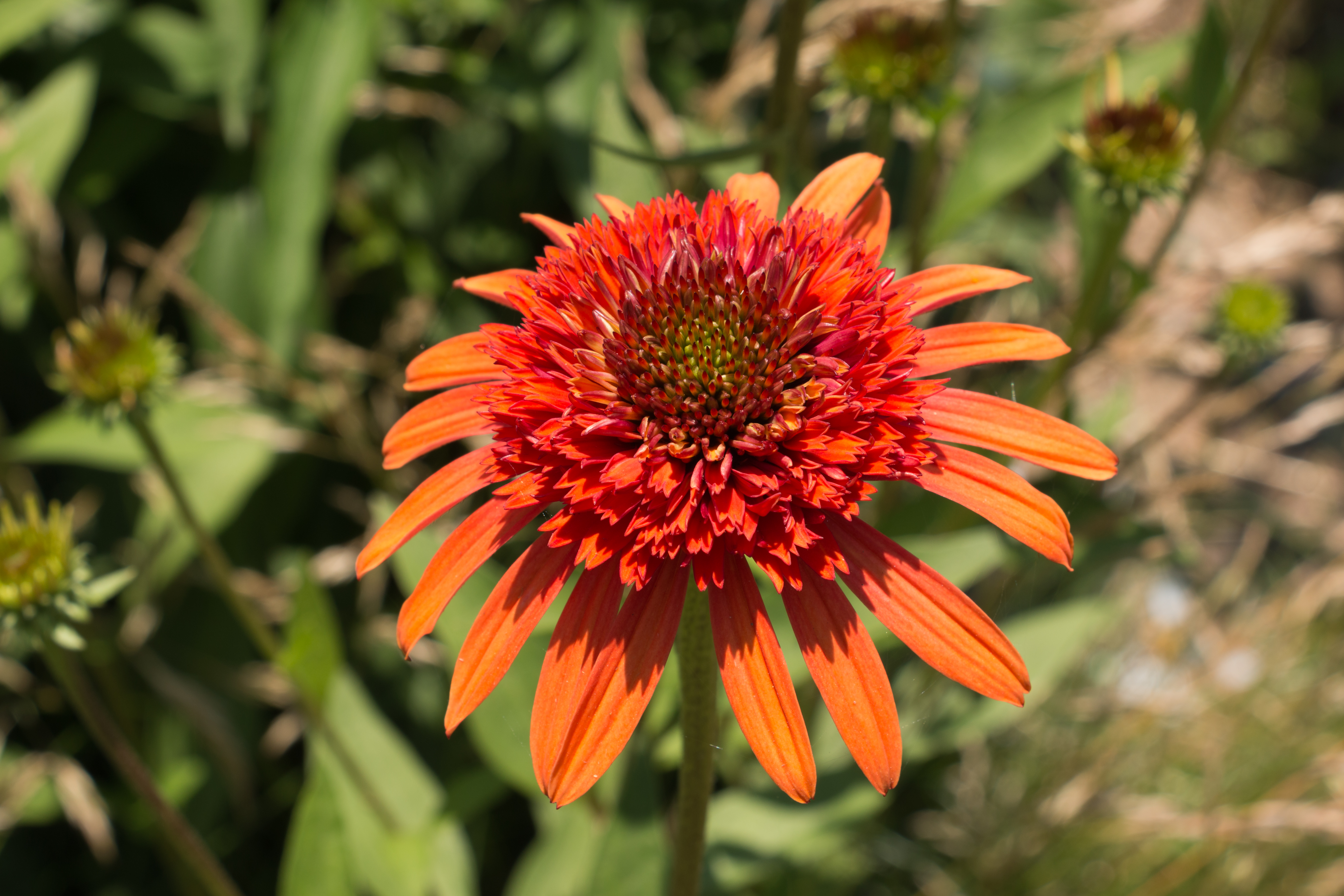
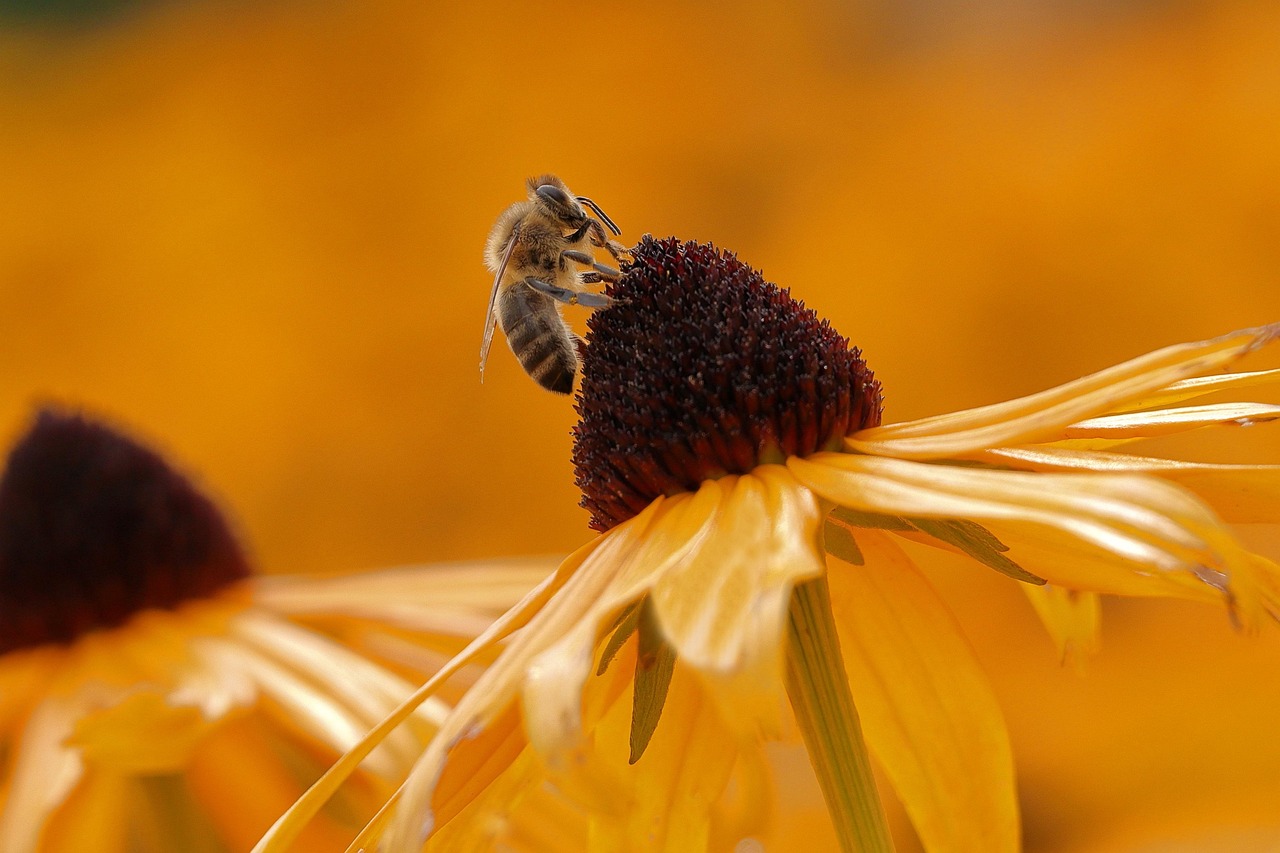
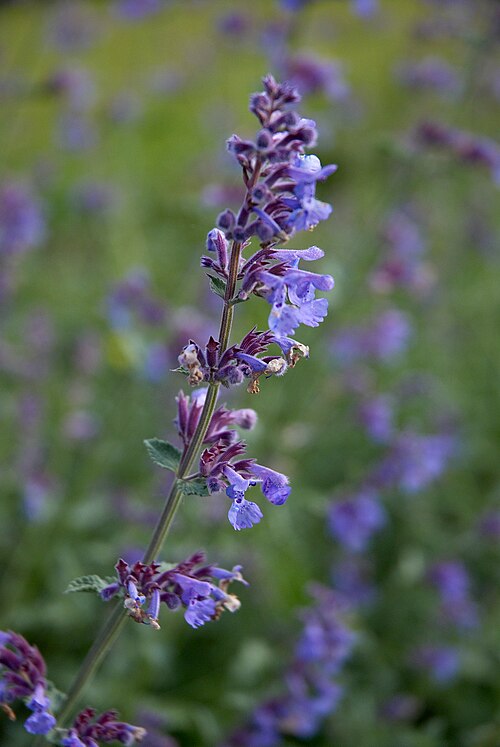
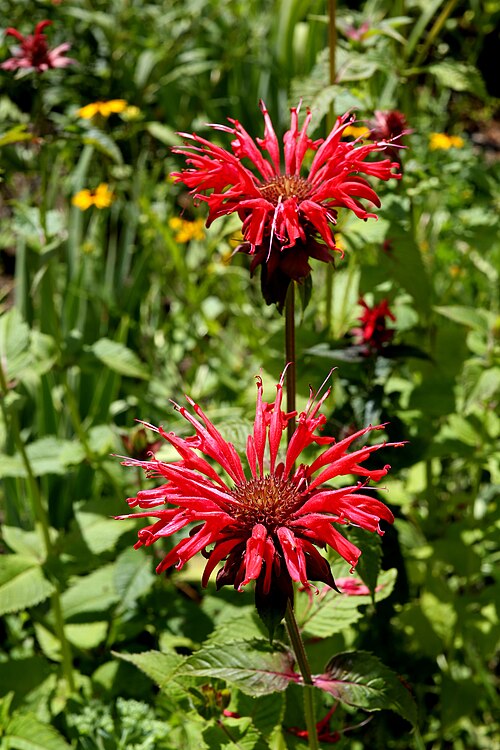
Catmint Coneflower Black-eyed Susan Bee Balm
Quick Reference: Spider Plant & Pets
| Feature | Description
The spider plant, or Chlorophytum comosum, is a popular perennial houseplant known for its resilience and air-purifying qualities. Native to southern Africa, it thrives indoors with minimal fuss, making it a favorite for both novice and experienced plant enthusiasts. Its long, slender leaves, often variegated with cream or white stripes, grow in a rosette formation. The most distinctive feature is its ability to produce small plantlets on long stems, which resemble spiders, hence the common name. These plantlets can be easily propagated, allowing you to quickly expand your plant collection or share with friends.
Spider plants are incredibly adaptable, tolerating a range of light conditions from bright, indirect light to partial shade. They prefer well-draining soil and consistent moisture but can forgive occasional neglect. Beyond their aesthetic appeal, spider plants are also celebrated for their ability to remove toxins from the air, contributing to a healthier indoor environment.
Why Are Spider Plants Attractive to Pets?
Pets, especially cats, are often drawn to spider plants for a few key reasons. The long, arching leaves can mimic tall grass or other foliage they might encounter outdoors, making them an enticing object to chew on or bat around. Cats, in particular, are known to enjoy gnawing on plants, sometimes for the fiber, sometimes out of boredom, or simply because they enjoy the texture.
One interesting theory suggests that spider plants may have a mild hallucinogenic effect on cats, similar to catnip, due to certain chemical compounds. While this isn't fully proven, it could explain why some cats seem particularly enamored with them. Regardless of the exact reason, it's common to find pets investigating, playing with, or even nibbling on spider plant leaves.
What Happens if a Pet Eats a Spider Plant?
While spider plants are generally not listed as toxic, ingesting plant material can sometimes lead to mild gastrointestinal upset in sensitive pets. If your dog or cat eats a significant amount of spider plant, you might observe symptoms such as:
- Vomiting: Your pet may throw up the plant material or stomach contents.
- Diarrhea: Loose stools can occur as the digestive system processes the plant.
- Mild stomach discomfort: Your pet might seem a little off, perhaps less active or showing signs of a mild stomach ache.
These symptoms are usually temporary and self-limiting, meaning they should resolve on their own within a day or so without specific treatment. It's rare for a pet to experience severe or life-threatening reactions from eating a spider plant. The primary concern is typically the mess and mild discomfort for your pet.
If you suspect your pet has ingested a toxic plant, call the ASPCA Animal Poison Control Center immediately at (888) 426-4435.
How Can I Prevent My Pet from Eating My Spider Plant?
Even though spider plants are not listed as toxic, it's still a good idea to discourage your pet from eating them excessively, as any plant material can cause a mild upset stomach. Here are some strategies:
- Hang them high: Place your spider plants in hanging baskets or on high shelves where your pets can't reach them. This is often the most effective method, especially for cats who love to jump.
- Use deterrents: Some pets dislike the smell or taste of certain deterrents. You can try spraying the leaves with diluted lemon juice, bitter apple spray, or a pet-safe deterrent spray available at pet stores. Reapply regularly.
- Provide alternatives: Offer your pet, especially cats, their own "safe" plants to chew on, such as cat grass (oats, wheat, or barley grass). This can redirect their chewing instincts away from your houseplants.
- Increase playtime and enrichment: A bored pet is more likely to seek out mischief. Ensure your pet has plenty of toys, regular playtime, and mental stimulation to keep them occupied.
- Create a physical barrier: If hanging isn't an option, consider placing plants inside decorative cages, terrariums, or behind pet gates to restrict access.
What Are Some Other Pet-Friendly Plant Options?
Expanding your indoor garden with other pet-friendly plants is a great way to add greenery without worry. Here are a few popular choices that are generally considered not listed as toxic to pets:
- Boston Fern (Nephrolepis exaltata 'Bostoniensis'): A classic, lush fern that thrives in humidity.
- Prayer Plant (Maranta leuconeura): Known for its beautifully patterned leaves that fold up at night.
- Areca Palm (Dypsis lutescens): A graceful, air-purifying palm that adds a tropical touch.
- Christmas Cactus (Schlumbergera bridgesii): A festive, easy-to-care-for succulent that blooms in winter.
- African Violet (Saintpaulia spp.): Small, charming plants with velvety leaves and vibrant flowers.
Catmint Coneflower Black-eyed Susan Bee Balm
Quick Reference: Spider Plant & Pets
| Feature | Description
TheSpider plants (Chlorophytum comosum) are a common and beloved houseplant, famous for their arching leaves, easy care, and ability to produce "spiderettes" or plantlets that dangle charmingly. If you're a pet owner, one of your primary concerns when bringing any new plant into your home is its safety for your furry friends. The good news is that spider plants are generally considered not listed as toxic to dogs and cats by reputable sources like the ASPCA. This makes them a popular choice for pet-friendly households. While ingestion might cause mild stomach upset in some sensitive animals, it's typically not a serious concern.
What is a Spider Plant?
The spider plant, or Chlorophytum comosum, is a popular perennial houseplant known for its resilience and air-purifying qualities. Native to southern Africa, it thrives indoors with minimal fuss, making it a favorite for both novice and experienced plant enthusiasts. Its long, slender leaves, often variegated with cream or white stripes, grow in a rosette formation. The most distinctive feature is its ability to produce small plantlets on long stems, which resemble spiders, hence the common name. These plantlets can be easily propagated, allowing you to quickly expand your plant collection or share with friends.
Spider plants are incredibly adaptable, tolerating a range of light conditions from bright, indirect light to partial shade. They prefer well-draining soil and consistent moisture but can forgive occasional neglect. Beyond their aesthetic appeal, spider plants are also celebrated for their ability to remove toxins from the air, contributing to a healthier indoor environment.
Why Are Spider Plants Attractive to Pets?
Pets, especially cats, are often drawn to spider plants for a few key reasons. The long, arching leaves can mimic tall grass or other foliage they might encounter outdoors, making them an enticing object to chew on or bat around. Cats, in particular, are known to enjoy gnawing on plants, sometimes for the fiber, sometimes out of boredom, or simply because they enjoy the texture.
One interesting theory suggests that spider plants may have a mild hallucinogenic effect on cats, similar to catnip, due to certain chemical compounds. While this isn't fully proven, it could explain why some cats seem particularly enamored with them. Regardless of the exact reason, it's common to find pets investigating, playing with, or even nibbling on spider plant leaves.
What Happens if a Pet Eats a Spider Plant?
While spider plants are generally not listed as toxic, ingesting plant material can sometimes lead to mild gastrointestinal upset in sensitive pets. If your dog or cat eats a significant amount of spider plant, you might observe symptoms such as:
- Vomiting: Your pet may throw up the plant material or stomach contents.
- Diarrhea: Loose stools can occur as the digestive system processes the plant.
- Mild stomach discomfort: Your pet might seem a little off, perhaps less active or showing signs of a mild stomach ache.
These symptoms are usually temporary and self-limiting, meaning they should resolve on their own within a day or so without specific treatment. It's rare for a pet to experience severe or life-threatening reactions from eating a spider plant. The primary concern is typically the mess and mild discomfort for your pet.
If you suspect your pet has ingested a toxic plant, call the ASPCA Animal Poison Control Center immediately at (888) 426-4435.
How Can I Prevent My Pet from Eating My Spider Plant?
Even though spider plants are not listed as toxic, it's still a good idea to discourage your pet from eating them excessively, as any plant material can cause a mild upset stomach. Here are some strategies:
- Hang them high: Place your spider plants in hanging baskets or on high shelves where your pets can't reach them. This is often the most effective method, especially for cats who love to jump.
- Use deterrents: Some pets dislike the smell or taste of certain deterrents. You can try spraying the leaves with diluted lemon juice, bitter apple spray, or a pet-safe deterrent spray available at pet stores. Reapply regularly.
- Provide alternatives: Offer your pet, especially cats, their own "safe" plants to chew on, such as cat grass (oats, wheat, or barley grass). This can redirect their chewing instincts away from your houseplants.
- Increase playtime and enrichment: A bored pet is more likely to seek out mischief. Ensure your pet has plenty of toys, regular playtime, and mental stimulation to keep them occupied.
- Create a physical barrier: If hanging isn't an option, consider placing plants inside decorative cages, terrariums, or behind pet gates to restrict access.
What Are Some Other Pet-Friendly Plant Options?
Expanding your indoor garden with other pet-friendly plants is a great way to add greenery without worry. Here are a few popular choices that are generally considered not listed as toxic to pets:
- Boston Fern (Nephrolepis exaltata 'Bostoniensis'): A classic, lush fern that thrives in humidity.
- Prayer Plant (Maranta leuconeura): Known for its beautifully patterned leaves that fold up at night.
- Areca Palm (Dypsis lutescens): A graceful, air-purifying palm that adds a tropical touch.
- Christmas Cactus (Schlumbergera bridgesii): A festive, easy-to-care-for succulent that blooms in winter.
- African Violet (Saintpaulia spp.): Small, charming plants with velvety leaves and vibrant flowers.
Catmint Coneflower Black-eyed Susan Bee Balm
Quick Reference: Spider Plant & Pets
| Feature | Description
Ready to find the perfect plants for your yard? Try the PlantWise Plant Finder →