Are Hydrangeas Safe for Dogs? What Every Pet Owner Must Know
As a pet owner and a gardening enthusiast, you naturally want to ensure your beautiful landscape doesn't pose any hidden dangers to your furry friends. Hydrangeas, with their show-stopping blooms and lush foliage, are a beloved addition to many gardens. However, when it comes to canine companions, the short answer to "Are hydrangeas safe for dogs?" is no, hydrangeas are generally considered toxic to dogs. While the level of toxicity is typically mild to moderate, it's crucial for pet owners to be aware of the risks and take precautions. This guide will walk you through everything you need to know about hydrangeas and your dog's safety.
🌱 Get Personalized Plant Picks
Answer a few quick questions and we’ll match plants to your exact yard conditions.
Find My Plants →What Makes Hydrangeas Toxic to Dogs?
The primary toxic compounds found in hydrangeas are cyanogenic glycosides. These compounds, when ingested and metabolized, can release cyanide. While the amount of cyanide released is usually small and rarely fatal in cases of typical ingestion by pets, it can still cause a range of unpleasant symptoms. All parts of the hydrangea plant contain these glycosides, but the flower buds and leaves are often cited as having higher concentrations. Different species and even environmental factors can influence the exact concentration of these compounds.
What Are the Symptoms of Hydrangea Poisoning in Dogs?
If your dog ingests parts of a hydrangea plant, you might observe several symptoms, depending on the amount consumed and your dog's sensitivity. Common signs of hydrangea poisoning include:
- Gastrointestinal Upset: Vomiting, diarrhea, and abdominal pain are the most frequent symptoms.
- Lethargy: Your dog may appear unusually tired or sluggish.
- Loss of Appetite: A sudden disinterest in food.
- Increased Heart Rate: In more severe cases, changes in heart rate can occur.
- Difficulty Breathing: While rare, this can be a sign of more significant exposure.
- Depression: A general subdued demeanor.
It's important to remember that these symptoms can also be indicative of other health issues. If you notice any of these signs, especially after suspecting your dog has eaten a hydrangea, it's best to seek veterinary advice immediately.
If you suspect your pet has ingested a toxic plant, call the ASPCA Animal Poison Control Center immediately at (888) 426-4435.
How Can I Prevent My Dog from Eating Hydrangeas?
Prevention is always the best approach when dealing with toxic plants. Here are several strategies to keep your dog safe around hydrangeas:
- Fencing: Install a physical barrier around your hydrangea bushes, especially if your dog is prone to nibbling on plants. A small decorative fence or even chicken wire can be effective.
- Supervision: Always supervise your dog when they are in the garden, particularly if they are young or known to chew on plants.
- Training: Teach your dog commands like "leave it" or "drop it" to deter them from mouthing plants.
- Bitter Sprays: Apply a pet-safe bitter spray to the leaves of your hydrangeas. The unpleasant taste can discourage dogs from chewing. Reapply after rain or watering.
- Provide Alternatives: Ensure your dog has plenty of safe chew toys and enrichment activities to redirect their chewing instincts away from your plants.
- Strategic Planting: If you're designing a new garden, consider placing hydrangeas in areas less accessible to your dog, such as raised beds or behind other, non-toxic plantings.
Quick Reference: Hydrangeas & Dogs
| Factor | Information
| Symptoms | Vomiting, diarrhea, lethargy, abdominal pain, depression, increased thirst, trouble swallowing. In severe cases, difficulty breathing or seizures (rare). Hydrangea is a genus of 70-75 species of flowering plants native to Asia and the Americas. By far the greatest species diversity is in eastern Asia, notably China, Korea, and Japan. Most are shrubs 1 to 3 meters tall, but some are small trees, and others woody vines reaching up to 30 meters by climbing up trees. They can be either deciduous or evergreen, though the widely cultivated temperate species are all deciduous.
Is Hydrangea Toxic to Dogs?
Yes, hydrangeas are considered toxic to dogs. The plant contains cyanogenic glycosides, which can release cyanide when ingested. While the toxicity is generally mild to moderate, it's important to prevent your dog from eating any part of the plant. Symptoms typically include gastrointestinal upset like vomiting and diarrhea.
What Are Some Dog-Friendly Alternatives to Hydrangeas?
If you're looking for beautiful, pet-friendly plants to add to your garden, there are many excellent choices that can provide similar visual appeal to hydrangeas without the toxicity concerns. Here are a few suggestions:
- Roses (Rosa spp.): While they have thorns, the petals and leaves of roses are generally not listed as toxic to dogs. They offer a wide range of colors and forms.
- Sunflowers (Helianthus annuus): These cheerful annuals are not listed as toxic and bring a burst of sunshine to any garden.
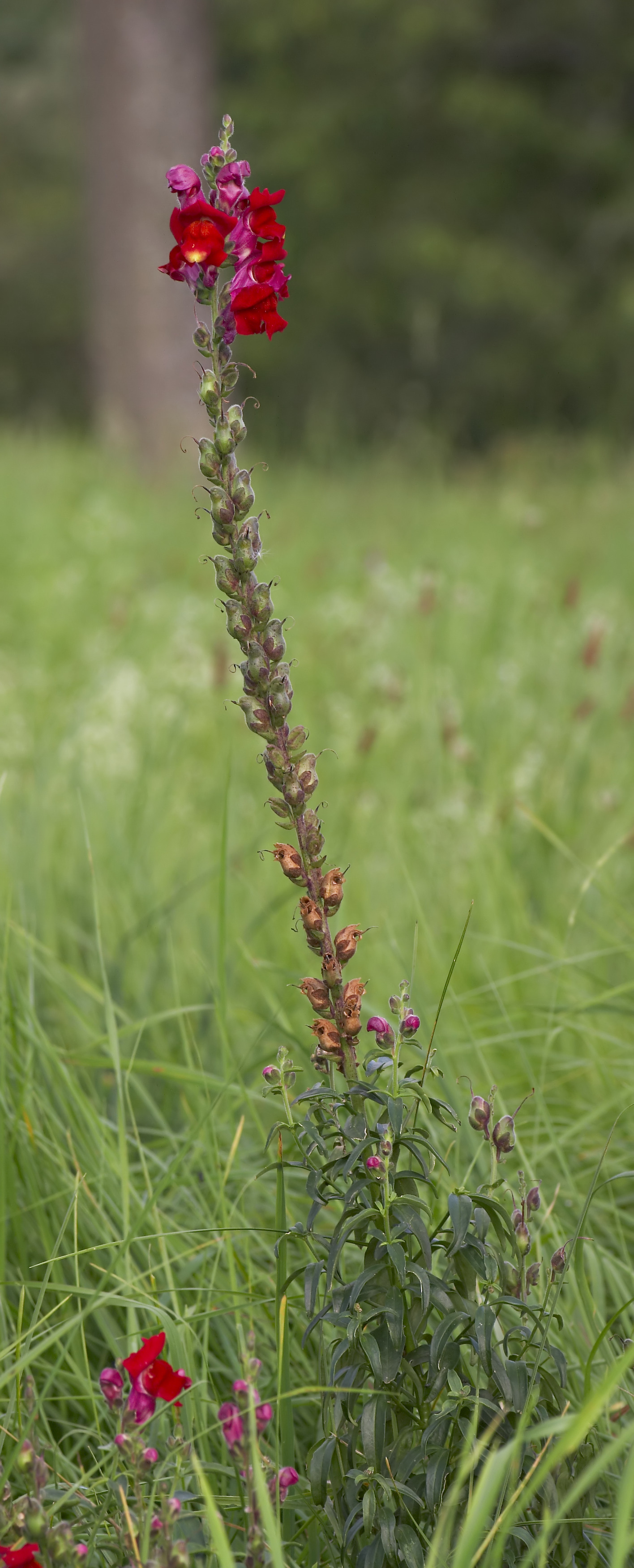
- Snapdragons (Antirrhinum majus): With their vibrant, unique blooms, snapdragons are a delightful and not listed as toxic choice.
- African Violets (Saintpaulia spp.): If you're looking for a smaller, potted plant, African Violets are a popular and not listed as toxic option.
For more robust garden options that can fill space and provide color, consider these fantastic choices:
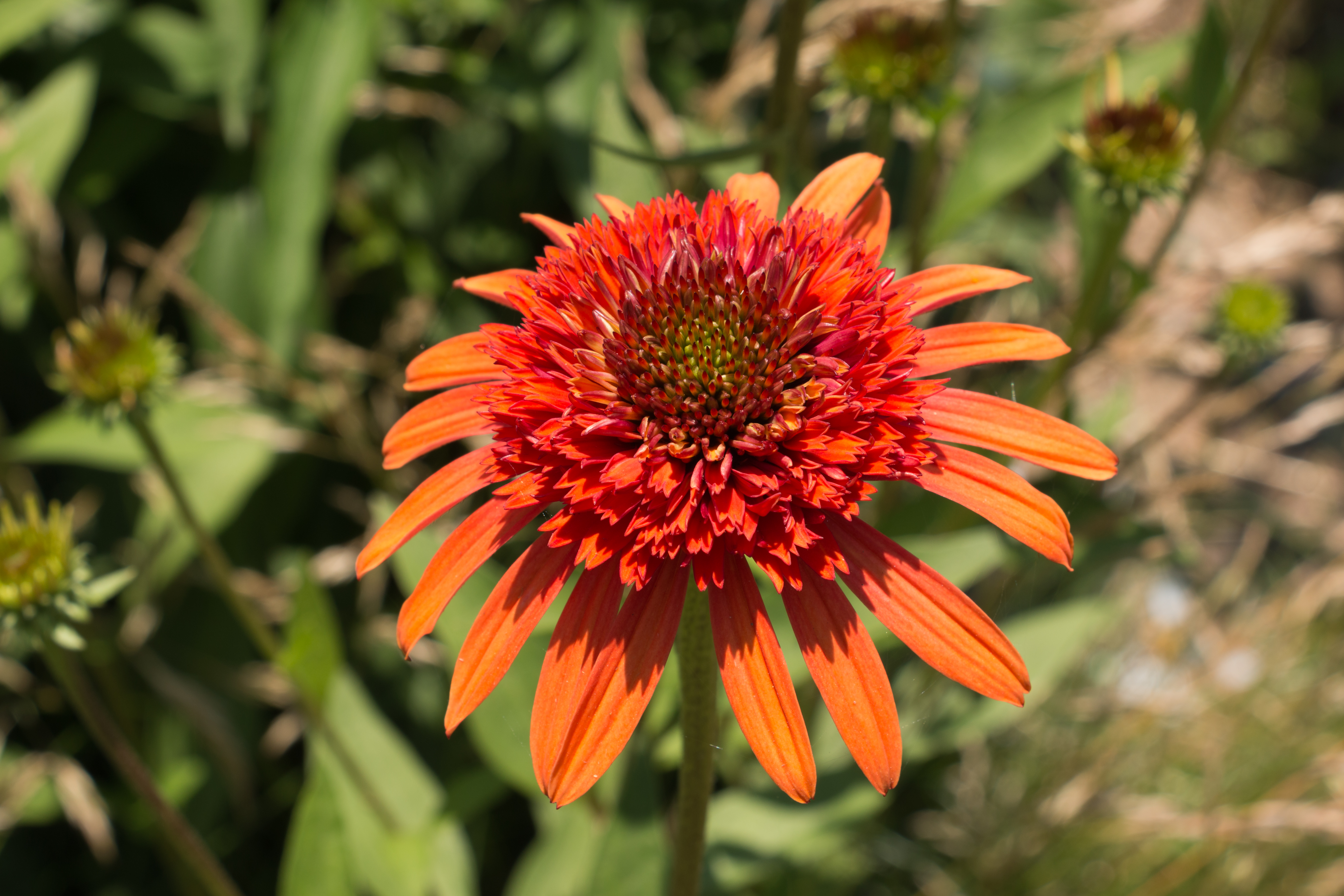
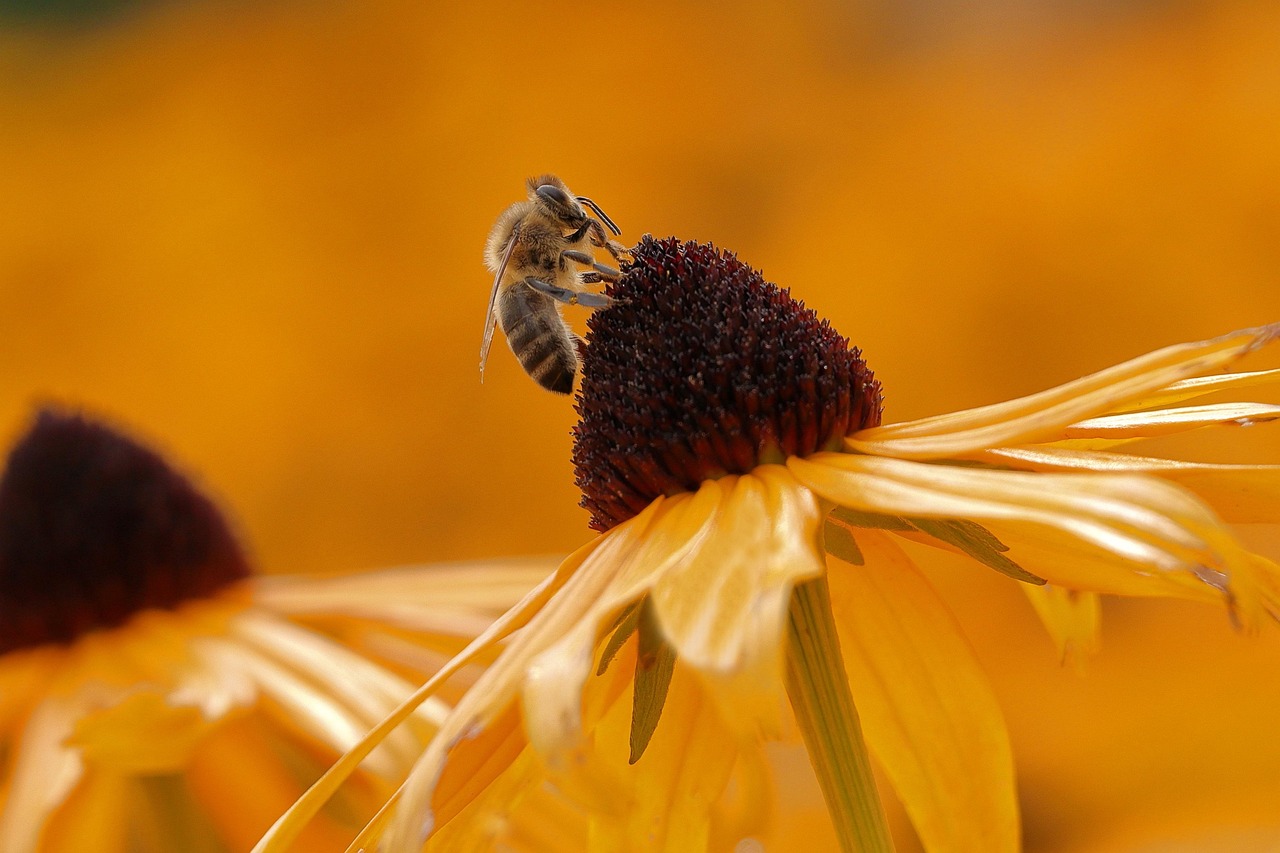
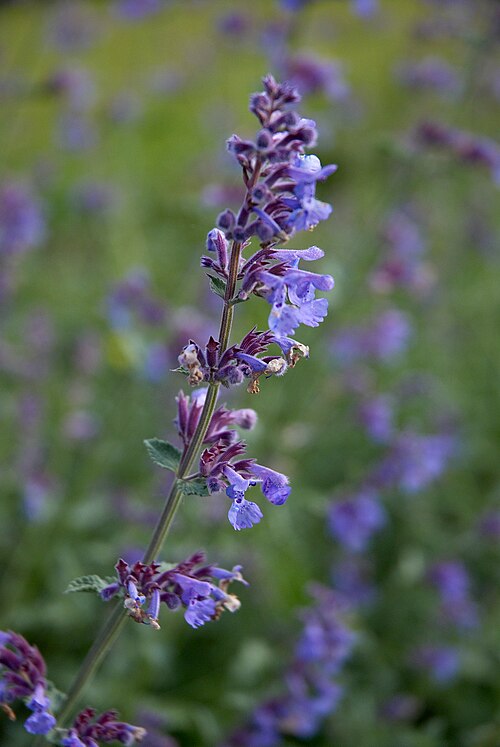
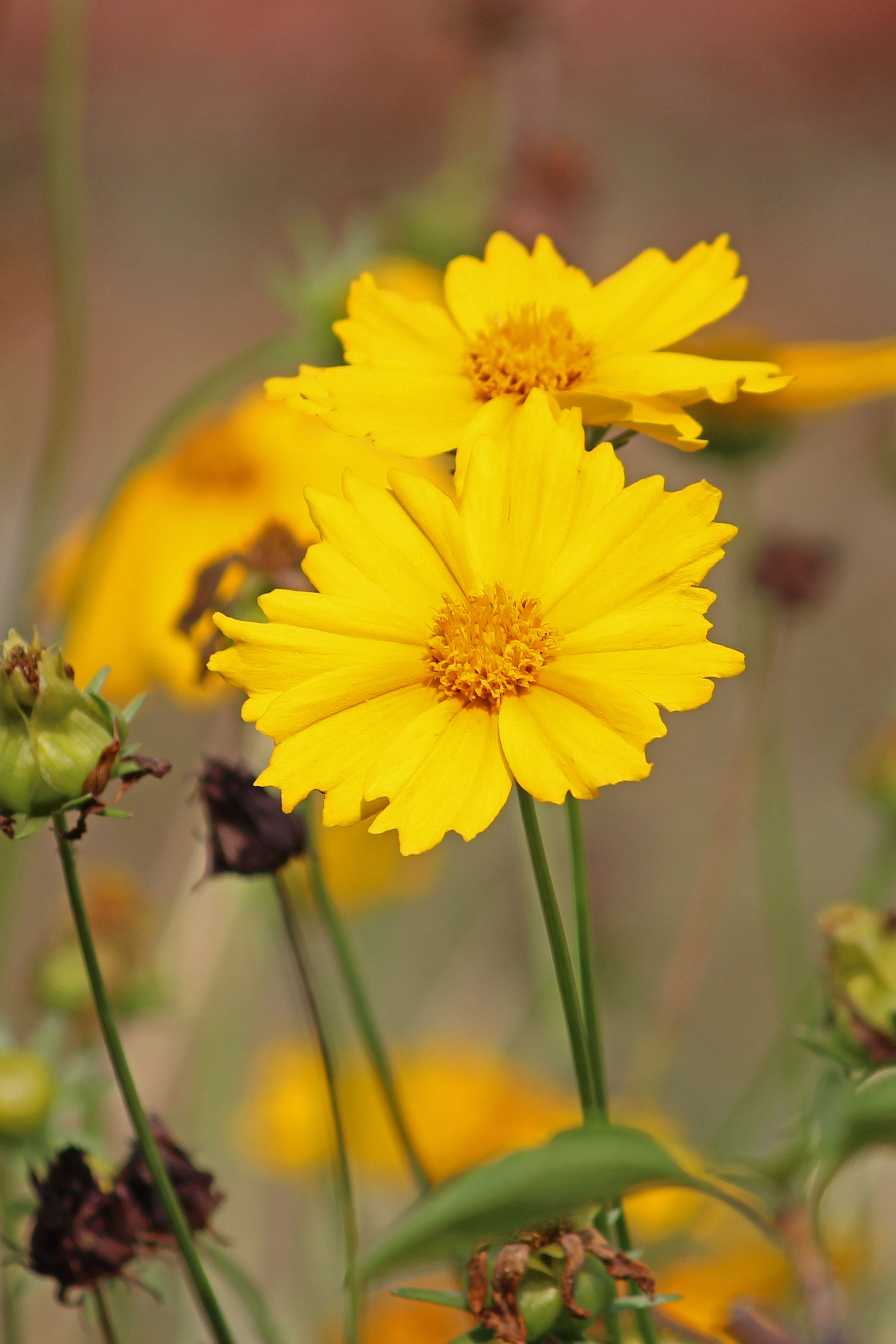
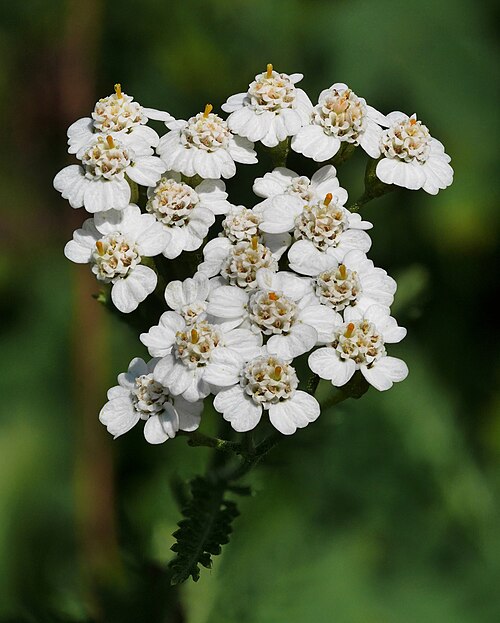
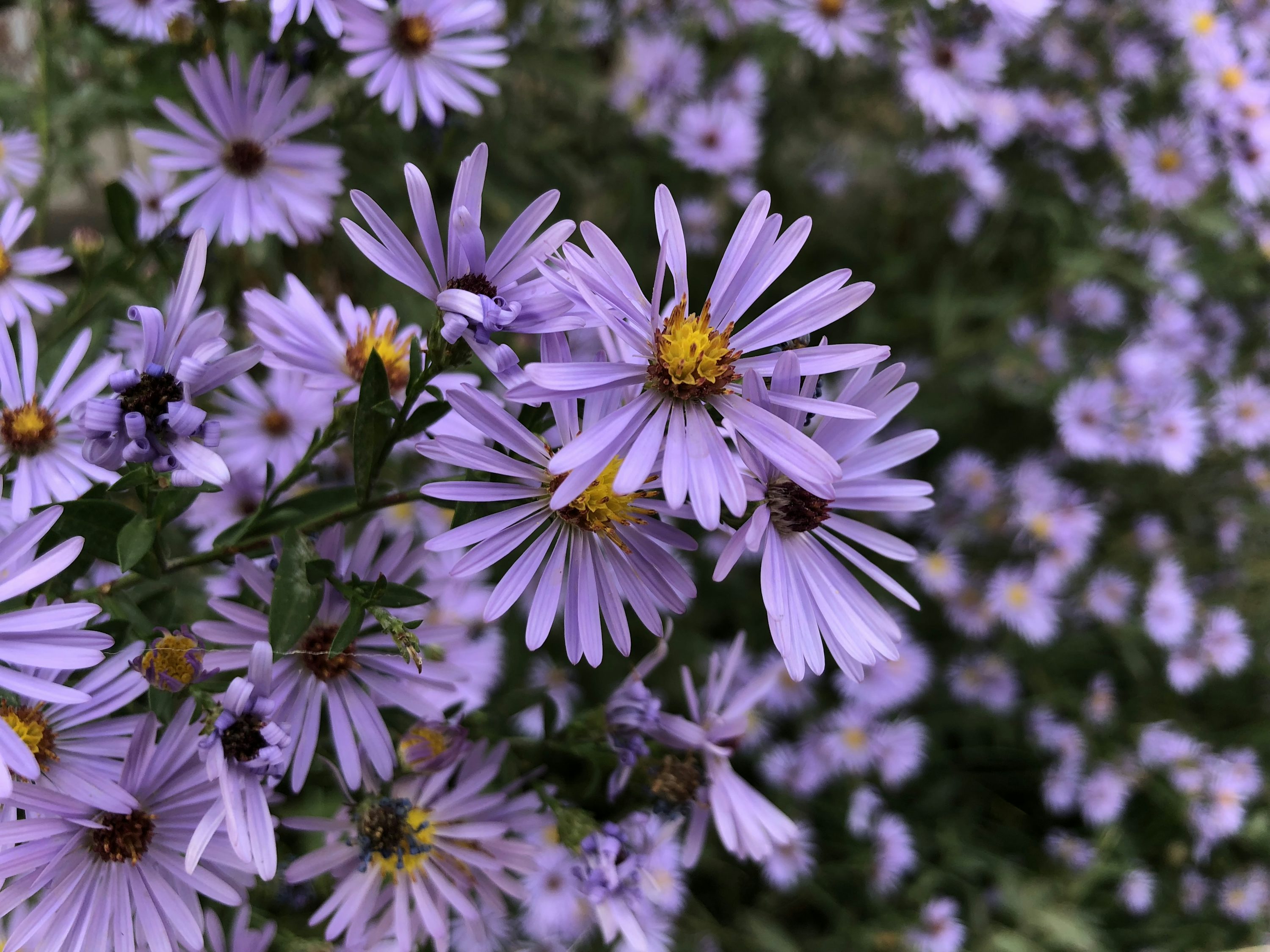
Coneflower Black-eyed Susan Catmint Coreopsis Yarrow
Remember, even with non-toxic plants, excessive ingestion of any plant material can cause mild stomach upset in dogs. Always observe your pet and consult your vet if you have concerns.
What Should I Do if My Dog Eats Hydrangea?
If you suspect your dog has ingested any part of a hydrangea plant, the first step is to remain calm. Assess the situation: do you know how much they ate? Are they showing any symptoms yet?
- Contact Your Vet or Poison Control: The most crucial step is to call your veterinarian or the ASPCA Animal Poison Control Center immediately at (888) 426-4435. Have the plant name (hydrangea) and any observed symptoms ready. They can provide expert guidance based on the amount ingested and your dog's size and health.
- Do Not Induce Vomiting: Unless specifically instructed by a veterinary professional, do not try to make your dog vomit. This can sometimes cause more harm than good.
- Monitor Your Dog: Follow any instructions given by your vet or poison control. They may advise you to monitor your dog at home for specific symptoms or bring them in for examination and treatment. Treatment often involves supportive care, such as medication to control vomiting and diarrhea, and sometimes activated charcoal to absorb toxins.
Being prepared and knowing who to call can make a significant difference in how quickly and effectively your dog receives care.
Can Hydrangeas Be Made Safe for Dogs?
Unfortunately, you cannot "make" a hydrangea plant non-toxic. The toxic compounds are inherent to the plant's biology. The best way to ensure safety is through prevention: physical barriers, close supervision, and training. If you have a dog that is an indiscriminate chewer or you're simply too worried, replacing hydrangeas with not listed as toxic alternatives might be the best solution for your peace of mind.
Ultimately, balancing a beautiful garden with a safe environment for your pets is achievable. With a little knowledge and proactive measures, you can enjoy both your stunning hydrangeas and your happy, healthy canine companion.
Ready to find the perfect plants for your yard? Try the PlantWise Plant Finder →