Is Lavender Safe for Cats? What Pet Owners Need to Know
Lavender (scientific name: Lavandula) is a beloved herb known for its beautiful purple blooms and calming fragrance. Often used in aromatherapy, gardens, and household products, many cat owners wonder if this popular plant poses a risk to their feline friends. The short answer is no, lavender is not listed as safe for cats and is generally considered toxic to them. While a small sniff or brush against the plant might not cause immediate alarm, ingestion, especially of concentrated forms like essential oils, can lead to adverse health effects. Understanding why lavender is problematic for cats and how to manage its presence in your home and garden is crucial for responsible pet ownership.
🌱 Get Personalized Plant Picks
Answer a few quick questions and we’ll match plants to your exact yard conditions.
Find My Plants →Why is Lavender Problematic for Cats?
The primary compounds in lavender that are toxic to cats are linalool and linalyl acetate. These are terpenes that give lavender its distinctive scent and therapeutic properties for humans. However, cats lack the specific liver enzymes needed to properly metabolize these compounds. This means that when a cat ingests lavender, these substances can build up in their system, leading to toxicity.
The concentration of these compounds varies depending on the form of lavender. Fresh or dried plant material contains lower concentrations, but essential oils are highly concentrated and therefore much more dangerous. Even diffusing lavender essential oil can be harmful, as cats can inhale the airborne particles or get them on their fur during grooming.
Quick Reference: Lavender & Cats
| Factor | Safety for Cats | Notes |
|---|---|---|
| Fresh Plant | Not listed as safe; mild toxicity likely | Ingestion can cause gastrointestinal upset. |
| Dried Plant | Not listed as safe; mild toxicity likely | Similar to fresh plant, but scent may be less appealing. |
| Essential Oil | Highly toxic | Never use on or near cats. Can cause severe liver damage, respiratory issues, and neurological problems. |
| Hydrosol/Floral Water | Generally safer, but still use with caution | Diluted, but still contains some compounds. Avoid direct contact or ingestion. |
| Scent/Aroma | Can be irritating | Strong scents can bother cats; prolonged exposure to diffused oils is harmful. |
What Are the Symptoms of Lavender Poisoning in Cats?
If your cat ingests lavender, especially in concentrated forms, they may exhibit a range of symptoms. The severity will depend on the amount ingested and the cat's individual sensitivity.
Common symptoms of lavender poisoning in cats include:
- Gastrointestinal upset: Vomiting, diarrhea, loss of appetite, abdominal pain.
- Lethargy or weakness: Reduced energy levels, appearing tired or sluggish.
- Drooling: Excessive salivation.
- Skin irritation: If essential oil is applied topically, skin redness, itching, or inflammation.
- Neurological symptoms (especially with essential oils): Tremors, disorientation, difficulty walking, seizures.
- Respiratory distress (especially with diffused essential oils): Coughing, sneezing, difficulty breathing.
- Liver damage: In severe cases, particularly with repeated exposure to essential oils.
If you suspect your pet has ingested a toxic plant, call the ASPCA Animal Poison Control Center immediately at (888) 426-4435. Early intervention is key to a positive outcome.
How Can I Safely Enjoy Lavender While Owning Cats?
While lavender isn't ideal for cat households, it doesn't mean you have to banish it entirely. With careful management, you can minimize risks.
- Outdoor Gardens: If you grow lavender outdoors, ensure it's in an area your cat doesn't frequent, or consider fencing it off. Cats are less likely to graze on garden plants, but curious kittens or bored indoor/outdoor cats might nibble.
- Indoor Plants: Avoid keeping fresh or dried lavender plants indoors where your cat can easily access them. If you receive a lavender bouquet, place it in a room your cat cannot enter.
- Essential Oils: This is the most critical area. Never diffuse lavender essential oil in a home with cats. Do not apply lavender essential oil directly to your cat's skin or fur, and avoid using it in cleaning products or air fresheners where your cat might come into contact with it. Even "pet-safe" essential oil blends should be approached with extreme caution and ideally, avoided entirely.
- Scented Products: Be mindful of lavender-scented candles, potpourri, or cleaning products. Ensure good ventilation and keep them out of reach. Opt for unscented alternatives whenever possible.
- Pet-Specific Products: Always consult your veterinarian before using any herbal or essential oil-based product on your cat, even if it's marketed as "natural" or "pet-friendly."
What Are Some Cat-Friendly Alternatives to Lavender?
If you love the idea of aromatic plants or want to attract pollinators without risking your feline friend, there are many excellent alternatives that are not listed as toxic to cats.
For a similar calming scent or to attract beneficial insects:
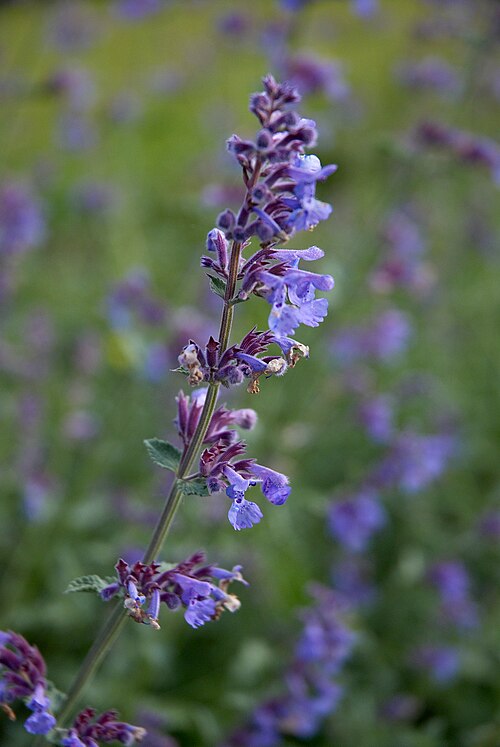
Catmint (Nepeta spp.): This plant is often confused with catnip and is a fantastic, generally safe choice for cats. Many cats love to rub on it, and it's a beautiful, drought-tolerant garden plant.
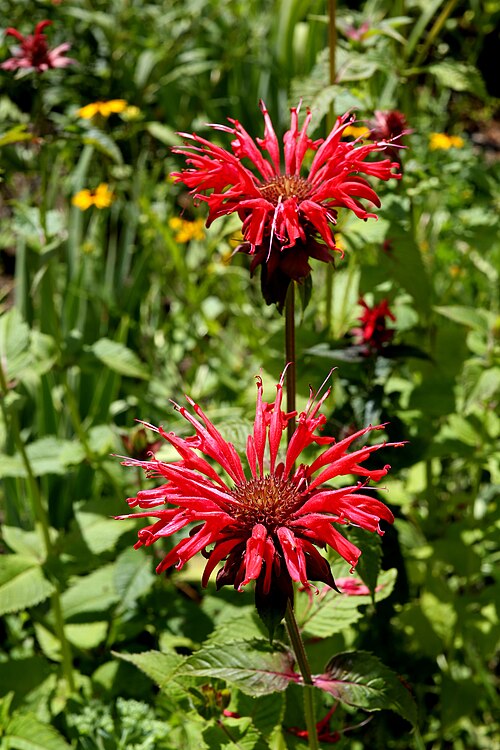
Bee Balm (Monarda spp.): A vibrant, pollinator-attracting plant with a lovely fragrance. Not listed as toxic to cats.
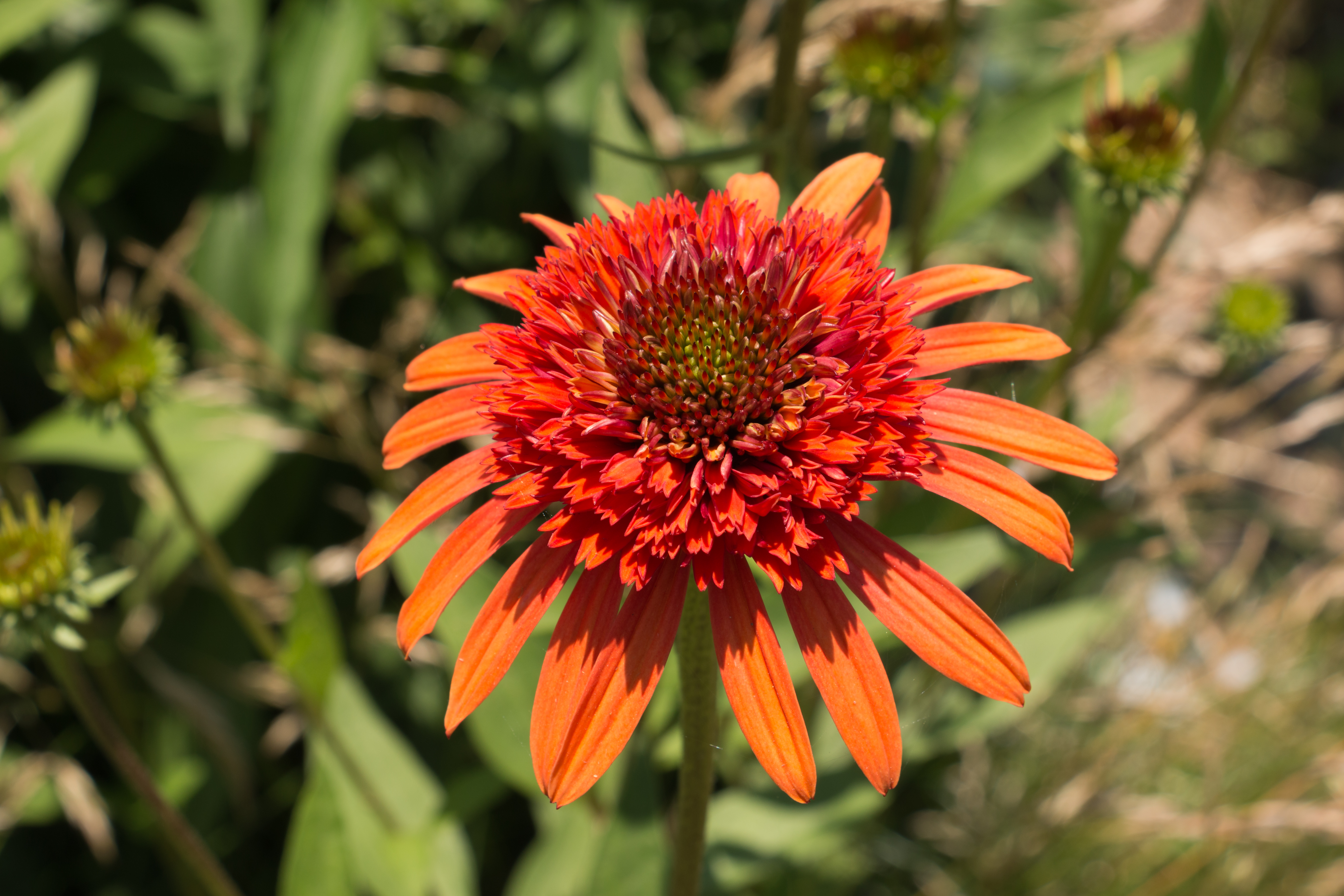
Coneflower (Echinacea spp.): These cheerful, daisy-like flowers are a favorite of bees and butterflies and are not listed as toxic to cats.
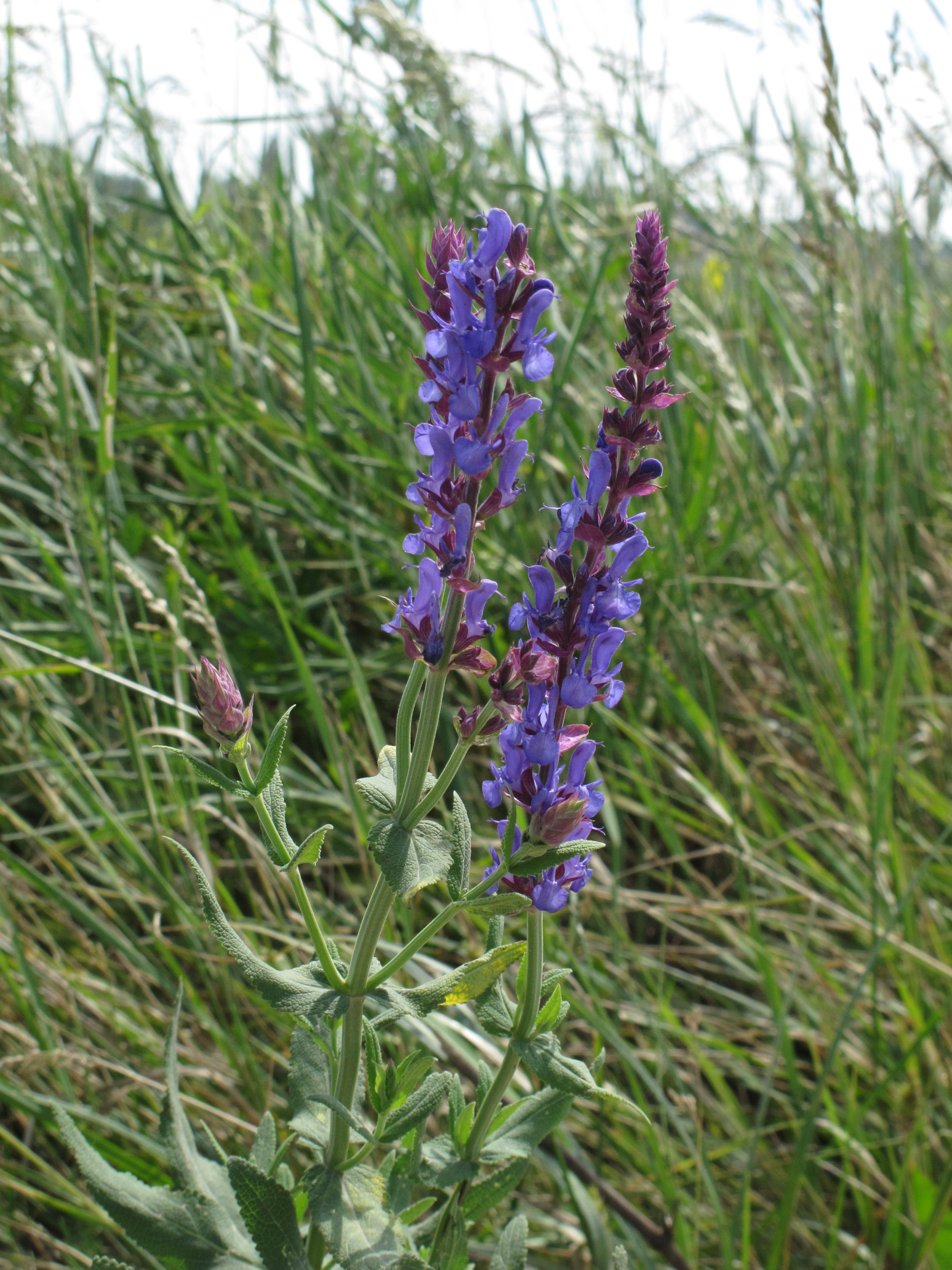
Salvia (Salvia spp.): Many varieties of salvia offer beautiful blooms and are not listed as toxic to cats. They are excellent for attracting hummingbirds and other pollinators.
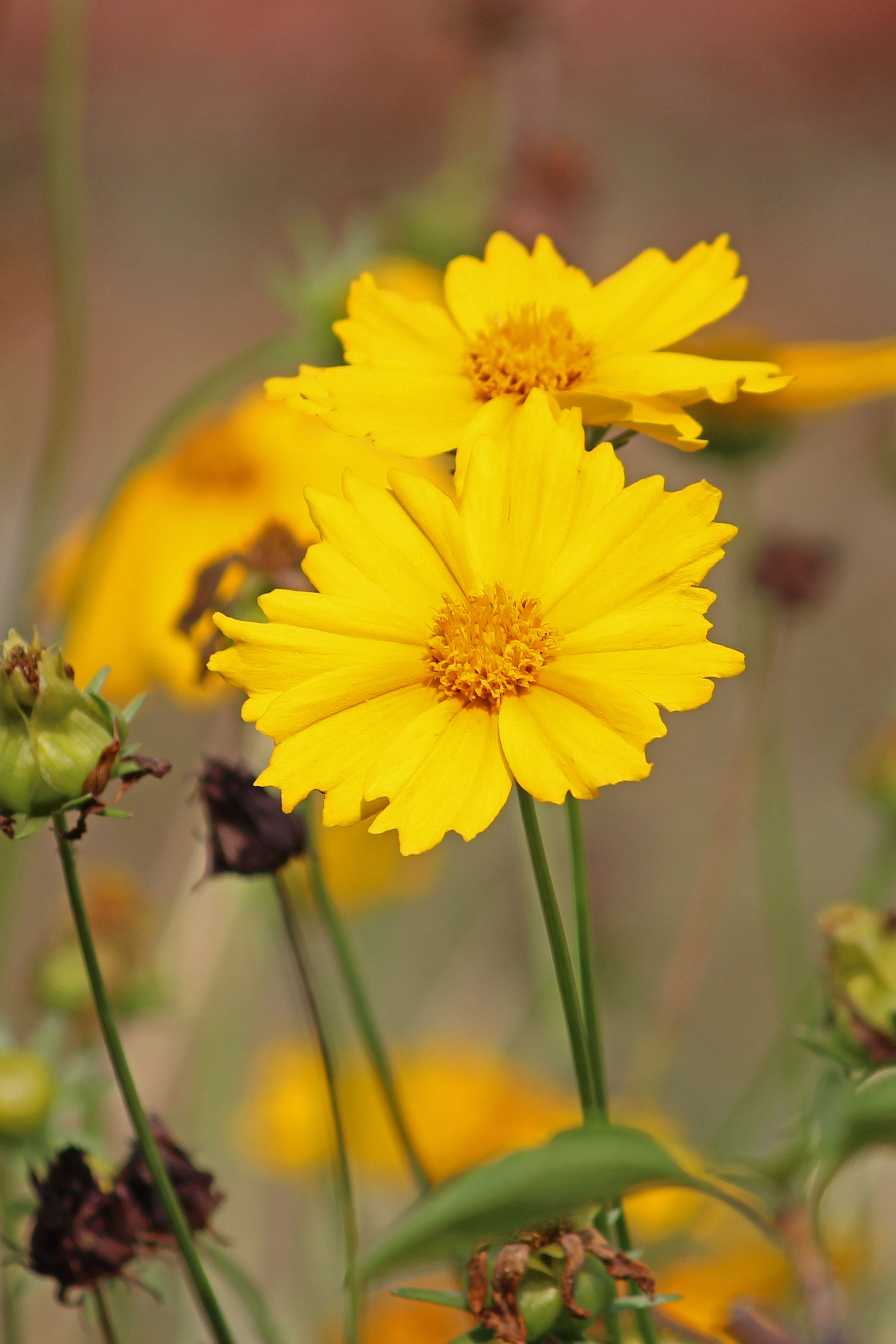
Coreopsis (Coreopsis spp.): Also known as Tickseed, these bright, sunny flowers are not listed as toxic to cats and bring a cheerful splash of color to any garden.
When choosing plants for your home and garden, always prioritize your pet's safety. A little research can go a long way in creating a harmonious and healthy environment for everyone, including your beloved feline companions.
Ready to find the perfect plants for your yard? Try the PlantWise Plant Finder →