FTC Disclosure: This post contains affiliate links. We may earn a commission at no extra cost to you if you make a purchase through these links.
Is Lavender Safe for Dogs? What Pet Owners Need to Know
If you're wondering, is lavender safe for dogs? the short answer is yes—lavender is not listed as toxic to dogs by the ASPCA. However, there are important nuances every pet owner should understand before letting their furry friends come into contact with this fragrant plant. While lavender generally poses a low risk, ingestion of large amounts or exposure to concentrated lavender oils can cause adverse effects. This article explains what you need to know about lavender and dog safety, including symptoms to watch for, safe usage tips, and alternatives for pet-friendly gardens.
If you’re a pet owner who loves having lavender in your home or garden, understanding these details can help keep your dog safe and your plants thriving.
What is Lavender?
Lavender (genus Lavandula) is a popular aromatic herb prized for its beautiful purple flowers and soothing scent. It is widely used in gardens, essential oils, sachets, and personal care products. The most common types include English lavender (Lavandula angustifolia), French lavender (Lavandula dentata), and Spanish lavender (Lavandula stoechas).
Lavender’s essential oils contain compounds such as linalool and linalyl acetate, which contribute to its calming aroma but can be irritating or toxic to pets in concentrated forms.
🌱 Get Personalized Plant Picks
Answer a few quick questions and we’ll match plants to your exact yard conditions.
Find My Plants →Is Lavender Safe for Dogs? What the ASPCA Says
According to the ASPCA, lavender is not listed as toxic to dogs. This means that if your dog nibbles on a sprig of lavender or brushes against the plant, it is unlikely to cause serious harm. However, this designation does not mean lavender is completely risk-free.
The ASPCA cautions that concentrated lavender products, particularly essential oils, can cause toxicity if ingested or applied directly in large amounts. Dogs have a more sensitive metabolism for essential oils than humans, and exposure may lead to symptoms such as:
- Vomiting
- Diarrhea
- Lethargy
- Loss of appetite
- Drooling
- Tremors or uncoordinated movements (in severe cases)
Because of these risks, it’s important to keep essential oils and concentrated lavender extracts out of reach of pets.
How Dogs Typically Encounter Lavender
Dogs can come into contact with lavender in several ways:
- Chewing or eating fresh lavender plants in the garden
- Sniffing or licking dried lavender in sachets or potpourri
- Exposure to lavender essential oils used in diffusers, sprays, or topical products
While casual sniffing or brushing by lavender plants is usually harmless, ingestion of large amounts or concentrated oils is where problems arise.
What to Do if Your Dog Eats Lavender
If your dog chews on or ingests a small amount of fresh lavender, watch for any signs of digestive upset like vomiting or diarrhea. Most dogs tolerate small quantities without significant issues.
However, if you suspect your dog has ingested a large amount, or if they show symptoms such as drooling, weakness, or tremors, contact your veterinarian immediately. You can also call the ASPCA Animal Poison Control Center at 888-426-4435 for guidance.
Using Lavender Safely Around Dogs
To enjoy lavender while protecting your pet:
- Plant lavender in areas your dog is unlikely to access freely.
- Avoid using lavender essential oils, sprays, or products in areas where your dog spends a lot of time.
- Store all lavender-based products out of your pet’s reach.
- Use alternative pet-safe plants to add fragrance and color to your garden.
Pet-Safe Alternatives to Lavender
If you want a fragrant garden without the risk, consider these plants that are not listed as toxic to dogs:
Rosmarinus Officinalis (Rosemary)
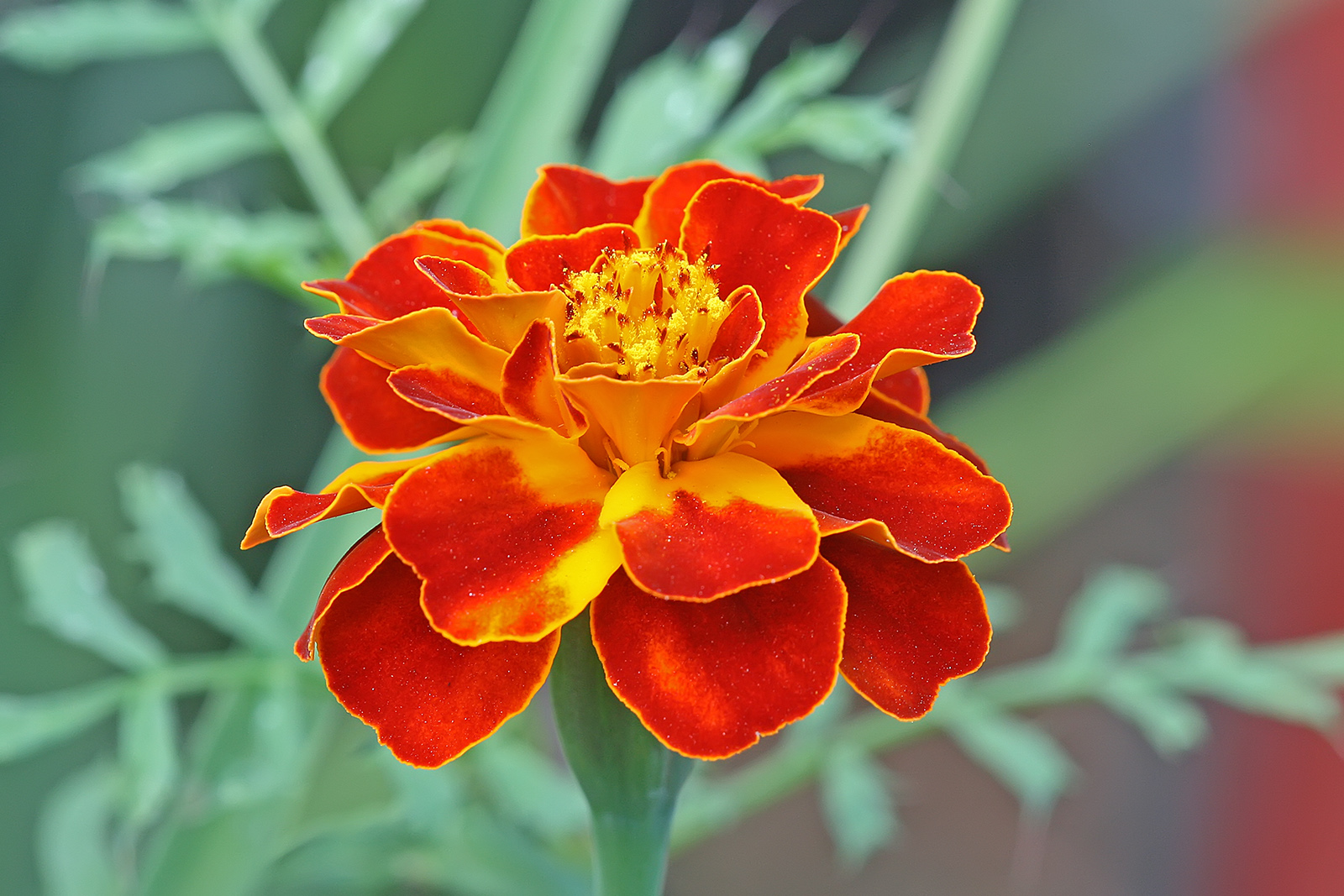
Calendula Officinalis (Pot Marigold)
Sunflower (Sunflower)
These plants add beauty and scent without posing toxicity risks to your dog.
Lavender and Wildlife Resistance Disclaimer
While lavender is often cited as a deer and rabbit resistant plant due to its strong scent, no plant is completely wildlife-proof. Hungry animals may still nibble on lavender or other plants during food shortages or drought. Always observe your garden and protect your plants as needed.
Summary: Is Lavender Safe for Dogs?
- Lavender plants are not listed as toxic to dogs by the ASPCA.
- Small amounts of fresh lavender are generally safe if ingested.
- Concentrated lavender essential oils can cause toxicity and should be avoided around pets.
- Watch for symptoms like vomiting, diarrhea, and lethargy if your dog consumes lavender.
- Contact your vet or the ASPCA Animal Poison Control Center at 888-426-4435 if you suspect poisoning.
- Use pet-safe alternatives or plant lavender where your dog cannot reach it.
By understanding these nuances, you can enjoy lavender’s beauty and fragrance while keeping your dog safe.
If you’re interested in finding more pet-friendly plants for your garden, try our Plant Finder wizard at PlantWise /wizard. It’s a great resource to discover plants that fit your gardening needs and keep your pets safe.
ASPCA Hotline: For any pet safety emergencies, call 888-426-4435.
Lavender
Lavender
Rosmarinus Officinalis
Calendula Officinalis
Sunflower