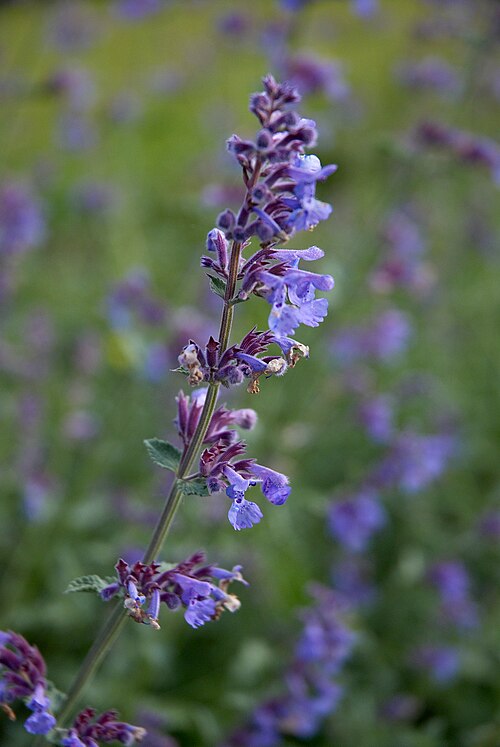
Is Mint Safe for Dogs? Complete Guide
When it comes to our furry friends, ensuring their safety around the plants in our homes and gardens is a top priority. Mint, a popular herb known for its refreshing scent and culinary uses, often sparks questions among dog owners. The short answer is that while many common mint varieties are generally not listed as toxic to dogs in small amounts, large quantities can cause gastrointestinal upset. It's crucial to understand the nuances of different mint types and potential risks to keep your canine companion healthy.
Mint (genus Mentha) encompasses a wide array of species, including common garden mints like spearmint and peppermint, as well as plants often called mint but belonging to different genuses, such as catmint. While a tiny nibble of true mint might not be harmful, moderation is key, and some "mint-like" plants pose a greater risk.
🌱 Get Personalized Plant Picks
Answer a few quick questions and we’ll match plants to your exact yard conditions.
Find My Plants →What Does the ASPCA Say About Mint and Dogs?
The ASPCA (American Society for the Prevention of Cruelty to Animals) is a leading resource for pet owners regarding plant toxicity. According to their database:
- Peppermint (Mentha piperita) is listed as not listed as toxic to dogs.
- Spearmint (Mentha spicata) is also listed as not listed as toxic to dogs.
- However, the ASPCA notes that ingestion of large amounts of many plants, even those not considered toxic, can lead to mild gastrointestinal upset (vomiting, diarrhea).
It's important to differentiate between true mints and other plants that share the "mint" name or have a similar appearance/aroma. For example, Pennyroyal (Mentha pulegium), a type of mint, is explicitly listed as toxic to dogs, causing liver damage and other severe symptoms.
Quick Reference: Common Mint Varieties and Dog Safety
| Mint Type | Botanical Name | ASPCA Status (Dogs) | Notes |
|---|---|---|---|
| Spearmint | Mentha spicata | Not listed as toxic | Generally considered safe in very small amounts; large quantities can cause GI upset. |
| Peppermint | Mentha piperita | Not listed as toxic | Generally considered safe in very small amounts; large quantities can cause GI upset. |
| Pennyroyal | Mentha pulegium | Toxic | Can cause liver damage, vomiting, diarrhea, and other severe symptoms. Avoid at all costs. |
| Catmint | Nepeta cataria | Not listed as toxic | Different genus than true mint. Generally considered safe, but large amounts can cause GI upset. Often attractive to cats. Catmint |
| Horse Mint | Mentha longifolia | Not listed as toxic | Similar to other true mints; small amounts generally okay, large amounts can cause GI upset. |
| Chocolate Mint | Mentha piperita 'Chocolate' | Not listed as toxic | A cultivar of peppermint; similar safety profile. |
| Apple Mint | Mentha suaveolens | Not listed as toxic | Similar to other true mints; small amounts generally okay, large amounts can cause GI upset. |
Can Dogs Eat Mint Leaves or Mint Products?
While a small, fresh mint leaf from your garden (like spearmint or peppermint) might not harm your dog, it's generally best to avoid offering it regularly or in large quantities. The strong oils in mint can be irritating to a dog's digestive system, especially if they are sensitive.
When it comes to mint-flavored products designed for humans, the risks increase significantly:
- Mint Candies/Gum: These often contain artificial sweeteners like Xylitol, which is highly toxic to dogs and can cause a rapid drop in blood sugar, liver failure, and even death. Never give your dog mint candies or gum.
- Mint Extract/Essential Oils: These are highly concentrated and can be very dangerous. Ingesting even a small amount of mint essential oil can lead to severe gastrointestinal distress, neurological issues, and liver damage. Topical application can also be harmful.
- Mint Tea: While a very diluted, unsweetened mint tea might seem harmless, it's best to avoid it. The concentration of compounds can still be too high for a dog's sensitive system.
If you suspect your pet has ingested a toxic plant, call the ASPCA Animal Poison Control Center immediately at (888) 426-4435.
What are the Symptoms of Mint Poisoning in Dogs?
If your dog consumes a large amount of a non-toxic mint variety, or any amount of a toxic one like Pennyroyal, watch for these symptoms:
- Vomiting: This is often the first sign of gastrointestinal upset.
- Diarrhea: Can range from mild to severe.
- Lethargy: Your dog may seem unusually tired or sluggish.
- Abdominal Pain: Your dog might whine, have a distended belly, or be reluctant to be touched.
- Loss of Appetite: Refusal to eat.
- Increased Thirst: This can be a sign of dehydration due to vomiting/diarrhea.
- Weakness or Tremors: In more severe cases, especially with Pennyroyal.
- Jaundice (yellowing of skin/eyes): A sign of liver damage, particularly with Pennyroyal.
If you observe any of these symptoms, contact your veterinarian immediately.
How Can I Keep My Dog Safe Around Mint Plants?
Prevention is always the best approach when it comes to pet safety and plants.
- Identify Your Mints: Be absolutely sure of the type of mint you have. If you have Pennyroyal, remove it from areas accessible to your dog.
- Fence Off Garden Beds: If you grow mint in your garden, consider fencing off the area or using raised beds to prevent your dog from accessing it.
- Supervise Outdoors: Always supervise your dog when they are in the garden, especially if they are prone to nibbling on plants.
- Teach "Leave It": Train your dog with a "leave it" command to discourage them from eating plants.
- Provide Safe Alternatives: Offer your dog appropriate chew toys and dog-safe treats so they are less inclined to chew on plants.
- Consult Your Vet: If you're ever unsure about a plant, take a photo or a sample to your veterinarian for identification and advice.
While many true mints are not listed as toxic in small quantities, it's generally safer to err on the side of caution and prevent your dog from eating them. The risk of gastrointestinal upset, combined with the danger of toxic varieties like Pennyroyal and xylitol-containing products, makes it prudent to keep mint out of your dog's diet.
Ready to find the perfect plants for your yard? Try the PlantWise Plant Finder →