Is Oregano Safe for Dogs? Complete Guide
When it comes to our furry friends, ensuring their safety around the plants in our homes and gardens is a top priority. Oregano ( Origanum vulgare ), a popular culinary herb, is a common plant many gardeners wonder about. According to the ASPCA (American Society for the Prevention of Cruelty to Animals), oregano is listed as toxic to dogs. While a tiny nibble might not cause severe issues, ingesting larger quantities can lead to gastrointestinal upset and other symptoms. Therefore, it's generally best to keep dogs away from oregano plants and avoid feeding them oregano in any form.
🌱 Get Personalized Plant Picks
Answer a few quick questions and we’ll match plants to your exact yard conditions.
Find My Plants →What Makes Oregano Toxic to Dogs?
Oregano contains several compounds that can be irritating or harmful to dogs, primarily essential oils like carvacrol and thymol. While these compounds contribute to oregano's distinctive flavor and aroma, they are concentrated and can be difficult for a dog's digestive system to process. Dogs metabolize substances differently than humans, and what might be beneficial or harmless to us can be toxic to them.
When ingested, these essential oils can irritate the gastrointestinal tract, leading to symptoms such as:
- Vomiting
- Diarrhea
- Abdominal pain
- Lethargy
- Loss of appetite
In more severe cases, or with very large ingestions, there could be more serious complications, though these are less common with typical garden exposure. It's important to remember that even dried oregano, which is more concentrated, can pose a risk.
What Should I Do If My Dog Eats Oregano?
If you suspect your dog has eaten oregano, especially a significant amount, it's crucial to act quickly.
If you suspect your pet has ingested a toxic plant, call the ASPCA Animal Poison Control Center immediately at (888) 426-4435.
Even if your dog isn't showing immediate symptoms, it's best to consult with a veterinarian or the ASPCA Poison Control. They can provide guidance based on your dog's size, the amount of oregano ingested, and their current health status. Do not try to induce vomiting unless specifically instructed to do so by a professional. Keep a close eye on your dog for any signs of discomfort or illness.
How Can I Create a Dog-Friendly Herb Garden?
Knowing that oregano is not ideal for dogs doesn't mean you have to give up on your herb garden dreams! Many other wonderful herbs are considered not listed as toxic to dogs by the ASPCA. The key is to be mindful of plant placement and to choose alternatives carefully.
Here are some popular herbs that are generally considered not listed as toxic to dogs:
- Basil: Aromatic and delicious, basil is a great choice.
- Cilantro: Another common culinary herb that's usually fine.
- Dill: Often used in pickling, dill is also a good option.
- Rosemary: While some sources suggest large quantities could be an issue, small amounts are generally not listed as toxic.
- Thyme: Similar to rosemary, small amounts are typically not listed as toxic.
- Parsley: Both curly and flat-leaf parsley are generally considered not listed as toxic.
When designing your garden, consider creating raised beds or fenced-off areas for any herbs you wish to grow that might be toxic, like oregano. This physical barrier can prevent curious pups from getting into trouble.
Quick Reference: Oregano & Dogs
| Aspect | Information Oregano is a popular culinary herb known for its distinct aroma and flavor. It is commonly used in various cuisines around the world.
What is Oregano?
Oregano is a perennial herb in the mint family (Lamiaceae). It is native to the Mediterranean region, but it is now cultivated globally. The plant typically grows to about 1-3 feet tall and features small, oval leaves and tiny white or pink flowers.
There are several species of oregano, with Origanum vulgare being the most common. Other varieties include Mexican oregano (Lippia graveolens) and marjoram (Origanum majorana), which is closely related and sometimes referred to as "sweet oregano."
What is Oregano Used For?
Oregano is primarily used as a culinary herb, adding a warm, aromatic, and slightly bitter flavor to dishes. It is a staple in Italian, Greek, and Mexican cuisines.
- Flavoring: It is often used in tomato sauces, pizzas, pasta dishes, grilled meats, and roasted vegetables.
- Medicinal Uses: Historically, oregano has been used in traditional medicine for its antiseptic, anti-inflammatory, and antioxidant properties. Oregano oil, a concentrated extract, is sometimes used as a natural remedy, but its use should be approached with caution, especially for internal consumption.
- Aromatherapy: The essential oil is also used in aromatherapy for its calming and uplifting properties.
What are Some Common Varieties of Oregano?
While Origanum vulgare is the most recognized, here are a few popular types:
- Greek Oregano (Origanum vulgare hirtum): Known for its strong, pungent flavor, often considered the "true" oregano for cooking.
- Italian Oregano: A hybrid of oregano and marjoram, offering a milder, sweeter flavor than Greek oregano.
- Mexican Oregano (Lippia graveolens): Not a true oregano from the Origanum genus, but it has a similar flavor profile with citrus and licorice notes, making it popular in Mexican cuisine.
- *Golden Oregano (Origanum vulgare 'Aureum'):* Grown more for its ornamental golden-yellow foliage, it has a milder flavor.
What Are Some Pet-Friendly Alternatives to Oregano in the Garden?
If you're looking to add aromatic herbs or beautiful, low-maintenance plants to your garden that are generally not listed as toxic to dogs, here are a few excellent choices:
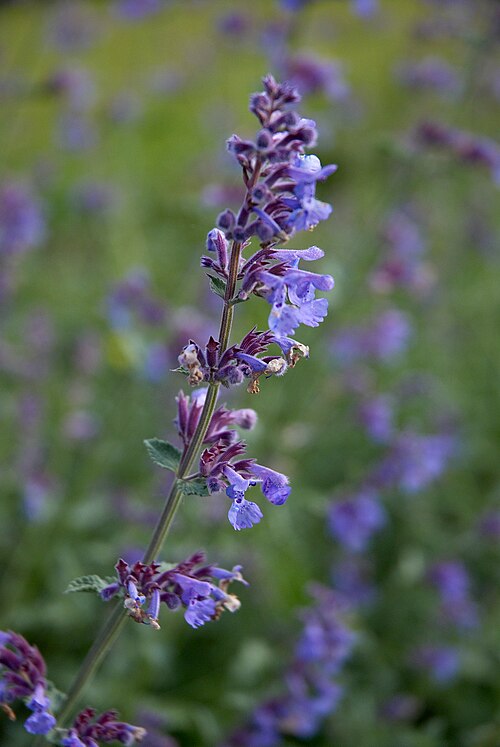
Catmint (Nepeta x faassenii): A fantastic, drought-tolerant perennial that produces spikes of lavender-blue flowers. It's known for attracting pollinators and is generally not listed as toxic to dogs. Its soft, gray-green foliage adds texture to the garden.
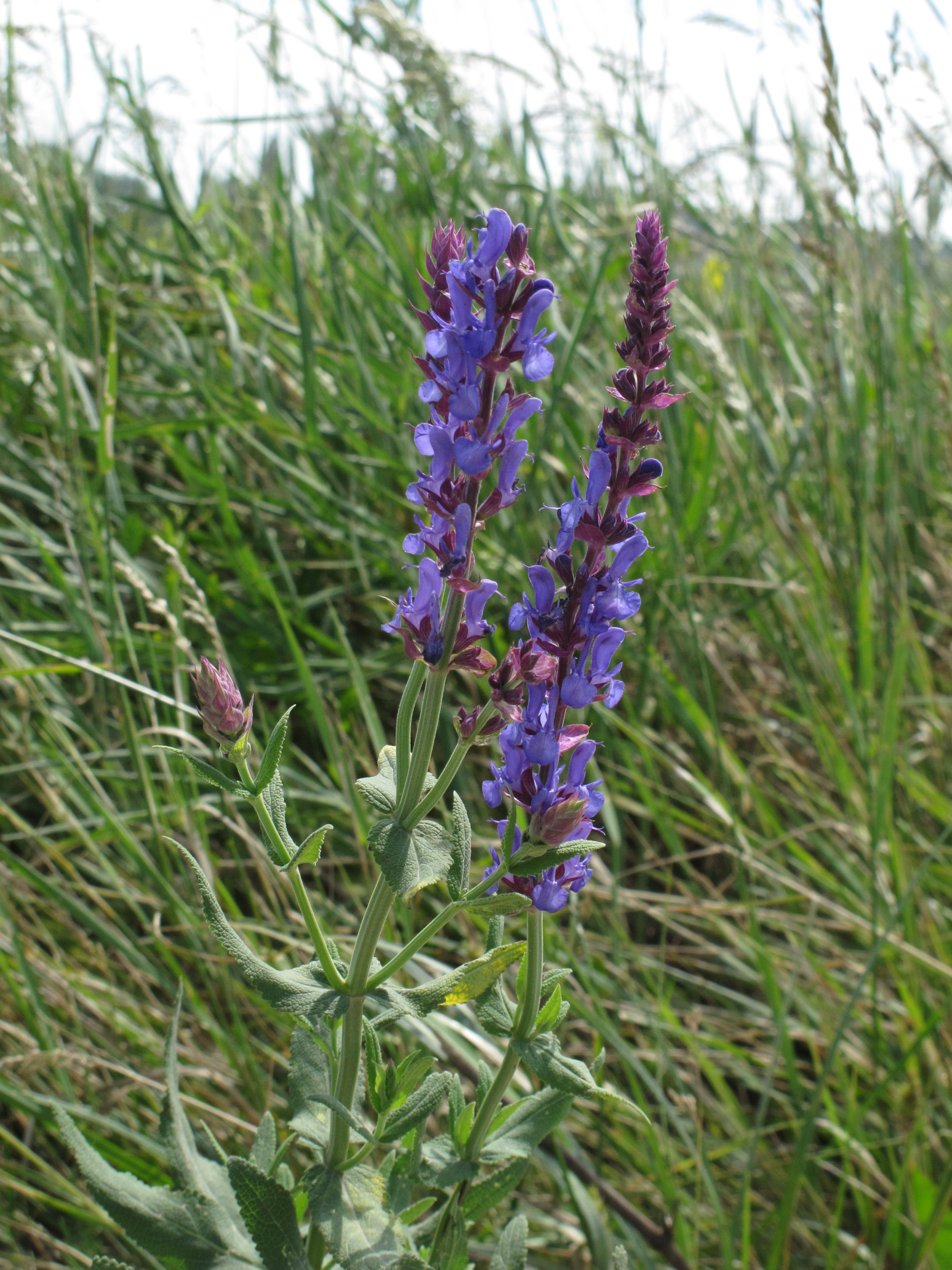
**Salvia (Salvia spp.)**: Many varieties of salvia (also known as sage) are beautiful, fragrant, and generally not listed as toxic to dogs. They come in a wide range of colors and sizes, offering continuous blooms and attracting hummingbirds and butterflies.
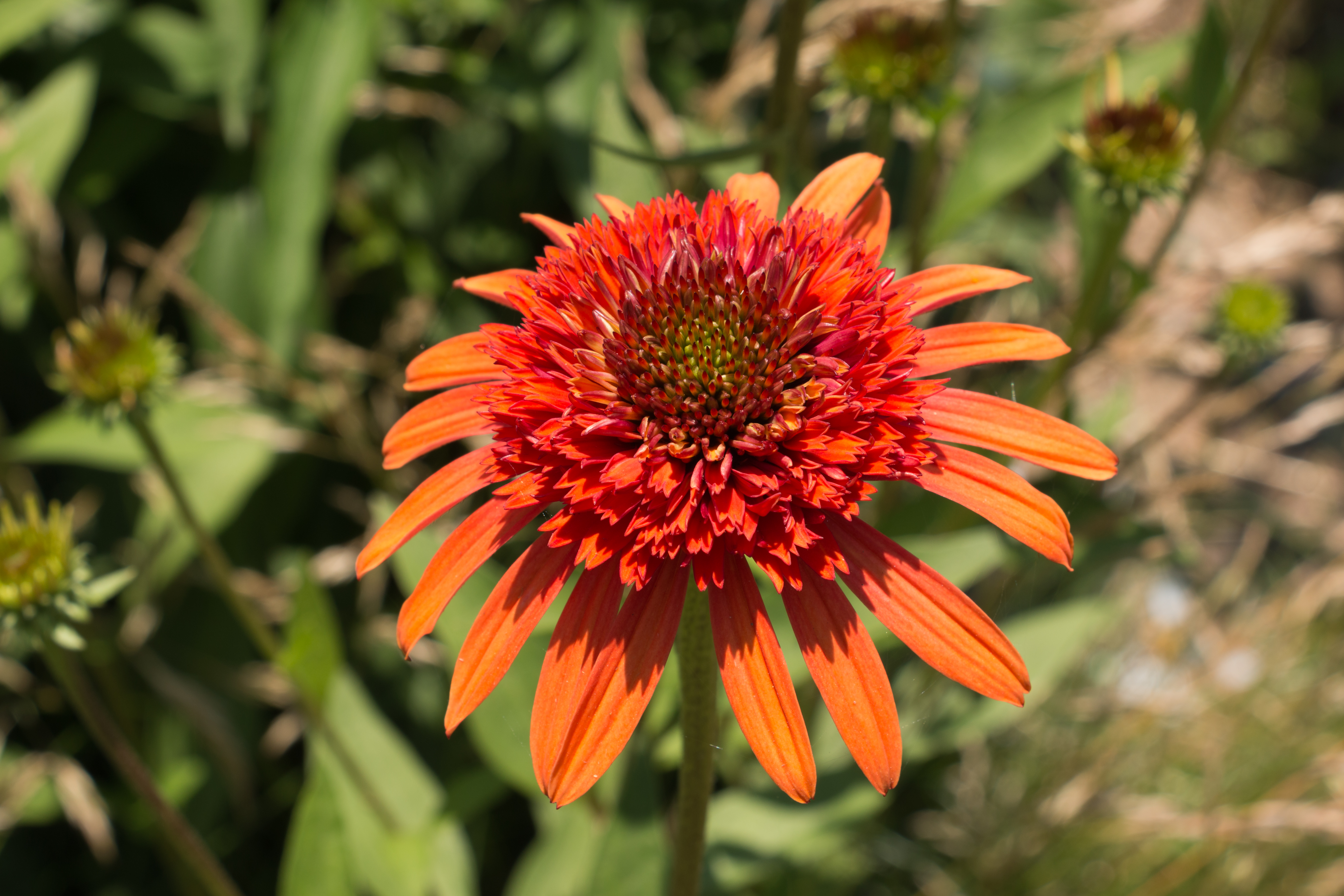
Coneflower (Echinacea purpurea): A classic prairie plant, coneflower is hardy, beautiful, and generally not listed as toxic to dogs. Its daisy-like flowers with prominent central cones are a favorite of bees and butterflies.
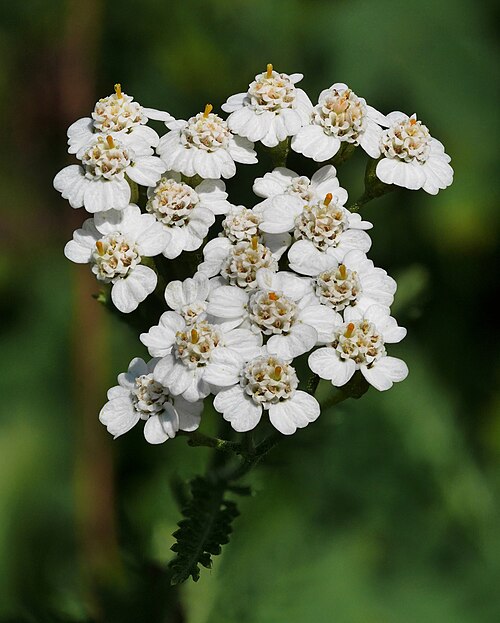
Yarrow (Achillea millefolium): Known for its feathery foliage and flat-topped clusters of flowers, yarrow is a tough, drought-tolerant plant that is generally not listed as toxic to dogs. It comes in many vibrant colors and is excellent for cut flowers.
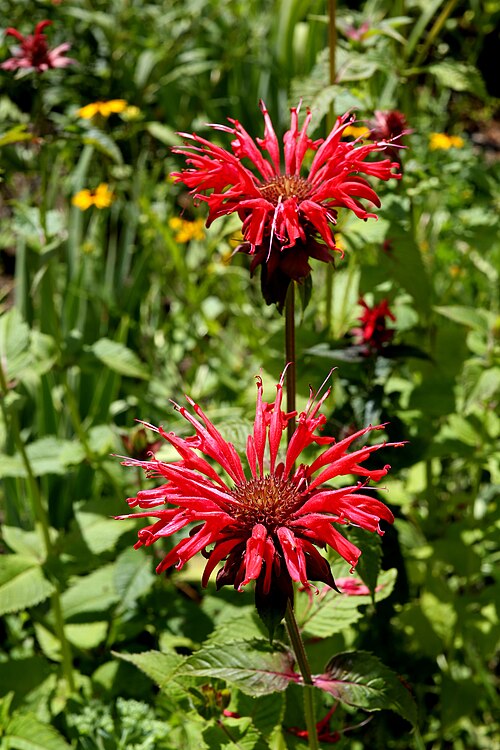
Bee Balm (Monarda didyma): This striking perennial is a magnet for bees, butterflies, and hummingbirds. Its unique, shaggy flowers come in shades of red, pink, purple, and white. Bee balm is generally not listed as toxic to dogs and adds a wonderful architectural element to the garden.
While these plants are generally considered not listed as toxic, it's always wise to supervise your pet in the garden and discourage them from eating any plant material. Individual sensitivities can vary, and consuming large quantities of any plant can potentially lead to mild digestive upset.
Creating a beautiful and safe garden for your entire family, including your four-legged members, is entirely achievable with a little planning and knowledge.
Ready to find the perfect plants for your yard? Try the PlantWise Plant Finder →