Is Echinacea (Coneflower) Safe for Cats? Complete Guide
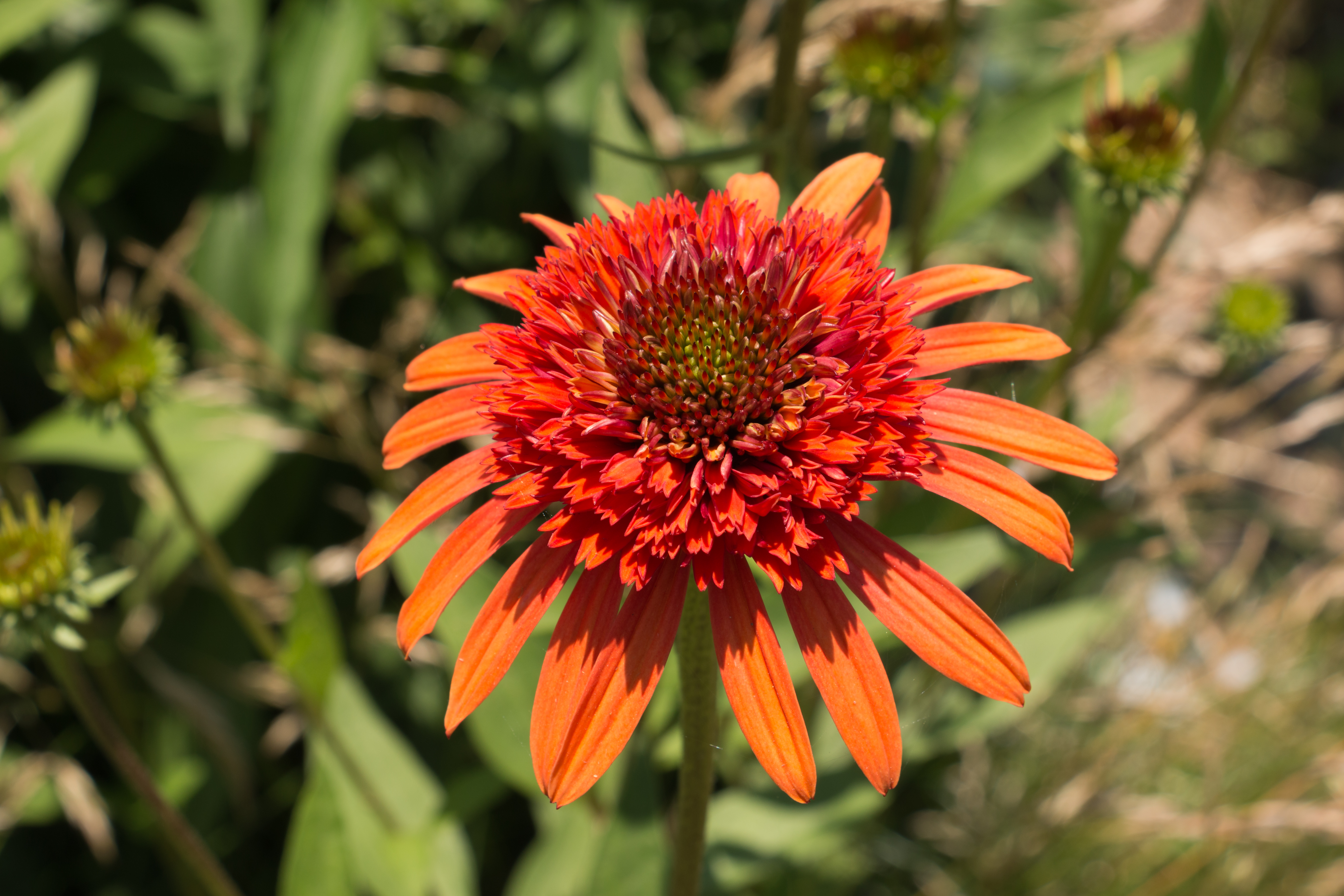
Echinacea, commonly known as coneflower, is a beloved perennial in many gardens, cherished for its vibrant, daisy-like blooms and its appeal to pollinators. If you're a cat owner considering adding these beautiful flowers to your landscape, you're likely wondering: Is Echinacea safe for cats? The good news is that Echinacea is generally considered to have a low toxicity level for cats. While it's not listed as highly toxic and typically only causes mild gastrointestinal upset if ingested, it's still important to understand the potential risks and take precautions to ensure your feline friend's well-being.
🌱 Get Personalized Plant Picks
Answer a few quick questions and we’ll match plants to your exact yard conditions.
Find My Plants →What is Echinacea (Coneflower)?
Echinacea is a genus of herbaceous flowering plants in the daisy family, Asteraceae. Native to eastern and central North America, these plants are renowned for their distinctive cone-shaped centers and petals that can range from purple and pink to white, yellow, and orange. Beyond their ornamental value, several species of Echinacea, particularly Echinacea purpurea, are widely used in herbal medicine for their purported immune-boosting properties.
Gardeners love coneflowers for their drought tolerance, ease of care, and ability to attract beneficial insects like bees and butterflies. They are a staple in pollinator gardens, native plant landscapes, and cottage gardens alike.
Is Echinacea Toxic to Cats? What Does the ASPCA Say?
According to the American Society for the Prevention of Cruelty to Animals (ASPCA) plant toxicity database, Echinacea is listed as having a low toxicity level for cats. This means that while it's not considered "safe" in the sense that it's completely harmless, it's not expected to cause severe, life-threatening poisoning.
The primary concern with ingestion is typically mild gastrointestinal irritation. If a cat chews on or eats parts of an Echinacea plant, they might experience symptoms such as:
- Vomiting
- Diarrhea
- Drooling
- Loss of appetite (temporary)
These symptoms are usually self-limiting and resolve on their own once the plant material has passed through the digestive system. However, the severity can depend on the amount ingested and the individual cat's sensitivity.
It's crucial to remember that "low toxicity" does not mean "non-toxic." Any plant material, even those not listed as toxic, can potentially cause an upset stomach in a sensitive animal.
If you suspect your pet has ingested a toxic plant, call the ASPCA Animal Poison Control Center immediately at (888) 426-4435.
How Can I Prevent My Cat from Eating Echinacea?
Even though Echinacea is considered low toxicity, prevention is always the best approach. Here are some strategies to keep your curious cat away from your coneflowers:
- Observe Your Cat's Habits: Some cats are notorious plant chewers, while others show little interest. If your cat tends to nibble on houseplants or garden greenery, you'll need to be more vigilant.
- Create Barriers:
- Fencing: A low fence around your garden bed can deter some cats.
- Physical Obstacles: Place decorative rocks, pinecones, or chicken wire around the base of plants to make them less accessible.
- Use Repellents (with caution):
- Natural Scents: Cats dislike citrus smells. You can scatter orange or lemon peels around plants, or spray a diluted citrus oil solution (ensure it's pet-safe and won't harm the plant).
- Commercial Repellents: Look for pet-safe repellents specifically designed to deter cats from plants. Always read labels carefully.
- Provide Alternatives: Offer your cat safe plants to chew on indoors, such as cat grass (oats, wheat, or barley grass). This can redirect their chewing instincts away from your garden plants.
- Supervise Outdoor Time: If your cat spends time outdoors, try to supervise them, especially when they are near garden beds.
- Plant in Less Accessible Areas: If possible, plant your coneflowers in areas of your garden that your cat is less likely to frequent or can't easily reach.
What Other Garden Plants Are Not Listed as Toxic to Cats?
Many beautiful and popular garden plants are not listed as toxic to cats by the ASPCA, making them good choices for pet-friendly gardens. Here are a few examples:
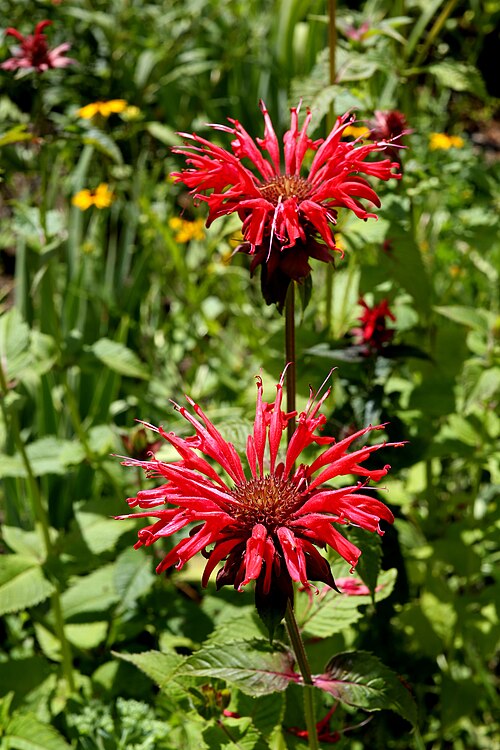
- Bee Balm (Monarda): A vibrant, pollinator-friendly plant. Bee Balm
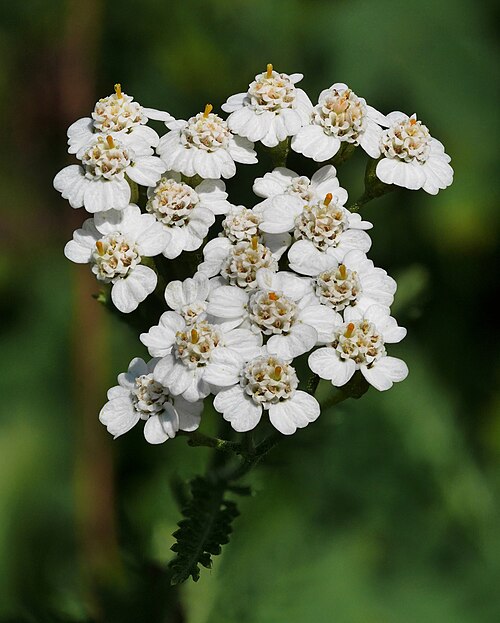
- Yarrow (Achillea): Drought-tolerant and comes in many colors. Yarrow
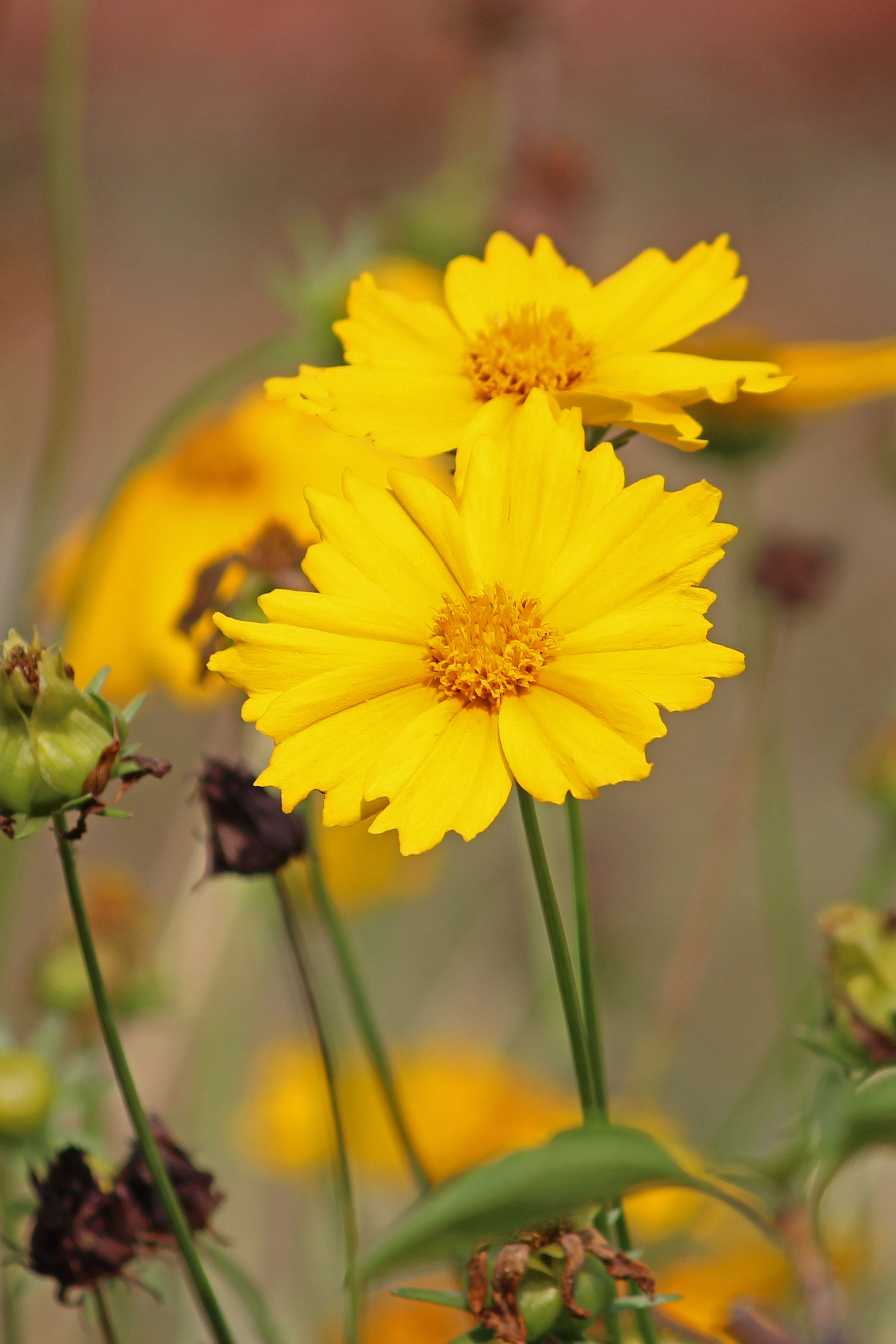
- Coreopsis (Tickseed): Cheerful, long-blooming flowers. Coreopsis
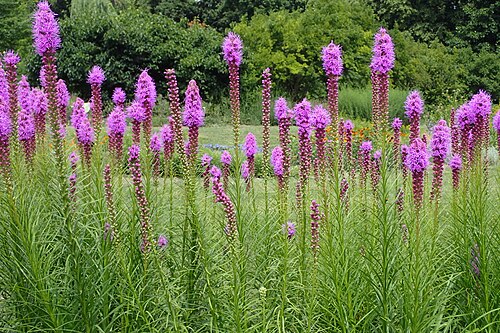
- Blazing Star (Liatris): Tall, spiky flowers that attract butterflies. Blazing Star
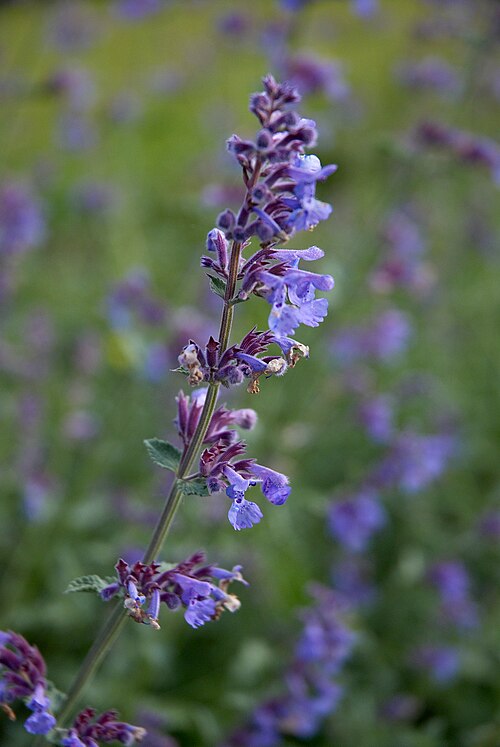
- Catmint (Nepeta): Often confused with catnip, but a fantastic garden plant that cats often enjoy. Catmint
Remember, "not listed as toxic" doesn't mean a plant is completely harmless. Any plant consumed in large quantities can potentially cause mild digestive upset. Always introduce new plants to your garden with caution and observe your pet's behavior.
Quick Reference: Echinacea & Cats
| Feature | Detail
In conclusion, while Echinacea is generally considered low toxicity for cats, responsible pet owners should always err on the side of caution. By understanding the risks, implementing preventative measures, and knowing when to contact your vet or the ASPCA Poison Control, you can ensure your garden remains a safe and enjoyable space for both you and your feline companion.
Ready to find the perfect plants for your yard? Try the PlantWise Plant Finder →