Pet-Safe Weed Killers: Complete Guide
Finding truly "pet-safe" weed killers can be a challenge, as many conventional products contain chemicals that are toxic to dogs, cats, and other animals. The safest approach for a pet-friendly garden is often a combination of manual removal, natural alternatives, and careful product selection. While no chemical weed killer is entirely without risk, some options are significantly less harmful than others, focusing on ingredients like acetic acid (vinegar), horticultural oils, or iron-based compounds. The best pet-safe weed killer is often the one you don't spray, relying instead on prevention and elbow grease.
🌱 Get Personalized Plant Picks
Answer a few quick questions and we’ll match plants to your exact yard conditions.
Find My Plants →Shop pet-oriented weed control on Amazon
Weed sprays commonly marketed for homes with pets. We may earn a commission at no extra cost to you.
* Confirm the label is pet-safe after dry-down (or as directed). Roundup/glyphosate products may also appear in this SERP; skip those if you need a pet-oriented option.
Why Are Most Conventional Weed Killers Dangerous for Pets?
Traditional weed killers, especially broad-spectrum herbicides, often contain synthetic chemicals designed to disrupt plant growth processes. These chemicals can be harmful to pets in several ways:
- Direct Ingestion: Pets, especially dogs, may chew on treated plants, lick paws that have come into contact with sprayed areas, or even drink from puddles containing runoff.
- Skin Contact: Walking or rolling on treated lawns can cause skin irritation, rashes, or absorption through the skin.
- Inhalation: While less common, inhaling spray drift can also be problematic, particularly for pets with respiratory sensitivities.
Common ingredients like glyphosate (found in Roundup), 2,4-D, MCPP, and dicamba can cause a range of symptoms from mild gastrointestinal upset (vomiting, diarrhea) to more severe issues like lethargy, tremors, seizures, and even liver or kidney damage, depending on the concentration and amount ingested. Always read product labels carefully and keep pets away from treated areas according to instructions.
What Natural Alternatives Can I Use for Weed Control?
When it comes to pet safety, natural and non-chemical methods are always the best first line of defense.
- Manual Weeding: The oldest and most reliable method! Pulling weeds by hand or using a weeding tool is completely pet-safe and gives you immediate results. It's best done when the soil is moist.
- Mulching: A thick layer (2-4 inches) of organic mulch like wood chips, straw, or shredded leaves can suppress weed growth by blocking sunlight and making it harder for weed seeds to germinate. Plus, it retains soil moisture and improves soil health.
- Boiling Water: For weeds in cracks in pavement, driveways, or patios, a kettle of boiling water can be surprisingly effective. It instantly kills the plant cells. Be careful not to splash yourself or nearby desirable plants.
- Corn Gluten Meal: This natural byproduct of corn processing acts as a pre-emergent herbicide, preventing weed seeds from germinating. It's safe for pets and also adds nitrogen to the soil, benefiting your lawn. Apply it in early spring before weeds sprout.
- Newspaper/Cardboard: Layering several sheets of newspaper or cardboard under mulch can create an even more effective weed barrier. Just be sure to remove any plastic tape from cardboard.
Are Vinegar-Based Weed Killers Safe for Pets?
Vinegar (acetic acid) can be an effective, natural weed killer, but its safety for pets depends on the concentration and how it's used.
- Household Vinegar (5% acetic acid): While generally considered safer than synthetic chemicals, household vinegar is not very potent as a weed killer. It might scorch young, tender weeds, but often won't kill the roots of established plants. If ingested, it can cause mild stomach upset.
- Horticultural Vinegar (10-20% acetic acid): This much stronger concentration is far more effective at killing weeds, but it is also much more caustic. Horticultural vinegar can cause skin burns, eye irritation, and serious internal damage if ingested by pets. It can also harm desirable plants and alter soil pH.
Important Considerations for Vinegar:
- Direct Contact: Avoid direct contact with pets, especially their eyes and skin, when using any concentration of vinegar.
- Ingestion: Even household vinegar can cause an upset stomach if a pet licks treated areas. Stronger concentrations are dangerous.
- Soil Impact: Vinegar can acidify the soil, which might not be desirable for your other plants or lawn.
- Effectiveness: Vinegar is a non-selective herbicide, meaning it will kill any plant it touches, including your lawn or garden plants.
If you choose to use vinegar, opt for the lowest effective concentration, apply it precisely to weeds on a calm, non-windy day, and keep pets out of the area until it has thoroughly dried.
Quick Reference: Pet-Safe Weed Control Options
| Method | Pet Safety (General) | Effectiveness (Weeds) | Pros | Cons |
|---|---|---|---|---|
| Manual Weeding | Excellent | High | 100% pet-safe, immediate results | Labor-intensive, time-consuming |
| Mulching | Excellent | High (pre-emergent) | 100% pet-safe, improves soil, retains moisture | Not effective on existing weeds, needs replenishment |
| Boiling Water | Excellent (once cooled) | High (surface weeds) | 100% pet-safe, quick kill | Non-selective, only for hardscapes, scalding risk during application |
| Corn Gluten Meal | Excellent | High (pre-emergent) | 100% pet-safe, fertilizes lawn | Only prevents germination, not for existing weeds, expensive |
| Horticultural Oils | Good (read labels) | Moderate (contact killer) | Natural, biodegradable | Non-selective, requires direct contact, can be irritating |
| Iron-Based Herbicides | Good (read labels) | Moderate (broadleaf) | Targets broadleaf weeds, safe for grass | Can stain surfaces, may need repeat applications |
| Vinegar (Household) | Fair (mild irritation) | Low | Natural, cheap | Non-selective, weak, can irritate pets, alters soil pH |
| Vinegar (Horticultural) | Poor (caustic) | High (contact killer) | Natural, effective | Very dangerous for pets, non-selective, alters soil pH |
If you suspect your pet has ingested a toxic plant or chemical, call the ASPCA Animal Poison Control Center immediately at (888) 426-4435.
What About Commercial "Pet-Safe" Weed Killers?
Several commercial products market themselves as "pet-safe" or "pet-friendly." These typically fall into a few categories:
- Iron-Based Herbicides: Products containing iron in the form of FeHEDTA (e.g., Fiesta, IronX) are selective, meaning they kill broadleaf weeds like dandelions and clover but leave your grass unharmed. Iron is an essential nutrient, and these products are generally considered much safer for pets than synthetic chemicals. However, large ingestions can still cause stomach upset, and they can temporarily stain paws or surfaces.
- Horticultural Oils/Soaps: Some products use plant-derived oils or fatty acid soaps to disrupt weed cell membranes. These act as contact killers and are non-selective. While generally low in toxicity, they can still cause irritation if pets come into direct contact or ingest them.
- Concentrated Acetic Acid (Horticultural Vinegar): As discussed, these are effective but not truly pet-safe due to their caustic nature. Exercise extreme caution.
Always read the label thoroughly on any product, even those marketed as "natural" or "pet-safe." Look for specific instructions regarding pet re-entry times. It's a good practice to keep pets off treated areas until the product has completely dried, or even for 24-48 hours, to minimize any potential exposure.
Designing a Pet-Friendly Garden to Minimize Weeds
Prevention is key in a pet-friendly garden. By choosing the right plants and maintaining healthy soil, you can naturally reduce weed pressure.
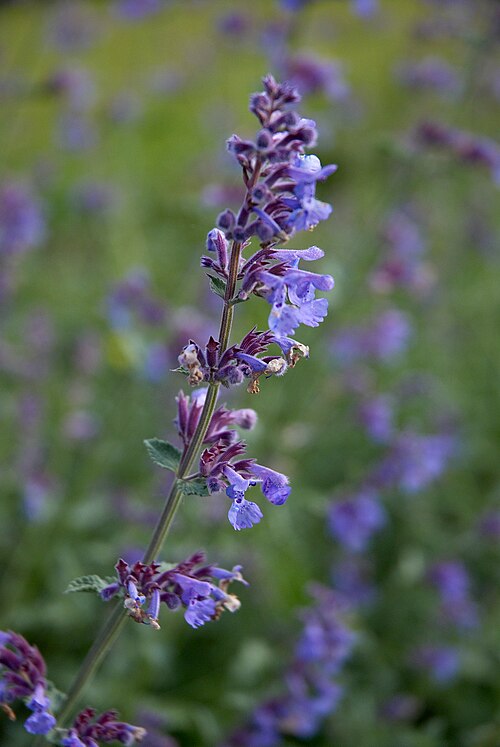
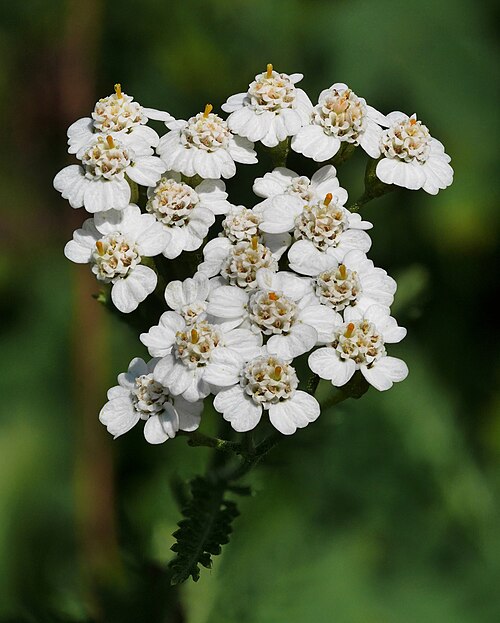
- Dense Planting: Fill your garden beds with desirable plants. Closely spaced plants shade the soil, making it harder for weeds to germinate and compete for resources. Consider groundcovers to fill in bare spots. Catmint Yarrow
- Healthy Lawn: A thick, healthy lawn is the best defense against weeds. Proper mowing height (taller grass shades out weeds), regular fertilization, and appropriate watering will help your grass outcompete weeds.
- Edging: Install physical barriers like landscape edging around garden beds to prevent lawn grasses and weeds from creeping in.
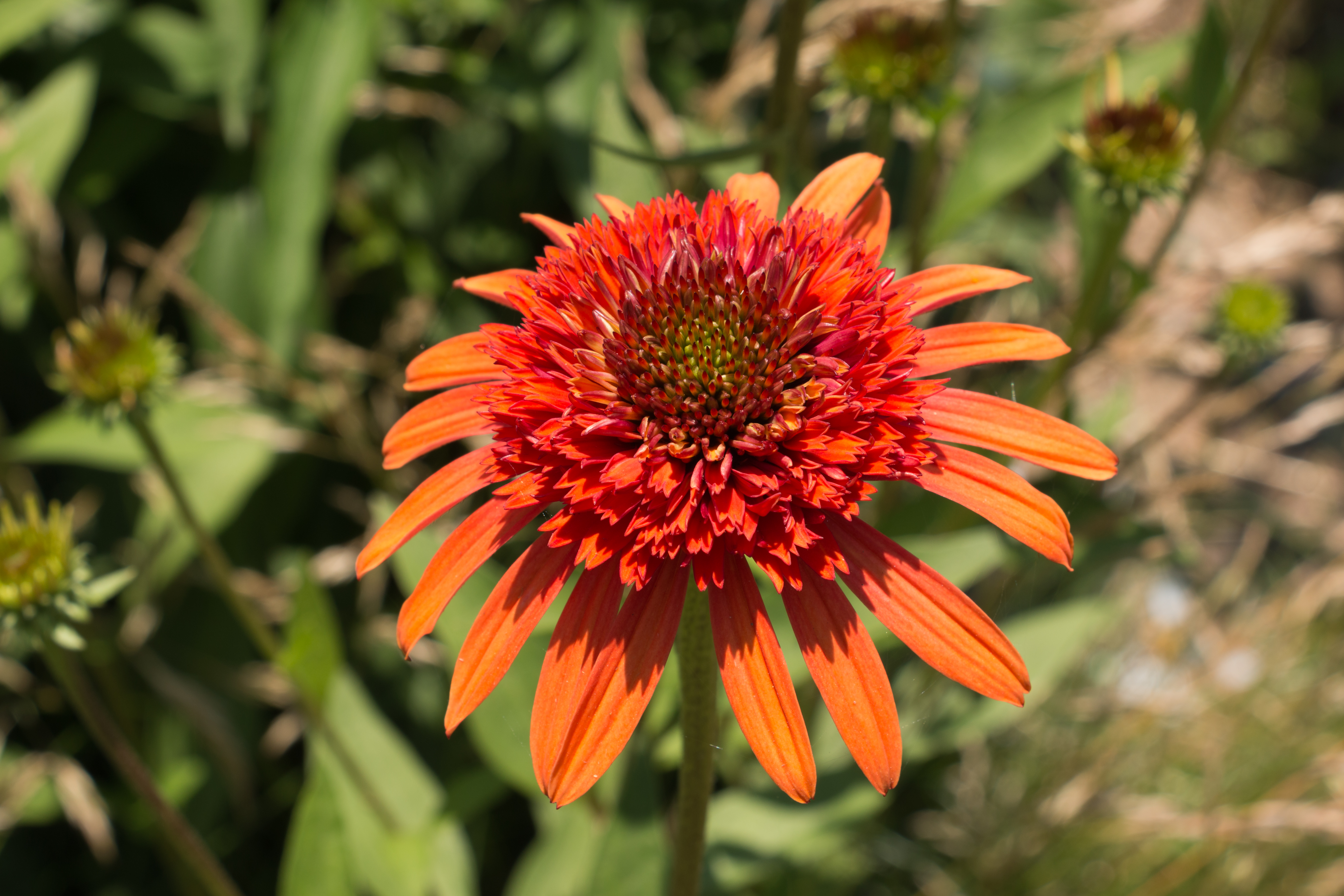
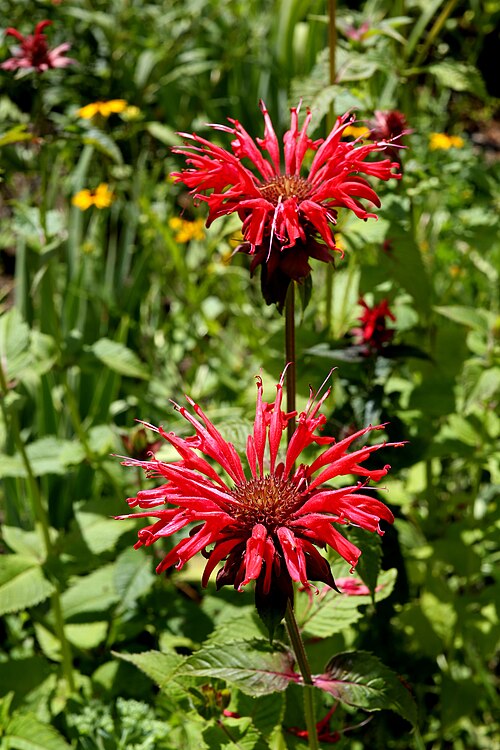
- Consider Native Plants: Native plants are often more vigorous and better adapted to your local conditions, making them more competitive against weeds. Coneflower Blanket Flower Bee Balm
Ultimately, the most pet-safe weed control strategy involves a combination of manual removal, preventative measures like mulching and dense planting, and careful selection of the least toxic commercial options when necessary. Prioritize your pet's health by making informed choices and always keeping them away from any treated areas until completely dry.
Ready to find the perfect plants for your yard? Try the PlantWise Plant Finder →