Is Salvia Safe for Cats? Complete Guide
When it comes to our beloved feline friends, ensuring their safety around the plants in our homes and gardens is a top priority. Many gardeners wonder, "Is salvia safe for cats?" The good news is that most common ornamental salvia varieties are generally considered not listed as toxic to cats by the ASPCA. This means that while ingestion might lead to mild stomach upset in some sensitive individuals, it's not typically associated with severe poisoning. However, it's crucial to understand the nuances, as there are many types of salvia, and individual pet reactions can vary. This guide will help you understand which salvias are commonly grown and what precautions to take to keep your cat safe.
🌱 Get Personalized Plant Picks
Answer a few quick questions and we’ll match plants to your exact yard conditions.
Find My Plants →What is Salvia, Anyway?
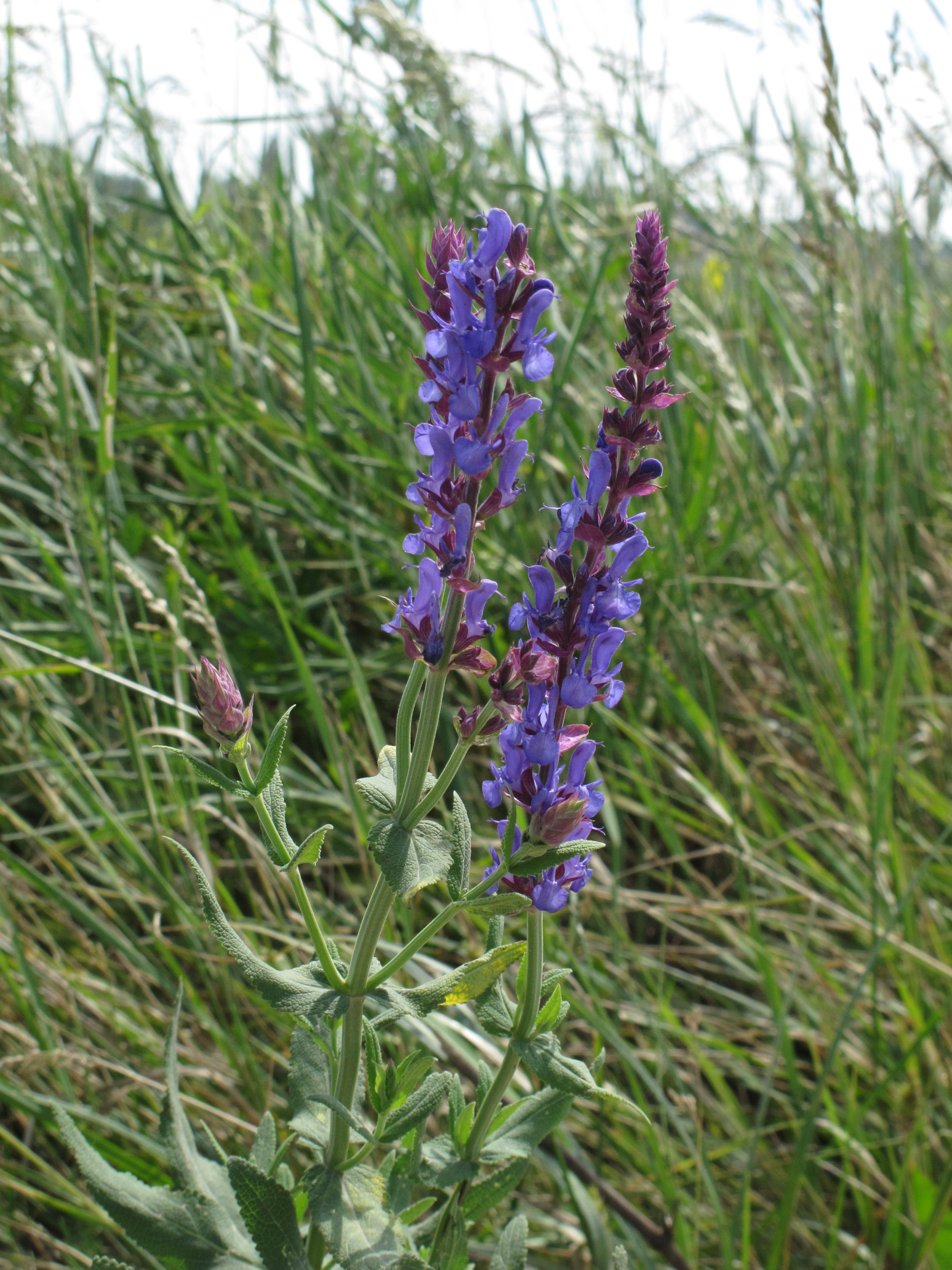
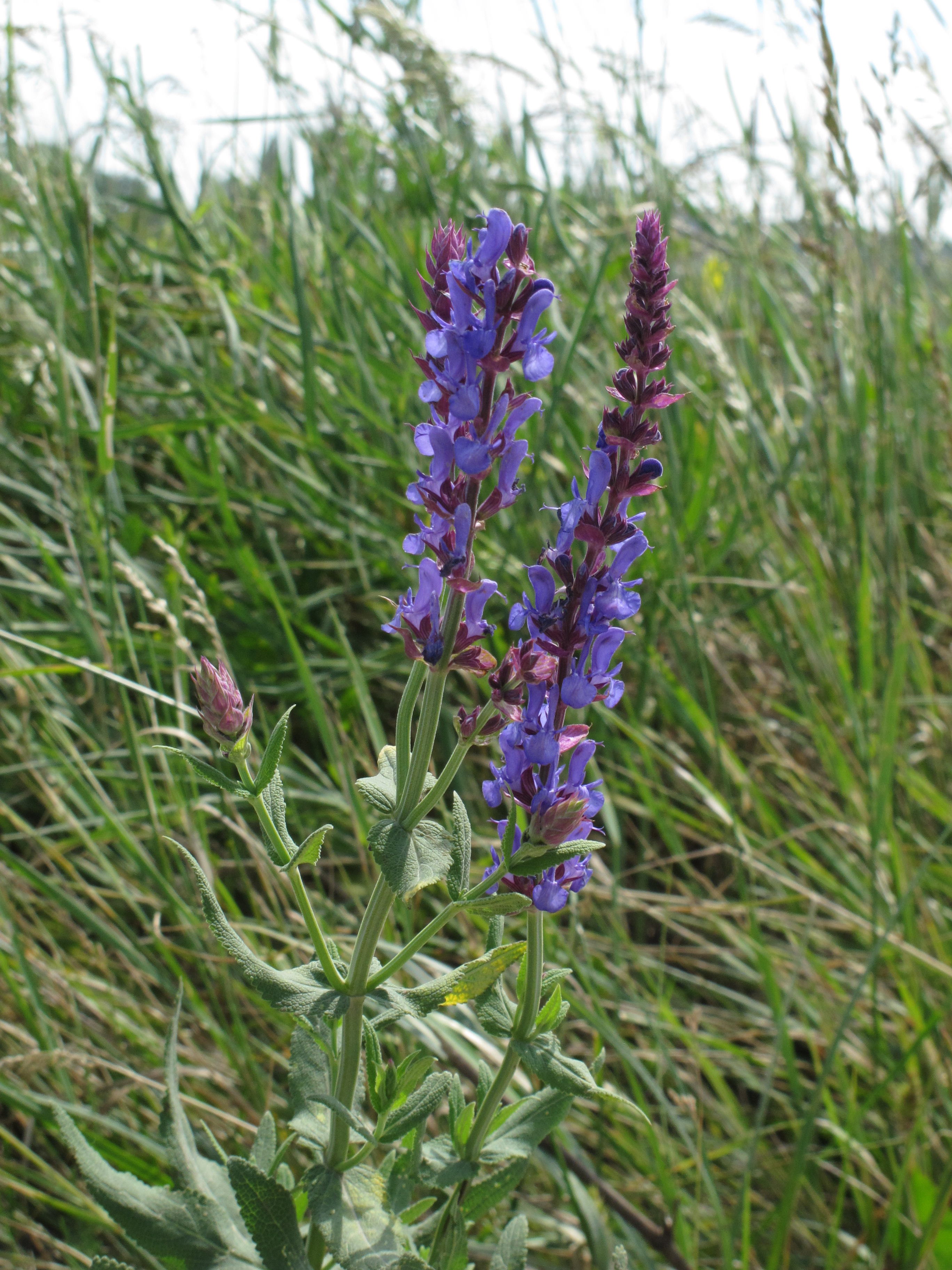
Salvia is a vast genus belonging to the mint family (Lamiaceae), encompassing over 900 species of herbaceous perennials, annuals, and shrubs. Known for their vibrant, often spiky flowers and aromatic foliage, salvias are incredibly popular in gardens worldwide. They are prized for their drought tolerance, attractiveness to pollinators like hummingbirds and bees, and long blooming seasons. From the vivid blues of Salvia farinacea (Mealycup Sage) to the fiery reds of Salvia splendens (Scarlet Sage) and the rich purples of Salvia nemorosa (Woodland Sage), there's a salvia for almost every garden aesthetic. Many culinary herbs, such as common sage (Salvia officinalis), also fall under this genus.
Is Ornamental Salvia Listed as Toxic for Cats?
According to the ASPCA (American Society for the Prevention of Cruelty to Animals) plant list, most common ornamental salvia species are not listed as toxic to cats. This includes popular garden varieties like Salvia splendens (Scarlet Sage), Salvia farinacea (Mealycup Sage), and Salvia nemorosa (Woodland Sage). This is reassuring news for cat owners who love to incorporate these beautiful, low-maintenance plants into their landscapes.
However, it's important to differentiate between ornamental salvias and certain other plants, including some lesser-known or wild salvia species, or plants that might be confused with salvia. While the vast majority of garden salvias are generally considered benign, any plant material ingested in large quantities can potentially cause mild gastrointestinal upset in pets, such as vomiting or diarrhea. This is often due to the plant's fibrous material or essential oils, rather than specific toxins.
Key takeaway: For the common salvias you'll find at your local nursery, you can generally feel confident about their presence in a cat-friendly garden.
What About Culinary Sage? Is it Safe for Cats?
Culinary sage (Salvia officinalis) is a popular herb often grown in kitchen gardens. Like its ornamental cousins, culinary sage is also generally not listed as toxic to cats by the ASPCA. Many cat owners even use small amounts of dried sage as a seasoning in homemade cat treats, though this should always be done sparingly and with veterinary consultation, especially for cats with underlying health conditions.
While a small nibble of a sage leaf is unlikely to cause harm, large quantities of any herb, including sage, could potentially lead to digestive upset. The strong essential oils in sage can be irritating if consumed in excess. If you grow culinary sage, it's wise to place it in an area where your cat is less likely to graze on it extensively.
Are There Any Salvia Varieties to Be Concerned About?
While most common garden salvias are not listed as toxic, it's worth noting that the genus Salvia is incredibly diverse. There are hundreds of species, and not all have been thoroughly tested or documented for pet toxicity.
One specific species that sometimes raises questions is Salvia divinorum, also known as Diviner's Sage. This plant is known for its psychoactive properties and is not a common garden ornamental. It's crucial to understand that Salvia divinorum is a very different plant from the salvias typically grown for their beauty or culinary use. While not explicitly listed on the ASPCA's database as toxic to pets, its known effects on humans suggest it should be kept strictly away from animals. However, you are highly unlikely to encounter this plant in a typical garden center.
When in doubt about a specific salvia species, especially if it's an unusual or wild variety, it's always best to err on the side of caution and prevent your pet from accessing it.
Quick Reference: Salvia & Cats
| Salvia Type | ASPCA Toxicity Status (Cats) | Potential Issues (if ingested) | General Recommendation
The primary concern with any plant and pets is the risk of ingestion. Even if a plant is not acutely toxic, consuming a large quantity of plant material can cause mechanical irritation or a stomach upset.
For cats, the most common issues are mild vomiting or diarrhea.
If you suspect your pet has ingested a toxic plant, call the ASPCA Animal Poison Control Center immediately at (888) 426-4435.
What Are Some Cat-Friendly Alternatives to Salvia?
While most salvias are generally considered not toxic, some cat owners prefer to be extra cautious or want to introduce more variety into their gardens. Luckily, there are many other beautiful, pollinator-friendly plants that are also not listed as toxic to cats.
Here are a few excellent choices:
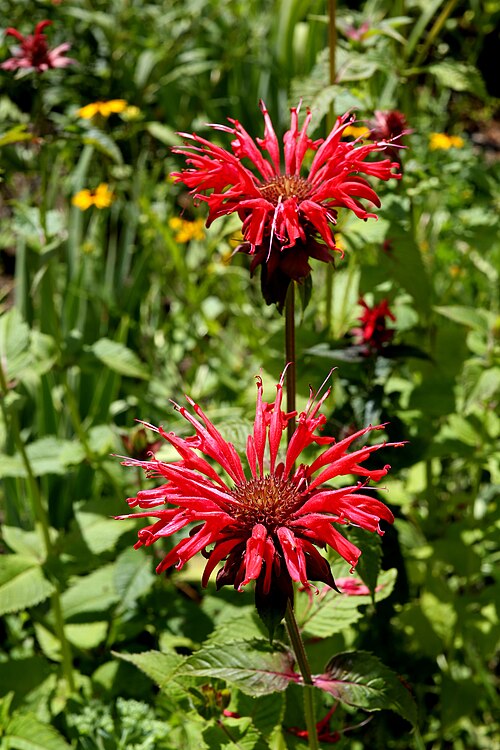
- Bee Balm (Monarda spp.): A vibrant, architectural plant that attracts hummingbirds and bees. Its minty fragrance is often appealing to cats, but it's not listed as toxic. Bee Balm
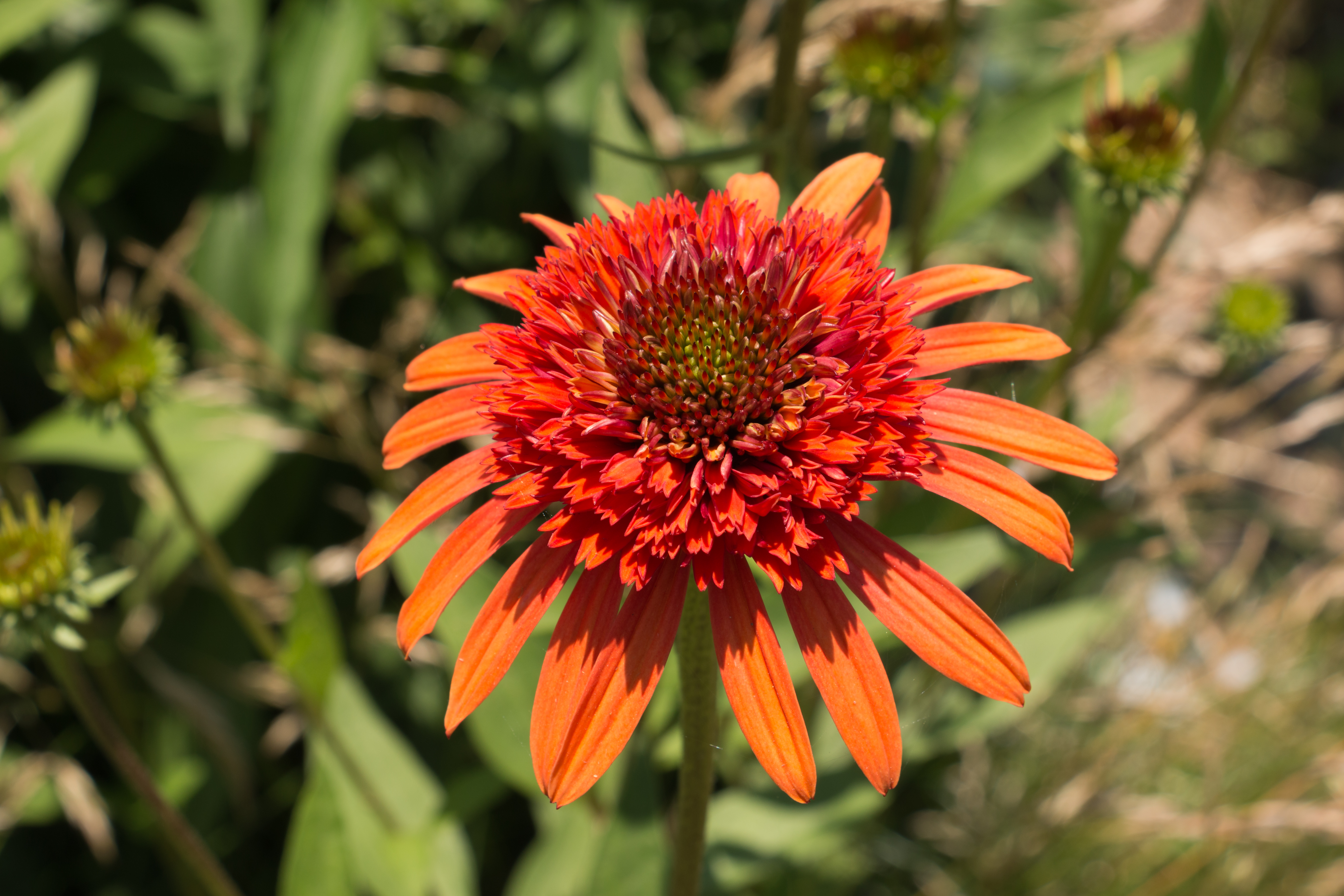
- Coneflower (Echinacea spp.): Iconic prairie flowers with daisy-like blooms, coneflowers are tough, beautiful, and not listed as toxic. Coneflower
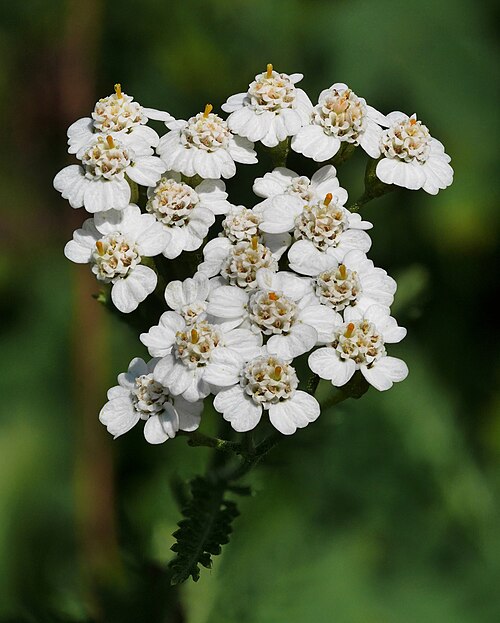
- Yarrow (Achillea millefolium): Known for its flat-topped clusters of flowers and fern-like foliage, yarrow is drought-tolerant and not listed as toxic. Yarrow
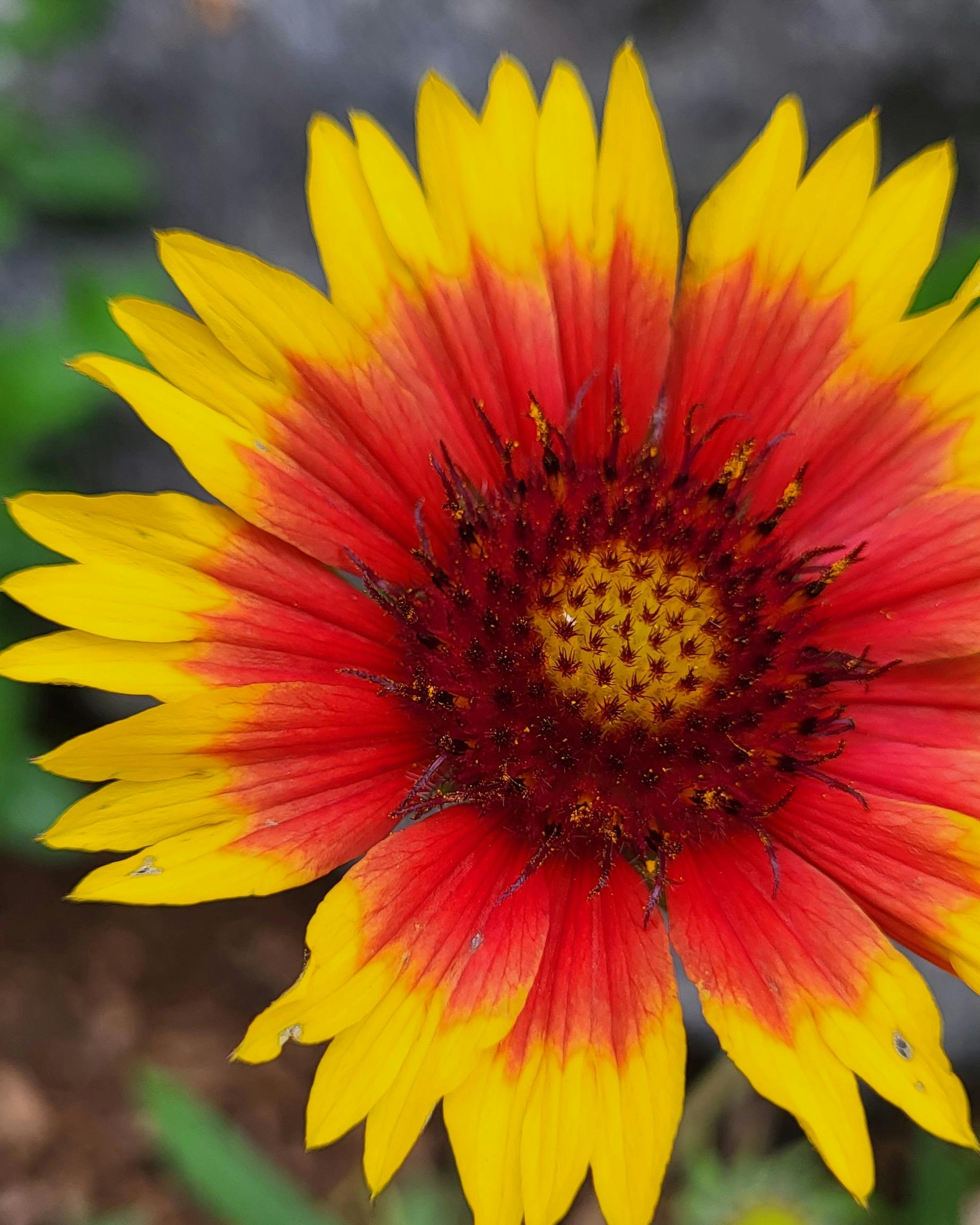
- Blanket Flower (Gaillardia spp.): Bright, cheerful, and long-blooming, blanket flowers are a fantastic addition to any sunny garden and are not listed as toxic. Blanket Flower
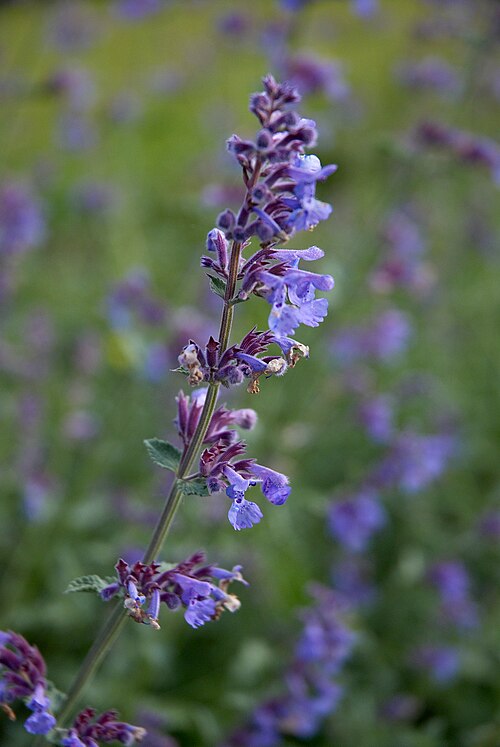
- Catmint (Nepeta spp.): While not a salvia, catmint is in the same family and is famous for its appeal to cats (it contains nepetalactone, similar to catnip). It's not listed as toxic and is a wonderful, low-maintenance plant. Catmint
These plants offer similar benefits to salvia - attracting pollinators, providing color, and being relatively easy to care for - while also being considered safe for your feline companions.
How Can I Create a Cat-Safe Garden?
Creating a garden that is both beautiful and safe for your curious cat involves a few key strategies:
- Know Your Plants: Before purchasing any new plant, always check its toxicity status with reliable sources like the ASPCA.
- Provide Safe Alternatives: Offer your cat their own "safe" plants to chew on, such as oat grass, wheatgrass, or catnip. This can divert their attention from other garden plants.
- Physical Barriers: For plants you're unsure about or want to protect, consider using physical barriers like fencing, cloches, or placing them in elevated planters that are harder for your cat to reach.
- Supervision: When your cat is outdoors, especially if they're new to the garden, supervise them to observe their behavior and intervene if they start chewing on something they shouldn't.
- Avoid Toxic Pesticides: Be mindful of any chemicals you use in your garden. Many pesticides, herbicides, and fertilizers can be harmful to pets. Opt for organic or pet-safe alternatives whenever possible.
- Educate Yourself: Keep a list of common toxic plants handy, both for your garden and houseplants.
By being proactive and informed, you can create a harmonious outdoor space where both your plants and your pets can thrive.
Final Thoughts on Salvia and Cats
In summary, for most common ornamental and culinary salvias, you can breathe a sigh of relief. They are generally not listed as toxic to cats by the ASPCA. While no plant is 100% guaranteed not to cause a mild upset stomach if ingested in large quantities, salvias are not associated with severe poisoning. Always monitor your pet's behavior, and if you have any concerns about a specific plant or if your cat exhibits unusual symptoms after ingesting plant material, contact your veterinarian or the ASPCA Animal Poison Control Center immediately.
Ready to find the perfect plants for your yard? Try the PlantWise Plant Finder →