My Cat Ate a Plant. What Should I Do?
If your cat has eaten a plant, the most important first step is to stay calm and identify the plant if possible. Remove any remaining plant material from your cat's mouth and surrounding area. Observe your cat for any immediate symptoms like vomiting, drooling, or difficulty breathing. If you know the plant is highly toxic or your cat is showing severe symptoms, contact your veterinarian or the ASPCA Animal Poison Control Center immediately at (888) 426-4435. Having the plant's name will greatly assist them in providing the best advice.
Cats are naturally curious creatures, and their instinct to chew, bat at, and sometimes ingest plant material is strong. While some plants are harmless, others can be quite dangerous, even deadly, for our feline friends. Knowing what to do in the moment can make all the difference.
🌱 Get Personalized Plant Picks
Answer a few quick questions and we’ll match plants to your exact yard conditions.
Find My Plants →Quick Reference: What to Do If Your Cat Eats a Plant
| Step | Action
What to do if your cat ate a plant:
- Stay calm. Your cat will pick up on your stress.
- Identify the plant. If you don't know its name, take a photo of the plant (leaves, flowers, stem, pot) or collect a sample. This is critical information for your vet or poison control.
- Remove any remaining plant material. Check your cat's mouth and paws.
- Observe your cat. Look for symptoms like vomiting, diarrhea, drooling, lethargy, difficulty breathing, pawing at the mouth, tremors, or seizures.
- Call for help.
- If you suspect your pet has ingested a toxic plant, call the ASPCA Animal Poison Control Center immediately at (888) 426-4435. They are available 24/7 and can provide immediate, expert advice. A consultation fee may apply.
- Alternatively, call your veterinarian or an emergency vet clinic. Have the plant's name ready.
- Do NOT induce vomiting unless specifically instructed by a vet or poison control. Some toxins can cause more harm coming back up.
- Follow professional advice. They will guide you on whether to monitor at home, administer activated charcoal, or bring your cat in for examination and treatment.
Why Do Cats Eat Plants?
Cats are curious by nature, and chewing on plants is a common behavior for several reasons:
- Instinct: In the wild, felines might eat grass to help with digestion, relieve an upset stomach, or act as a natural laxative.
- Play and Boredom: A dangling leaf or a swaying stem can be an irresistible toy for a playful cat. If a cat is bored, chewing on household plants can become a habit.
- Nutrient Deficiency: While less common for well-fed indoor cats, some theories suggest cats might seek out plant material for specific nutrients or fiber.
- Taste and Texture: Some cats simply enjoy the taste or texture of certain plants.
Understanding these motivations can help you manage your cat's access to plants and provide safe alternatives.
Which Common Plants Are Toxic to Cats?
Many common houseplants and garden plants can be harmful to cats. The level of toxicity varies greatly, from mild stomach upset to severe organ damage or even death. It's crucial to be aware of the most common culprits.
Highly Toxic Plants (even small amounts can be dangerous):
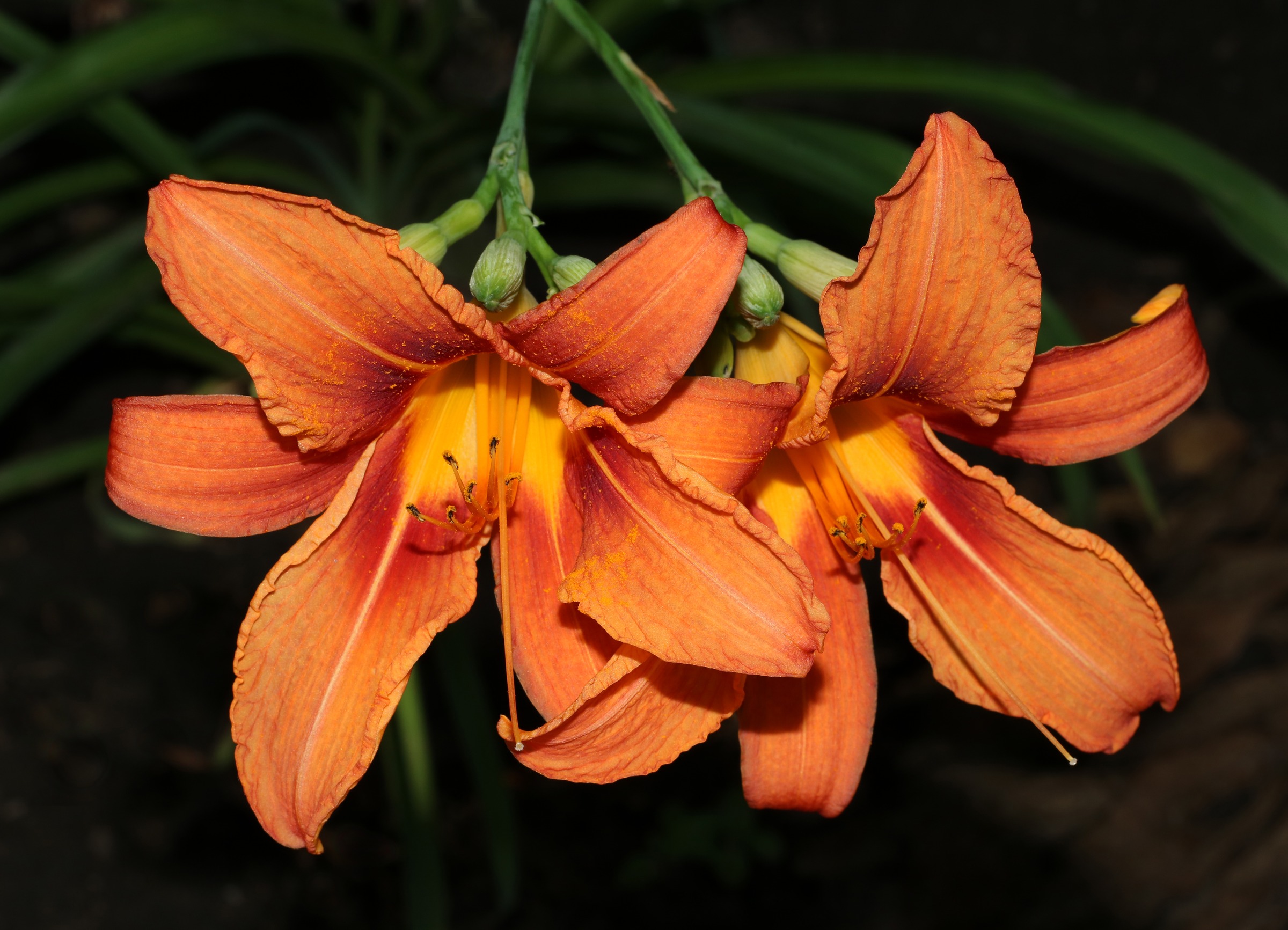
- Lilies (all parts, especially pollen): Extremely toxic, causing kidney failure. This includes Easter lily, Tiger lily, Asiatic lily, Daylily, and Japanese Show lily. Daylily
- Sago Palm: Highly toxic, causing liver failure, vomiting, diarrhea, and seizures.
- Oleander: Contains cardiac glycosides, affecting the heart.
- Azaleas and Rhododendrons: Can cause vomiting, diarrhea, weakness, and cardiac issues.
- Autumn Crocus: Highly toxic, affecting multiple organ systems.
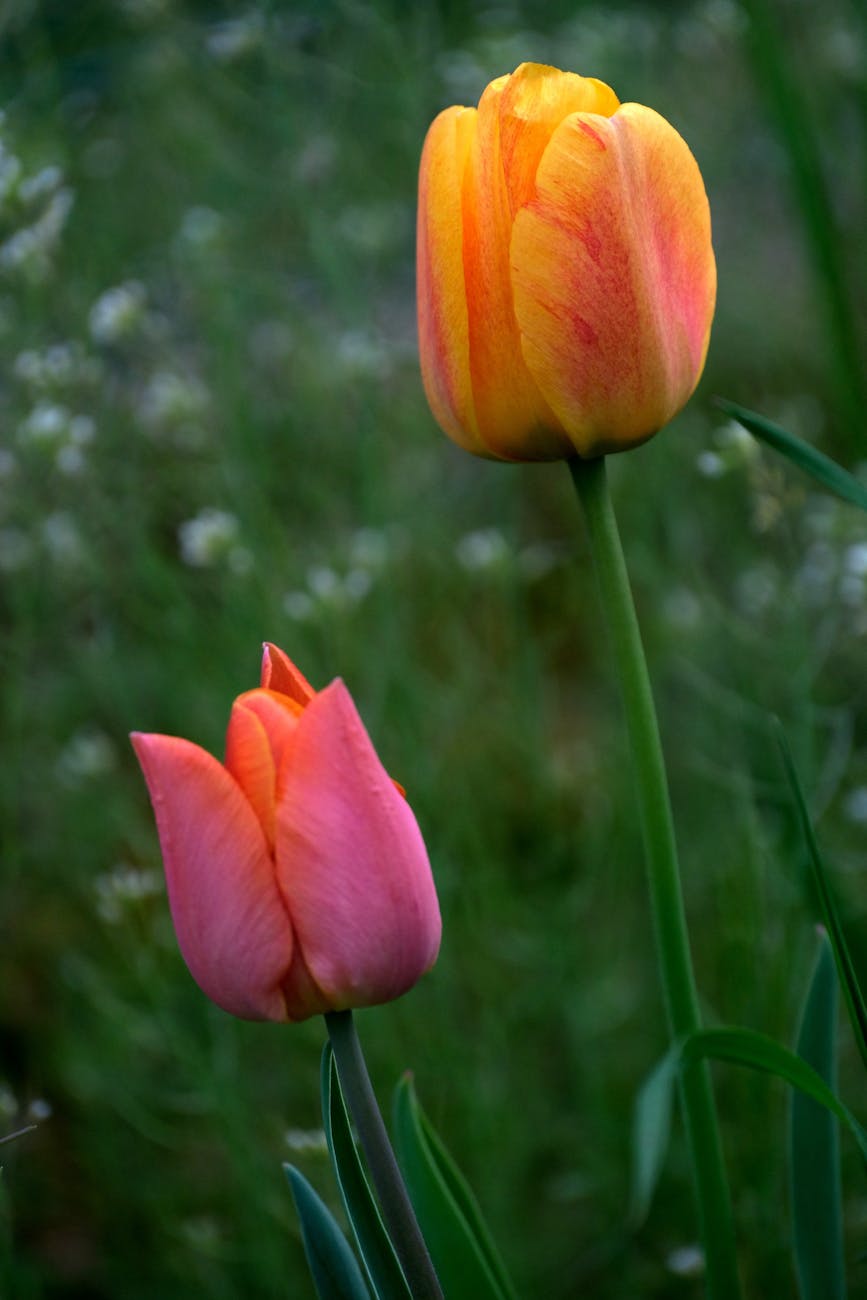
- Tulips and Hyacinths (especially bulbs): Can cause severe gastrointestinal upset, drooling, and lethargy.
- Castor Bean: Contains ricin, a potent toxin.
- Marijuana: Can cause depression, vomiting, tremors, and coma.
- Amaryllis: Can cause vomiting, diarrhea, depression, and tremors.
Moderately Toxic Plants (can cause significant symptoms):
- Aloe Vera: Can cause vomiting, diarrhea, lethargy, and tremors.
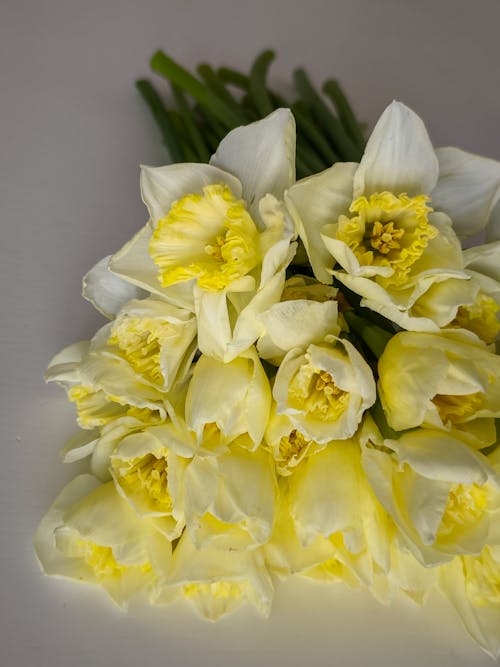
- Daffodils: Can cause severe vomiting, diarrhea, abdominal pain, and cardiac arrhythmias.
- Pothos (Devil's Ivy): Contains calcium oxalates, causing oral irritation, drooling, vomiting, and difficulty swallowing.
- Philodendron: Similar to Pothos, causes oral irritation.
- Dieffenbachia (Dumb Cane): Causes intense oral irritation, swelling, and difficulty breathing.
- Peace Lily (Spathiphyllum): Contains calcium oxalates, causing oral irritation. (Note: True lilies are much more dangerous).
- Ivy (English Ivy, Boston Ivy): Can cause vomiting, diarrhea, and abdominal pain.
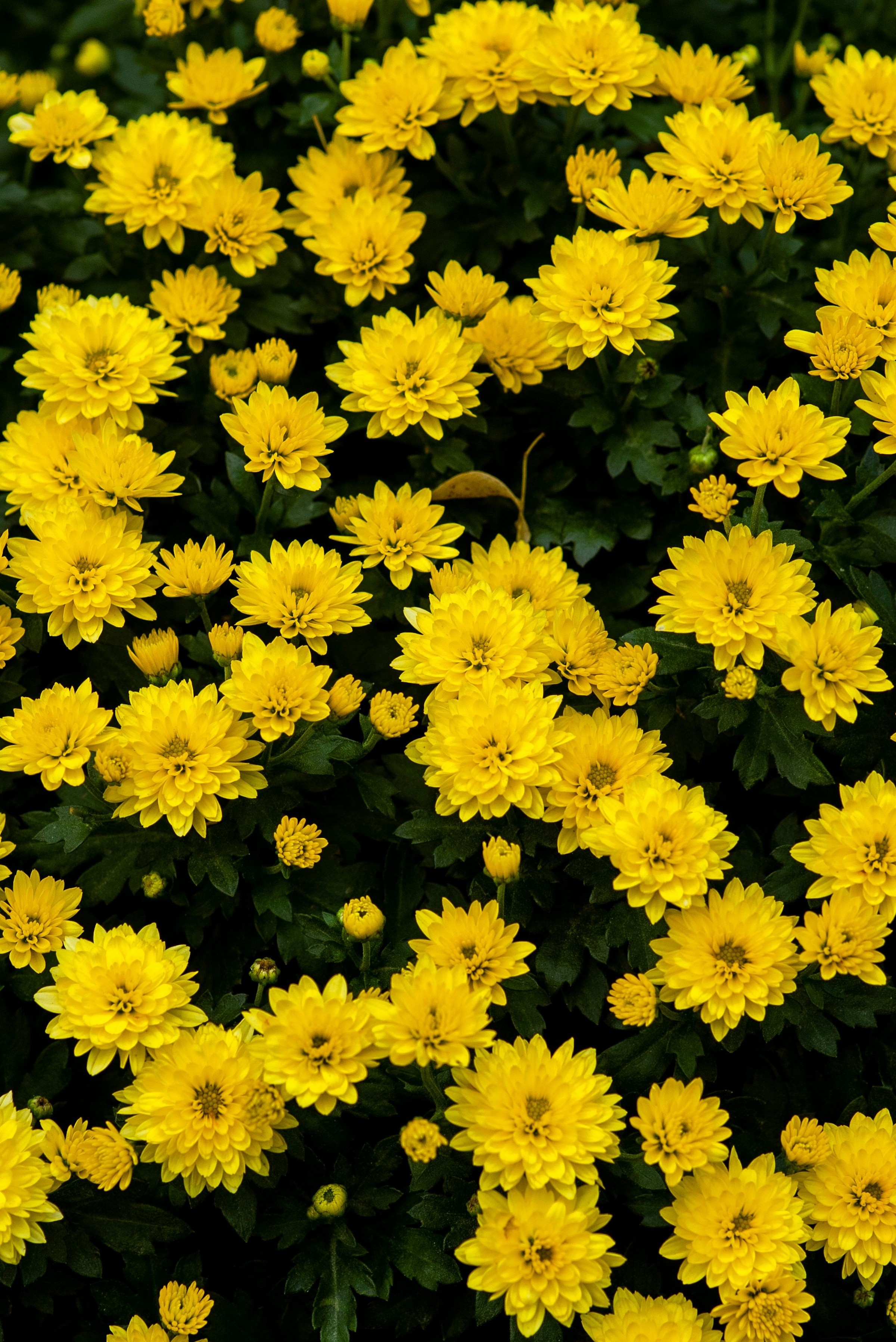
- Chrysanthemums: Can cause vomiting, diarrhea, hypersalivation, and incoordination.
- Cyclamen: Can cause vomiting, diarrhea, and heart rhythm abnormalities (especially tubers).
- Kalanchoe: Can cause vomiting, diarrhea, and heart rhythm abnormalities.
Plants Not Listed as Toxic to Cats (but can still cause mild upset):
Even plants not listed as toxic can sometimes cause mild gastrointestinal upset, such as vomiting or diarrhea, if ingested in large quantities due to their fiber content or if they've been treated with pesticides. It's always best to err on the side of caution.
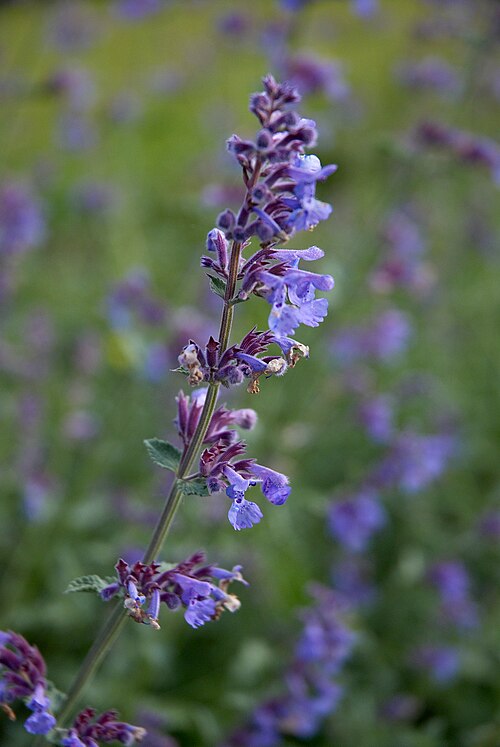
- Catmint (often attractive to cats, generally considered safe)
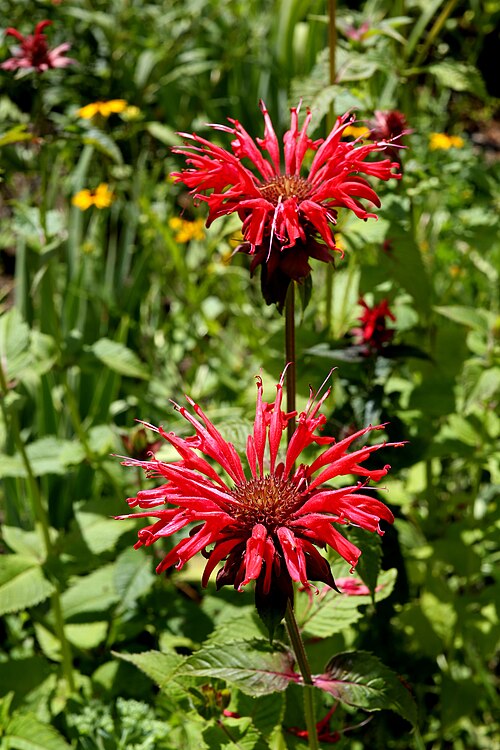
- Bee Balm
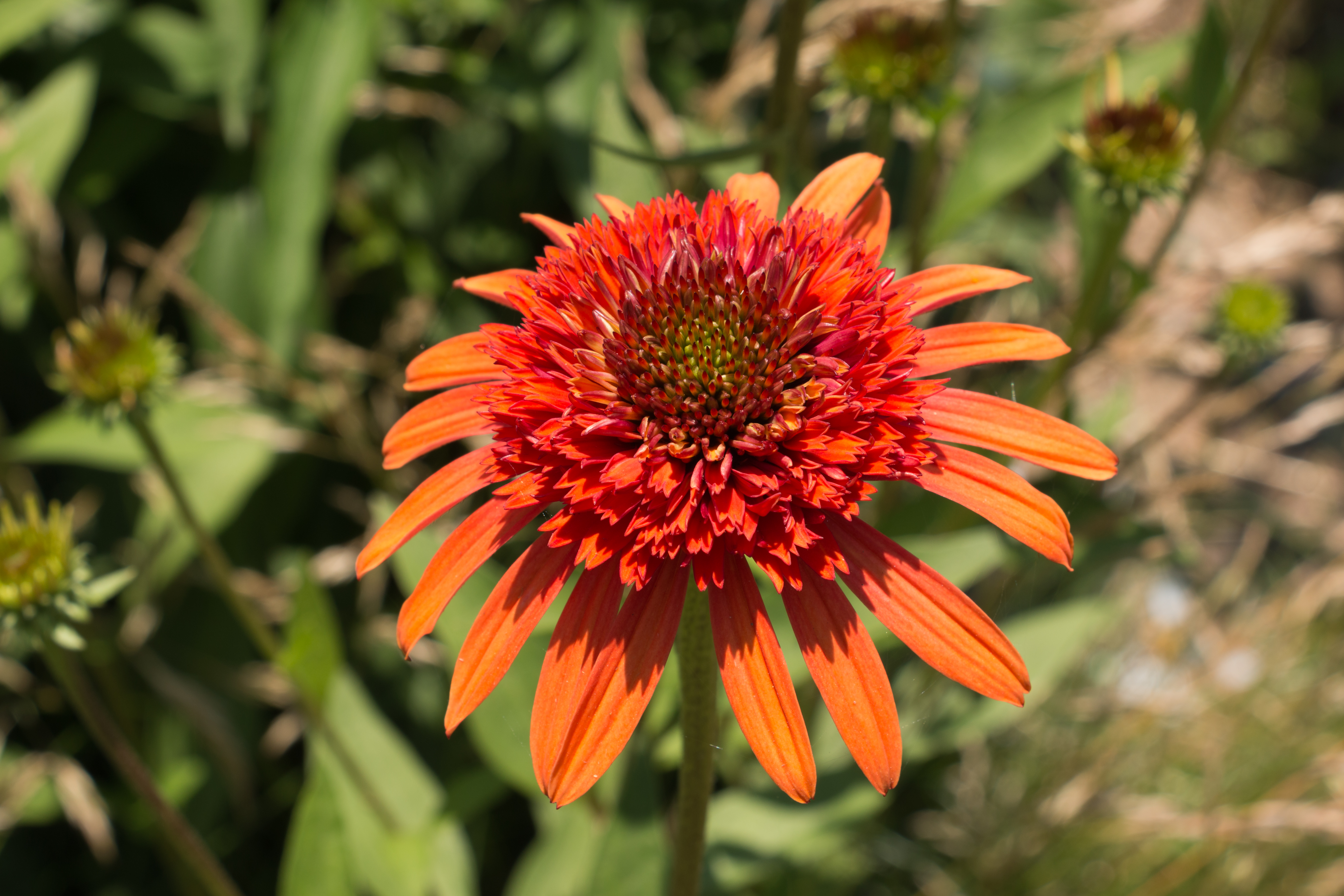
- Coneflower
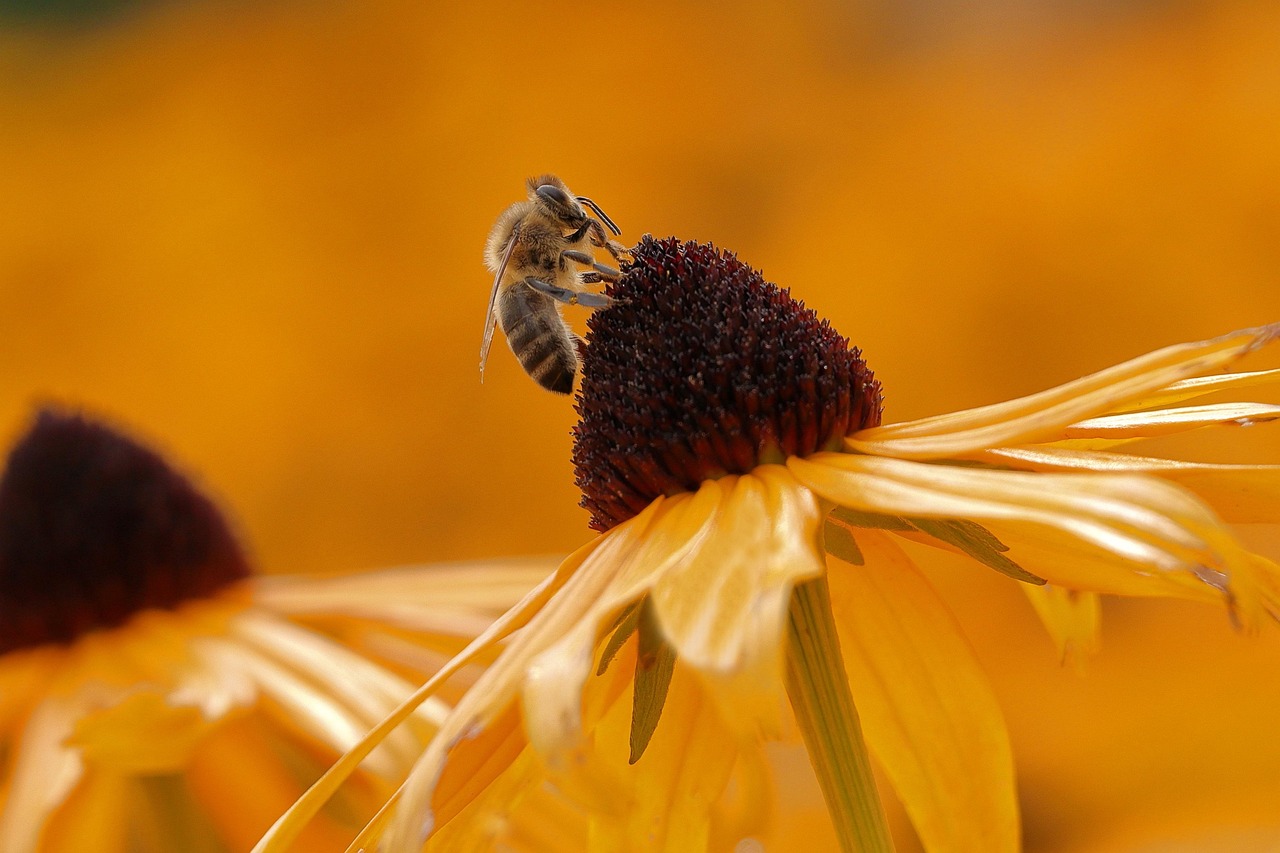
- Black-eyed Susan
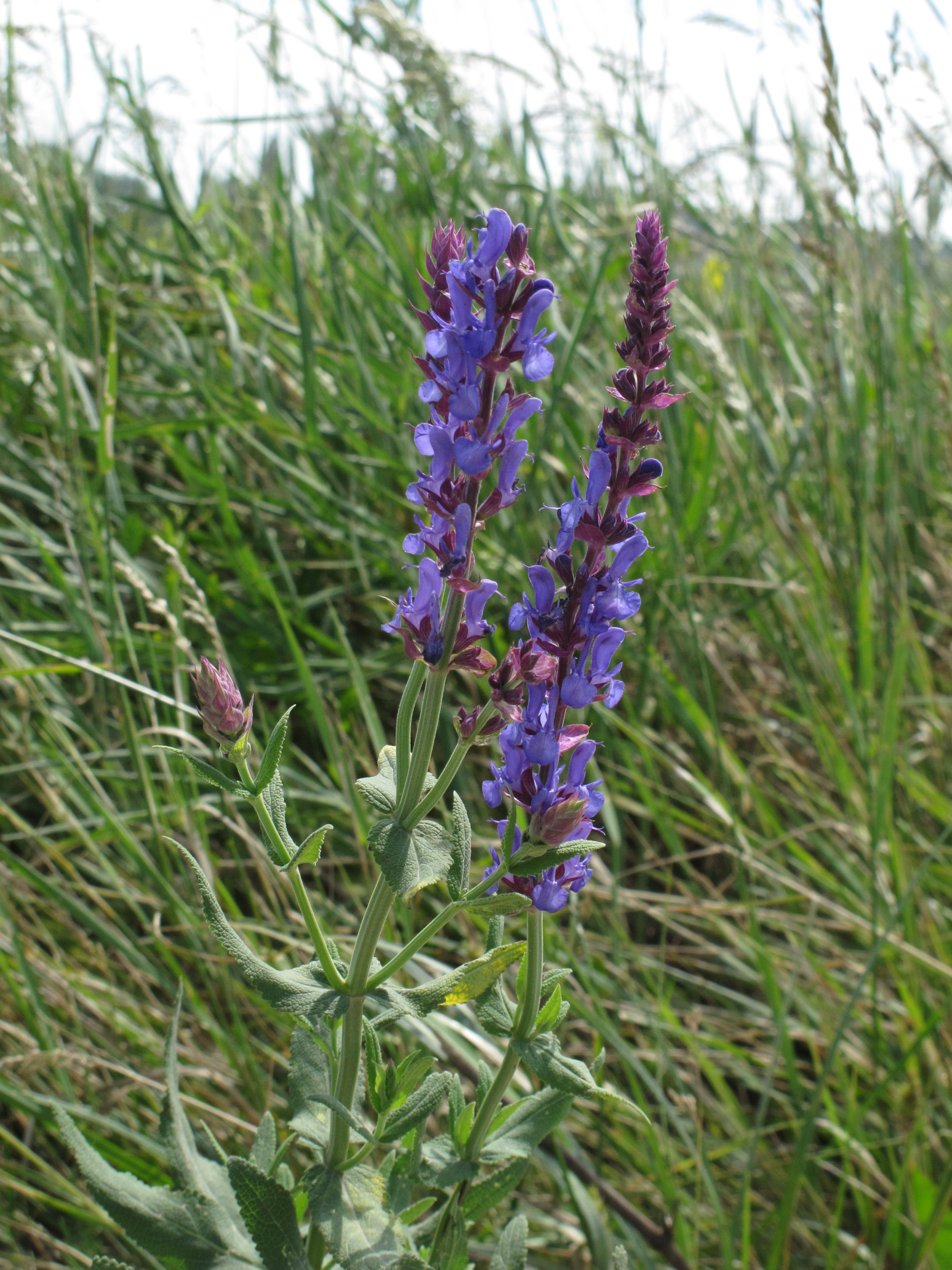
- Salvia
This list is not exhaustive. Always check with a reliable source like the ASPCA's toxic and non-toxic plant list if you're unsure about a specific plant.
What Are the Symptoms of Plant Poisoning in Cats?
Symptoms can vary widely depending on the plant, the amount ingested, and your cat's individual sensitivity. They can appear immediately or be delayed for hours or even days.
Common Symptoms:
- Gastrointestinal: Vomiting, diarrhea, drooling/hypersalivation, loss of appetite, abdominal pain.
- Oral/Pharyngeal: Pawing at the mouth, oral irritation, swelling of the tongue or lips, difficulty swallowing.
- Neurological: Lethargy, weakness, incoordination, tremors, seizures, disorientation, dilated pupils.
- Cardiac: Irregular heartbeat, rapid heart rate, slow heart rate, collapse.
- Respiratory: Difficulty breathing, coughing, sneezing.
- Urinary: Increased thirst, increased urination (can indicate kidney issues).
- Dermatological: Skin irritation (if contact with sap).
If you notice any of these symptoms after your cat has been near a plant, seek veterinary attention immediately.
How Can I Prevent My Cat from Eating Plants?
Prevention is always the best medicine when it comes to pet safety and plants.
- Research Before You Buy: Before bringing any new plant into your home or garden, verify its toxicity status for cats. The ASPCA website is an excellent resource.
- Choose Cat-Safe Plants: Opt for plants known to be not listed as toxic. Some popular choices include Boston Fern, Christmas Cactus, African Violet, and many herbs like basil and thyme.
- Place Plants Out of Reach: Use hanging baskets, high shelves, or rooms that your cat cannot access. Remember that cats are excellent climbers!
- Create Barriers: Physical barriers like decorative cages, netting, or even strategically placed furniture can deter curious paws.
- Bitter Sprays: Apply a pet-safe bitter spray (available at pet stores) to plant leaves. The unpleasant taste can discourage chewing. Reapply regularly.
- Provide Alternatives: Offer your cat safe chewing options like cat grass (oat, wheat, rye, or barley grass), silvervine sticks, or other cat-friendly toys. This can redirect their chewing instincts.
- Enrichment: Ensure your cat has plenty of toys, scratching posts, and playtime to prevent boredom, which can lead to destructive chewing.
- Supervise Outdoor Access: If your cat goes outdoors, supervise them closely to prevent them from munching on garden plants. Consider creating a "catio" or a designated cat-safe area in your yard.
- Educate Family Members: Make sure everyone in your household knows which plants are toxic and how to react if an ingestion occurs.
Being proactive about plant safety will help ensure your feline companion stays healthy and happy in your home.
Ready to find the perfect plants for your yard? Try the PlantWise Plant Finder →