Is Black-Eyed Susan Safe for Cats? Complete Guide
When it comes to our beloved feline friends and the plants we bring into our homes and gardens, safety is always a top concern. Many gardeners wonder if the cheerful Black-Eyed Susan (Black-eyed Susan), with its bright yellow petals and dark centers, poses a risk to their curious cats. The good news is that Black-Eyed Susan is generally not listed as toxic to cats by the ASPCA. While ingestion might cause mild gastrointestinal upset due to its fibrous nature or sap, it's not considered a severe poisoning risk. This makes it a popular choice for pet-friendly gardens, but as with any plant, moderation and observation are key.
🌱 Get Personalized Plant Picks
Answer a few quick questions and we’ll match plants to your exact yard conditions.
Find My Plants →What is Black-Eyed Susan?
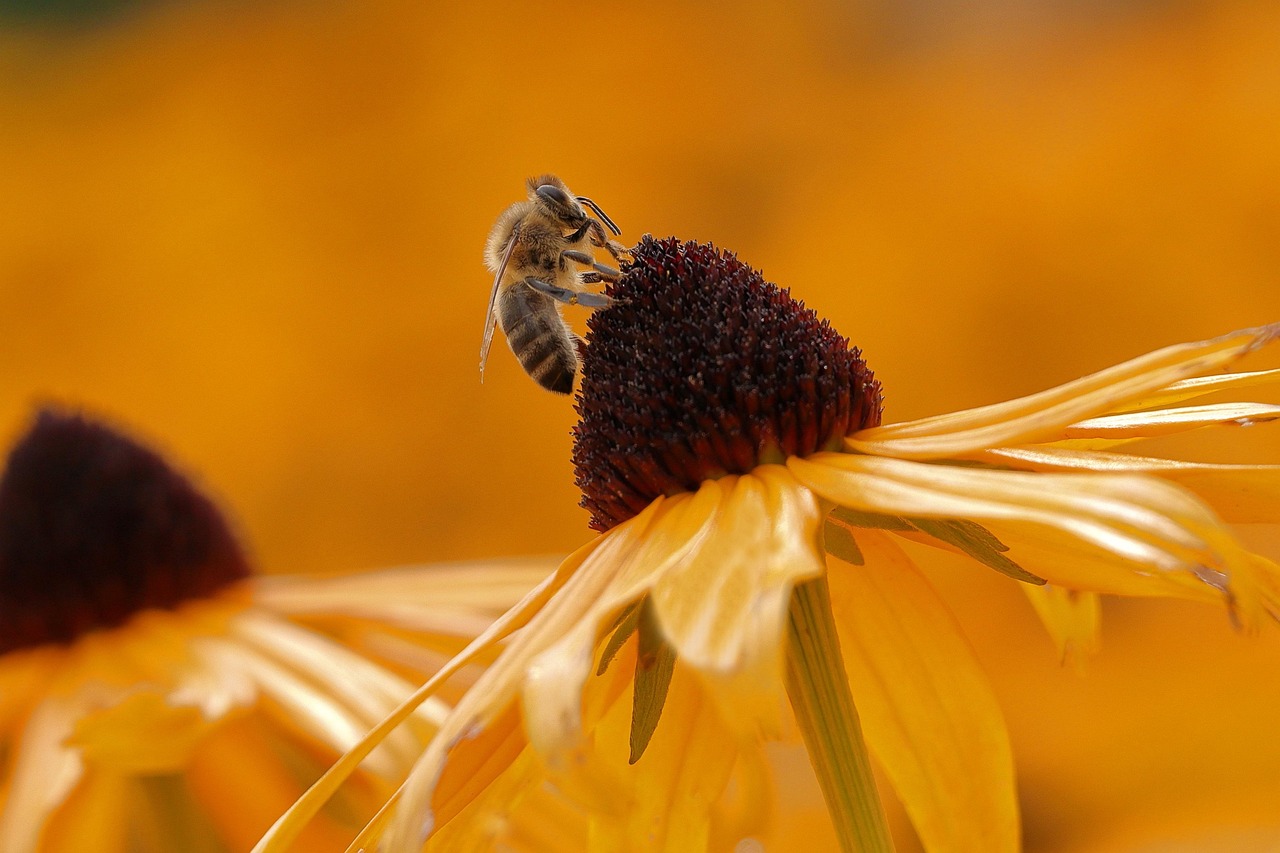
Black-Eyed Susan, scientifically known as Rudbeckia hirta, is a quintessential North American wildflower cherished for its daisy-like flowers. These vibrant blooms typically feature bright yellow or orange petals surrounding a dark brown or black central cone, hence the "black-eyed" moniker. They are incredibly popular in gardens for their long blooming season, drought tolerance, and ability to attract pollinators like bees and butterflies.
Quick Facts about Black-Eyed Susan:
- Botanical Name: Rudbeckia hirta
- Common Names: Black-Eyed Susan, Gloriosa Daisy, Brown-Eyed Susan
- Plant Type: Annual, biennial, or short-lived perennial
- Hardiness Zones: 3-9 (perennial varieties)
- Bloom Time: Summer to fall
- Light Needs: Full sun
- Water Needs: Medium to low
- Attracts: Bees, butterflies
Is Black-Eyed Susan Toxic to Cats?
According to the ASPCA (American Society for the Prevention of Cruelty to Animals), Black-Eyed Susan (Rudbeckia hirta) is not listed as toxic to cats. This means that while it's not considered poisonous in the way some other plants are, it's still wise to exercise caution.
Even non-toxic plants can sometimes cause mild reactions if ingested in large quantities. For cats, this might manifest as:
- Mild stomach upset: Vomiting or diarrhea, which can occur if they eat too much plant material, regardless of toxicity.
- Oral irritation: Some plants have sap or fibrous textures that can cause minor irritation to a cat's mouth or digestive tract.
It's important to differentiate between "not listed as toxic" and "safe." No plant is 100% "safe" for every single pet, as individual sensitivities can vary. However, Black-Eyed Susan is generally considered a low-risk plant for households with cats.
If you suspect your pet has ingested a toxic plant, call the ASPCA Animal Poison Control Center immediately at (888) 426-4435.
What Other Garden Plants Are Not Listed as Toxic to Cats?
Creating a pet-friendly garden involves choosing plants that are generally considered low-risk for your feline companions. While Black-Eyed Susan is a good start, there are many other beautiful and popular garden plants that are also not listed as toxic to cats by the ASPCA. This allows you to have a vibrant and diverse garden without constant worry.
Here are a few examples of other cat-friendly garden plants:
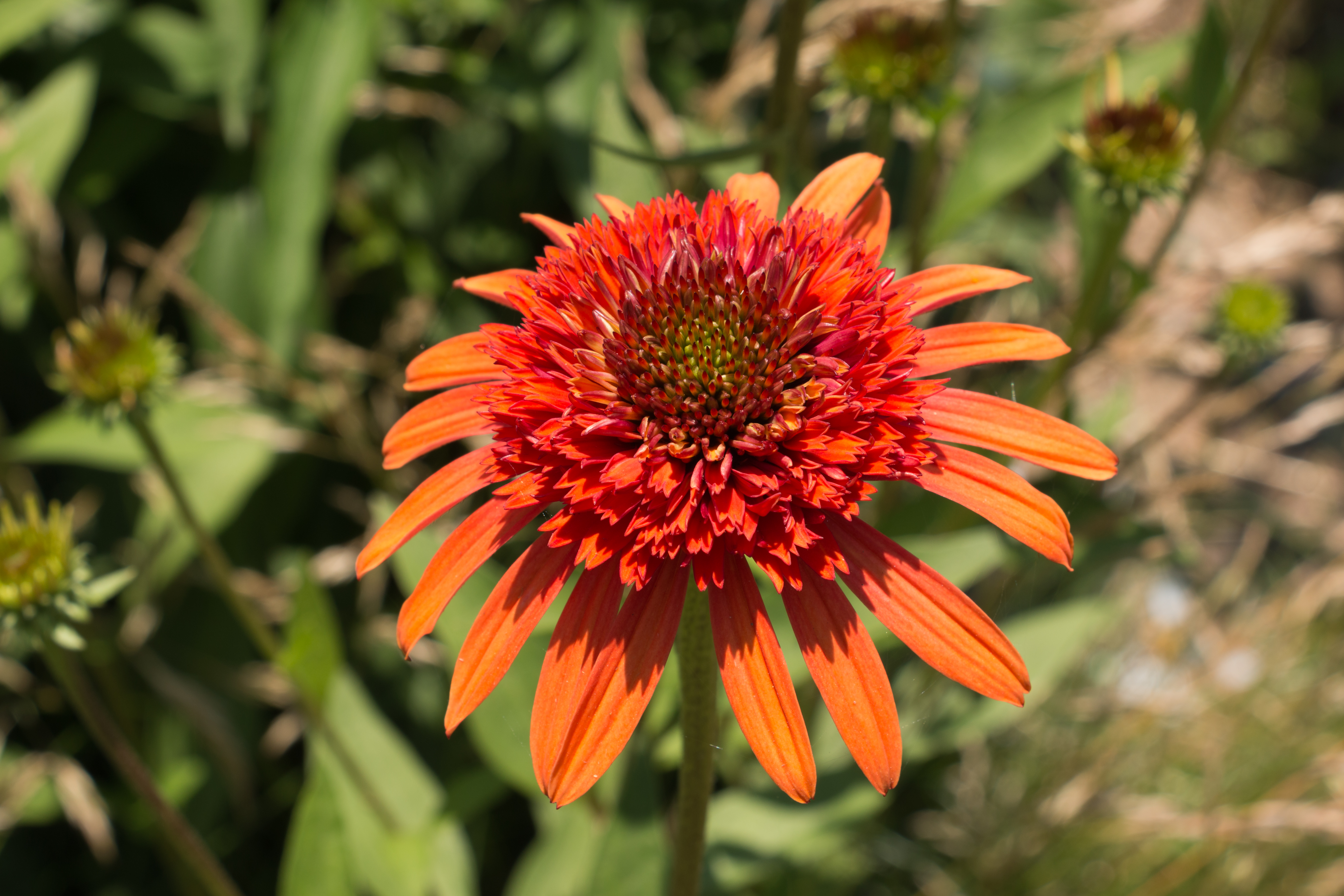
- Coneflower (Coneflower): These hardy perennials are known for their daisy-like flowers with prominent central cones. They come in various colors and are excellent for attracting pollinators.
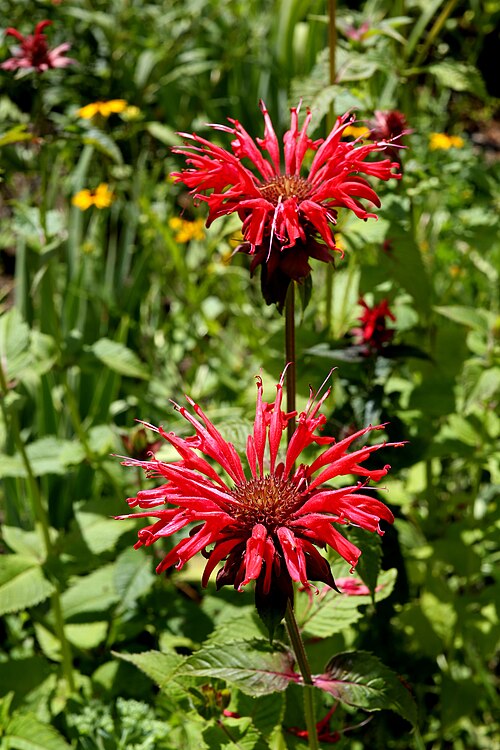
- Bee Balm (Bee Balm): A vibrant and fragrant perennial that attracts hummingbirds and butterflies. Its unique, spiky flowers add a whimsical touch to the garden.
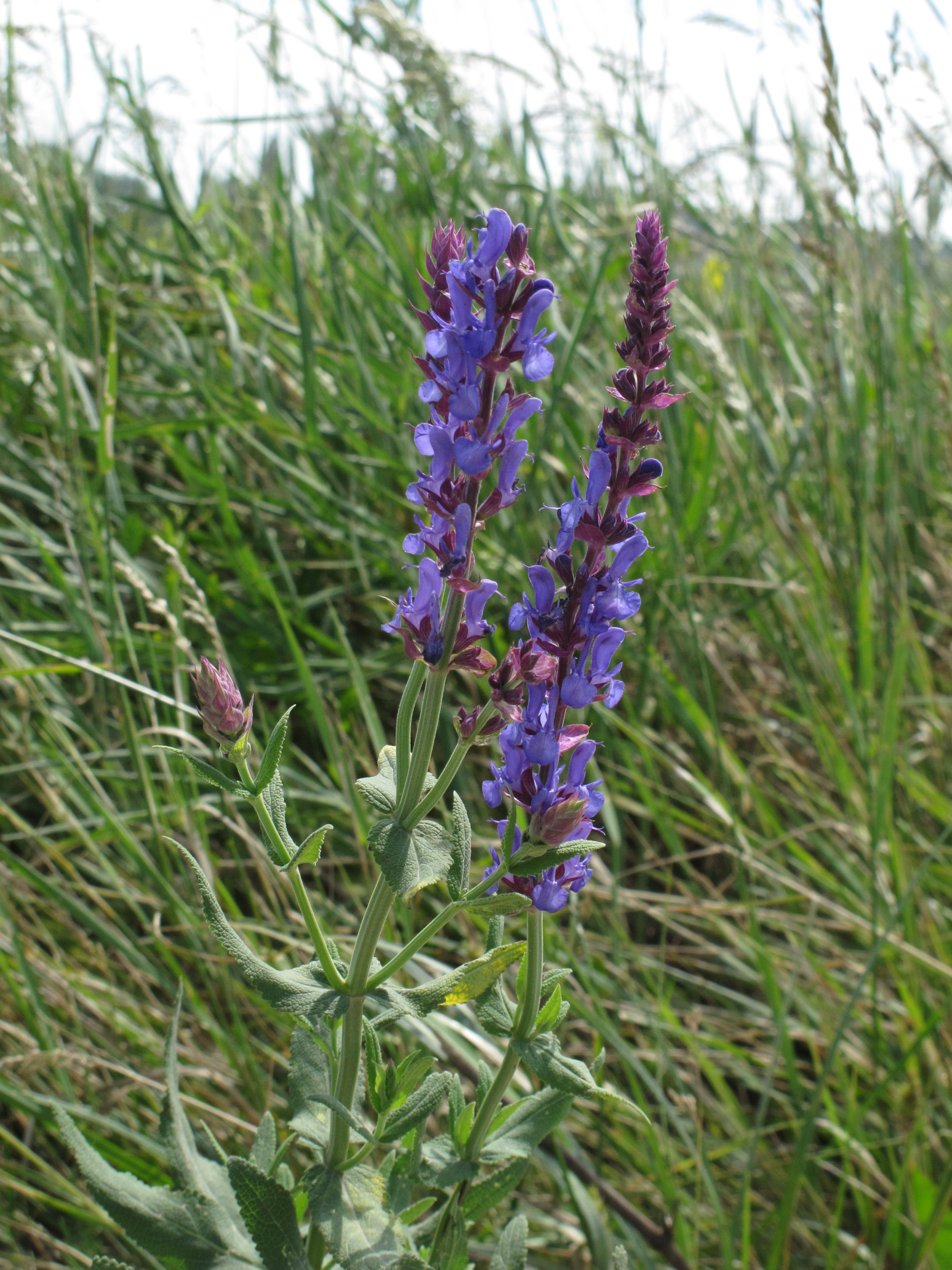
- Salvia (Salvia): A diverse genus with many varieties offering spikes of colorful flowers. Salvias are generally drought-tolerant and loved by pollinators.
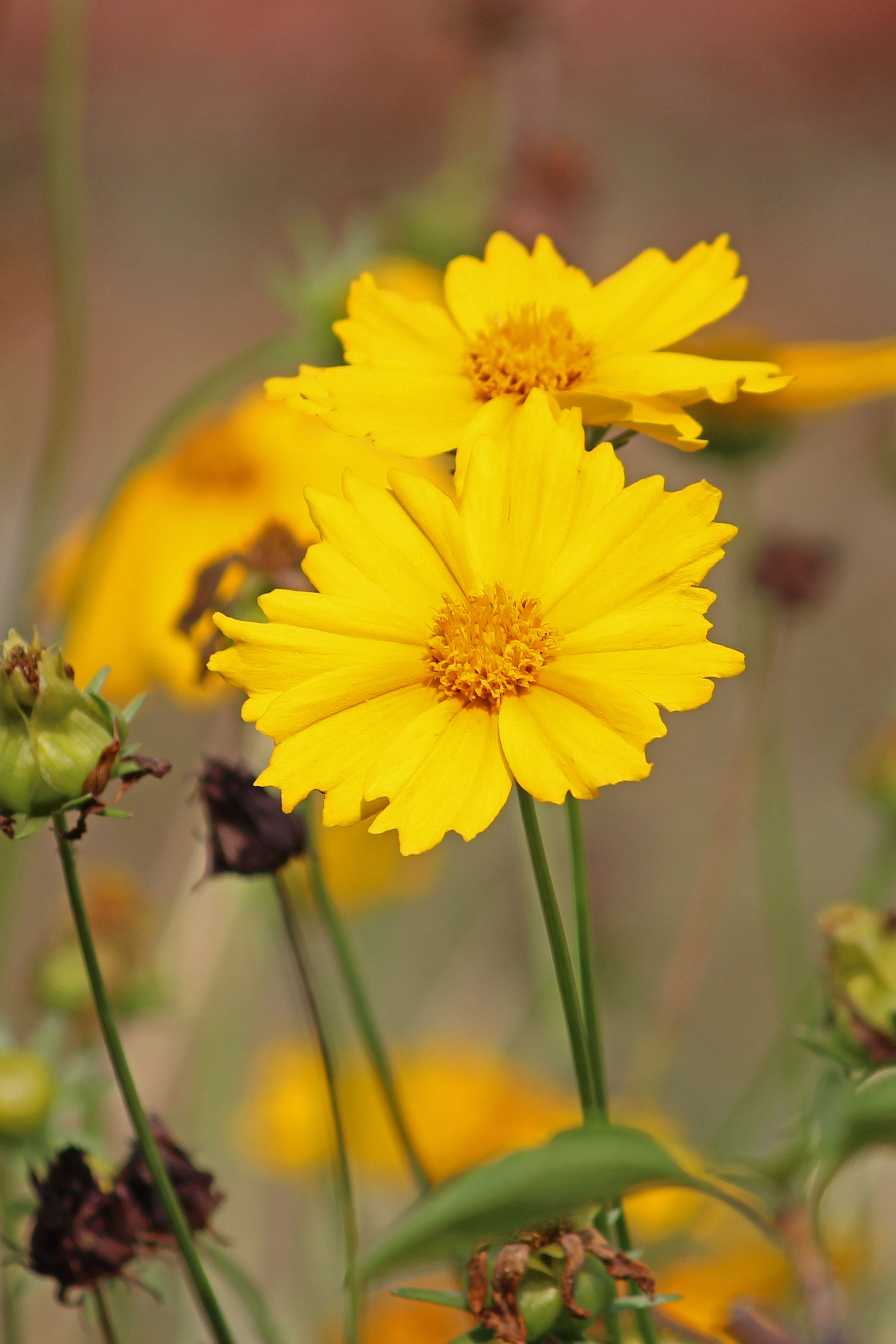
- Coreopsis (Coreopsis): Often called Tickseed, these plants produce abundant, cheerful, daisy-like flowers, typically in shades of yellow, but also pink and red. They are low-maintenance and long-blooming.
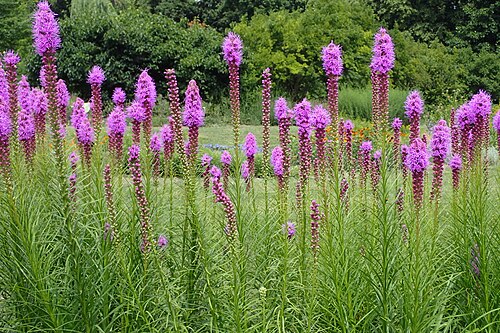
- Blazing Star (Blazing Star): Also known as Liatris, these unique plants feature tall spikes of purple, pink, or white flowers that bloom from the top down. They are a magnet for butterflies.
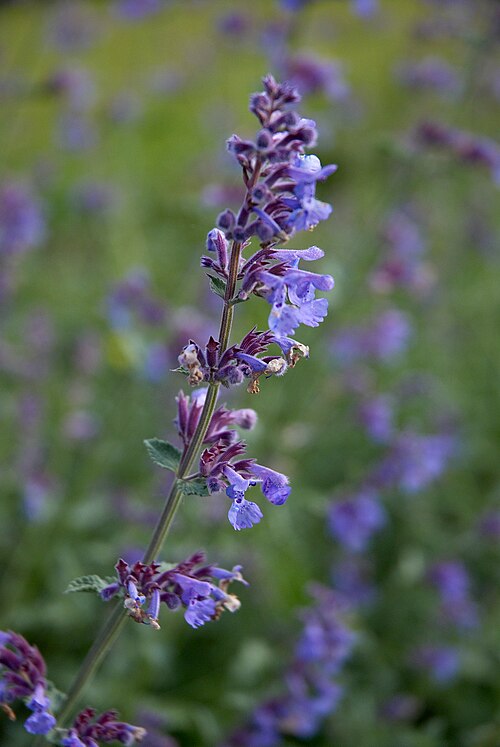
Remember, even with non-toxic plants, it's a good practice to discourage your cat from munching on them excessively. Provide alternatives like cat grass or catnip (Catmint) to satisfy their chewing instincts.
How Can I Create a Cat-Friendly Garden?
Designing a garden that's enjoyable for both you and your feline friend involves a few thoughtful considerations beyond just plant selection.
- Choose Pet-Friendly Plants: Prioritize plants that are not listed as toxic by the ASPCA. This includes not just your main ornamental plants but also any herbs or vegetables you might grow.
- Provide Safe Snacking Alternatives: Offer designated areas with plants your cat can safely chew, such as cat grass (oats, wheat, rye, or barley grass) or catnip. This can divert their attention from other garden plants.
- Create Designated "Cat Zones": If you have an outdoor cat, consider creating a specific area just for them. This could include:
- Litter box area: A discreet spot with loose soil or sand for them to use.
- Shade and Shelter: A cozy, shaded spot where they can nap or hide.
- Climbing opportunities: A sturdy tree branch or a cat-friendly structure.
- Avoid Harmful Chemicals: Be extremely cautious with pesticides, herbicides, and fertilizers. Many of these can be highly toxic to pets. Opt for organic pest control methods or pet-safe alternatives whenever possible. Always read labels carefully.
- Secure Your Garden: If your cat is an indoor-only cat, ensure your garden is securely fenced or that they are supervised when outside. This prevents them from wandering into dangerous areas or encountering other animals.
- Monitor Your Cat: Even in a pet-friendly garden, keep an eye on your cat's behavior. If you notice them repeatedly eating a particular plant or showing signs of discomfort, remove the plant or restrict access.
By taking these steps, you can create a beautiful and stimulating outdoor space that you and your feline companion can both enjoy safely.
Ready to find the perfect plants for your yard? Try the PlantWise Plant Finder →