Is Penstemon Deer Resistant? Complete Guide
If you're a gardener in an area frequented by deer, you know the frustration of watching your carefully chosen plants become a deer's midnight snack. When it comes to Penstemon, often called Beardtongue, the good news is that yes, Penstemon is generally considered deer resistant. While no plant is truly deer-proof, Penstemon varieties are rarely a first choice for hungry deer, making them an excellent option for gardens in deer-prone areas. Their slightly bitter taste and sometimes fuzzy or leathery foliage tend to deter deer, allowing you to enjoy their vibrant, tubular blooms without constant worry. This guide will help you understand why Penstemon is a good choice, which varieties perform best, and how to successfully incorporate them into your landscape.
🌱 Get Personalized Plant Picks
Answer a few quick questions and we’ll match plants to your exact yard conditions.
Find My Plants →Why is Penstemon Deer Resistant?
Deer are herbivores, but they are also selective eaters. They tend to avoid plants that have certain characteristics, and Penstemon often checks several of these boxes:
- Taste and Scent: Many Penstemon varieties have a slightly bitter taste or an unappealing scent to deer. While not as strong as, say, a strongly aromatic herb like lavender, it's enough to make them pass it over for more palatable options.
- Foliage Texture: Some Penstemons have somewhat coarse, fuzzy, or leathery leaves, which deer find less appealing to chew on than soft, tender foliage.
- Toxicity (Mild): While not highly toxic to deer, some Penstemon species contain compounds that can cause mild digestive upset if consumed in large quantities. This inherent defense mechanism contributes to their low palatability.
It's important to remember that deer resistance can vary based on several factors:
- Deer Pressure: In areas with very high deer populations and limited food sources, even "deer-resistant" plants might get nibbled out of desperation.
- Variety: Some Penstemon species or cultivars may be more or less appealing than others. Native species often have stronger defenses.
- Time of Year: Young, tender growth in spring can be more attractive than mature foliage later in the season.
Which Penstemon Varieties Are Best for Deer Resistance?
While most Penstemons offer good resistance, some stand out for their robust nature and beauty. When selecting, consider native species for your region, as they are often best adapted and most resilient.
- Penstemon digitalis (Foxglove Beardtongue): A North American native, this species is incredibly tough and produces spikes of white to pale pink flowers. It's a fantastic choice for naturalized areas and meadows.
- Penstemon barbatus (Scarlet Bugler): Known for its brilliant red, tubular flowers, this species is a hummingbird magnet and reliably deer resistant.
- Penstemon strictus (Rocky Mountain Penstemon): With deep blue-purple flowers, this variety is native to the American West and very drought-tolerant once established, making it a robust choice.
- Penstemon grandiflorus (Large-flowered Penstemon): Features large, showy lavender-purple flowers.
- Penstemon pinifolius (Pineleaf Penstemon): Its fine, needle-like foliage gives it a unique texture, and its orange-red flowers are vibrant.
When shopping, look for tags that specifically mention "deer resistant" or consult with your local nursery about varieties that perform well against deer in your specific area.
How Do I Grow and Care for Deer-Resistant Penstemon?
Penstemon is a relatively low-maintenance plant once established, making it a great choice for busy gardeners. Here’s how to ensure your plants thrive:
- Sunlight: Most Penstemons prefer full sun, meaning at least 6 hours of direct sunlight per day. Some varieties can tolerate partial shade, especially in hotter climates, but may produce fewer blooms.
- Soil: Well-draining soil is crucial. Penstemons are highly susceptible to root rot in heavy, waterlogged soils. Amend clay soils with organic matter like compost or grit to improve drainage. Sandy or rocky soils are often ideal.
- Watering: Once established, Penstemons are quite drought-tolerant. Water regularly during their first growing season to help them establish a strong root system. After that, water sparingly, allowing the soil to dry out between waterings. Overwatering is a common cause of failure.
- Fertilizing: Penstemons generally do not require much fertilizer. If your soil is poor, a light application of a balanced, slow-release granular fertilizer in spring can be beneficial. Avoid excessive nitrogen, which can lead to lush foliage but fewer flowers.
- Pruning: Deadhead spent flower stalks to encourage more blooms and prevent self-seeding if desired. Some varieties can be cut back hard in late fall or early spring to encourage bushier growth. For evergreen or semi-evergreen types, simply remove any dead or damaged foliage.
- Pests and Diseases: Penstemons are generally robust and suffer from few serious pest or disease issues. The main concern is root rot in poorly drained soil. Occasionally, powdery mildew can occur in humid conditions or if air circulation is poor.
What Other Deer-Resistant Plants Complement Penstemon?
Creating a garden that stands up to deer often involves layering various resistant plants. Pairing Penstemon with other deer-resistant species not only enhances your garden's aesthetic but also reinforces the message to deer that your yard isn't their buffet. Here are some excellent companions:
- Aromatic Herbs: Lavender, Rosemary, and Catmint (Catmint) are excellent choices. Their strong scents are a major deterrent for deer.
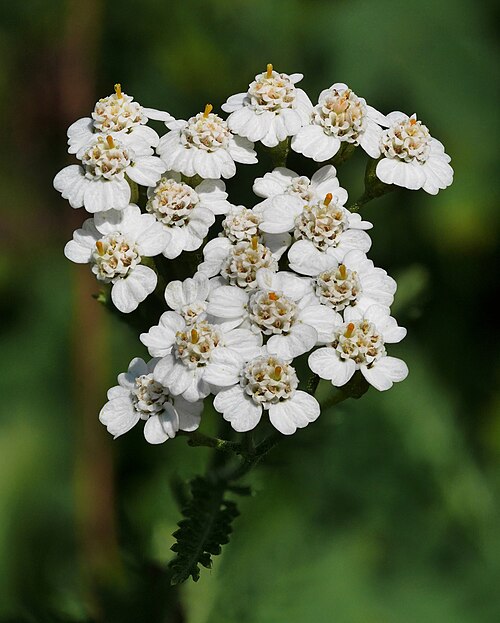
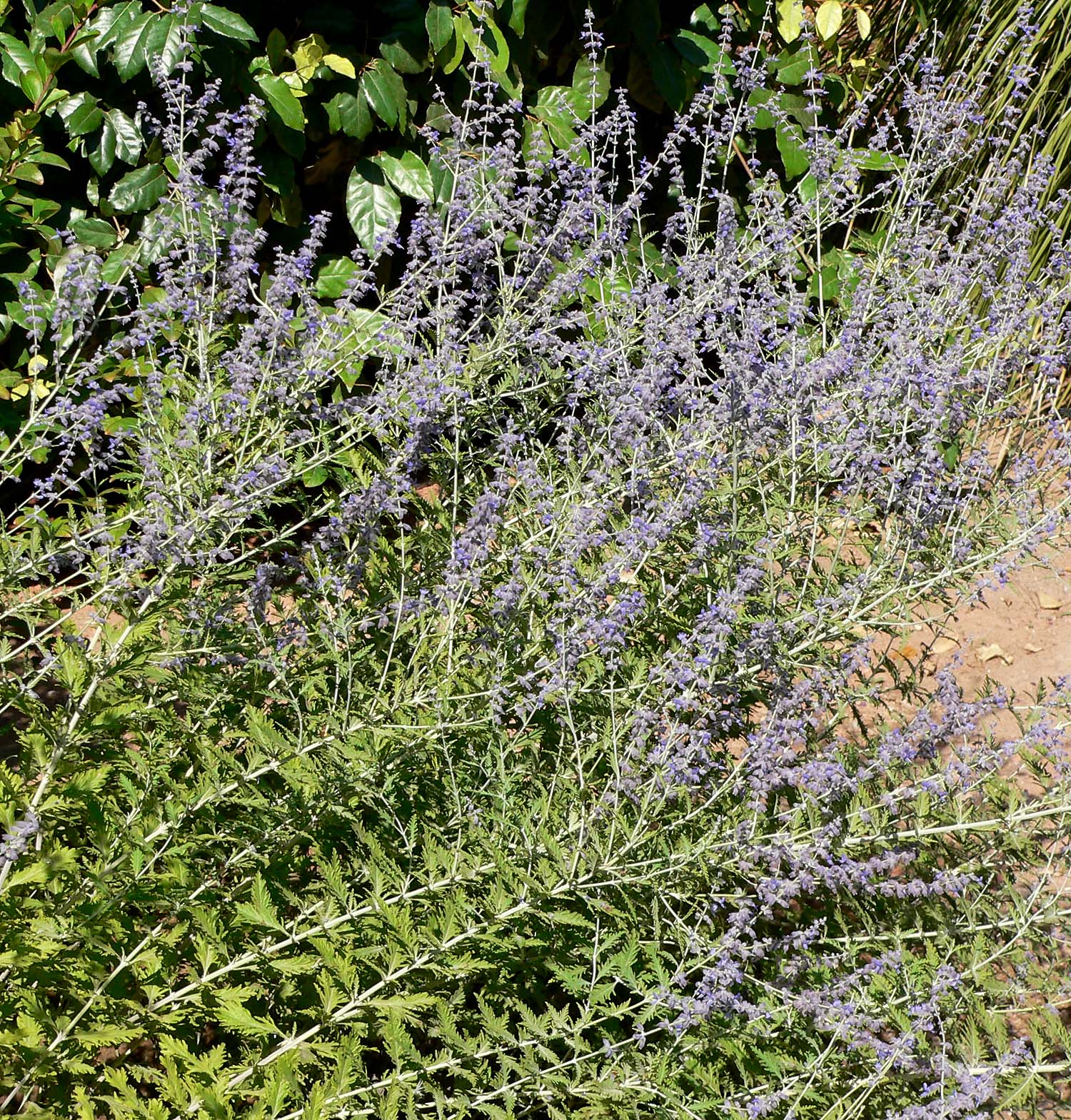
- Coarse or Fuzzy Foliage: Plants like Lamb's Ear, Russian Sage, and Yarrow (Yarrow) have textures deer dislike.
- Thorny Plants: While not always practical for every garden spot, plants like roses (some varieties) or barberry can deter deer with their prickles.
- Plants with Sap or Toxins: While we don't recommend planting highly toxic plants indiscriminately, some deer-resistant options like Milkweed or Daffodils contain compounds deer avoid.
Here's a quick reference for other deer-resistant perennials:
| Plant Name | Deer Resistance Level | Key Features |
|---|---|---|
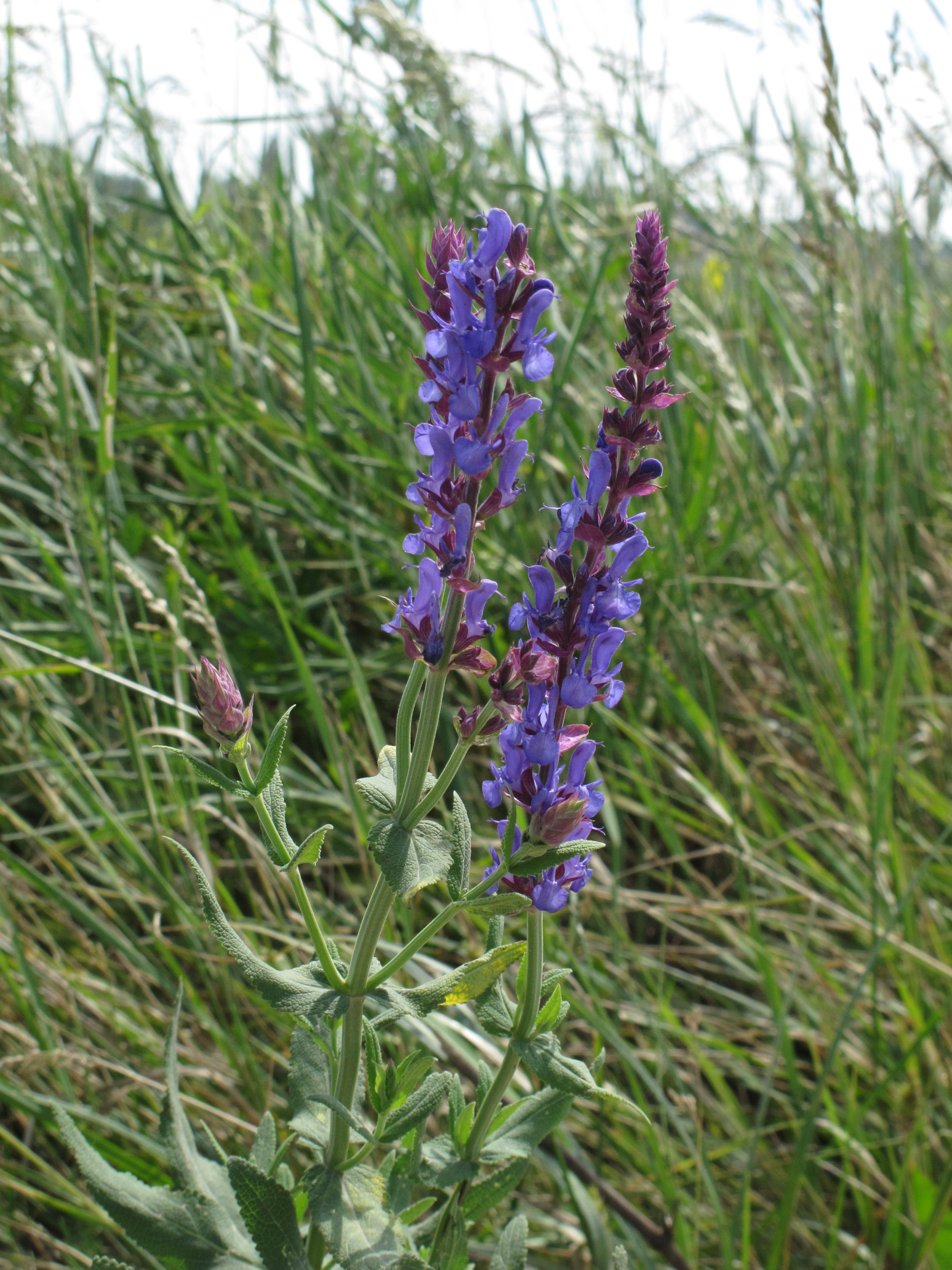
| Salvia | High | Aromatic foliage, diverse flower colors |
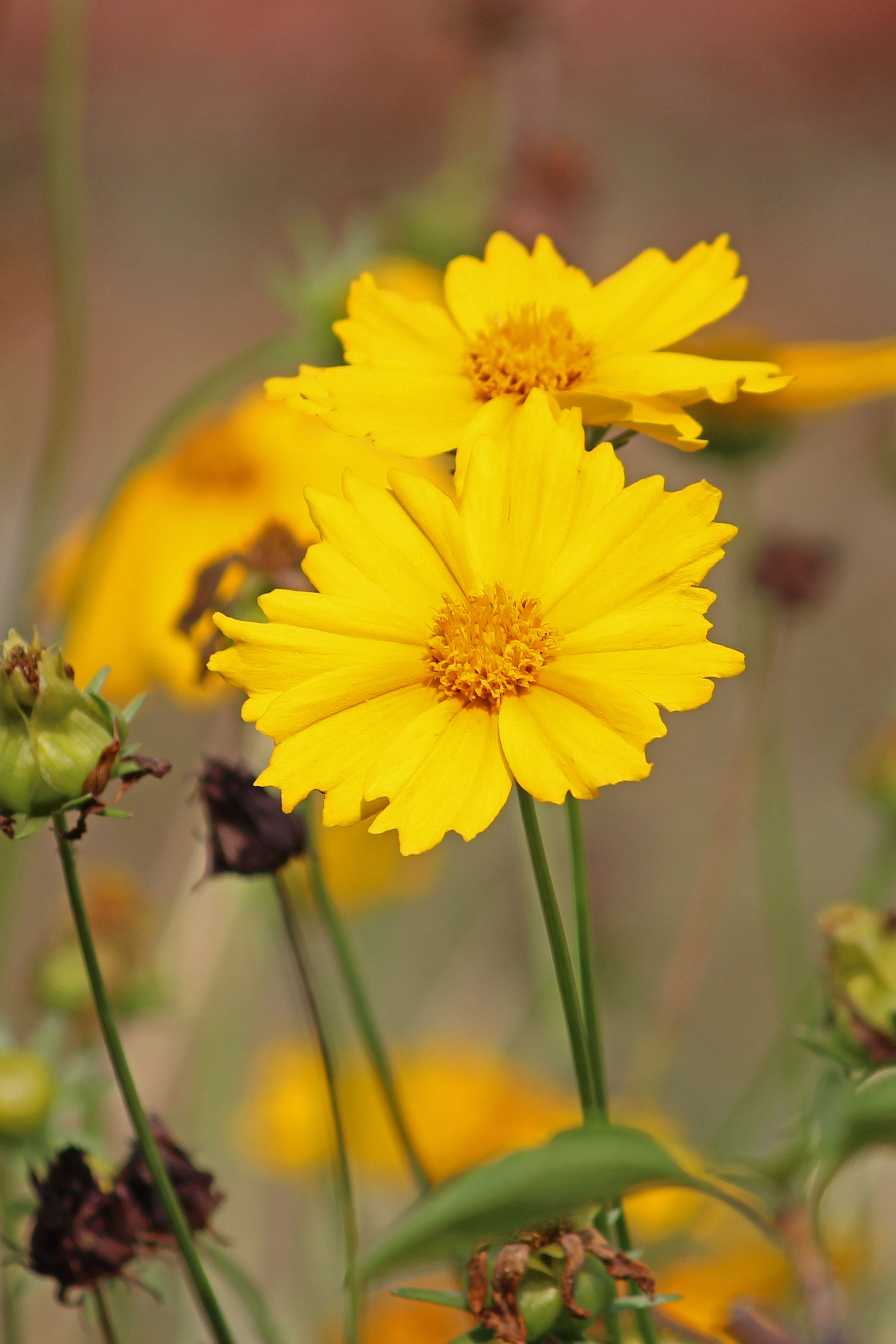
| Coreopsis | High | Cheerful, daisy-like flowers, long blooming |
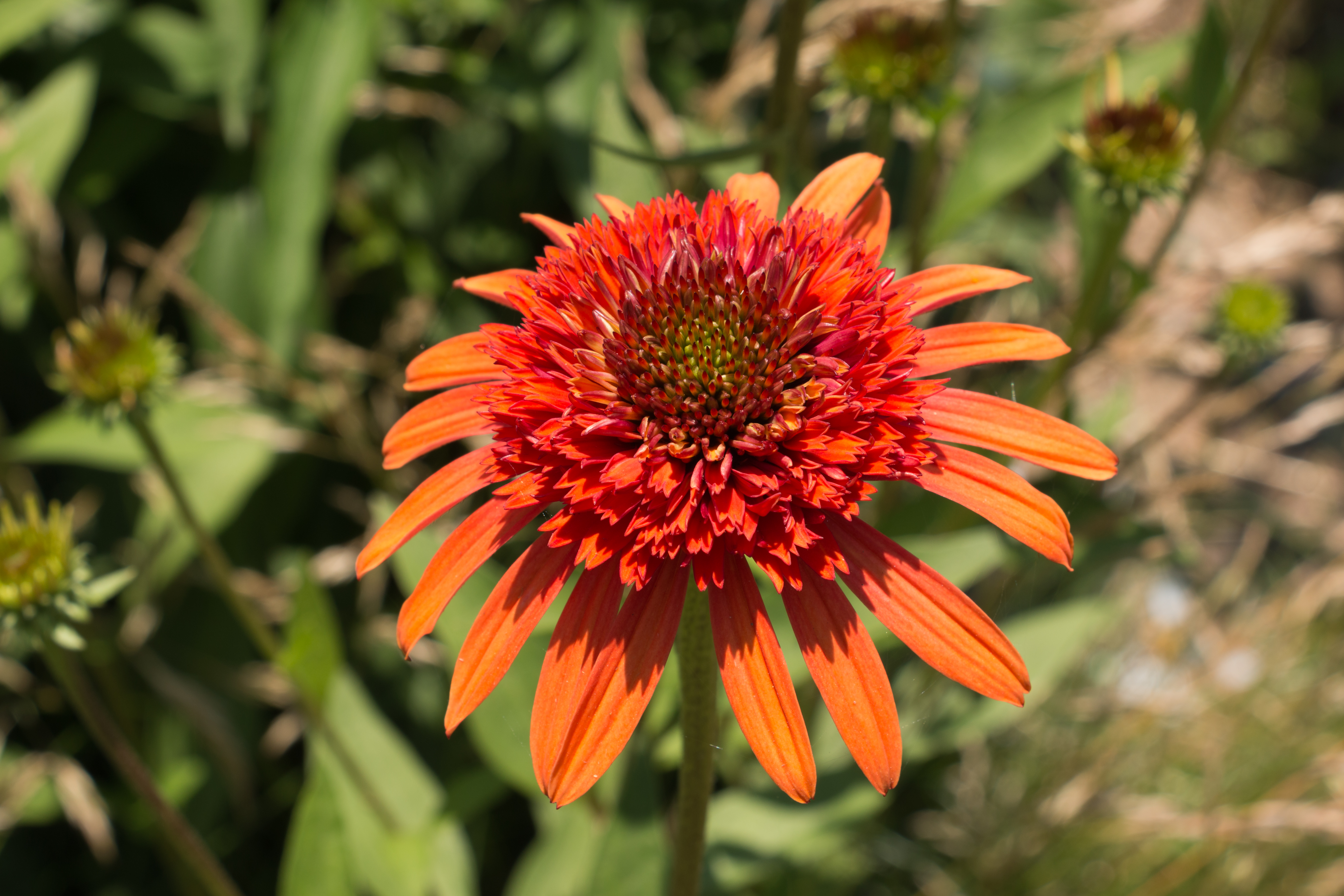
| Coneflower | Medium-High | Sturdy, architectural blooms, attracts pollinators |
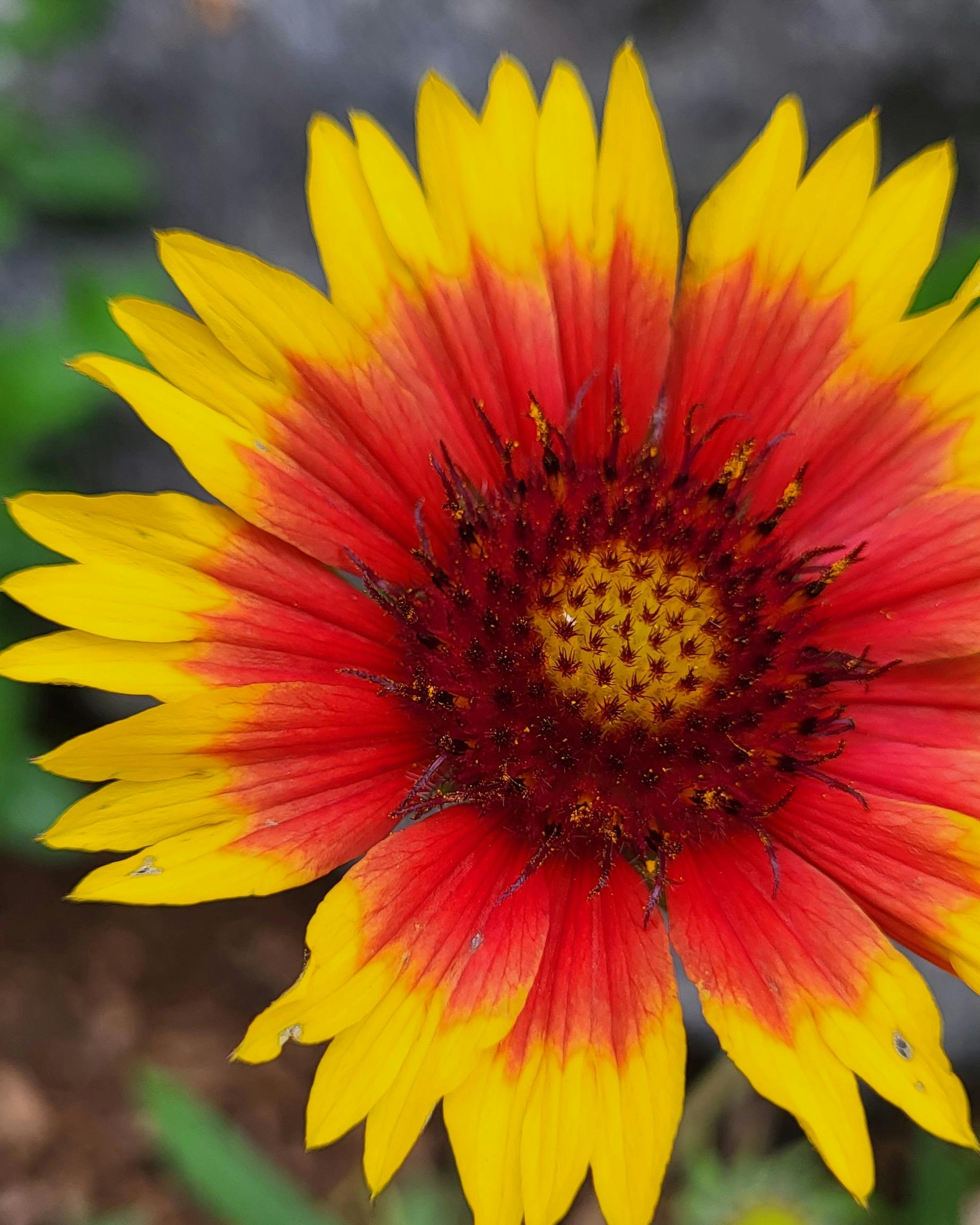
| Blanket Flower | High | Bright, daisy-like flowers, drought tolerant |
| Yarrow | High | Aromatic, fern-like foliage, flat-topped blooms |
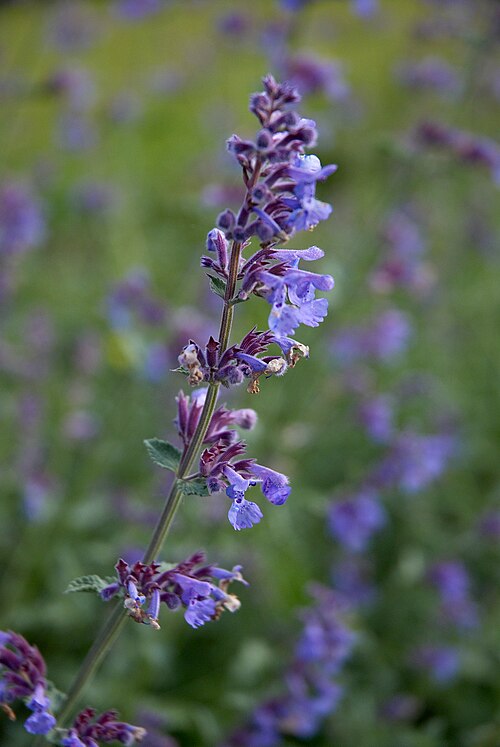
| Catmint | High | Aromatic, long-blooming, low maintenance |
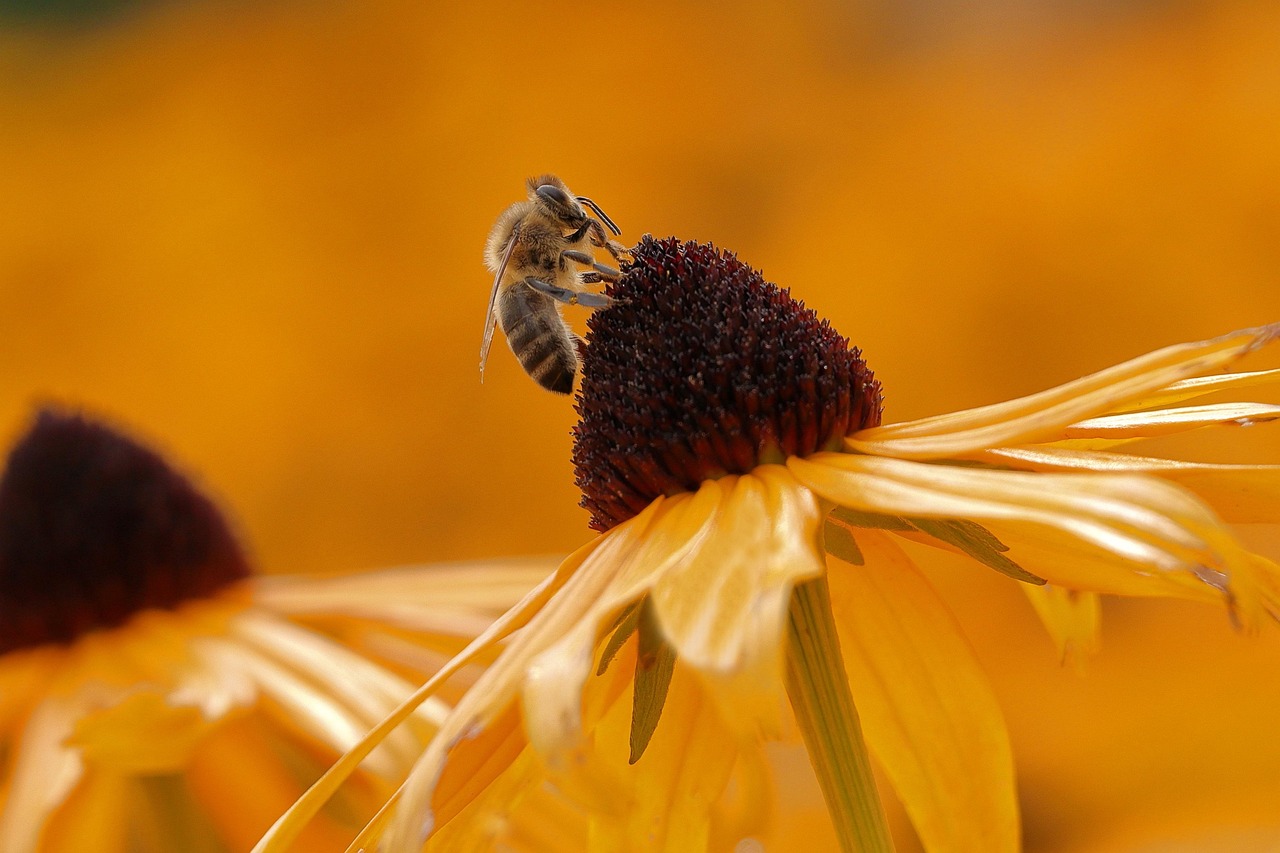
| Black-Eyed Susan | Medium-High | Classic yellow flowers, sturdy |
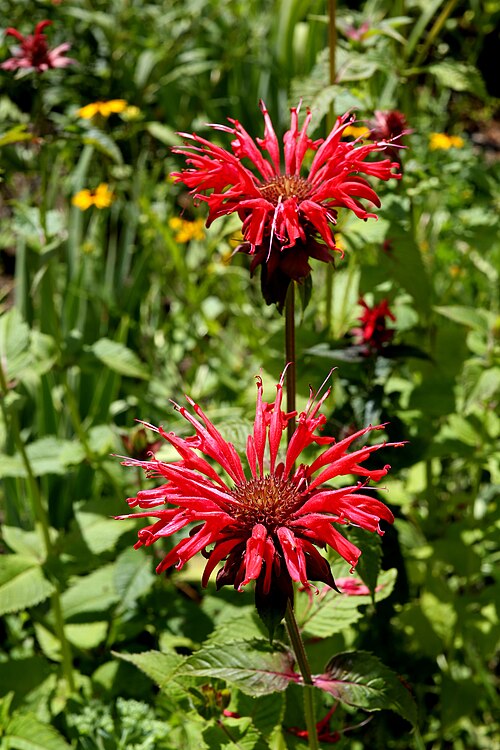
| Bee Balm | Medium-High | Aromatic, attracts hummingbirds and bees |
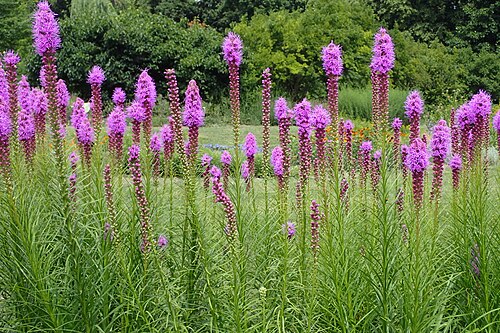
| Blazing Star | High | Unique spiky flowers, attracts butterflies |
Remember, the more diverse your deer-resistant planting, the better your chances of success. Deer are creatures of habit, but they also respond to variety.
Quick Reference: Penstemon for Deer Resistance
| Feature | Details
| Penstemon digitalis | Highly Resistant | Full sun to part shade, average to dry soil, white to pink flowers. Penstemon strictus | High | Deep blue-purple flowers, drought tolerant |
| Penstemon grandiflorus | High | Showy lavender-purple flowers, prairie native |
| Penstemon pinifolius | High | Fine, needle-like foliage, orange-red flowers |
Final Thoughts on Penstemon and Deer
Penstemon is an excellent choice for gardeners looking for beautiful, long-blooming perennials that can hold their own against deer. While no plant is 100% deer-proof, Penstemons are consistently low on a deer's preferred menu, especially when other food sources are available. By choosing the right varieties and providing them with their preferred growing conditions (lots of sun and well-drained soil), you can enjoy their vibrant floral displays and attract beneficial pollinators like hummingbirds and bees, all while keeping deer damage to a minimum.
Ready to find the perfect plants for your yard? Try the PlantWise Plant Finder →