Is Achillea (Yarrow) Deer Resistant? Complete Guide
If you're battling browsing deer in your garden, you'll be happy to know that yes, Achillea, commonly known as Yarrow, is reliably deer resistant. This hardy perennial is an excellent choice for gardeners looking to add vibrant color and texture without providing a buffet for local wildlife. Deer tend to avoid yarrow due to its strong, aromatic foliage, which they find unpalatable. Its somewhat hairy or fuzzy leaves also contribute to its low appeal for browsing animals. Incorporating yarrow into your landscape can significantly reduce deer damage, making it a valuable addition to any deer-prone garden.
🌱 Get Personalized Plant Picks
Answer a few quick questions and we’ll match plants to your exact yard conditions.
Find My Plants →Why is Yarrow Deer Resistant?
Deer are notoriously picky eaters, and they often steer clear of plants with certain characteristics. Yarrow ticks several boxes that make it unappealing to these browsing animals:
- Strong Aroma: Yarrow's foliage contains aromatic compounds that release a distinct, somewhat pungent scent, especially when crushed. This strong smell acts as a natural deterrent, as deer prefer plants with milder or no discernible odor. Think of it like a strong spice - delicious to us, but maybe not what a deer wants for dinner.
- Fuzzy or Hairy Texture: The leaves of many yarrow varieties have a slightly fuzzy or hairy texture. Deer generally prefer plants with smooth, tender foliage. The rougher texture of yarrow leaves can be off-putting, making them less desirable to munch on.
- Bitter Taste: While we don't recommend tasting it yourself, the compounds that give yarrow its aroma also contribute to a bitter taste that deer find unpleasant. This combination of smell and taste creates a formidable defense mechanism against browsing.
- Toxicity (Mild): While not highly toxic to deer, yarrow does contain compounds that can cause mild digestive upset if consumed in large quantities. Deer, being smart foragers, tend to learn which plants to avoid to prevent feeling unwell.
It's important to remember that no plant is truly deer-proof. A sufficiently hungry deer, especially during times of drought or severe winter, might sample almost anything. However, yarrow consistently ranks high on lists of deer-resistant plants and is rarely a first choice for them.
How Can I Use Yarrow Effectively in a Deer-Prone Garden?
Incorporating yarrow into your landscape is a strategic way to deter deer while adding beauty and biodiversity. Here are some practical tips:
- Strategic Placement: Plant yarrow along the borders of your garden beds, especially around more deer-attractive plants. Its strong scent can help mask the appeal of nearby edibles or favored ornamentals. Consider creating a "barrier" planting with yarrow and other deer-resistant plants.
- Mass Plantings: Planting yarrow in large drifts or groups can amplify its deterrent effect. A large patch of aromatic foliage is more likely to send deer looking elsewhere than a single, isolated plant.
- Mix with Other Deer-Resistant Plants: Enhance your garden's defense by pairing yarrow with other plants that deer tend to avoid.
- Variety Selection: While most yarrow varieties are deer resistant, some are more aromatic or have denser foliage than others. Common yarrow (Achillea millefolium) and its cultivars are excellent choices.
- Consider Container Plantings: If you have a patio or specific areas you want to protect, planting yarrow in containers can also be effective. This allows you to move the deterrent closer to vulnerable plants as needed.
- Maintain Plant Health: Healthy, vigorous plants are generally more resilient to all kinds of pressures, including deer browsing. Ensure your yarrow receives adequate sunlight, well-draining soil, and appropriate watering.
What Are the Best Yarrow Varieties for Deer Resistance?
While all Achillea species and cultivars generally exhibit deer resistance, some are particularly popular and widely available. Here are a few excellent choices:
- 'Moonshine' Yarrow (Achillea 'Moonshine'): This classic variety features bright, long-lasting yellow flowers and silvery-green, fern-like foliage. It's a vigorous grower and a fantastic choice for sunny borders.
- 'Paprika' Yarrow (Achillea millefolium 'Paprika'): Known for its vibrant red flowers with yellow centers, 'Paprika' offers a fiery splash of color. Its strong aroma makes it a reliable deer deterrent.
- 'Terra Cotta' Yarrow (Achillea millefolium 'Terra Cotta'): This variety boasts unique flowers that open orange and mature to a beautiful terra cotta or peach shade. It's a robust plant with excellent deer resistance.
- 'Summer Pastels' Yarrow (Achillea millefolium 'Summer Pastels'): If you prefer a mix of colors, this is a great option. It produces blooms in shades of pink, red, white, and yellow, all on deer-resistant plants.
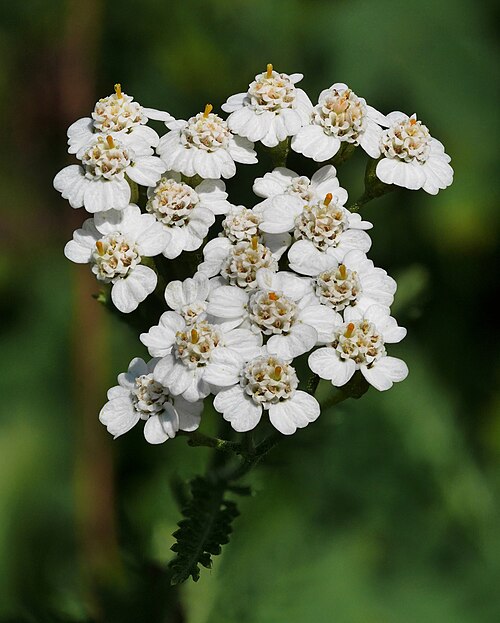
- Common Yarrow (Achillea millefolium): The species itself is a fantastic, tough plant that naturalizes well and provides excellent deer resistance with its characteristic white to pale pink flowers.
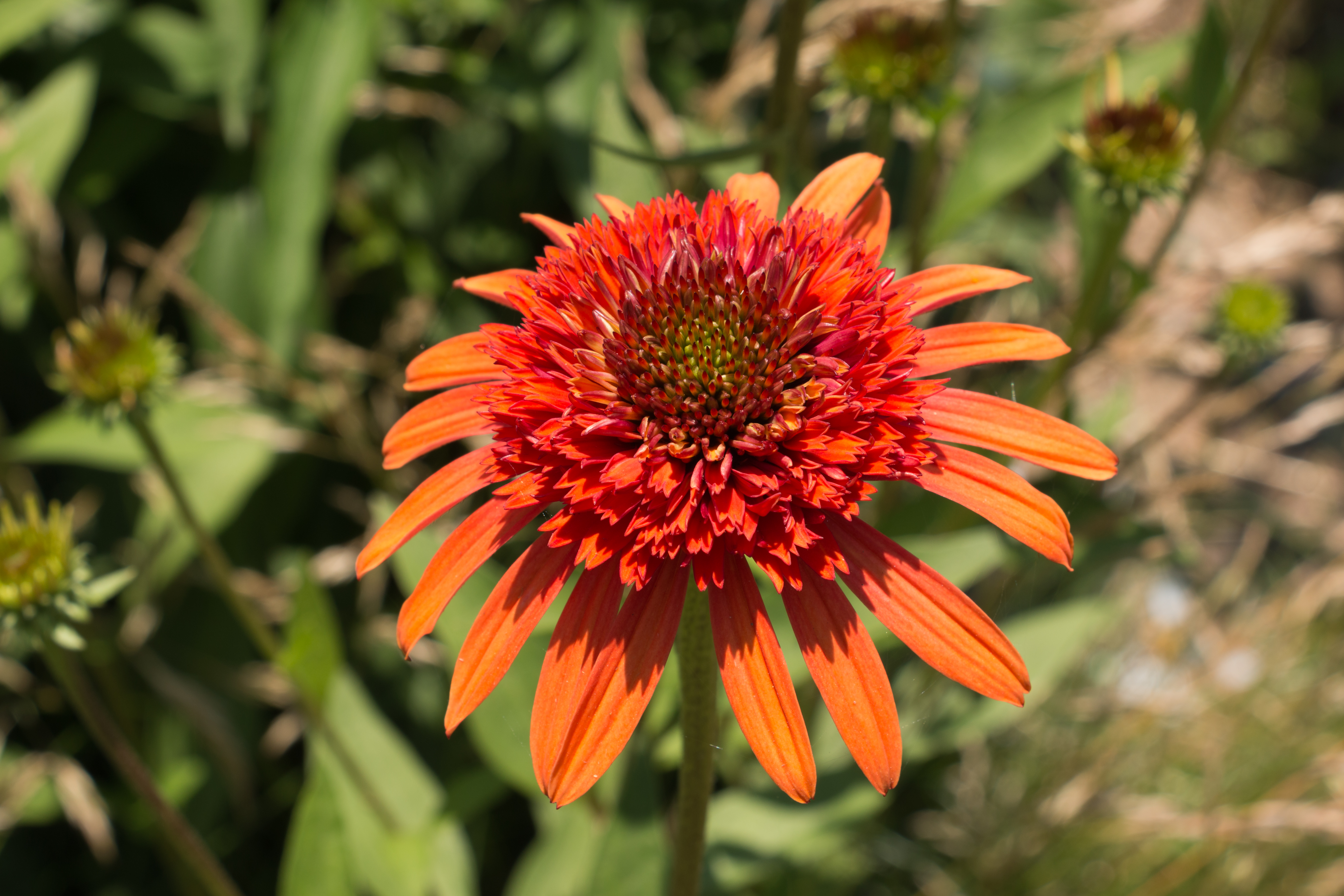
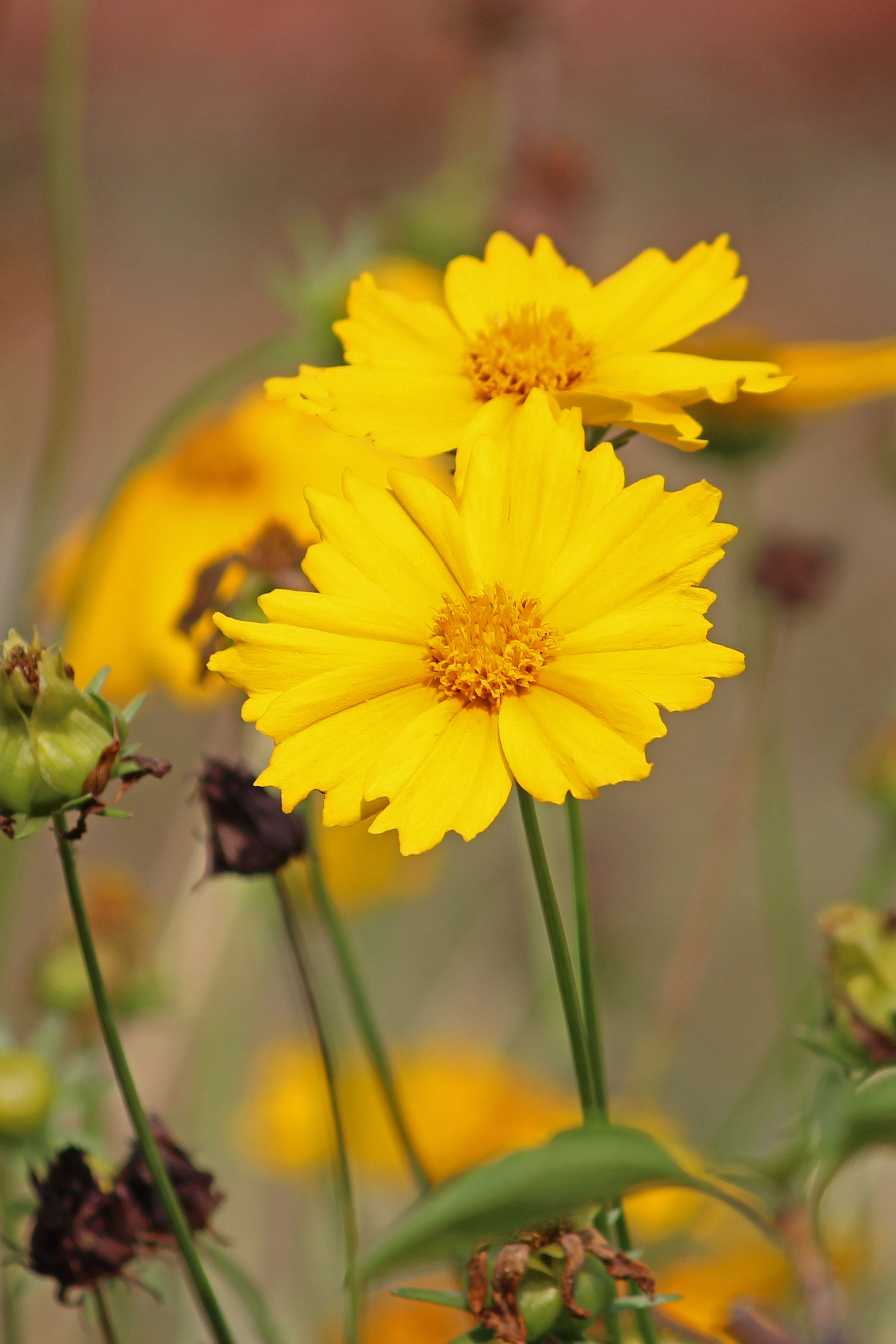
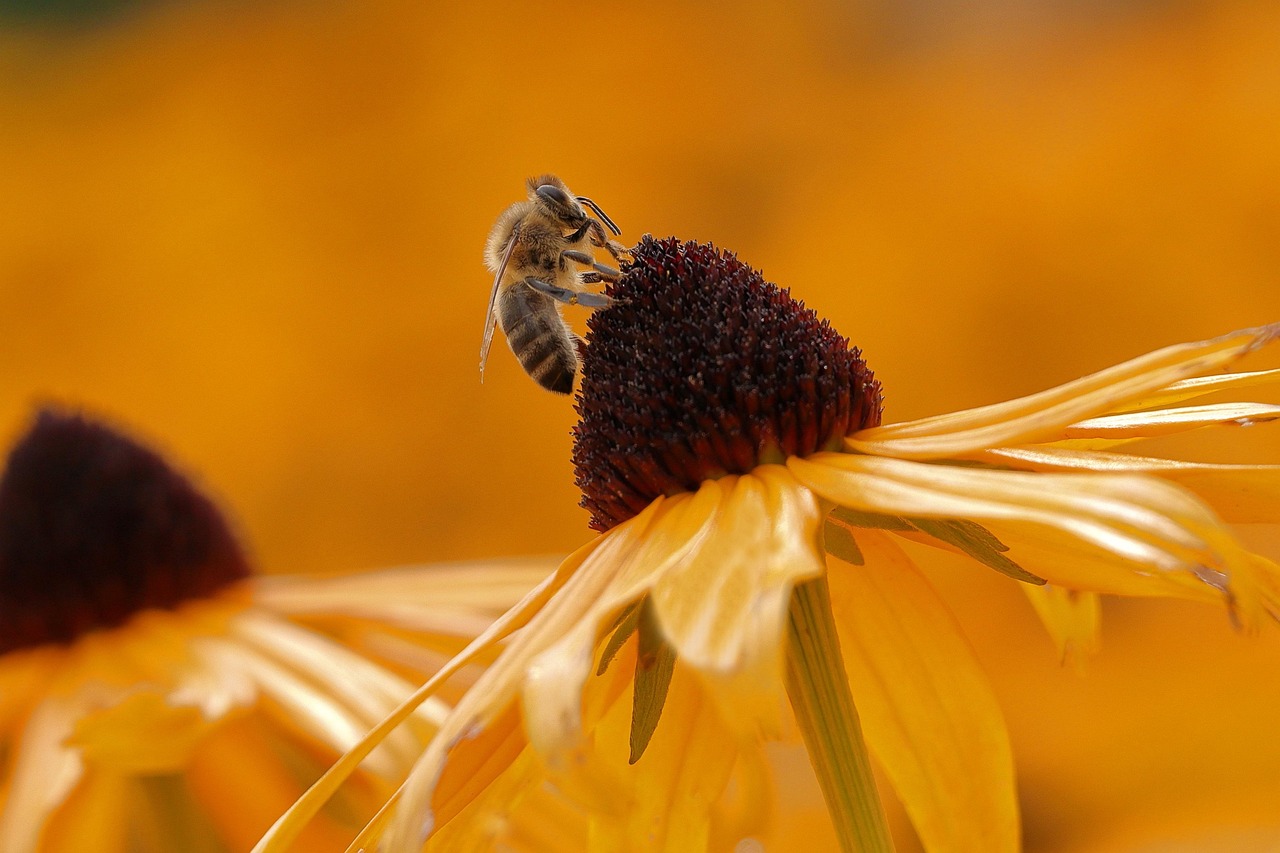
Yarrow Coneflower Black-eyed Susan
Quick Reference: Yarrow and Deer
| Feature | Description (This will be a good place for a quick reference table. I need to make sure to include the "no plant is truly deer-proof" disclaimer.)
Is Yarrow Toxic to Pets or Humans?
While yarrow is celebrated for its medicinal properties in herbal medicine, it's essential to be aware of its potential effects on pets and humans.
For Pets: Yarrow (Achillea millefolium) is not listed as toxic to dogs, cats, or horses by the ASPCA. However, like many plants, ingestion of large quantities can potentially cause mild gastrointestinal upset (vomiting, diarrhea) in sensitive animals. It's always best to discourage pets from eating garden plants.
If you suspect your pet has ingested a toxic plant, call the ASPCA Animal Poison Control Center immediately at (888) 462-4435.
For Humans: Yarrow has a long history of use in traditional medicine for various ailments, including fever reduction, wound healing, and digestive issues. It's often consumed as a tea or applied topically. However, some individuals can experience allergic reactions, particularly those sensitive to plants in the Asteraceae family (like ragweed, chrysanthemums, marigolds). Symptoms can include skin irritation or dermatitis upon contact. Pregnant or nursing women, and individuals on certain medications, should consult a healthcare professional before using yarrow internally.
How Do I Care for Yarrow in My Garden?
Yarrow is a remarkably low-maintenance plant, making it an excellent choice for busy gardeners or those new to gardening. Its adaptability contributes to its popularity in various climates and soil types.
Sunlight: Yarrow thrives in full sun, meaning at least 6 hours of direct sunlight per day. In shadier conditions, it may become leggy and produce fewer flowers.
Soil: It prefers well-draining soil and can tolerate a wide range of soil types, including poor or sandy soils. Avoid heavy clay soils that retain too much moisture, as this can lead to root rot. Good drainage is key.
Watering: Once established, yarrow is quite drought-tolerant. Water regularly during its first growing season to help it establish a strong root system. After that, it generally only needs supplemental watering during extended dry periods. Overwatering is more detrimental than underwatering.
Fertilizing: Yarrow typically doesn't require much fertilizer. In fact, too much fertilizer, especially nitrogen, can lead to leggy growth and fewer blooms. If your soil is very poor, a light application of a balanced, slow-release fertilizer in spring can be beneficial.
Pruning:
- Deadheading: To encourage continuous blooming and prevent self-seeding (which can be aggressive in some varieties), deadhead spent flowers regularly. Cut the flower stalks back to the next set of leaves or to the base of the plant.
- Cutback: After the main flush of blooms fades (usually mid-summer), you can cut the entire plant back by about one-third to one-half. This often encourages a second, smaller flush of blooms in late summer or early fall.
- Spring Cleanup: In late winter or early spring, before new growth emerges, cut back any remaining old foliage to the ground.
Pests and Diseases: Yarrow is generally pest and disease resistant. Occasionally, it may suffer from powdery mildew in humid conditions or if air circulation is poor. Aphids can sometimes be an issue, but they are usually easily managed with a strong spray of water or insecticidal soap.
Dividing: Yarrow clumps can become crowded over time, leading to reduced flowering. Divide plants every 2-3 years in early spring or fall to rejuvenate them and maintain vigor.
By following these simple care guidelines, your yarrow plants will flourish, providing beautiful blooms and a natural deer deterrent for years to come.
Ready to find the perfect plants for your yard? Try the PlantWise Plant Finder →