The debate over native vs. non-native plants is a nuanced one, with valid points on both sides. While native plants are generally considered beneficial for local ecosystems due to their adaptation to the climate and soil, and their support for native wildlife, non-native plants can also play a role in a diverse garden, provided they are not invasive. Understanding the distinctions and potential impacts of each type is key to making informed choices for your garden and the environment.
What Exactly Are Native and Non-Native Plants?
At its core, a native plant is one that has evolved in a particular region over thousands of years, adapting to its specific climate, soil, and ecological conditions. These plants have formed complex relationships with local wildlife, including insects, birds, and mammals, providing essential food and shelter. Think of plants that have been growing in your area long before human intervention.
Non-native plants, also known as exotic, introduced, or alien plants, are those that have been brought to a new region, either intentionally or accidentally, from another part of the world. These plants may thrive in their new environment, but they haven't evolved alongside the local ecosystem.
Within the category of non-native plants, it's crucial to distinguish between non-invasive non-natives and invasive non-natives. Non-invasive non-natives can coexist peacefully in a garden without outcompeting native species or disrupting the local ecosystem. Invasive non-natives, however, are plants that spread aggressively, displace native vegetation, and can cause significant harm to biodiversity and ecosystem function. These are the plants that give all non-natives a bad name and should generally be avoided.
🌱 Get Personalized Plant Picks
Answer a few quick questions and we’ll match plants to your exact yard conditions.
Find My Plants →Why Do Native Plants Matter for Local Ecosystems?
Native plants are the foundation of healthy local ecosystems. They are perfectly adapted to the regional climate, requiring less water, fertilizer, and pesticides once established. This reduces your gardening effort and environmental footprint. More importantly, native plants provide specialized food sources and habitats for local wildlife.
For example, many native insect species, particularly caterpillars, can only digest the leaves of specific native plants. These caterpillars, in turn, are a primary food source for nesting birds. Without the correct native host plants, these insect populations decline, leading to a cascade effect up the food chain. Native plants also offer superior nectar and pollen for native pollinators like bees and butterflies, and their seeds and berries provide sustenance for birds and small mammals throughout the year.
Consider the intricate relationships:
- Pollinators: Native bees and butterflies often have co-evolved with native flowers.
- Food Web: Native plants support native insects, which are crucial food for birds and other animals.
- Water Conservation: Adapted to local rainfall patterns, natives often need less supplemental watering.
- Soil Health: Their root systems can improve soil structure and prevent erosion.
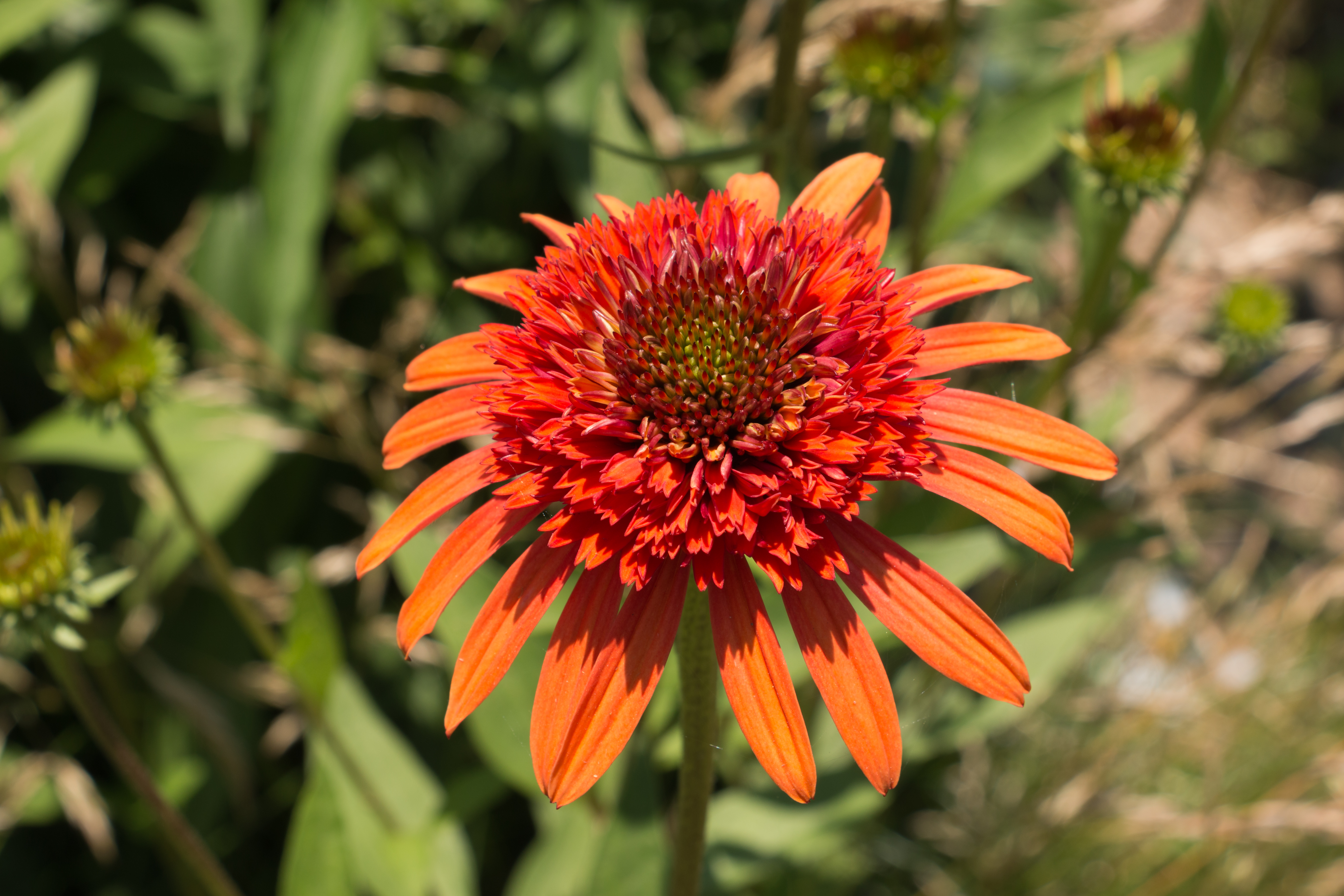
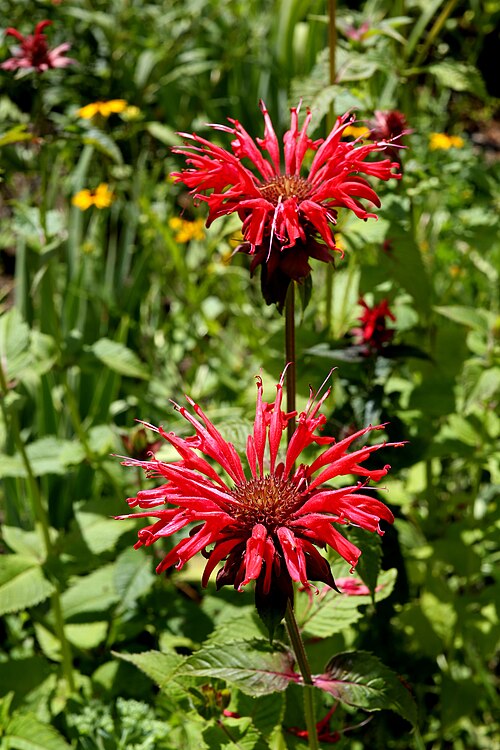
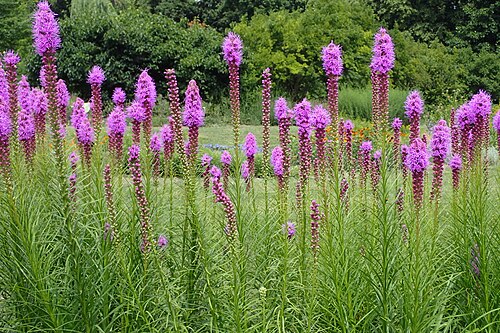
Coneflower Bee Balm Blazing Star
Can Non-Native Plants Have a Place in a Garden?
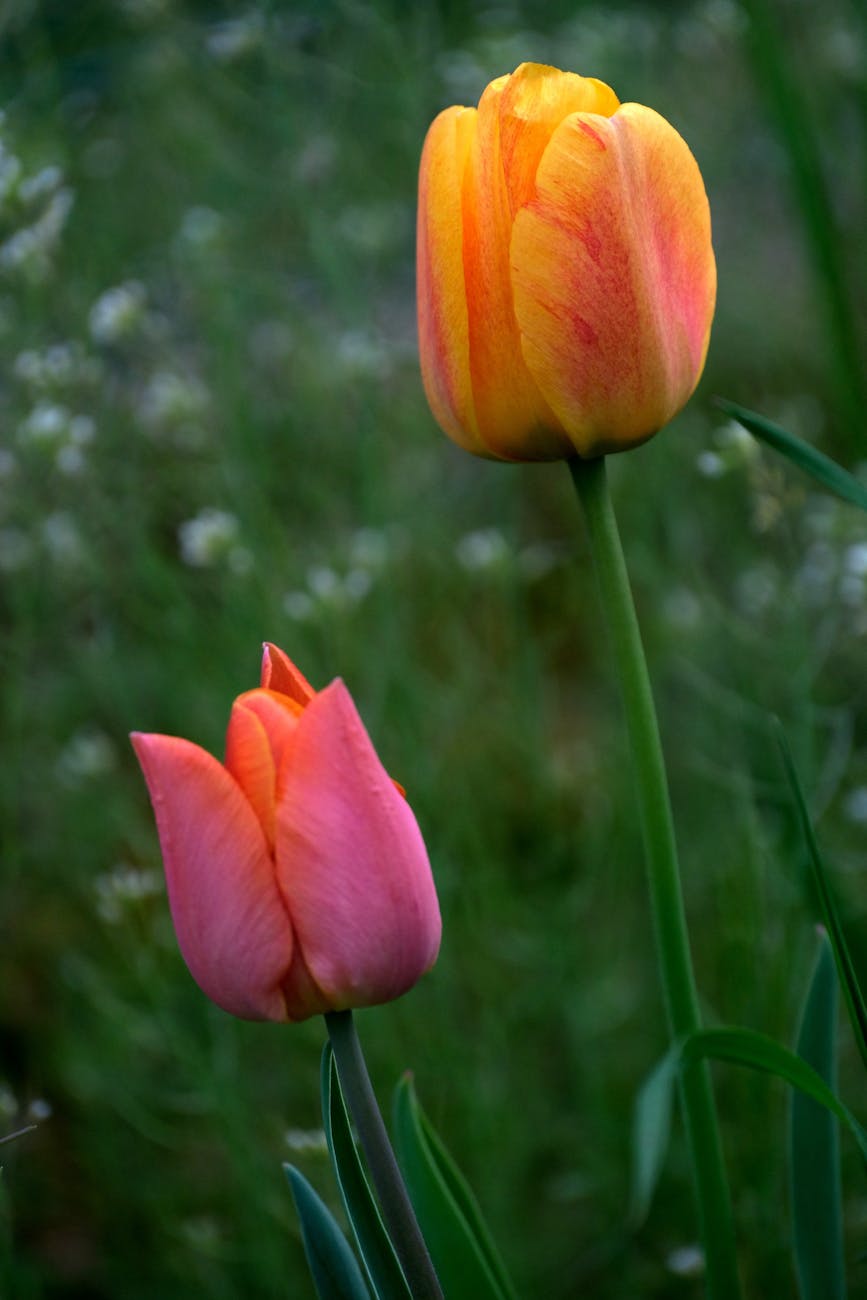
Yes, non-native plants can certainly have a place in a garden, provided they are carefully selected and managed. Not all non-native plants are invasive, and many can add beauty, diversity, and even some ecological benefits without causing harm. Many beloved garden staples, from tulips to roses, are non-native.
The key is to choose non-invasive non-native plants. These are plants that will not escape your garden and outcompete native species in natural areas. They can offer:
- Extended Bloom Times: Some non-natives can provide nectar and pollen when native plants are not in bloom, supporting generalist pollinators.
- Aesthetic Appeal: They can introduce unique colors, textures, and forms that complement a native plant palette.
- Specific Garden Needs: Some non-natives might be better suited for particular garden conditions (e.g., very dry shade) where native options are limited.
However, even non-invasive non-natives don't offer the same specialized ecological benefits as native plants. While a non-native flower might provide nectar, it may not be a host plant for native caterpillars, nor might its pollen be as nutritious for native bees. The best approach is often a balanced one, prioritizing native plants while thoughtfully integrating non-invasive non-natives for specific purposes.
How Do I Choose Between Native and Non-Native Plants?
Making informed choices involves a bit of research and understanding your local ecosystem. Here's a quick guide:
- Prioritize Natives: Aim for a significant portion, if not the majority, of your garden to be composed of native plants. This provides the most ecological benefit.
- Research Non-Natives Thoroughly: Before planting any non-native, check if it's listed as invasive in your region. State extension offices, local native plant societies, and university horticulture departments often have lists of invasive species to avoid.
- Consider "Nativars": These are cultivars of native plants. While they are native species, they have been bred for specific traits (e.g., different flower color, dwarf size). The ecological impact of nativars is still a topic of ongoing research, with some studies suggesting that highly modified nativars might offer fewer benefits to pollinators than their straight native counterparts. When in doubt, choose the straight native species.
- Observe Your Garden: Pay attention to how plants are performing and interacting with wildlife. Are your non-natives spreading aggressively? Are native pollinators visiting them?
- Local Resources: Consult your local native plant society or botanical garden for lists of recommended native plants for your specific ecoregion.
Quick Reference: Native vs. Non-Native
| Feature | Native Plants | Non-Native Plants (Non-Invasive) | Invasive Non-Native Plants |
|---|---|---|---|
| Ecological Benefit | High (specialized food/habitat for local wildlife) | Moderate (generalist food/habitat, aesthetic value) | Negative (displaces natives, harms ecosystems) |
| Maintenance | Low (once established, adapted to local conditions) | Variable (may require more care depending on adaptation) | High (can be difficult to control spread) |
| Water Needs | Low (adapted to local rainfall) | Variable (depends on plant's origin) | Variable |
| Pest/Disease Resist. | High (co-evolved with local pests/diseases) | Variable (can be susceptible or highly resistant) | Variable (often highly resistant, contributing to invasive success) |
| Spread | Natural spread within ecosystem | Stays within garden boundaries | Spreads aggressively, outcompeting natives in natural areas |
| Recommendation | Highly Recommended for ecological gardening | Use with Caution & Research (ensure non-invasive) | Avoid at all costs |
What Are the Risks of Planting Invasive Species?
The risks associated with planting invasive non-native species are significant and far-reaching. These plants can:
- Reduce Biodiversity: They outcompete native plants for resources like sunlight, water, and nutrients, leading to a decline in native plant populations. This, in turn, impacts the wildlife that depends on those native plants.
- Alter Ecosystems: Invasive plants can change soil chemistry, water cycles, and even fire regimes, fundamentally altering the structure and function of natural habitats.
- Harm Wildlife: By displacing native host plants and food sources, invasives can lead to declines in native insect, bird, and mammal populations.
- Economic Costs: Managing invasive species costs billions of dollars annually in eradication efforts, agricultural losses, and impacts on forestry and recreation.
- Property Value: Certain invasive species can even decrease property values by damaging infrastructure or making landscapes difficult to manage.
It's crucial to be aware of what constitutes an invasive species in your specific region. A plant that is harmless in one climate might be highly invasive in another. Always check local resources before introducing a new plant.
How Can Gardeners Make a Positive Impact?
Every gardener has the power to make a positive impact on their local environment. By embracing native plants, you contribute to a healthier, more resilient ecosystem right in your own backyard.
Start small if you need to. Replace a section of your lawn with a native wildflower meadow, or swap out a non-native shrub for a native alternative. Educate yourself and your neighbors about the benefits of native plants and the dangers of invasive species. Your garden can become a vital stepping stone for wildlife, connecting fragmented habitats and supporting the intricate web of life.
Remember, no plant is truly deer-proof, but native plants are often more resilient to local wildlife pressures due to their long history of co-evolution.
Ready to find the perfect plants for your yard? Try the PlantWise Plant Finder →