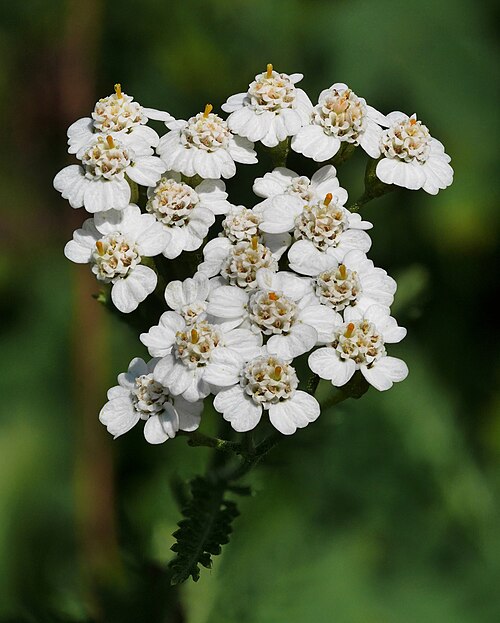
Native plant meadow gardens are a beautiful and sustainable way to transform your landscape, offering a haven for local wildlife and a low-maintenance alternative to traditional lawns. Creating one involves careful planning, site preparation, selecting appropriate native plants, and ongoing care to establish a thriving ecosystem. By following a few key steps, you can cultivate a vibrant meadow that supports pollinators, birds, and other beneficial creatures while reducing your water usage and maintenance efforts.
Why Choose a Native Plant Meadow Garden?
Embracing a native plant meadow garden offers a multitude of benefits for both your yard and the broader ecosystem. Unlike traditional lawns, which often require significant inputs of water, fertilizers, and pesticides, native meadows are adapted to local conditions and thrive with minimal intervention once established. This translates to less time spent mowing and more time enjoying a dynamic, ever-changing landscape.
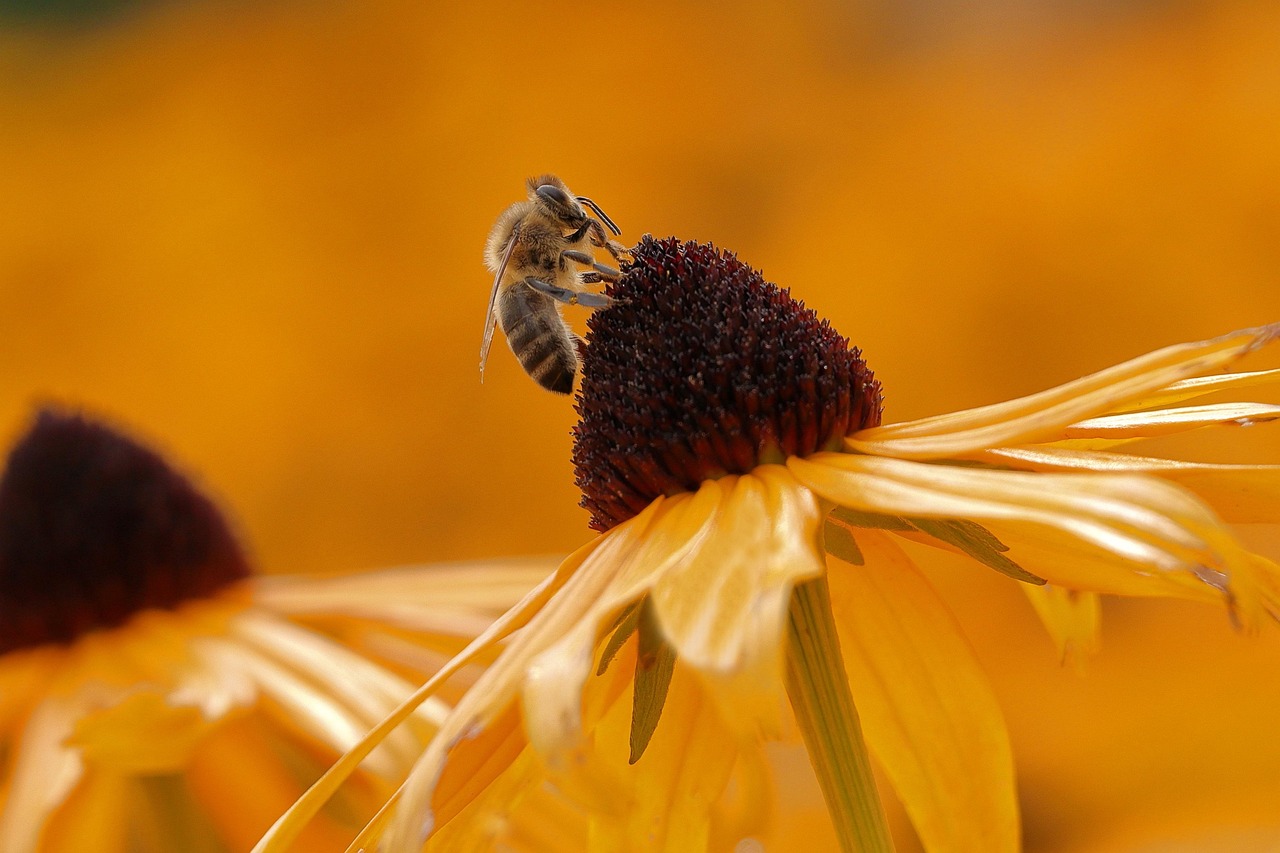
Beyond the practical advantages, native meadows are ecological powerhouses. They provide essential food, shelter, and breeding grounds for a diverse array of wildlife, including bees, butterflies, birds, and small mammals. By planting species indigenous to your region, you're supporting the intricate web of life that has evolved alongside these plants for centuries. These gardens also help improve soil health, reduce stormwater runoff, and contribute to biodiversity conservation. Imagine your yard buzzing with life, a vibrant tapestry of colors and textures that changes with the seasons - that's the magic of a native plant meadow.
🌱 Get Personalized Plant Picks
Answer a few quick questions and we’ll match plants to your exact yard conditions.
Find My Plants →Where Should You Locate Your Meadow Garden?
Choosing the right location is paramount for the success of your native plant meadow garden. Most meadow plants, especially wildflowers and grasses, thrive in full sun, meaning they need at least six hours of direct sunlight per day. Observe your yard throughout the day to identify areas that receive ample sun exposure. While some native plants tolerate partial shade, a sunny spot will offer the widest range of plant choices and the most robust blooms.
Consider the existing soil conditions. While native plants are generally adaptable, understanding your soil type (clay, sand, loam) and its drainage can help you select species that will naturally flourish. You might also want to think about the size and shape of your desired meadow. Even a small patch can make a significant impact, but larger areas offer more opportunities for diverse plantings and a more immersive experience. Finally, consider accessibility for future maintenance, such as occasional weeding or path creation.
How Do You Prepare the Site for Planting?
Site preparation is arguably the most critical step in creating a successful native plant meadow. The goal is to eliminate existing vegetation, especially persistent weeds, to give your new native plants the best chance to establish without competition. There are several effective methods for site preparation:
- Solarization: This method uses the sun's heat to kill weeds and their seeds. Cover the area with clear plastic sheeting, securely anchoring the edges, for 6-8 weeks during the hottest part of summer. The sun heats the soil underneath, effectively "baking" the weeds.
- Sheet Mulching (Lasagna Gardening): This organic method involves layering cardboard, newspaper, compost, and other organic materials over the existing vegetation. This smothers weeds, enriches the soil, and prepares the bed for planting over several months.
- Repeated Tilling/Weeding: For smaller areas, repeated tilling or hand-weeding can be effective, though it may bring dormant weed seeds to the surface. This method requires diligence over several weeks or months.
- Herbicide Application (Use with Caution): While not preferred by many organic gardeners, a targeted application of a broad-spectrum herbicide can be effective for large, heavily weeded areas. If you choose this route, follow product instructions carefully and allow sufficient time for the herbicide to dissipate before planting.
Regardless of the method chosen, ensure the area is clear of debris and as weed-free as possible before proceeding to planting.
What Native Plants Are Best for a Meadow Garden?
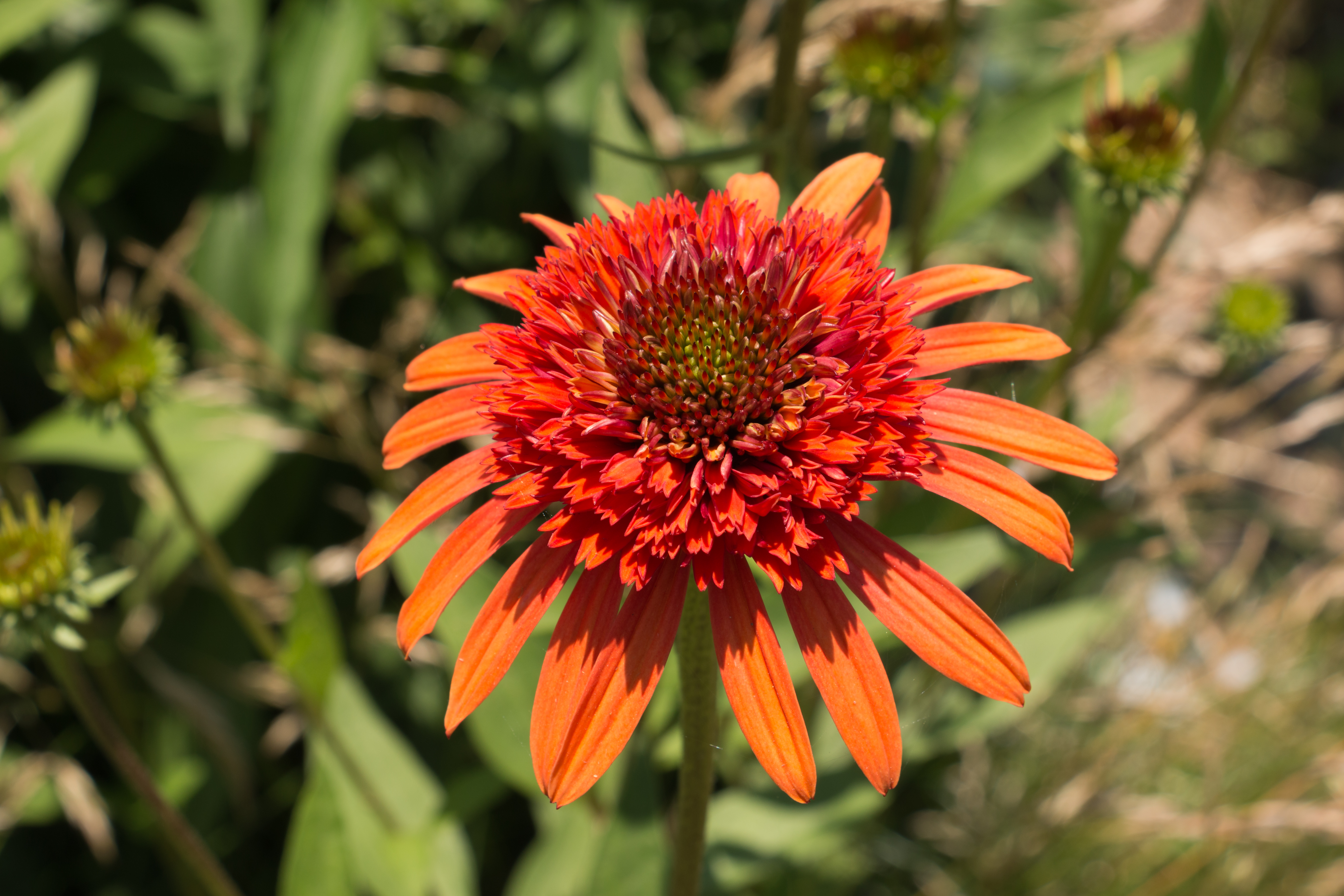
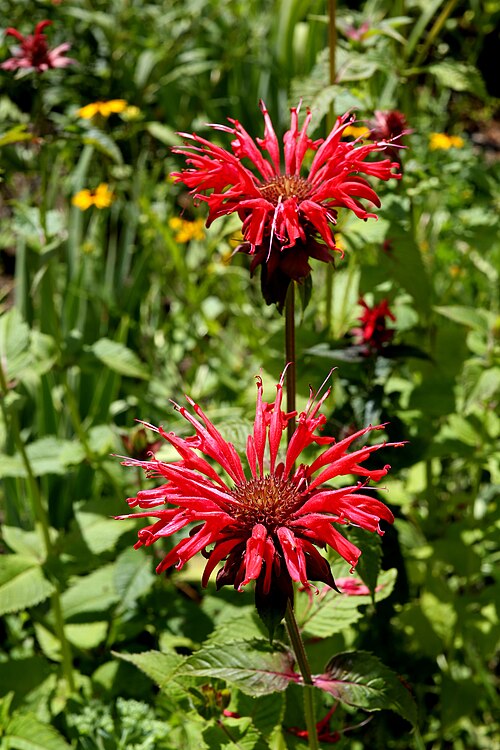
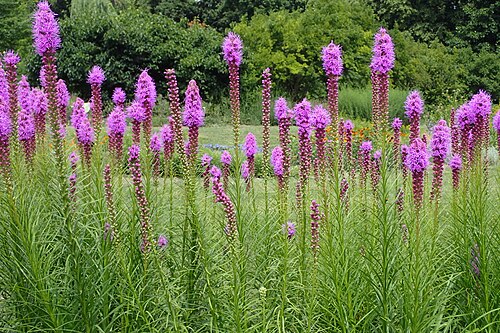
Selecting the right native plants is key to creating a resilient and beautiful meadow. Focus on a mix of grasses and wildflowers that are native to your specific region, as these will be best adapted to your climate and soil. Aim for diversity in plant heights, bloom times, and flower colors to provide continuous interest and support a wider range of wildlife throughout the seasons.
Consider plants that offer structural interest, such as tall grasses, alongside vibrant flowering perennials. Including host plants for butterflies and nectar sources for bees will further enhance your meadow's ecological value.
Here are some excellent choices for many North American meadow gardens:
When choosing plants, look for local native plant nurseries or conservation organizations that specialize in regional ecotypes. These plants are often more robust and better suited to your environment than those from general garden centers.
Quick Reference: Meadow Plant Selection Tips
| Feature | Recommendation | | Location | Full sun (at least 6 hours direct sunlight daily) is ideal for most meadow plants. | | **** | Full Sun (6+ hours direct sun daily) | | Sunlight | Full sun (6+ hours) preferred for most native meadow plants. | | Location | Full sun (6+ hours) preferred for most native meadow plants. | | Soil | Well-drained, native soil. Amend with organic matter if needed. | | **** | Full Sun (6+ hours direct sun daily) | | Growth Rate | Fast to moderate, depending on species. | | Growth Rate | Fast to moderate, depending on species. | | **** | Full Sun (6+ hours direct sun daily)